Full Article
about Peñamellera Baja
Entry into Asturias via the Deva
Ocultar artículo Leer artículo completo
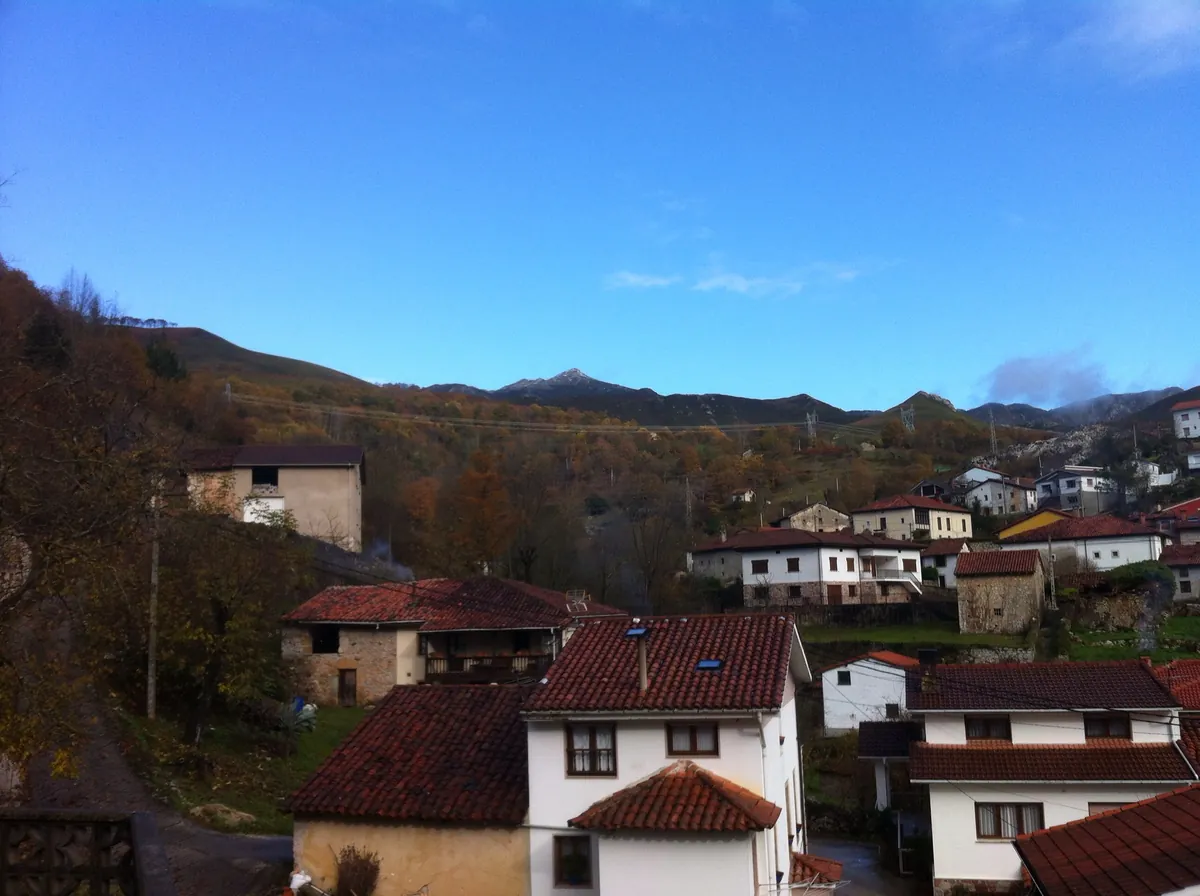
The first clue that you've left the coast behind is the smell of silage drifting through the open window. Ten minutes earlier the A-8 was threading through Cantabrian sea-mist; now you're climbing the Cares valley with meadows rolling up either side like green wallpaper, and every bend reveals another stone barn with a slate roof the colour of wet charcoal. Welcome to Penamellera Baja, the municipality most visitors barrel through on their way to somewhere more famous.
Panes, the administrative capital, won't win any beauty contests. Its high street is a functional mix of Mas y Mas supermarket, agricultural-supply shops and bars that open at six in the morning for farmers who think 5 °C is "fresh". Yet look up from the petrol station forecourt and you'll spot the giveaway: three-storey mansions with tropical hardwood balconies, built by 19th-century emigrants who made their fortune in Cuba and came home to show off. They sit side-by-side with modest cowmen's cottages, a reminder that this valley has always exported people and imported ideas.
Stay here rather than in one of the hill hamlets if you want to walk to dinner. There are four restaurants within five hundred metres, all serving the same local repertoire: fabada stew thick enough to stand a spoon in, grilled ox rib for two, and a slab of cabrales that will clear your sinuses faster than any Vicks inhaler. Expect to pay €14–16 for a main; cider is still cheaper than bottled water, though you'll need the brief tutorial on pouring from height unless you fancy wearing it.
The real village life, however, is scattered across sixteen parishes whose names – Buelles, Siejo, Niserias – rarely appear on maps outside the valley. Turn off the AS-114 anywhere between Panes and the Cantabrian border and the tarmac narrows to a single track hedged with hazel. Cottages here follow the Asturian rule: ground floor for the cow, first floor for the family, hayloft above. Many are still occupied by the original lineage; the elderly owner leaning on the gate can tell you which British couple bought the ruin opposite, how much they paid, and why the restoration stalled when the pound collapsed.
Sat-nav will try to send you down lanes that farmers use to reach their fields. Ignore it. Leave the car on the verge and walk the last stretch; distances look laughably short on the screen but the valley folds like badly tucked bedding. A five-kilometre detour can take twenty minutes once you've dodged the tractor bringing hay down from a high meadow. The reward is privacy: mid-week you can follow the Cares for an hour and meet nothing noisier than a dipper.
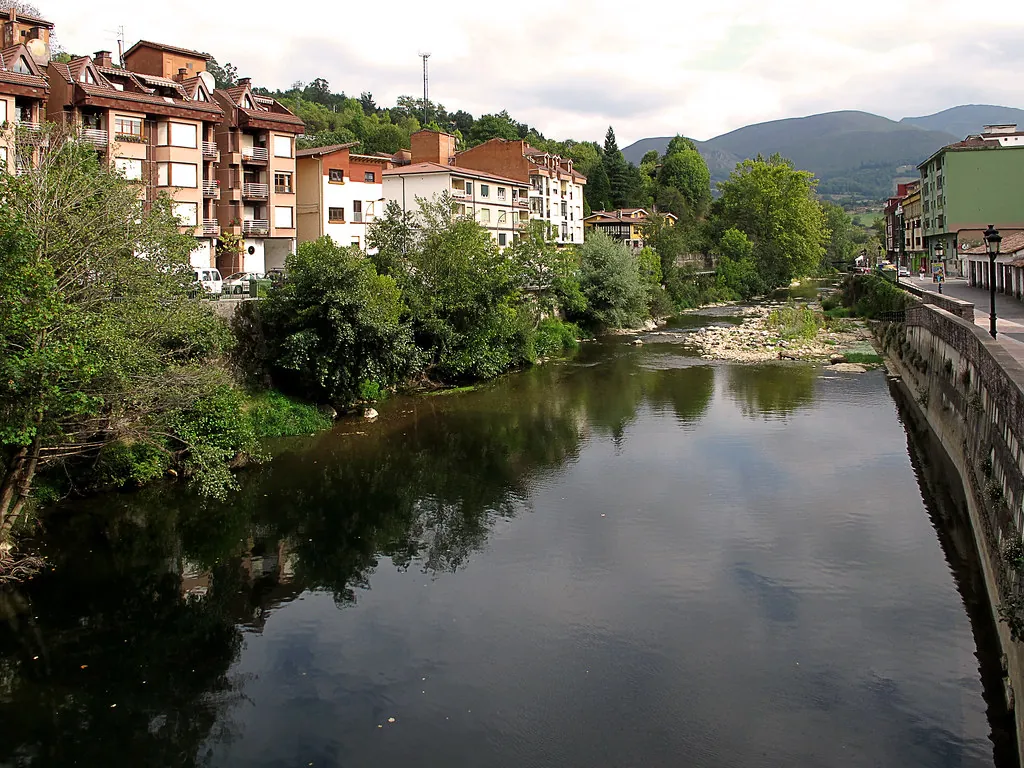
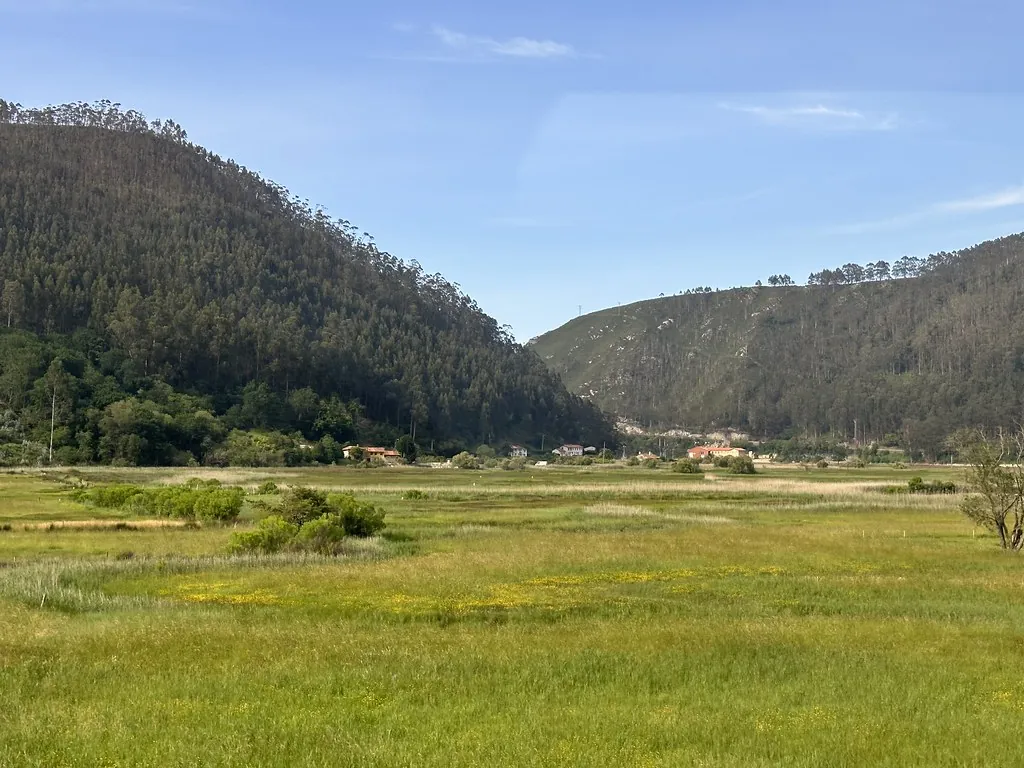
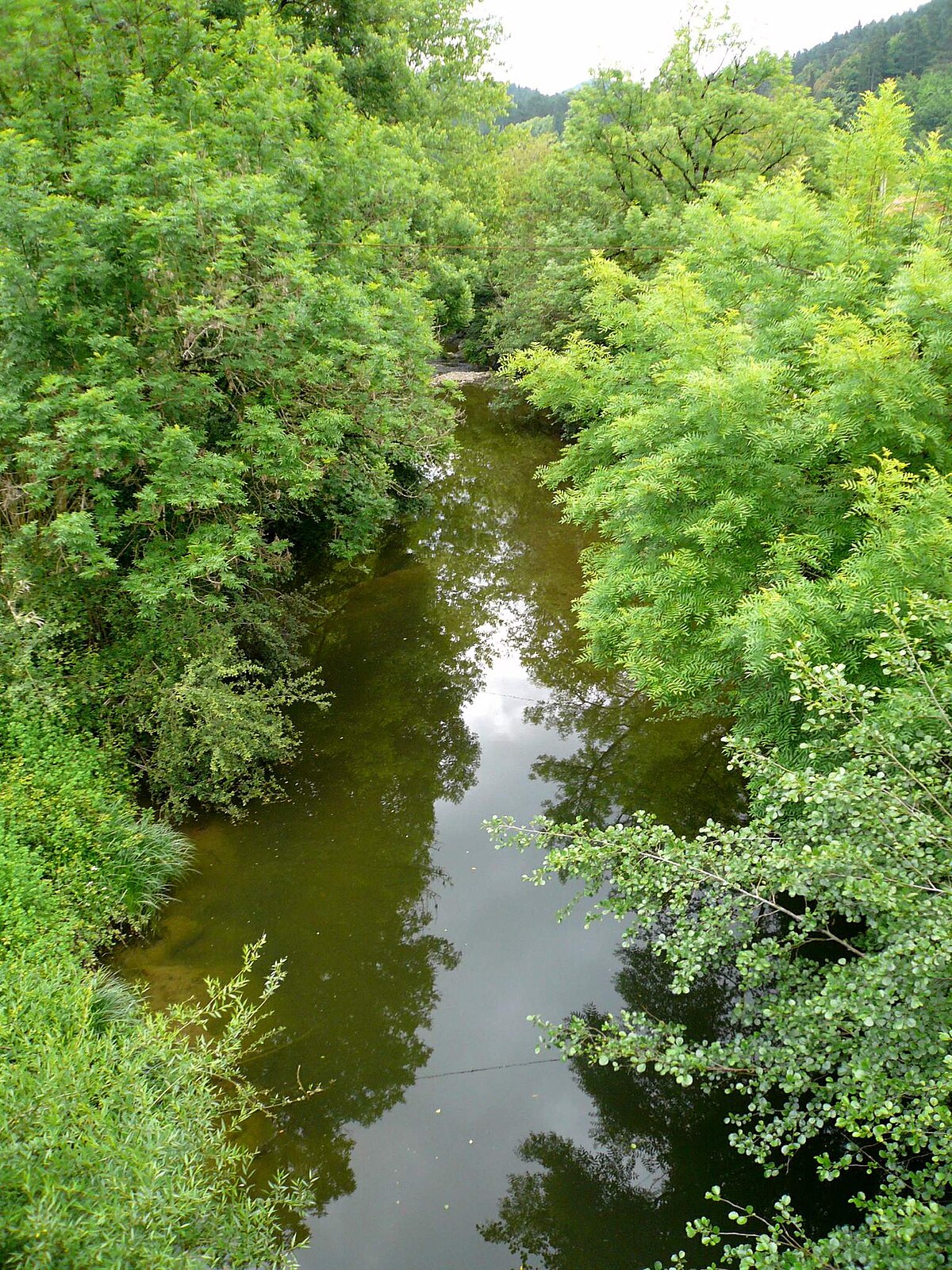
The river itself has mellowed by the time it reaches Panes. Gone are the limestone gorges that draw adrenaline seekers further upstream; here the Cares meanders between pollarded willows and fields of Indian corn. A flat path runs three kilometres downstream to the medieval bridge at La Molina, perfect for an evening stroll when the heat leaks out of the day. In April the embankment is edged with wild garlic; by late October the walnut trees drop green grenades that stain the tarmac black.
Bring binoculars. Red kites cruise the thermals above the hay meadows, and if you're lucky you'll catch the electric-blue flash of a kingfish er diving off the footbridge outside the Campillo campsite. Fishing permits for brown trout are sold in the tobacconist's on Panes high street: €22 per day, catch-and-release only. The season runs April–July; after that the river is low and the fish have seen every artificial fly known to man.
Cheese hunters should aim for Buelles, where Quesería La Pandiella sells raw-milk goat's cheese that tastes of thyme and sun-warmed rock. Ring a day ahead – the owner milks at dawn and spends the rest of the day in the barn. A 700 g semi-curado costs about €12; it will survive the journey home in hand luggage if you wrap it in the tea-towel she provides. If you prefer cow's milk, Quesería Panes produces a gentle blue for people who find cabrales too aggressive; their shop opens weekday mornings only, opposite the livestock market that smells exactly as you'd imagine.
Walking options are low-key rather than heroic. The PR-AS 227 climbs 400 m through chestnut woods to the abandoned village of Arangas, where stone roofs have collapsed like failed soufflés. Allow two hours return; the path starts beside the red-and-white church in Buelles and is way-marked, though you should still download the track – mobile coverage vanishes after the first bend. For something flatter, follow the old miners' road south-east towards Trescares: a broad track that skirts the railway and gives views back across the valley without any serious gradient.
Winter changes the mood. From November to March the sun never clears the southern ridge, and Panes sits in a pocket of cold air that turns breath to steam. Roads are kept clear – the council knows milk tankers can't wait – but a dusting of snow can isolate the higher hamlets for a day or two. This is when the fireplaces earn their keep; most holiday cottages include a day's worth of logs, after which you buy sacks from the petrol station: €4 for 15 kg, olive and oak offcuts that burn hot and smell of Spain rather than peat.
Summer, by contrast, is reliable. Daytime temperatures hover around 26 °C, cool enough to walk at midday without wilting. The valley acts as a funnel for sea breezes, so humidity stays low and mosquitoes are rare. August brings French and Dutch campervans edging through the gorge; they tend to refuel and push on, meaning beds are still available if you book only a week ahead. Friday night fills up with families from Oviedo who've rented a rural house for the weekend; by Sunday lunchtime they're gone and the bars return to locals discussing the price of milk.
Practicalities first: you need a car. There are two Alsa buses a day from Llanes and Potes, neither timed for day-trippers, and none at all on Sunday. The nearest A&E is twenty-five minutes away in Llanes; the local health centre in Panes opens weekday mornings only. Bring cash – many cheese sellers and the Sunday market stalls don't accept cards, and the village ATM runs dry at weekends. Phone signal is patchy in the side valleys; download offline maps before you set off and tell someone where you're walking.
Stay central if it's your first visit. Casona de Panes has seven rooms in a restored indiano mansion with garden hammocks and resident hedgehog; doubles from €80 including breakfast. Self-caterers should head to the outskirts where stone cottages come with fenced gardens for dogs and unlimited firewood. Expect to pay €120–150 per night for a two-bedroom house; most have a minimum stay of three nights outside August, a week within it. Check whether the access lane is concrete or earth – after heavy rain the latter turns to axle-deep mud.
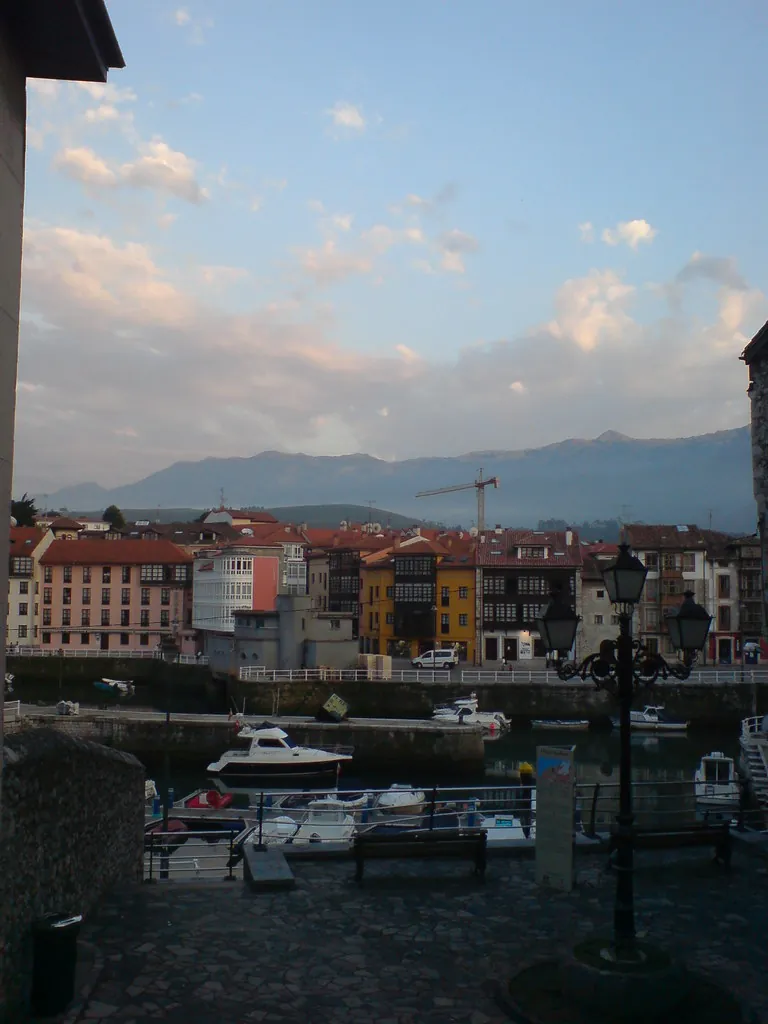
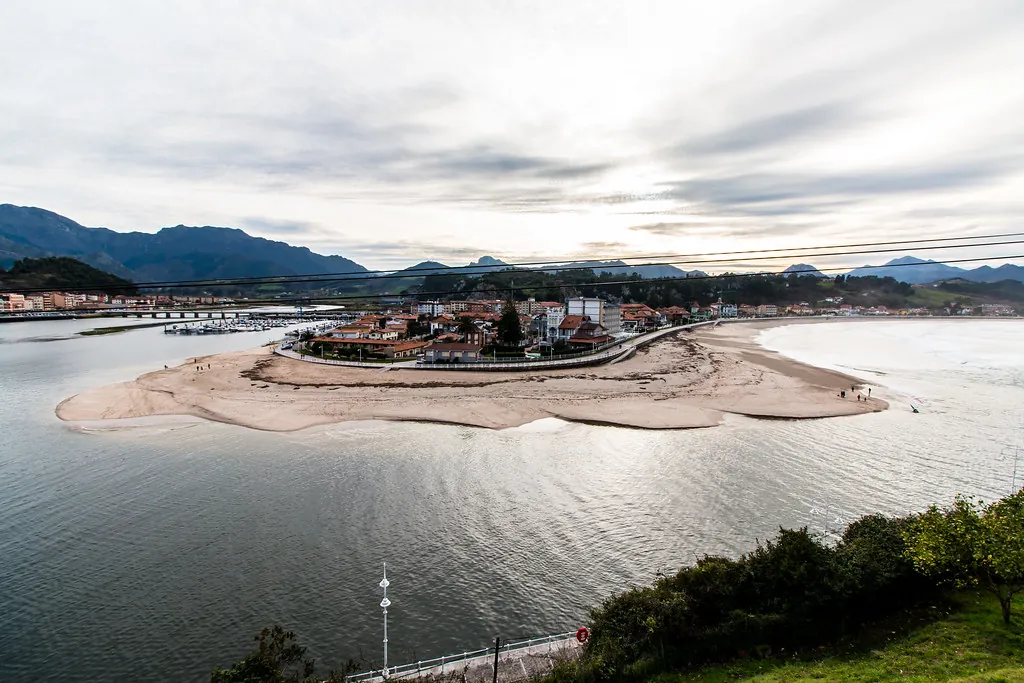
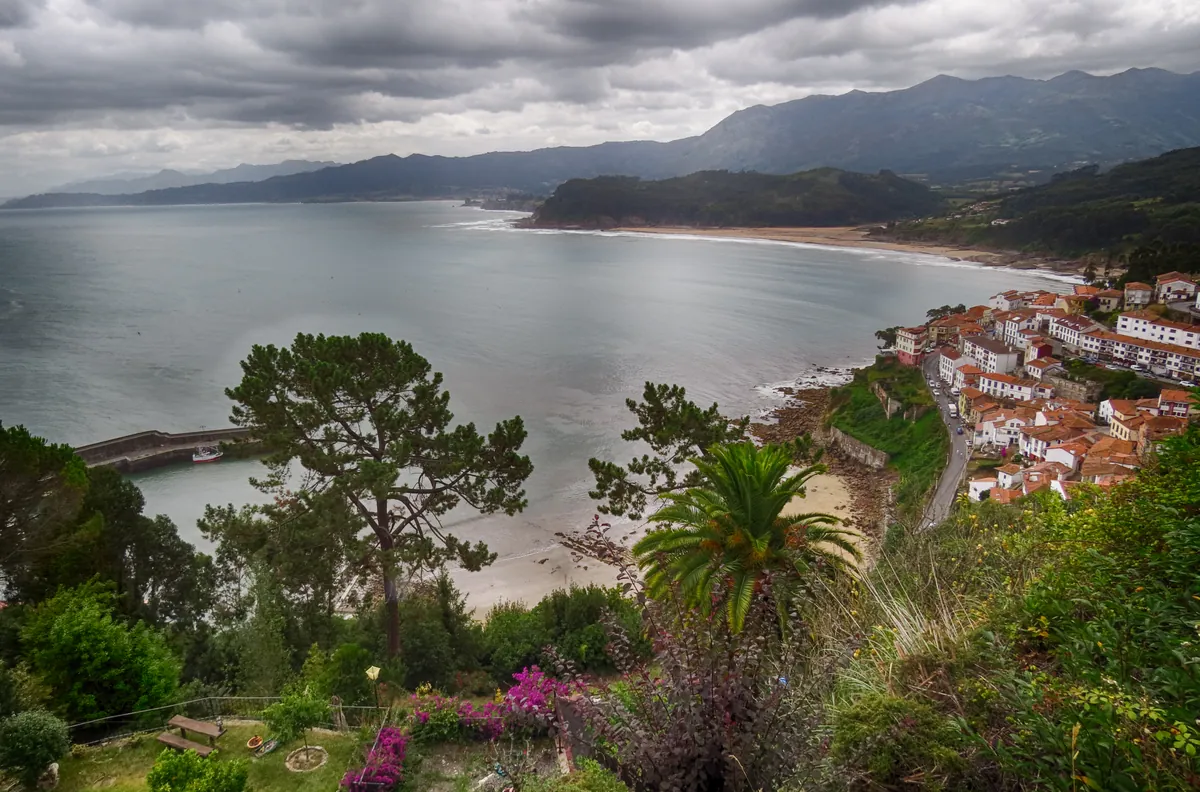
Leave time for a detour to the coast. Llanes is twenty minutes north, its medieval walls sheltering a harbour where fishing boats unload at dawn and the bars serve xiringüelu (small squid) grilled with nothing more than sea salt and lemon. The contrast is instructive: mountains in the morning, Atlantic swim before lunch, back to the valley for evening cider. It feels like two holidays stitched together, which is exactly what the locals have been doing for generations.
Penamellera Baja will never compete with the postcard villages of Picos tourism brochures. It offers no Gothic aqueduct, no Michelin star, no via ferrata. What it does have is space to breathe, cheese that tastes of the meadow it came from, and the sense that Spanish rural life is still being lived rather than performed. Come for three days, stay for five, and you'll leave with the valley's quiet rhythm in your bones – and probably a wheel of goat's cheese in your suitcase.