Ribadesella - Flickr
David A.L. · Flickr 4
Asturias · Natural Paradise

Ribadesella

The smell of diesel mingles with salt air at Ribadesella's harbour, where fishermen still mend nets beside freshly painted pleasure boats. This is ...

5,591 inhabitants · INE 2025
10m Altitude
Coast Cantábrico

Why Visit

Coast & beaches Mountain Tito Bustillo Cave

Best Time to Visit

summer

Carnival Marzo y Junio

Things to See & Do
in Ribadesella

Heritage

  • Tito Bustillo Cave
  • Santa Marina Beach

Activities

  • Prehistory
  • Beach

Festivals
& & Traditions

Fecha Marzo y Junio

Carnaval, San Juan

Las fiestas locales son el momento perfecto para vivir la autenticidad de Ribadesella.

Full Article
about Ribadesella

Where the Sella meets the sea and cave art

Ocultar artículo Leer artículo completo

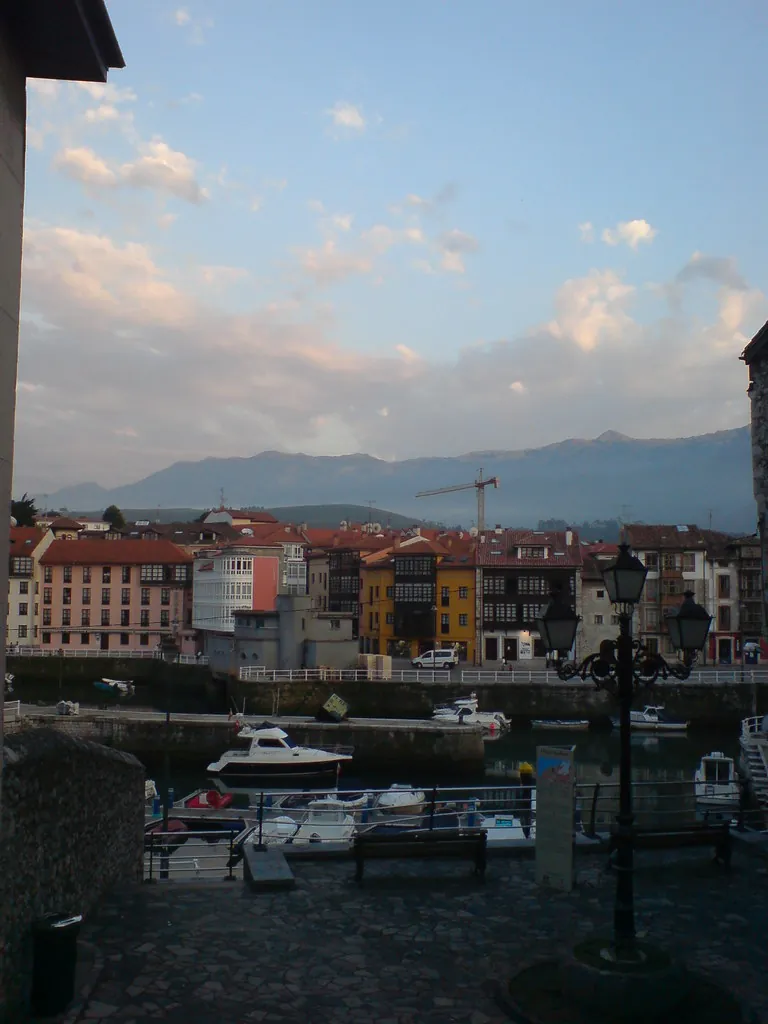
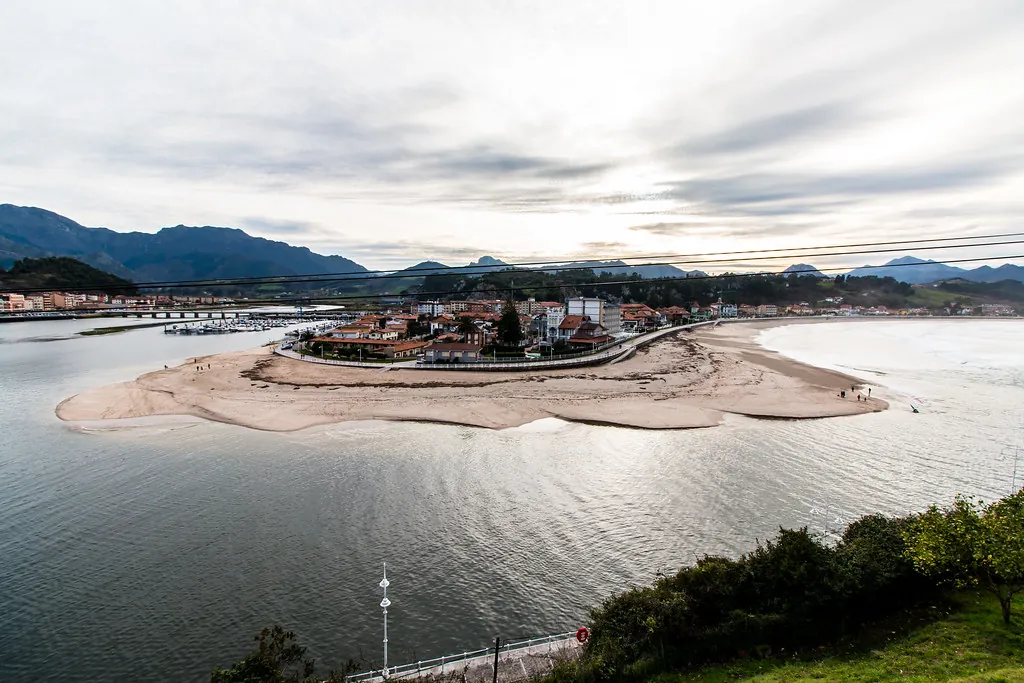
The smell of diesel mingles with salt air at Ribadesella's harbour, where fishermen still mend nets beside freshly painted pleasure boats. This is no sanitised marina—it's a working port where the morning catch arrives at the same slipway used by locals collecting cockles at dusk. The town's dual personality reveals itself immediately: across the iron bridge, pastel-coloured villas line a promenade that wouldn't look out of place on the French Riviera, yet turn any corner and you'll find crumbling stone warehouses storing fishing gear rather than boutique hotels.

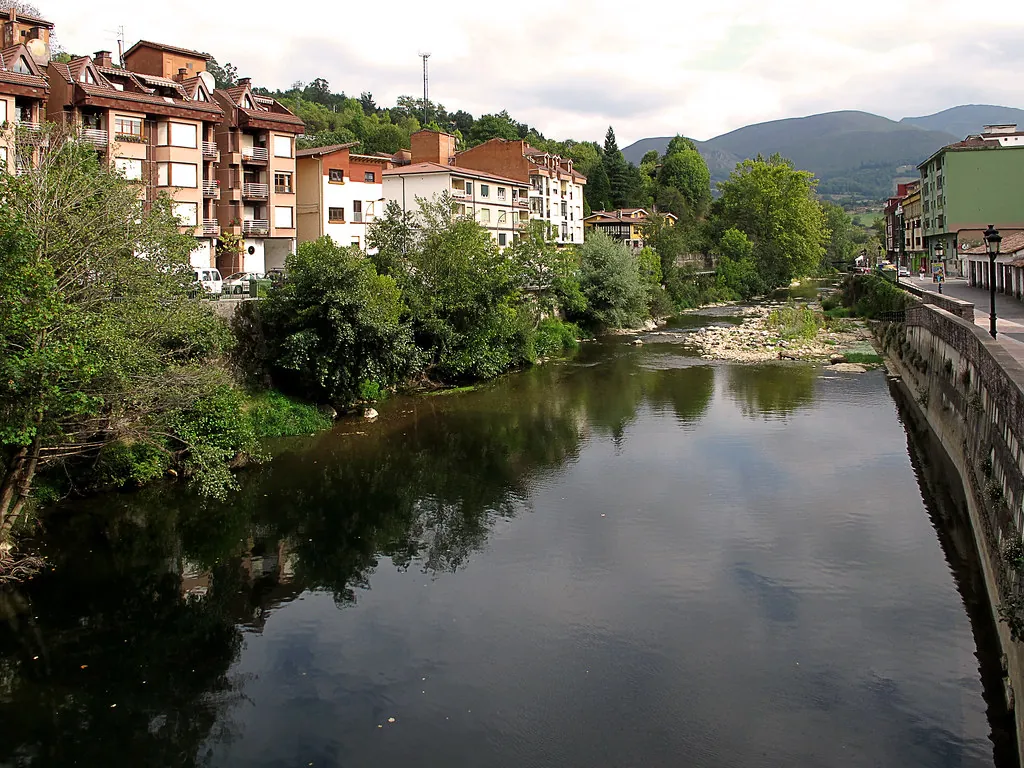
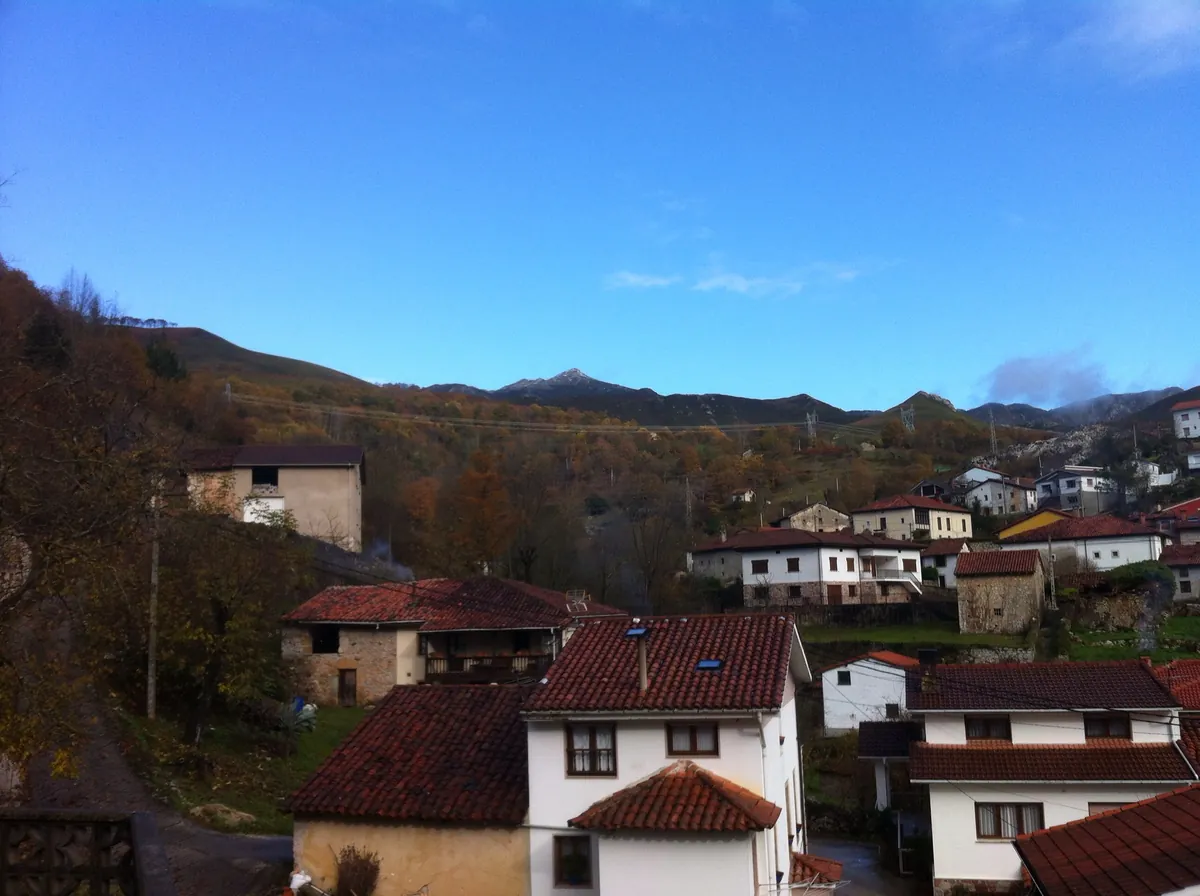
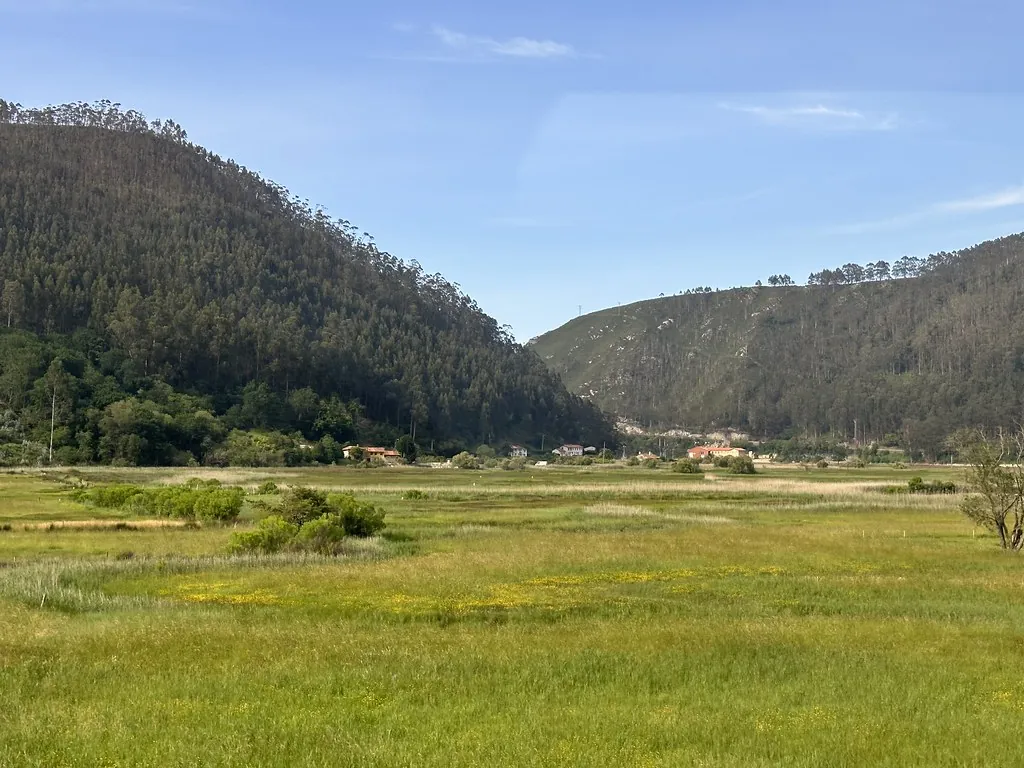
At sea level, Ribadesella sprawls lazily across the Sella River's final bend before it surrenders to the Atlantic. The mountains crowd so close that morning mist often obscures the limestone cliffs, creating the impression that the town has been squeezed between green walls and grey water. This geography dictates everything, from the narrow lanes of the medieval quarter—barely two metres wide in places—to the way afternoon clouds roll down the valley, dropping the temperature ten degrees in as many minutes.

The Cave That Changed Everything

Tito Bustillo cave sits quietly beneath a modern visitor centre, its entrance unremarkable except for the steady stream of disappointed tourists who haven't booked ahead. Inside, 18,000-year-old paintings of horses and reindeer cover walls that were once submerged beneath an Ice Age sea. The guided tours run like clockwork—Spanish, then English, then French—each group limited to twelve people who shuffle through climate-controlled chambers in hushed reverence. When the lights switch off, absolute darkness descends, thick enough to taste.

The cave's discovery in 1968 transformed Ribadesella from obscure fishing village to UNESCO World Heritage site, though you'd hardly know it from the town's unassuming demeanour. Even with advance tickets (essential from Easter through October), visitors often find sections closed for conservation. The interpretation centre compensates with excellent replicas and interactive displays, plus the bonus of Wednesday free entry for those who've missed the cave proper.

Above ground, the town's prehistoric connections feel less tangible but equally present. Follow the yellow arrows painted on pavement stones and you'll trace a route past medieval town walls, through Plaza Nueva where 19th-century mansions display their returning owners' American fortunes in elaborate ironwork and tropical hardwood balconies. The architecture speaks of circular journeys—local boys who sailed to Cuba and Mexico, returned wealthy, built houses that now host cafés serving cortados to German hikers.

Two Beaches, Two Temperaments

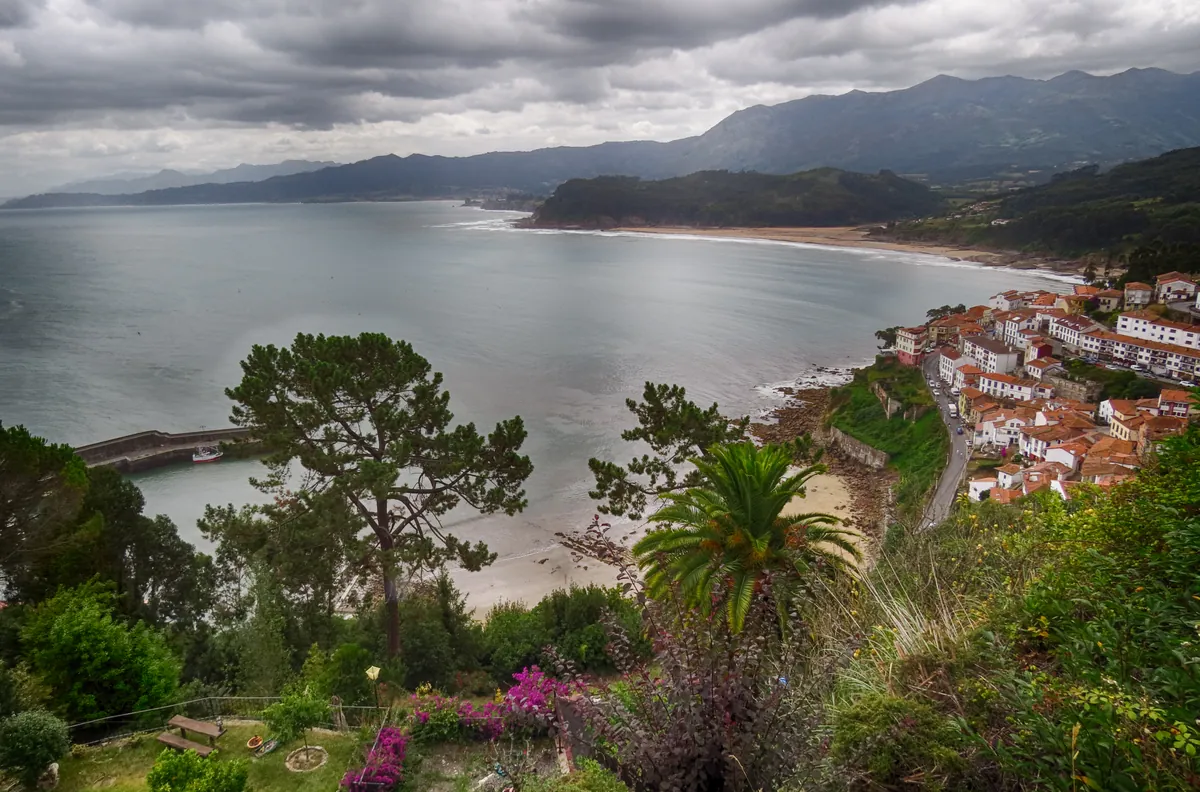
Santa Marina beach stretches for kilometres east of the river mouth, its golden arc backed by a promenade of Indiano villas painted sherbet colours. Even in August, when Spanish families claim their spots with military precision, there's room to breathe. The surf varies from gentle rollers perfect for learners to proper waves that attract wet-suited locals year-round. British visitors expecting Devon-style beach cafés will find instead simple chiringuitos serving excellent gambas a la plancha and ice-cold Estrella at prices that haven't changed much since the last decade.

Cross to the western side and everything shifts. Playa de la Atalaya, accessible only at low tide via a seaweed-slippery path, feels wilder, more Cantabrian. The cliffs here reveal Jurassic strata twisted like puff pastry, and fossil hunters can spend happy hours finding ammonites among the shingle. Local wisdom claims the best specimens appear after November storms, when waves rearrange the beach entirely.

The river itself offers Ribadesella's most characteristic experience. The annual Sella canoe race every August transforms the town into a colourful chaos, but on ordinary days, hiring a kayak means drifting past herons standing sentinel in riverside meadows, stopping at stone bridges for cider poured from height by bar owners who've perfected the technique over generations. The current does most of the work—paddlers can cover twelve kilometres to the inland village of Arriondas in under three hours, then catch the FEVE train back for €2.40.

Eating Well, Asturian Style

Ribadesella's restaurants cluster around the port and main square, their menus written in chalk on blackboards that change with the day's catch. Sidrería El Campanu occupies a former warehouse where fishermen once repaired nets; now its zinc bar serves arguably the finest seafood in town. Don't expect fancy presentation—percebes (goose barnacles) arrive in a plastic basket, their dinosaur-claw appearance belying the sweet, briny meat within. A half-portion of pixín (monkfish) cooked in cider costs €18 and feeds two.

For Michelin-starred refinement, Arbidel sits unobtrusively on a side street, its tasting menu weaving local ingredients into dishes that wouldn't look out of place in London's Mayfair. The €75 menu includes wine pairings featuring obscure Asturian grapes, though booking requires persistence—email responses arrive slowly, if at all.

Morning brings different pleasures. Café El Puerto opens at 5:30 am for fishermen returning with their catch, serving strong coffee and tostadas to weather-beaten men who've worked these waters for fifty years. By 9 am, the same counter hosts office workers grabbing breakfast before the daily commute to nearby Llanes, creating a democratic space where overalls mingle with suits.

When the Weather Turns

The Cantabrian climate refuses to behave predictably. July might deliver week-long stretches of sunshine perfect for beach days and sunset drinks, or it could just as easily bring horizontal rain that sends everyone scurrying into tapas bars. Locals treat weather forecasts as mild suggestions, carrying jackets even on seemingly perfect days. The mountains amplify everything—morning fog can linger until midday, while afternoon storms appear suddenly, turning streets into temporary rivers before sunshine returns an hour later.

Winter strips Ribadesella to its essentials. Tourists vanish, restaurants close Mondays and Tuesdays, and the town reveals its true rhythm. Storm watching becomes a legitimate activity—waves crash over the harbour wall with such force that spray reaches second-floor windows. Hotels offer substantial discounts, though many close entirely from November through March. Those that remain open, like the grand Hotel Don Pelayo, feel like private clubs where staff remember your coffee preference from yesterday.

Getting here requires patience but rewards the effort. The FEVE railway from Oviedo winds through mountain valleys and coastal cliffs, a five-hour journey that costs €9 and delivers you directly to the harbour. Drivers should note that parking in August becomes a competitive sport—the underground car park fills by 10 am, after which it's a ten-minute walk from street spaces that require constant meter-feeding. The A-8 motorway makes the town accessible from Santander airport in ninety minutes, though the scenic route via the N-634 coastal road adds an hour but subtracts stress.

Ribadesella doesn't shout its qualities. It offers instead an authentic slice of northern Spanish life where prehistory coexists with daily fishing routines, where grand villas overlook working quaysides, and where the mountains meet the sea with neither apology nor pretension. Come prepared for changeable weather, book your cave tickets early, and bring an appetite for seafood that was swimming yesterday. Leave expectations of polished resort perfection at home, and you'll find something far more valuable—a place that functions perfectly well whether visitors arrive or not.

Key Facts

Region
Asturias
District
Oriente
INE Code
33056
Coast
Yes
Mountain
Yes
Season
summer

Livability & Services

Key data for living or remote work

2024
ConnectivityFiber + 5G
TransportTrain station
HealthcareHealth center
EducationHigh school & elementary
Housing~6€/m² rent · Affordable
CoastBeach 1 km away
Sources: INE, CNMC, Ministry of Health, AEMET

Official Data

Institutional records and open data (when available).

  • CONJUNTO HISTÓRICO CASCO ANTIGUO DE RIBADESELLA
    bic Conjunto Histórico ~0.3 km

Planning Your Visit?

Discover more villages in the Oriente.

View full region →

More villages in Oriente

Traveler Reviews