Full Article
about Villaviciosa
Spain’s cider-apple capital
Hide article Read full article
More than cider country
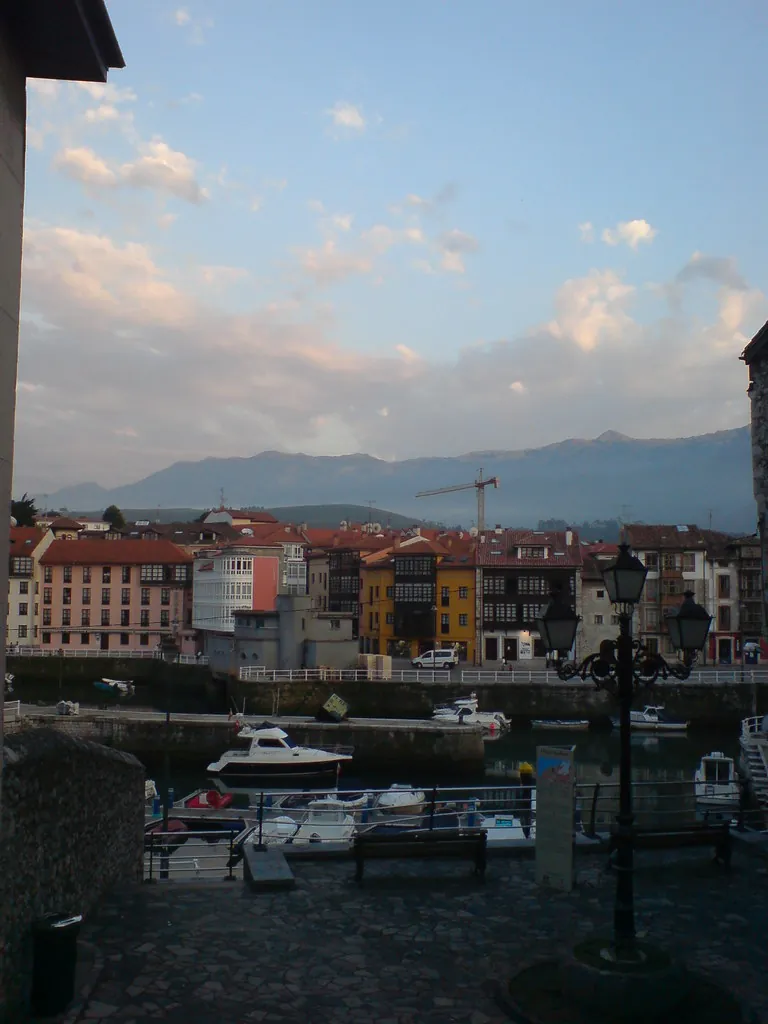
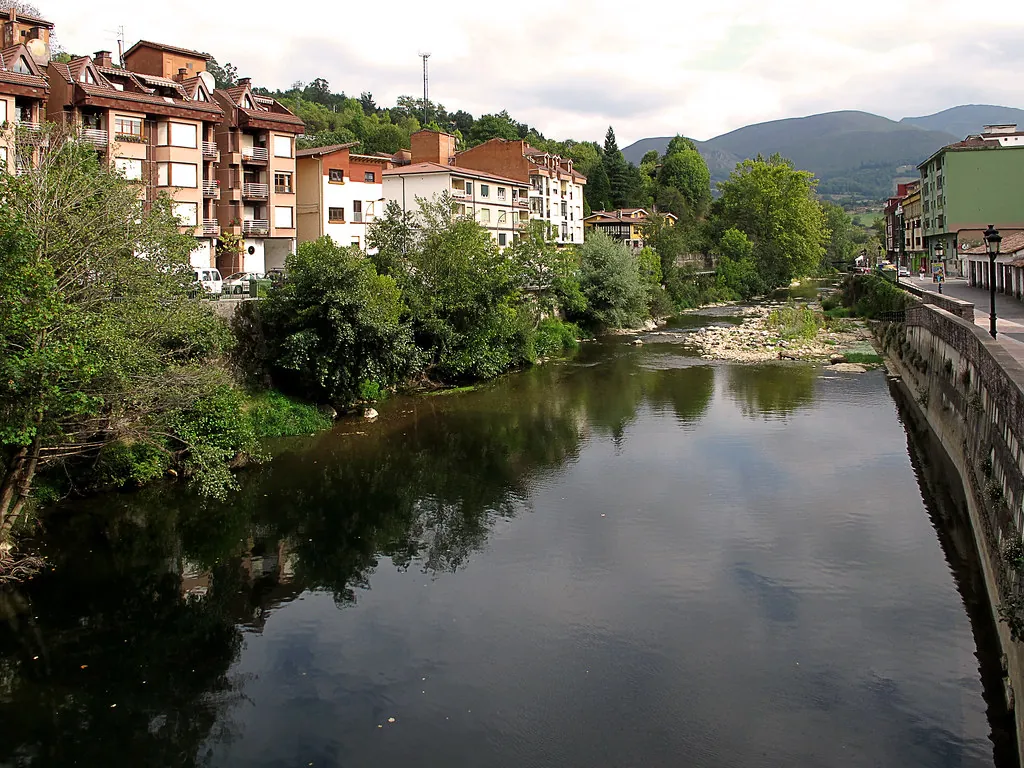
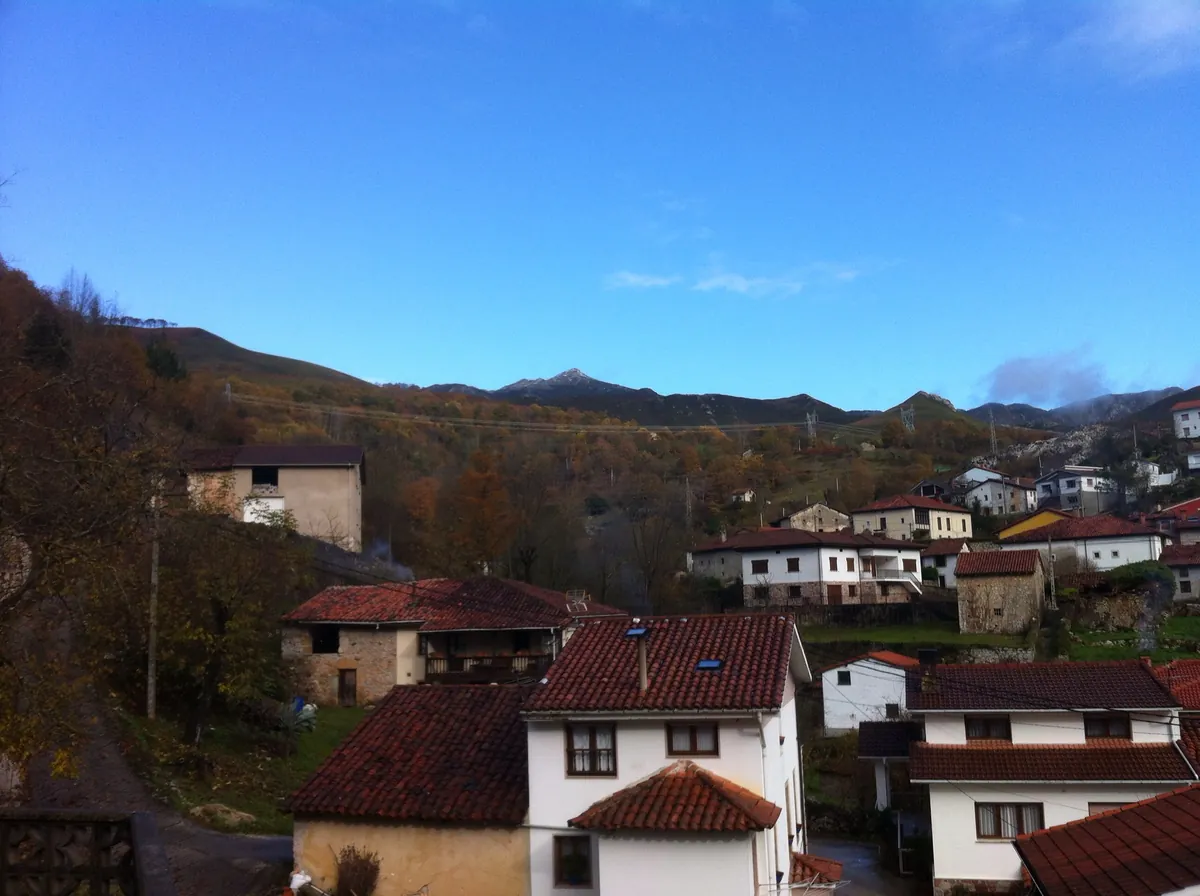
Villaviciosa often gets summed up in two words: cider and apples. That is the obvious starting point, and for good reason. Yet the place tends to unfold differently once you arrive. What stays with many visitors is not just the drink, but a wide estuary filled with birdlife, small medieval churches scattered across quiet villages, and a sense that daily life moves at its own speed.
The story of Carlos V landing in nearby Tazones comes up often too. It appears in casual conversations, with each retelling adding its own twist. History here is not boxed into museums, it sits comfortably alongside everyday life.
Eating first, then looking around
A visit can begin in the centre with something substantial on the table. Fabada is the obvious choice, a rich Asturian bean stew that does not hold back. Large white beans, chorizo with real depth of flavour, and the traditional mix of meats known as compango make it a dish that demands attention. It is the sort of meal that slows everything down for a while.
Talk to anyone locally and the subject of Romanesque churches will likely come up. The concejo has a surprising number of them. They are not grouped in one place but spread across parishes and small villages, often standing beside fields or next to houses that seem to have been there for generations. Some visitors follow routes that link several of these churches together. With a car, it is possible to see a few without much effort. On foot, it becomes a longer outing that takes more time and planning.
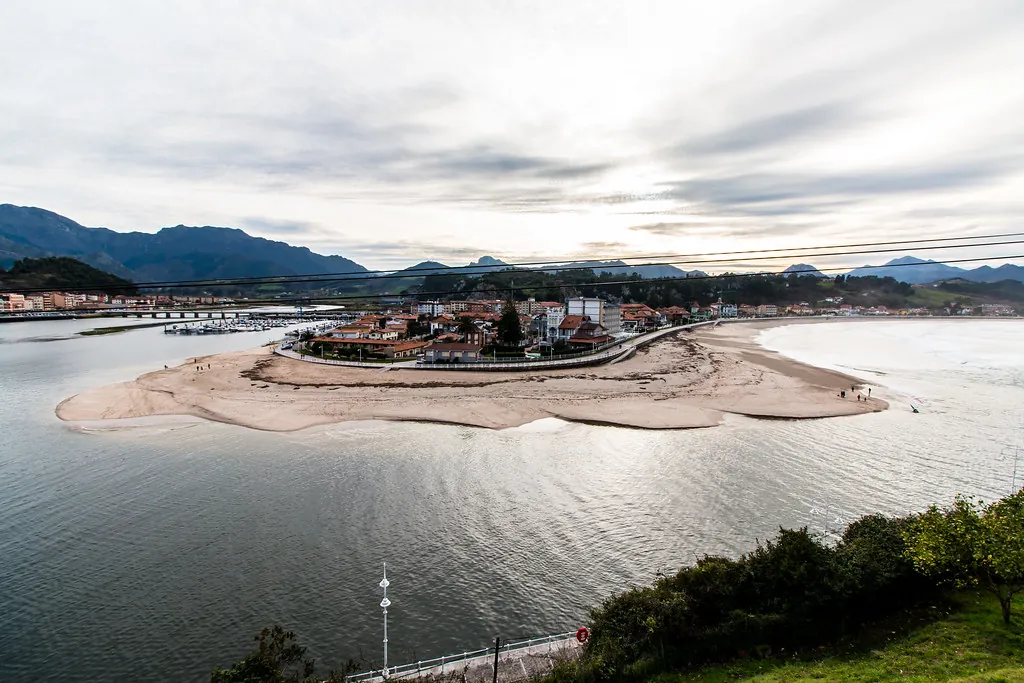
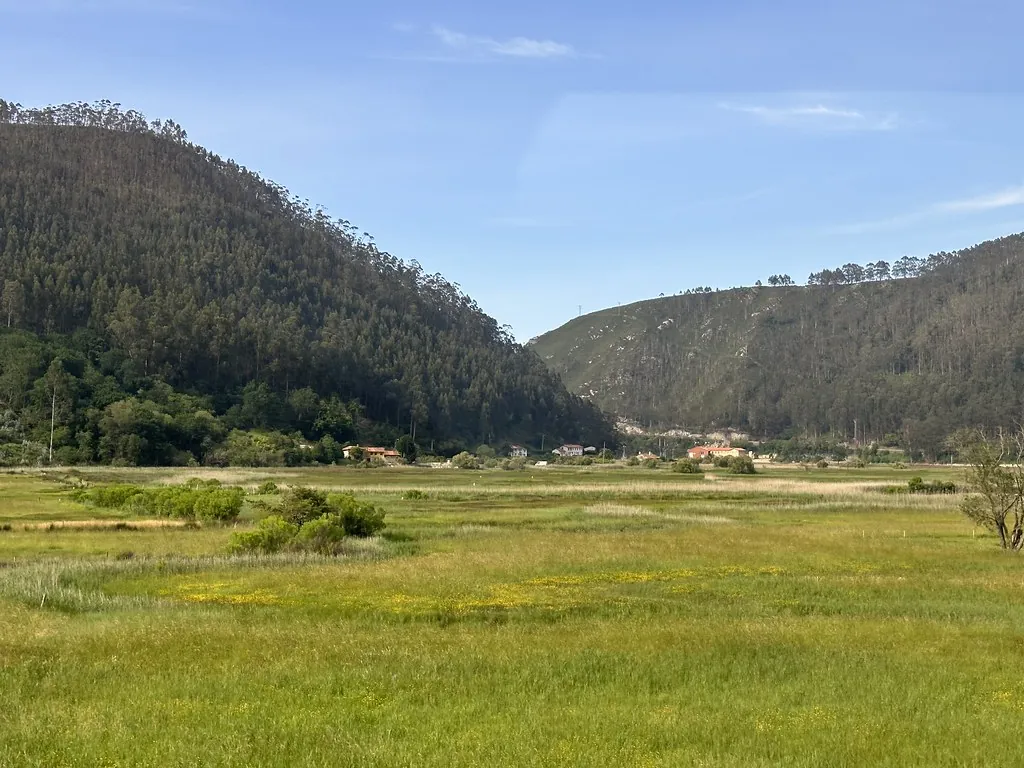
Then there is the Ría de Villaviciosa. The landscape shifts with the tide, so it never looks quite the same twice. It is recognised as a natural reserve and draws people interested in birdwatching. Even without knowing one species from another, the walk along the estuary has its own appeal. The movement of the water and the open views are enough.
Valdediós: quiet stone and long memory
A short distance from the town centre lies the complex of Valdediós. Two buildings stand close together and are often confused at first glance. One is a larger monastery. The other, just beside it, is a much smaller pre-Romanesque church known as San Salvador de Valdediós.
This church dates back to the 9th century, and its age is clear. Thick walls, narrow windows and a restrained interior create a space that feels unchanged by time. Inside, the air carries the scent of damp stone and wax. Light enters softly, never fully illuminating the space.
Guided visits sometimes explain the background, including the Asturian kings who promoted these constructions and how the monastery functioned. Even without that context, the atmosphere speaks for itself. Silence becomes part of the experience when the space is empty. It is easy to picture the rhythms of monastic life, with simple routines tied to the surrounding land.
The setting adds to the impression. The church does not stand in isolation but within a landscape that still feels connected to its past, with orchards and open ground nearby.
Tazones and the memory of an emperor
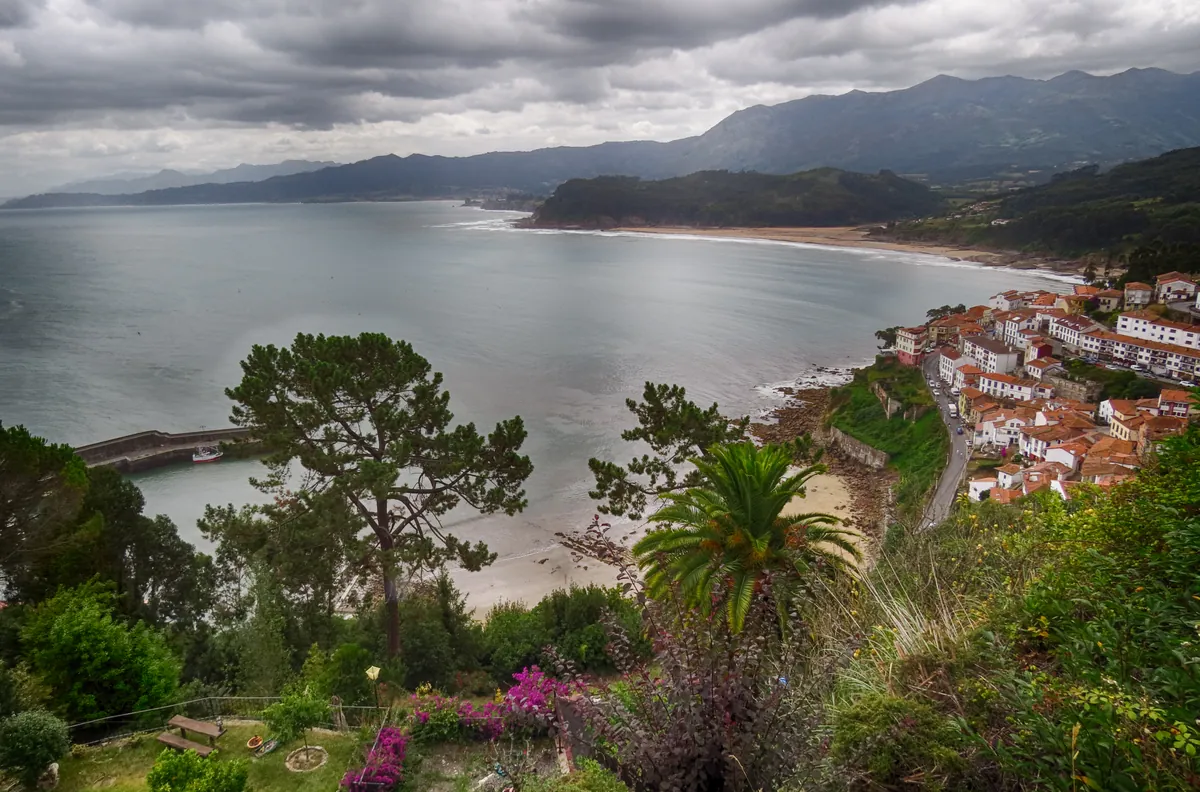
Towards the coast, about a short drive away, sits Tazones. It is a small place, and its popularity means it fills up quickly at busy times. White houses line narrow streets that slope down towards the harbour. Visitors tend to gather in the same spots, drawn by the view and the history attached to it.
According to tradition, this is where Carlos V first set foot on the Iberian Peninsula in the 16th century. The episode remains part of the identity of the village. In the harbour area, the story is retold often, sometimes with extra details depending on who is speaking.
A simple way to approach Tazones is from above, leaving the car higher up and walking down. The route into the village gives a sense of its layout before reaching the port. Once there, a stroll along the harbour and a pause by the sea are usually enough to take it in. When there is activity, the fish market adds another layer to the scene.
The return uphill tends to coincide with the busiest moments, when people are moving in both directions. Timing the visit helps keep it more relaxed.
Apples at the centre of it all
Villaviciosa is closely tied to apple growing. The surrounding area is full of orchards, known locally as pomaradas, and a large share of Asturian cider comes from here. This connection is visible in everyday life and in local celebrations.
Throughout the year, events linked to the harvest or to natural cider bring people together. Stalls, music and the ritual of pouring cider into a glass appear in the centre during these occasions. Even outside festival dates, the presence of apples is constant. It shapes the landscape as well as the local identity.
Spring adds another layer. When the apple trees are in bloom, the orchards take on a pale, almost white appearance from the road. It is a brief period, but it changes how the area looks and feels.
Taking it slowly
Villaviciosa does not work well as a checklist of sights to rush through. The place reveals more when time is left open.
A walk through the centre, a glass of cider or a warm dish, a short trip to Valdediós, and some time by the estuary watching the tide shift. That is often enough for a day. If there is still time, Tazones fits naturally into the plan.
Nothing here demands attention in a dramatic way. That is precisely the point. The appeal lies in the steady rhythm, in small details, and in the sense that there is no need to hurry. Many leave with the feeling that a return visit would make sense, perhaps with a bit more space in the car for a few bottles of cider.