Boy playing in San Juan Bautista River.jpg
Wilfredor · CC0
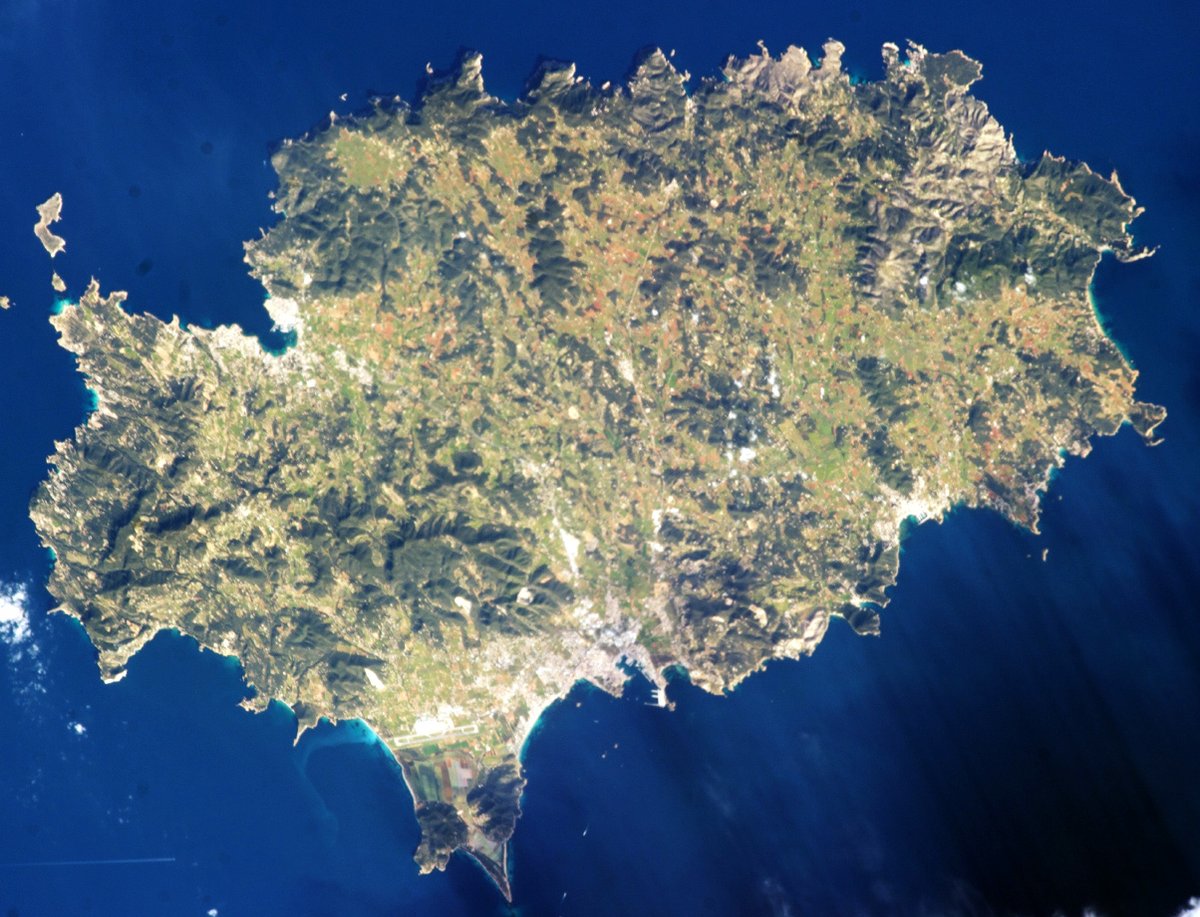
Baleares · Pure Mediterranean

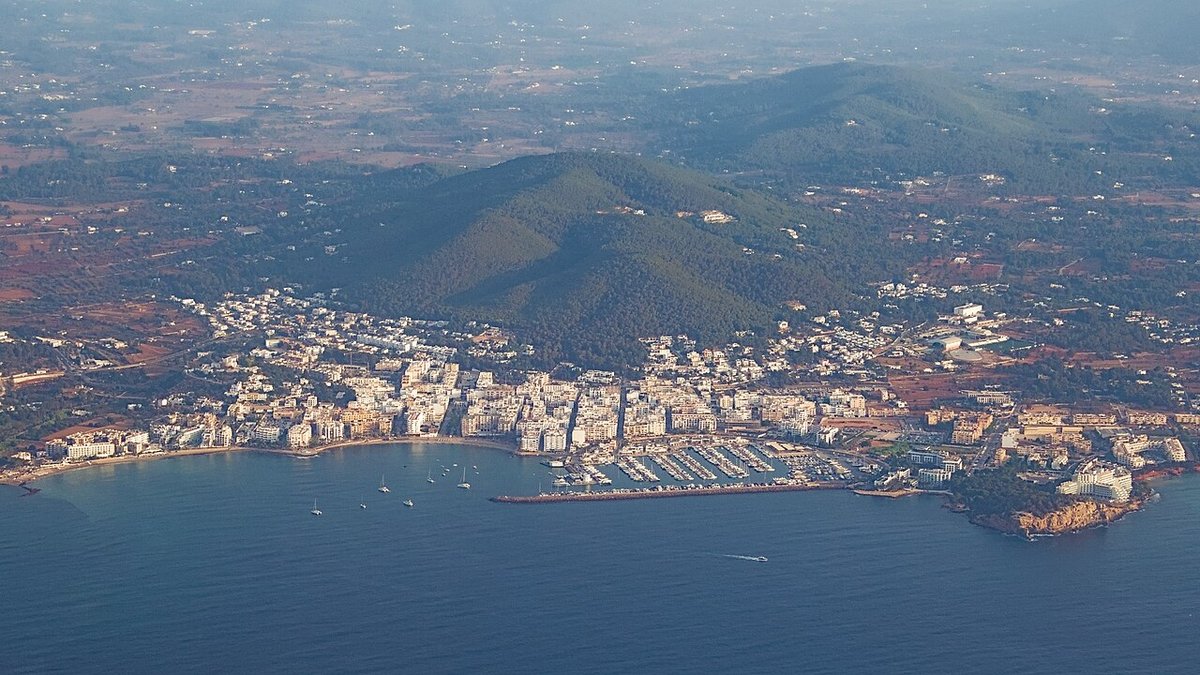
Sant Joan de Labritja

The road north from Santa Eulalia narrows to a single track just after the petrol station. Pines press in on both sides, the tarmac ripples like a ...

7,046 inhabitants · INE 2025
202m Altitude
Coast Mediterráneo

Why Visit

Coast & beaches Mountain Church of Sant Joan

Best Time to Visit

summer

Sant Joan festival (June) junio

Things to See & Do
in Sant Joan de Labritja

Heritage

  • Church of Sant Joan
  • Benirràs Cove
  • Portinatx Tower

Activities

  • Handicraft market
  • Benirràs drum session
  • Coastal hiking

Festivals
& & Traditions

Fecha junio

Fiestas de Sant Joan (junio)

Las fiestas locales son el momento perfecto para vivir la autenticidad de Sant Joan de Labritja.

Full Article
about Sant Joan de Labritja

Ibiza’s most rural, peaceful municipality—pine forests and hidden coves with a low-key hippie-chic vibe.

Ocultar artículo Leer artículo completo

The road north from Santa Eulalia narrows to a single track just after the petrol station. Pines press in on both sides, the tarmac ripples like a rumpled carpet, and suddenly the island’s bass-line thud feels a lifetime away. Twenty-five kilometres from the airport, Sant Joan de Labritja sits at the dead-end of the PM-811, quietly refusing to behave like the rest of Ibiza.

A village that clocks off early

There’s no dramatic approach, no sweeping plaza, no cathedral to gawp at. The church of Sant Joan Baptista turns up abruptly on your right – a modest eighteenth-century box with a tired bell tower and a couple of elderly locals on the bench opposite. Give it ten minutes, then order a cortado in Bar Costa: €1.80 if you stand, €2.20 if you sit, and nobody minds which you choose.

The whole settlement amounts to three streets, a chemist that shuts for two hours at lunch, and a mini-market with the island’s most reluctant cash machine. By 21:30 the place is essentially asleep, so if you arrive hungry after a late flight, stock up in Santa Eulalia first. What the village does offer is altitude: 200 m above sea, cool air that smells of pine sap and wood smoke, and a night sky still dark enough for Orion to feel showy.

Coastlines that haven’t read the brochure

Drive ten minutes north and the land fractures into coves the colour of Bombay Sapphire. Cala Xarraca shelves gently over rocky terraces – perfect for snorkelling, hopeless for sand-castles. Arrive before 10:00 and you’ll share the water with two German swimmers and a fisherman mending nets. After 11:00 the car park becomes a game of Tetris; by midday it’s full and latecomers abandon vehicles on the verge, which brings the grúa and a €120 tow fee.

Cala d’en Serra is prettier but demands a 1.5 km dirt track that turns to porridge after rain. Hire-car companies class this as “negligent driving”; get stuck and you’ll pay for the rescue yourself. The reward is a scallop of sand book-ended by cliffs, a single beach bar pumping out seventies rock, and water so clear you can count your toes through a mask.

Portinatx, technically just outside the municipality, is where package hotels cluster around three bays. It’s useful if you need a pharmacy or a lounger (€12 day rate) but the soundtrack is radio hits and the smell is sun-cream. Locals treat it as the necessary evil that keeps the rest of the coast quiet.

Sunday ritual: honey, herbs and gossip

Every seven days the village square turns into a miniature Glastonbury minus the mud. Stalls open at 10:00 sharp: almond-honey from a farmer in Sant Miquel, tie-dye that’s seen better decades, hierbas at €15 a bottle – the island’s digestif of anise and herbs that tastes like liquid liquorice. By 11:30 the baker has sold out of gató (dense almond cake), the hippies are tuning bongos and the British contingent queue for flat-whites at The Giri Café’s pop-up cart. Parking becomes theoretical after 11:00; late arrivals walk uphill from a lay-by smelling of wild rosemary. The whole thing winds down by 15:00 when the wind picks up and hats start blowing into the churchyard.

Eating: no foam, no fuss

Can Cosmi does a Wednesday paella for €18 a head but you must reserve before 12:00 – the rice is cooked in one vast pan and when it’s gone, it’s gone. Ask for “sense marisc” if crustaceans aren’t your thing; the chicken-and-bean version tastes like nursery food with saffron. Bar Anita, five minutes down the road in Cas Plà, was the hippies’ post office in the seventies. Letters were left behind the bar; today it serves the island’s best mojito (€8, no crushed-ice shortcuts) and a plate of chips that could feed a family of four. Dinner options inside the village shut early, so agroturismo guests book half-board or drive to Cala San Vicente for pizza after 22:00 – a 12 km dash down a road that feels like a tunnel of black once the streetlights finish.

Walking: bring paper, not just Google

The old mule track to Cala Xuclar descends 150 m through juniper and abandoned terraces. Parts are slippy with pine needles; trainers suffice, flip-flops do not. Mid-way you’ll pass a stone hut with a green door – someone’s weekend retreat, locked with a padlock the size of an orange. The beach at the bottom is stone, not sand, and the sea drops to two metres within a paddle. You’ll share it with two goats and a yacht anchor. Phone signal dies after the first bend, so screenshot the route before you set off. Allow 45 minutes down, an hour back up if you’re carrying toddler or cool-box.

For something gentler, the loop from Sant Miquel church to the Roman quarry is 5 km of level track, scented with thyme and loud with cicadas. You’ll meet more German hikers than locals, and the quarry itself is a shallow cave with 2,000-year-old pick-marks – interesting for ten minutes, but the real pleasure is the shade after a morning on the coast.

When to bother, when to stay away

May and late-September deliver 24 °C days, 17 °C water and car parks that still have gaps. June is perfect if you like swimming before breakfast; October can throw storms that whip the sea brown and close the beach bars overnight. July and August are reliable for heat – too reliable. The mercury kisses 36 °C by 14:00 and the village water pressure drops when everyone showers at once. If you must come high season, book an agroturismo with a pool, accept that Cala Xarraca is off-limits after 10:30, and plan evening arrivals at restaurants – most kitchens reopen 19:30-21:00 when the day-trippers retreat south.

Winter is quiet to the point of comatose. Hotels lock up, the Sunday market shrinks to six stalls and the sole bar open on weekdays serves coffee until 13:00 then pulls the shutter. walkers and bird-watchers love it; everyone else finds it spooky.

The honest upshot

Sant Joan de Labritja will not give you Ibiza’s famous nightlife, nor the white-sand Caribbean fantasy. What it offers instead is a corner of the island that still smells of wood smoke and sea salt, where you can park (most days), walk to a cove and hear a pine cone drop. Bring a car, cash and realistic expectations; leave the glittery trainers at home. If that sounds like effort, stay south – the village will not mind.

Key Facts

Region
Baleares
District
Eivissa
INE Code
07050
Coast
Yes
Mountain
Yes
Season
summer

Livability & Services

Key data for living or remote work

2024
ConnectivityFiber + 5G
HealthcareHospital 20 km away
EducationElementary school
Housing~5€/m² rent · Affordable
CoastBeach nearby
Sources: INE, CNMC, Ministry of Health, AEMET

Official Data

Institutional records and open data (when available).

  • Iglesia de Sant Miquel de Balansat
    bic Monumento ~6.6 km
  • Iglesia de Sant Miquel de Balansat
    bic Monumento ~6.6 km

Planning Your Visit?

Discover more villages in the Eivissa.

View full region →

More villages in Eivissa

Traveler Reviews