Full Article
about Sant Josep de sa Talaia
Large municipality with Ibiza’s most famous beaches and the island’s highest point; home to the Ses Salines natural park.
Hide article Read full article
The view from Sa Talaia
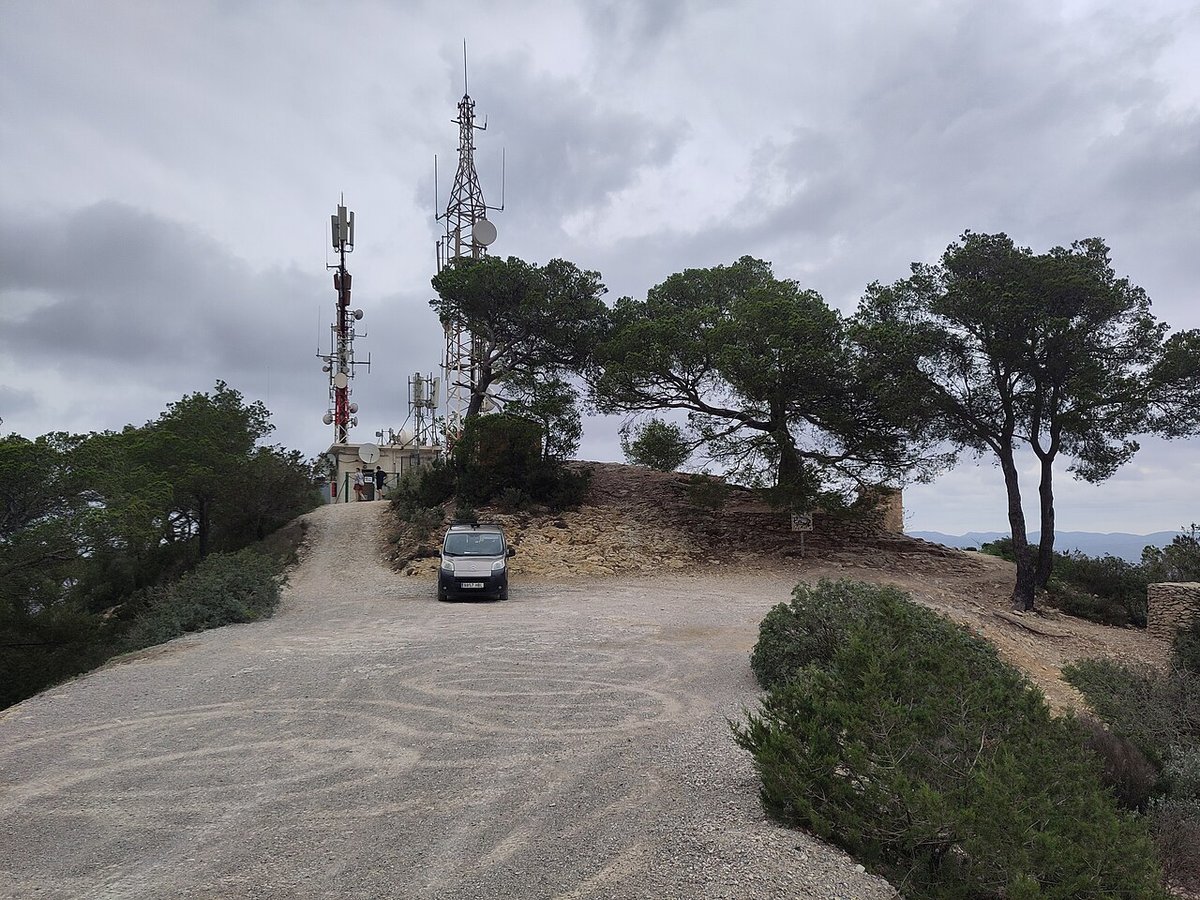
The road narrows as it climbs. Tyres begin to crunch over gravel, scattering small stones against the dry-stone walls. Up here, the wind carries the scent of crushed rosemary mixed with salt from a sea that has receded to a thin silver line. At 475 metres, the island makes sense.
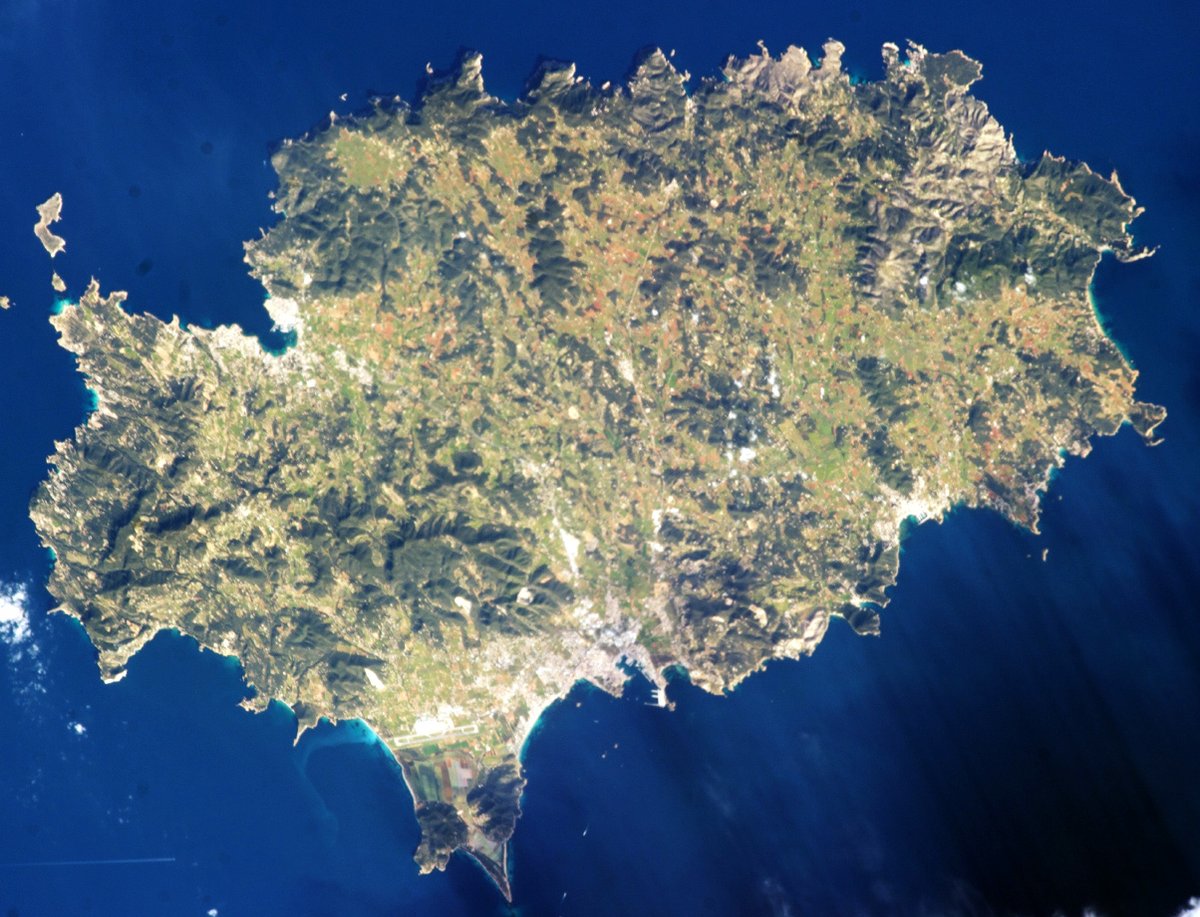
Ibiza spreads out in patches of green and brown. You can trace the dark blocks of pine woodland, the lighter squares of fields, and the sudden, stark rise of Es Vedrà from the water to the southwest. It’s a practical view, one that shows you the shape of the land you’ll spend days crossing.
Morning in the village
In the square of Sant Josep, shutters begin to lift early. By seven there is already movement. The first customers are often people from the countryside, stepping in and out quickly, dust still clinging to their boots. Coffee is served strong, and on many mornings it comes with a slice of flaó, the traditional Ibizan cheesecake, its top still warm and slightly cracked from the oven.
The fortified church dominates the square. Its heavy door is often left slightly ajar in the early hours. Inside, the air stays cool even in summer, smelling of wax and damp stone. On Sunday mornings, the bells follow a pattern: three chimes, a pause, then three more. It’s a sound that carries, unchanged, across the valley.
Cliffs, coves and patient access
This municipality holds the longest stretch of coastline in Ibiza. Some areas are well known, yet much of its shoreline requires time and a bit of persistence to reach.
At Es Bol Nou, the sand is so fine it creaks underfoot. Ses Boques often carries a faint smell of woodsmoke when some boats return around midday. Beneath the Torre des Carregador, built to watch for ships centuries ago, the water turns a deep green as the light softens in the afternoon. If you lean against the tower wall in silence, the wind slips through its narrow openings with a low whistle.
Atlantis, the former stone quarry also known as Sa Pedrera, asks for more effort. You leave the car on the road towards Sant Antoni and continue on foot through pines. The path becomes steep towards the end and isn’t always clearly marked; sturdy footwear makes a difference. At the bottom, terraces of dark sandstone appear, shaped by extraction and time. The sea fills hollows with small pools where you might see tiny jellyfish or drying algae. There is no supervision. Bringing water and taking everything back with you is simply how it’s done.
When the countryside turns green
Spring changes the interior noticeably. Green wheat grows almost to knee height, and the edges of paths fill with poppies so red they seem to vibrate in the sun. It’s a good time for walking, before the heat settles in and turns everything pale gold.
The Camí de sa Cova Santa crosses a quiet area of pine woodland and limestone ground. The cave appears suddenly, its narrow entrance forcing a slight crouch. Inside, the temperature drops by several degrees and the air smells of damp earth. A torch beam catches on calcite formations, throwing sharp shadows on the walls. The route itself is short, though carrying water remains important as the day warms and heat gathers among the rocks.
Those who prefer cycling often head towards Ses Salines early. The route passes lagoons where salt collects in bright white mounds. On some of the old jetties, marks carved into the wood by tools are still visible. After midday, the easterly wind tends to lift fine sand from the tracks, making conditions less pleasant.
Firelight, food and rhythm
Around mid-March, the fiestas of Sant Josep change the pace of the square for several days. Tents appear, long tables are set out, and traditional music takes over. The xeremia, a local type of bagpipe, cuts through with a sharp, reedy sound. The ball pagès, a traditional dance, sets its rhythm with firm stamping on the ground. Men wear country boots; castanets strike out a strong, unbroken beat.
Between dances, large pots of hot food are brought out. Sofrit pagès combines meat, potatoes and sobrasada in a thick sauce that carries the scent of herbs and slow cooking. It is served simply, without ceremony, and there always seems to be another round ready.
In summer, close to the night of Sant Joan, some beaches fill with bonfires. For hours, the sand smells of burnt wood and resin. Some people jump over the flames as part of tradition; others stay closer to the water’s edge, watching the glow of embers along the shore.
Moving through Sant Josep
The climb to Sa Talaia usually begins near the village cemetery. The route is roughly four kilometres there and back. Avoid midday; there is very little shade and pale rock reflects heat back at you.
The western coves change character completely depending on your timing. Early in morning light—say before nine—parking is still manageable and paths feel quiet. By eleven-thirty or so roads fill up and access slows to a crawl. When you go shapes this place as much as where you choose to stop