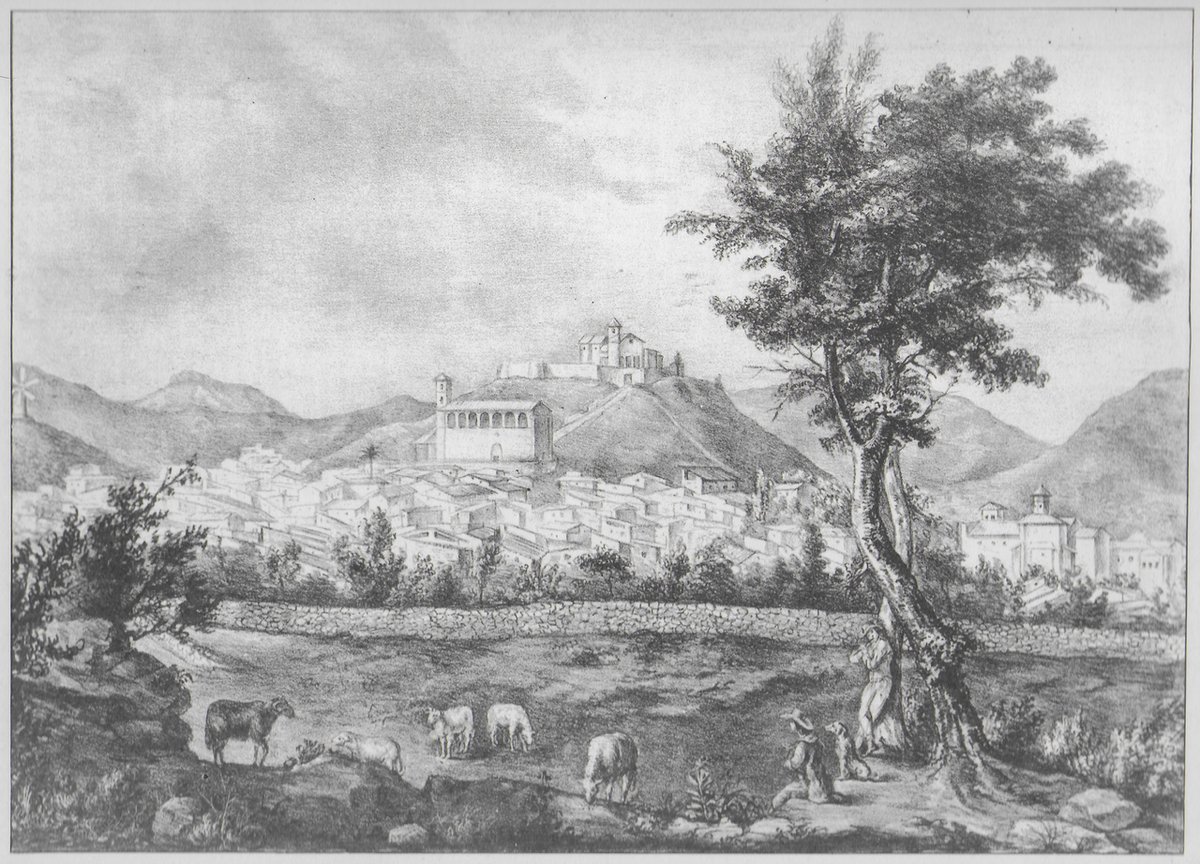
Villa de Artá.png
Antoni Furió i Sastre · Public domain
Baleares · Pure Mediterranean

Artà

The Tuesday coach from Palma unloads barely a dozen passengers outside Artà’s modest town gate. Most head straight for the weekly market, canvas ba...

8,629 inhabitants · INE 2025
144m Altitude
Coast Mediterráneo

Why Visit

Coast & beaches Sanctuary of Sant Salvador Visit the caves

Best Time to Visit

summer

Fiestas de Sant Salvador (August) agosto

Things to See & Do
in Artà

Heritage

  • Sanctuary of Sant Salvador
  • Talayotic settlement of Ses Païsses
  • Caves of Artà

Activities

  • Visit the caves
  • Hiking in Parque de Llevant
  • Handicraft market

Festivals
& & Traditions

Fecha agosto

Fiestas de Sant Salvador (agosto), Sant Antoni (enero)

Las fiestas locales son el momento perfecto para vivir la autenticidad de Artà.

Full Article
about Artà

Historic town with a striking walled precinct and sanctuary; ringed by a natural park and unspoilt coves

Ocultar artículo Leer artículo completo

The Tuesday coach from Palma unloads barely a dozen passengers outside Artà’s modest town gate. Most head straight for the weekly market, canvas bags ready. Within ten minutes the square smells of sobrasada and fresh coffee, and the only queue is for the cash machine—half the pottery stalls still won’t swipe plastic.

Artà sits 78 km north-east of the airport, far enough from the coastal strip to escape the soundtrack of foam parties, yet close enough for a day trip if you hire wheels. The town straddles a low limestone ridge; every street tilts either towards the sea or towards the fortress church that locals call el Santuari. Honey-coloured stone glows even under cloud, and the alleys are narrow enough that you can trail a hand along both walls at once. Guidebooks love to call places “maze-like”; here the layout is simpler—walk uphill and you reach the church, downhill and you find a café. Getting lost is almost an effort.

The Climb that Earns its Biscuit

Sant Salvador crowns 180 worn steps. The ascent takes six minutes if you’re fit, twelve if you pause to admire the wrought-iron balconies spilling bougainvillea. British newspapers warn the gradient is “steeper than Snowdon’s PyG track”, which is nonsense, but the cobbles do polish themselves into skid patches. Trainers beat flip-flops; nobody wants to be the tourist airlifted off a medieval rampart.

At the top, 14th-century walls drop straight into market gardens. The view stretches across the Llevant hills to the Mediterranean, a thin silver blade on clear days. Inside the church, the retable is pure Gothic gloom—worth a glance, though the real draw is the roof terrace (free, open till sunset). Bring a scarf; the wind has a Cornish bite even in May.

A Market that Sells Baskets, Not Bucket Hats

Below the fortress, the Plaça d’Espanya fills every Tuesday from 08:30 to 13:30. Elderly Germans in sensible sandals barter for olive-wood bowls while Mallorcan grandmothers prod watermelons. Stalls hawk palm-leaf baskets so tightly woven they hold water; prices start at €12 for a bread roll–sized senalla. Compare that to the €45 versions in Palma’s boutiques and the savings almost pay for petrol.

If the scent of frying dough drifts across the square, follow it. Rubiol stalls fry half-moons of pastry stuffed with apricot jam, dusted with icing sugar that drifts onto your shirt. They cost €2 each—cash only—and disappear by 11 a.m.

Coast with Conditions

Artà’s municipality reaches the sea at Cap Vermell, 12 km east. The road narrows to a single track after the last farmhouse; stone pines lean in like nosy neighbours. Cala Torta, the headline cove, delivers flour-soft sand and water the colour of Bombay Sapphire, but honesty requires small print. Summer mornings see 200 cars nose-to-tail along the dirt verge; arrive after ten and you’ll walk the final kilometre under full sun. The beach shelves steeply—fine for strong swimmers, hopeless for toddlers. When the tramuntana wind blows, lifegages raise red flags and the surf whips like a North Sea December. On calm days it’s paradise; on blowy ones it’s a nature demonstration.

Neighbouring Cala Mitjana offers rock platforms and snorkelling over posidonia meadows. Neither cove has loos, bins or kiosks, so pack in everything, pack it out again. The nearest loo is back at the paid car park by Cala Torta—50 cents, exact change appreciated.

Walking off the Paella

The Llevant Natural Park begins where the tarmac ends. A way-marked coastal path threads cliff tops to the 14th-century watchtower of s’Estrella—90 minutes there and back, negligible height gain, maximum sweat in July. Spring brings bee-eaters and feral goats; autumn smells of rosemary and damp pine. Take the OS-equivalent Randa map (sold in the tobacconist on Carrer Creu) because phone signal dies after the first headland.

If you prefer wheels to boots, the lane to Betlem monastery rolls gently through almond terraces. The monastery itself is a whitewashed dormitory with one monk who sells warm lemonade; the ride is the point. Road bikes cope fine, though a gravel tyre smooths the occasional pothole.

What to Eat when the Sun Finally Drops

Back in town, restaurants occupy former coach houses whose doors are just wide enough for a pram. Es Freu on Carrer Costa i Llobera slow-roasts lamb shoulder until the bone slips out like a drawer; the meat arrives with roast potatoes and a jug of garlicky gravy—Sunday lunch translated into Balearic. Expect to pay €22 for the main, €3,50 for a glass of local vi de la terra. Vegetarians aren’t an afterthought: tumbet (aubergine, potato and pepper bake) tastes of summer even in February.

Pudding? Gató—an almond cake served warm with almond ice cream. Mallorca grows 40 % of Spain’s almonds, so the flavour is louder than marzipan, subtler than Bakewell. Order coffee amb llet (half milk, half espresso) unless you enjoy thimble-sized sludge.

When Everything Shuts

Artà never aimed for 24-hour service. In low season many cafés close on Mondays, entire restaurants vanish for February, and the Tuesday market shrinks to eight stalls. Easter and the August Festa de Sant Salvador book out the three small hotels months ahead; after the fiesta the town exhales and half the shops keep “tancat per vacances” signs until mid-September. Visiting between mid-March and mid-June delivers warm days, open kitchens and hotel doubles under €90. October works too, though sea swimming becomes a bet with the clouds.

Getting There without Tears

No railway reaches this corner. From Palma airport the 412 coach runs hourly in summer, two-hourly off-season; buy the €9 ticket on board or via the TIB app. Hiring a car is simpler—take the MA-15 to Manacor, then MA-12 to Artà. Fuel on the ring road; the town’s single garage closes at noon Saturdays. Parking is free in the signed aparcaments; if they’re full, the sandy lot by the football pitch always has space and won’t swallow a Fiat Panda.

Leave space in the boot. That palm-leaf basket looks modest on the stall, yet somehow fills an overhead locker on the easyJet home.

Key Facts

Region
Baleares
District
Llevant
INE Code
07006
Coast
Yes
Mountain
No
Season
summer

Livability & Services

Key data for living or remote work

2024
ConnectivityFiber + 5G
HealthcareHealth center
EducationElementary school
Housing~5€/m² rent · Affordable
CoastBeach nearby
Sources: INE, CNMC, Ministry of Health, AEMET

Official Data

Institutional records and open data (when available).

  • Poblado talayótico de Ses Païsses
    bic Zona Arqueológica ~0.4 km
  • Poblado talayótico de Ses Païsses
    bic Zona Arqueológica ~0.4 km

Planning Your Visit?

Discover more villages in the Llevant.

View full region →

More villages in Llevant

Traveler Reviews