Full Article
about Capdepera
Historic town dominated by an imposing medieval castle; it has coastal tourist areas and beautiful coves.
Hide article Read full article
Capdepera: el castillo, la costa y poco más
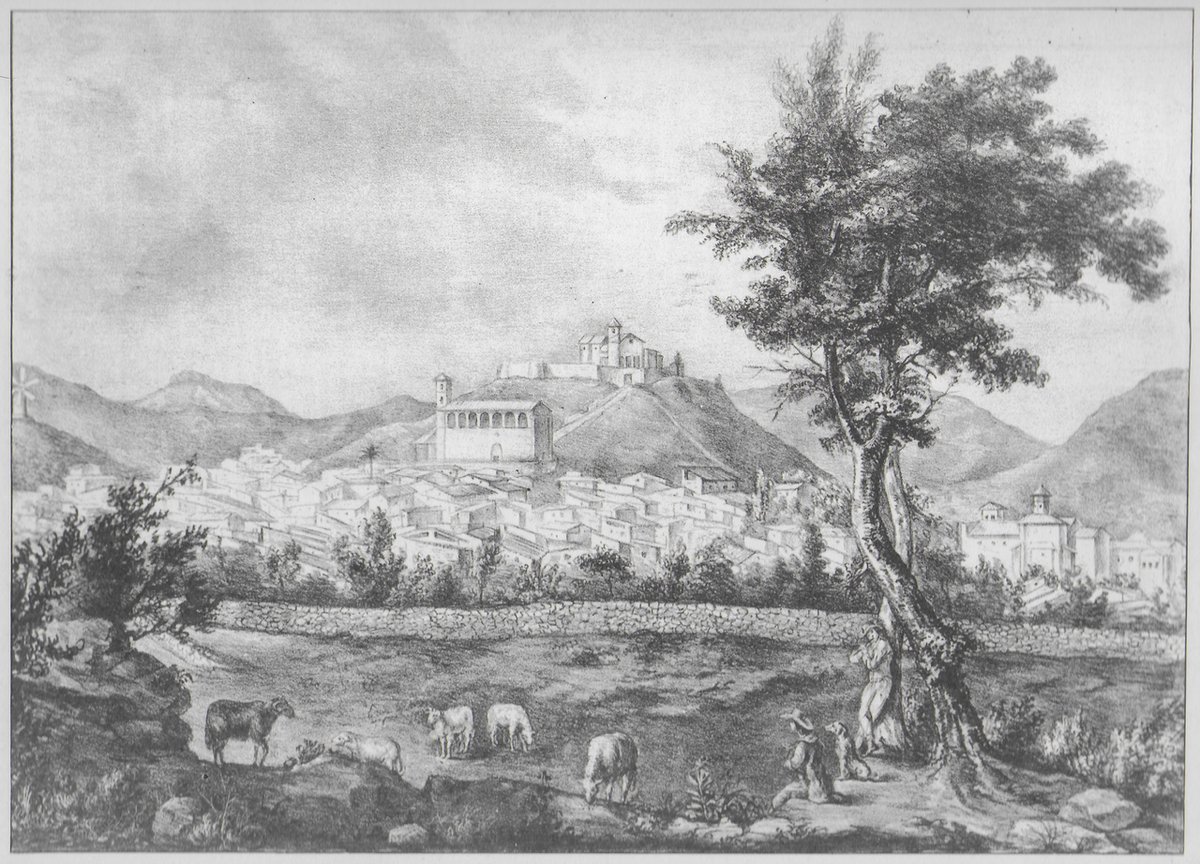
Llegas a Capdepera por la carretera y lo primero que ves es el muro. Una línea gris en lo alto de una colina, sobre un pueblo de casas bajas. El coche hay que dejarlo abajo, en las calles estrechas que rodean el centro o en los aparcamientos señalizados. Uno es gratuito, otro de pago. Rara vez están los dos llenos.
La visita se organiza desde ahí: subir al castillo. Lo demás viene después.
Subida al castillo
Desde la plaza, la cuesta se hace andando en diez minutos. La entrada cuesta poco, pero conviene mirar los horarios antes; cambian según la temporada.
Dentro no hay gran cosa. Piedra bajo los pies, vistas anchas y silencio. Pero el sitio tiene peso histórico. Aquí se firmó, en 1231, la rendición del gobernante musulmán de Menorca a la Corona de Aragón. La tradición local dice que los de Capdepera colocaron una imagen de la Virgen en las murallas y encendieron tantas hogueras que, desde Menorca, pareció un ejército enorme. Leyenda o no, la historia se sigue contando.
El recinto mide unos 8.000 metros cuadrados. En el siglo XVI había viviendas dentro; hoy solo quedan restos y una pequeña exposición sobre el trabajo de la llata, el trenzado tradicional de hoja de palma.
Desde lo alto se ve Menorca, a unos 35 kilómetros. En días muy claros se distingue una línea tenue en el horizonte.
El faro del este
Desde el castillo hasta la costa se tarda cinco minutos en coche. En Cala Ratjada, un paseo sencillo lleva al faro de Capdepera.
El camino no tiene pérdida. El faro está cerrado al público —lleva funcionando desde el siglo XIX— así que vas por el entorno: un banco de piedra frente al mar, viento casi constante y agua abierta.
En invierno hay calma. En verano, gente caminando para hacerse una foto y volver.
Si quieres seguir andando, hay senderos hacia Cala Mesquida. El paisaje es roca y pinos bajos hasta llegar a la arena. En agosto, el aparcamiento de la cala se llena pronto.
Cala Ratjada: puerto y turismo
Cala Ratjada es donde vive buena parte del municipio. No busques un casco histórico pintoresco; aquí hay bloques de apartamentos, tiendas de playa y bares con televisión.
La actividad se concentra en el paseo del puerto. Por las tardes a veces se ve pesca descargándose; alguna vez venden parte directamente allí.
En verano cambia el ambiente. Se nota el turismo alemán: carteles traducidos, cerveza a cualquier hora y marcha nocturna. Las fiestas locales son ruidosas: procesión marinera por la bahía para la Virgen del Carmen; correfocs con petardos para Sant Roc en agosto.
Comer y cuándo venir
La comida es mallorquina sin complicaciones: tumbet (berenjena patata calabacín tomate), frito mallorquín (hígado patata hierbas), arroz brut (espeso con carne). Para dulce ensaimada si queda alguna a media mañana ya suelen estar vendidas).
El tiempo marca mucho cómo se vive aquí. Invierno significa menos gente viento norte terrazas medio vacías buen momento para subir al castillo o ir al faro sin cruzarte con nadie. Verano es más coches más calor colas en las calas. Si vas al castillo ve temprano antes de que lleguen grupos organizados igual para las playas o madrugar o ir tarde).
Capdepera se entiende rápido Castillo vista hacia Menorca luego bajar comer si queda tiempo acercarse al faro No da para mucho más