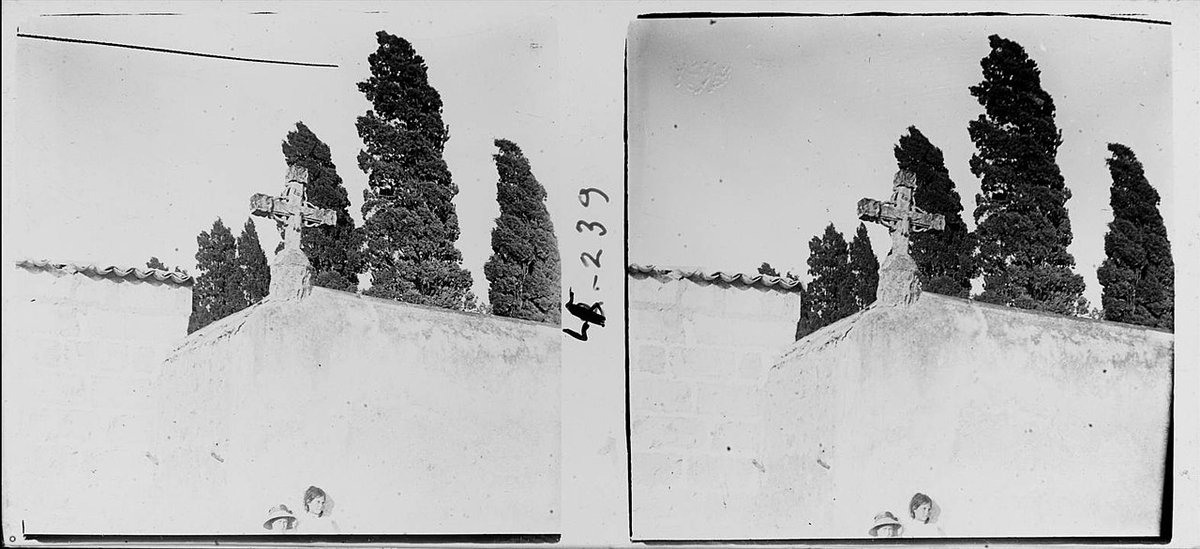
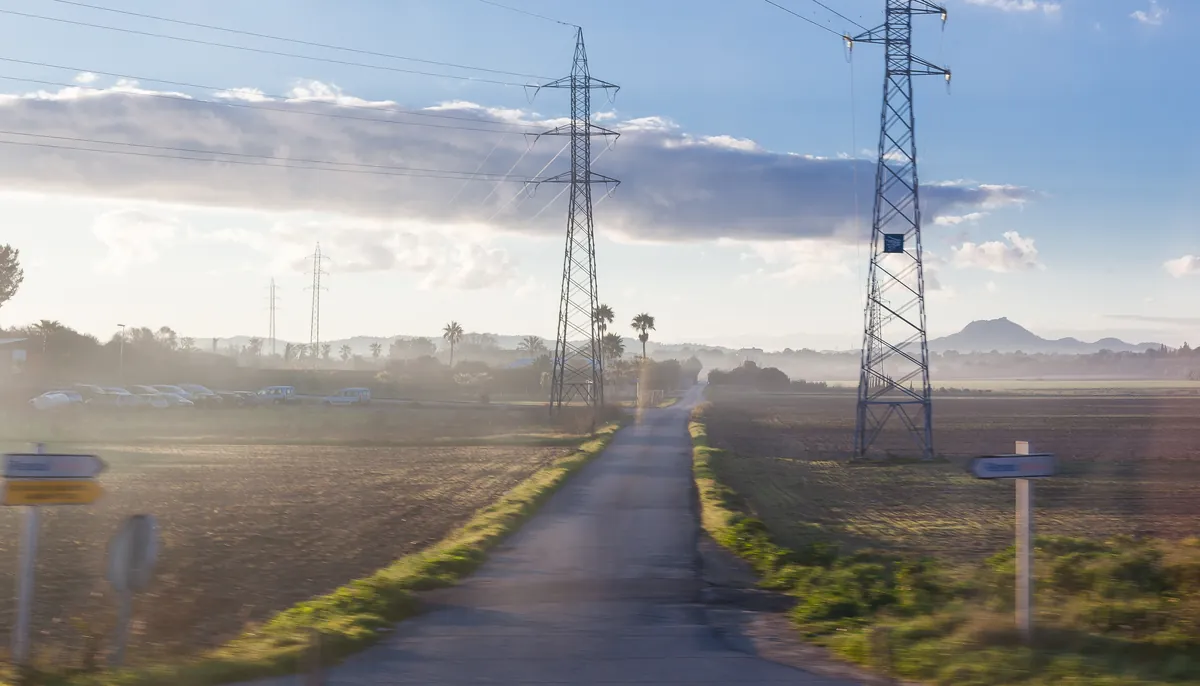
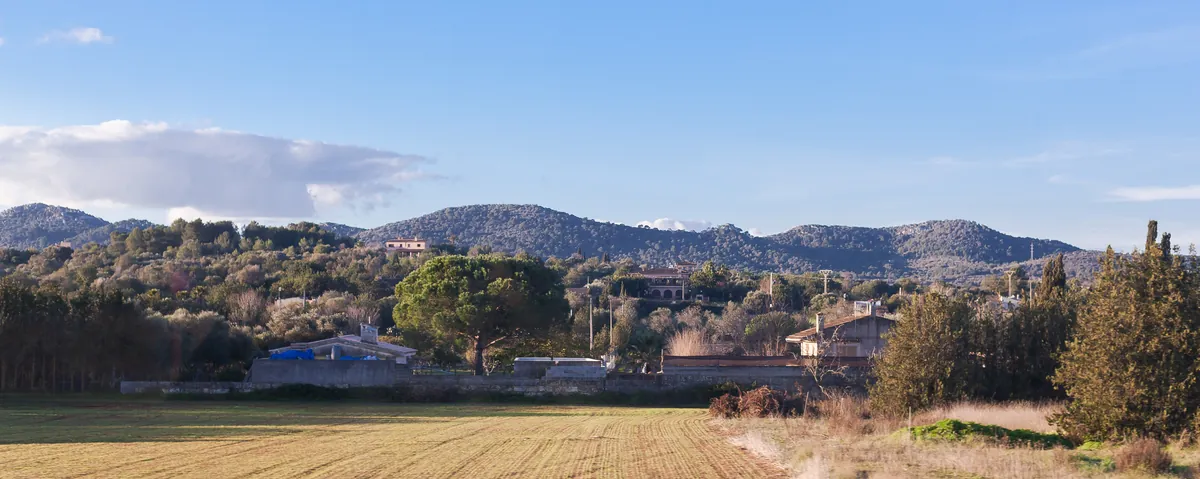
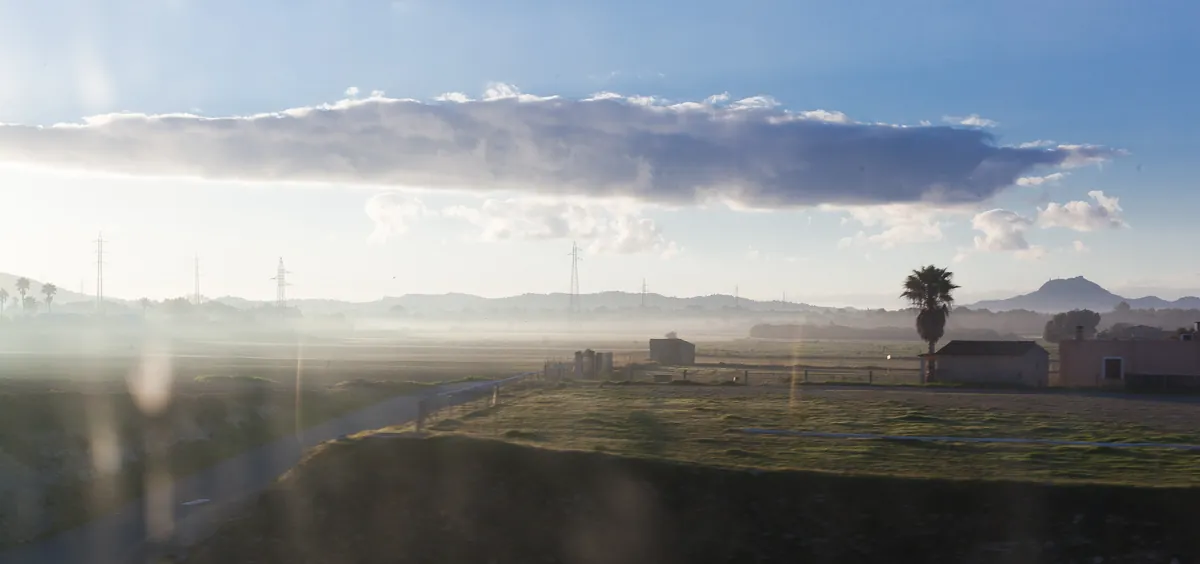
Creu al cementiri de Manacor vista pel darrera.jpeg
real_totruok · Flickr 5
Baleares · Pure Mediterranean

Manacor

The 8 a.m. train from Palma rolls into Manacor station and half the carriage jumps up to photograph a bronze statue. It isn’t some medieval saint. ...

49,153 inhabitants · INE 2025
80m Altitude
Coast Mediterráneo

Why Visit

Coast & beaches Majorica Pearl Factory Visit the caves

Best Time to Visit

summer

Spring Fair and Festival (May) julio

Things to See & Do
in Manacor

Heritage

  • Majorica Pearl Factory
  • Rafa Nadal Academy
  • Coves del Drach (Porto Cristo)

Activities

  • Visit the caves
  • Pearl shopping
  • Tennis and sports

Festivals
& & Traditions

Fecha julio

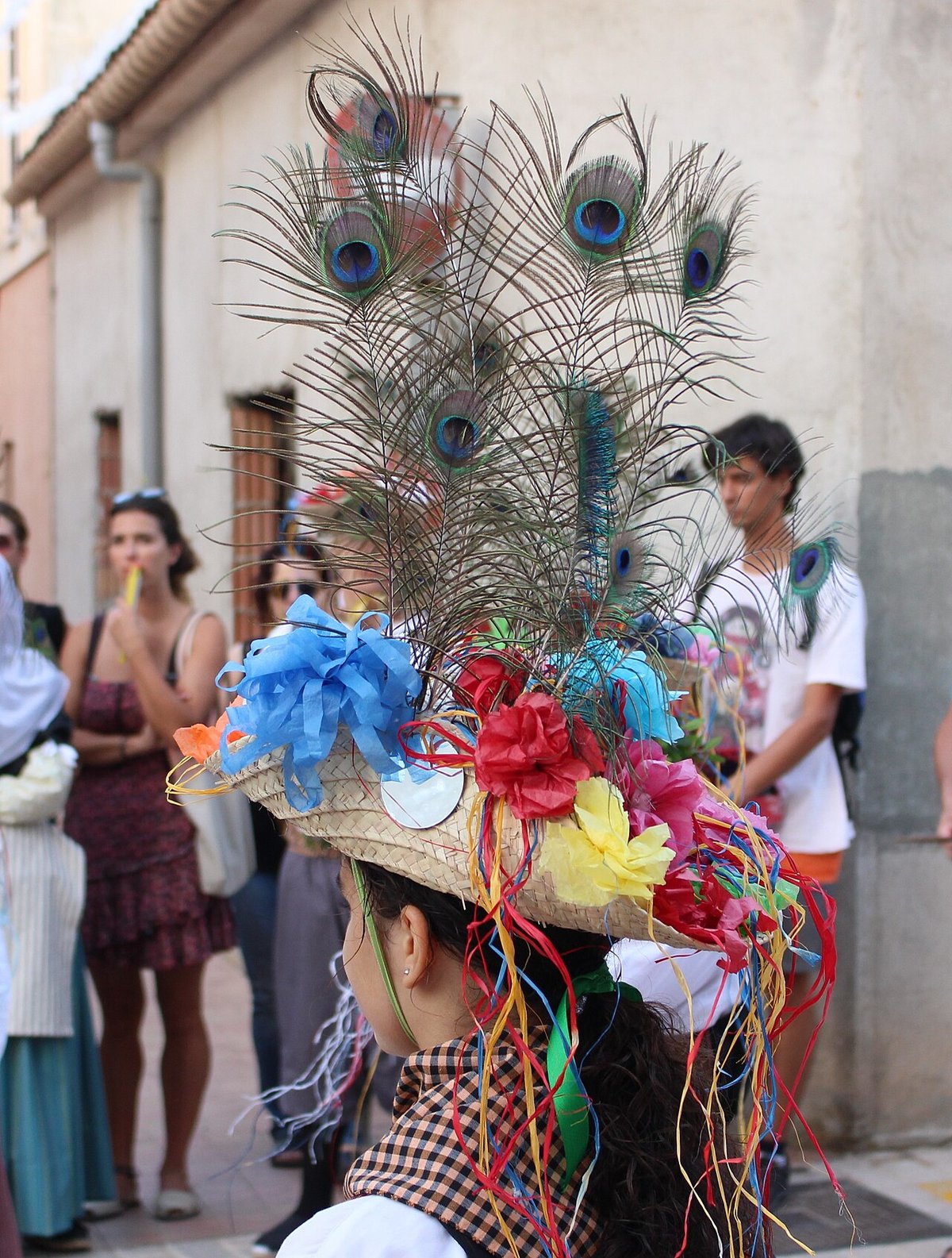
Fires i Festes de Primavera (mayo), Sant Jaume (julio)

Las fiestas locales son el momento perfecto para vivir la autenticidad de Manacor.

Full Article
about Manacor

Second-largest city in Mallorca and industrial hub of pearl and furniture making; birthplace of Rafa Nadal and commercial center of the east

Ocultar artículo Leer artículo completo

The 8 a.m. train from Palma rolls into Manacor station and half the carriage jumps up to photograph a bronze statue. It isn’t some medieval saint. It’s Rafa Nadal mid-forehand, frozen outside the town’s modest sports centre. The other passengers—white-coated pharmacists, teenagers with rucksacks full of textbooks—just yawn and head for the exit. That split-second sums Manacor up: famous for one thing, actually run by people doing ordinary jobs better than anywhere else on the island.

Manacor is Mallorca’s second-largest municipality, 50 km east of the capital, yet it rarely appears on British itineraries that race from airport to beach. There is no yacht-lined harbour, no cobble-stoned old quarter bathed in fairy lights. What you get instead is a working town where cafés open at 6.30 a.m. for farmhands, and Tuesday’s market blocks the main road with stalls selling everything from olives to wrought-iron boot scrapers. Stay for a day or two and you’ll start to clock the differences: waiters who remember how you like your coffee, bakery queues that move faster than City traders, and a quiet pride in anything stamped “Made in Manacor”—pearls, furniture, even the tennis rackets strung in the back of a quiet industrial unit round the corner from Nadal’s academy.

Inland rhythms

Orientation is simple. The railway track slices the town in half; the church of Sant Vicenç Ferrer and its ochre Dominican convent act as a compass point. Between them lies a grid of 19th-century shop-houses painted the colour of weathered leather. Nothing is more than a ten-minute walk, which means you can park once (free on side streets, €1.20 an hour in the blue bays) and forget the car.

Start with coffee in Plaça Ramon Llull, where elderly men in straw hats argue over dominoes and the smell of printer’s ink drifts out of the weekly paper’s office. The square’s plane trees drop seeds that crack like tiny fireworks under chair legs—background percussion to the gossip. Mid-morning, follow the bells to the Església dels Dolors, a 19th-century pile whose rose window looks better from inside: at 11 a.m. sunlight hits the glass and throws purple triangles across the stone floor. It’s open, free, and you’ll probably have it to yourself.

If the temperature is climbing, duck into the Torre dels Enagistes, an Arab-era manor reborn as the town history museum. One room is devoted to the Talayotic culture; another displays a 200-year-old loom still threaded with indigo wool. Admission is €3, Wednesday afternoons free, and the courtyard is the coolest spot in town.

Pearls next, but skip the hard sell. The Majorica factory on the eastern bypass runs 45-minute tours (€8, book online) that show seed nuclei being dipped in mother-of-pearl slurry until they grow into gun-metal grey orbs. You exit through a shop, naturally, but there’s no obligation and the café does a decent cortado. Independent jewellers along Carrer de Jaume I often stock seconds at half price if you ask.

When the land tilts to the sea

Manacor doesn’t touch the coast itself—the municipal boundary stops 10 km short—but it owns some of the island’s least trammeled coves. Cala Varques is the headline: 40 minutes by car, then a 15-minute footpath that descends through pine and wild rosemary. The sand is powder-white, the water a Pantone swatch of turquoise, and there are no sunbed touts. What there is, however, is a summer overflow car park that fills by 9.30 a.m. and a single eco-toilet that queues faster than Wimbledon ticket resale. Arrive early, bring water, and don’t leave valuables visible—police reports of smashed windows spike in August.

Locals often prefer Cala Magraner, reached via an unpaved track from the hamlet of Son Mas. The hike is shorter but steeper; trainers suffice, not full hiking boots. Climbers like the limestone cliffs behind and the fact mobile reception dies 500 metres before the cove, enforcing a digital detox.

Between the town and the sea sits Porto Cristo, technically Manacor’s port but feeling like a separate village. The Coves del Drach pull coach parties by the thousand. The underground lake is undeniably beautiful—especially when the lights dim and a cello echoes across the water—but you’ll share the moment with 800 strangers if you book the 11 a.m. slot. The 3 p.m. tour has half the numbers and the same €15 price tag. Pair it with lunch at the fishermen’s cooperative around the corner: whole sea bream grilled with nothing but olive oil and rock salt, €14, eaten on a terrace that watches the working quay rather than super-yachts.

Almonds, windmills and a disused railway

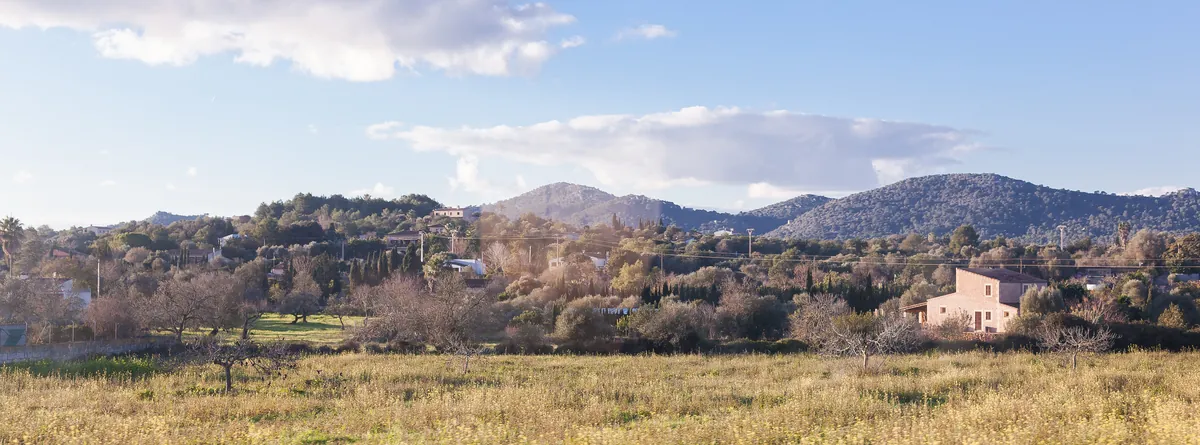
Back inland, the countryside flattes into a patchwork of almond and fig orchards. The Ruta dels Molins plots a 12-kilometre loop past thirteen stone windmills built in the 19th century to grind flour. Start at the tourist office for a free map; allow three hours including the detour to the ruined chapel of Sant Honorat, whose doorway frames the Tramuntana peaks 50 km away. Spring walkers get clouds of pink blossom; autumn visitors see the trees picked clean and can buy just-harvested nuts for €5 a bag from honesty stalls.

Cyclists should head for the Via Verde, a paved greenway that follows the old Manacor–Artà railway. The gradient never rises above 2 %, making it perfect for families or anyone who hasn’t been on a bike since the Boris-bike era. Hire costs €15 a day from the shop opposite the station; they’ll lend helmets and a laminated route card. Pedal east and you’ll reach Son Carrió in 20 minutes, a hamlet with a bakery whose ensaïmadas—spiral pastries dusted with icing sugar—are still warm at 8 a.m. Continue to Artà if you’re fit (26 km total), then return by train for €4—bike carriage included, no reservation needed.

Food that doesn’t photograph well but tastes brilliant

British expectations of Mallorcan food often begin and end with paella. Manacor trades in the island’s peasant staples: tumbet (a layered aubergine and potato bake), frit de porc (pork stir-fried with liver and peppers), and cocas—flatbreads topped with red pepper and aubergine paste that look like cold pizza but disappear faster than tapas. The place to try them is Ses Aples, a converted farmhouse three kilometres west of town. The five-course lunch menu costs €20 and might include bullit de peix (fish stew followed by rice cooked in the same broth) or rabbit with almonds. Dinner is busier, so book—especially out of season when they close Tuesdays.

Back in town, the market hall on Plaça del Mercat stays open till 2 p.m. Stall 14 does a sandwich of sobrada (spreadable chorizo) and local honey that costs €2.50 and ruins airport food forever. If you’re self-catering, look for the sign “Formatge artesà”: a pound of raw-milk goat’s cheese travels well and isn’t subject to liquid restrictions.

Timing and logistics

May and late-September give you 24 °C days, 17 °C nights, and rental cars from €25 a day. Accommodation is mostly small hotels or agroturismos in the countryside; the two central options are Hotel Segles, a 16th-century townhouse with four-poster beds, and the simpler Finca S’Arteniera, both walking distance to restaurants. August pushes prices up 40 % and the Nadal museum queue snakes round the block—fine if you thrive on chaos, otherwise avoid.

Without wheels you can still manage. The T3 train from Palma takes an hour and drops you five minutes from anywhere. Buses 412 and 414 continue to the coast; they run every 90 minutes, so check the timetable or you’ll spend longer waiting than swimming. Taxis exist but phone signal in the coves is patchy—download the TaxiClick app before you set out.

Leave space in the suitcase. Not for pearls or tennis memorabilia, but for a bottle of home-pressed arbequina olive oil bought from the cooperative on Avinguda de l’Angel. It costs €8, tastes like cut grass and pepper, and reminds you that Manacor’s real souvenir is the flavour of a town that never needed the tourist pound to know its own worth.

Key Facts

Region
Baleares
District
Llevant
INE Code
07033
Coast
Yes
Mountain
No
Season
summer

Livability & Services

Key data for living or remote work

2024
ConnectivityFiber + 5G
HealthcareHospital
EducationElementary school
Housing~5€/m² rent · Affordable
CoastBeach nearby
Sources: INE, CNMC, Ministry of Health, AEMET

Official Data

Institutional records and open data (when available).

  • Basílica de Son Peretó
    bic Zona Arqueológica ~4.1 km
  • Basílica de Son Peretó
    bic Zona Arqueológica ~4.1 km

Planning Your Visit?

Discover more villages in the Llevant.

View full region →

More villages in Llevant

Traveler Reviews