Full Article
about Sant Llorenç des Cardassar
A municipality that blends a traditional inland core with the coastal resort area of Cala Millor and Sa Coma.
Hide article Read full article
Sant Llorenç des Cardassar: El pueblo que no te esperas
Llegas a Sant Llorenç des Cardassar y, al principio, piensas que tu GPS se ha equivocado. No hay un cartel gigante de bienvenida, ni una hilera de tiendas de souvenirs. Es como llegar a casa de un amigo en un pueblo cualquiera: te recibe una rotonda, unos campos abiertos y el perfil bajo de las casas de piedra. No es el tipo de lugar al que vienes por una postal; es el tipo de lugar al que llegas porque tienes que ir a algún sitio, y te acabas quedando un rato más de lo planeado.
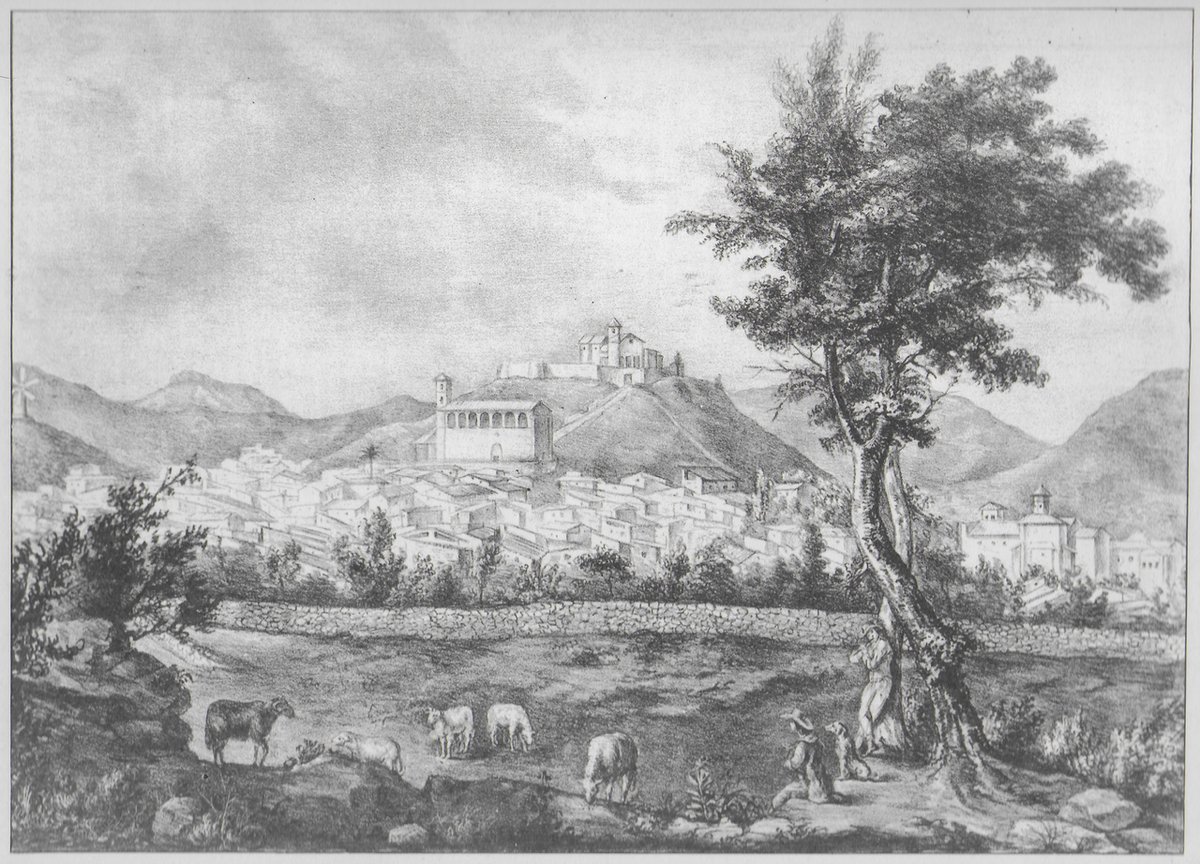
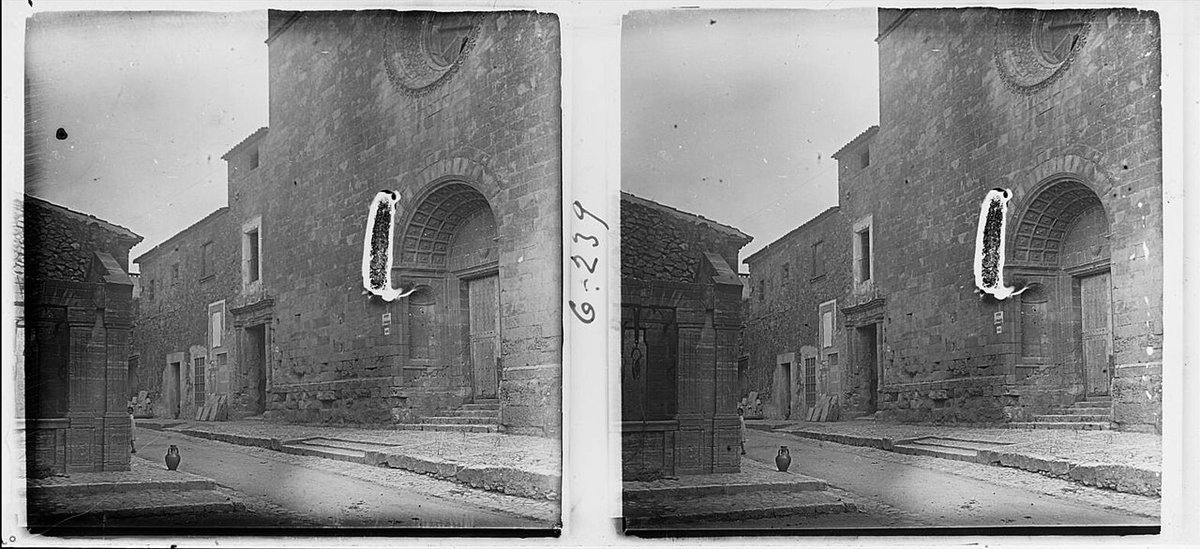
El centro es eso: un centro. La plaza tiene sus bancos, su iglesia parroquial robusta y gente haciendo recados. Ves a un hombre cargando una caja de verdura directamente del coche a una puerta trasera, a unos ciclistas tomando algo en la terraza más por la sombra que por el paisaje. Funciona por sí solo, con esa tranquilidad práctica de los sitios que no necesitan impresionar a nadie.
Un paseo corto con historia larga
Lo cubres todo andando en media hora, pero la gracia está en no ir con prisa. Las calles son rectas, las fachadas de marés tienen ese color entre miel y arena que ya sabes si has estado en el interior mallorquín. Y luego está Son Peretó. Te lo dicen casi de pasada: "Ah, y por allí hay unos restos". No es un recinto arqueológico vallado con taquilla; son los cimientos de una basílica paleocristiana que aparecieron mientras se labraba el campo hace un siglo. Está ahí, en medio de una finca. Le echas un vistazo en cinco minutos, pero te hace pararte a pensar. La historia aquí no grita; la encuentras casi por casualidad.
Los molinos que aún marcan el terreno
Si sales del casco urbano, los ves. Molinos de viento dispersos por el término, algunos del siglo XVIII. No están puestos en fila para la foto perfecta; aparecen solitarios junto a un camino o detrás de una nave agrícola. Muchos llevan todavía el apellido de la familia que los usaba para moler grano o sacar agua.
Hay una ruta corta, de unos 3 km, que enlaza varios. Es el paseo perfecto para después de comer, cuando necesitas mover las piernas sin plantearte una hazaña deportiva. El paisaje es llano, agrícola, y los molinos encajan como lo que son: piezas funcionales de un paisaje que antes se sostenía del campo y poco más. Te recuerdan que esta parte de Mallorca tuvo otra vida antes del turismo.
Cómo moverse (y cómo no)
Un consejo práctico: aparca donde puedas y olvídate del coche. El núcleo es para peatones. Y si traes bici o te apetece caminar sin cuestas, la Vía Verde es tu camino. Sigue el antiguo trazado del tren Manacor-Artà, que pasaba por aquí y dejó una estación que ahora se usa para cosas del pueblo. La vía es plana, ancha y atraviesa Sant Llorenç casi sin que te des cuenta; entras por un lado y sales por otro entre huertos y corrales. Es ver el pueblo desde detrás del escenario.
De lo que se come y lo que se vive
En cuanto a comer, se rige por las reglas mallorquinas básicas: donde veas mesas con gente del lugar, suele ser buena señal. Platos como el arròs brut o el tumbet son habituales cuando toca; la ensaimada está presente para el café. No es un destino gastronómico al uso, pero come bien si sabes buscar.
El año aquí lo marcan sus fiestas, y son contundentes. En enero llega Sant Antoni con sus demonios (los dimonis), fogatas y un ruido tremendo en la calle. Es caótico y divertido. En agosto tocan las fiestas patronales de Sant Llorenç. Es cuando notas el cambio: se llena de caras nuevas que en realidad son viejas conocidas, gente que vuelve al pueblo. Hay más bullicio. Y en septiembre cierra el verano la Mare de Déu Trobada con otro tono.
¿Merece una visita?
Sant Llorenç des Cardassar no compite con la costa ni lo intenta. No tiene playa ni monumento estrella. Es simplemente un pueblo funcional del Llevant con más capas de las que parece a primera vista. ¿Vale la pena desviarse? Si buscas el Mallorca monumental o playero, probablemente no. Pero si vas camino a alguna cala del este o huyes del bullicio costero y quieres ver cómo late un pueblo sin decorados durante media mañana o una tarde tranquila… entonces sí. Date ese paseo hasta Son Peretó, recorre esa Vía Verde, y quédate a comer donde veas coches aparcados en la puerta. Te llevarás una idea bastante honesta del lugar