Full Article
about Son Servera
A town that blends tradition with golf and beach tourism; its unfinished open-air church stands out.
Ocultar artículo Leer artículo completo
At 09:05 on a Friday, the No. 411 bus from Cala Millor wheezes to a halt beside the stone water trough and disgorges twenty Brits in hiking sandals who have come for the market. By 09:15 they have blocked the doorway of the Eroski, queuing for cash, while the real queue – locals after cigarettes and the Diario de Mallorca – snakes past them to the kerb. Welcome to Son Servera, a place that refuses to speed up for anyone.
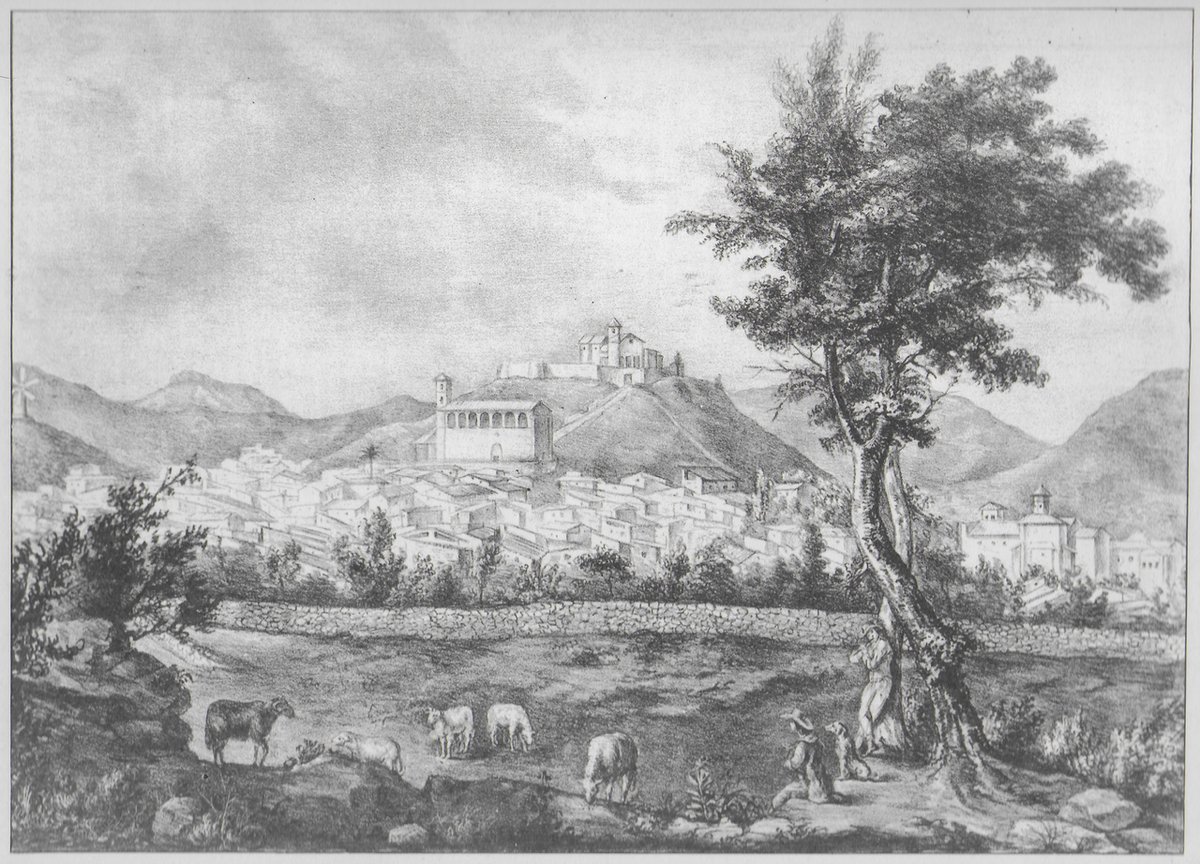
The town sits 103 metres above the sea, close enough to smell salt when the tramuntana wind swings round, but far enough inland to keep its agricultural pulse. Almond and carob groves lap against the last street lamps, and the weekly rhythm is still set by tractors rather than tour reps. That altitude gives it a climate that surprises first-timers: mornings can be six degrees cooler than the coast, so the cardigan you left in the hotel room suddenly feels essential.
The Square that Runs the Clock
Everything starts in Plaça de Sant Joan. The parish church – finished in 1882 after the original collapsed – looks like a solid sandstone box dropped from a greater height. Its bell tolls the quarter hour with the confidence of someone who knows the whole town is listening. On non-market days the square belongs to the pensionistas: men in flat caps play dominó under the plane trees, slamming tiles so hard the pigeons flinch. Their wives sit two benches along, comparing prices of coliflor and discussing whose grandson has failed his driving test.
Come Friday, the coaches arrive and the tableau shifts. Stallholders from the huerta lay out tomatoes still warm from the field, wheels of goat’s cheese wrapped in brown paper, and pyramids of ensaïmada that sag under their own weight. A Manchester accent haggles over a bag of oranges; the vendor answers in thick Mallorquín and both sides feel they’ve won. If you want to blend in, arrive with a reusable bolsa and ask for “un quilo de clementinas, si us plau”. The price drops by twenty cents and you’ll be marked down as an honorary local until you mispronounce granadilla.
Half a Church and a Whole View
Five minutes uphill, the Església Nova – the “new” church begun in 1905 and never completed – stands roofless like a theatre waiting for the sky to supply the drama. Its hollow nave frames the Serra de Llevant perfectly: a live postcard that updates with the light. Sunrise turns the stone peach; by midday the glare is brutal and the handful of visitors cower in what little shade the walls throw. Bring water; there’s no café closer than the bar de sports on C/ de la Mar and it doesn’t open till the bàsquet finishes on TV.
The unfinished church is also the town’s unofficial viewing platform. Look west and you’ll spot the tiled dome of the old Safra gin distillery, now converted into flats where British owners time-share the same six weeks every summer. Eastwards, the land tilts toward Cala Millor, the resort that swallowed seven kilometres of coastline and still pretends it’s a village. From here you can just pick out the neon of a karaoke bar; turn 180 degrees and you’re staring at almond blossom and silence. That contrast is Son Servera’s trump card – you choose which sound track you want.
Tracks, Trails and the 19th Hole
The agricultural lanes that fan out from the last traffic lights are flat enough for an ageing hybrid bike and marked well enough that you won’t end up in Artà by mistake. A thirty-minute pedal north-east brings you to the Talaiòtic settlement of Ca na Copea, a jumble of prehistoric stones guarded by a goat who objects to selfies. Carry on another kilometre and the track dips into an ancient carob grove; the pods crunch under tyres like brittle toffee.
Walkers should aim for dawn or the last two hours before sunset. Mid-summer sun is relentless and shade is rationed to the far side of dry-stone walls. A circular route signed from the poliesportiu threads through bancal terraces to the hamlet of Los Fayals, where an honesty fridge sells home-made limonada for one euro. Drop the coin into the tobacco tin and wave to the owner, who is always watching from behind the persiana.
Golfers treat the town as the 19th hole. The Club de Golf Son Servera, founded by a group of expat whisky importers in 1967, sits ten minutes south by taxi. Rounds are half the price of the coast’s marquee courses and the clubhouse still serves a full English that would pass muster in Surrey. Just don’t ask for brown sauce; they stock Marmite instead and argue it’s the same colour family.
What to Eat without the Fanfare
Restaurants line the pedestrian spur of C/ de Sant Joan. Sa Tafona does a tumbet – aubergine, potato and red pepper stacked like a campfire – that converts even sworn carnivores. Meat fans head for Es Molí d’en Bou, where the lechona (suckling pig) arrives with skin so crisp it shatters like a crème-brûlée lid. Prices hover around €18 for a main; portions are generous enough that the adjoining table of German cyclists end up sharing one plate between two.
For something quicker, the market sobrassada bap stall provides a gateway drug to Mallorcan charcuterie. Think spicy Lorne sausage meets pâté, squashed into a soft roll and handed over in a paper napkin that won’t last the first bite. Vegetarians should grab a coca de trempó – a thin, oily flatbread topped with diced pepper and onion – and eat it on the church steps before the pigeons mobilise.
Coffee culture is resolutely Spanish. Order a café amb llet after 11:00 and you’ll get the full-strength version whatever size you ask for; the barista’s expression says you brought this on yourself. If you must have a latte, Mood on the corner does a passable one, but you’ll pay the “guirri” supplement and sit among estate agents on MacBooks.
Beds, Buses and the Bypass
Accommodation splits into two camps: stone town houses with roof terraces rented by the week to repeat Brits who’ve worked out the supermarket delivery slots, and small hotels in converted possessió mansions on the outskirts. Finca Ca’n Maño offers four rooms, a pool shared with the owners’ Labradors, and breakfast that includes eggs from the chicken you can hear congratulating herself. Expect €120 a night in May, dropping to €85 once the almonds are harvested.
Public transport exists but demands planning. The L351 bus from Palma takes 75 minutes and terminates at the medical centre; the last return leaves at 18:10, so day-trippers need to swap beach time for culture before the sun is fully up. Hiring a car remains the sane option – the new MA-15 bypass trimmed the airport run to 55 minutes unless a German cyclist has misjudged the roundabout.
Parking is free behind the football pitch, a four-minute level walk from the square. Ignore the temptation to squeeze into the shade outside the church; the grúa patrols at lunch time and your hire Fiat will be in Manacor before you’ve finished the menu del dia.
The Honest Verdict
Son Servera will never win Mallorca’s beauty pageant. Parts of the outskirts look like they gave up halfway through an argument with the planners, and August traffic can turn the main drag into a tailback of hot tempers and hotter seatbelts. Yet that very scruffiness is what keeps it breathing. Children still chase footballs across the square at midnight, the bakery sells pan Moreno still warm enough to melt butter in the bag, and the Friday market ends with stallholders sharing a porró of red wine while they pack up.
Come for a couple of hours and you’ll tick the unfinished church, buy a souvenir espardenya and catch the bus back to the coast. Stay overnight – or at least long enough to walk the fields at sunrise – and the place starts to make sense. It’s not a hidden gem, nor a refuge from the modern world; it’s simply the bit of Mallorca that got on with life while the resorts argued over sun-lounger space. Bring comfortable shoes, a tolerance for church bells and an appetite. The rest sorts itself out.