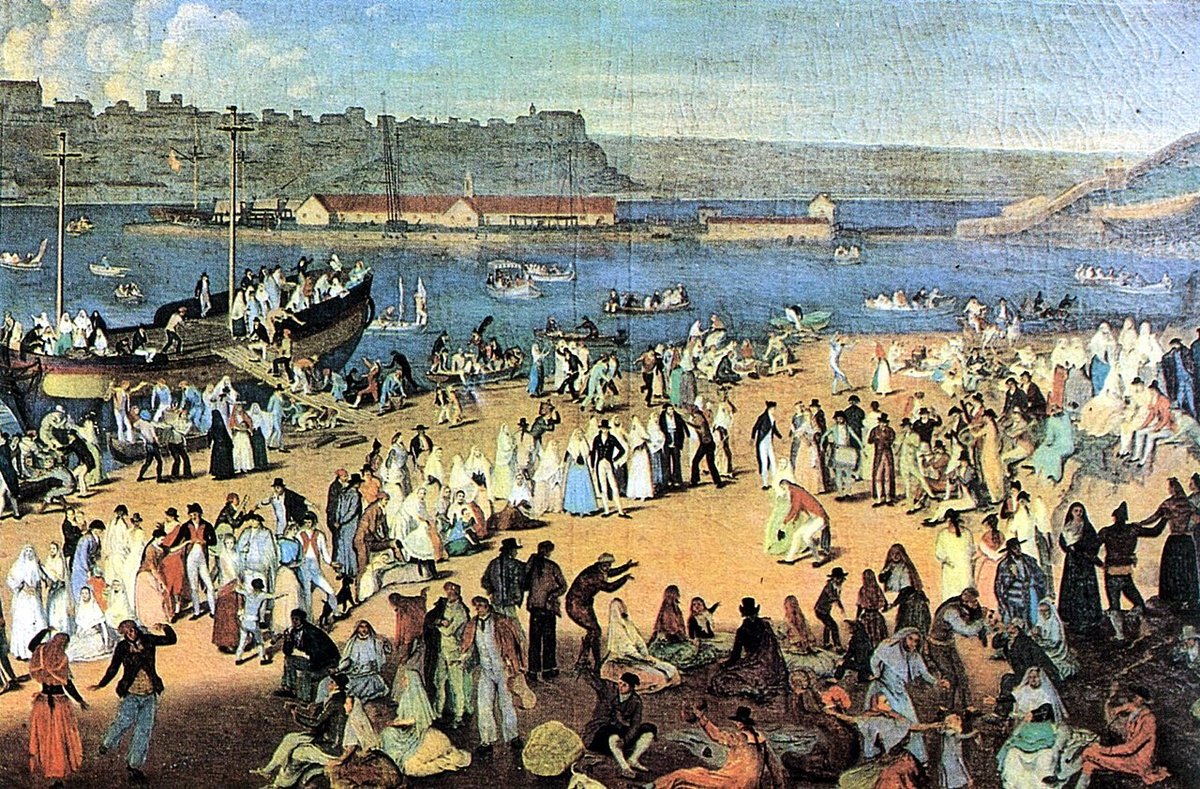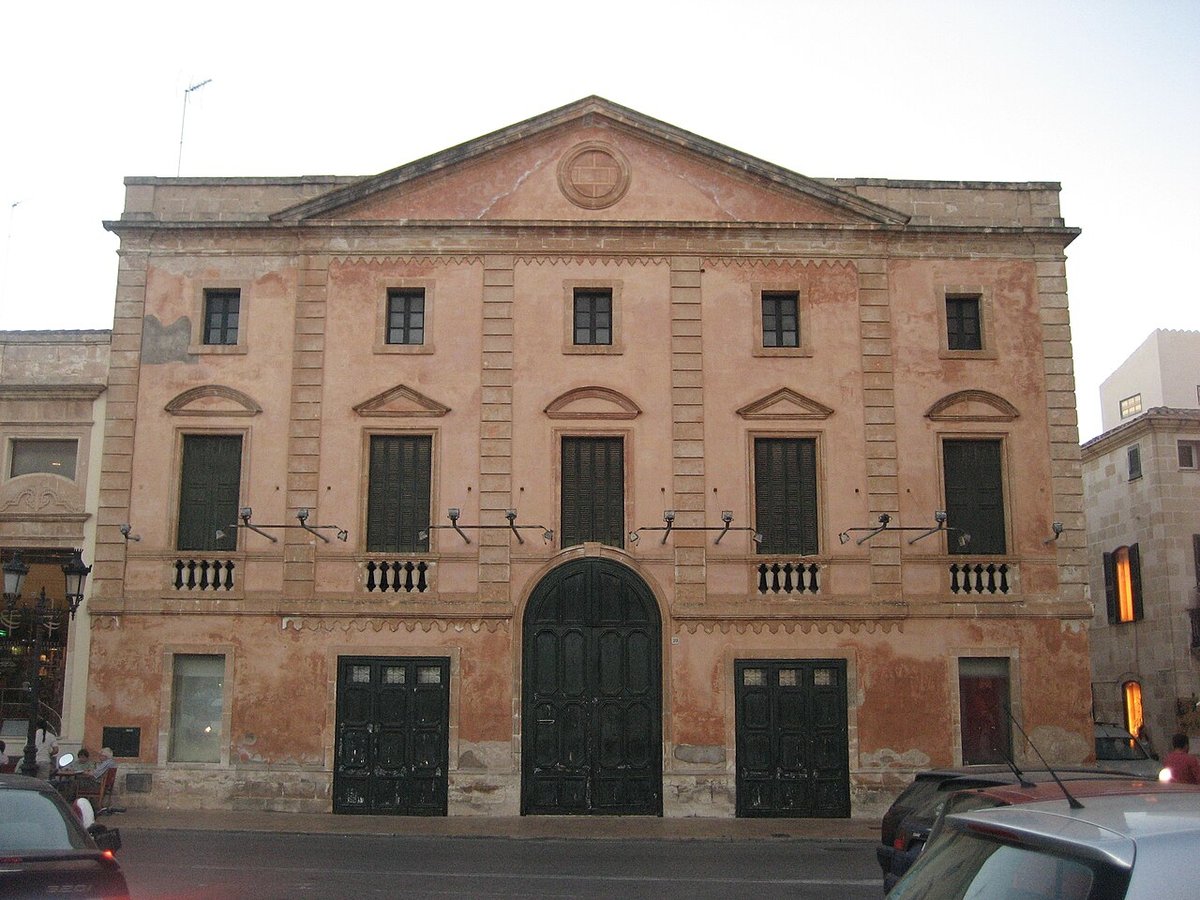
Teatre des Born (Ciutadella Menorca).JPG
Color sépia · Public domain
Baleares · Pure Mediterranean

Ciutadella de Menorca

The harbour smells of diesel and salt at seven in the morning, when the llaüts – those stubby Menorcan fishing boats – chug back with their night’s...

32,431 inhabitants · INE 2025
24m Altitude
Coast Mediterráneo

Why Visit

Coast & beaches Cathedral of Santa Maria Walk through the old town

Best Time to Visit

summer

Sant Joan Festival (June) junio

Things to See & Do
in Ciutadella de Menorca

Heritage

  • Cathedral of Santa Maria
  • Naveta des Tudons
  • Port of Ciutadella

Activities

  • Walk through the old town
  • Sant Joan festival
  • Route of unspoiled coves

Festivals
& & Traditions

Fecha junio

Fiestas de Sant Joan (junio)

Las fiestas locales son el momento perfecto para vivir la autenticidad de Ciutadella de Menorca.

Full Article
about Ciutadella de Menorca

Former capital of Menorca with a stately, beautiful old town; narrow, lively natural harbor

Ocultar artículo Leer artículo completo

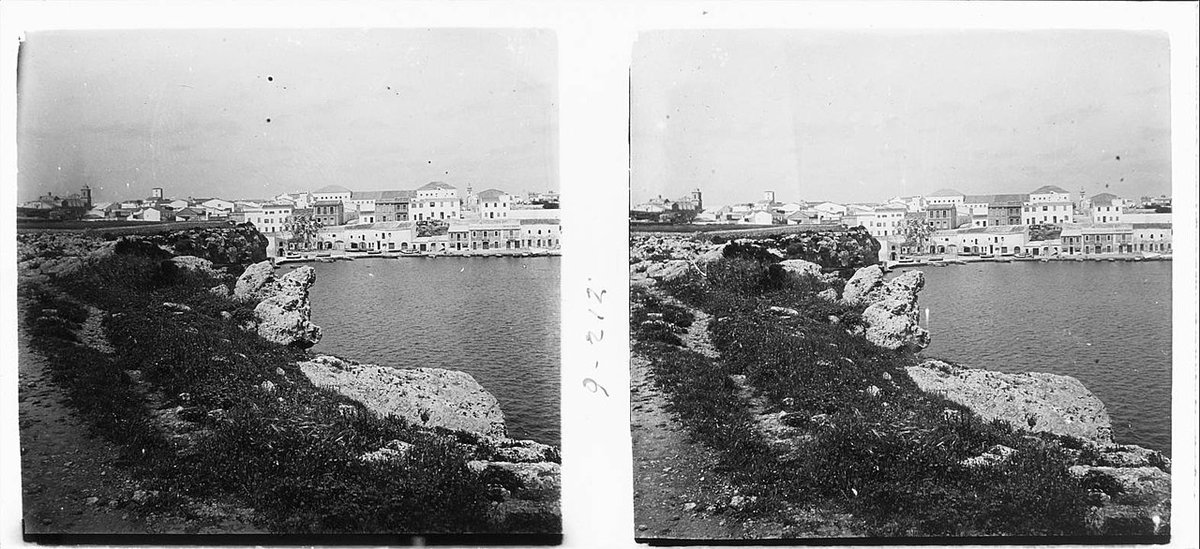
The harbour smells of diesel and salt at seven in the morning, when the llaüts – those stubby Menorcan fishing boats – chug back with their night’s work. Men in white overalls hose down decks while café owners unload boxes of squid and dorada through side doors that open straight onto the water. No postcards, no piped music: just a working port that happens to have a 14th-century cathedral for a backdrop.

Ciutadella never agreed to hand over its capital status quietly. When the British governor moved the administration east to Mahón in 1722, the city simply carried on being the spiritual heart of Menorca. Forty-five kilometres from the airport, it still feels like the place where islanders come for weddings, funerals and Friday-night gin. The limestone mansions prove it: shields carved above doorways, balconies big enough for a family supper, stone the colour of pale honey that turns amber after sunset.

Streets That Remember Every Empire

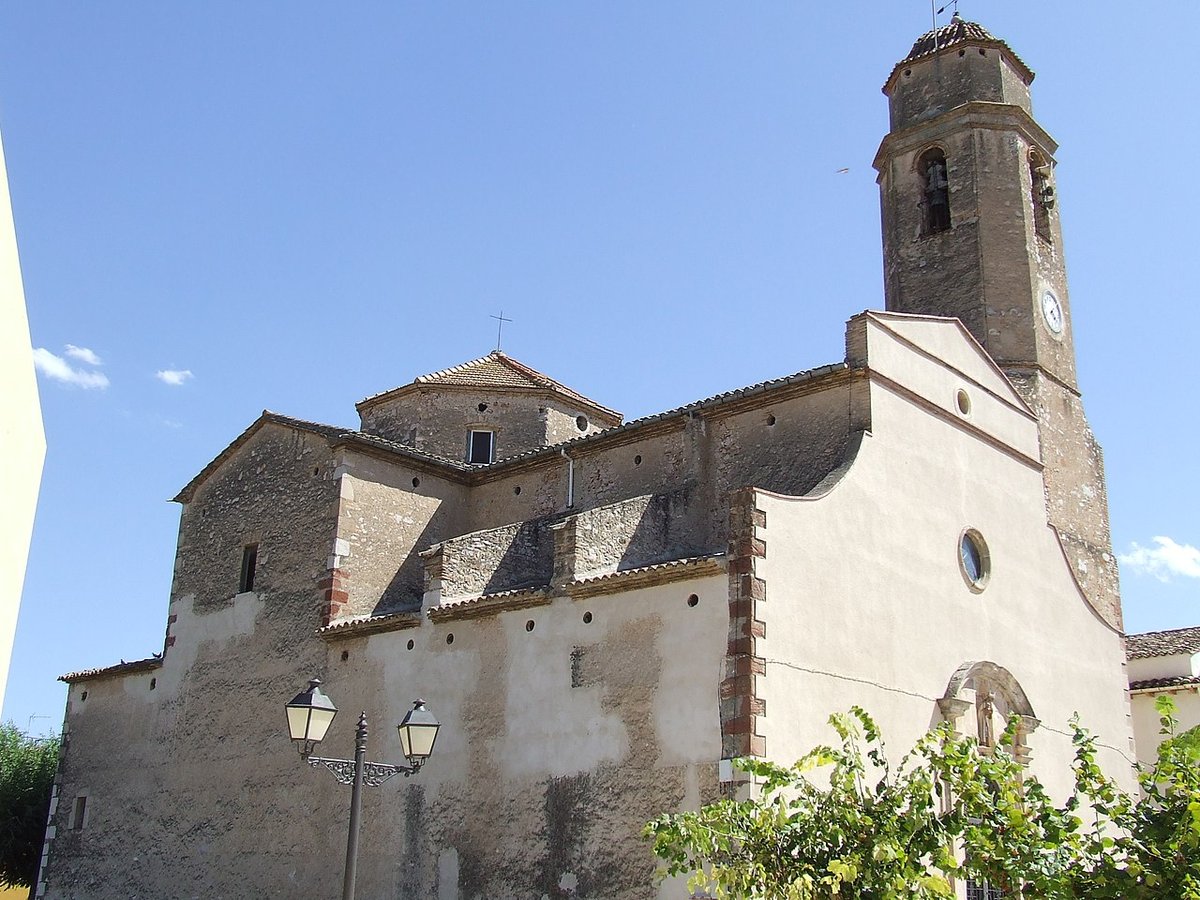
Park on the ring-road and walk in. The old centre is a grid you can cross in ten minutes, yet the lanes narrow so sharply that two supermarket trolleys would jam. This is deliberate: the Arabs who laid out the quarter wanted shade more than traffic flow. Their mosque survives as the nave of Santa María cathedral; step inside to escape the glare and you’ll find a Gothic roof held up by columns scavenged from Roman temples. The guidebooks call the interior “austere”; what they mean is there is nowhere to hide from the silence.

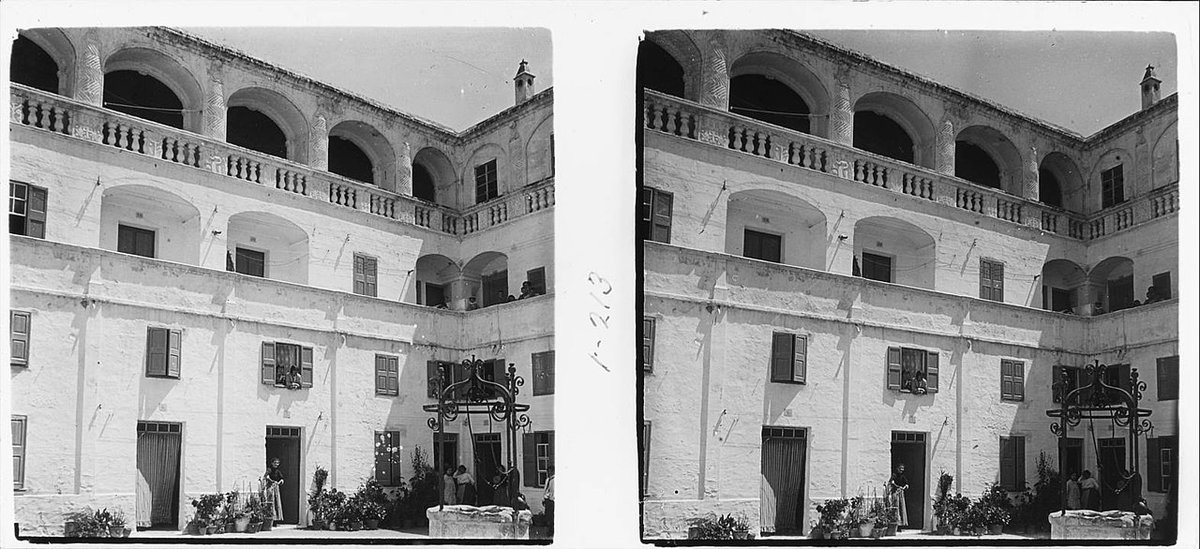
Orientation is simple. Find Plaça des Born, the long oblong square where an obelisk lists every local man killed in the 1558 Turkish raid, then let gravity pull you downhill towards the harbour. Every cross-street reveals a pocket of a different century. Arabic wells in the courtyards of Salort Palace. A Baroque chapel jammed between 1970s flats. A chemist whose wooden drawers still carry gilt Latin labels – the staff will grind your prescription while you wait, no app required.

By five o’clock the heat loosens its grip. Metal shutters roll up, chairs appear on pavements, and the first gin and lemonade – pomada – is poured over chipped ice. British visitors recognise the ritual; they introduced the gin in the eighteenth century and Menorcans never saw reason to give it back.

A Coast That Refuses to Be Convenient

The city’s southern coastline is a string of limestone coves so perfect they look focus-grouped. Turqueta, Macarella, Macarelleta: the names trip off the tongue faster than the traffic moves. Between June and September the road to these poster beaches becomes a slow-moving oven. Cars bake on the verge while their owners hike twenty minutes through pine scrub, beach bags slapping against sunburnt legs. Arrive after ten and you will contour the cliff looking down at towels laid edge-to-edge like tiling.

The fix is either brutal or civilised. Brutal: set the alarm for half-six, reach the car park before the attendant and swim while the sun is still pink. Civilised: drive north instead. Pregonda’s red-gold sand takes forty minutes but the coach parties haven’t worked that out yet. Even closer, the rocks below the lighthouse at Cap d’Artrutx form natural platforms for jumping; locals bring beer and stay for the sunset over Mallorca’s mountains.

If you insist on the famous three coves, rent a scooter in the harbour. Restrictions tighten every year, but two wheels still squeeze through the barriers that keep hire cars out. Wear closed shoes – the footpaths are stony and flip-flops have ended many holidays with a sprained ankle.

Food That Costs What It Should

Lobster stew is the dish everyone asks for, usually once. A proper caldereta uses a whole bogavante, saffron and half a bottle of gin; expect to pay €45–60 a head in the harbour restaurants, more if you want linen napkins. The flavour is worth it, once. Split a portion, mop the sauce with chips, then walk it off along the city walls.

Daily eating is cheaper and better away from the water. In the covered market women in housecoats queue for sobrassada still warm from the casing; ask for a thin slice and it spreads like pâté. At the fish counter buy a paper plate of grilled calamari for €4 and eat it perched on the step outside. Menorca’s cheese, Queso de Mahón, comes in three ages: the young version is mild enough for children, the vintage sharp enough to make a grown-up wince. Buy a wedge, a tomato, a loaf still dusted with flour, and you have lunch for under a tenner.

Pudding is mercifully simple. Crespells are brittle biscuits stamped into flower shapes; carquinyols are the local answer to amaretti. Both survive in a beach bag all afternoon and partner alarmingly well with the island’s iced coffee, a drink that arrives already sugared whether you asked or not.

When the City Lets Its Hair Down

For most of the year Ciutadella is quiet enough that you notice a cruise ship’s worth of day-trippers. That changes on 23 June. Sant Joan, the patronal fiesta, turns the stone streets into a race-track for black Menorcan horses ridden by teenagers in straw hats. The crowd parts, just, as the animals rear outside the Town Hall. British health-and-safety instincts scream; locals simply lift their children onto shoulders and carry on drinking. If you hate crowds, book elsewhere. If you want to see Mediterranean tradition raw and undiluted, stay – but reserve a room in January and expect to pay triple.

Outside fiesta week the city’s nightlife is low-key. Bars close by one, even in August. The pleasure is the warm-up: wandering between plaças where pensioners play dominoes under plane trees and students compare notes on tomorrow’s boat trip. Conversation drifts across tables; nobody checks a phone unless the ferry timetable is in doubt.

Getting It Right

May and late September give you 24-degree days, 18-degree water and tables available without negotiation. June is warmer but still civilised; October can be glorious until the tramuntana wind arrives and whips the sea into a brown foam. Winter is quiet, sometimes too quiet – many restaurants shut for months and the beach buses stop running. Come then only if you like empty streets and the smell of wood smoke from centuries-old chimneys.

A car helps, particularly for the north coast, yet the city itself is pointless to drive in. Parking meters eat euros at €1.50 an hour and the free harbour lot fills by nine. Bring decent shoes; cobbles are slippery and the harbour breakwater is no place for heels. Finally, remember this is a place where people live, not a film set. Close your balcony door after midnight, buy your bread before the one-o’clock shutdown, and Ciutadella will treat you like a neighbour rather than a nuisance.

Key Facts

Region
Baleares
District
Menorca
INE Code
07015
Coast
Yes
Mountain
No
Season
summer

Livability & Services

Key data for living or remote work

2024
ConnectivityFiber + 5G
HealthcareHospital
EducationHigh school & elementary
Housing~5€/m² rent · Affordable
CoastBeach 1 km away
January Climate11.2°C avg
Sources: INE, CNMC, Ministry of Health, AEMET

Official Data

Institutional records and open data (when available).

  • Catedral de Santa María de Ciutadella
    bic Monumento ~0.2 km
  • Naveta des Tudons
    bic Zona Arqueológica ~4.8 km
  • Catedral de Santa María de Ciutadella
    bic Monumento ~0.2 km
  • Naveta des Tudons
    bic Zona Arqueológica ~4.8 km
  • Pedrera de Colònia de l'Assumpció
    bic Zona Arqueológica ~1.7 km
  • Hipogeu de Torre del Ram
    bic Zona Arqueológica ~3.2 km
Ver más (251)
  • Assentament de Torre del Ram
    bic Zona Arqueológica
  • Talaia de Bajolí
    bic Monumento
  • Edificació fortificada de Torre del Ram
    bic Monumento
  • Jaciment d'habitació de Torre del Ram
    bic Zona Arqueológica
  • Naveta de Torre del Ram
    bic Zona Arqueológica
  • Sitjots de Torre del Ram
    bic Zona Arqueológica
  • Restes de Torre del Ram
    bic Zona Arqueológica
  • Naveta i tombes de Torre del Ram
    bic Zona Arqueológica
  • Necròpolis de Torre del Ram
    bic Zona Arqueológica
  • Tomba de Torre del Ram
    bic Zona Arqueológica

Planning Your Visit?

Discover more villages in the Menorca.

View full region →

More villages in Menorca

Traveler Reviews