Full Article
about Es Castell
British-heritage town at the mouth of Mahón harbour; first place in Spain to see the sunrise
Ocultar artículo Leer artículo completo
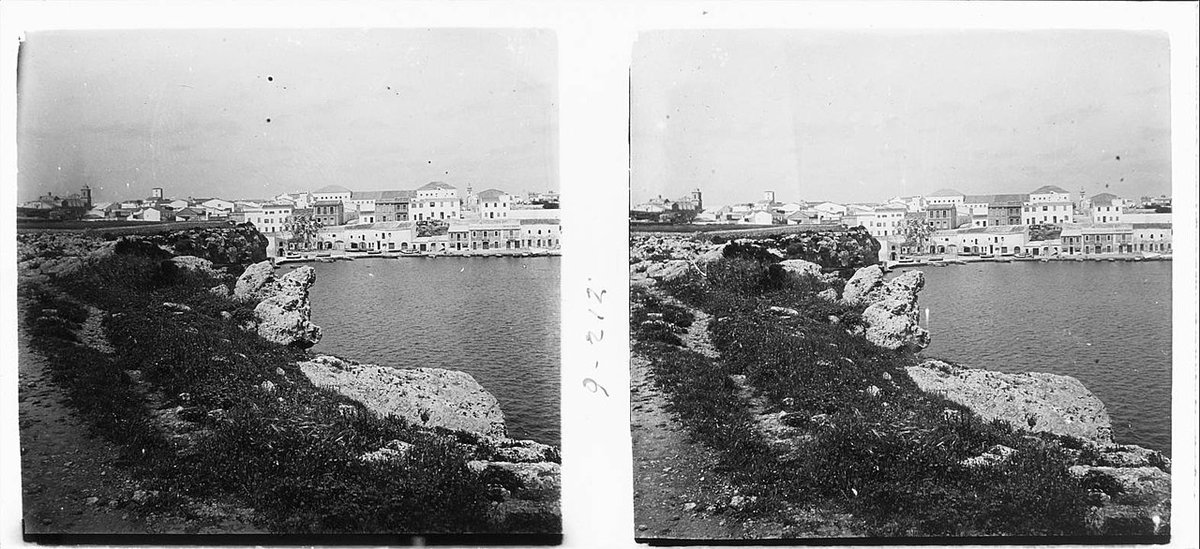
At seven o'clock, the harbour smells of salt and fresh coffee. Fishing boats shift gently against their ropes while the first rays catch the white façades, turning them honey-gold. This is Es Castell at its most honest—before the ice-cream trolleys appear and the evening promenade begins.
The village sits on Menorca's south-east lip, three kilometres from Mahón along a straight road that feels almost English in its politeness. Red-brick Georgian touches—a clock tower here, a parade-ground square there—betray the island's eighteenth-century British chapter. Yet the place is thoroughly Balearic: low houses the colour of sea-spray, washing strung between wrought-iron balconies, and a soundtrack of gulls rather than gulls plus nightclub bass.
Harbour life, minus the sand
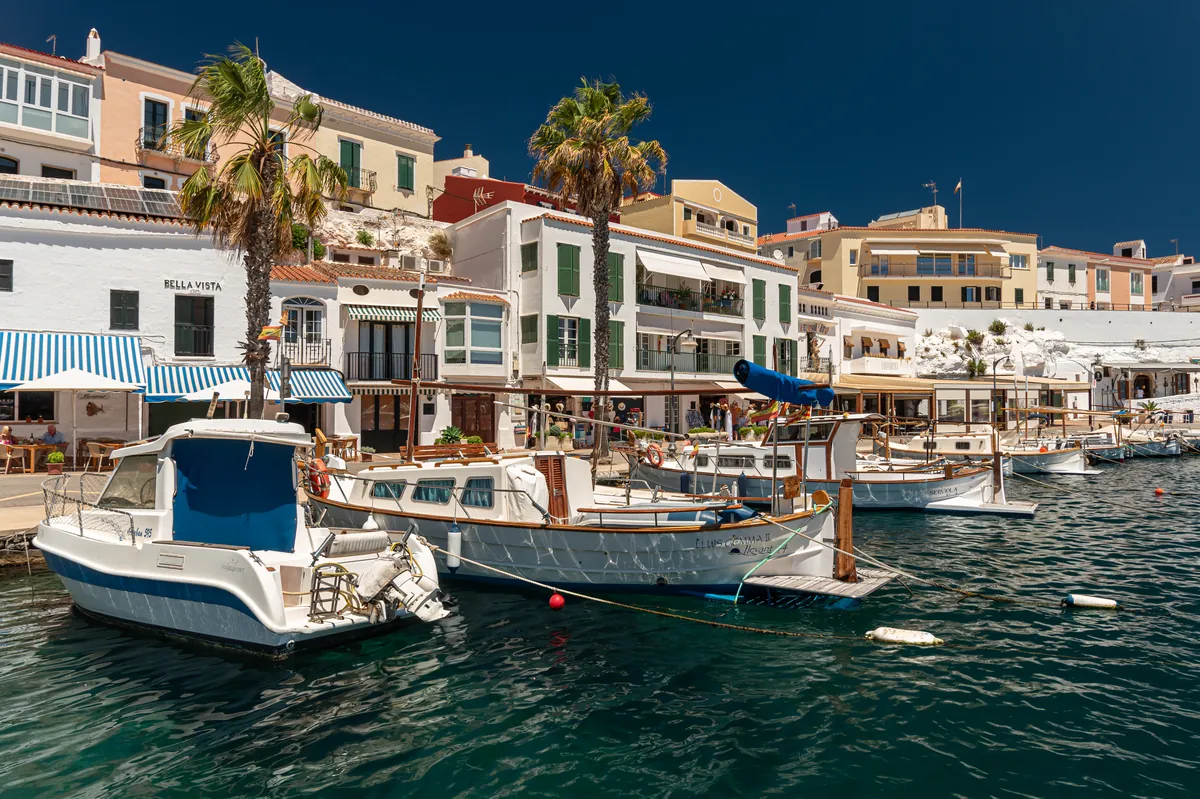
There is no beach. British visitors sometimes forget this, seduced by Instagram shots of turquoise water at Cala Fonts. What you get instead is a natural harbour so large that Nelson once watered here. At dawn it belongs to the fishermen; by ten the kayakers arrive; after dark the quayside tables fill with families sharing plates of cuttlefish and almond ice-cream.
Cala Fonts itself is a comma-shaped inlet no longer than two cricket pitches. Stone stairs descend straight into the sea—handy for a cooling plunge, less handy if you need to spread a towel. Rubber shoes are advised; urchins lurk between the rocks. The adjacent row of former fishermen's cottages now houses thirty-odd bars and restaurants. Strings of bulbs flick on at dusk, prices stay lower than any Cornish harbour, and the house speciality is caldereta de llagosta, a lobster stew designed for two. Order it only if you enjoy picking shell from tomato-rich broth while boats bob two metres away.
Should you crave sand, hire a car and drive ten minutes to Es Grau, a proper sweep of pale grains with lifeguards and a beach bar that serves chips—though the Menorcan version comes alioli rather than vinegar.
A town planned by soldiers
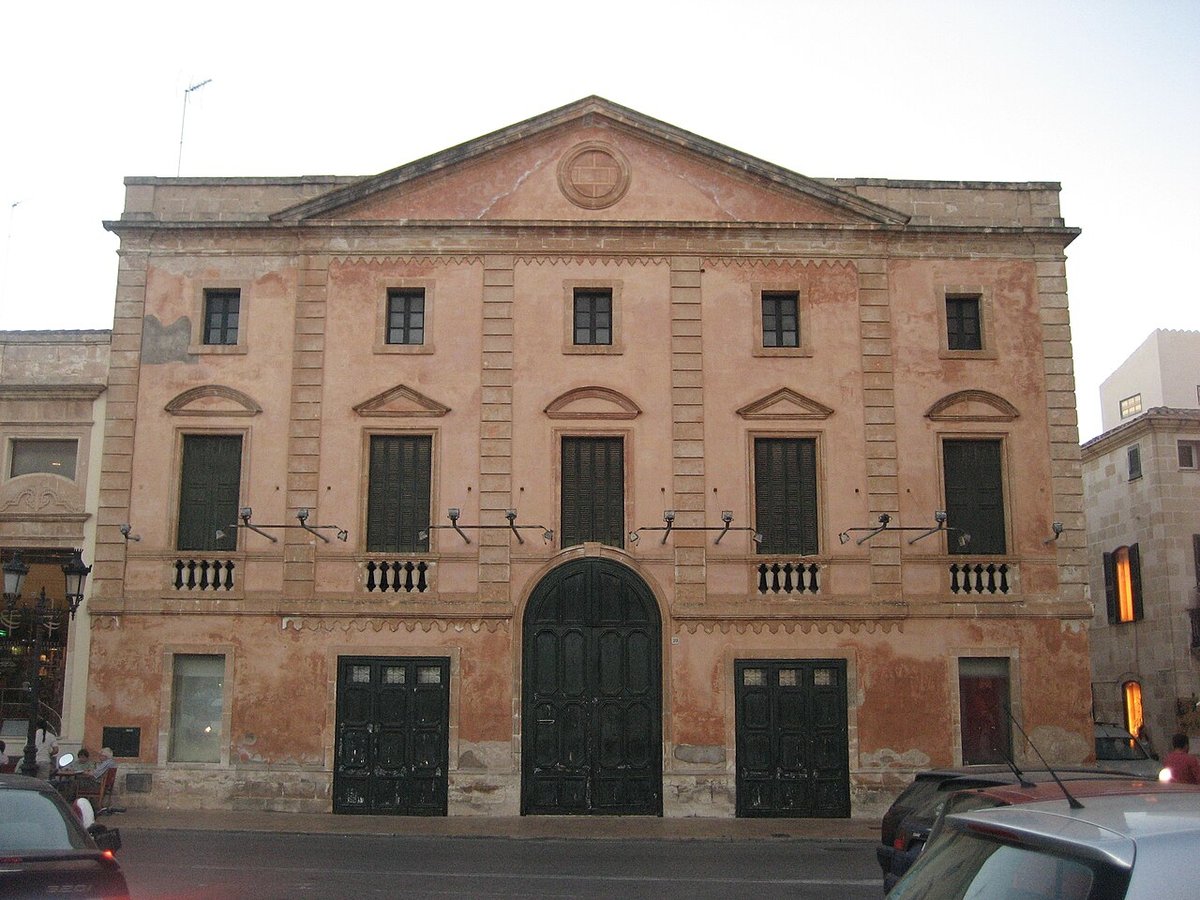
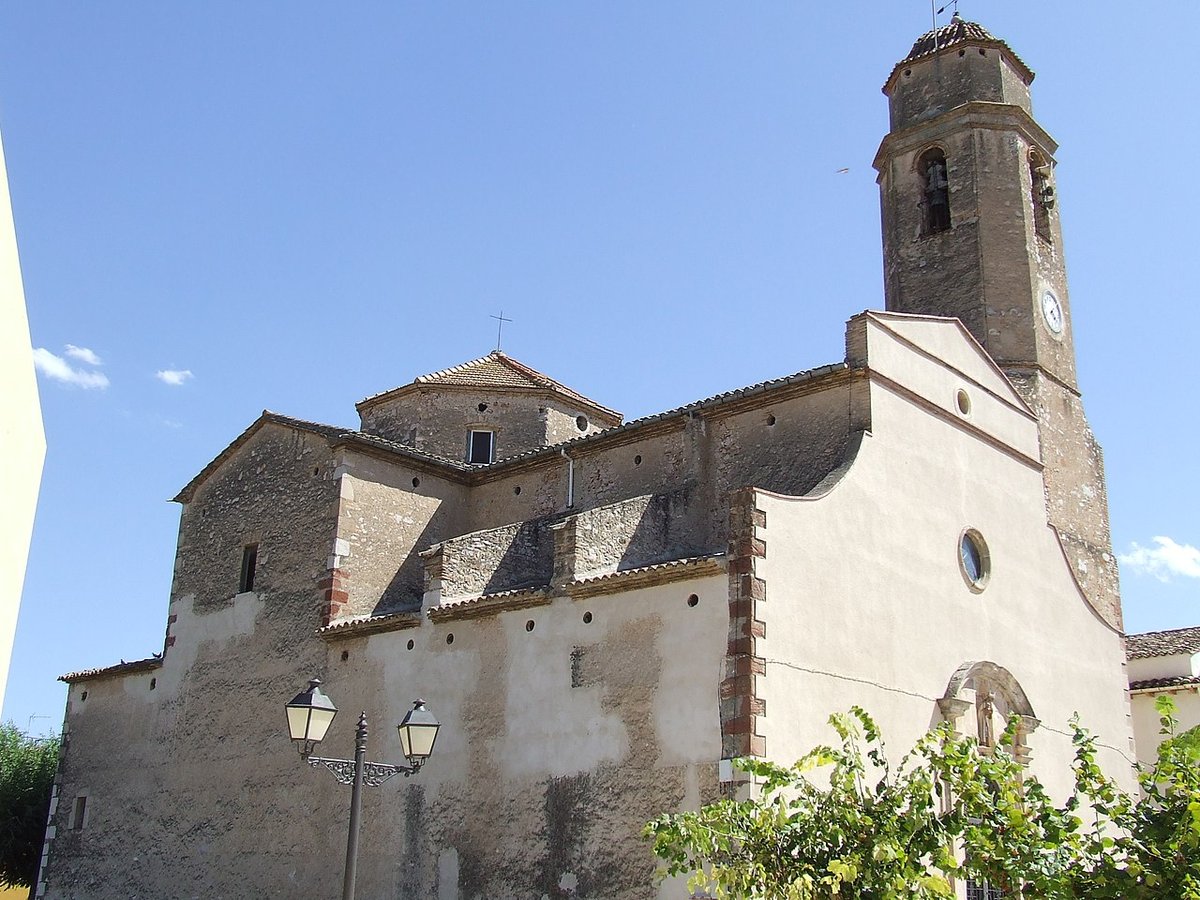
Es Castell began life in the 1770s as Villacarlos, a purpose-built garrison for the Spanish army after the British left. The grid of straight streets and orderly squares still feels faintly barrack-like, but softened by pastel shutters and trailing bougainvillea. Peek into the Rosario church on Plaça de s'Esplanada and you'll find a single nave, plain walls, no frills—exactly what soldiers needed on a Sunday before parade.
Five minutes downhill, Cala Corb's old military warehouses contain the Museo Militar de Menorca. Admission is free, displays are labelled in Spanish only, yet the collection of rusting muskets and harbour charts is oddly compelling. Kids like the underground tunnel; parents like the air-conditioning. Allow twenty minutes unless you can read Castilian at speed.
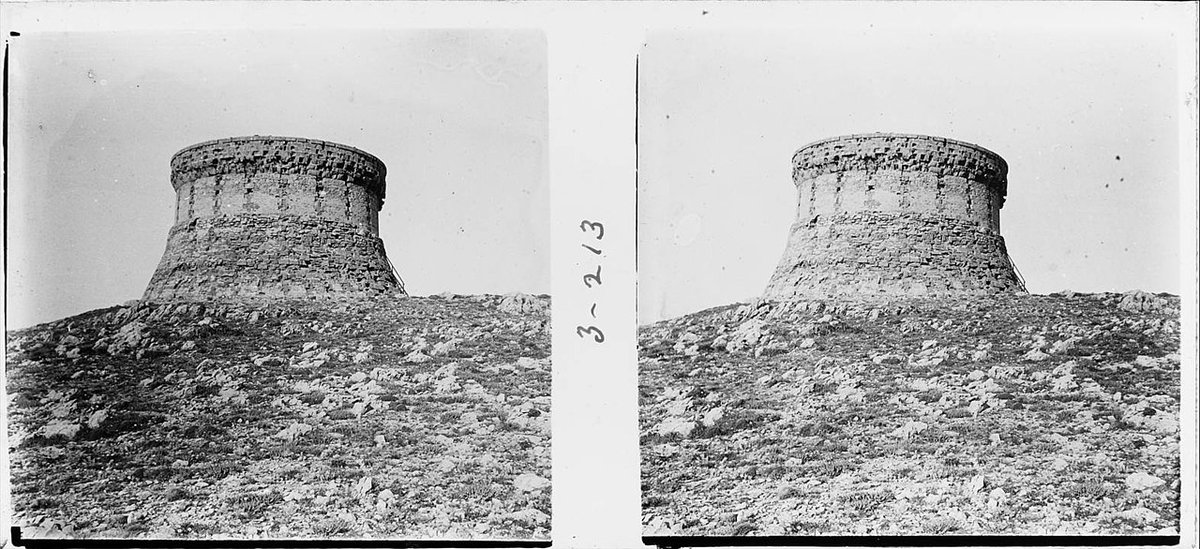
The pick of the defensive sites is Fort Marlborough, a ten-minute coastal walk east. Eighteenth-century engineers tunnelled the cliff into bomb-proof galleries; guides now hand out hard hats and lead you through pitch-black passages where sound bounces like a submarine movie. Visit early—by noon the stone radiates heat and the metal staircases fry fingertips.
When to come, when to stay away
May and late-September offer 24 °C afternoons and harbour tables you can still book at 20:00. July and August are a different story. By 11 a.m. the top car park above Cala Fonts is full; by 21:00 the quayside hums like a provincial nightclub car park, but with pushchairs. Restaurants cope well—service remains brisk, children's portions are standard—but tranquillity evaporates.
Rainy days strip the village of colour. Without sun the water turns slate-grey and the Georgian brickwork looks tired rather than nostalgic. If the forecast is grim, stick to Mahón's covered market and return when the sky lifts.
Walking it off
The easiest outing is the twenty-minute stroll from Plaça de s'Esplanada to Cala Fonts and back. Flat, push-chair friendly, ice-cream halfway—British grandparents approve.
Keener walkers can join the Camí de Cavalls, the medieval coastal path that skirts the outskirts. Head north and you reach Cala Rafalet, a rockpool-filled cove where local teenagers practise cliff jumps. Go south and the trail climbs to Punta de Sant Carlos, a headland crowned by a tiny lighthouse and views straight down the mouth of the great harbour. Either way, start at sunrise; in summer the limestone reflects heat like a pizza oven.
Bikes are another option—hire costs €15 a day in Mahón—but harbour traffic is narrow and drivers assume priority. Unless your party is confident on roads, keep cycling for the dedicated rural lanes outside town.
Eating like a resident
Menus along Cala Fonts change with the auction at Maó fish market. Look for "rape a la plancha" (grilled monkfish) or "sepia romana" (fried cuttlefish rings) rather than the generic mixed grill. Portions are Mediterranean-generous; one starter and one main usually feed two adults.
Vegetarians survive on roasted-aubergine coca—the Menorcan answer to pizza—and the local Mahón cheese drizzled with honey. Pudding is almond ice-cream, intensely perfumed, or a gin-lemon sorbet that previews the island's favourite drink: pomada, a mix of Menorcan gin and cloudy lemonade. It slips down like grown-up lemonade; pace yourself or the walk back uphill will feel like Marlborough's tunnels all over again.
The practical bit
Flights from the UK land at Mahón. A taxi to Es Castell runs €18–22; buses require a change in the capital and take twice as long, so most families pre-book a hire car. Parking above the military museum is free and usually has spaces before 10 a.m.; after that you circle with everyone else.
Accommodation is mostly small hotels and self-catering apartments. Nothing is more than ten minutes' walk from the water, so "sea view" commands a premium you can sensibly refuse if you prefer quiet nights—bars stay lively until 01:00 in August.
Cashpoints sit on the main square; supermarkets close on Sunday afternoon; the harbour market sets up 10–14:00 and sells jewellery you could find in any southern-English craft fair. Come for the atmosphere, not the shopping.
Worth it?
Es Castell delivers a neat package: history you can walk through, safe sea access without surf, and restaurant bills that feel northern-Spanish rather than Balearic-bloated. It is not a place to bunker down for a fortnight—three days gives you fort tunnels, harbour breakfasts, a day-trip to neighbouring coves and the satisfaction of having seen a working town rather than a resort in fancy dress. Arrive with that expectation, plus a pair of rubber shoes, and the smell of coffee and salt at dawn will stay with you longer than any sunset cliché.