Full Article
about Es Migjorn Gran
The youngest municipality in Menorca; a quiet white village with access to the beautiful southern beaches.
Hide article Read full article
Es Migjorn Gran: el pueblo del sur
Para entender Es Migjorn Gran hay que empezar por su posición en el mapa de Menorca. El pueblo se asienta en la mitad sur de la isla, a poco más de cien metros sobre el nivel del mar y retirado de la costa por una franja de campos y barrancos. Su trazado responde al patrón de los asentamientos del interior menorquín: calles estrechas, casas bajas y muros de marés, una piedra arenisca local cuyo color cambia con la luz del día.
El nombre significa literalmente "el gran mediodía", una referencia a su exposición al sur y al viento de migjorn, que define este lado de la isla. Alrededor del núcleo, el paisaje se abre en terreno de labor, delimitado por paredes secas y caminos rurales. Esta es una tierra que se ha trabajado durante siglos, y esa relación entre campo y pueblo sigue siendo legible en el entorno.
Un núcleo compacto y una costa ancha
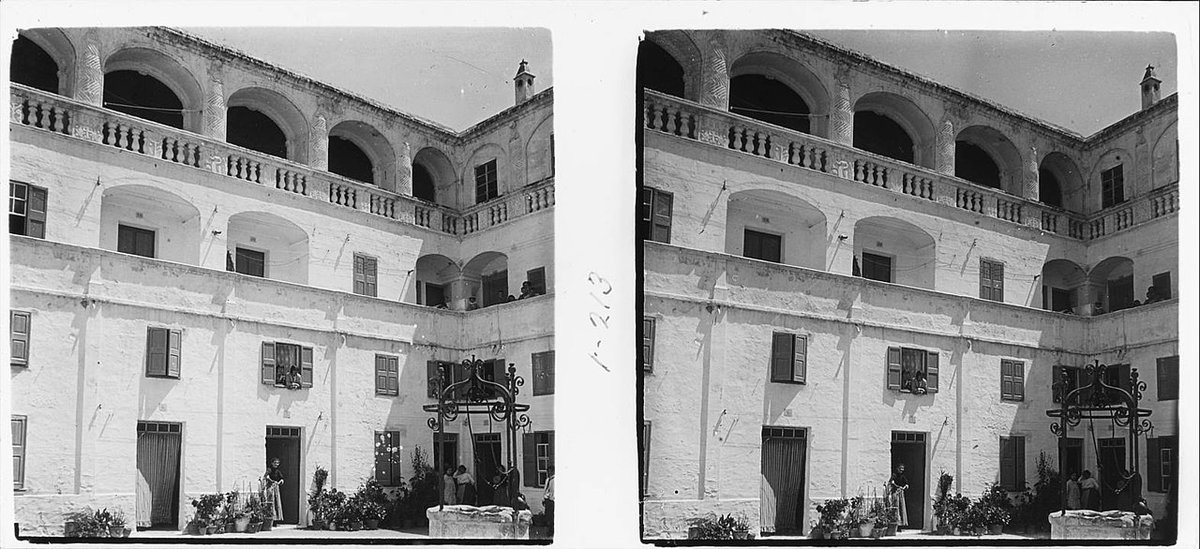
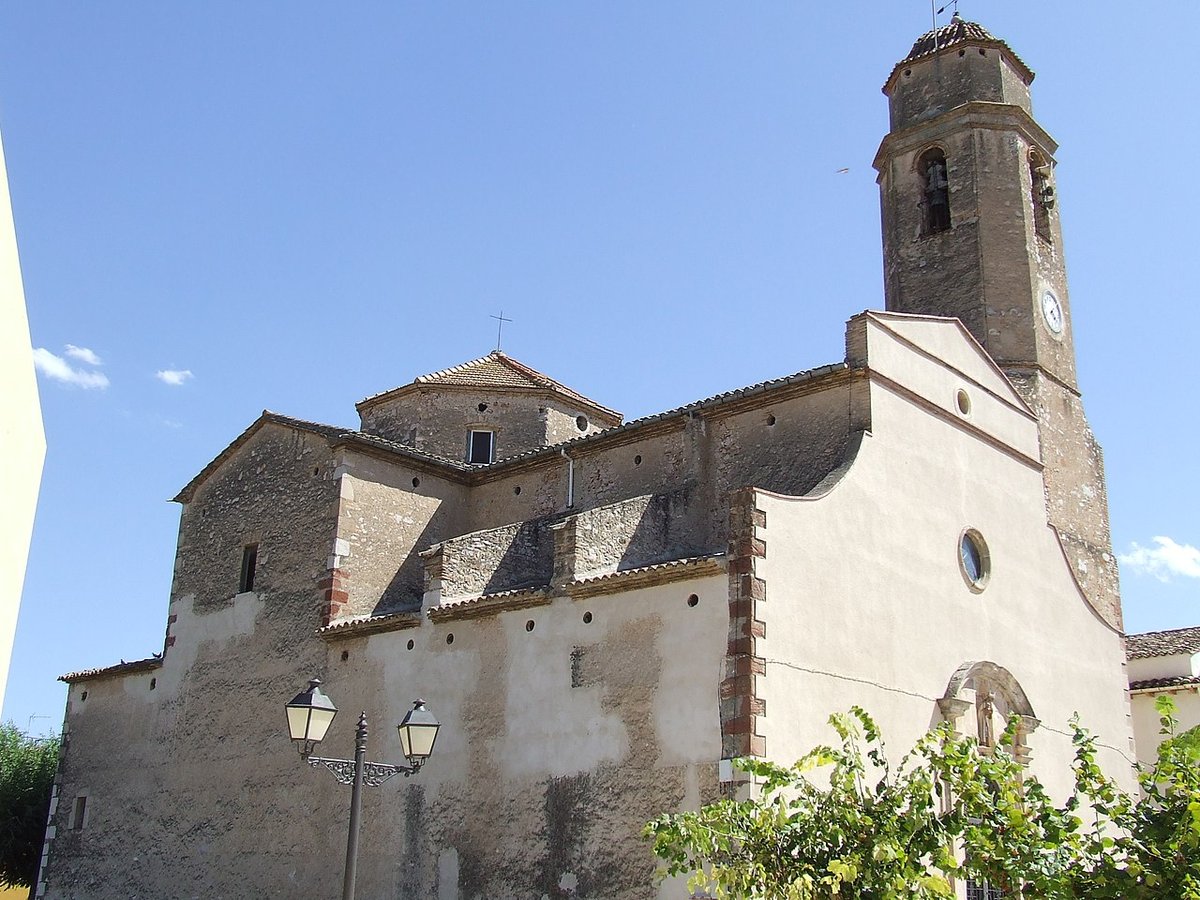
En el centro se levanta la iglesia de Sant Cristòfol, del siglo XVIII. Como muchas iglesias rurales de Menorca, su arquitectura es sobria. La fachada blanca y el campanario se sitúan con discreción en la plaza, sin gestos ornamentales. Lo que importa aquí es el conjunto: casas de una o dos plantas, portales con arco y patios interiores que permanecen casi siempre ocultos desde la calle.
Un paseo por el pueblo no lleva mucho tiempo. Algunas calles muestran fachadas de marés sin revocar y antiguos portales de finca, pequeños recordatorios del origen agrícola del lugar.
El término municipal alcanza el mar en Santo Tomàs. Se trata de una playa larga, de arena pálida, dentro de una bahía amplia. La urbanización lleva décadas aquí, pero el carácter cambia rápidamente hacia el oeste. En dirección a Binigaus, las construcciones dejan paso a un litoral más natural, con dunas bajas y vegetación costera.
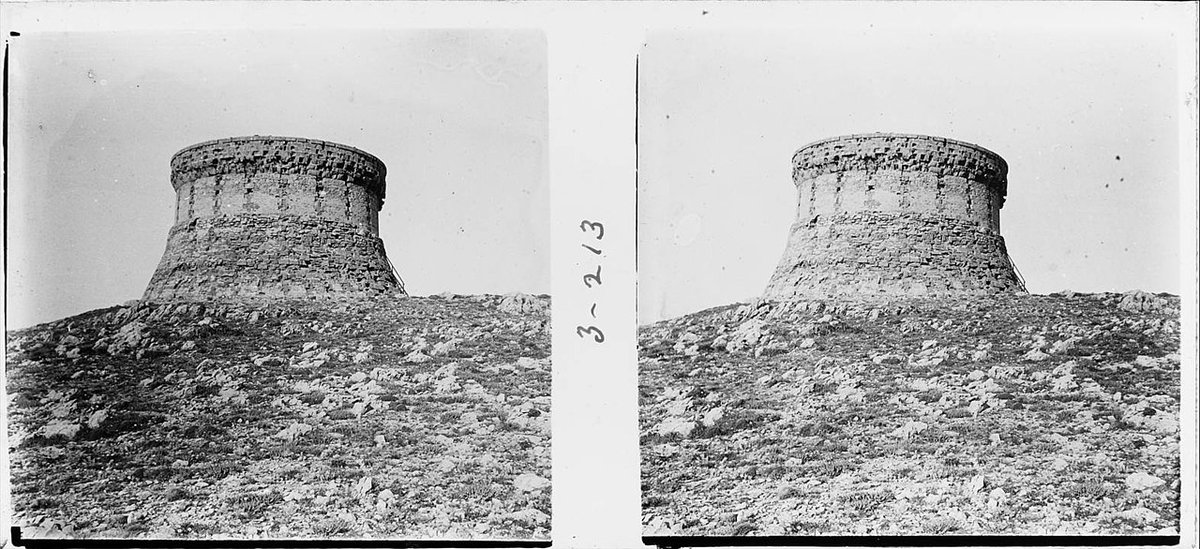
Cerca del agua se alza la torre de Santo Tomàs. Forma parte del sistema defensivo construido en el siglo XVIII para vigilar la costa menorquina. Estas torres servían para avistar barcos a distancia y comunicarse con otros puntos de la isla.
Por el Camí de Cavalls
El Camí de Cavalls atraviesa el municipio. Esta ruta histórica circunvala Menorca y, en este tramo, conecta la costa con las zonas agrícolas del interior. En varios trayectos, el sendero discurre entre pinares, barrancos y parcelas cerradas por pared seca.
Caminar por aquí permite ver elementos habituales del paisaje rural menorquín: refugios de pastor, portones de madera y muros construidos sin argamasa. Muchos de estos elementos siguen en uso como parte de explotaciones agrarias, lo que confiere al paisaje una sensación de continuidad, no de conservación museística.
Cómo moverse y cuándo ir
El núcleo urbano se recorre en poco tiempo. Un paseo por la plaza de la iglesia y algunas calles laterales basta para entender su escala.
Con coche, es sencillo bajar a Santo Tomàs y ver cómo se conecta el pueblo interior con su tramo de costa. El trayecto es breve, aunque la carretera cruza zonas abiertas donde el sol puede ser intenso en verano.
En pleno estío, la playa concentra más gente y el calor se nota especialmente hacia el mediodía. Las primeras horas de la mañana o el final de la tarde suelen ser más cómodas para caminar o acercarse al mar.
De finales de primavera a principios de otoño, los caminos y la costa están en su mejor momento. Junio y septiembre marcan un cambio de ritmo: sigue habiendo actividad, pero con menos presión en las playas. Fuera de temporada alta, el pueblo mantiene su ritmo habitual, aunque algunos servicios reducen horarios.
Acceso práctico
Es Migjorn Gran se encuentra a unos 17 kilómetros de Mahón, por la carretera principal que cruza Menorca. Un desvío de esta vía lleva directamente al pueblo; el trayecto en coche dura unos veinte minutos.
Existe conexión de transporte público, aunque con una frecuencia menor que en los núcleos mayores de la isla. Para moverse entre el pueblo, la costa y las zonas cercanas, disponer de vehículo propio facilita los desplazamientos.