Full Article
about Maó-Mahón
Administrative capital of Menorca with one of the world's largest natural harbors; English-influenced architecture
Ocultar artículo Leer artículo completo
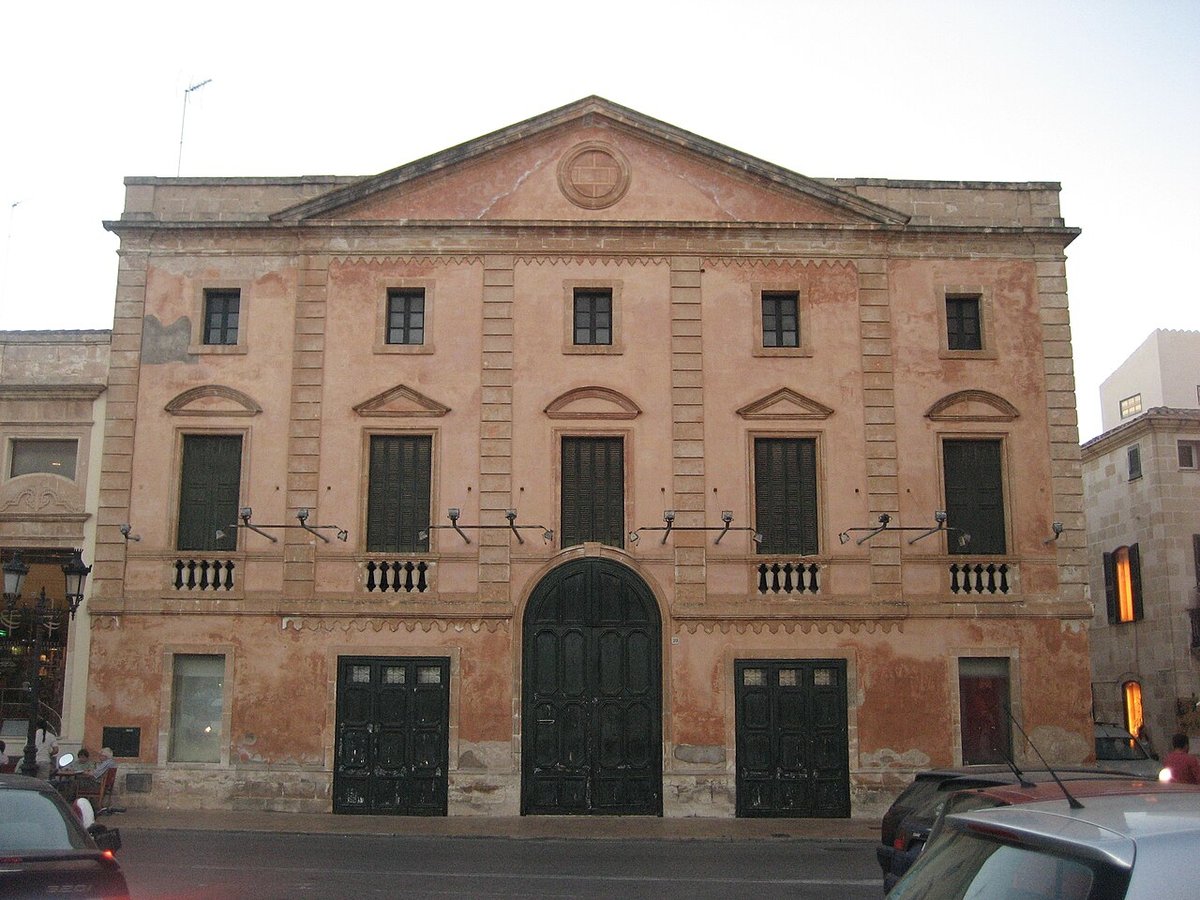
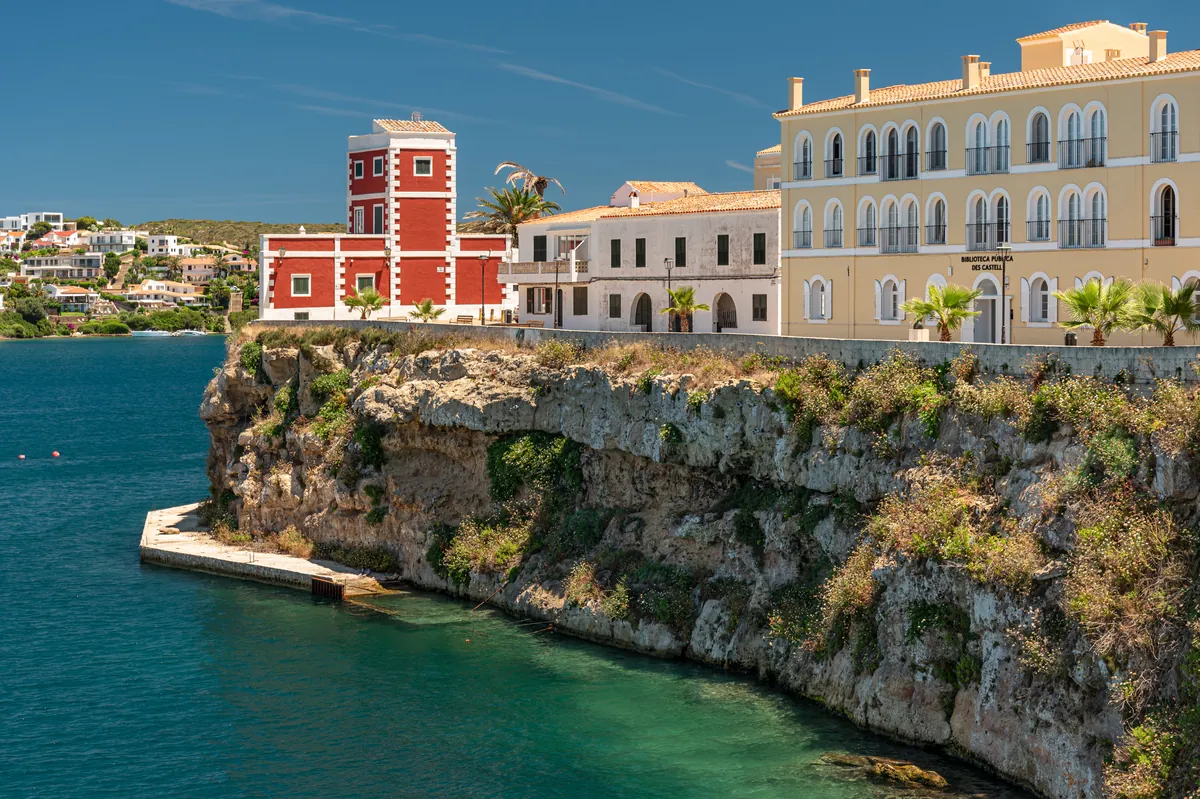
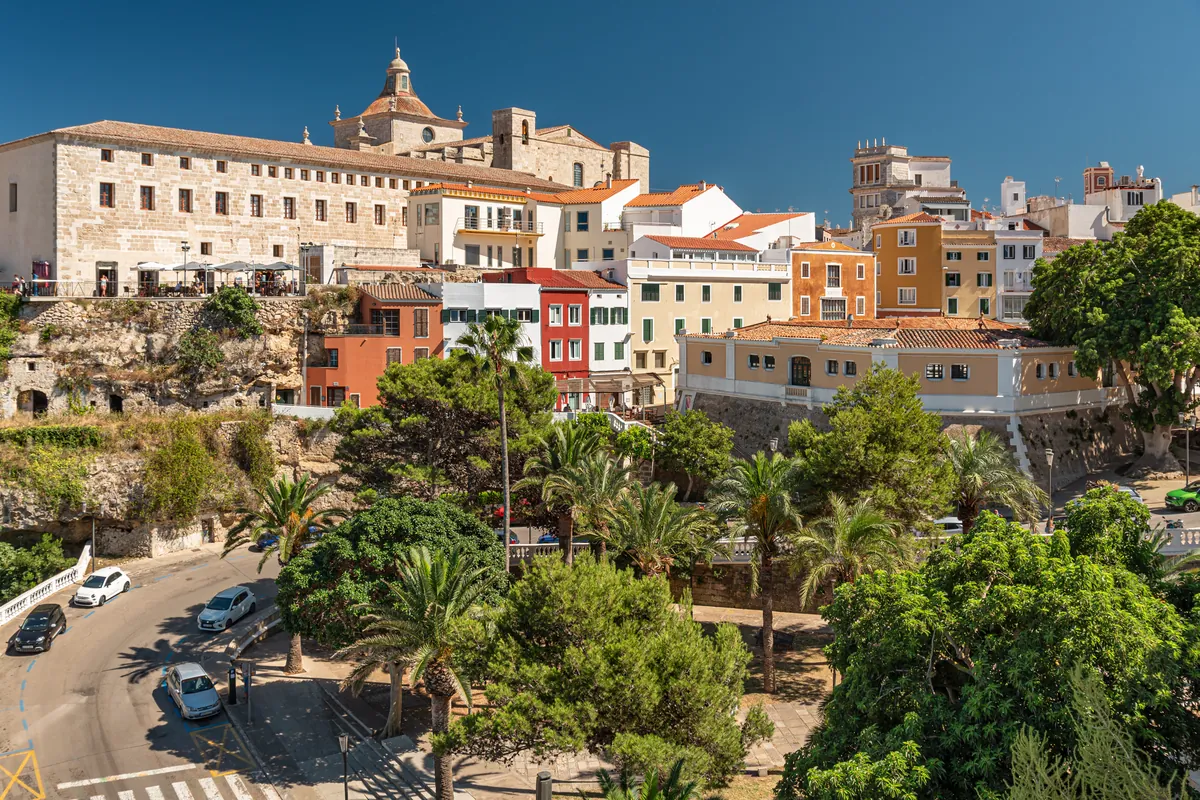
The taxi driver glances at the meter, flicks it off, and says, “Set rate—seventeen euros to the centre, same for everyone.” It’s a small courtesy that sets the tone for Mahón, a place that quietly organises itself around visitors without turning the whole show over to them. Five minutes after leaving the airport you’re already skirting the lip of one of Europe’s deepest natural harbours; the water is the colour of melted bottle glass and the Georgian façades above it look oddly familiar, as if someone had airlifted a slice of Bath to the Mediterranean.
A harbour that shaped empires
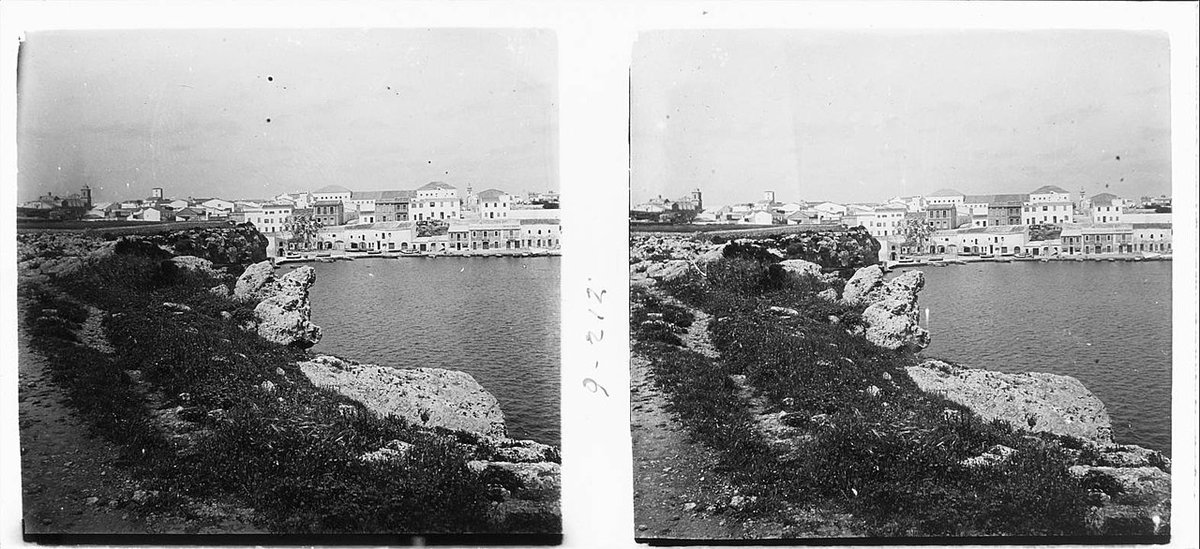
The port stretches inland for roughly five kilometres, wide enough for frigates to turn without tacking. That depth made Mahón the object of every naval power from Carthage to London. British rule left the clearest fingerprints: sash windows that actually slide, bow-fronted houses painted the colour of tea-stained parchment, and a gin still working since the 1700s. Xoriguer, the distillery on the quayside, smells of crushed juniper and citrus peel; the copper pot stills are fired before breakfast and the pomada—gin topped with cloudy lemonade—appears in waterfront bars soon after. It slips down like alcoholic 7-Up and has floored many a British visitor who ordered “just the one” at midday.
Boat trips leave from the wooden steps beneath the fish market. Glass-bottomed catamarans cost about fifteen quid and give you the city’s best angle: pastel houses rising in amphitheatres, fortifications shrinking to toy size as you nose toward the harbour mouth. Go early, before the cruise tenders disgorge their passengers; by eleven the quay is shoulder-to-shoulder with name-badge tours hunting for the alleged birthplace of mayonnaise.
Uphill, downhill, repeat
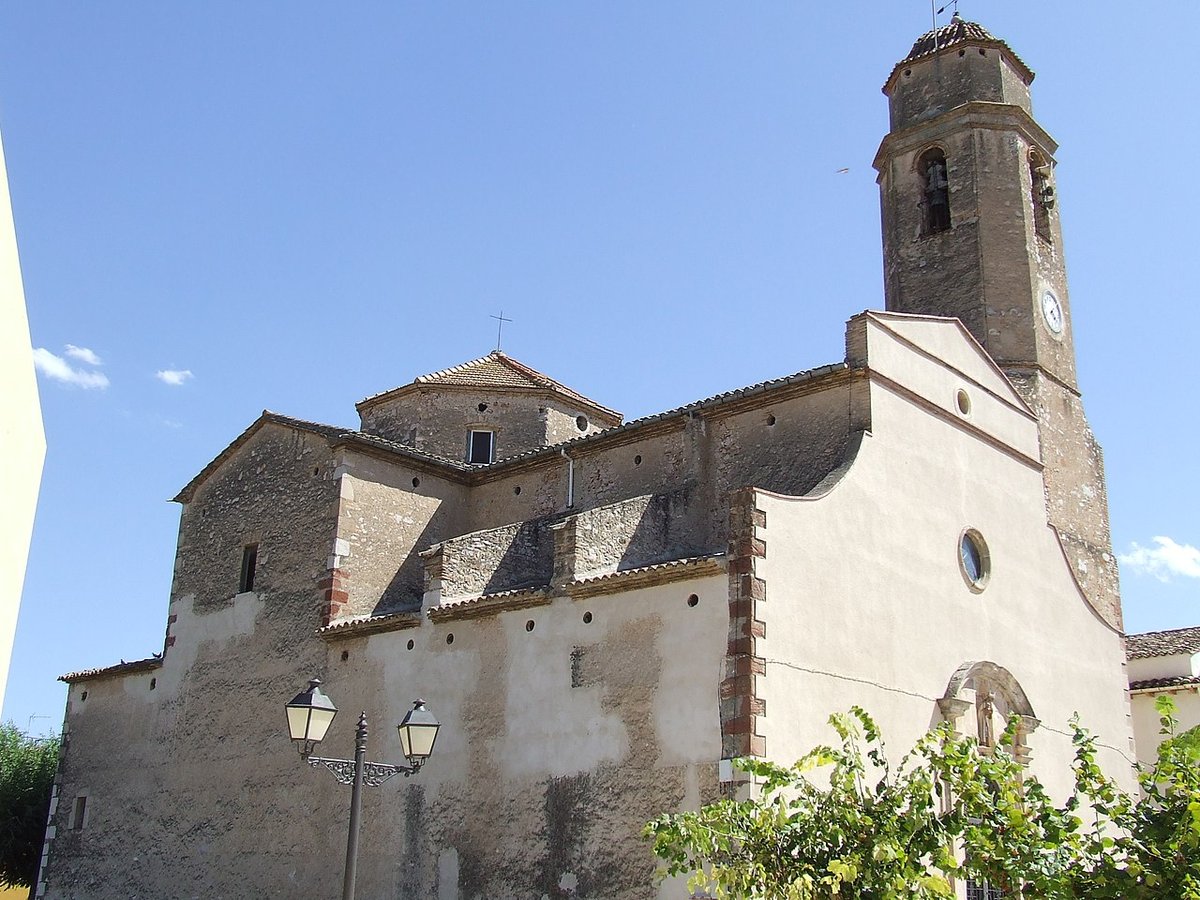
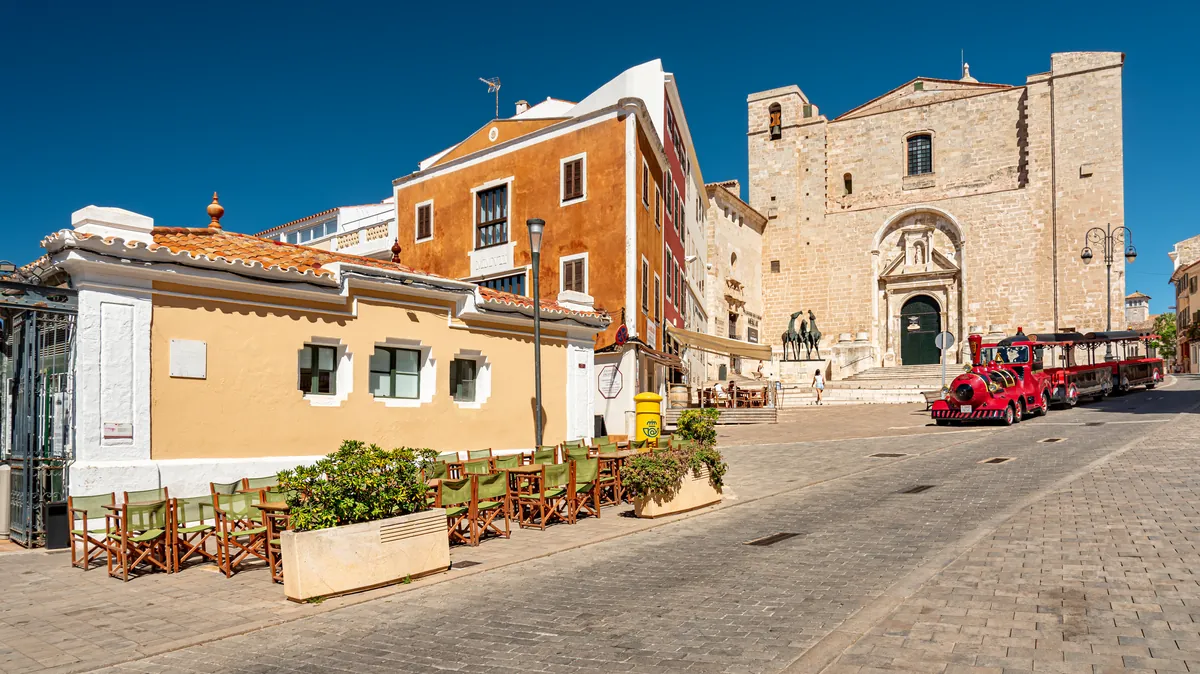
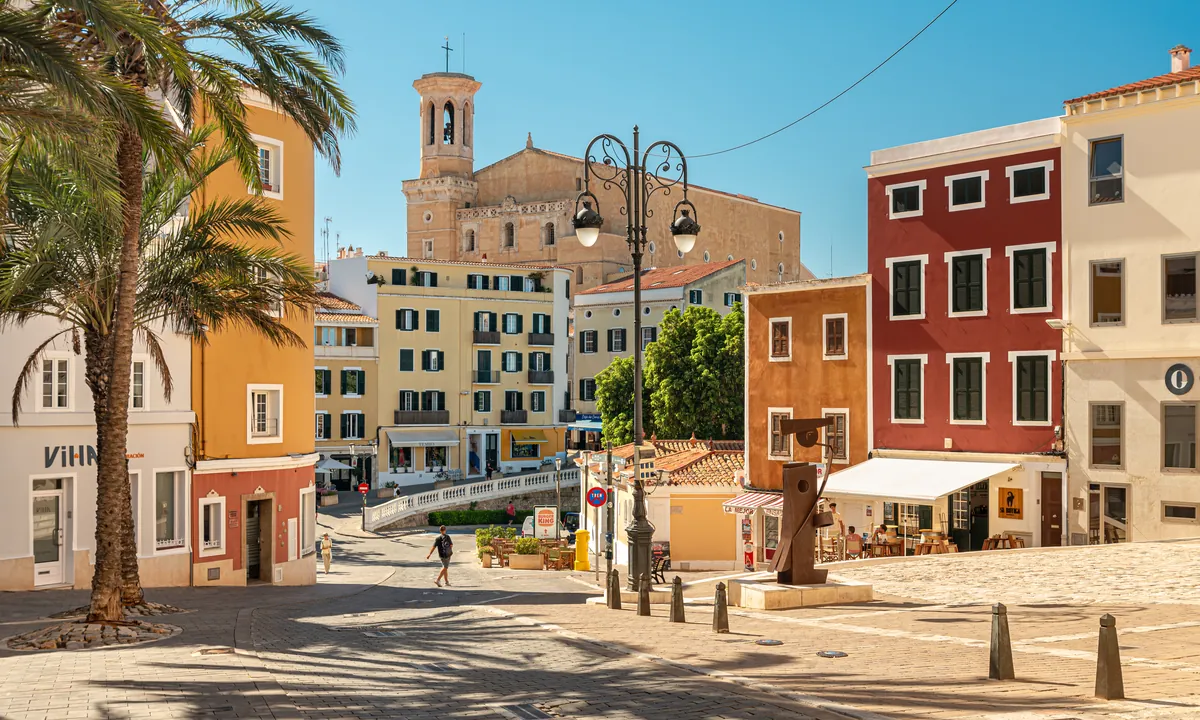
The old town climbs away from the water in flights of worn limestone steps. Maps are optimistic; gradients reach one in five and the stone turns slick after rain. Santa María’s bell tower offers a merciless staircase in exchange for a panorama that stretches to the sierras of Mallorca on a clear day. Inside, the nineteenth-century organ has 3,000 pipes and a weekly recital that makes the nave vibrate. Tickets are €5, sold at a desk that doubles as the parish office; times are posted on a chalkboard and rarely coincide with the guidebook.
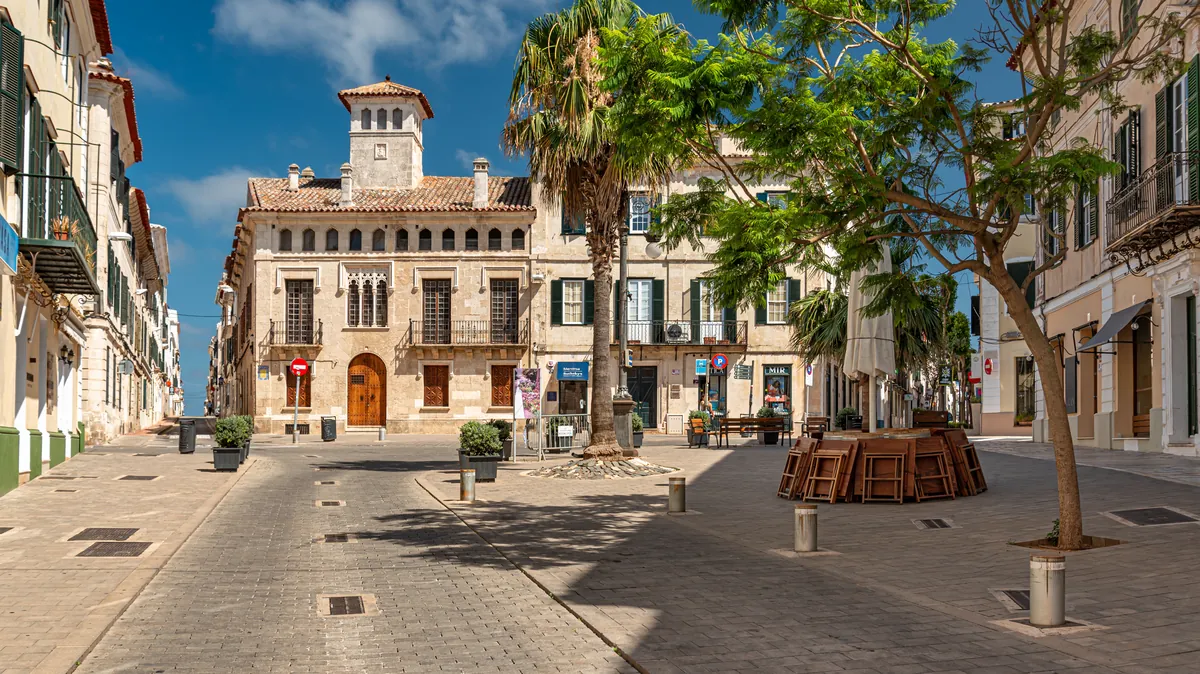
Shopping is a mix of everyday hardware and the odd surprise: a workshop still hand-making Menorcan avarques (the original leather sandals with recycled-tire soles), a deli ageing Mahón cheese until it tastes like a tangy Cheddar, and a bookshop crammed with detective novels in Catalan and second-hand Penguins left behind by yacht crews. Prices are lower than Palma and the shopkeepers still wrap purchases in paper rather than plastic.
Forts, fossils and footpaths
Across the harbour, Fortaleza de la Mola squats on a peninsula of rosemary and rust-red soil. The bus drops you at the gate; from there it’s a two-hour loop past disappearing guns and tunnels cool enough to store wine. Entry is €8, water is obligatory, and the cafeteria closes without warning if the garrison museum staff go on their break. The reward is a cliff-top walk where Minorca’s endemic blue lizard scuttles across the path and the sea below is so clear you can count the posidonia fronds on the seabed.
Closer to town, the Camí de Cavalls long-distance trail strikes north to Es Grau and the island’s only coastal national park. The first hour is gentle, following limestone terraces loud with cicadas; after that the path narrows to a single file above drop-offs thick with rosemary. In May the air smells like a gin garnish and the temperature stays in the low twenties—perfect for a swim at the destination beach before the return bus.
When to come, what to eat
High summer is hot—thirty-plus by midday—and the harbour bars fill with yacht crews speaking every accent from Gosport to Gdańsk. Spring and late September are kinder: seawater still above 22 °C, hotel rates down a third, and the Fiestas de la Mare de Déu de Gràcia turn the streets into an informal racecourse. Riders on Menorcan black horses career between the crowds; spectators try to touch the animals’ hearts for luck, and pomada flows from temporary bars squeezed into medieval doorways. It’s rowdy, but the police close the roads early and the whole thing finishes by midnight—no Magaluf-style lock-ins.
Food prices rise the nearer you sit to the water. A plate of caldereta de langosta, the island’s signature lobster stew, will lighten your wallet by €35 at least, but the portion feeds two and the broth tastes like a bisque you’d pay double for in London. Better value is the daily catch at the market hall: slip sole, bream the colour of polished pewter, and red prawns still twitching on crushed ice. Take a kilo to the casual grill opposite the bus station; they cook it for €5 a head, add bread and alioli, and you eat at plastic tables under a fig tree.
Vegetarians survive on tumbet (aubergine and potato bake) and the island’s own cow’s-milk cheese. Young Mahón is mild, almost like Caerphilly; aged for a year it develops crunchy salt crystals and a bite that stands up to a gin and tonic better than any cheddar could. Vacuum-sealed wedges survive the flight home and won’t upset the customs dog at Gatwick.
Practicalities without the tick-list
Flights from the UK take two and a half hours; easyJet and BA offer the widest choice, with fares dipping under £70 return if you avoid school holidays. The airport is five kilometres south—close enough that you can identify your departure gate from the town’s main street. Car-hire desks run out of automatics first; book early in July and August, and remember the local rule: flashing headlights mean “I’m coming through,” not “after you.”
Siesta still governs the clock: metal shutters slam at 13:00 and reopen around 17:00. Plan supermarket runs for the morning or resign yourself to emergency crisps from the Chinese bazar. Tuesday and Saturday craft markets in Plaça Esplanada sell leather goods priced by weight and silver jewellery that isn’t half as touristy as it looks. Cruise-ship passengers flood in on Thursdays and Fridays; if you hate crowds, head for the fort or the inland camí those days.
Winter strips the town back to residents, 15 °C afternoons and the smell of woodsmoke drifting from chimney pots. Hotels drop their rates by half, restaurants serve the same menu without the queue, and the gin stills keep working. Some bars roll out a space-heater and a blanket; others simply close. It’s the season for walkers who don’t mind the odd shower and for anyone who wants to see British-period sash windows framed by a sky that actually looks like December.
Come with comfortable shoes, a tolerance for steep hills, and the phone number of a good taxi firm taped inside your passport. Leave the phrasebook at home—everyone switches to English the moment your Catalan stalls—but have a go anyway. The locals will top up your glass and tell you the story about the French duke who demanded his lobster warmed in butter, supposedly inventing mayonnaise in the process. You’ll leave debating the etymology, slightly sun-burned and lighter in the wallet, but with the distinct sense that Minorca’s capital has let you in on a secret it’s happy to share—just not too widely.