Full Article
about Sant Lluís
Town founded by the French with a straight-line layout; coast of rocky coves and charming fishing villages
Hide article Read full article
A brief French chapter that never quite left
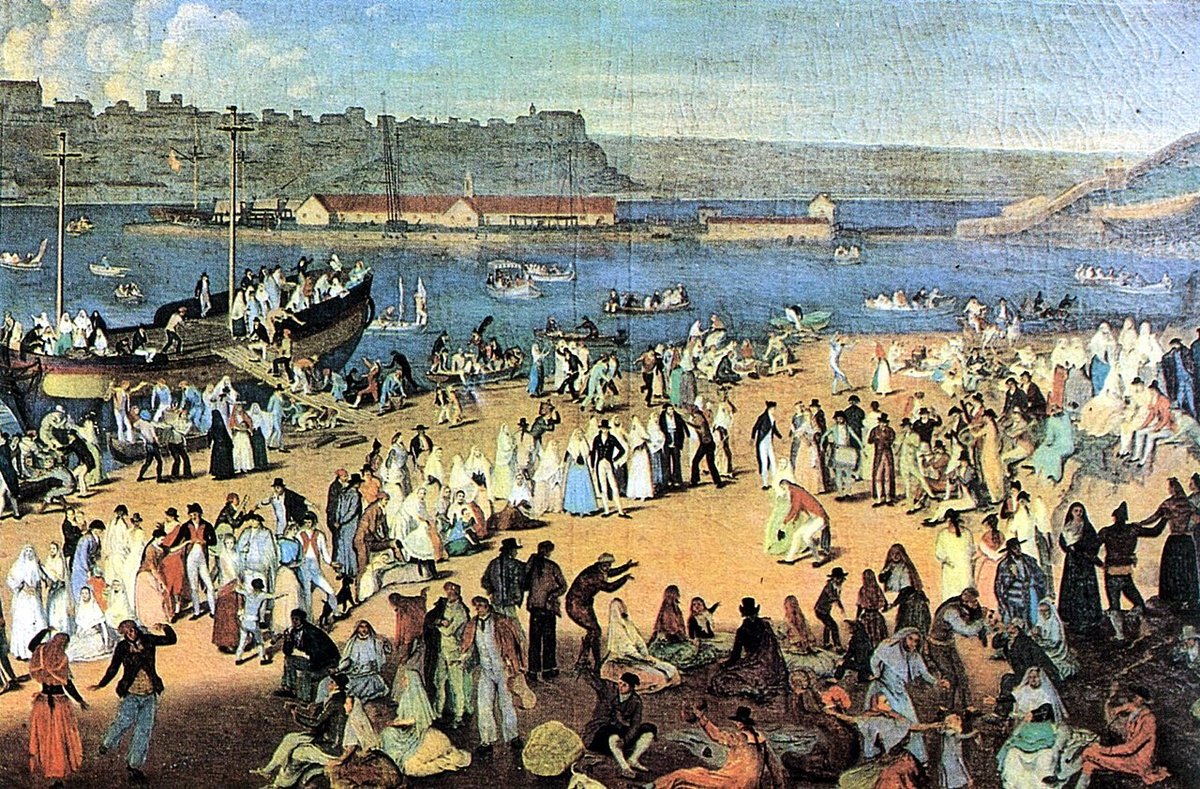
Sant Lluís feels like a place that stayed behind after its time was up. It was founded in 1756 during the French occupation of Menorca, a short period that still managed to leave a visible mark. Seven years was all it took for the town to develop a character that sets it apart from other parts of the island.
That influence lingers in subtle ways. The layout, the name, even the overall atmosphere carry something slightly different. It does not shout for attention, but it does not blend in either.
A town you can take in at a glance
The urban plan, designed by the Count of Lannion, is strikingly straightforward. Streets run straight and intersect at right angles, as if drawn on graph paper laid over the flat Menorcan landscape. It makes Sant Lluís easy to navigate and easy to understand within a short walk.
You can cross the centre without effort, from the main square to the Molí de Dalt, an 18th-century windmill that now works as a small local museum. The scale of the place invites a slow wander rather than a checklist.
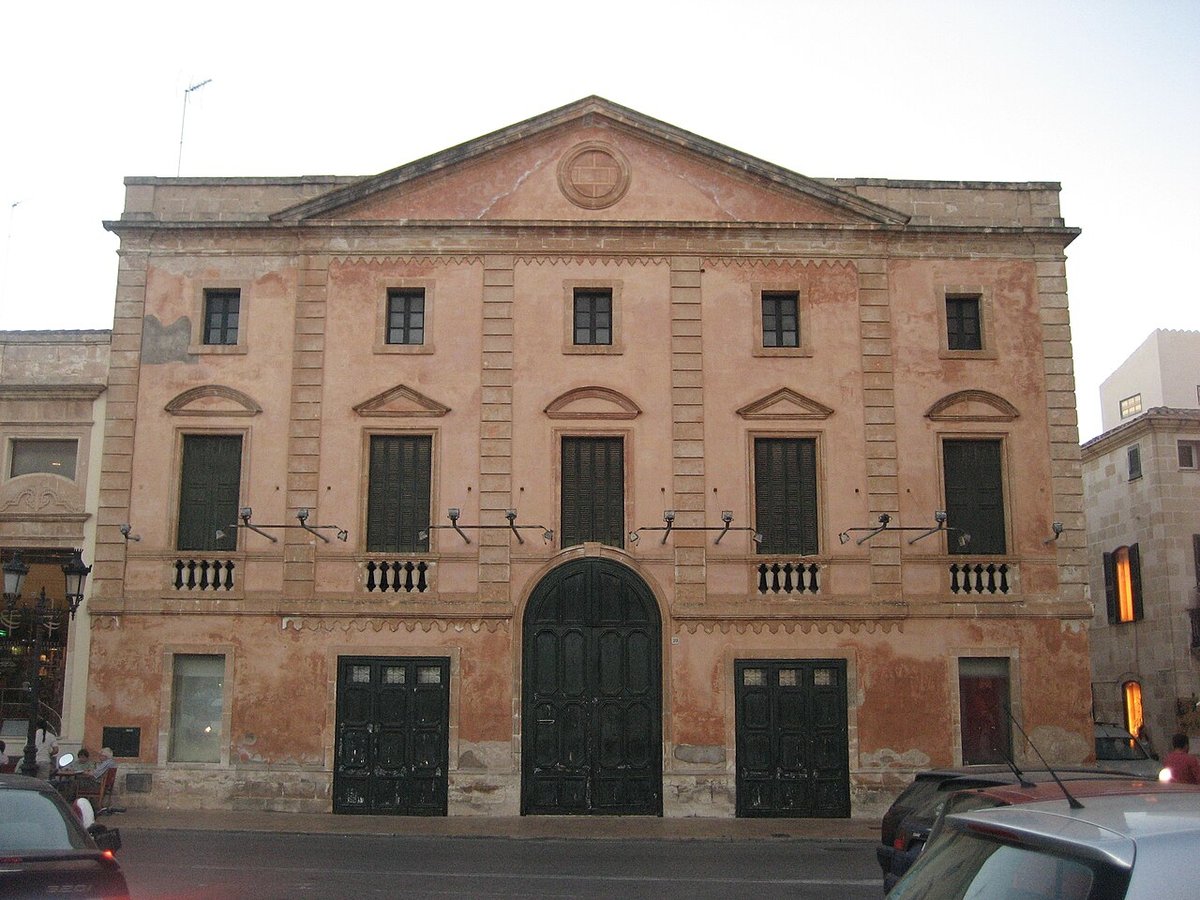
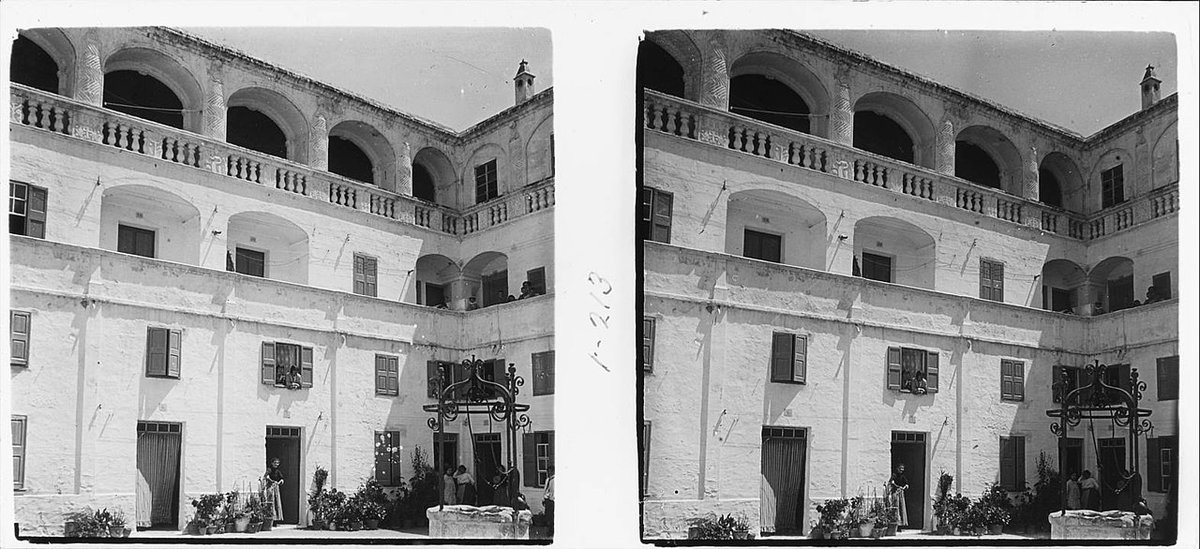
Sant Lluís is not the kind of town that constantly pulls out your camera. There are white houses, as you would expect in Menorca, but without any sense of staging. Daily life is visible everywhere: plastic chairs on terraces, cars parked wherever space allows, traditional shops that continue as they always have. It feels practical, lived-in, and unpolished in a way that gives it identity.
The name that stayed behind
When the British regained Menorca in 1763, they could have renamed the town. They did not. Sant Lluís kept its name, a reference to King Louis XV of France, and with it a trace of that earlier period.
It is a small detail, but it says a lot about how the town evolved. The French left, but not everything went with them.
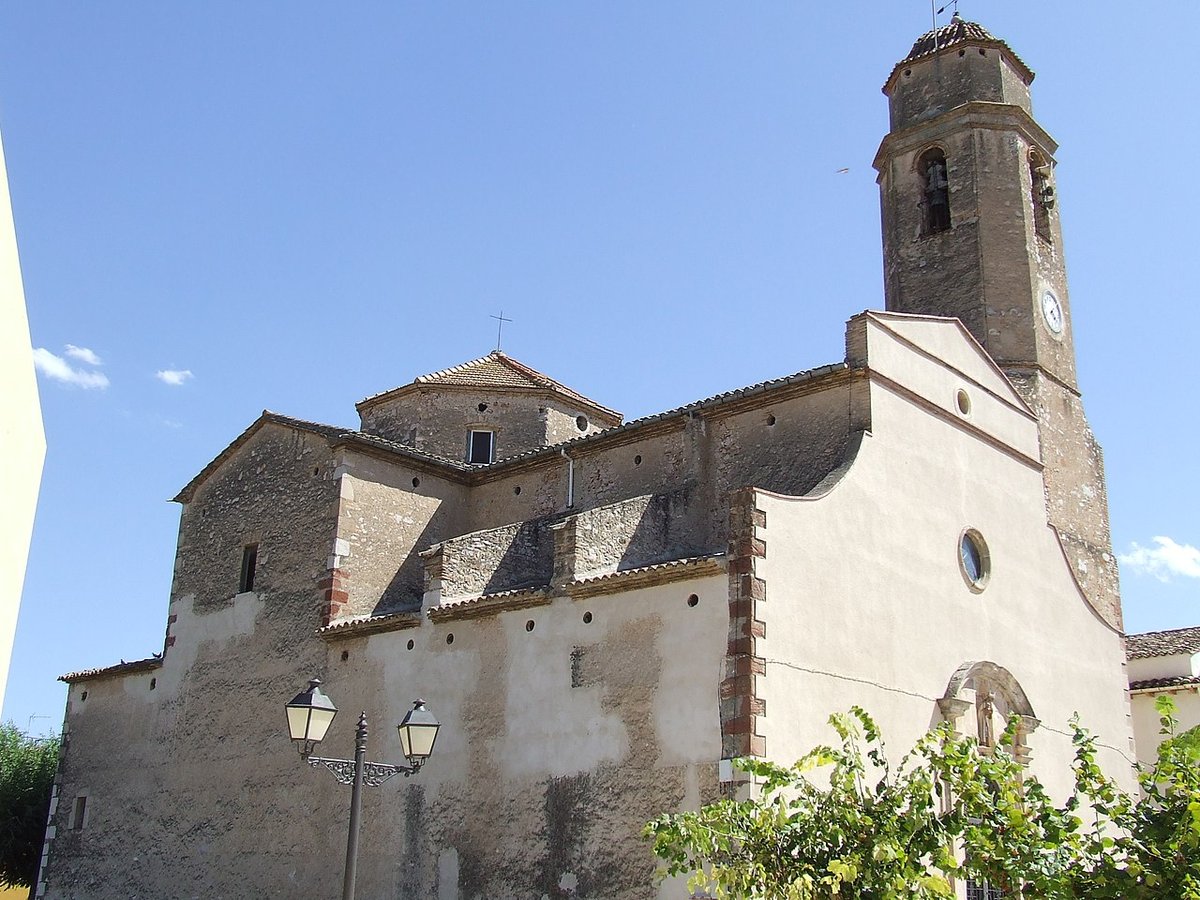
The parish church dates from the same era. It does not aim to impress or overwhelm. Its design is simple and functional, matching the tone of the town itself. There is very little decoration, as if the priority had been to build what was necessary without excess.
Binibeca Vell: familiar image, recent origin
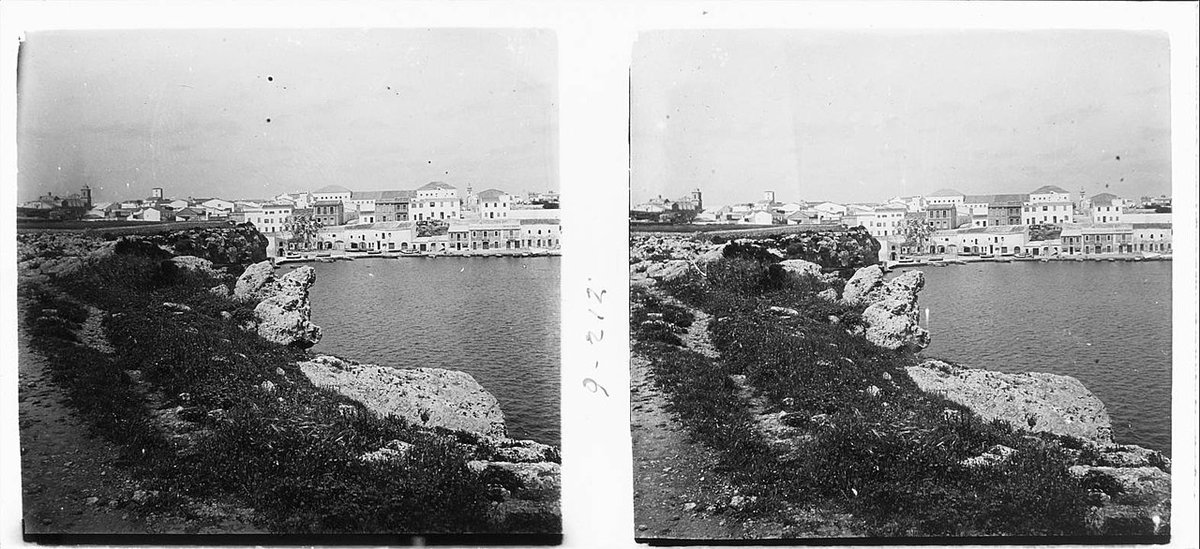
A short drive away, around five minutes, lies Binibeca Vell. Many visitors recognise it instantly from photographs: whitewashed buildings, narrow alleys, arches, and the sea appearing at the end of a passage.
What often comes as a surprise is that this “fishing village” is not as old as it looks. It was built in the 1970s as a recreation of a traditional coastal settlement. Over time, it has become the most visited spot in the municipality.
The setting works well visually. Almost any angle produces a pleasing image. At the same time, after a longer walk, the place can feel too arranged, too consistent. It lacks the everyday activity that defines Sant Lluís itself, where life continues beyond appearances.
The surrounding landscape and everyday Menorca
The area around Sant Lluís gives a clearer sense of how the town fits into the wider island. Open countryside stretches out nearby, with agricultural activity still very present.
There are vineyards that continue to work with local grape varieties, along with livestock farms that reflect a long-standing connection to cheese production. In this part of Menorca, cheese is not a novelty but part of daily life, something that has been made and consumed for generations.
Local food follows that same logic. Dishes are substantial and straightforward, built around tradition rather than experimentation. You will find brothy rice dishes, caldereta when the season allows, and meals designed to be enjoyed without watching the clock. It is the kind of cooking that naturally leads to a slower pace afterwards.
When the rhythm changes
Sant Lluís shifts with the seasons. Summer brings more movement. Visitors arrive, nearby coastal roads fill with cars, and the pace picks up.
Late May and early October tend to offer a more balanced moment to explore this part of Menorca. The sea still plays its part, and the atmosphere is calmer.
Winter is quieter. Like much of the island, the town slows down noticeably. There is less activity, and the wind makes itself known on certain days. In return, what you see is a more local rhythm, closer to how the town functions for most of the year.
A simple way to understand the place
The best approach to Sant Lluís is not to plan too much. Arrive, leave the car, and walk.
Head towards the windmill if it is open. Spend some time in the straight streets of the centre. Sit at a terrace and watch what happens around you. It does not take long before everyday scenes unfold: someone delivering post, people returning with shopping bags, children on their way home from school.
That is when the character of the place becomes clear. Sant Lluís does not try to impress. It continues as a Menorcan town that functions as one, shaped by routine and small details rather than spectacle. Sometimes that leaves a stronger impression than anything designed for attention.