Full Article
about Campos
Agricultural municipality known for its cheeses and home to one of the island’s most famous virgin beaches.
Hide article Read full article
Where the land turns to water
The salt flats shimmer like broken mirrors under the mid-morning sun. Along the road towards Es Trenc, the landscape falls into neat rectangles of water: bottle green, electric blue, sometimes a faint pink that shifts with the light. The wind carries the smell of salt and warm earth. A flamingo crosses slowly overhead, its heavy wingbeats almost lazy.
Tourism in Campos often begins here, even before the town itself comes into view, in this flat expanse where land becomes water.
A town turned away from the sea
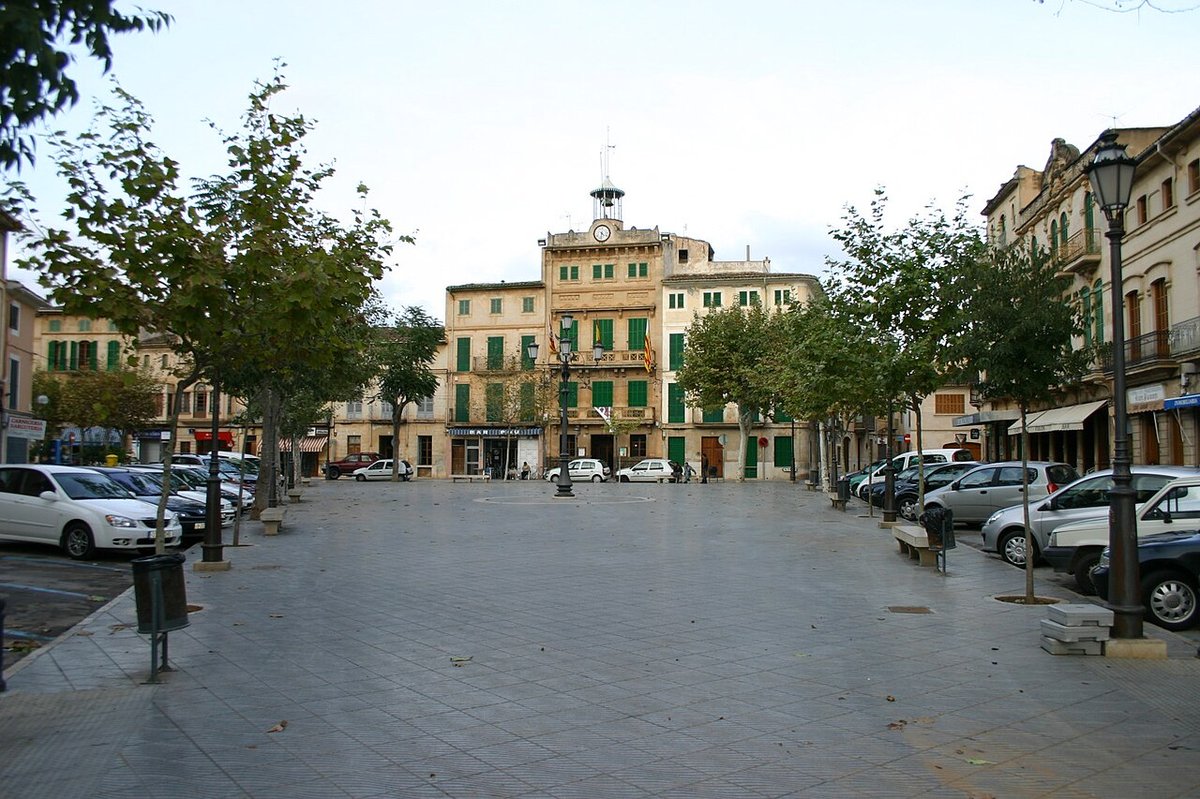
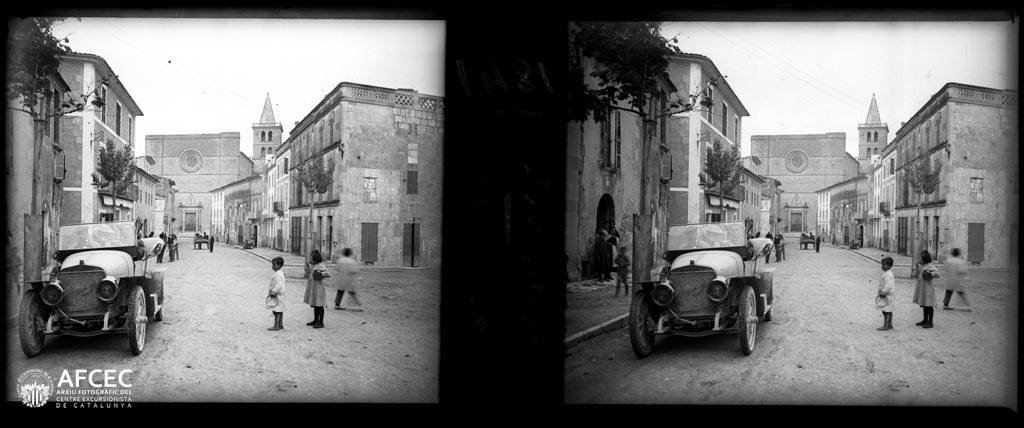
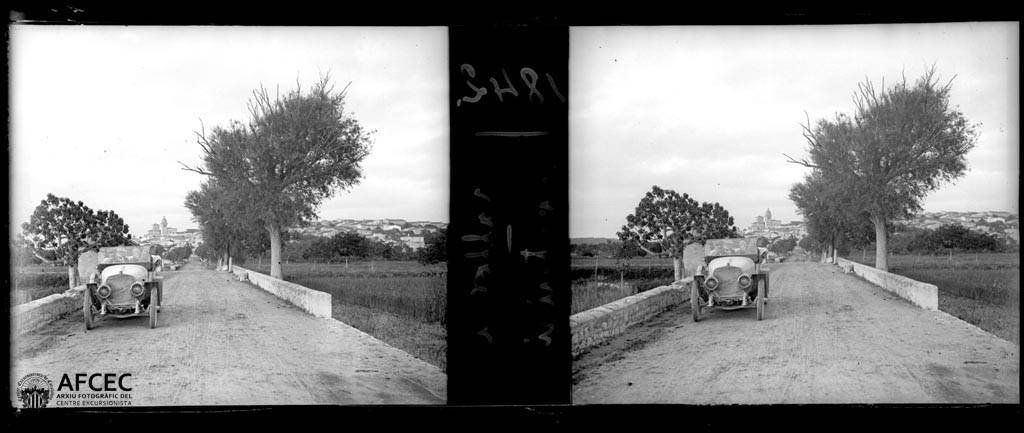
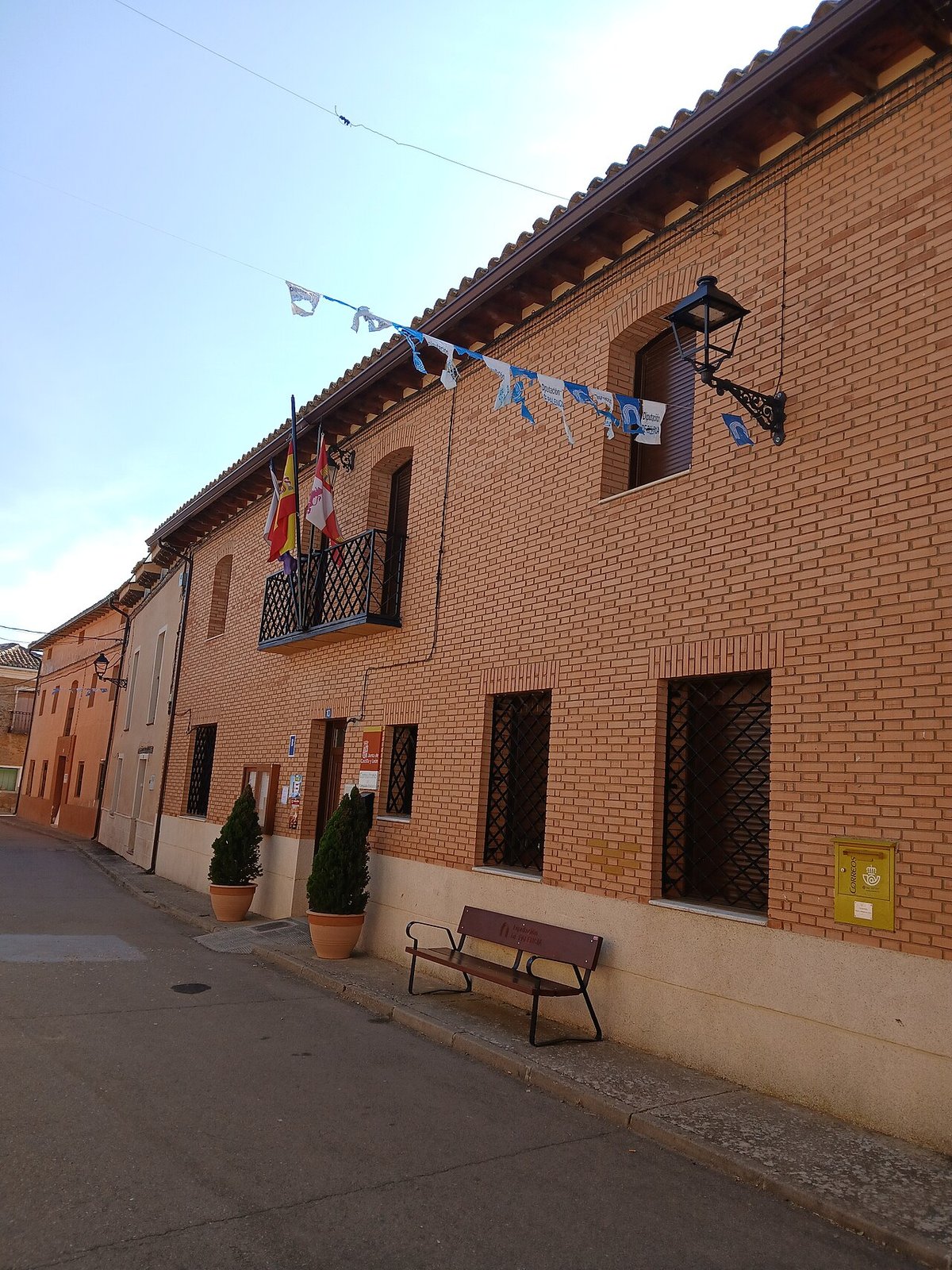
Campos was built inland, about ten kilometres from Es Trenc. The horizon here belongs to open fields, almond trees and the occasional old olive tree, their trunks twisted as if searching for shade. The historic centre can be covered quickly, but it is better to slow down. The houses are low and built from slightly dark stone, with doors painted in deep blues, faded by sun and damp winters.
Around Plaça Major, the smell of home cooking tends to drift through as midday approaches. An open window might release the scent of sobrasada warming in a pan, a soft, paprika-rich sausage typical of Mallorca. The church of Sant Julià rises above the rest of the town with its three stone sections. It was expanded over several centuries, and that layered history shows: simpler forms below, later additions above. Inside, there is a familiar scent found in many old Mallorcan churches, wax, dark wood, cold stone.
At twelve, when the bells ring, the square shifts pace. People who had been sitting and talking stand up slowly and disappear into nearby streets. It is the hour when the town retreats indoors.
When the land tastes of the sea
In autumn, the air in Campos grows heavier. In many houses, traditional cured meats are still prepared, and the smell of spices, meat and paprika lingers in the narrower streets. The pig slaughter once marked the domestic calendar, and although not every family carries it out today, it remains part of the town’s memory. Strings of sobrasadas hang alongside botifarrons and camaiots, each household defending its own way of seasoning them.
The weekly market, usually set up around the centre, brings together stalls of fruit, vegetables, cheeses and sweets. Ensaimadas, the island’s spiral pastries, cover entire tables, still slightly warm. The custard-filled ones go quickly, while those filled with cabello de ángel, a sweet pumpkin preserve, leave behind a recognisable scent: toasted sugar, lemon zest, warm lard.
Between dunes and almond trees
Reaching Es Trenc from Campos means crossing kilometres of open countryside. Almond trees, some fig trees, low dry-stone walls and long straight roads where the wind always seems to blow from the side.
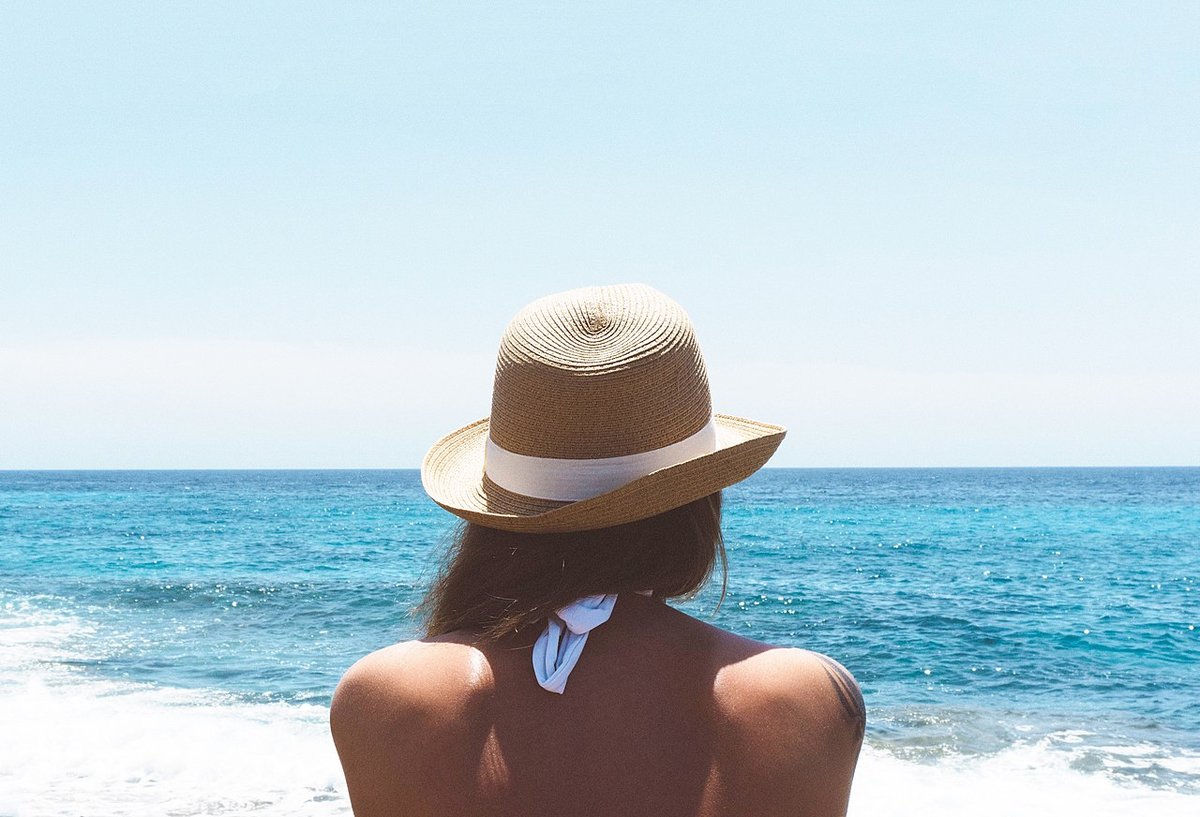
The beach appears all at once. In summer, by mid-morning, nearby parking areas tend to fill up and there is a steady flow of people, yet the stretch of sand is long enough to keep walking and eventually find quiet. The water has that pale turquoise typical of southern Mallorca, clear even where it deepens.
The dunes give off a dry scent of Mediterranean plants: rosemary, sage, a hint of thyme. Walking barefoot on the sand under full sun burns for a few seconds, until reaching the water, which here is often cooler than it looks from the shore.
On one side lies the Salobrar, the wetland linked to the salt flats. At certain times of year, flamingos can be seen feeding in the shallow sheets of water. Paths run through parts of the dune system and connect with nearby stretches of coast, though it is wise to carry water and avoid the central hours of the day, when the sun falls without shade.
The warm waters of Font Santa
On the road towards Santanyí, a turning leads to Font Santa. It is considered the only natural thermal spring in the Balearic Islands. The current building is understated, with pale walls and a garden where the scent of aromatic plants becomes more noticeable towards the end of the afternoon.
The water emerges warm, at around thirty-something degrees, rich in minerals. For centuries, it has been associated with relief for joint pain and skin problems. There are old references to the use of these waters, though the historical details are not always entirely clear.
The original spring can still be seen, a simple stone structure worn smooth by use. In winter, more people from the surrounding area come to fill bottles or simply to touch the lukewarm water with their hands.
Seasons that reshape the town
In spring, the countryside around Campos changes colour quickly. If winter has brought some rain, the edges of the paths fill with low flowers and the air smells of freshly cut grass. Agricultural and livestock fairs are often held at this time, when the rural calendar begins to move again.
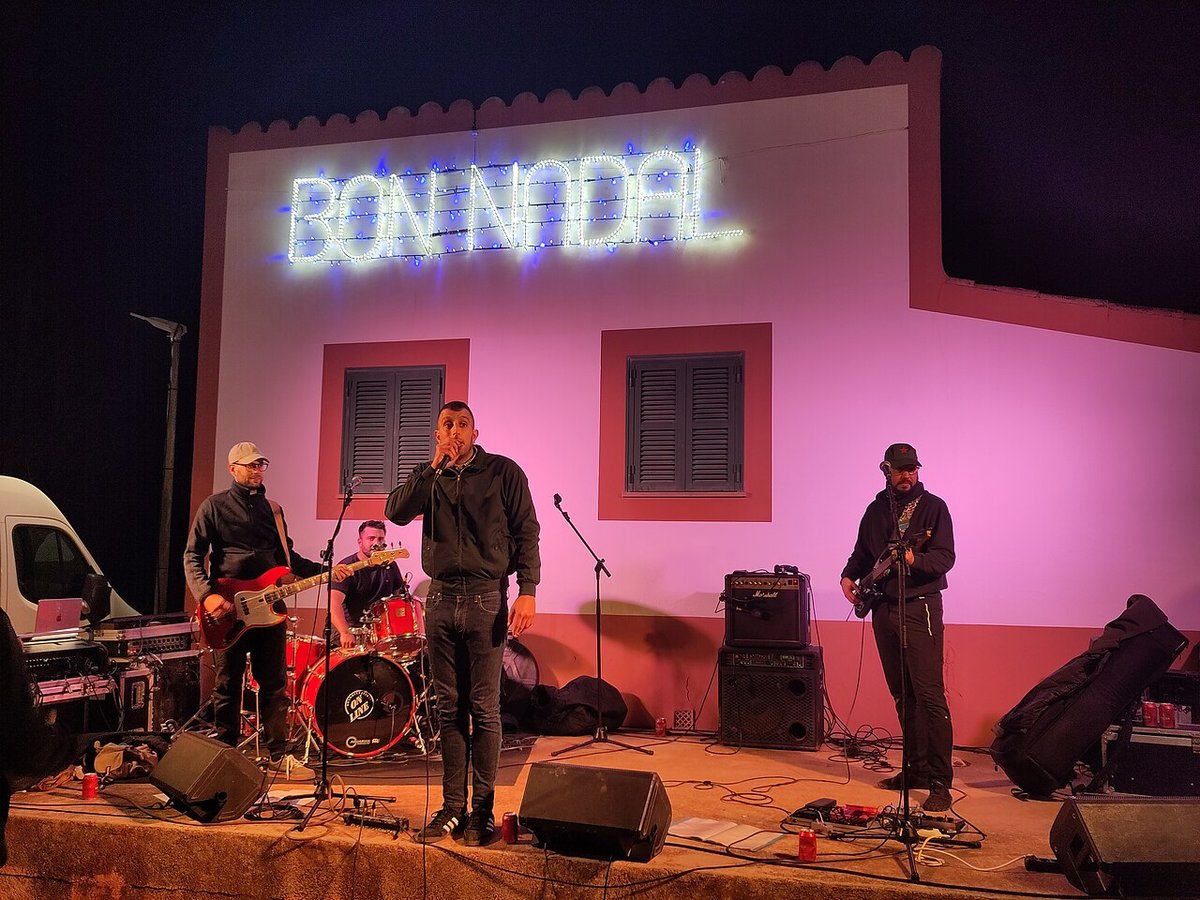
Summer brings a different rhythm. August remains hot even after nightfall, and the patron saint festivities fill the streets with music and lights for several days. The town continues, shifting with the season, between the open fields and the distant line of the sea.