Full Article
about Felanitx
Major wine and farming hub with a rich religious and defensive heritage; birthplace of artists and architects.
Hide article Read full article
A Sunday that explains everything
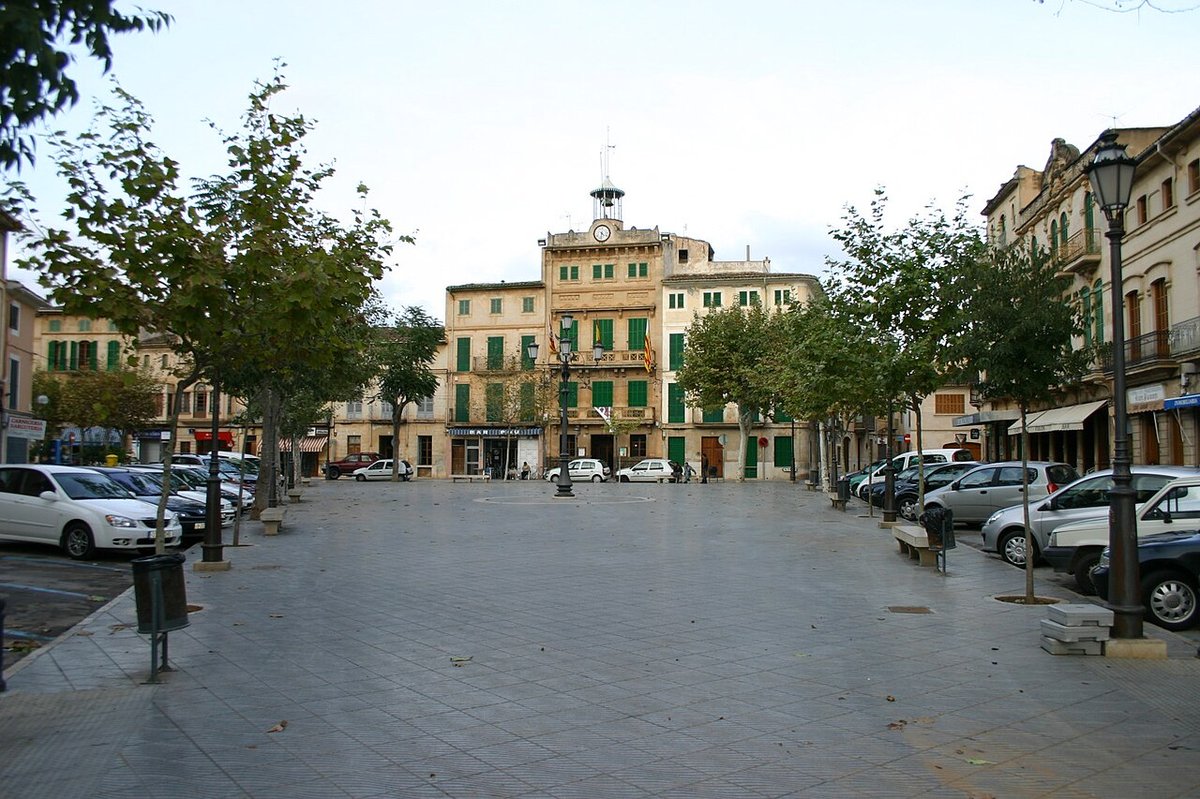
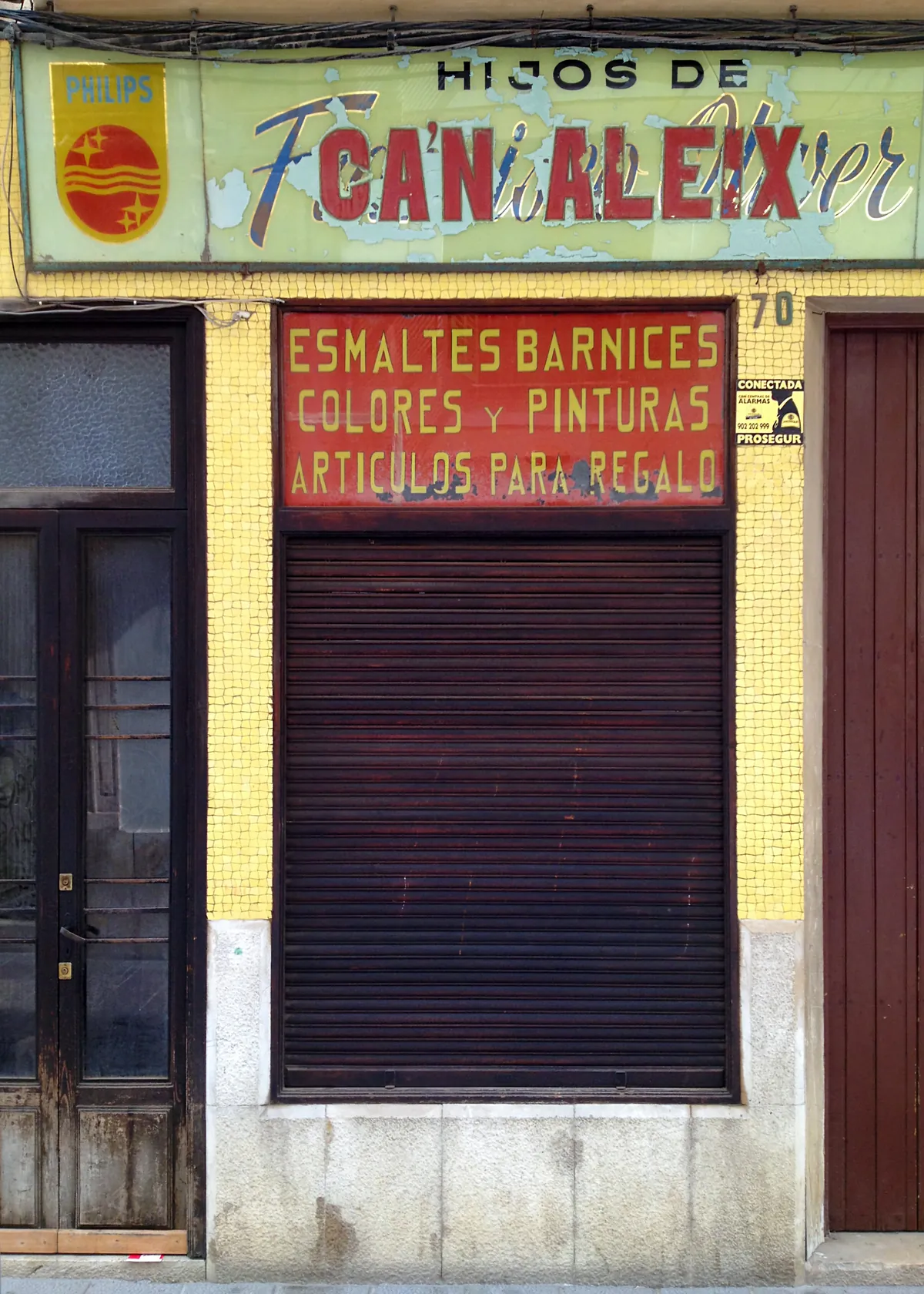
At ten o’clock on a Sunday morning, when the bells of Sant Miquel ring out, Plaça de la Constitució fills with the smell of freshly made sobrassada and bread that has barely cooled. Under stone arcades, shopkeepers lift green wooden shutters while early customers chat over coffee about whether rain will fall during the Festa de Sant Agustí this year. No one is consulting a guidebook. Felanitx makes the most sense at that hour, as the town eases into the day and someone inevitably mentions the grape harvest.
Built from what was at hand
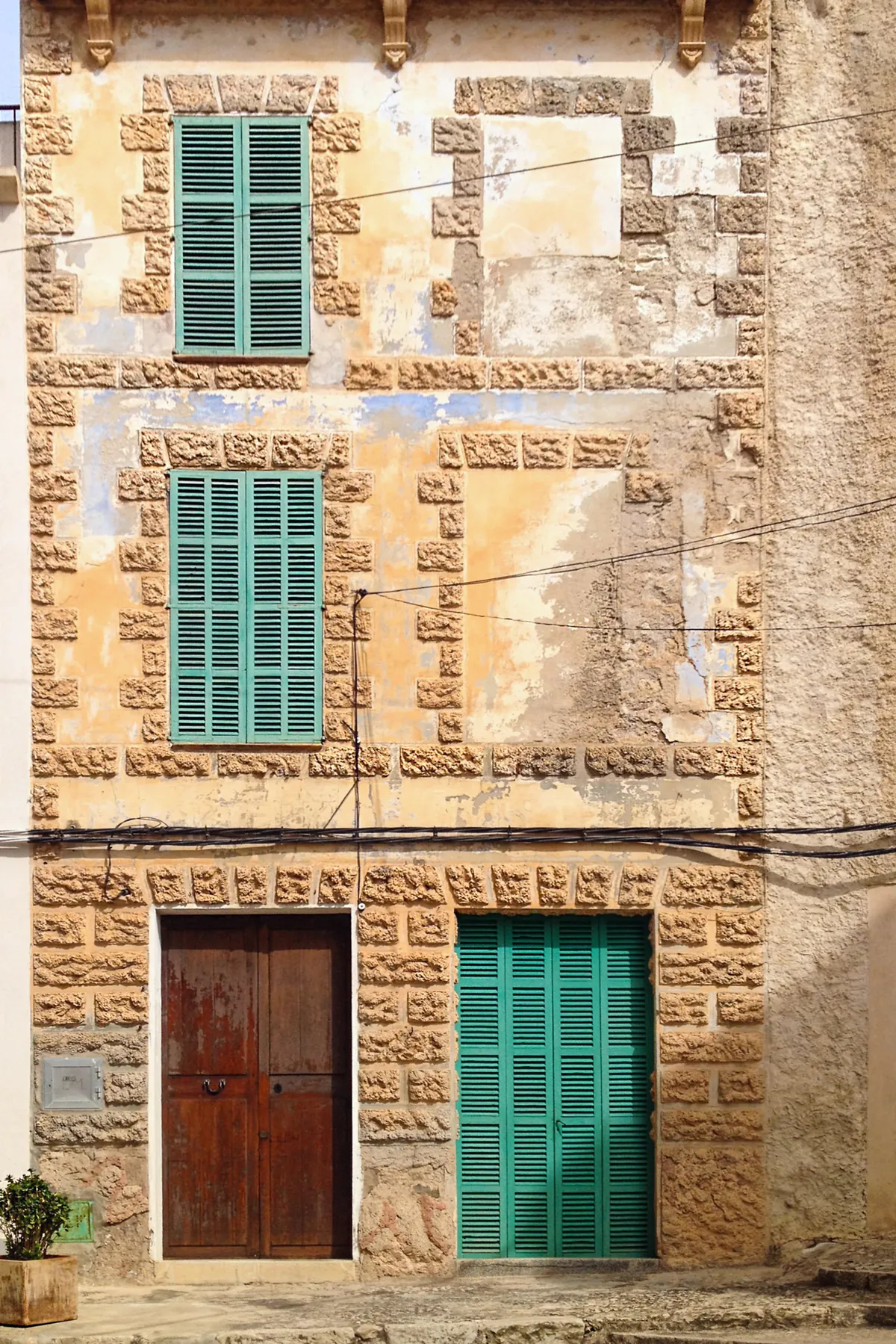
The slope of Sant Salvador has watched over the valley since the 14th century, when the Black Death led to the construction of a hermitage as an act of devotion and protection. Over time, Felanitx spread across the space between the sea and the agricultural interior. Its houses follow the logic of the land: low volumes, terracotta roof tiles, streets that adjust to each incline rather than forcing straight lines.
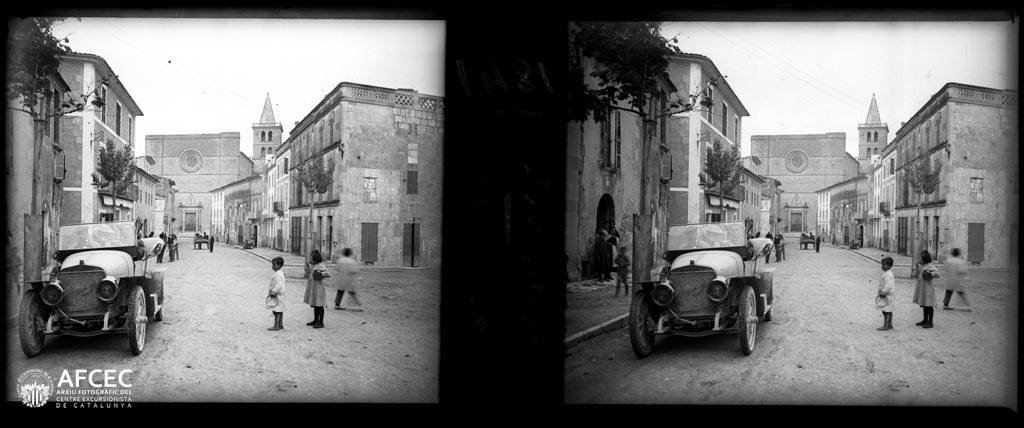
At the centre stands the church of Sant Miquel. It is strikingly large for a town of this size, and there is a story often repeated locally: to achieve the height planned by the architects, the ground was lowered instead of raising the walls further.
Little remains visibly from the Islamic period, though the layout of some streets still hints at the old medina. Sharp turns, narrow stretches and simple doorways suggest an earlier urban pattern. During domestic building work, fragments from the past sometimes appear beneath the surface, something that often becomes a topic of conversation at the Sunday market.
After the Catalan conquest in 1229, the land was divided among new lords. That division shaped the landscape in ways still visible today: vineyards on the plains, almond trees on poorer soils, and castles placed on rocky high points. The one associated with this area is Santueri.
Vineyards, pork and a pepper with its own fair
In the 19th century, vineyards brought prosperity to Felanitx. When phylloxera devastated French vines, Mallorca exported wine to Bordeaux and other ports. The wealth from that period can still be seen in some of the larger houses in the town centre, often built alongside former agricultural buildings.
The boom did not last. By the end of the century, phylloxera reached the island as well. The local economy returned to more familiar ground: market gardening, cereals and the winter slaughter of pigs. Wine cellars carved into the rock, known as cupados, still exist in some houses and rural properties. These spaces once held barrels of local grape varieties such as callet and manto negro.
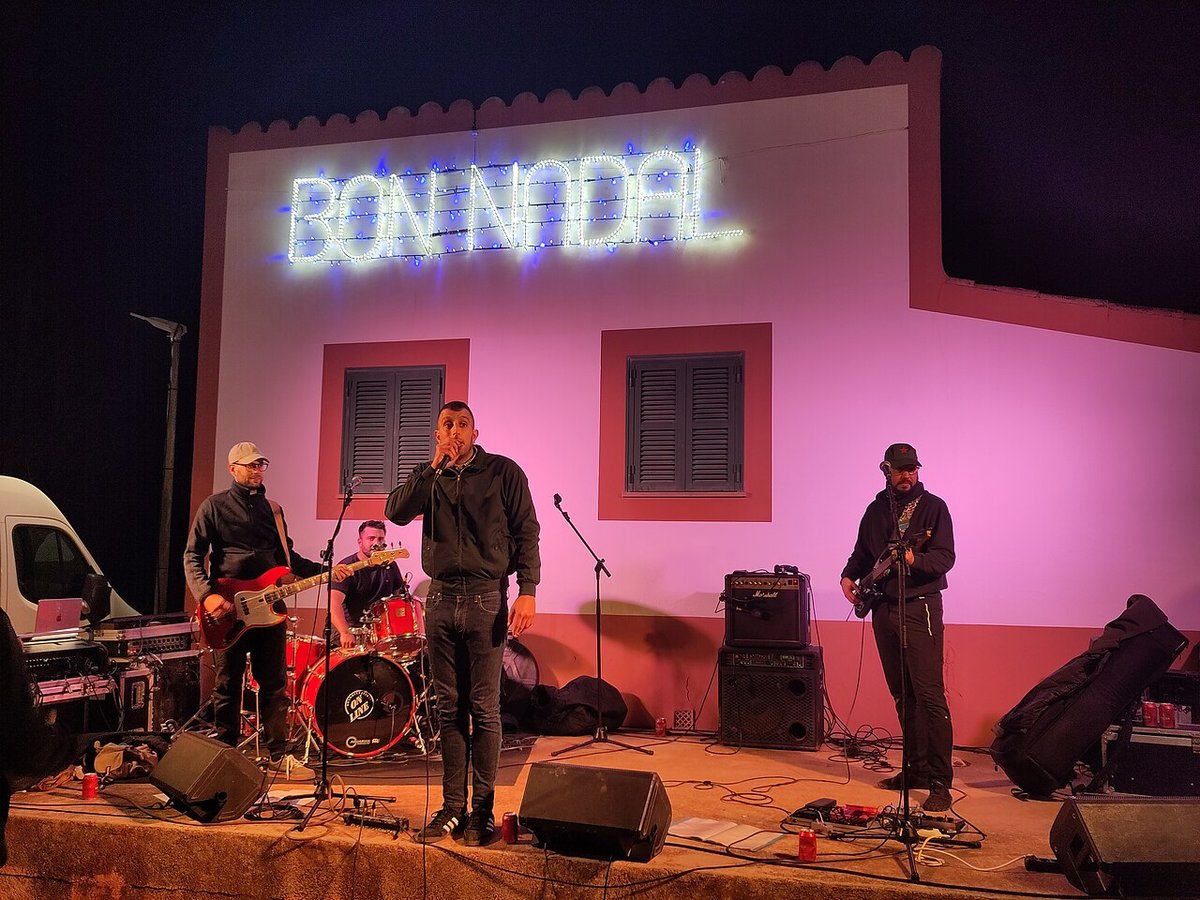
Food remains central to local celebrations. During Sant Agustí, roast pork cooked in wood-fired ovens is commonly prepared and shared among neighbours. In December, another key ingredient takes centre stage: pebre bord, a red pepper that is dried on façades and rooftops before being ground into paprika. A fair dedicated to this spice fills the square with stalls and traditional dishes in which the paprika plays a defining role.
Higher ground and changing landscapes
The climb to Sant Salvador begins within the town and quickly gains height. The current sanctuary dates from the 18th century, though the site had long been used as a lookout point. From the top, the relationship between Felanitx and its surroundings becomes clear: cultivated fields stretching inland and, to the east, the line of the sea.
At the summit stands a large statue of Christ the King, visible from much of the valley. The view extends as far as Portocolom, one of the largest natural harbours in Mallorca. The castle of Santueri can also be seen, set on a limestone escarpment. It was a difficult fortress to capture and held importance for centuries.
For those who prefer to explore on foot, several traditional paths can be linked around the mountain. Some sections follow old bridle paths that pass through almond groves and Mediterranean scrub.
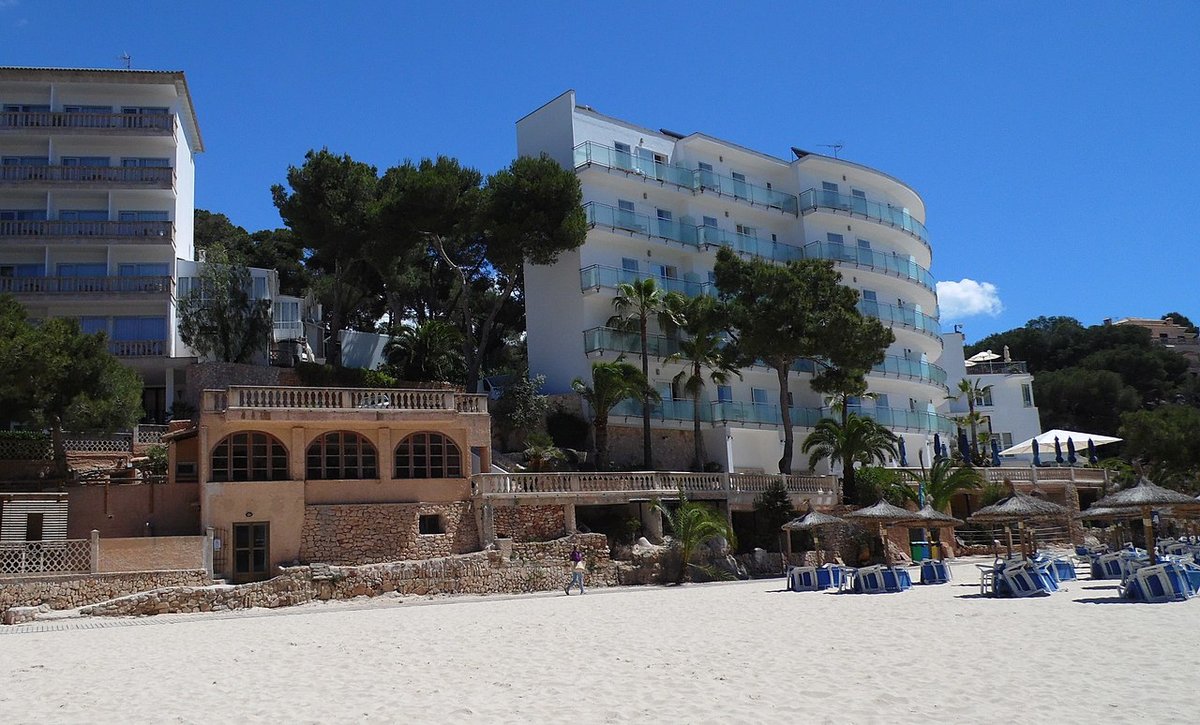
Towards the coast, the landscape shifts. Paths cross former vineyard plots marked by dry-stone walls. Nearby runs a greenway along the route of the old railway between Manacor and Felanitx, now used by cyclists and runners. Further east lies Cala Sa Nau, a small inlet of sea framed by pines and pale rock.
Portocolom retains part of its 19th-century fishermen’s houses around the harbour. A lighthouse marks the maritime entrance. From there, the coastline continues towards a series of small coves where the water is often notably clear.
Getting around and when to come
Felanitx’s town centre is easy to explore on foot. The main streets and the square where the Sunday market takes place can be crossed within an hour.
For those arriving by car, spaces are usually found around the edges of the centre, allowing the rest of the visit to continue on foot. Public transport links the town with Manacor, where a railway line connects onwards to Palma.
Spring and early autumn tend to be quieter times to explore the area. In summer, the main festivals bring a different atmosphere, with more people in the streets and activities filling squares and courtyards. During the calmer months, the pace returns to that of the agricultural town it has long been.