Full Article
about Llucmajor
The largest municipality in Mallorca; it blends inland farmland with a long coast of cliffs and tourist areas.
Hide article Read full article
First Impressions That Take Their Time
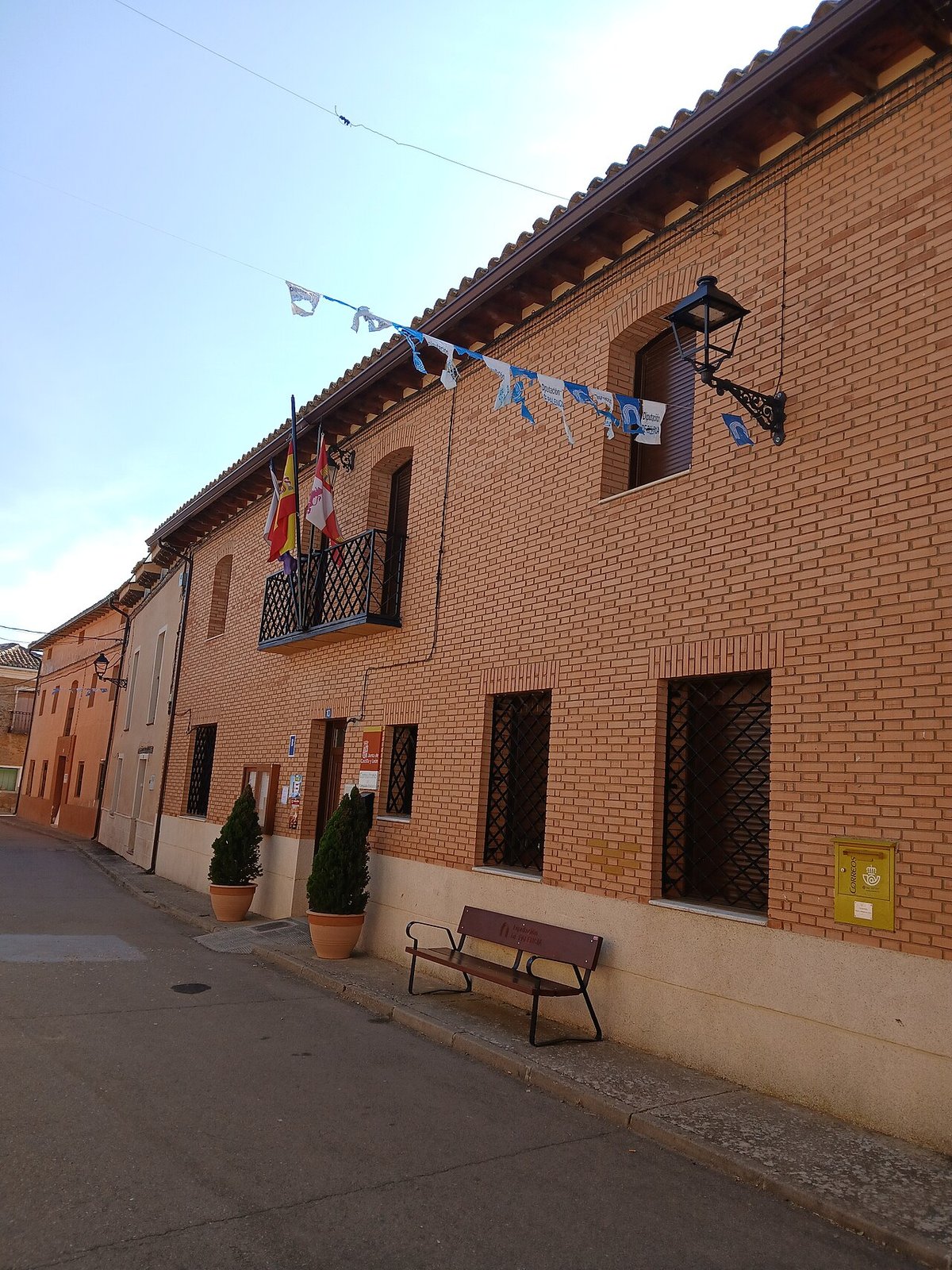
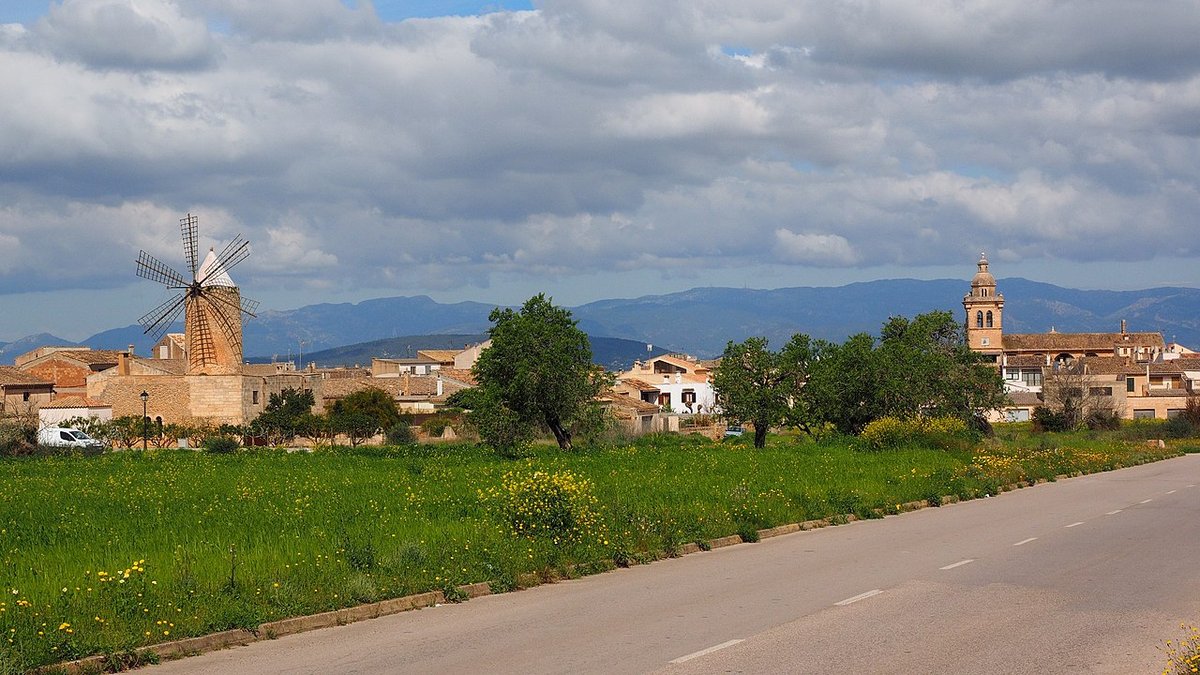
The road runs through almond groves that in February look like clouds dropped onto the ground. Then the town appears: wide streets, sandstone façades that turn golden towards evening, and the smell of glue and leather drifting out of a workshop still in use. Llucmajor does not reveal itself all at once. It starts with sound. A metal shutter lifting, a cutting tool somewhere deep in a garage, the low murmur of coffee in bars where people greet each other by name.
It feels lived in rather than arranged. Nothing pushes for attention, yet there is a steady rhythm to everything, from the early morning bakery opening to the quiet build-up of the weekly market.
Where Mallorca Lost Its Name
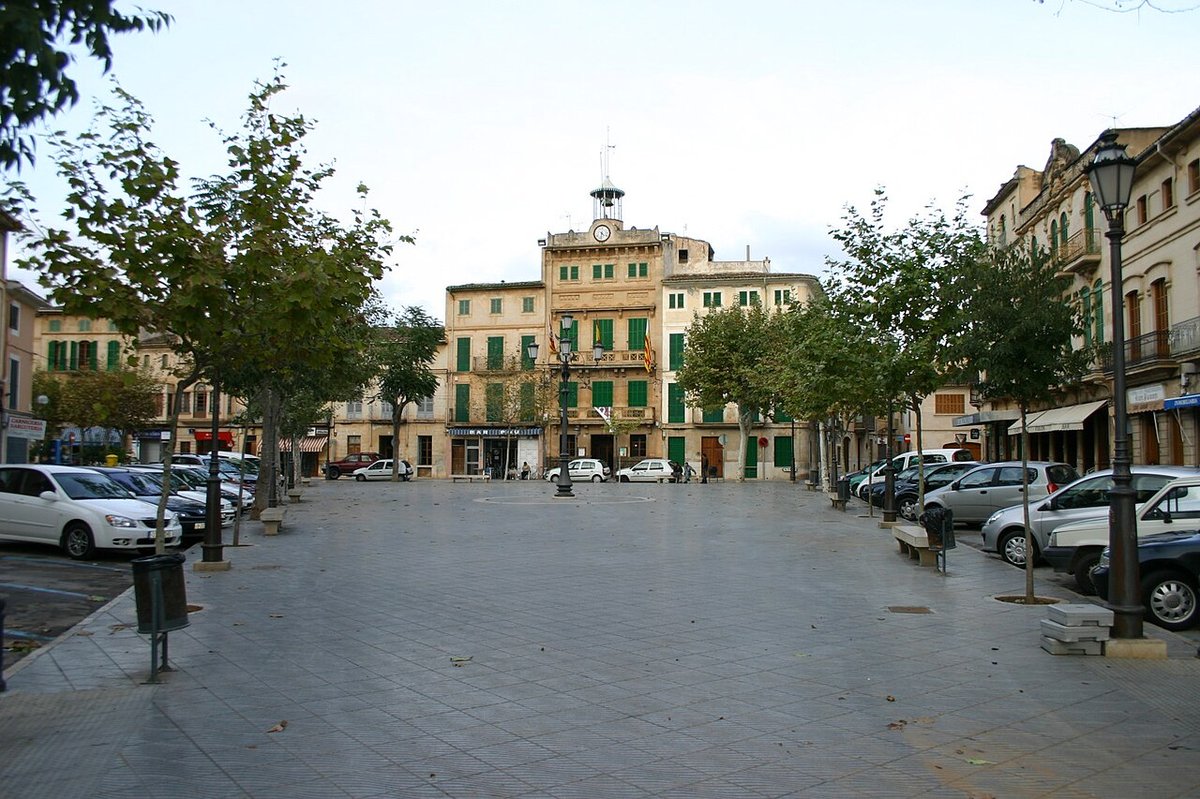
At the junction in plaça d’Espanya there is a stone slab that is easy to miss. This is where Jaume III fell during the Battle of Llucmajor in the 14th century, the event that ended the independent Kingdom of Mallorca. Today the scene is ordinary: traffic passing through, motorbikes cutting across, people crossing the road quickly with market bags in hand.
The story is often told at the convent of Sant Bonaventura, built later. The cloister is restrained, with low columns and walls where the paint has faded over time. When the sun is already high, the courtyard carries a mix of dampness and citrus from the orange trees. Sometimes there are organised visits or cultural activities. At other times it is simply open, and can be walked through at an unhurried pace.
A Church Built Over Generations
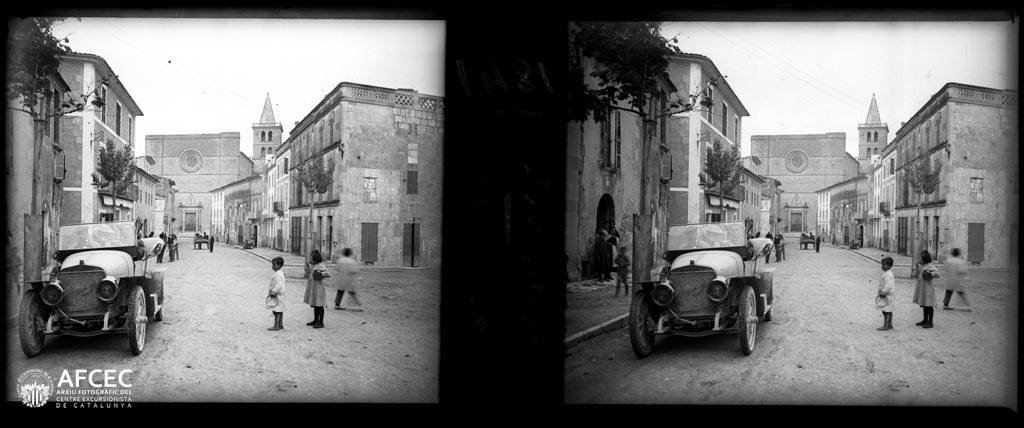
Sant Miquel dominates the centre with a scale that feels unexpected for an inland town. Its construction stretched over decades, and the result reflects that. The proportions are slightly unusual, columns that seem too tall for the nave, and an interior where sound echoes sharply once the door closes.
If the bell tower is open, and it is not always, the climb is worth it. From the top, the perspective shifts. The town gathers into a compact whole, and beyond it begin the fields, greenhouses and straight roads leading down towards the coast. On clear days, the sea appears as a thin blue line on the horizon.
Talayots and Shoemaking
A few kilometres outside the town, Capocorb Vell changes the landscape completely. Here everything is dry stone: low walls and talayotic towers that have been facing the same horizon for thousands of years. There are five main structures, along with the remains of circular houses, set in rough terrain with very little shade.
During the week it is often quiet. The wind moves through low grass, and occasionally a partridge darts out from between the stones. It is a place that feels exposed, shaped more by time and weather than by people.
Back in Llucmajor, the statue of the shoemaker in the placeta del Sabater points to another chapter of the town’s past. For decades, shoes were made here and exported across much of Europe. Many factories closed in the last century, but small workshops still remain. That sense of activity continues in the weekly market, held on Friday mornings. Stalls fill the streets with fruit, tools, clothes hanging from metal racks, and sometimes boxes full of brightly coloured laces.
Up to Gràcia
The Puig de Randa is visible from almost anywhere in the surrounding area. It rises alone, breaking the flat landscape of Migjorn. The road up curves gently through pine trees and almond fields. Early in the day, cyclists are a common sight, taking advantage of the cooler air.
At the top stands the sanctuary of Nostra Senyora de Gràcia. It is small, with a wooden ceiling darkened by candle smoke. The viewpoint opens out towards the Bay of Palma and across the island’s interior: square fields, straight paths and white villages that from this height look like marks of chalk.
There is also a dirt track connecting down towards the village of Randa. It is shorter, though in summer it can be dusty. By car, it requires a slower pace, as the bends are tight and cyclists often descend quickly.
Timing Your Visit
February alters the landscape. Almond blossom spreads across the fields around the town, though early mornings are still cold enough to need a jacket.
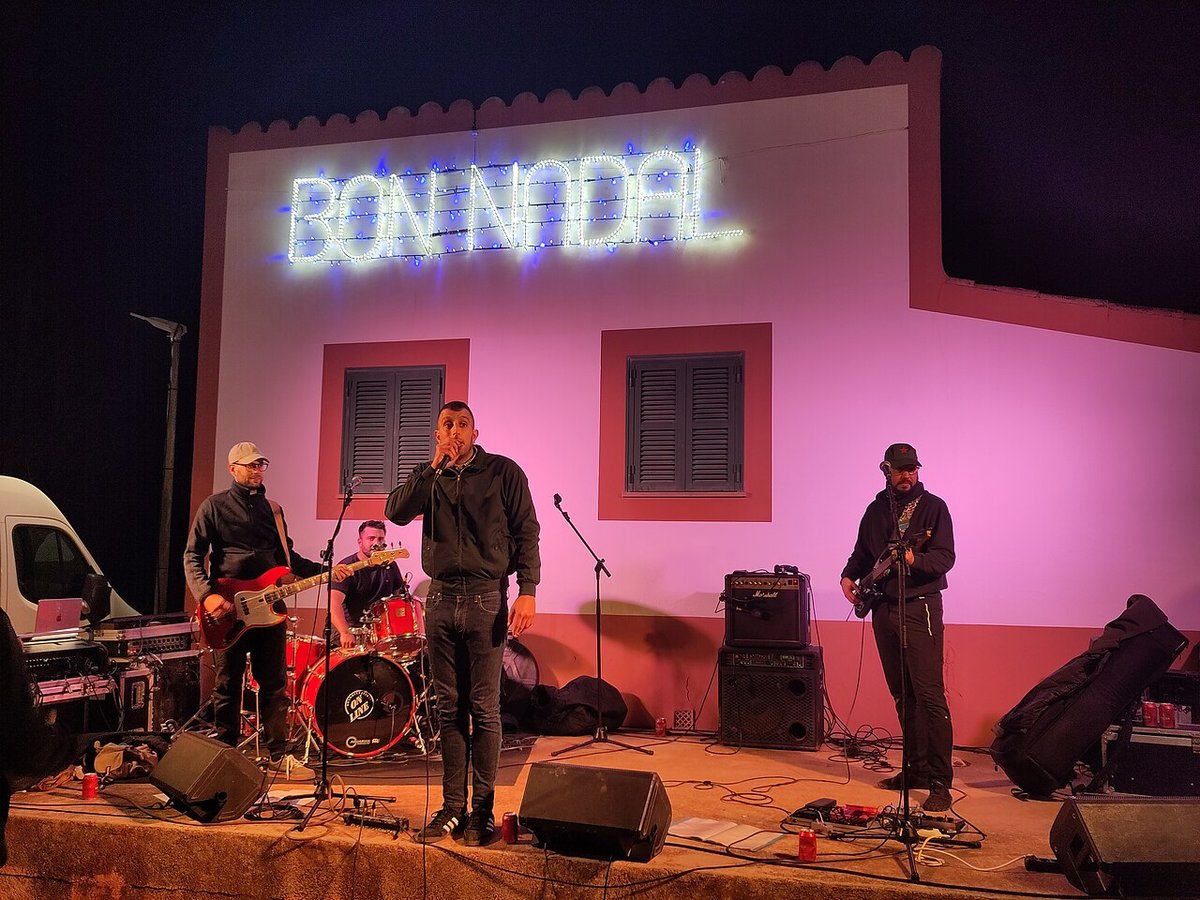
In summer, local fiestas bring activity into the squares and keep things going late into the night. For a quieter impression of Llucmajor, weekdays or early hours tend to feel calmer.
Autumn often brings events linked to local history and the area’s new wine. Not every year follows the same pattern, but the pace of the town tends to slow again.
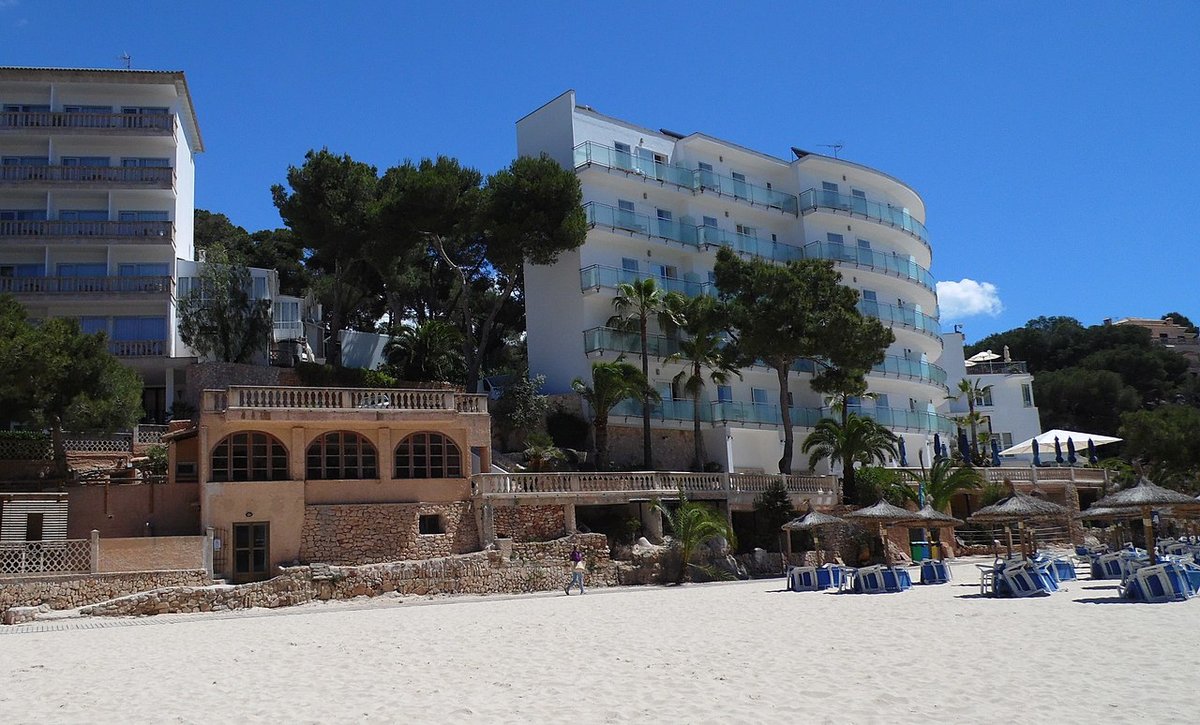
One practical detail: S’Arenal is part of the municipality, yet in the height of summer its atmosphere has little in common with the historic centre of Llucmajor. They are only a few kilometres apart, but they feel like very different places.
Llucmajor does not compete with the most photographed towns in Mallorca. What stays with you instead are smaller things: a bakery opening before sunrise, the market assembling itself stall by stall, the way late afternoon light settles onto the stone. Spend enough time here, and those details begin to define the place.