Full Article
about Santanyí
Golden-stone town full of charm and a cosmopolitan market; gateway to spectacular coves and Mondragó park.
Hide article Read full article
A church shaped by an organ
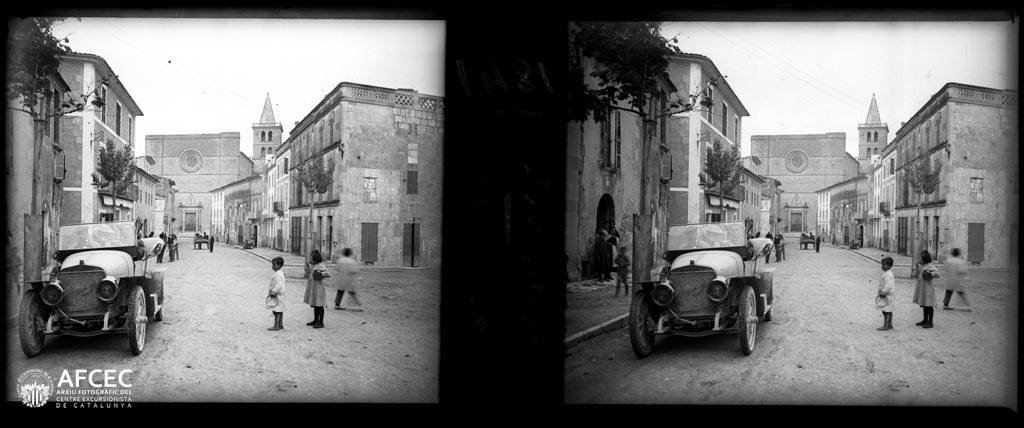
The baroque organ of Sant Andreu arrived by sea. It was brought ashore at Cala Figuera from the former Dominican convent in Palma after the 19th-century disentailment, and fitting it required enlarging the church. That episode helps explain the scale of the building. It feels large for a place that for centuries remained relatively modest. The parish adapted to the instrument, rather than the other way round, and since then the organ has been part of the town’s story.
Step inside and the sense of proportion becomes clearer. Alongside the organ, the interior holds an 18th-century main altarpiece that fills the back of the presbytery. It is a space that rewards a slower visit, not least because the church grew in response to a single object that arrived from elsewhere and changed its dimensions.
The stone that built the island
Santanyí owes its warm, golden tone to marès stone, a local limestone quarried in this part of the Migjorn for centuries. The same material appears across many historic buildings in Mallorca, including Palma Cathedral and Bellver Castle, and for a long time it was one of the area’s main resources.
Walking through the old town makes this easy to see. Older façades carry a soft colour that darkens slightly with age. In the 16th century the same stone was used to build defensive walls against corsair attacks. One element of that enclosure still stands: the Porta Murada, once the entrance to the town.
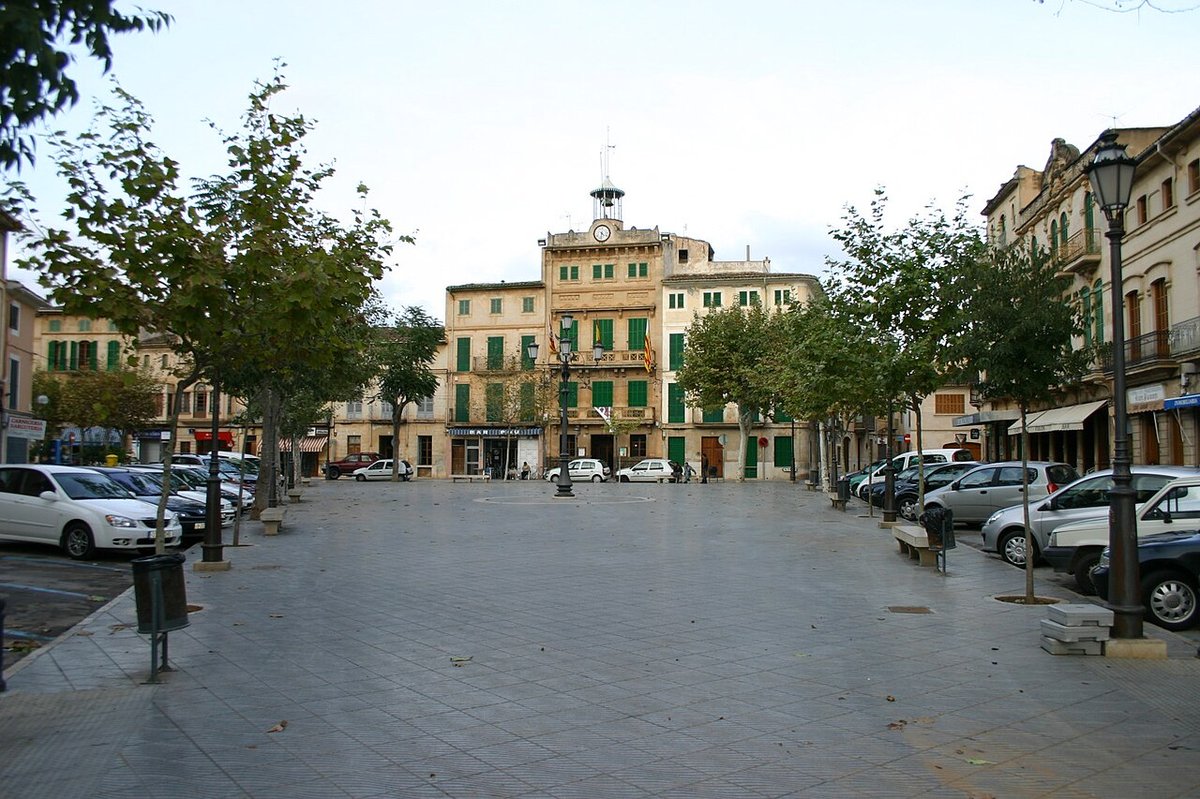
Within the historic perimeter, the layout is straightforward. Plaça Major forms the centre, with short streets leading towards the church and two-storey houses with wide gateways designed for carts and storage. The town hall occupies one side of the square. Its current form reflects an expansion at the end of the 19th century, when the municipality grew thanks to quarrying and trade.
From the Holy Lamb to the sea
The name Santanyí is often linked to the Latin Sanctus Agnus, the Holy Lamb, a motif that also appears on the municipal coat of arms. Despite that origin, life here has long been split between the dry land of the Migjorn and the nearby sea.
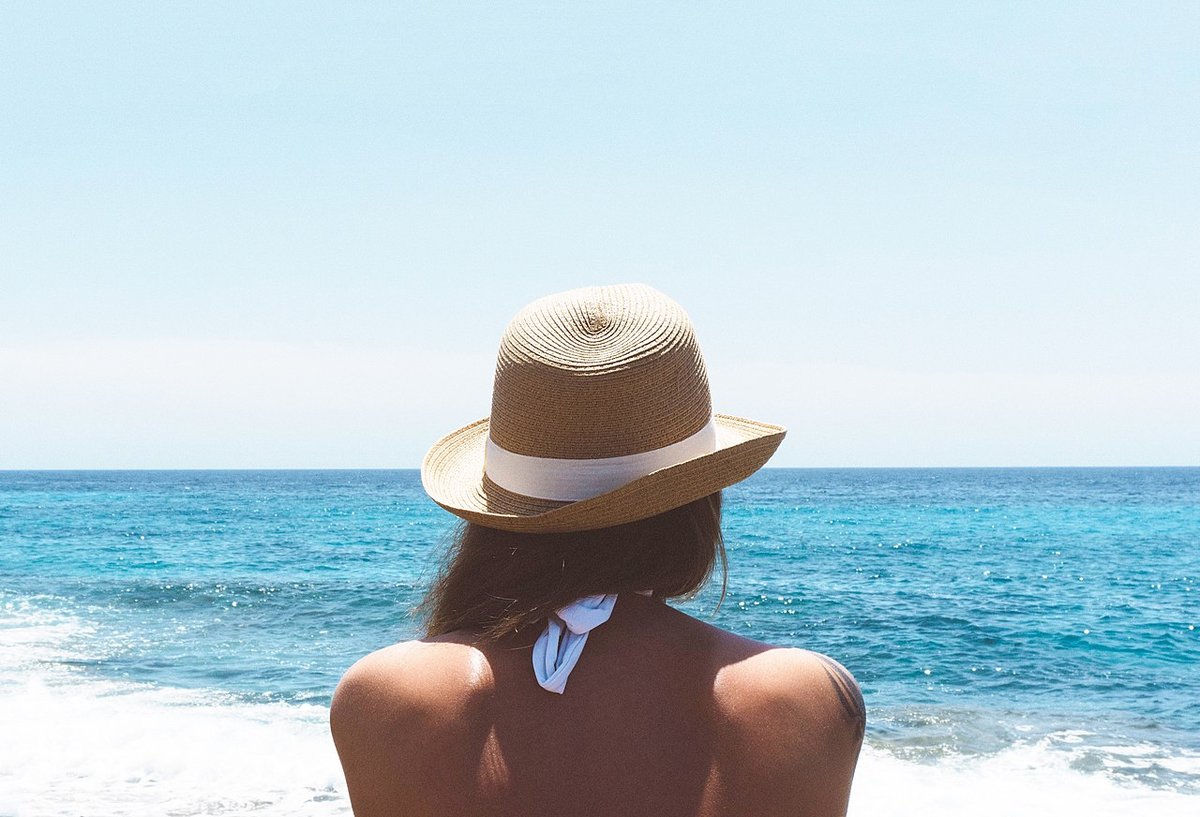
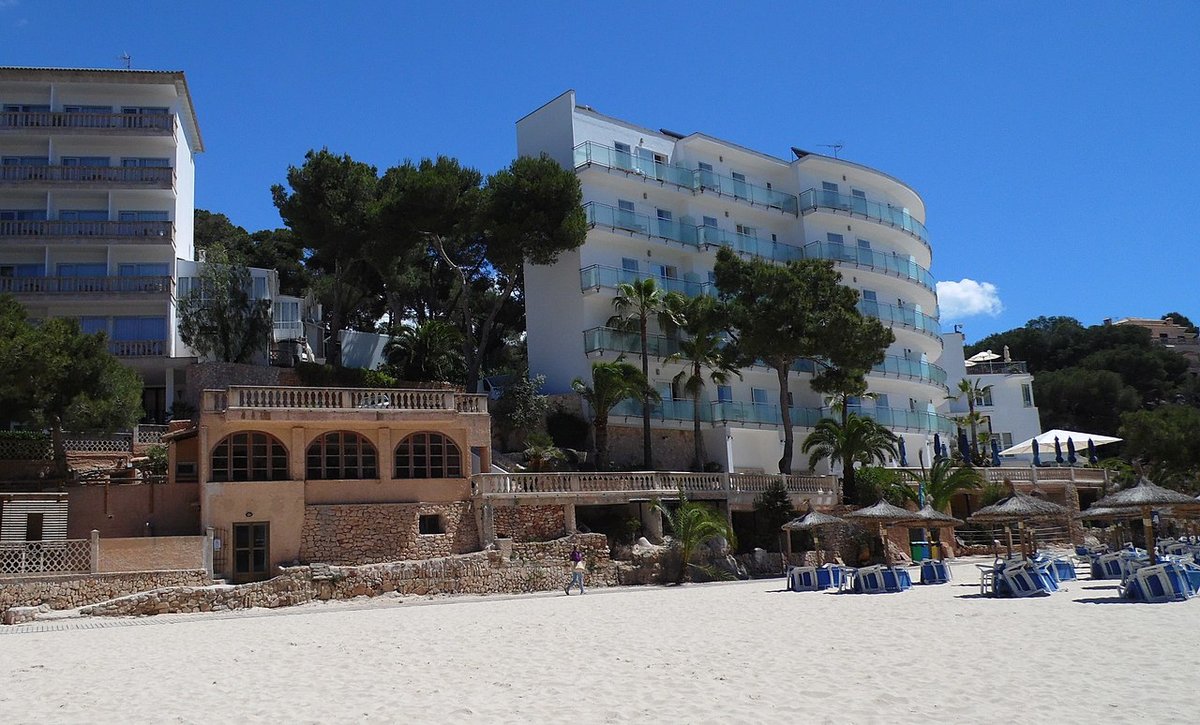
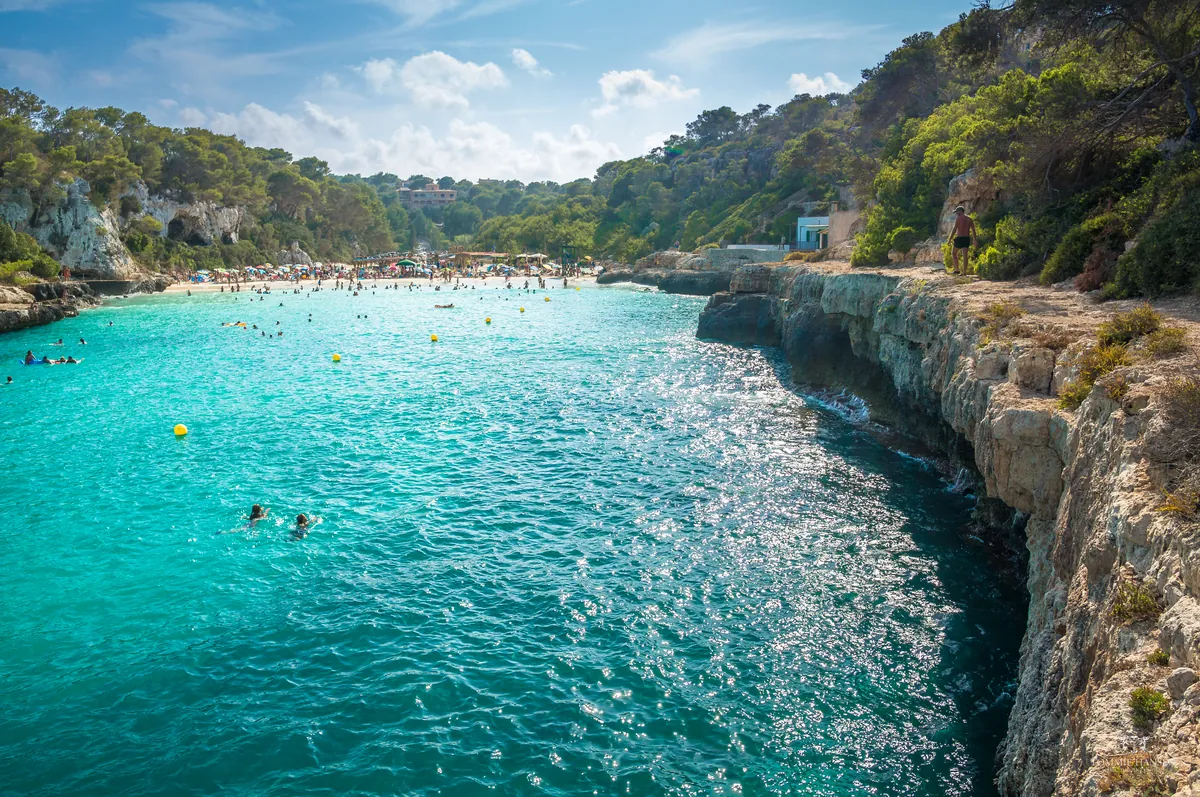
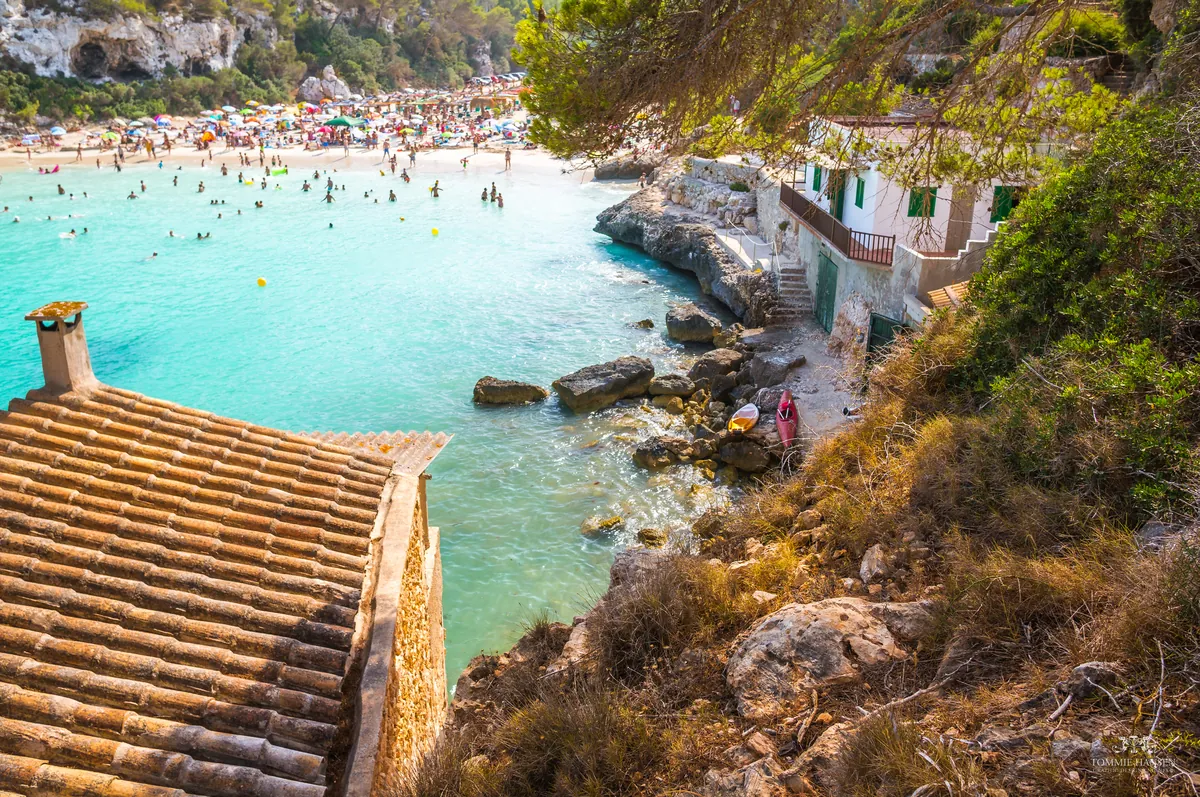
The coastline within the municipality is irregular, opening into small coves. Some began as natural shelters for boats. Cala Figuera still keeps the feel of a fishing port, with houses aligned around the narrow entrance to the harbour. Further east, Porto Petro functions as a natural haven with very calm waters.
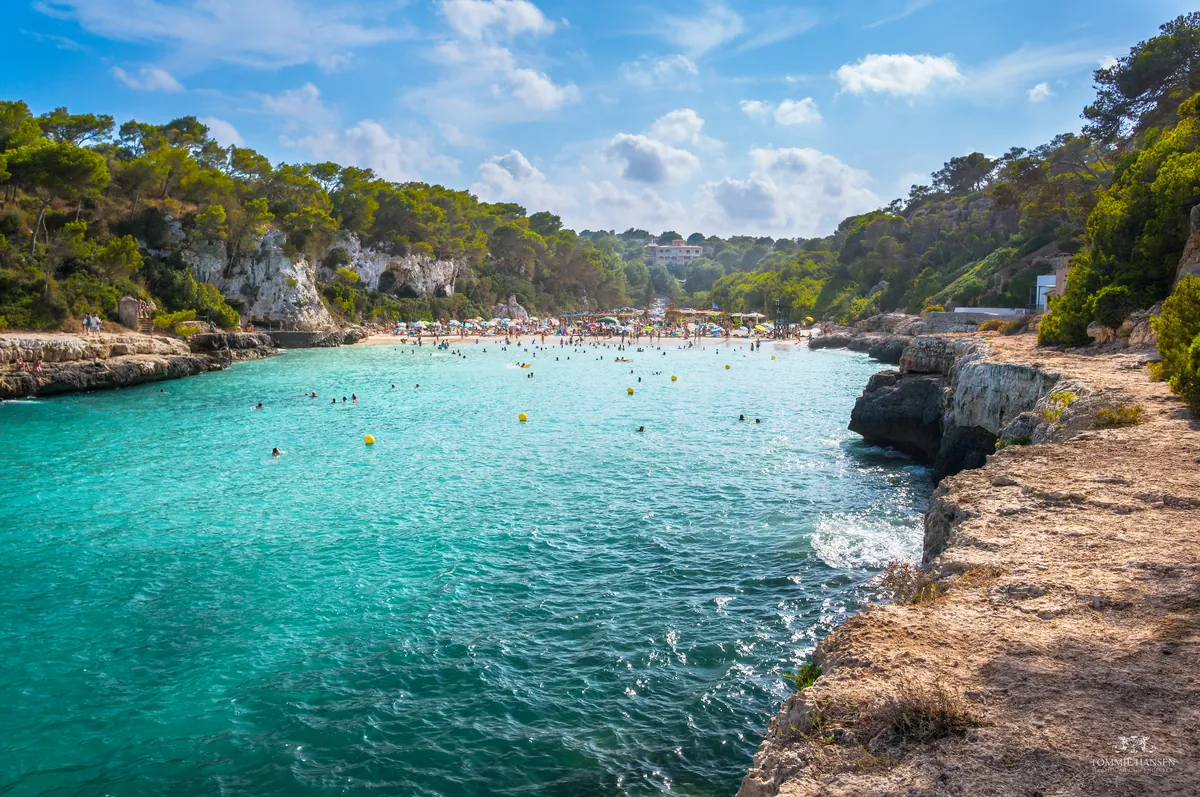
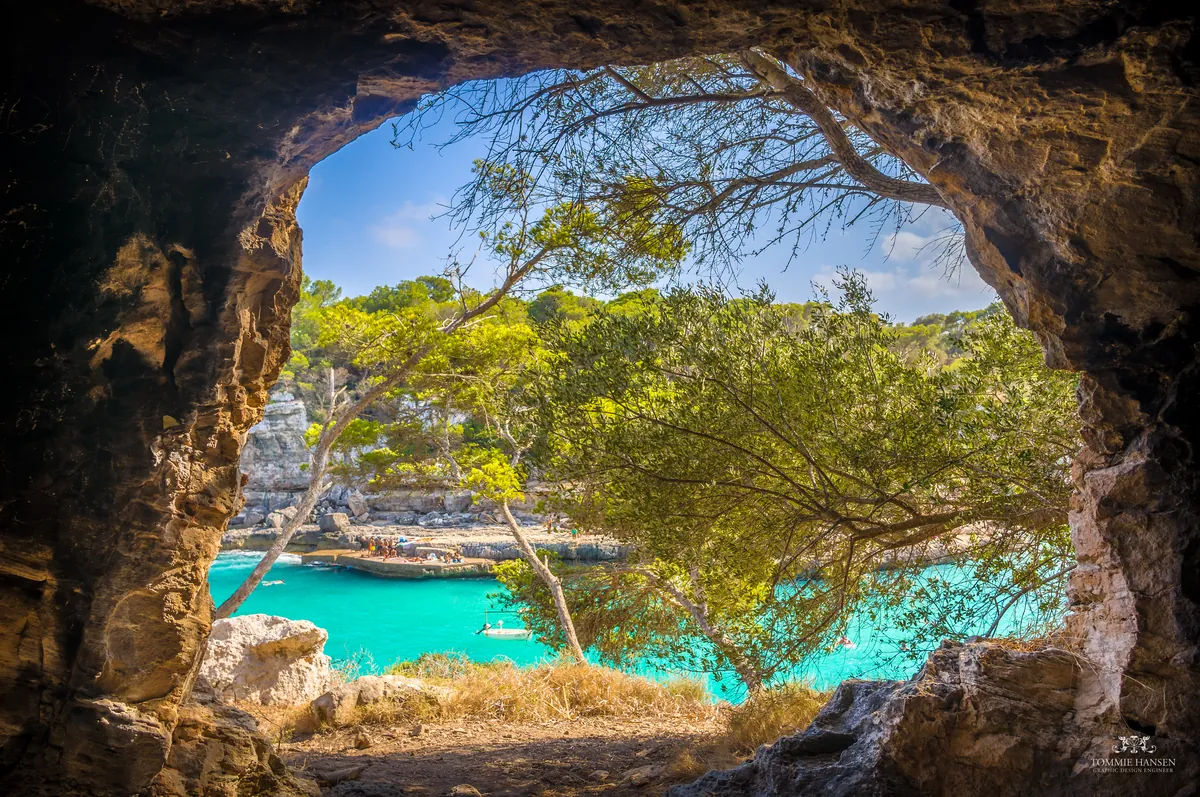
Within the same municipal area lies the Mondragó Natural Park. It is not a vast space or a long excursion. Instead, it brings together several coves, paths through pine woods and small dune areas. More than anything, it helps make sense of what this stretch of Mallorca’s coastline looked like before more intensive development reached other parts of the island.
Market days in Plaça Major
On Wednesdays and Saturdays, Plaça Major fills with stalls. For decades it served as the regular market for surrounding villages, and people from nearby towns still come to buy local produce.
Over time, the market has also altered the look of the centre. In the streets around the square, galleries and shops have appeared that were not there twenty or thirty years ago. On market days traffic increases, and parking close to the centre can be difficult, something that in the past only happened during major festivities.
Even so, it takes only a short walk away from the square to find the town’s usual pace. There are neighbourhood bakeries, bars frequented by locals and long conversations that stretch across tables in the square.
Getting around Santanyí
The historic centre is compact and best explored on foot. A visit to the church of Sant Andreu is worth taking unhurriedly, for the organ as well as the altarpiece that occupies the entire back wall of the presbytery.
Arriving by car, it is often easier to leave it on the approaches to the town and continue on foot. Several streets in the old centre are narrow, and the paving can become slippery when it rains.
The coves within the municipality lie a few kilometres away. Cala Llombards and Cala Figuera can be reached by local roads, while in other spots the final stretch is on foot along rocky paths. In summer it is advisable to set off early, as the small car parks near the coves fill up quickly.
There are also buses connecting Santanyí with Palma and other points in the south-east of the island, although journeys are usually slower than by car. One detail often overlooked: the town itself does not have its own beach. For a swim, it is necessary to head to one of the nearby coves within the municipality.