Full Article
about Algaida
Traditional Pla municipality known for its glass crafts and local products; quiet, authentic rural setting
Hide article Read full article
A village split by the road
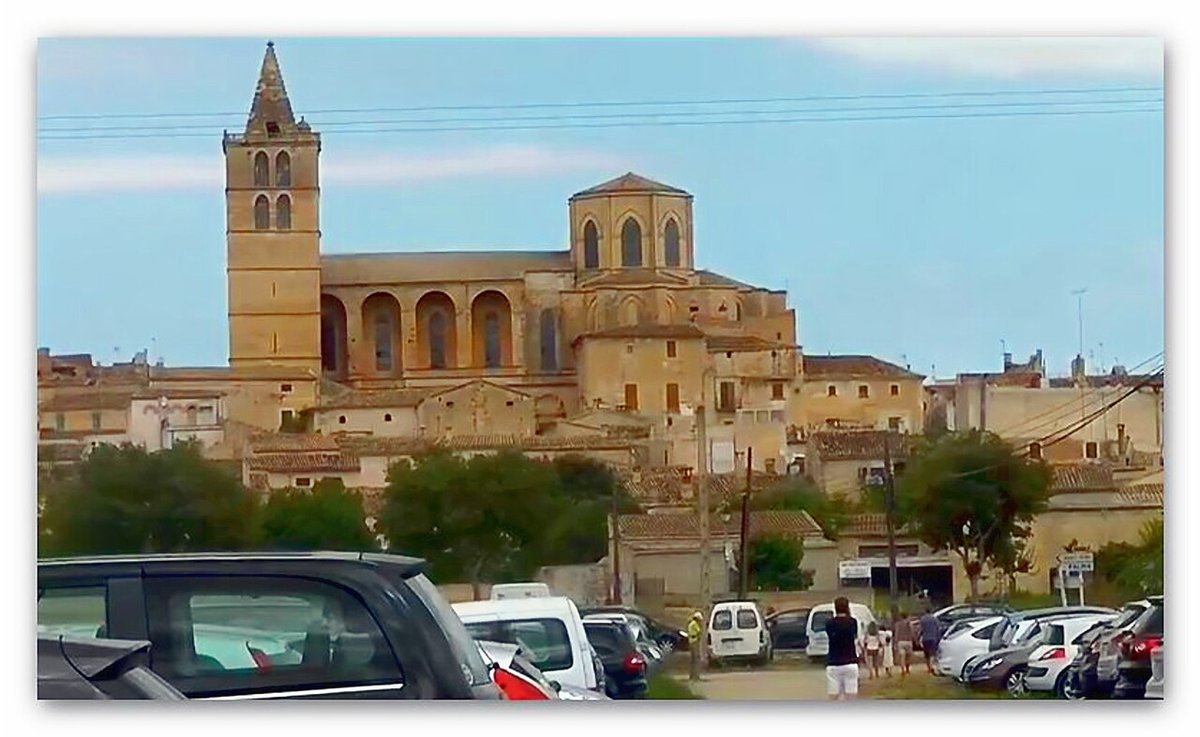
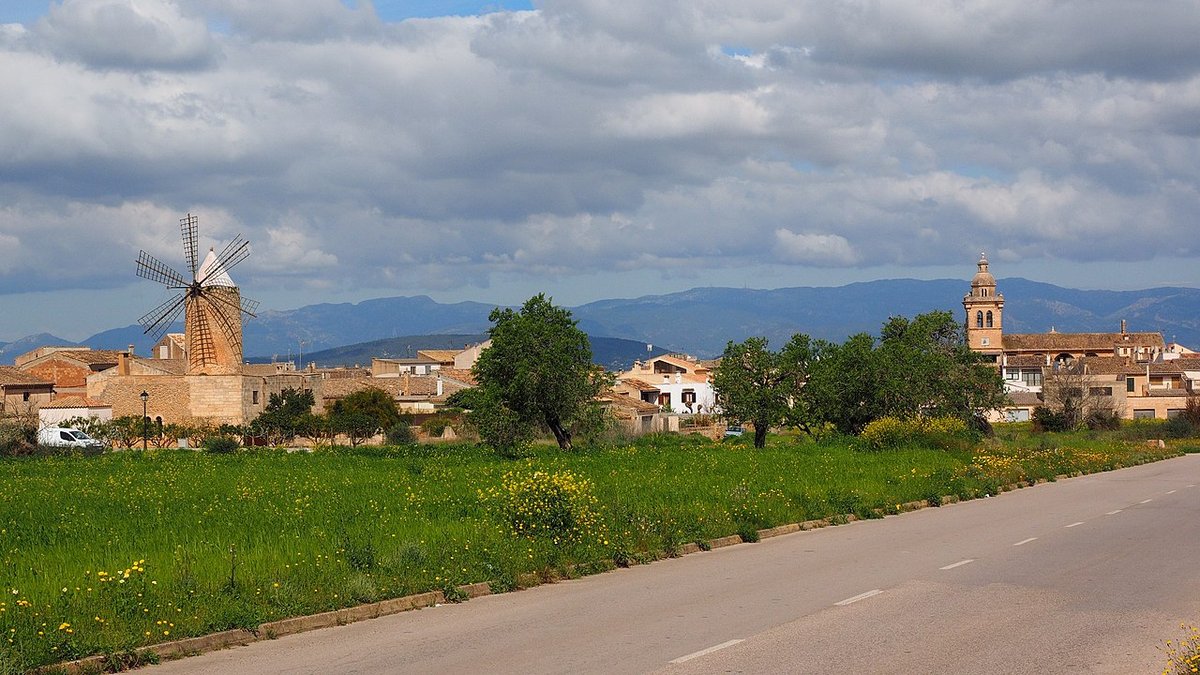
Algaida sits directly on the road between Palma and Manacor. Arrival usually begins with a practical issue: where to leave the car. The main road cuts the village in two and parking is not especially organised. On a Sunday morning, finding a space can take a while. Many people drive out from Palma for a late breakfast, and tables fill quickly.
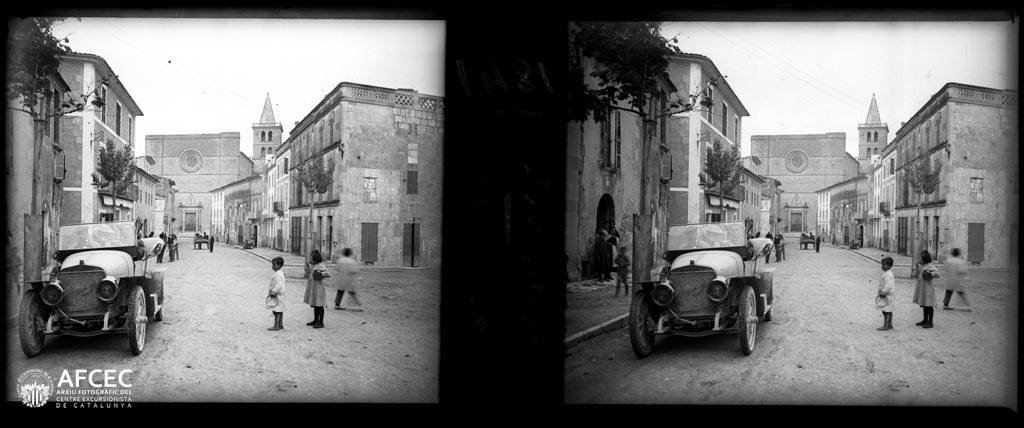
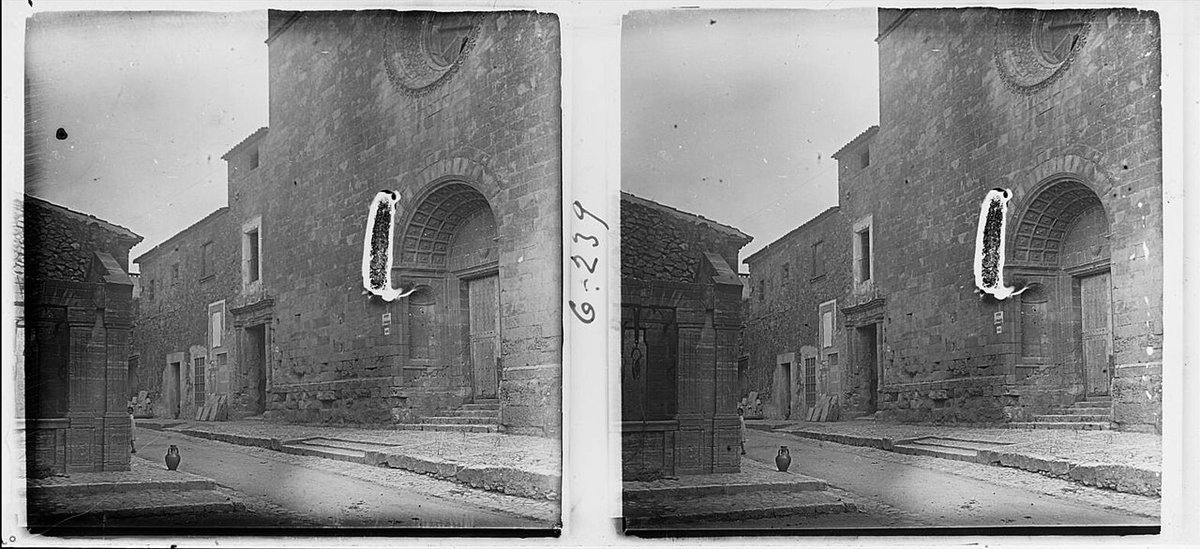
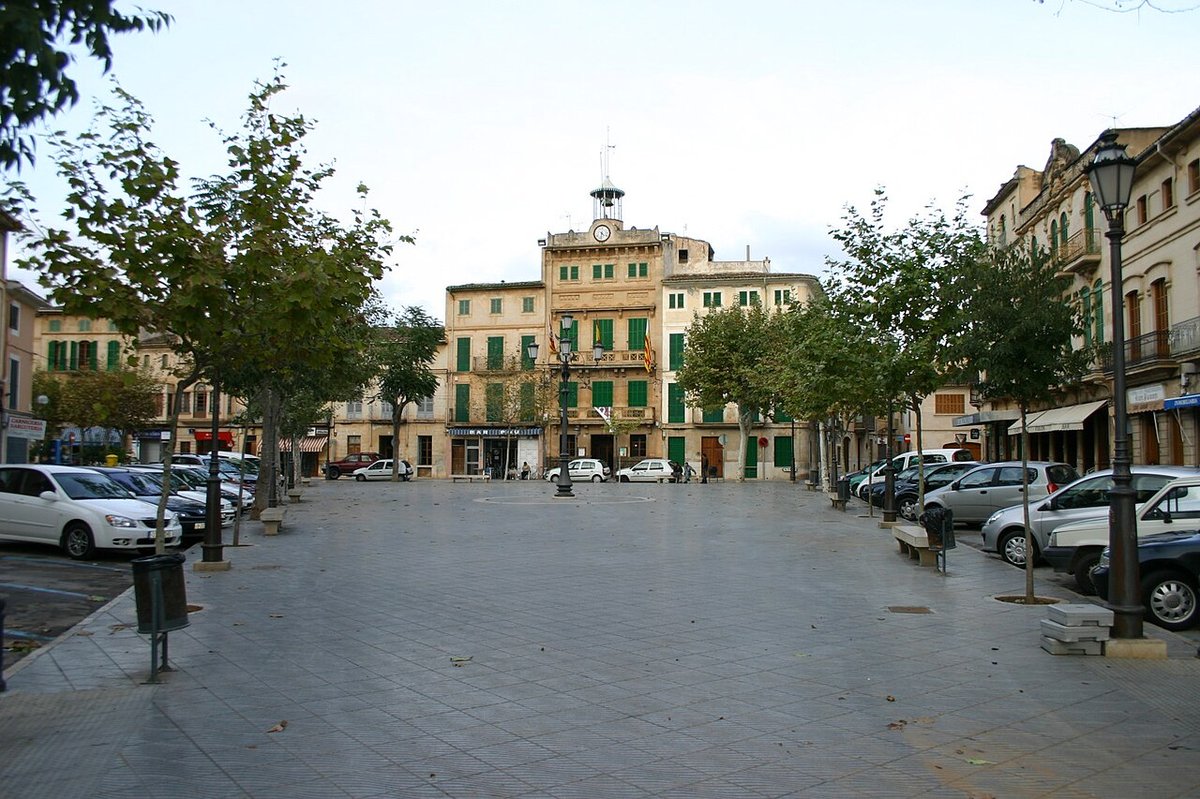
The centre is small and easy to cover on foot. A couple of streets, the main square, and the church make up most of it. There is no sense of hidden corners or extended districts. What you see is what there is, and it does not take long to see it.
Up to the Puig de Cura
The Puig de Cura is the main reason people make the detour to Algaida. Rising just over 500 metres, it offers wide views across the Pla de Mallorca when the sky is clear, a broad, open landscape that stretches out in all directions.
Centuries ago, Ramon Llull chose this hill as a place for retreat and study. Today, the main sanctuary remains, along with a few surrounding buildings where there is usually a simple café service and modest accommodation. The road from the village winds upwards with plenty of bends. It is not especially long, though it is best taken slowly as the surface is not always in great condition.
Near the top are also the small hermitages of Honorat and Gràcia. They are more modest than the main sanctuary and not always open. Access depends on the day and who happens to be around.
It is possible to walk up from Algaida along a marked path. The return journey takes several hours. In summer, the challenge is less about distance and more about exposure. The sun can be intense, and leaving late in the day means walking in full heat for much of the route.
Glass, and a roadside bull
On the outskirts of the village stands a historic glass-blowing factory, set inside a building designed to resemble an old castle. Inside, visitors are often shown how the glass is worked. There is also a shop selling decorative pieces, which tend not to be cheap.
A few kilometres away, beside the road towards Manacor, one of the black Osborne bulls comes into view. These large silhouettes, originally used for advertising, have become familiar landmarks across Spain. Motorcyclists often stop briefly here. It works more as a point of reference in the landscape than as a destination in itself.
Eating and drinking in Algaida
Algaida is known within Mallorca for its ensaïmada, a traditional spiral pastry made with dough, sugar and baked in the oven. The recipe is not especially different from that of other towns, yet many people come here at weekends specifically to buy it.
In the main square, several simple bars handle most of the village’s food and drink. The offering depends on what is available that day. Typical options include pa amb oli, bread with oil and toppings, and some savoury cocas. It is straightforward, counter-style cooking without much complication.
In autumn, a fair linked to agriculture and local produce usually takes place. During those days, the village becomes noticeably busier than usual.
Seasons and local rhythms
Spring is the easiest time to visit. The countryside of the Pla de Mallorca is green, and temperatures remain moderate.
Summer brings a more direct challenge. The heat is dry, shade in the village is limited, and there is no nearby sea to take the edge off the afternoon warmth.
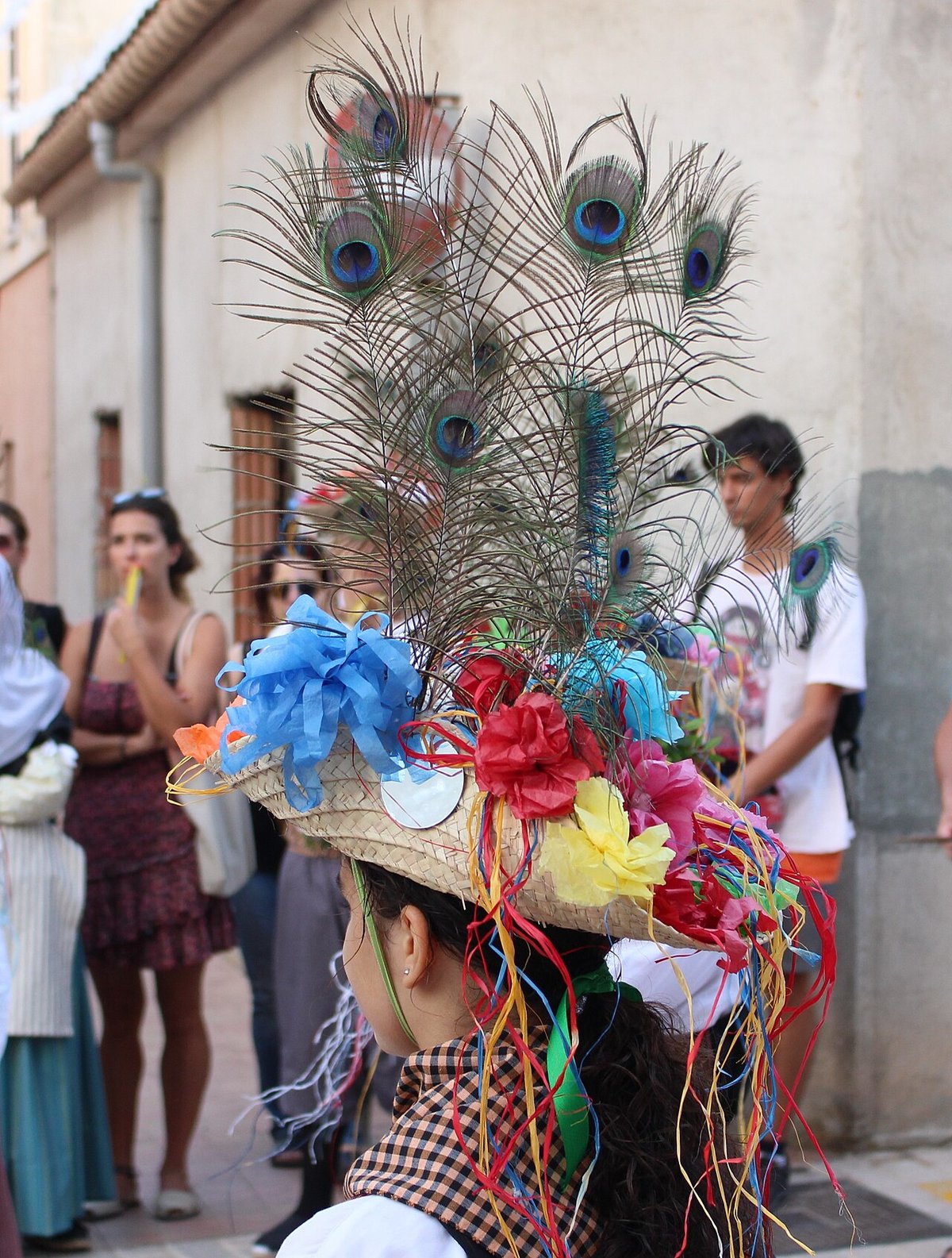
Throughout the year, there are also celebrations dedicated to saints associated with the Puig de Cura. These typically include a romería, a traditional pilgrimage up to the sanctuary, along with religious events.
A brief stop that makes sense
Algaida works best as a short stop if travelling along the road between Palma and Manacor. It is a place to stretch your legs, spend a little time in the square, and, if there is time, head up to the Puig de Cura.
Without the climb, the visit is quickly done. Life here moves at a calm, ordinary pace. Sometimes that is enough.