Full Article
about Costitx
Small astronomical municipality home to the Mallorca observatory; quiet rural setting with clear skies.
Hide article Read full article
A village at the heart of the Pla
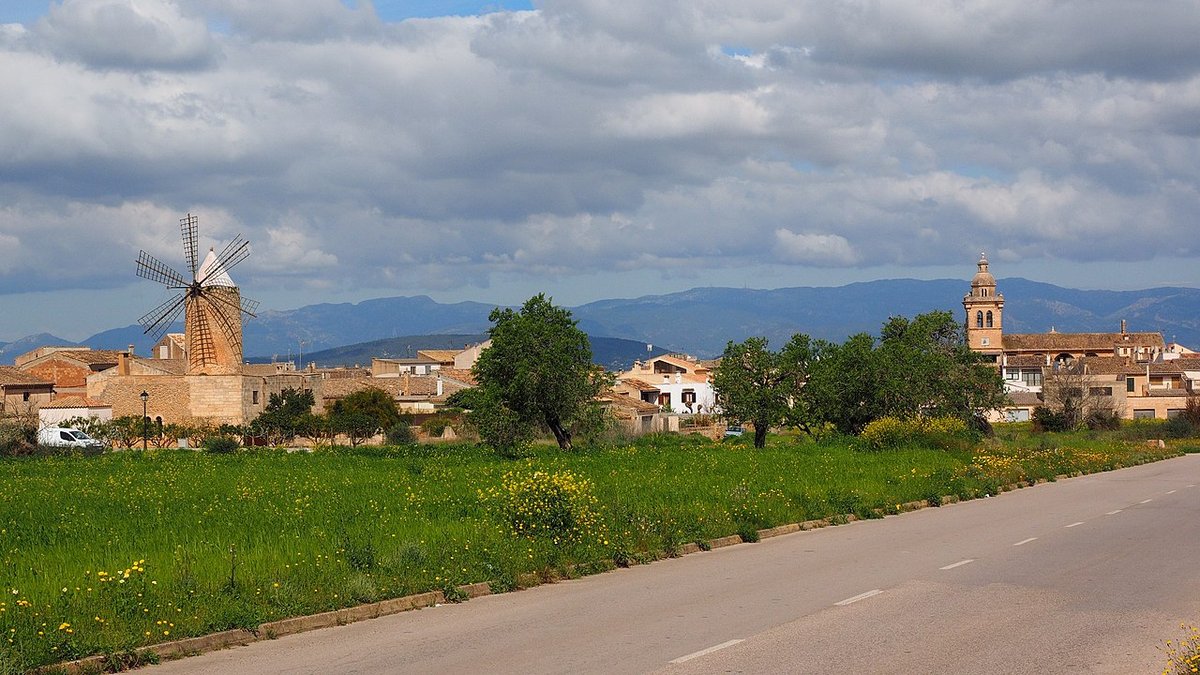
Costitx sits in the middle of the Pla de Mallorca, a broad inland plain where the land is gently undulating and settlements are spaced out between farmland and secondary roads. Tourism here has never carried the same weight as it does along the coast. Daily life still follows the rhythms of agriculture and of a small municipality with just over 1,500 residents.
The village name is closely linked to one of Mallorca’s best-known archaeological discoveries: the Toros de Costitx. These are three bronze bull heads from the Talayotic period, found at the sanctuary of Son Corró at the end of the 19th century. The original pieces are now kept in the Museo Arqueológico Nacional in Madrid. Even so, the discovery makes it clear that this area was inhabited long before the present-day village took shape.
Streets shaped around the square
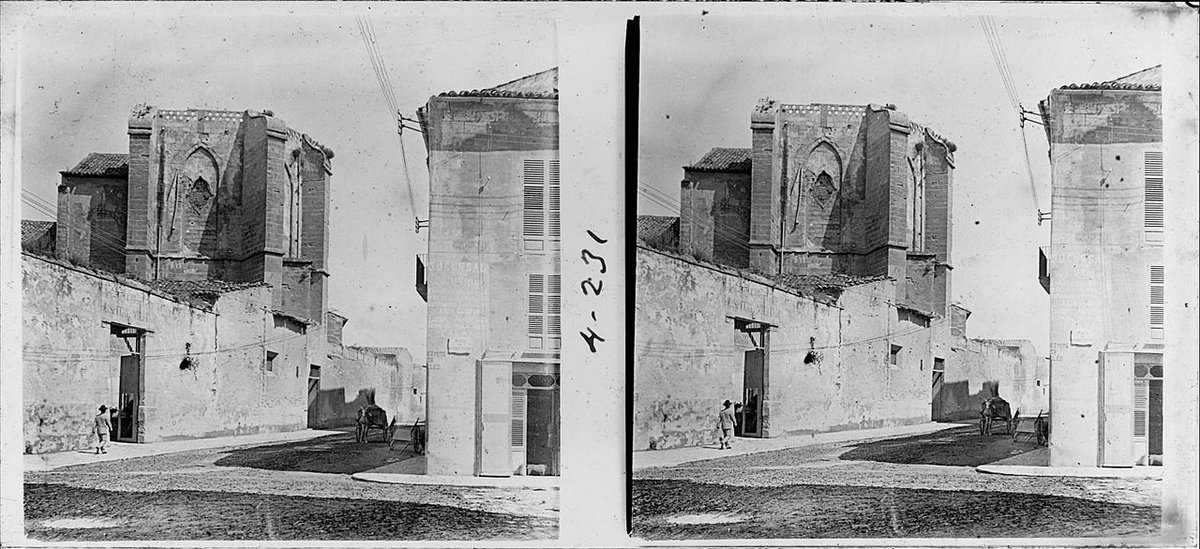
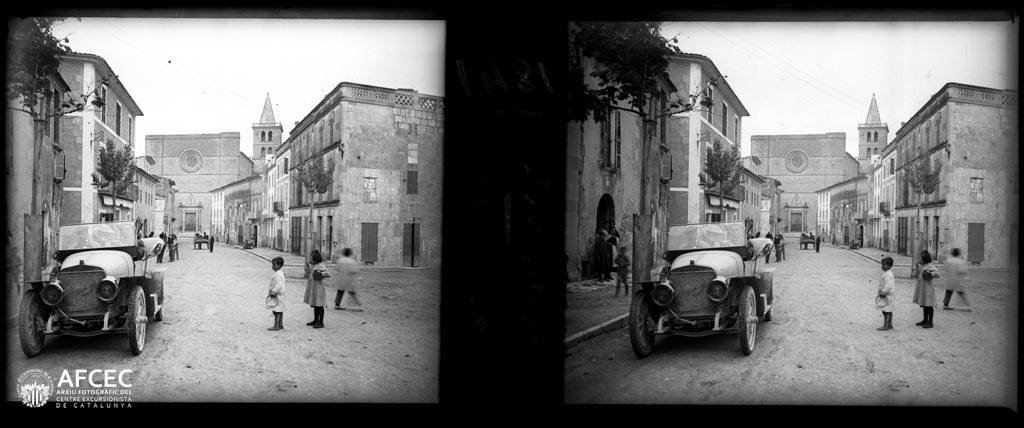
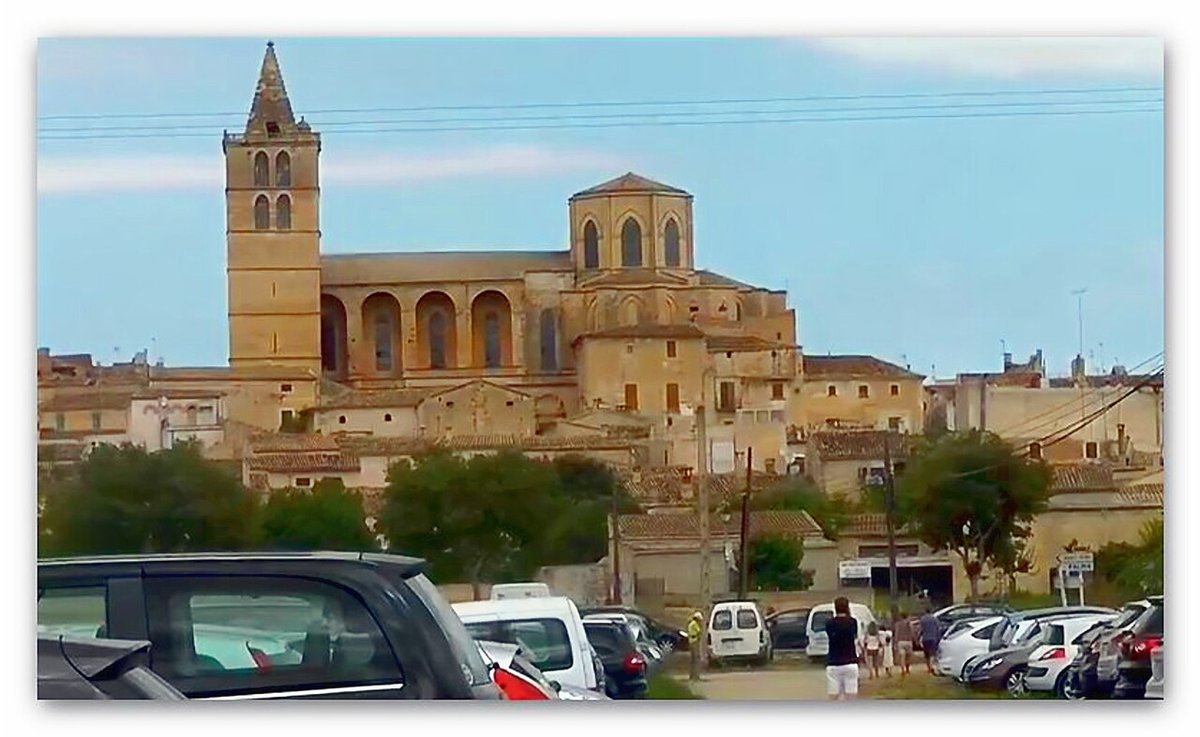
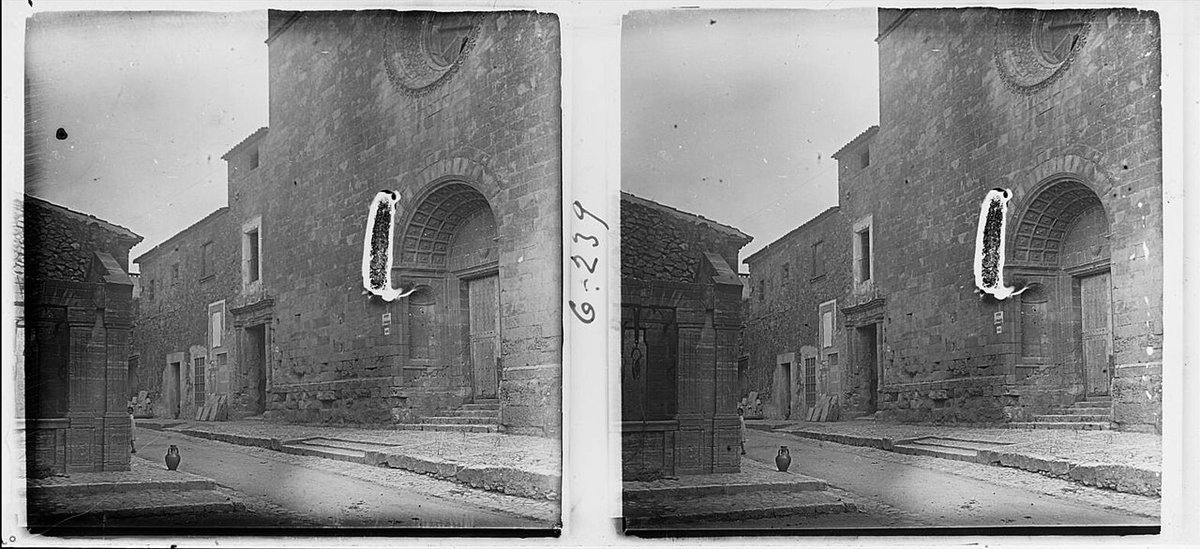
The built-up area of Costitx is small and easy to follow. Streets lead towards the central square, where the parish church of Santa María stands. The current building dates from after the medieval foundation of the village and has undergone various alterations over time, something common among rural churches in Mallorca.
The interest of the church lies less in its architecture and more in what it reveals about the layout of the village. For centuries, this was the point around which local life revolved: markets, gatherings and religious celebrations all took place here. The square still holds that role as a meeting place.
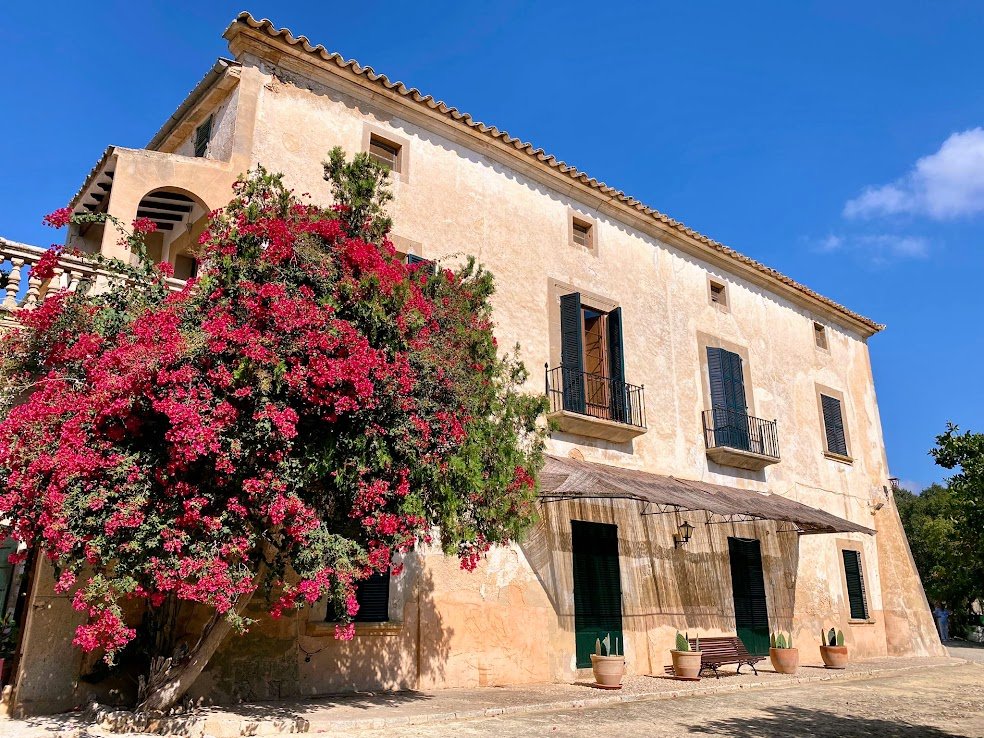
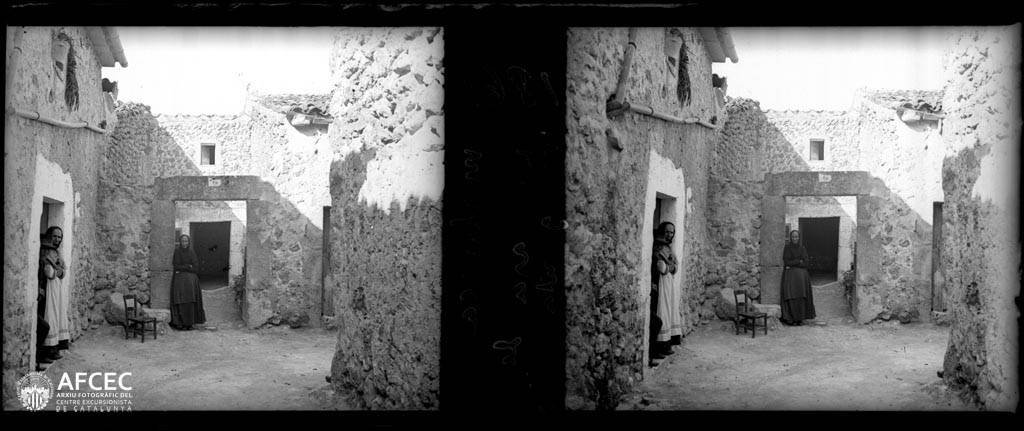
The rest of the centre can be explored without effort. Two-storey houses, pale stone walls and Mallorcan shutters painted in green or blue create a consistent domestic setting. It is not a monumental ensemble, but it reflects clearly the agricultural history of the Pla.
The working landscape of the Pla de Mallorca
Beyond the edge of the village, the landscape that defines Costitx comes into view. Large plots of land, almond trees, fig trees and cereal fields cover almost the entire area. Traditional structures linked to farming can still be seen among the properties, some of them very old.
This is not a decorative countryside. It remains productive. At different times of the year, the work in the fields changes, and with it the appearance of the surroundings. In winter, almond trees set the visual rhythm of the Pla. In summer, dry tones dominate, shaped by cereal crops and sunbaked soil.
Rural tracks help make sense of this layout. These are not routes designed for mountain hiking but agricultural paths connecting farms and small clusters of buildings. Walking along them gives a clearer idea of how the land is organised.
Astronomy in an unexpected setting
A short distance from the centre stands the Planetario de Mallorca. Its presence may seem surprising in such a small municipality, yet it reflects a long-running initiative to bring astronomical observation to the island’s interior.
The site combines dome projections with activities related to the night sky. When conditions allow, telescope observations are also organised. The programme changes depending on the season, so it is worth checking in advance.
The choice of location is not accidental. The Pla de Mallorca has lower levels of light pollution than the coast, which makes it easier to see the sky with greater clarity.
A short visit with a wider context
Costitx can be covered in a short amount of time. In one or two hours, it is possible to walk around the square, step into the church if it is open, and wander through the nearby streets. The appeal of the place lies more in its context than in a concentration of landmarks.
With a little extra time, it is worth heading just beyond the centre and following one of the agricultural paths that surround the village. A brief walk is enough to understand how the territory of the Pla is structured.
Before setting out, a few practical points help shape expectations. The planetarium does not operate on a fixed timetable, and many of its activities depend on clear skies. Checking the programme in advance helps avoid a wasted journey.
In summer, the middle of the day is best avoided if planning to walk along rural paths. Shade is limited, and the heat is strongly felt in this part of the island.
It also helps to approach Costitx with the right perspective. This is not a monumental village or a place designed to fill an entire day. Its interest lies in the Talayotic archaeology linked to the Toros de Costitx, in the agricultural landscape of the Pla de Mallorca, and in the unusual presence of a planetarium set among fields.
Reaching Costitx
Costitx is around 30 kilometres from Palma. The route runs along inland roads across the Pla de Mallorca, without major gradients but with quieter stretches where driving is slower than on the motorway.
There is a bus connection from Palma, although services are limited. If the visit is centred on the Planetario de Mallorca, it makes sense to check both transport options and the scheduled sessions in advance. This avoids having to organise the day around a single outward or return journey.