Full Article
about Lloret de Vistalegre
A farming village in the island’s geographic center, known for its figs and quiet.
Hide article Read full article
A village set in the plain
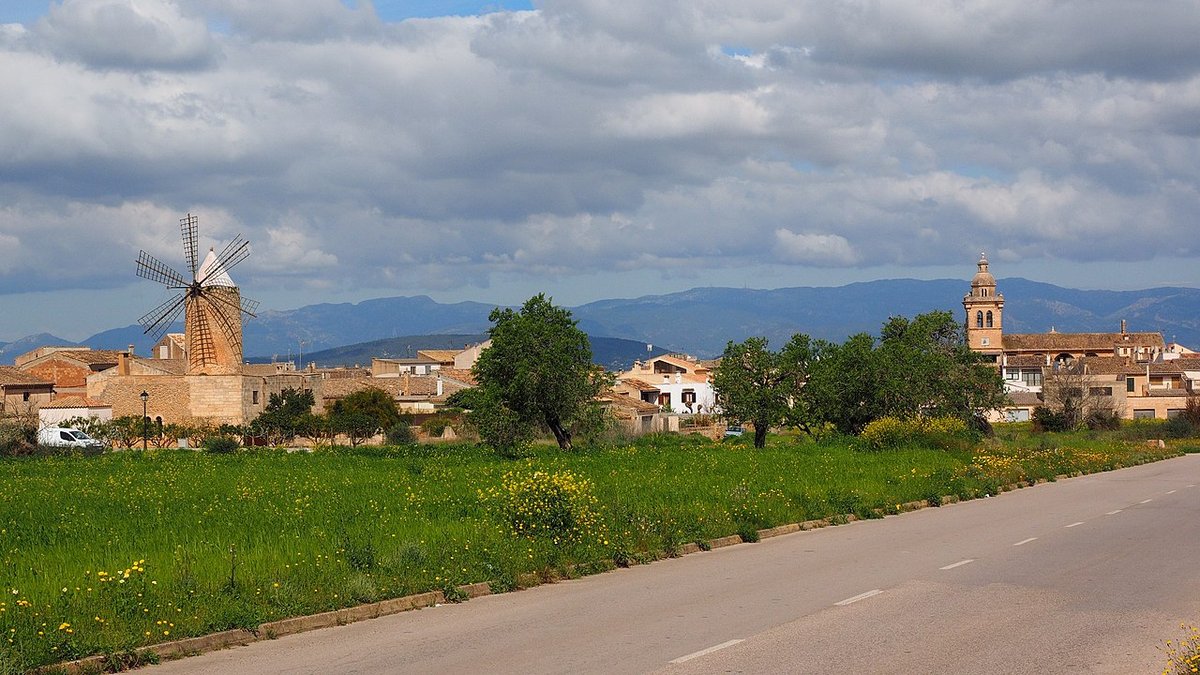
Tourism in Lloret de Vistalegre makes most sense when you start with a map. The municipality sits in the centre of Mallorca, within the flat territory known as es Pla, an agricultural region where the landscape has changed less than many expect on such a well-visited island. At around 150 metres above sea level and with fewer than 1,700 inhabitants, the village follows the logic of inland rural settlements: orderly streets, a central square that gathers public life, and surroundings shaped by the rhythms of farming.
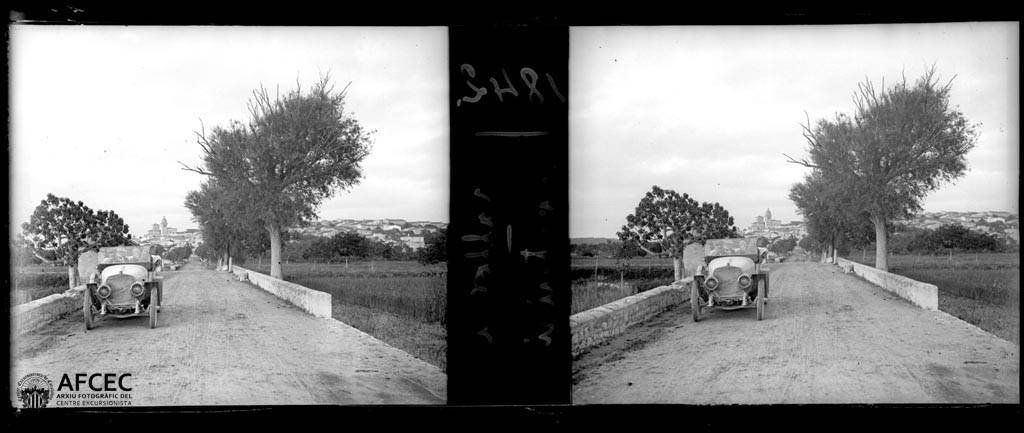
From the edges of the built-up area, the view opens quickly. The horizon stretches wide and almost level, dotted with windmills and possessions, large agricultural estates that organised the use of the land for centuries. With no major elevations to interrupt the view, the landscape is easy to take in at a glance.
Streets, stone and everyday architecture
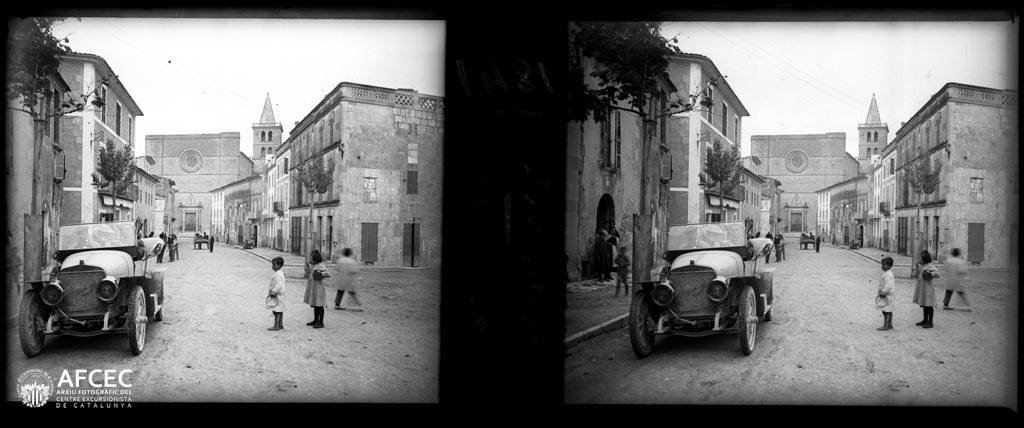
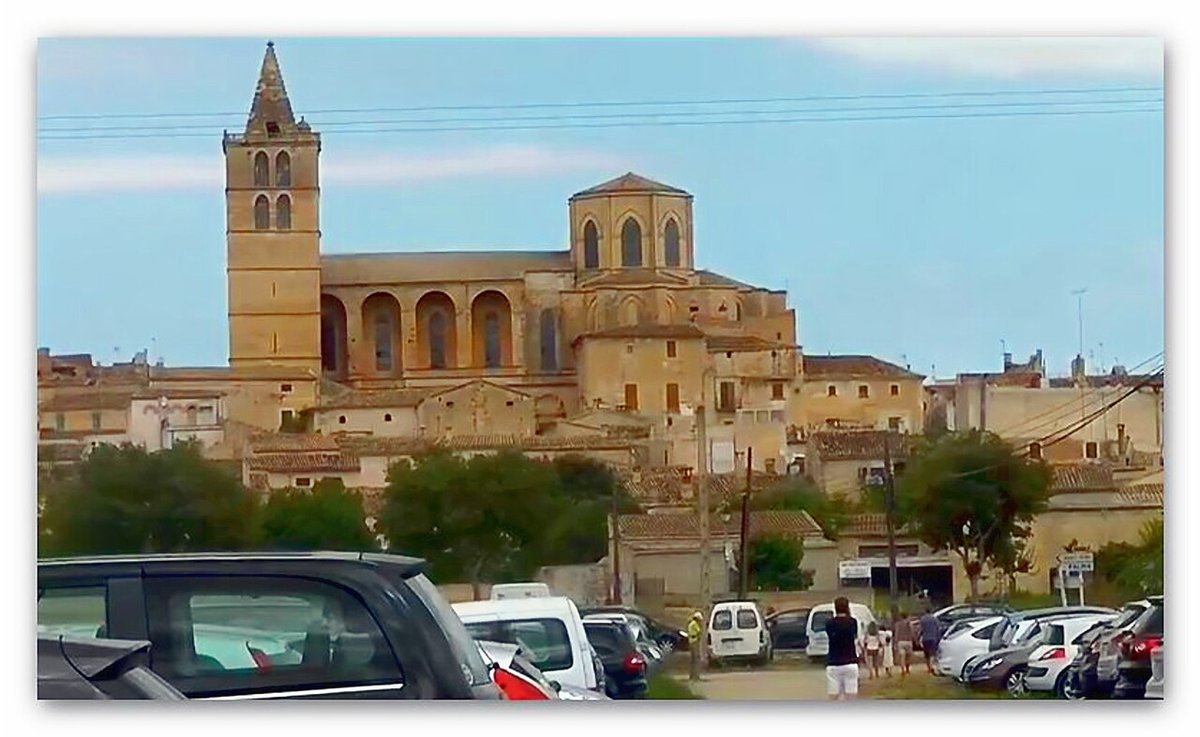
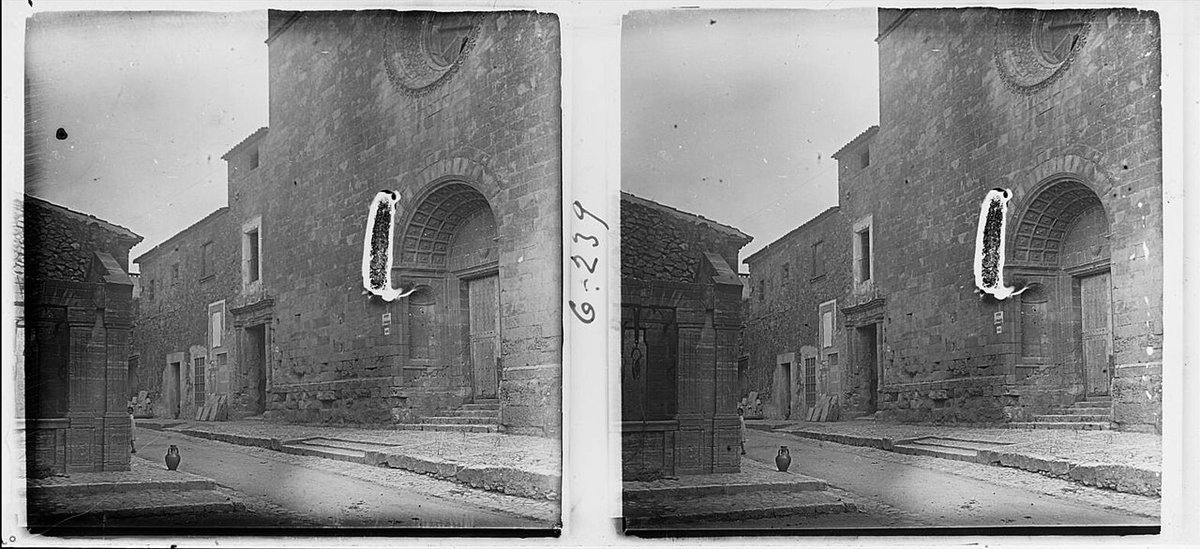
At the heart of the village stands the parish church of the Mare de Déu de Loreto, built in the 18th century. It is a restrained building with a single nave and a simple façade, typical of many inland Mallorcan churches from that period. Its importance lies less in decoration and more in its position. The square and much of the older street layout are arranged around it.
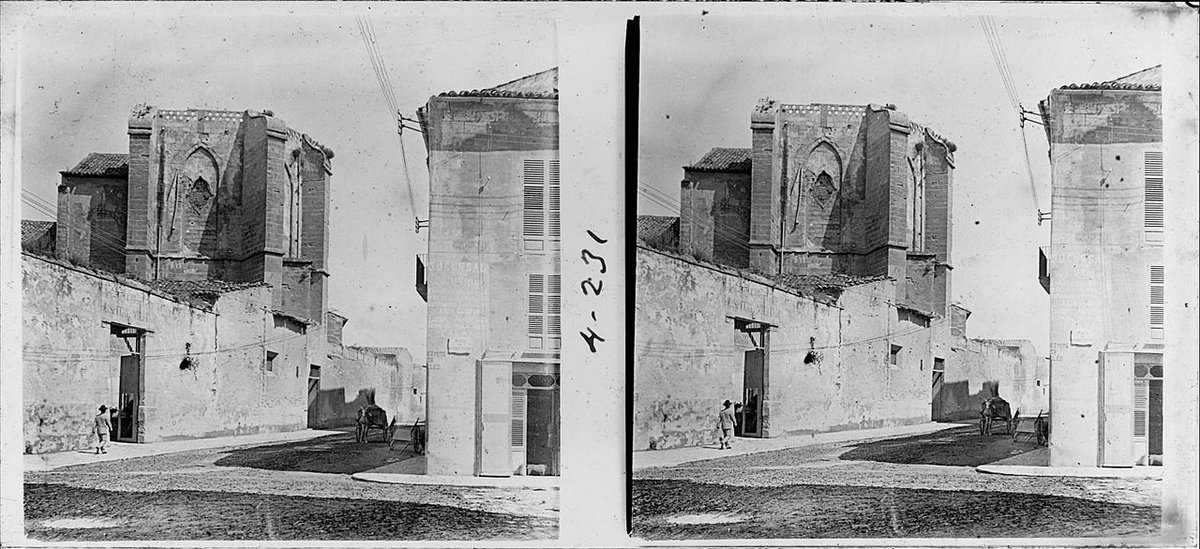
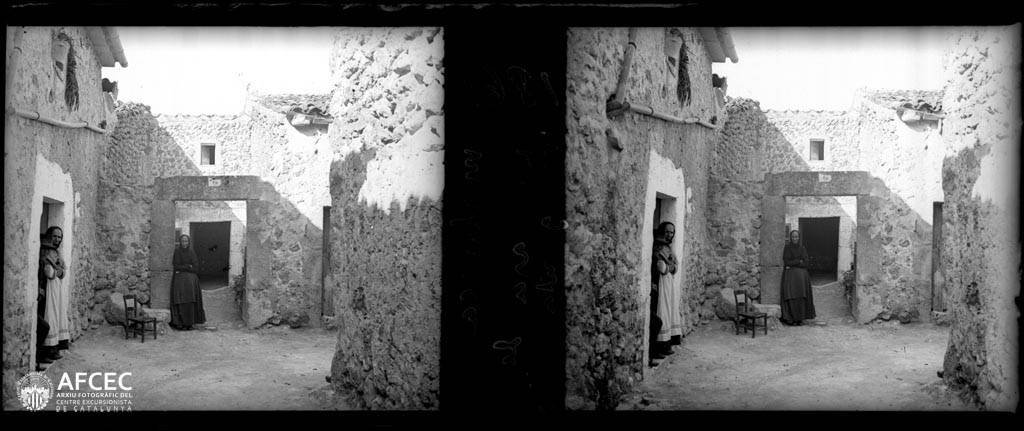
Houses in the historic centre are built from marés, the sandstone commonly used across Mallorca. Many doorways are wide, designed for carts to pass through, and it is common for them to open onto inner courtyards or yards that are barely visible from the street. Doors and windows tend to have straightforward woodwork, with practical metal fittings and little emphasis on ornament.
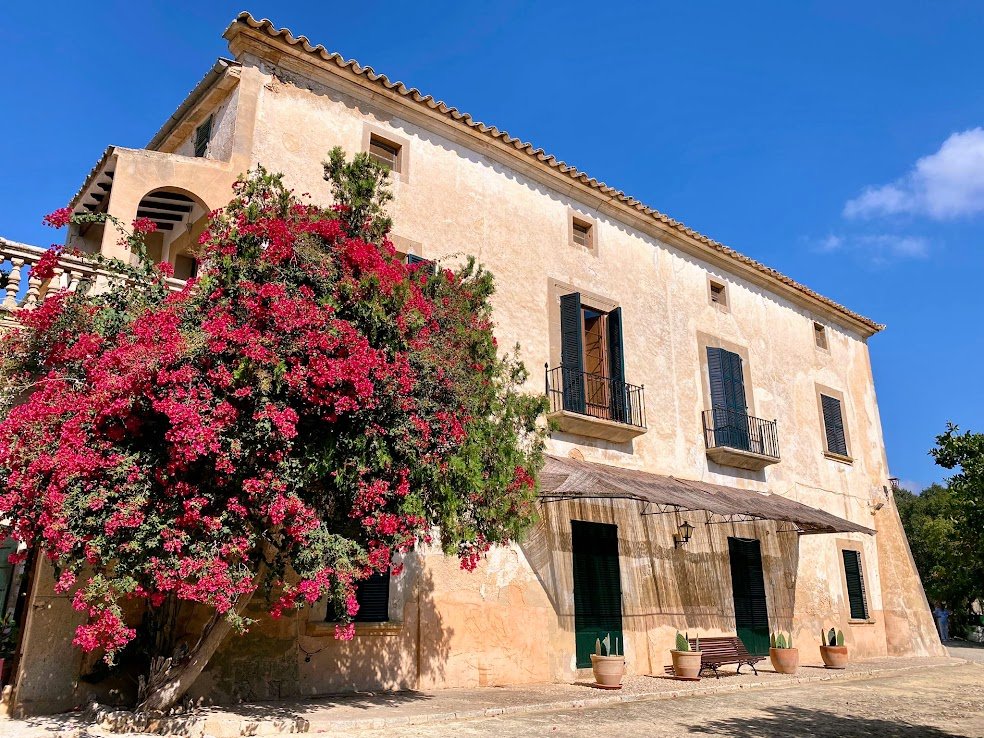
Domestic architecture here reflects a fairly austere way of life tied to agriculture and careful use of resources. There are no grand manor houses dominating the centre. What defines the streets instead is the farmhouse adapted to daily needs, shaped by work rather than display.
The agricultural landscape of es Pla
A few minutes beyond the village, rural tracks begin to branch out between plots of land edged with dry stone walls. Much of the surrounding terrain is still devoted to traditional crops of the Pla: cereals, legumes, almond trees, olive groves and some vineyards.
Across several possessions, elements remain that point to their former role as near self-sufficient agricultural units. Large houses, work buildings and, in some cases, small chapels or towers are still part of the landscape’s profile. These features help explain how the countryside functioned over long periods.
Windmills stand in different parts of the municipality, once used to draw water from underground. Most are no longer in operation, yet they make clear how irrigation was managed in an area where water has always been a delicate resource.
The appearance of the fields shifts noticeably with the seasons. Summer brings the golden tones of harvested grain. In autumn, freshly worked soil darkens the ground. Winter introduces more subdued greens, and spring fills the field edges with wildflowers.
Moving through the plain
The tracks that cross es Pla are wide and generally flat, as they were created for agricultural work rather than leisure walking. It is common to come across tractors or local residents heading out to their plots.
Signposting is limited and there is little infrastructure aimed at walkers. Anyone heading out on foot or by bicycle should be prepared with water, sun protection and some form of orientation. In summer, the middle of the day can be demanding, while early morning or late afternoon tends to be more manageable.
For a broader view of the region, many locals head to the Puig de Bonany, already within the municipality of Petra. From there, the extent of Mallorca’s central plain becomes clear, and when the air is particularly clear, the sea can even be glimpsed in the distance.
Festive dates and quieter rhythms
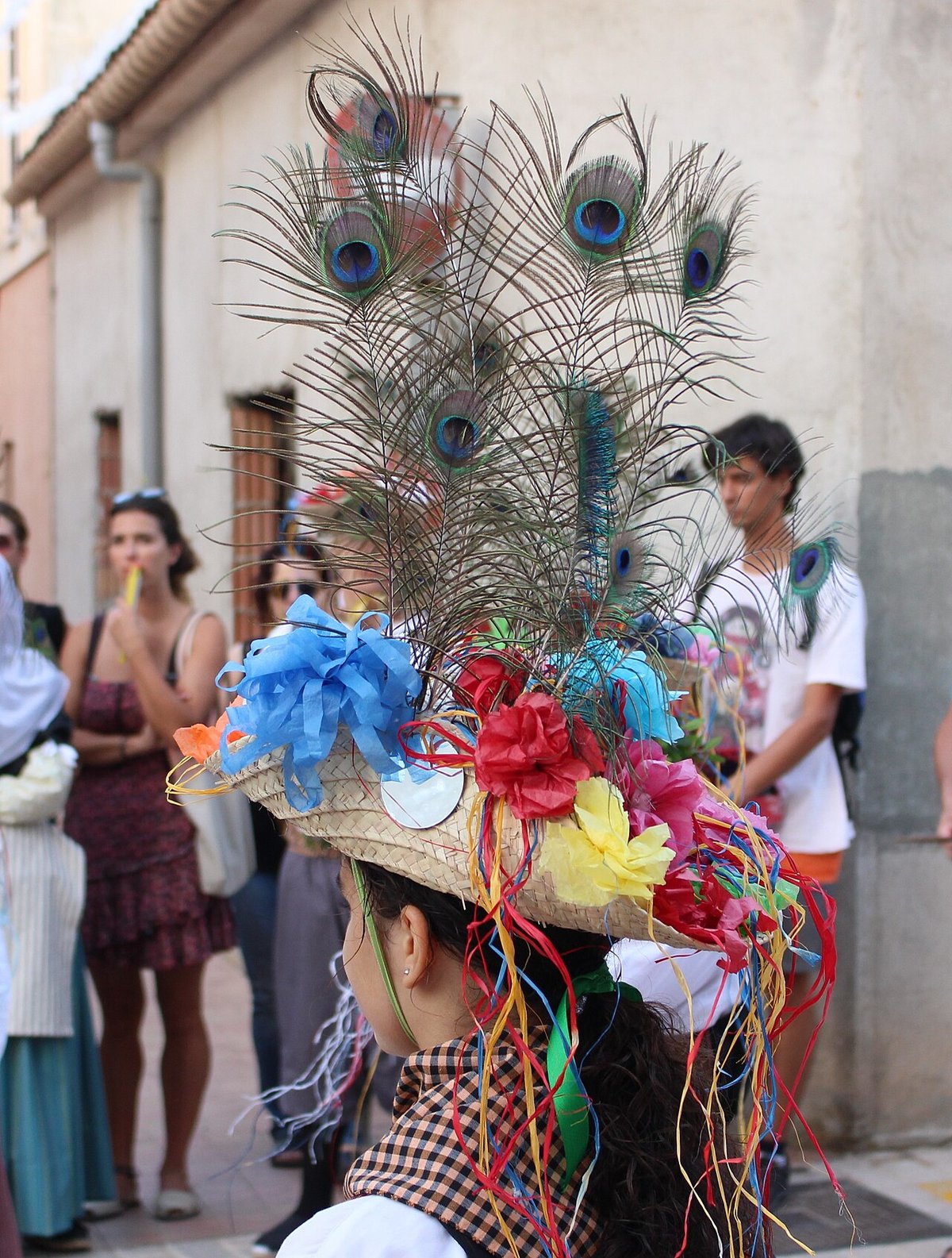
The main celebrations take place in August. The Mare de Déu de Loreto, in the middle of the month, and Sant Bartomeu a few days later mark the village’s festive calendar. During these days there are religious events, music in the square and gatherings that bring a noticeable increase in activity.
Outside these dates, social life is quieter and revolves around family routines and agricultural work. In autumn, for example, the grape harvest and olive picking continue to set the pace on many of the surrounding estates.
A brief stop with a wider context
Lloret de Vistalegre is a small village with basic services. A visit to the centre, including the square, the church and a few nearby streets, does not take long, perhaps half an hour at an unhurried pace.
What defines the place lies beyond the core. The tracks of the Pla, the agricultural estates and the open landscape explain much of the history of inland Mallorca. Rather than a destination for several days, it often works as a short stop to understand what the island is like away from the coast. The interest here is in observing how the land is organised and how a rural environment continues to function with continuity and restraint.