Full Article
about Llubí
Traditional town known for caper farming and its well-preserved vernacular architecture; genuine rural atmosphere
Hide article Read full article
Llubí, el pueblo de la alcaparra
Llubí es como ese amigo que no necesita llamar la atención para que te fijes en él. Está ahí, en medio del Pla de Mallorca, sin montaña ni mar a la vista. Si pasas por la carretera de Inca a Alcúdia, casi ni lo notas. Pero si paras, te encuentras con un dato curioso: buena parte de las alcaparras de Baleares salen de aquí. Es como si un pueblo pequeño se hubiera especializado en algo tan específico que casi parece una broma. Hasta que ves los campos.
Las matas de alcaparra son bajas, con hojas redondas y carnosas que aguantan bien el sol. En verano sacan una flor morada que brilla contra la tierra seca. No es un cultivo espectacular, pero aquí le han sacado partido. Da la sensación de que en Llubí se valora más lo útil que lo decorativo.
Un centro compacto y sin pretensiones
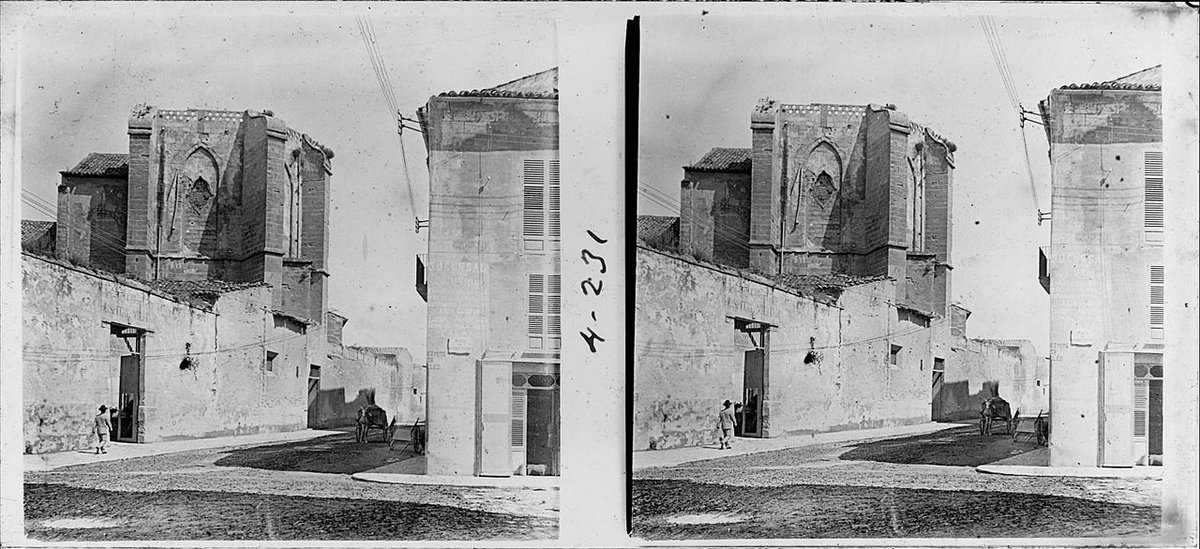
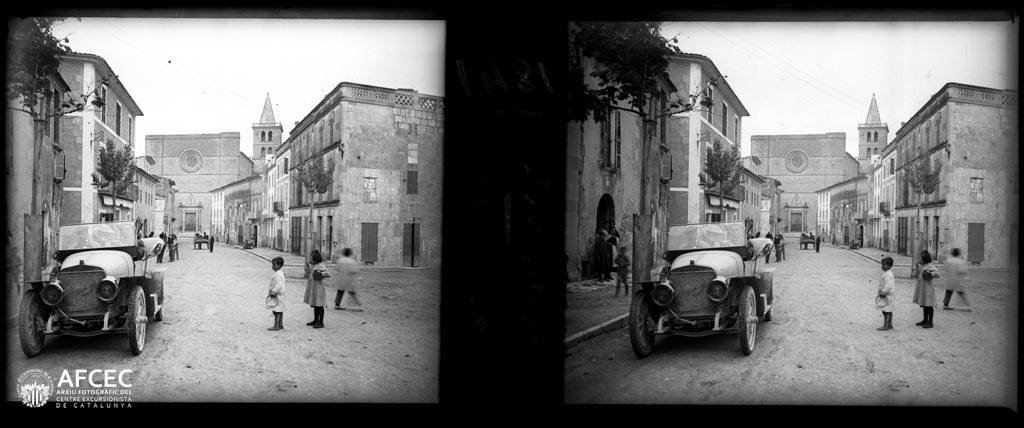
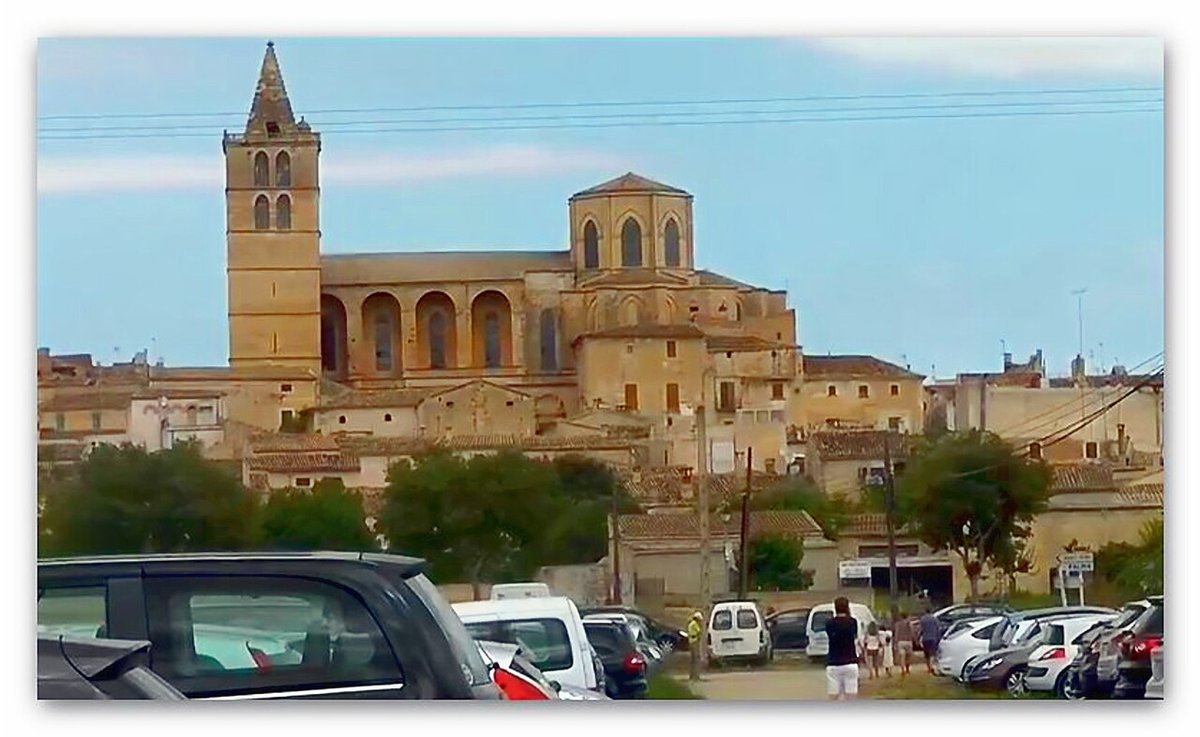
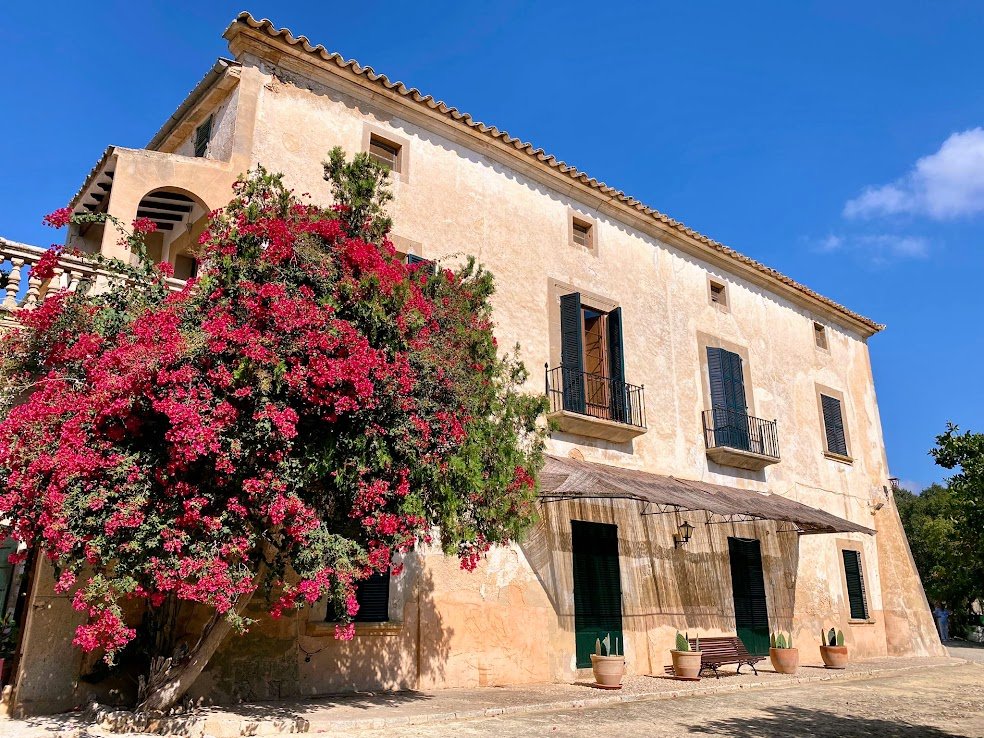
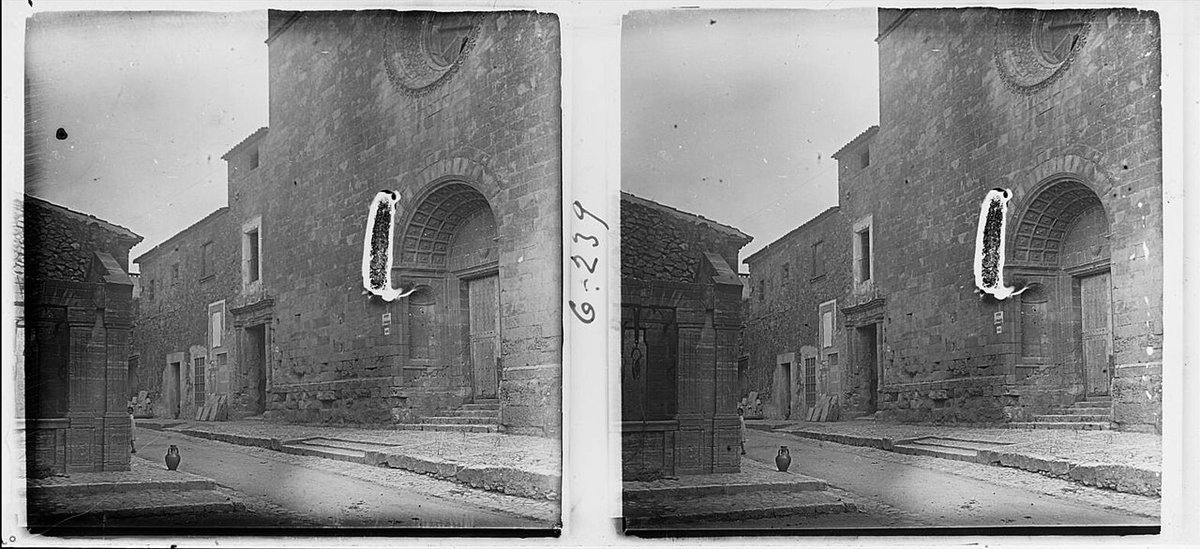
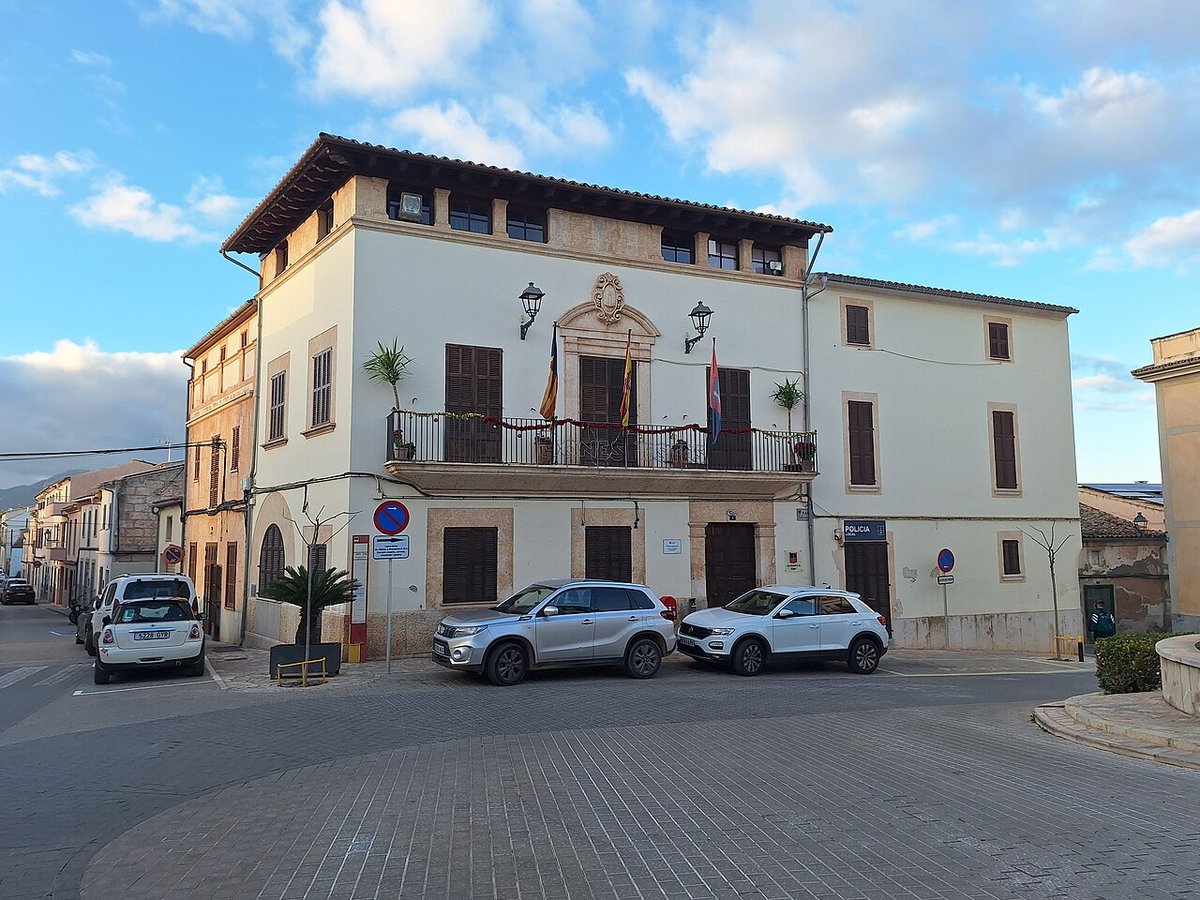
Con unos 2.500 habitantes, el pueblo tiene esa escala en la que todo está a mano. El núcleo son unas pocas calles principales y otras más estrechas, con casas de piedra que han visto pasar muchos veranos. No hay una plaza mayor monumental ni una catedral. La iglesia de Sant Feliu es sobria, sin grandes florituras.
La vida aquí transcurre sin mirar al mar. La playa no es el centro de nada. En cambio, es común ver gente dando el paseo hasta la ermita del Sant Crist del Remei, en una pequeña loma a las afueras. La cuesta es suave, se hace en diez minutos, pero cambia por completo la perspectiva.
Desde arriba se ve el Pla en toda su extensión: una llanura agrícola partida en parcelas rectangulares, con caminos que se pierden en el horizonte. La ermita es blanca y sencilla, del siglo XIX. Su campana suena más a despertador antiguo que a toque solemne.
Abajo, en el pueblo, el ritmo es pausado. Se habla en las puertas, los perros duermen a la sombra y las persianas están bajadas durante las horas de más calor. No parece un lugar preparado para recibir visitantes; simplemente sigue funcionando.
Los molinos dispersos por el campo
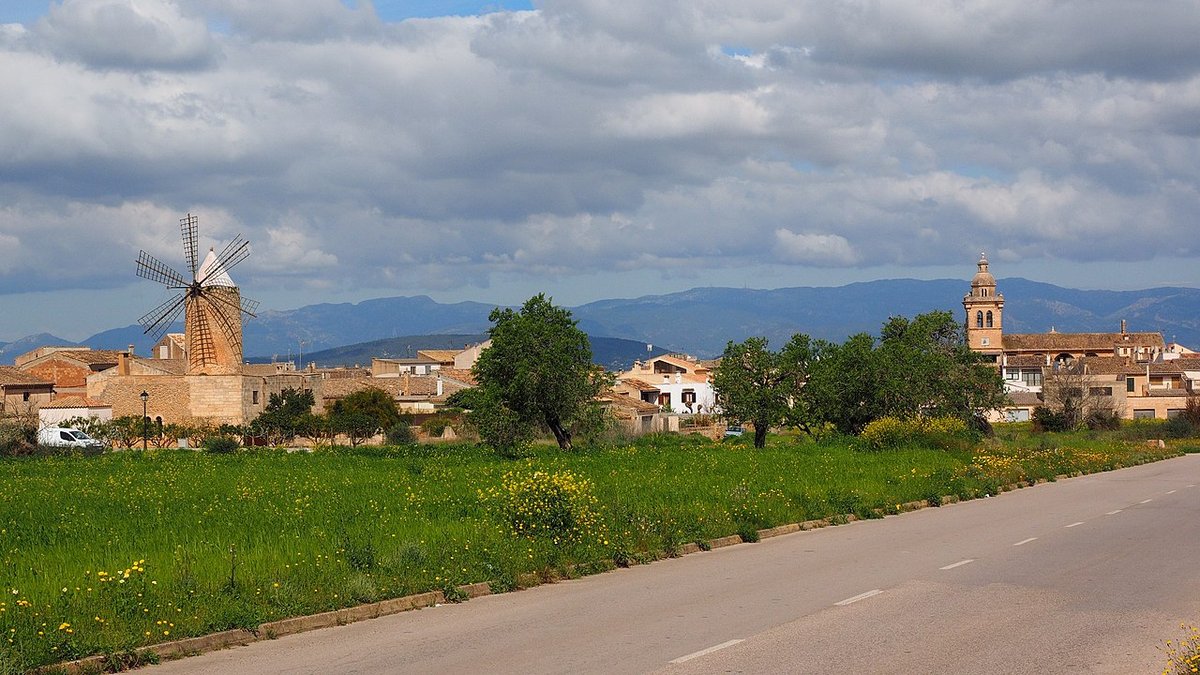
Si preguntas qué ver por los alrededores, tarde o temprano saldrán los molinos de viento. Quedan varios dentro del término municipal, algunos restaurados y otros no tanto. No están juntos; aparecen desperdigados por el campo como hitos olvidados.
Para verlos bien lo mejor es coger una bici o ir andando por alguno de los caminos rurales. El terreno ayuda: es plano como una mesa. A veces pasas entre almendros y higueras; otras veces el campo está abierto hasta donde alcanza la vista.
Los molinos van surgiendo poco a poco en el horizonte. Con sus aspas grandes y su estructura cilíndrica parecen demasiado contundentes para un paisaje tan tranquilo.
La época importa aquí. A finales del invierno florecen los almendros y los campos se llenan de manchas blancas y rosadas durante unas semanas. No hay miradores preparados ni rutas señalizadas; simplemente pasa mientras caminas.
Las ferias del otoño
Llubí tiene fama comarcal por sus ferias de otoño: la Fira de la Mel (miel) y la Fira de Tardor (otoño). Ambas giran alrededor de lo que produce esta tierra.
La feria de la miel reúne a apicultores de la zona con variedades distintas según qué flores haya alrededor de sus colmenares. Suele haber charlas sobre cómo se cuidan las abejas o cómo se extrae la miel.
La feria agrícola llena las calles con maquinaria antigua y moderna, herramientas y puestos donde venden desde queso hasta embutido casero.
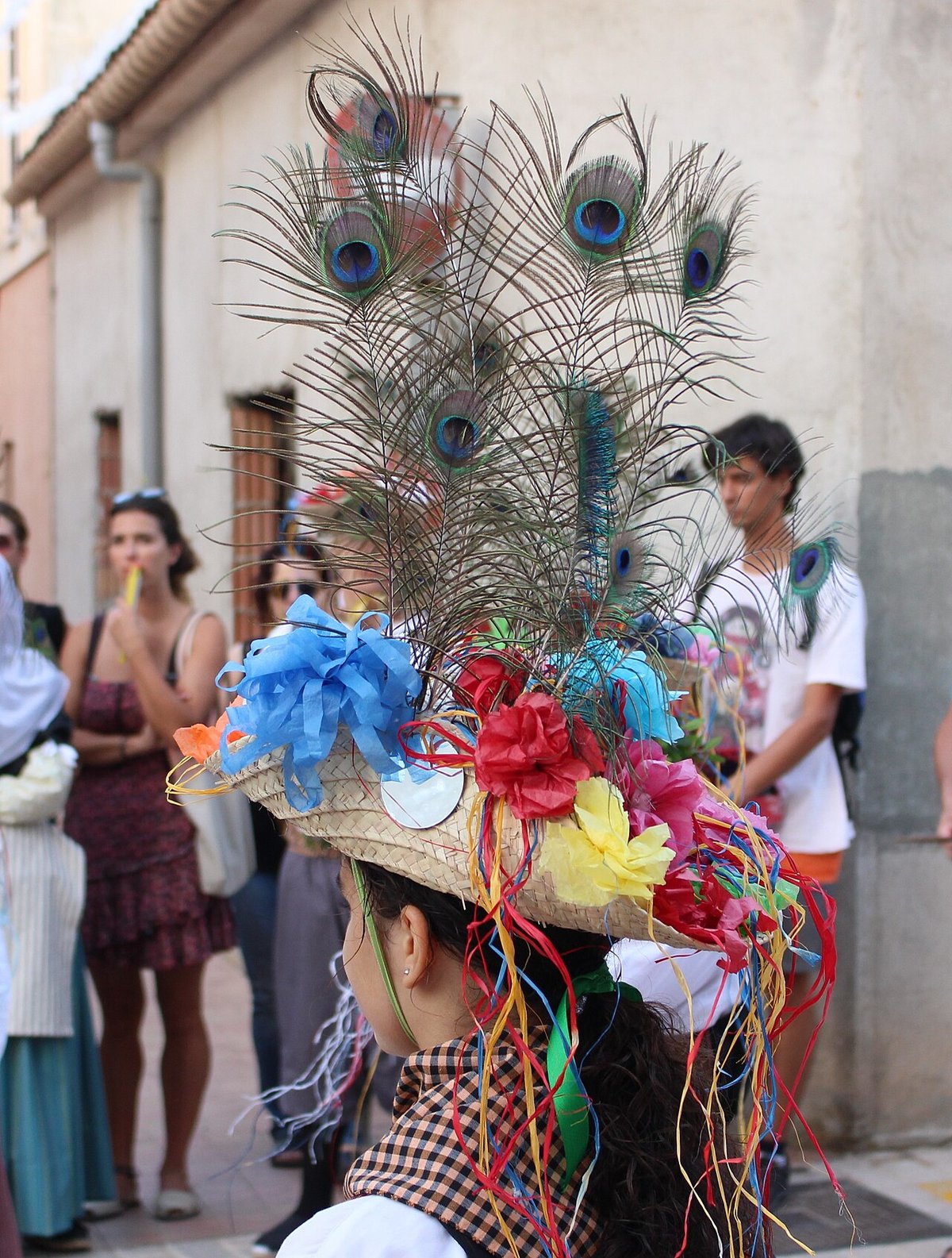
Durante ese día cambia completamente el ambiente del pueblo: hay más bullicio en las calles principales, aparecen puestos de comida y familias enteras paseando entre tractores aparcados en cualquier hueco libre.
No tiene ese aire pulido dirigido al turista; parece más bien una reunión vecinal ampliada donde también cabe quien quiera acercarse.
Caminar sin prisa
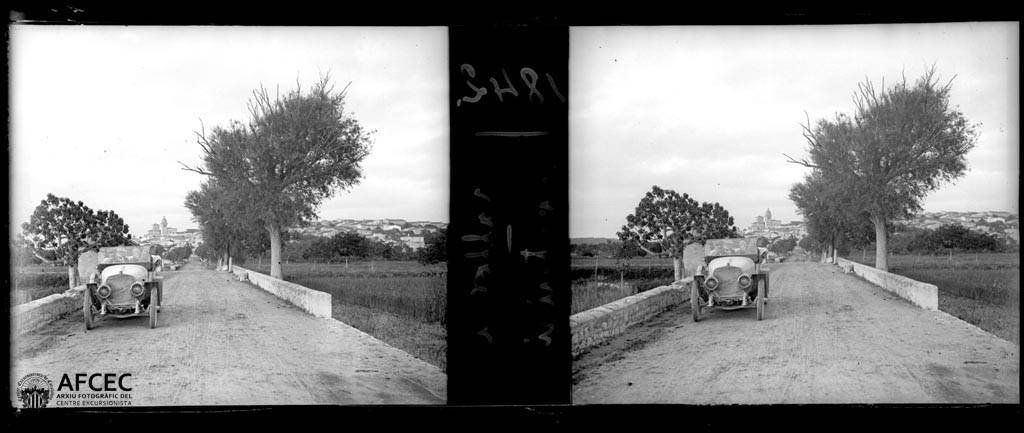
Lo peor que puedes hacer aquí es ir con lista de cosas para tachar porque no hay monumentos estrella ni museos imprescindibles. Lo interesante está fuera del casco urbano: seguir alguno sendero rural hasta perder vista del pueblo. Una ruta conocida sigue parte del antiguo camino hacia Muro paralela durante kilómetros a la vía del tren mallorquín (el "Tren"). A veces vas entre campos abiertos; otras entre paredes seca hechas con piedra amontonada sin argamasa. No hay fuentes ni bares durante gran parte del recorrido así conviene llevar agua encima antes salir. Lo importante aquí no son horarios sino ritmos internos: dejar tiempo para observar detalles pequeños—una puerta abierta dejando ver patio interior sombreado; alguien arreglando red antigua garaje; gato tomando sol tejado bajo—que terminan definiendo carácter lugar mejor cualquier explicación teórica posible dar sobre él mismo sitio visitado anteriormente ya antes ahora mismo actualidad presente momento justo ahora mismo hoy día actual contemporáneo moderno siglo XXI etcétera etcétera…
Llubí difícilmente te dará postal típica Mallorca playera montañosa tampoco pretende hacerlo ofrece versión distinta isla menos inmediata quizás más real porque depende menos imagen exterior más funcionamiento interno propio basado agricultura rutinas anuales paisaje llano honestamente llano sin disimularlo siquiera intentarlo apenas apenas apenas apenas apenas apenas…
Hasta su producto estrella tiene historias propias: dicen algunos vecinos mayores mejores alcaparras recogen luna llena evitar amargor excesivo otros simplemente madrugar mucho recoger antes caliente demasiado… sean ciertos no reflejan forma conocimiento pasa generaciones sitios así mezcla práctica creencia popular difícil separar completamente ambas cosas siempre siempre siempre siempre…
Al final Llubí trata menos lugares concretos fotografiar conjunto general coherencia interna pequeño pueblo centro Mallorca sostenido sus campos sus ferias ritmo constante independiente casi todo lo demás fuera límites término municipal propio único exclusivo particular singular irrepetible…