Full Article
about Maria de la Salut
Quiet Pla village devoted to farming; known for its ramellet tomatoes and melons.
Ocultar artículo Leer artículo completo
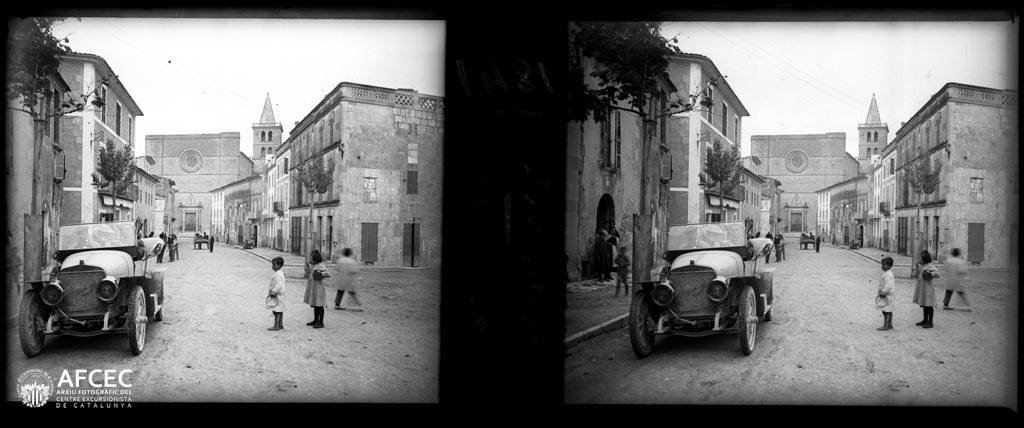
A tractor at half-ten is the closest thing to rush hour. It rumbles down Carrer Major, indicators flashing, almond branches brushing the mudguard. By the time the driver has parked outside the agricultural co-op, the village has already had its second coffee and the bakery’s pastry trays are empty. Nobody looks up. This is Maria de la Salut, 123 m above the sea on the open plain of Mallorca’s interior, and the day runs on combine-harvester time.
The flat that gives you space
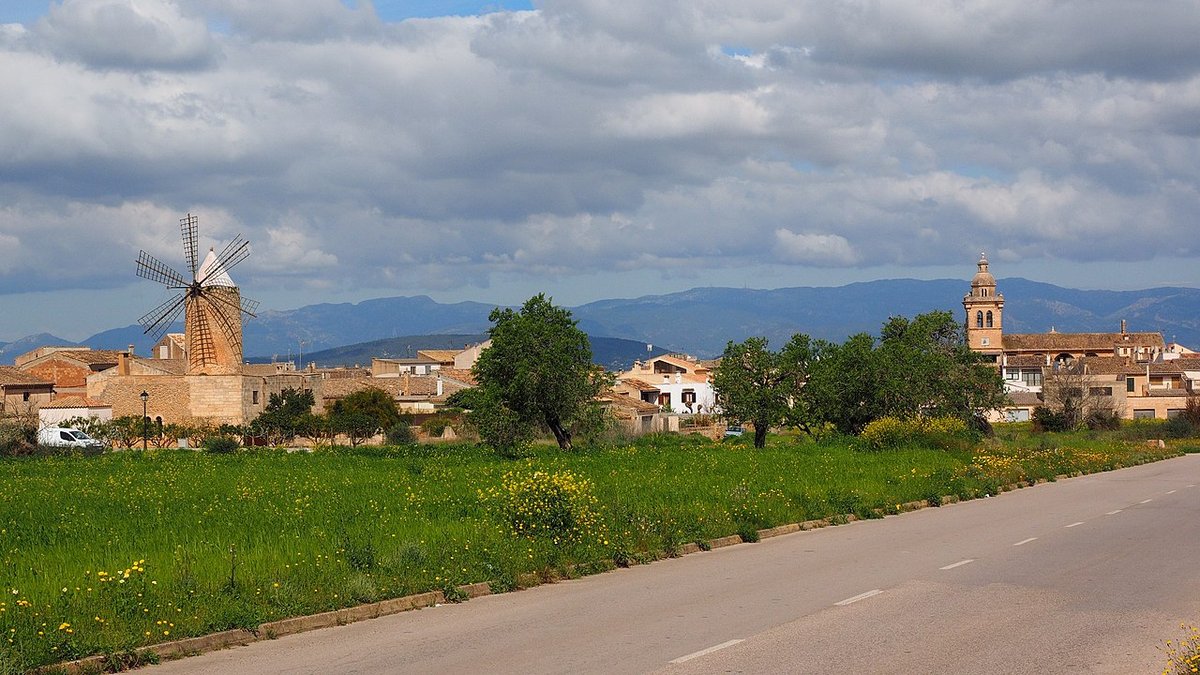
The Pla de Mallorca is pancake-flat, stitched together by dry-stone walls and lanes so quiet you can hear a bicycle freewheel at 200 paces. The village sits in the middle of it, 25 km from Palma, 16 km from the nearest sand. From almost any street you look across a mosaic of almond, cereal and artichoke plots to the next settlement—Sineu, Llubí, Santa Margalida—each one a low, ochre smudge under the Tramuntana skyline.
That horizon makes sunset addictive. Between February and May the almond blossom turns the fields white-pink; the walls glow rose-gold for twenty minutes while the sky fades through every shade of diluted squash. After dark the only illumination is the blinking light on the wind-pump and the street lamps outside Bar Central, where the domino league keeps score on a chalkboard that hasn’t been wiped since 1998.
What passes for sights
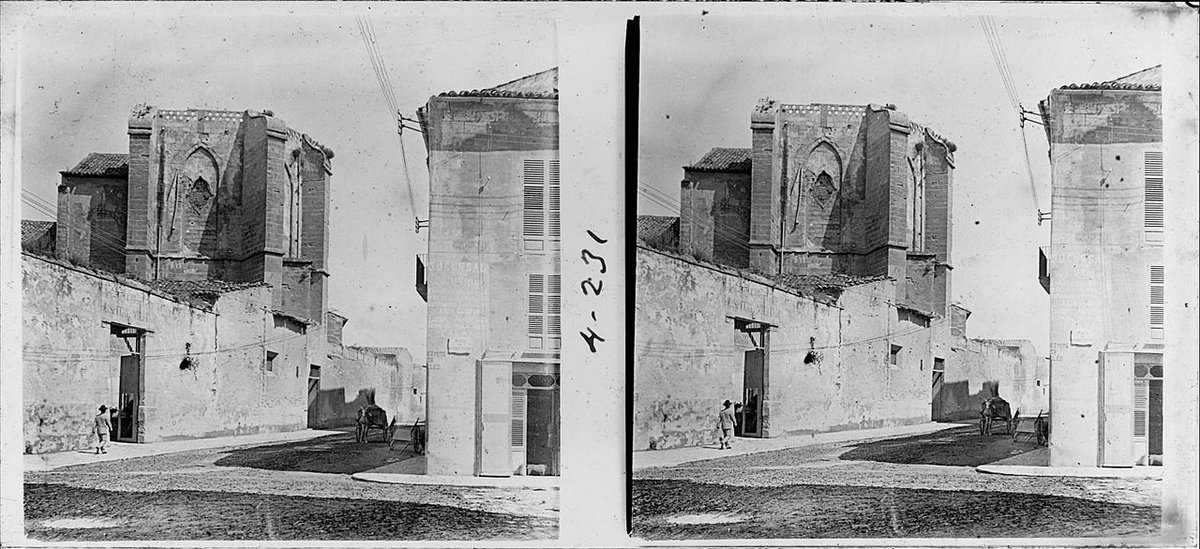
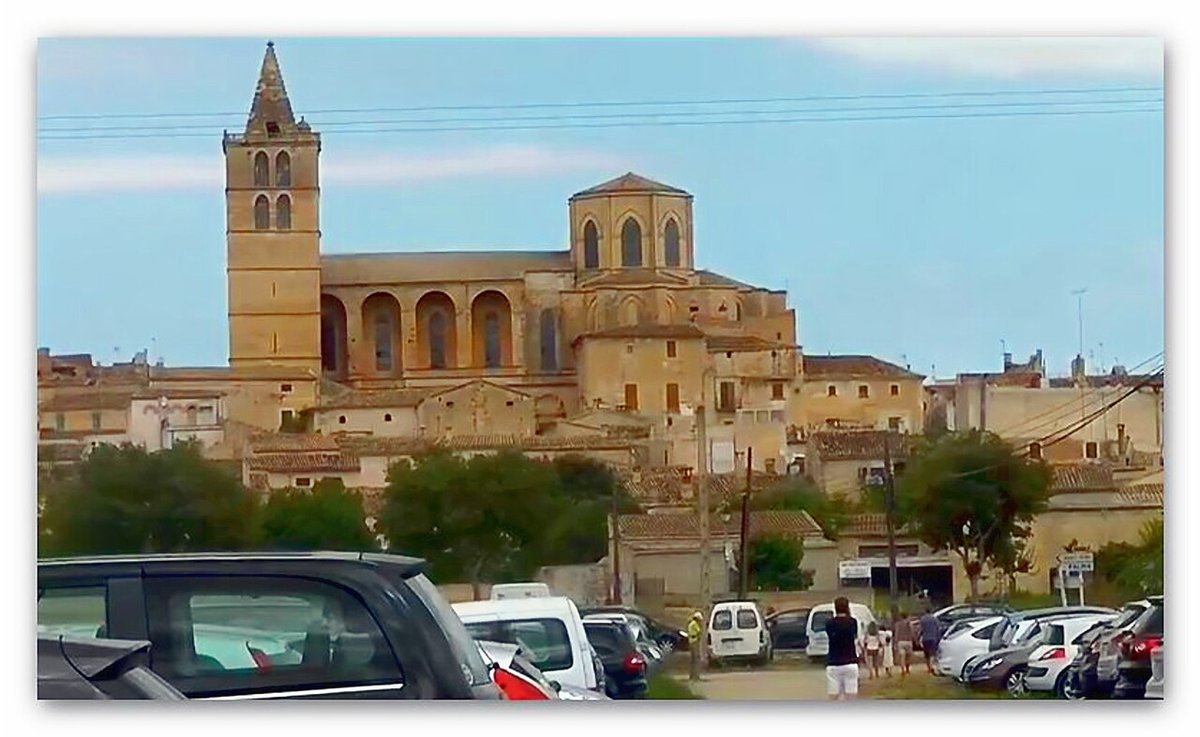
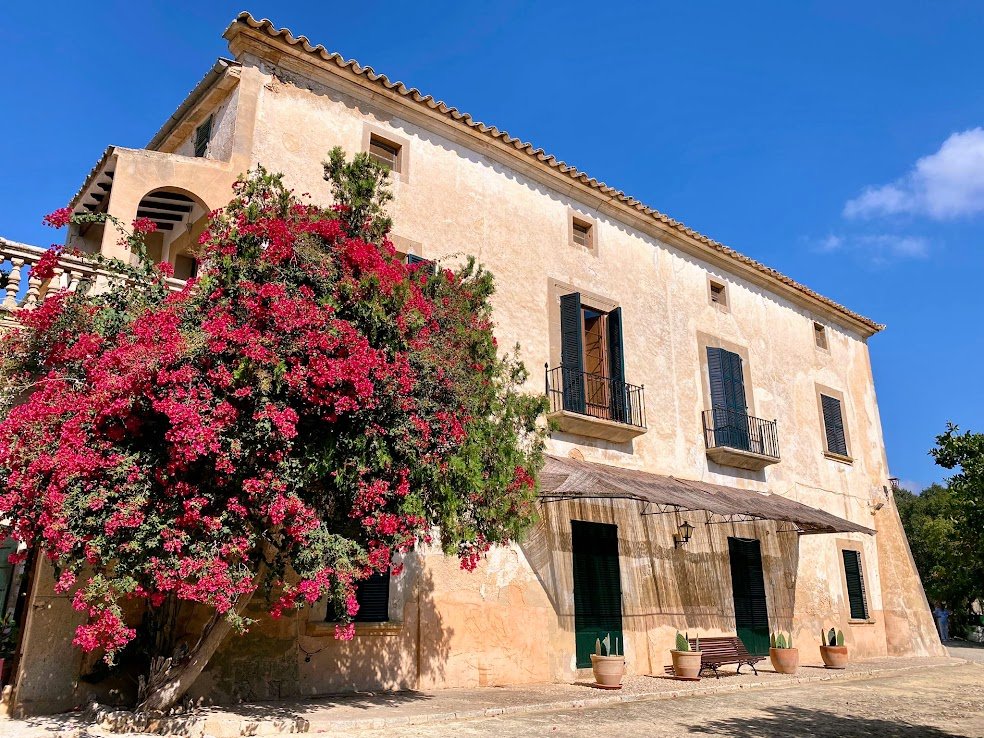
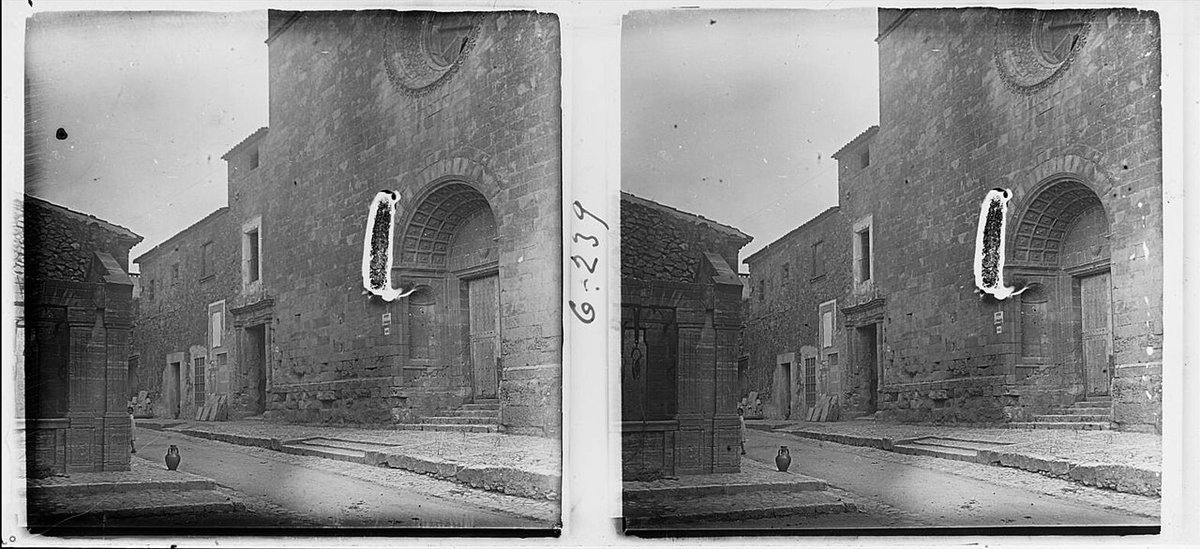
The eighteenth-century parish church of Santa María is handsome rather than grand: local stone, a single nave, wooden altarpiece carved by craftsmen who also made ploughs. The door is normally open until 13:00; step inside and the temperature drops ten degrees. A laminated sheet in four languages tells you the architect was a pupil of Jaume Ferro, which means something to art historians and absolutely nothing to the two old women lighting candles for their husbands’ fishing boats.
Behind the church the lanes narrow into the area called ses Roques. Here the houses are older, their doorways low enough to bang a six-footer’s head and their jambs etched with the mason’s mark. It takes roughly forty minutes to walk the historic core, including a polite stop to admire someone’s geraniums and a detour round the delivery van blocking Carrer de l’Amistat. If you need more time, order a cortado at Cafè de s’Esparta and let the waitress explain why the pastry is shaped like a tractor tyre.
On the edge of the village three iron windmills—built in 1923 to pump groundwater—still turn on breezy days. They are not tourist attractions, just agricultural machinery that happens to be photogenic. Farmers park their cars underneath and leave the sails to creak; Instagrammers arrive at dawn and try not to include the Citroën Berlingo in shot.
Friday morning: the weekly pulse
Market day is the social event. Stalls open at 08:00 and pack up before the siesta bell rings at 14:00. There are only twenty-odd pitches: one for honey flavoured with rosemary, one for tomatoes that actually taste of tomato, one for socks and another for knives sharp enough to slice newspaper. The queue at the sobrassada van moves slowly because everyone wants to gossip about rainfall. Bring cash; the nearest ATM runs out of twenties by 11:00.
If you time it right you can breakfast on pa amb oli straight from the stall—country bread rubbed with Ramellet tomato, topped with a slab of local cheese and a drizzle so thick the oil leaves green shadows on the paper plate. Price: €3.50, napkins free. Eat it leaning against the stone cross while the church bell strikes ten and the village dogs perform their daily census of ankles.
Eating after the tractors sleep
Evenings are quiet enough to hear almonds drop. The restaurants—there are four—open at 19:30 and wind down by 22:00. Cellar de Maria occupies an old wine cellar with a vaulted ceiling and tables made from barrel staves. The menu never changes much: roast chicken scented with garlic and bay, artichokes braised in white wine, almond cake served warm so the vanilla ice-cream slumps into it. A half-carafe of local rosé costs €6 and tastes like strawberries left in the sun.
For something lighter Bar Sa Plaça grills sobrassada until the paprika oils seep into the bread, then drizzles honey over the top. Sweet-salty, moreish, and small enough to justify ordering two. Close the night with a hierbas at 23:00 and you will still be in bed before the village teenagers have finished arguing about football outside the chemist.
When to come, when to stay away
January and February bring almond blossom and daytime temperatures of 15 °C—T-shirt weather if the wind drops. March can be wet; the lanes turn to ochre paste and hire-car companies sigh at the state of the footwells. April and May are golden: green wheat, yellow cape sorrel, skies rinsed clean by winter rain. October repeats the trick in reverse, with the bonus of grape harvest and free samples at the cooperative winery.
July and August are hot, flat and loud with cicadas. At midday the stone walls radiate heat like storage heaters; shade is scarce and the baker sells out of ice-cream by 10:00. Accommodation prices drop 30 % if you promise to arrive after 18:00 and leave before 09:00—effectively paying not to be here during the furnace hours. Winter nights dip to 4 °C; most rural hotels close and the weekend trade relies on cyclists who think 7 °C is “bracing”.
Getting here, getting round
Public transport exists in theory. Bus 400 trundles from Palma via Sineu twice on weekdays, once on Saturday, never on Sunday. The journey takes two hours, the last return leaves at 14:10, and the driver will forget to stop unless you ring the bell in fluent Mallorquin. Hire a car at the airport instead; the drive is 35 minutes on the Ma-13, exit 37, then follow the signs past the wind-pump that looks like an oversized desk fan. Parking is free everywhere; even on market day you’ll find a space within 200 m of the square.
Cyclists love the Pla because it is flat, but remember the helmet law—local police occasionally lurk by the Sineu junction with a stack of €80 fines. Bring two water bottles in summer; the only fountain is outside the town hall and the water tastes of calcium. Walkers can follow the old railway line that once connected Palma to Alcúdia; the sleepers are gone, the gravel is smooth, and shade is provided by the occasional overhanging carob.
One village, two faces
Maria de la Salut is not pretty in the picture-postcard sense. The concrete grain silo dominates the southern approach, satellite dishes bloom from rooftops, and someone is always jack-hammering a patio. What it offers is continuity: bread at 06:00, market at 08:00, siesta at 14:00, dominoes at 20:00. If you want nightlife, go to Palma. If you want a beach, drive 25 minutes north and pay €12 for a sun-lounger. Use the village as a base, not a checklist. Book a cottage with a pool, stock up on tomatoes and rosé, and let the tractor timetable reset your body clock.