Full Article
about Muro
A municipality that blends a traditional inland village with a long stretch of coast at Playa de Muro; part of Albufera.
Ocultar artículo Leer artículo completo
The church bell strikes eleven and the whole square seems to exhale. Stallholders at Muro’s Sunday market stop shouting prices, neighbours swap the local gossip in rapid Catalan, and a British couple realise the paper cone of freshly-squeezed orange juice they just bought costs less than the parking ticket they failed to buy. That is Muro in a gulp: rural, candid, and cheaper than the coast only eight kilometres away.
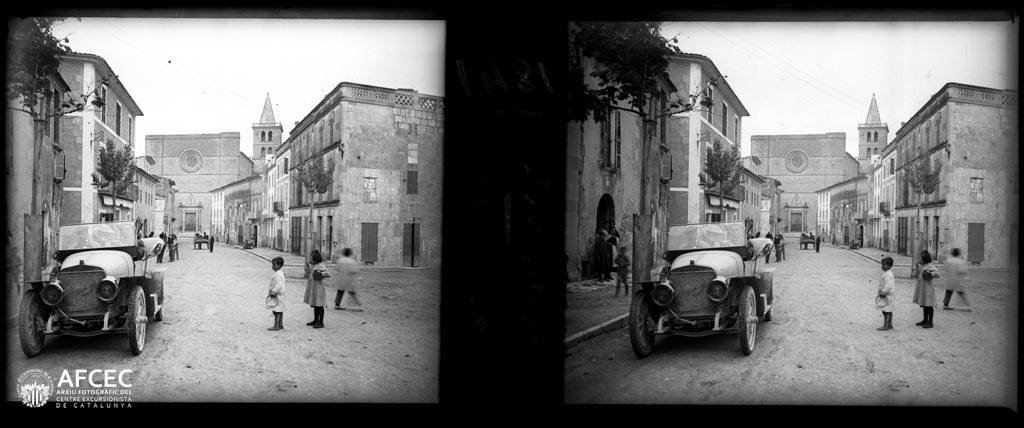
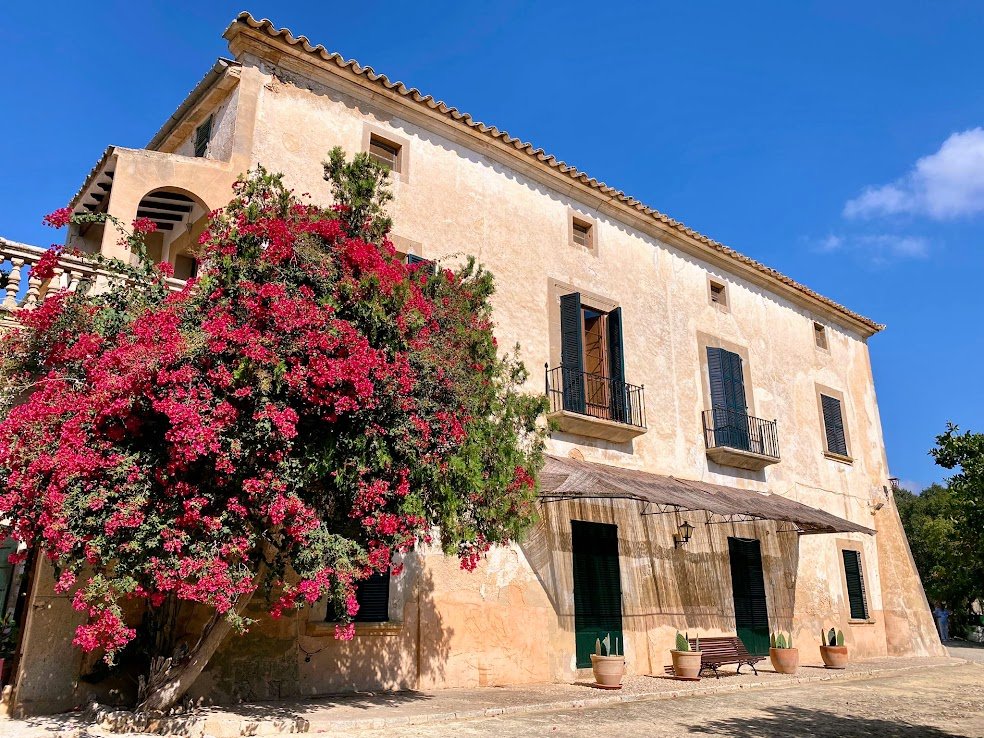
Most visitors sprint straight to Playa de Muro’s six-kilometre sand ribbon and never lift their eyes to the corn-coloured interior. Those who do discover a town that still keeps the rhythm of tractors rather than DJs. Stone houses built from honey-coloured marès sandstone sit shoulder-to-shoulder along Carrer Major; their wooden doors are tall enough for a laden donkey, a reminder that this plain once fed the whole bay.
Stone, wind and water
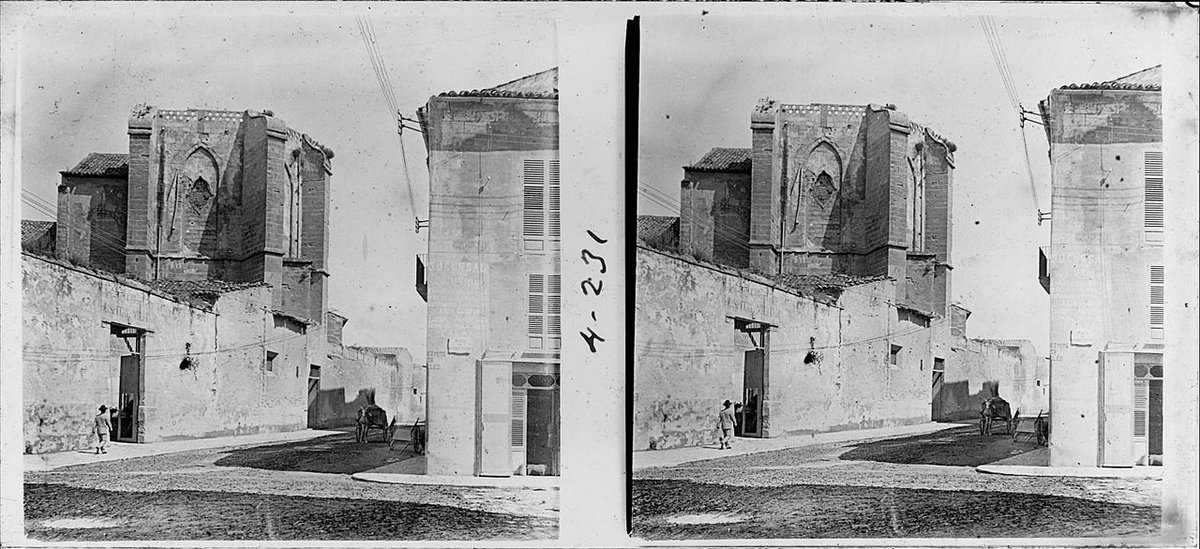
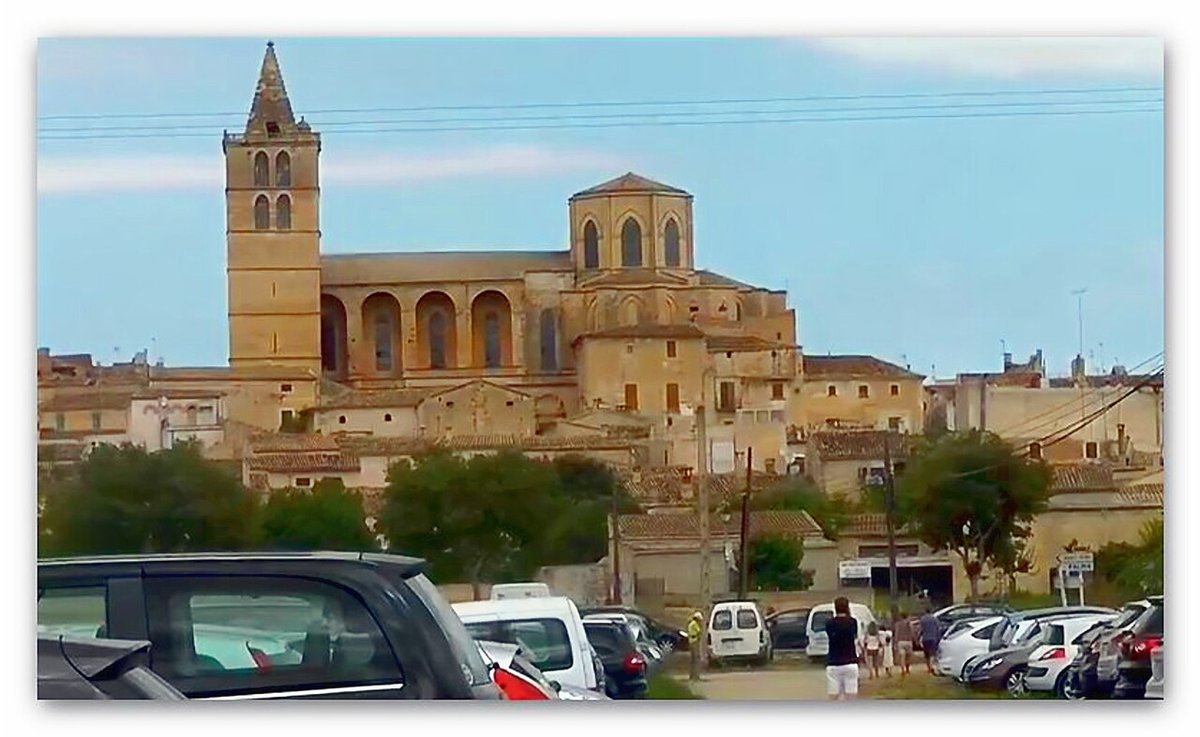
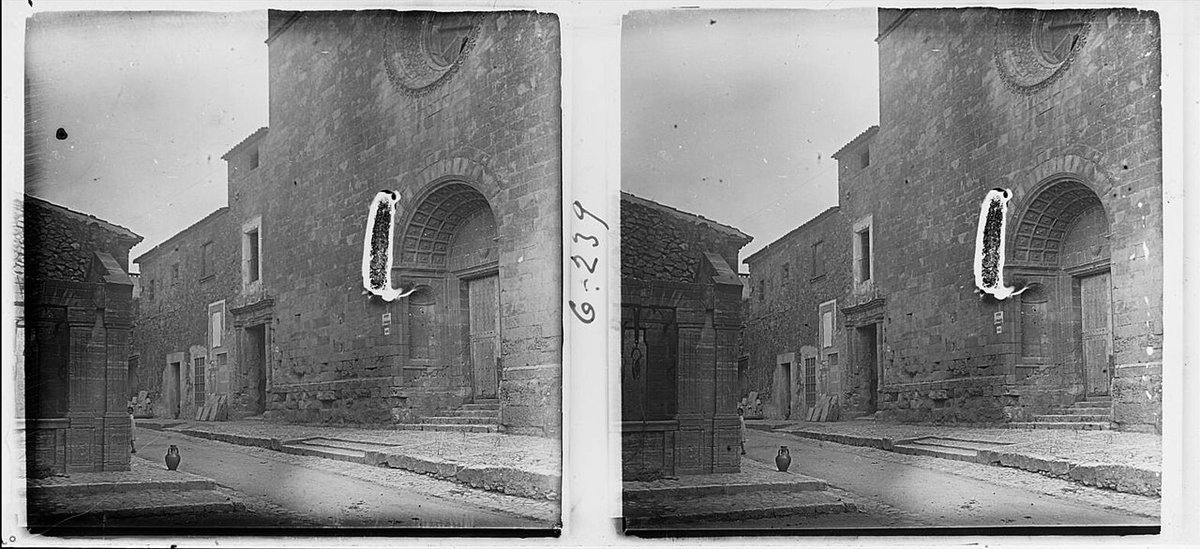
Start in the old centre, small enough to cross in the time it takes to drink a cortado. The parish church of Sant Joan Baptista squats at the top of a shallow rise, its baroque façade slapped onto a much older ribcage. Inside, the air smells of candle wax and damp stone; look up and you’ll spot 19th-century graffiti carved by bored choirboys. Around the church, 17th- and 18th-century manor houses line up like polite dowagers. Most remain private, so the pleasure is in spotting details: a coat of arms eroded by rain, iron balconies curling like vine tendrils, portals wide enough for both a cart and the afternoon shadow.
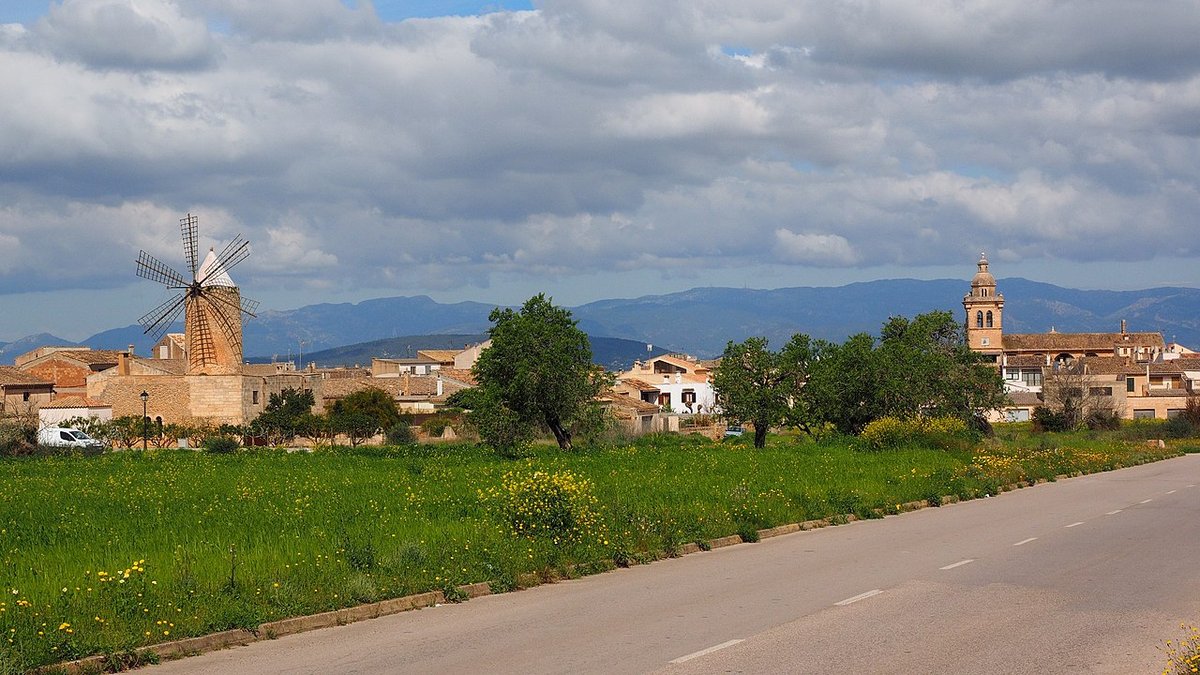
Five minutes north, the restored Molí de Muro turns with the wind. The mill no longer grinds flour but its wooden sails still creak, giving younger visitors a living lesson in pre-electric engineering. Climb the short ladder and you can see across a patchwork of almond and cereal fields that runs clear to the Albufera lagoon.
That lagoon is Muro’s second face. The Parc Natural de s’Albufera spreads over 1 700 hectares of reeds, canals and shallow water that shimmer pewter at dawn and copper at dusk. Raised board-walks let you in without trampling the habitat; more than 230 bird species have been logged here by quietly patient people. Flamingos sometimes feed in spring, but turn up on a windless September evening and you may have only moorhens for company. Either way, the mosquitoes are guaranteed: bring repellent or spend the next three days itching.
Two centres, one name
Muro is really two settlements sharing a council. The inland town gives you groceries, bank machines and the market; the coastal sector, known locally as Playa de Muro, delivers the postcard beach. The gap between them is eight kilometres of cornfields and greenhouse plastic, a no-man’s-land where the island’s dual economy is visible from the car window – tractors on the right, tour coaches on the left.
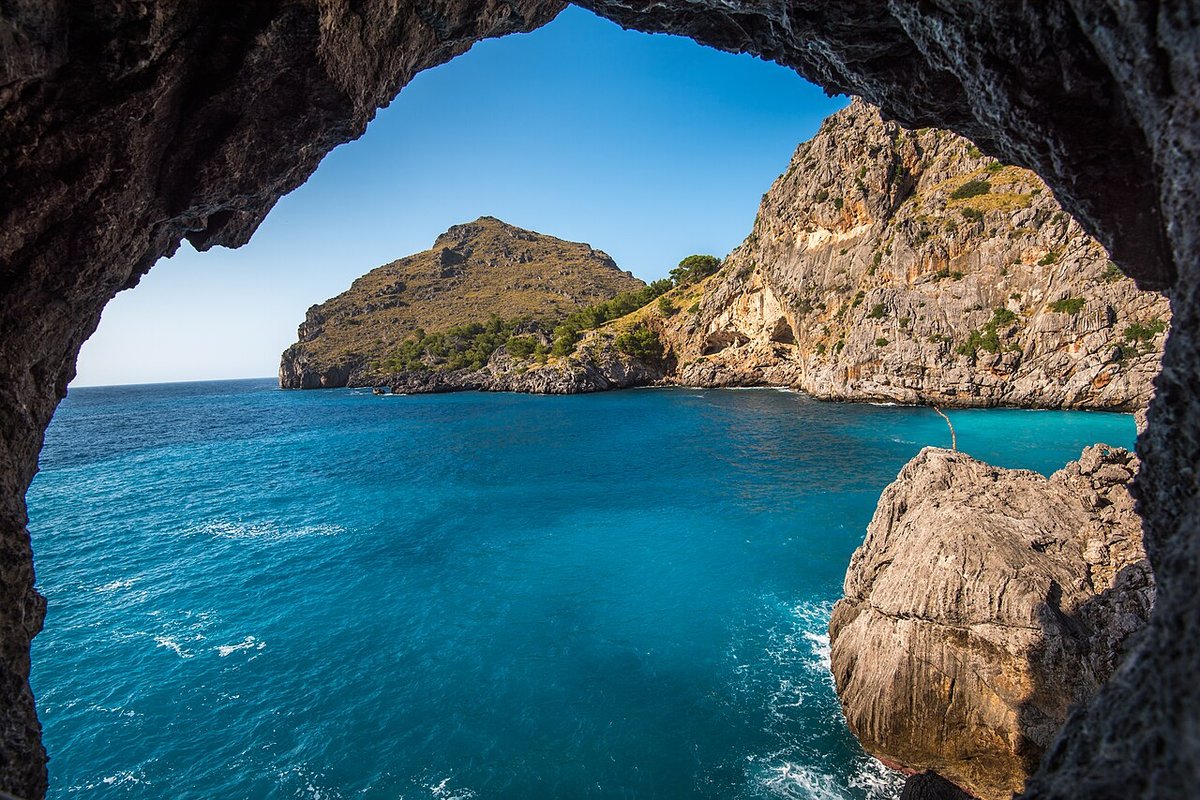
Playa de Muro’s sand is as advertised: pale, fine, and wide enough for a Boeing to land. The water shelves gently, making it popular with families whose children scream in eight different languages. In July the front row of umbrellas goes up by 08:30; arrive at ten and you’ll be parking illegally on the access road. May and late-September reward the sensible: sea temperature around 23 °C and space to lay a towel without negotiating a treaty. Behind the dunes, wooden walkways thread back into the reed beds; follow them at dusk and you’ll often see herons trading shifts like disciplined workers.
Sunday money, Wednesday veg
Market day is Sunday. Fruit stalls glow with pomegranates the size of cricket balls, and the air is thick with almond oil from a grinder that turns nuts into butter while you wait. A kilo of oranges costs about €1.20; the fresh juice stall adds another 50 cents if you bring your own bottle. There is no souvenir tat, just socks, rope-soled shoes and kitchen pans. If you prefer quieter aisles, the Wednesday produce market is smaller, cheaper and mostly ignored by guidebooks.
When hunger strikes, duck into Celler Sa Sinia on Carrer de sa Rectoria. The building used to store wine barrels; today it serves a three-course menú del día for €16. Expect a bowl of tumbet (Mallorca’s answer to ratatouille topped with fried potato), followed by pork loin stuffed with sobrasada and honey. House wine comes in a glass that costs less than a London coffee; the owner speaks fluent English but will pretend not to if you attempt Catalan first.
Fiestas and fireworks
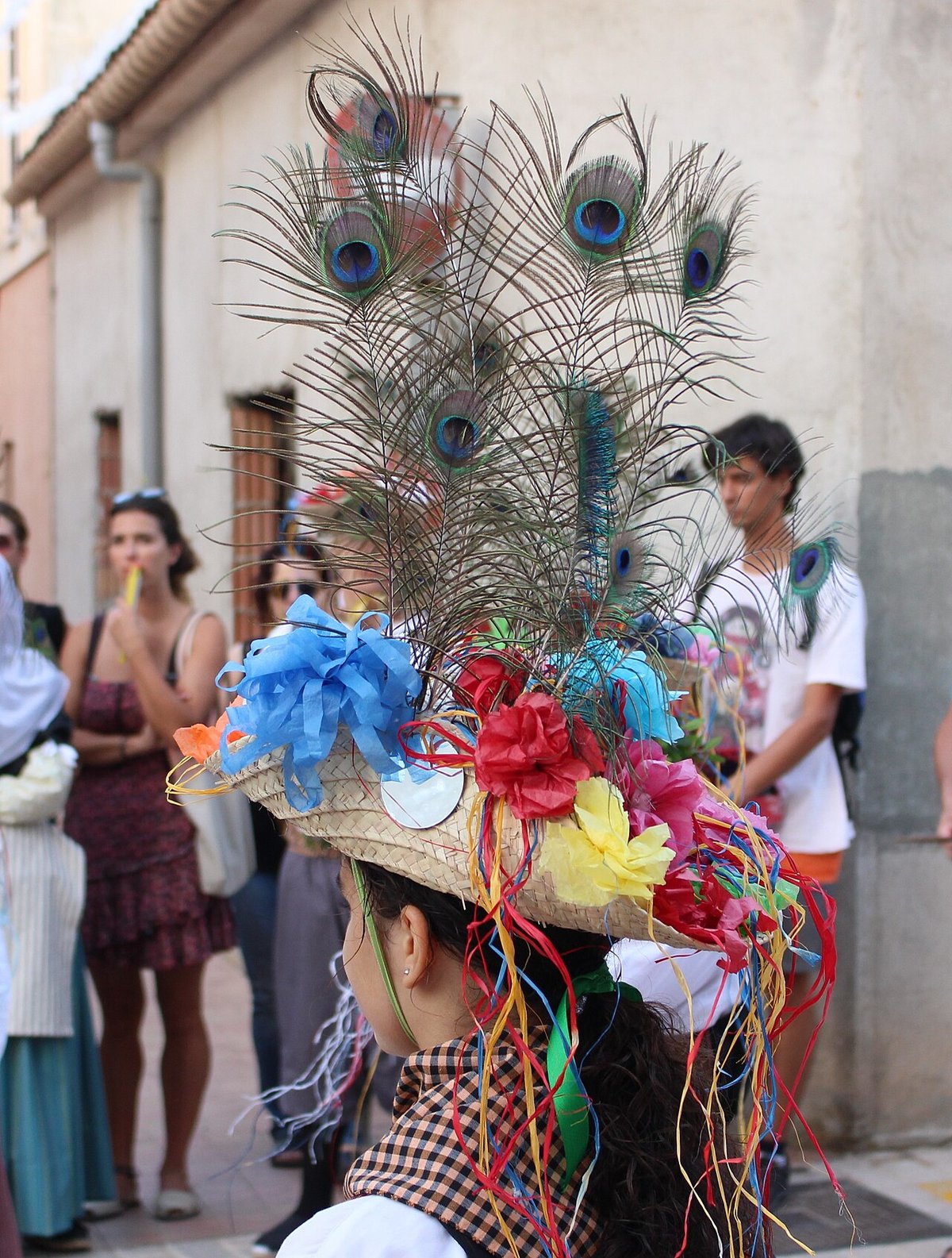
Late June brings Sant Joan, the town’s loudest party. On the eve of the saint’s day, locals drag junk wood into Plaça de Sant Joan and build a bonfire three storeys high. At midnight a man dressed as a devil leaps the flames; children follow, shrieking and singeing trainers. British visitors sometimes misread the invitation: flip-flops melt, and the council hands out free T-shirts but not insurance. If you prefer something gentler, the Fira de Muro in mid-October fills the streets with sheep, spinning wheels and almond nougat. No one leaps anywhere; instead, farmers discuss rainfall while selling jars of home-grown saffron.
Getting it right
Muro sits 50 km from Palma airport. Driving takes 45 minutes on the Ma-13 unless you leave at 08:00, when Palma’s commuter traffic adds twenty. The bus (line 351) is cheaper but only hourly; check the timetable or you’ll spend 70 minutes in an airless shelter wondering why the island’s public transport feels like rural Shropshire circa 1983.
Accommodation splits neatly: boutique rooms in the old town run €70–90 even in August, while beachfront hotels demand three times that for a sea view and a sun-lounger referee. Stay inland and you trade the sound of waves for church bells and the smell of bakeries; the drive to the sand is ten minutes, and parking on the back-streets of Playa de Muro is free if you arrive before nine.
The honest verdict
Muro will not change your life. It offers no cliff-top castle, no Michelin constellation, no nightclub that stays open until the croissants arrive. What it does offer is a glimpse of everyday Mallorca that survives in the triangle between tourism, agriculture and the lagoon. Some visitors find that dull; others discover that watching a farmer haggle over the price of aubergines can be every bit as memorable as a sunset selfie. Bring change for the market, repellent for the marsh, and patience for the bus. Expect nothing more, and Muro may quietly exceed expectations.