Full Article
about Petra
Birthplace of Fray Junípero Serra; historic town with cobbled streets and a quiet inland atmosphere.
Hide article Read full article
A Small Town That Keeps Things Simple
Petra is not a place that demands days of planning. You can see it quickly. The main complication tends to be the car. The centre has limited parking and several streets are reserved for residents. It makes more sense to leave the car at the edge of town and walk in.
On Wednesday mornings there is a market in the main square. Early on, it is easy to move around. By mid-morning it fills up and driving through the centre is more trouble than it is worth. If you want to look around without feeling rushed, arrive early.
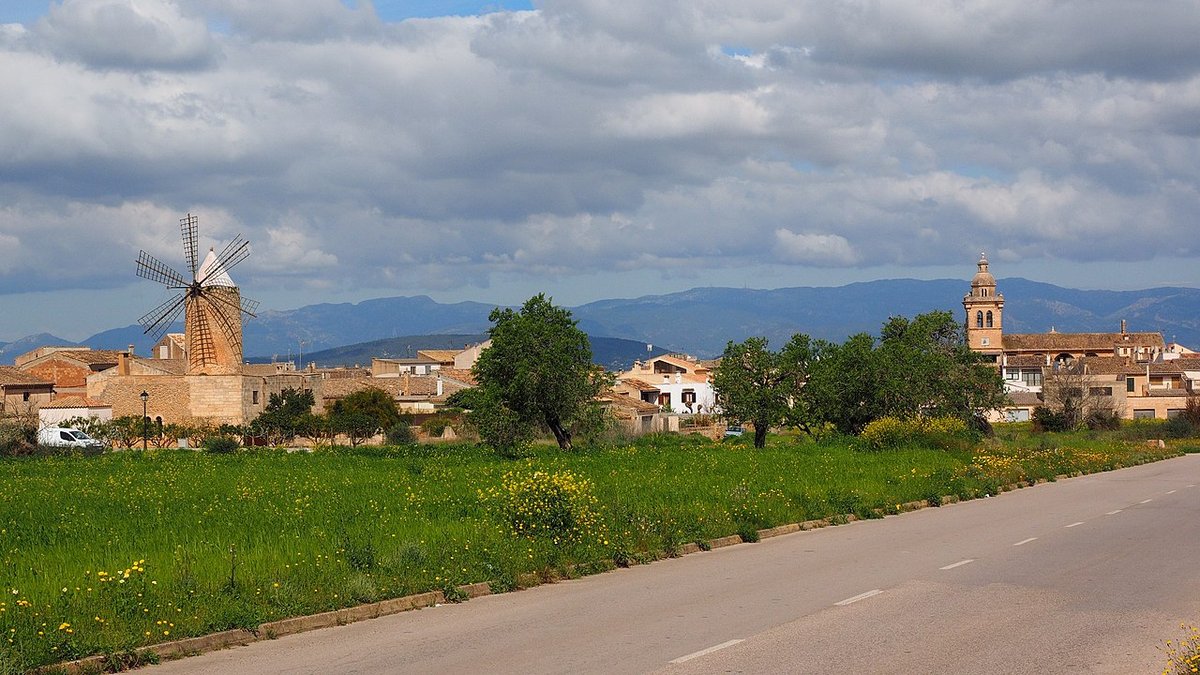
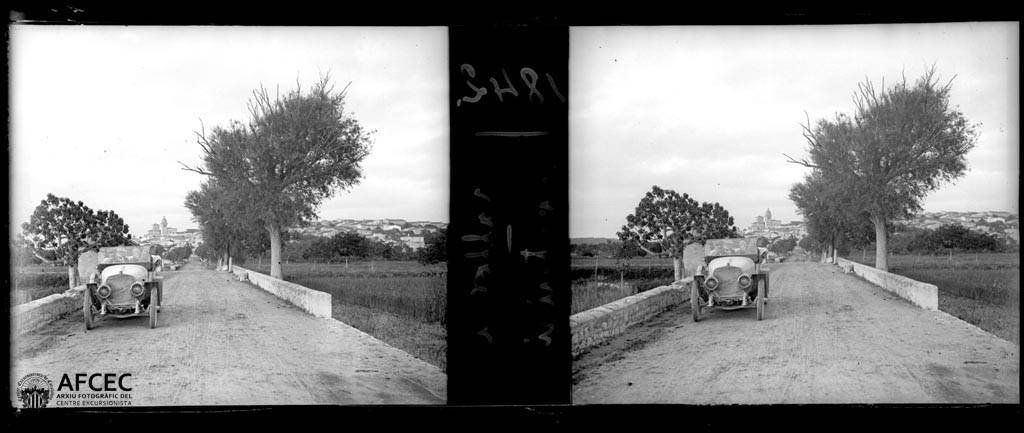
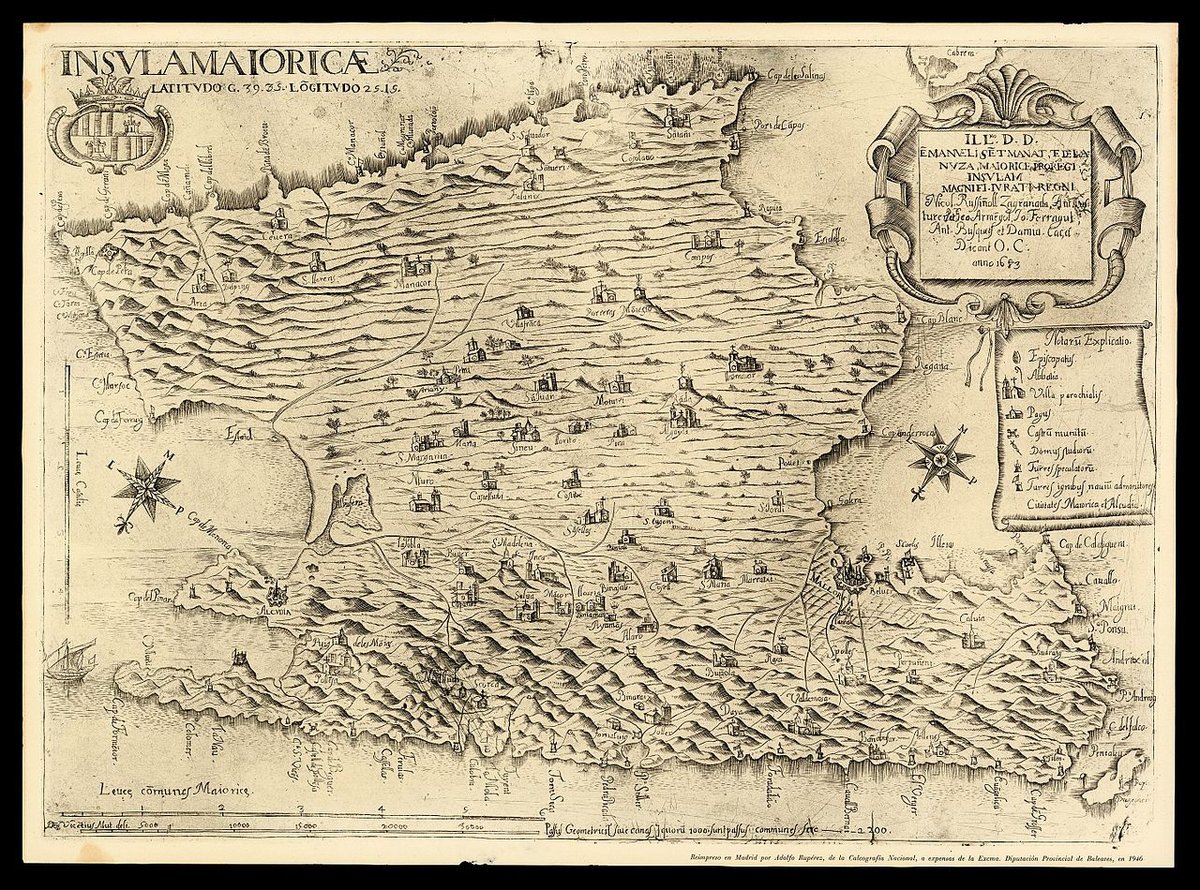
Beyond that, Petra moves at an unhurried pace. It sits in the Pla de Mallorca, the broad central plain of the island, surrounded by cultivated fields and low horizons. Life here feels local rather than touristic, even though one historical figure draws visitors from much further afield.
The Birthplace of Junípero Serra
Petra is known above all as the birthplace of Fray Junípero Serra, the Mallorcan Franciscan who went on to found missions in California during the 18th century. His name connects this quiet inland town with cities on the other side of the Atlantic.
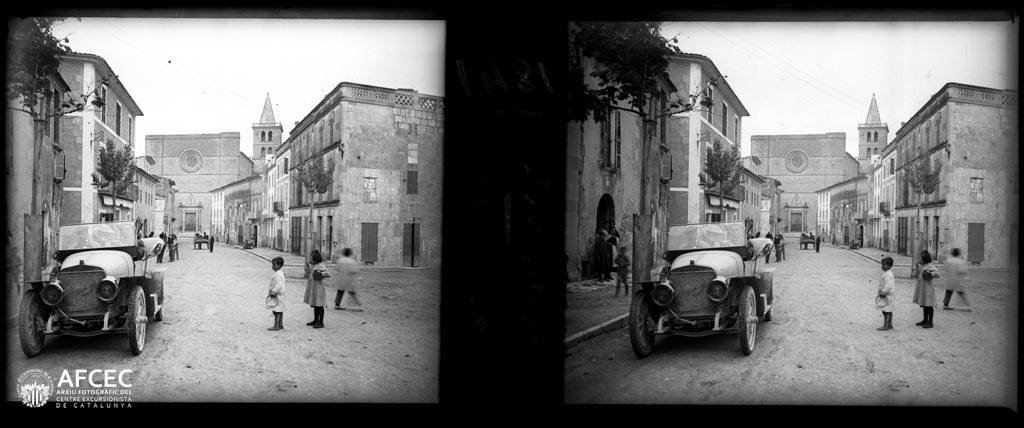
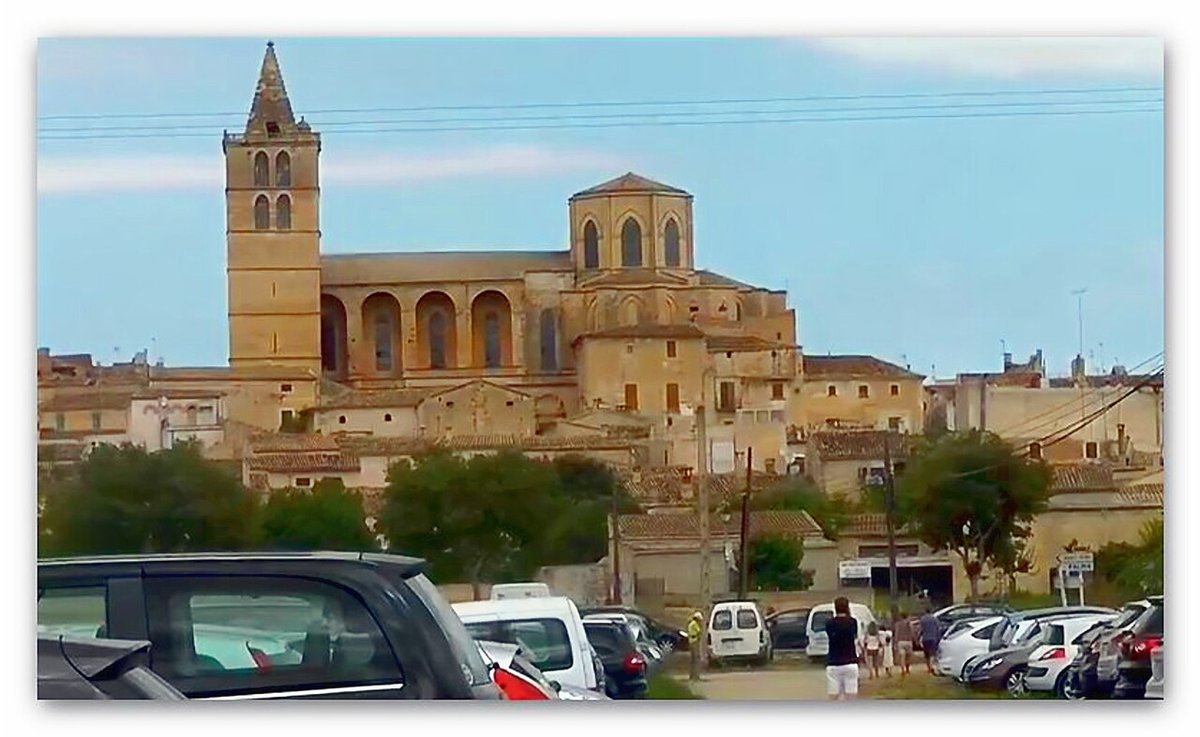
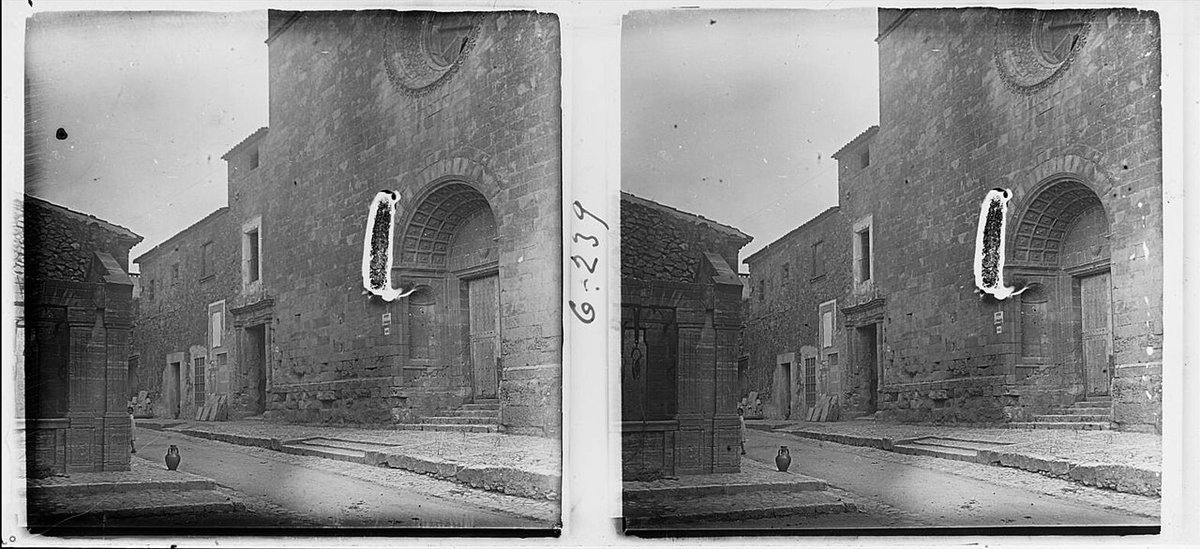
The church of Sant Pere dominates the main square. It is large for a town of this size, and its tower can be seen from almost any street. If you lose your bearings in the narrow lanes, look up and head towards the tower.
Just off the centre, on Carrer Barracar, stands the house where Junípero Serra was born. Today it functions as a museum. The building is modest, with a small interior courtyard and several rooms containing panels about his life and the missions he established in America. The visit does not take long. In a short while you will have seen everything.
Outside, it is common to see visitors from the United States taking photographs. Many come specifically because of Serra and his role in Californian history. Meanwhile, the rest of Petra continues at its usual rhythm, with neighbours chatting and daily life unfolding much as it always has.
Wandering the Old Quarter
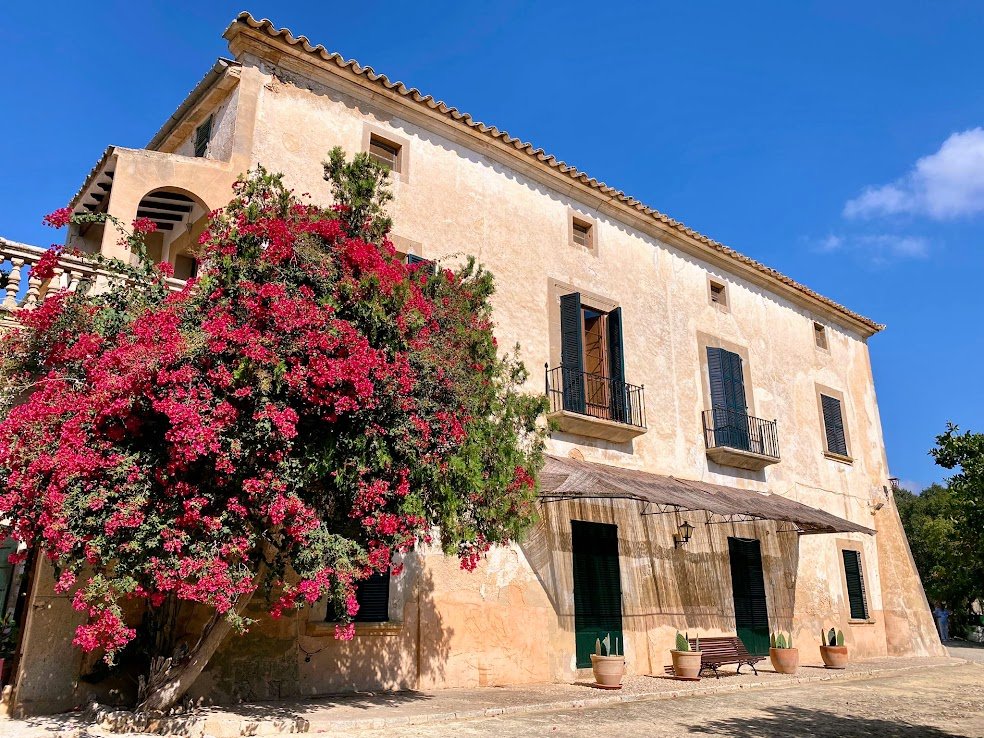
The old quarter is straightforward: narrow streets, stone houses and heavy wooden doorways. There is no need for a map. Walk for a few minutes in any direction and you will eventually spot the tower of Sant Pere again.
The church itself is sometimes open and sometimes closed, depending on the day. If you find the doors open, step inside for a quick look. The interior is Baroque and quite ornate, a contrast to the simple streets outside.
A few minutes away on foot stands the convent of Sant Bernadí. There is still a religious community here. The complex is calm, with a vegetable garden and buildings arranged around a cloister. Inside the church there is often the faint smell of wax. It is a quiet corner of Petra, removed from the small movements of the square.
There are no grand monuments beyond these. Petra’s appeal lies in its scale and simplicity. The streets are short, the distances minimal. Everything feels close at hand.
Up to the Ermita de Bonany
On a hill just outside the town stands the Ermita de Bonany. The sanctuary can be reached on foot or by car. Walking up is a steady, fairly long climb, manageable if you take your time.
The path begins near the sports centre. There are signs, though they are not always clear. If in doubt, ask someone locally or follow the road that heads uphill.
At the top you will find the sanctuary and a wide open esplanade. The views are the highlight. From here you can see across the entire Pla de Mallorca: cultivated fields stretching out in neat patterns and villages separated by kilometres of flat land. On clear days, the sea is just visible in the distance.
If you walk up, take water with you. There is not always anything open at the top, so it is best to be prepared.
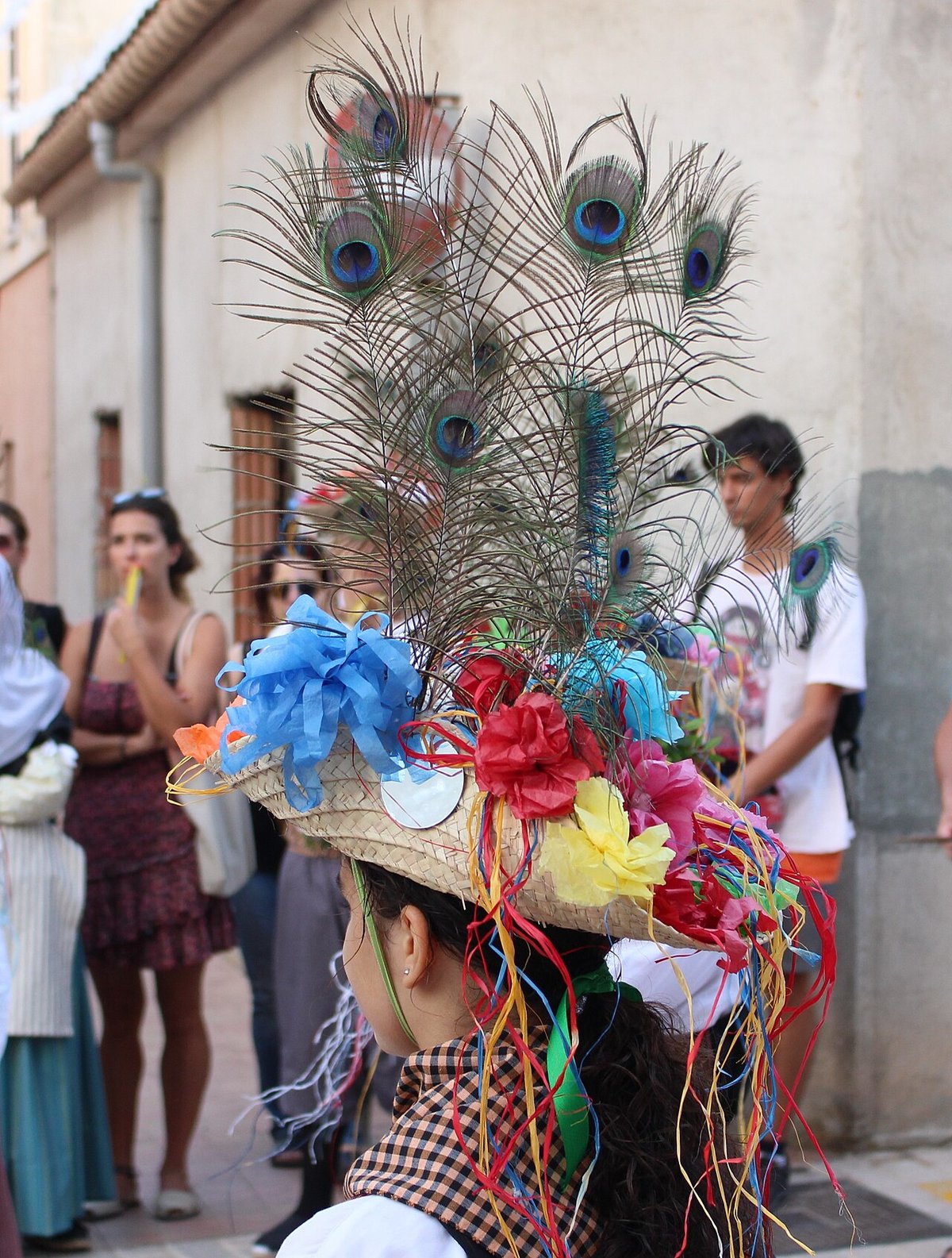
In spring, celebrations linked to the convent of Sant Bernadí and the Ermita de Bonany bring more movement to the town. There are processions, music and groups of locals walking up to the sanctuary on foot. These events are rooted in local tradition rather than tourism.
Market Stalls and Mallorcan Cooking
The Wednesday market is small. A few stalls sell fruit and vegetables, local cheeses and clothing. It is more a market for residents than a visitor attraction. People come to shop and exchange news rather than to browse for souvenirs.
In the town’s bars you will usually find simple Mallorcan cooking. Tumbet often appears on the menu. This traditional dish, made with layers of vegetables, is a staple across the island. If you ask whether it is homemade and receive a quick, confident answer, that is generally a good sign.
There is no need to plan an elaborate meal here. Petra suits a straightforward lunch after a walk through the centre or a climb to Bonany.
A Short Stop in the Pla de Mallorca
Petra does not fill a full day. Allow a couple of hours: a walk through the centre, a visit to the house of Junípero Serra and, if you feel like stretching your legs, the climb to Bonany.
Park outside the old quarter and head in on foot. It takes little time and saves circling the narrow streets in search of a space.
In the end, Petra is defined by its proportions. A large church for a small town, a local friar whose life reached as far as California, a hill that opens onto wide views of the Mallorcan plain. It is a place to pass through slowly, without overcomplicating the visit, and to leave having understood exactly what it offers.