Full Article
about Porreres
A farming town known for its apricots and wine; it has a striking hilltop sanctuary.
Hide article Read full article
The scent of tomate de ramallet, a small Mallorcan tomato traditionally hung to dry, mingles with freshly turned earth as you step out of the car in Porreres. It is Tuesday, close to ten, and the plaça de la Vila is beginning to fill with wicker baskets of carob pods, black olives and bunches of wild asparagus still damp from the fields. An elderly man props his bicycle against the town hall façade and pulls an ensaïmada from his basket, wrapped in paper. When he opens it, the warm smell of lard and icing sugar drifts into the square. No one seems in a hurry. In this corner of the Pla de Mallorca, time tends to move at the pace of the harvest.
A town that unfolds in circles
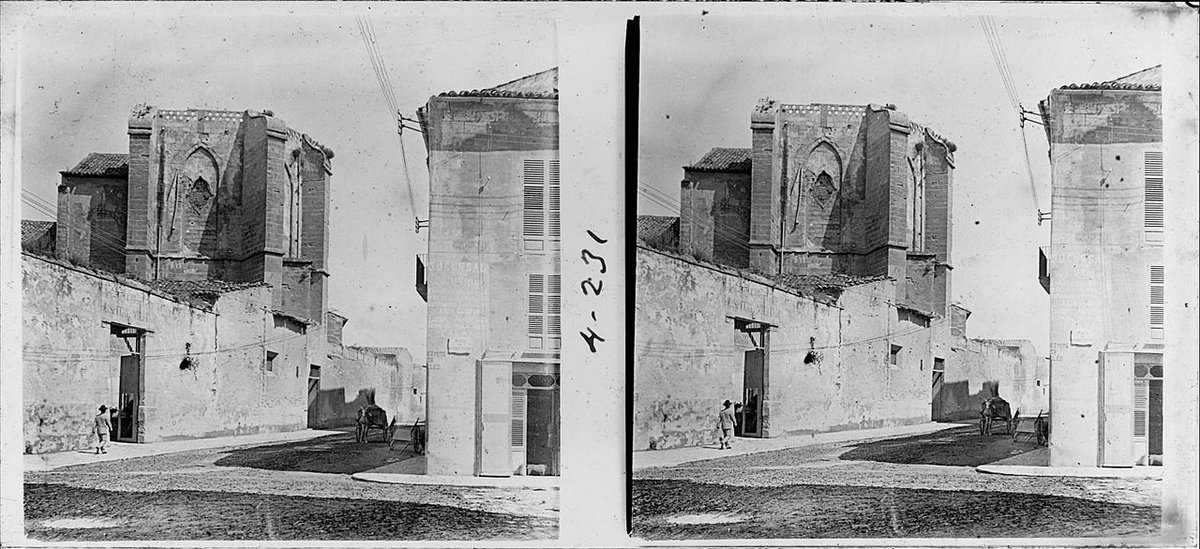
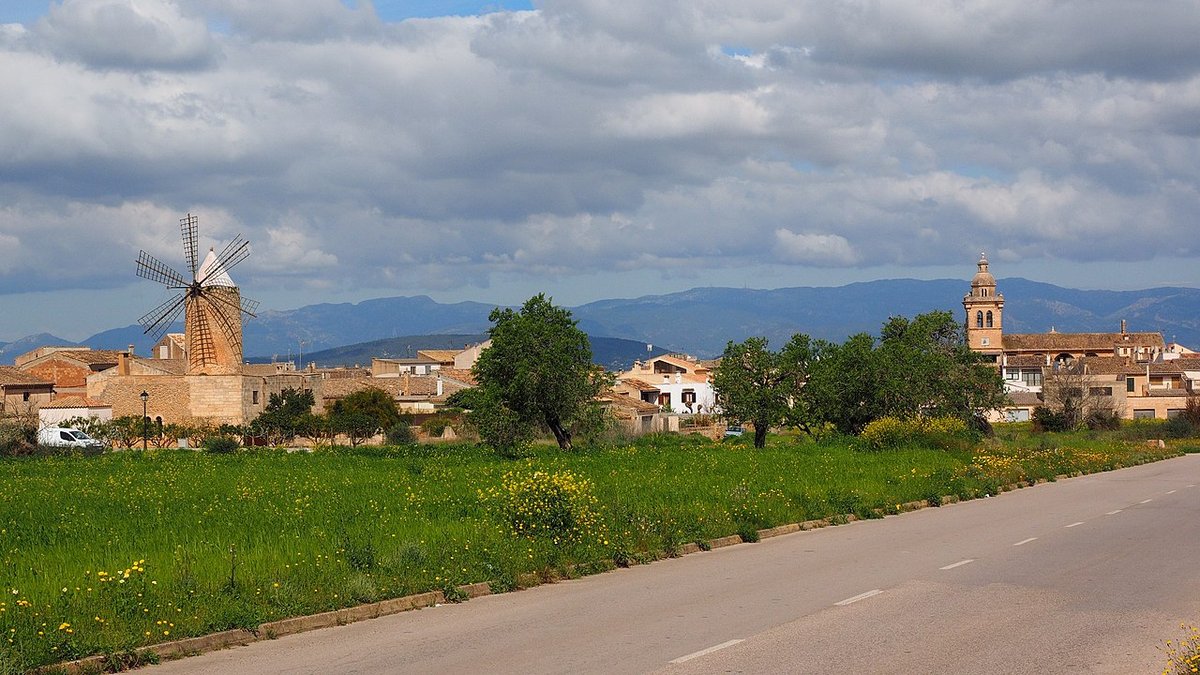
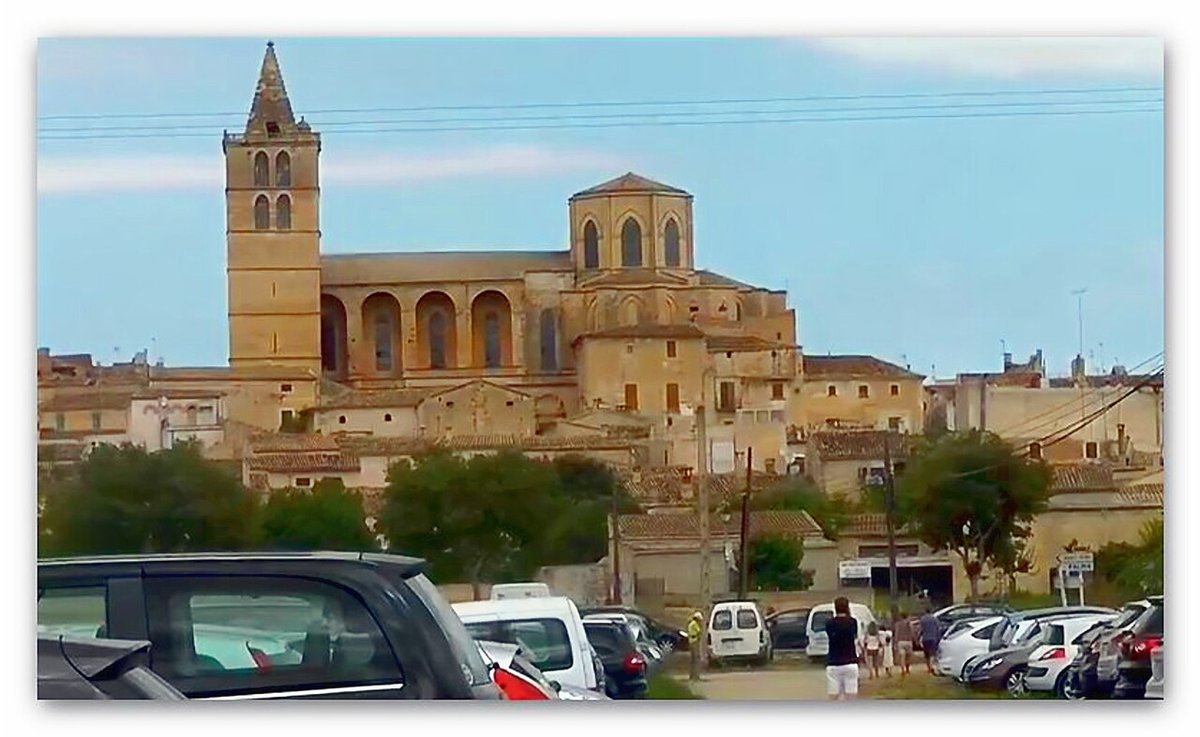
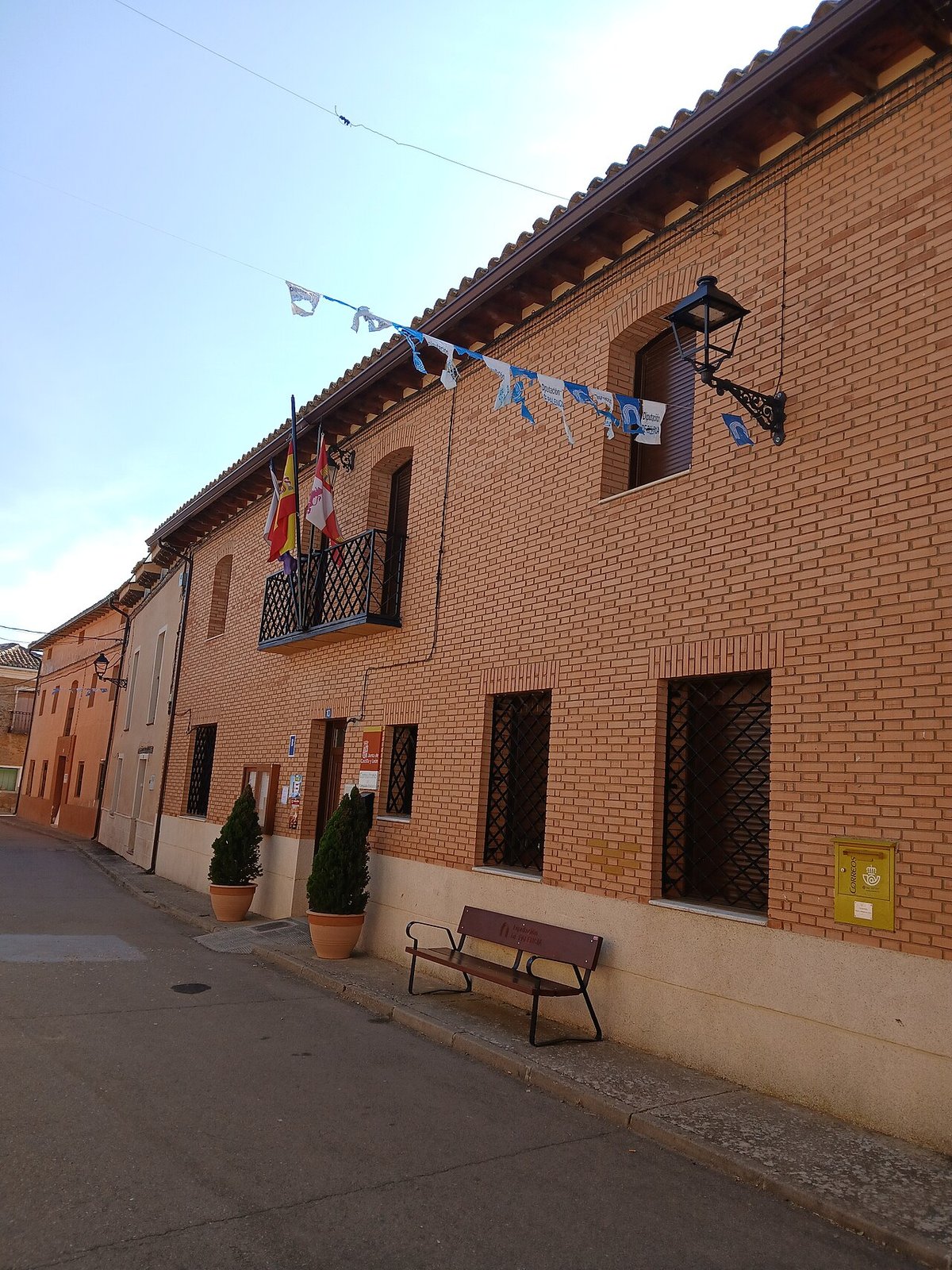
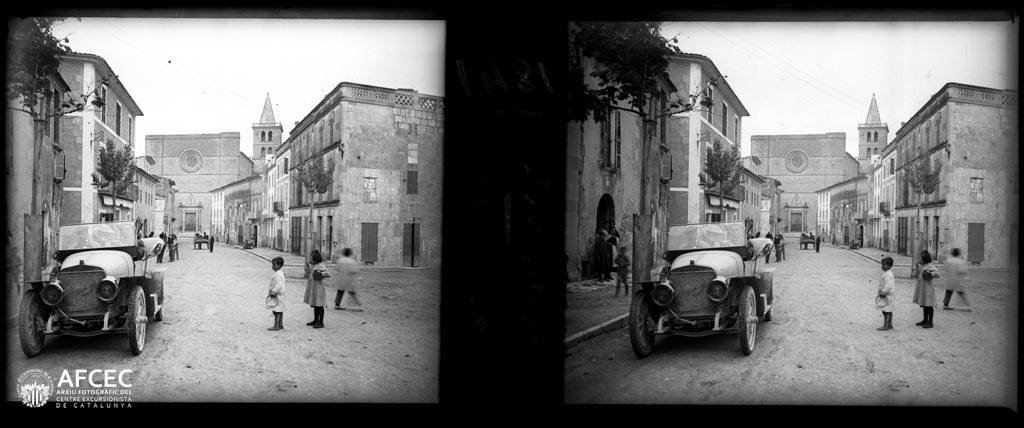
Porreres does not reveal itself all at once. First the bell tower of the parish church of Nuestra Señora de la Consolación comes into view, then the ochre roof tiles stacked one over another. The streets in the centre loop and fold around the main square, as if the town had grown gradually outwards from that point.
Wandering without a plan, you pass worn stone doorways, courtyards where a bucket drops into a cistern, and the occasional bakery letting the smell of bread and firewood slip into the street. That scent appears suddenly in a narrow lane and makes you look up before you have time to think why.
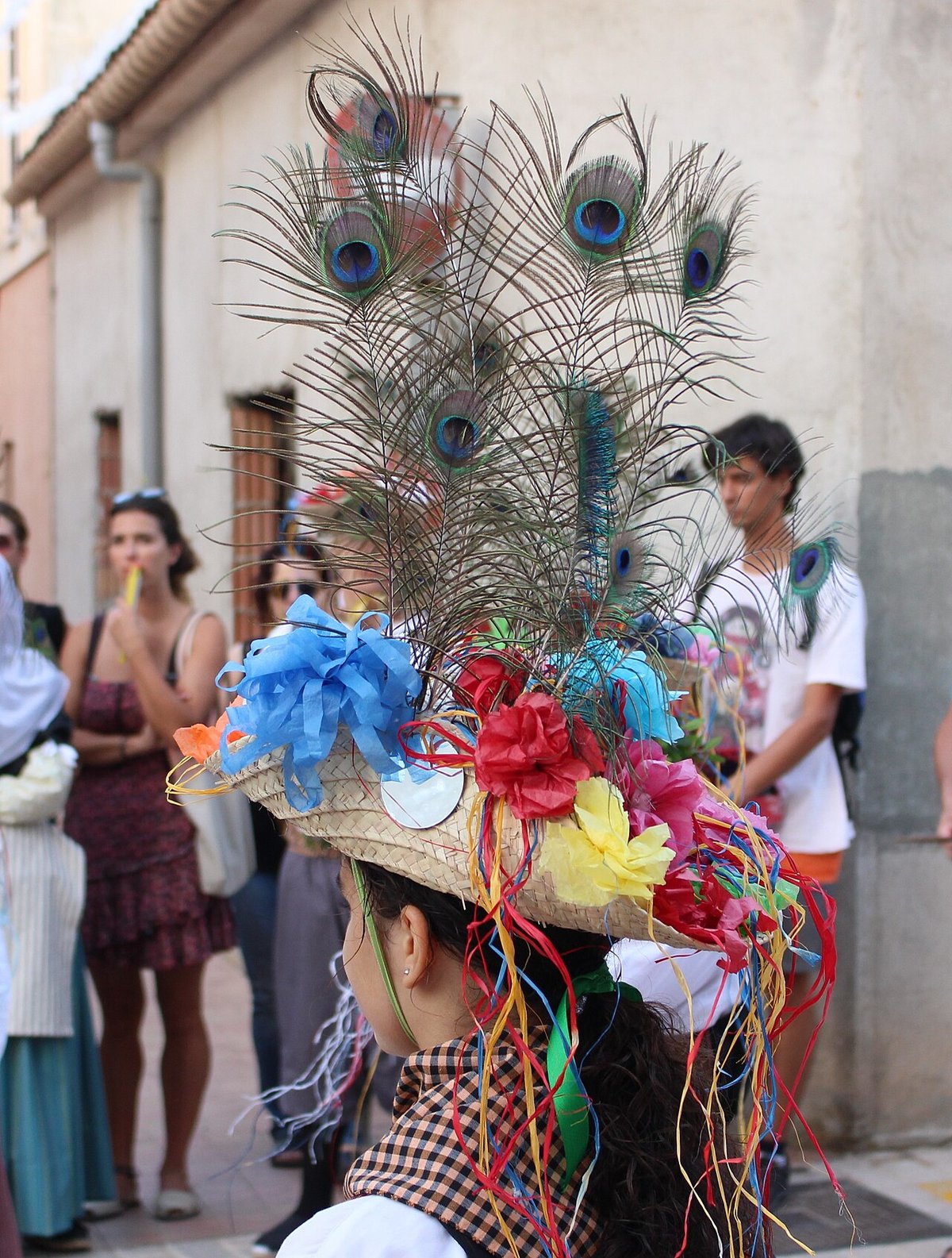
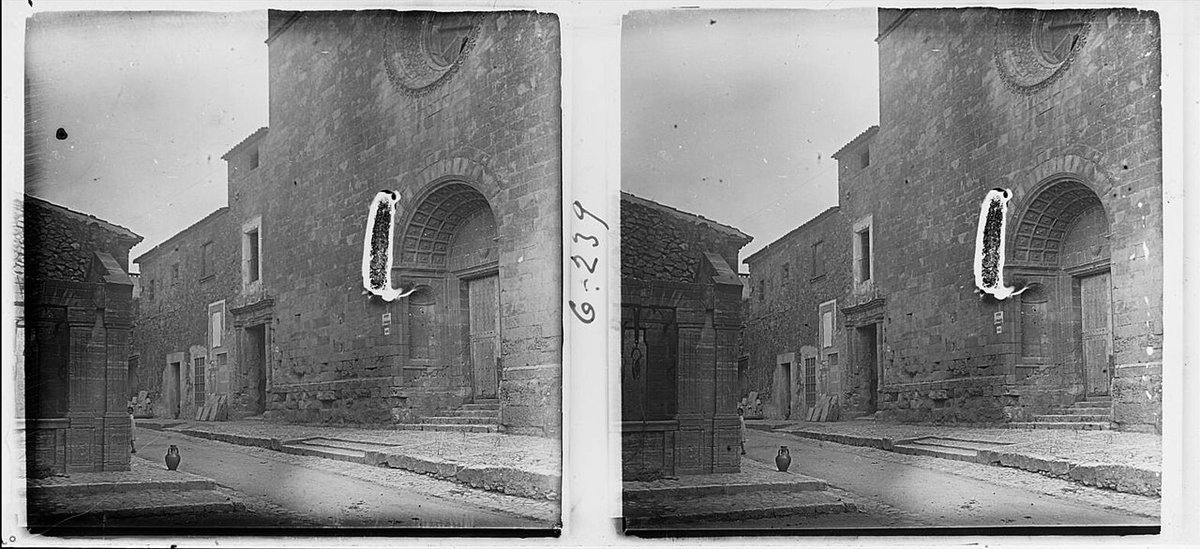
The church occupies much of the centre. Its stone doorway has a Renaissance feel. Inside, there is often a trace of wax and old damp in the air. Light filters through stained glass and settles over the stone floor. In one of the side chapels stands Sant Roc, his leg bandaged. Each August his name is heard again throughout the town when the fiestas arrive, bringing traditional music and firecrackers that can be heard from far beyond the centre.
The climb to Monti‑Sión
From the urban area, the road to the sanctuary of Monti‑Sión winds between cultivated fields. It is just under three kilometres of steady ascent along a narrow road. On foot, it is best tackled early or towards evening. The sun on the Pla falls directly and there are few stretches of shade.
In February, when the almond trees blossom, the hillside fills with white and pale pink against the red soil. Halfway up stands one of the municipality’s old windmills, its sails still for most of the year.
At the top, the wind usually feels stronger. The sanctuary is arranged around a stone cloister of an unusual, almost pentagonal shape. From the edge of the puig, the hill, the view opens across much of the Pla de Mallorca. On very clear days, the sea can just be made out to the south. By mid‑afternoon the stone holds the day’s warmth and carries the scent of rosemary and dry dust.
Bread, tomate de ramallet and home cooking
Daily food in Porreres revolves around simple things: brown bread, olive oil and tomate de ramallet hanging in strings for months. Pa amb oli appears on many tables. The bread is toasted, the tomato rubbed directly onto it until your fingers are stained, then finished with a generous drizzle of oil.
Stuffed baked aubergines are also closely linked to the town, their skins wrinkled and the filling soft and gently spiced. In winter, a steaming arroz brut often makes an appearance, a hearty rice dish with meat and vegetables served in a deep pan. And the traditional ensaïmada remains the sweet pastry that accompanies coffee in many homes, especially on Sundays.
These are not elaborate recipes. They are dishes shaped by the rhythm of the fields and by what keeps well in a larder. The ingredients speak of the surrounding farmland, of olive groves, vegetable plots and almond trees that mark the landscape of the Pla.
Tuesday market and the October fair
On Tuesday mornings the plaça de la Vila shifts gear. Stalls selling fruit, tools, clothes and local produce take their places around the square. Conversations last far longer than the transactions themselves. Some people come simply to stroll, greet neighbours and return home with a small bag in hand.
If you visit at the end of summer or the beginning of autumn, it is common to see crates of grapes or large containers filled with grape must, the freshly pressed juice before fermentation. Traditionally, October also brings the town fair, linked to the agricultural world. During those days there is more movement than usual and residents from other municipalities in the Pla come into Porreres. The focus remains rooted in the land and its cycles.
When to go and what to expect
Porreres is easy to explore on foot, although the central streets are narrow and it can be difficult to find parking close to the square. If arriving by car, it is generally simpler to leave it in the outer streets and walk in.
In August, heat clings to the stone from mid‑morning and the atmosphere changes noticeably during the fiestas of Sant Roc. There are more people and more noise than usual. Those in search of a quieter visit are better off choosing another time of year.
Late January and February, when the almond trees across the Pla begin to blossom, are particularly pleasant for walking along the agricultural paths that surround the municipality. The fields brighten with colour, yet the pace remains unhurried. In autumn, after the grape harvest, the air sometimes carries the scent of must from local wineries and the countryside returns to that dark shade of freshly worked soil.
The landscape here does not shift abruptly. It transforms slowly, in the same way as the town itself. Porreres opens up in layers: a market morning, a shaded chapel, a road climbing towards Monti‑Sión, a slice of ensaïmada shared over coffee. Life follows the seasons, and visitors who take their time tend to fall into step with it.