Full Article
about Sant Joan
Farming village in the island’s center; it keeps rural traditions and deeply rooted local fiestas.
Hide article Read full article
Arriving uphill, in the heat
Some villages seem designed to make cyclists suffer. Sant Joan is one of them. The approach can feel longer than it looks on a map, especially in summer when the road starts to shimmer and the heat becomes serious. The last stretch climbs steadily, with no shade and cereal fields on both sides that give the odd impression of watching you struggle past.
That effort ends up working in the village’s favour. You don't roll into a postcard. You arrive at a quiet square, where the church holds the centre and a bar has its door open, the smell of coffee and something fried drifting out. The heat fades into the background almost immediately.
A place that dropped its second surname
For a long time, the village went by Sant Joan de Sineu. You know how it is: a smaller place identified through a larger neighbour. Over time, it dropped the extra name. Today it has just over two thousand residents.
This is very much a municipality of the Pla de Mallorca, the island’s central plain where life revolves around agriculture. The pig still has a clear place here, both in cooking and in tradition. Butifarrón stands out—it's not treated as just another sausage. At the beginning of October there's usually a celebration built around it, with grills, wood smoke and long shared tables. The focus stays simple: pork, spices, and a recipe that has been repeated for generations.
The rhythm of the square
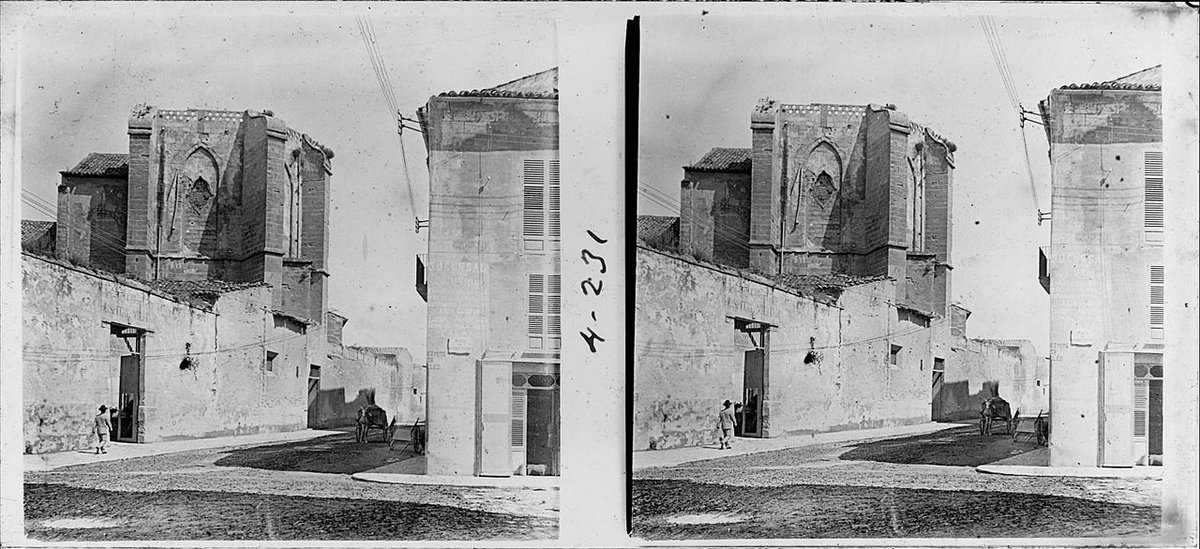
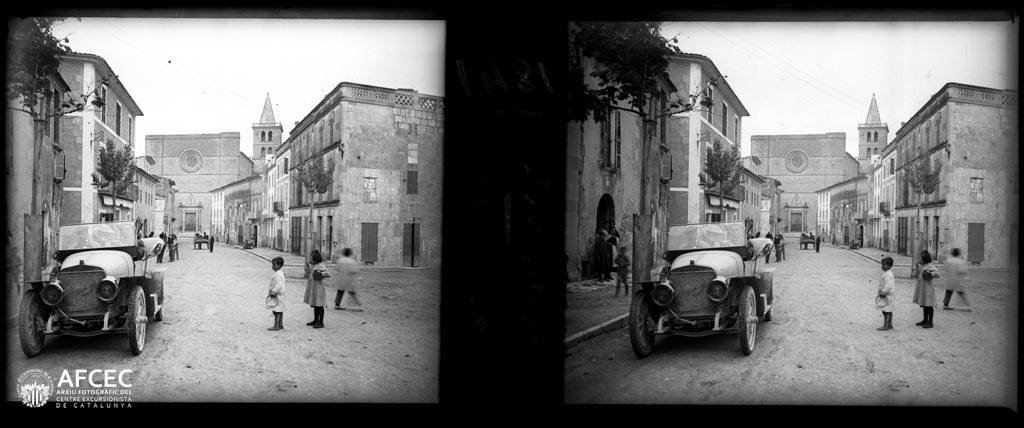
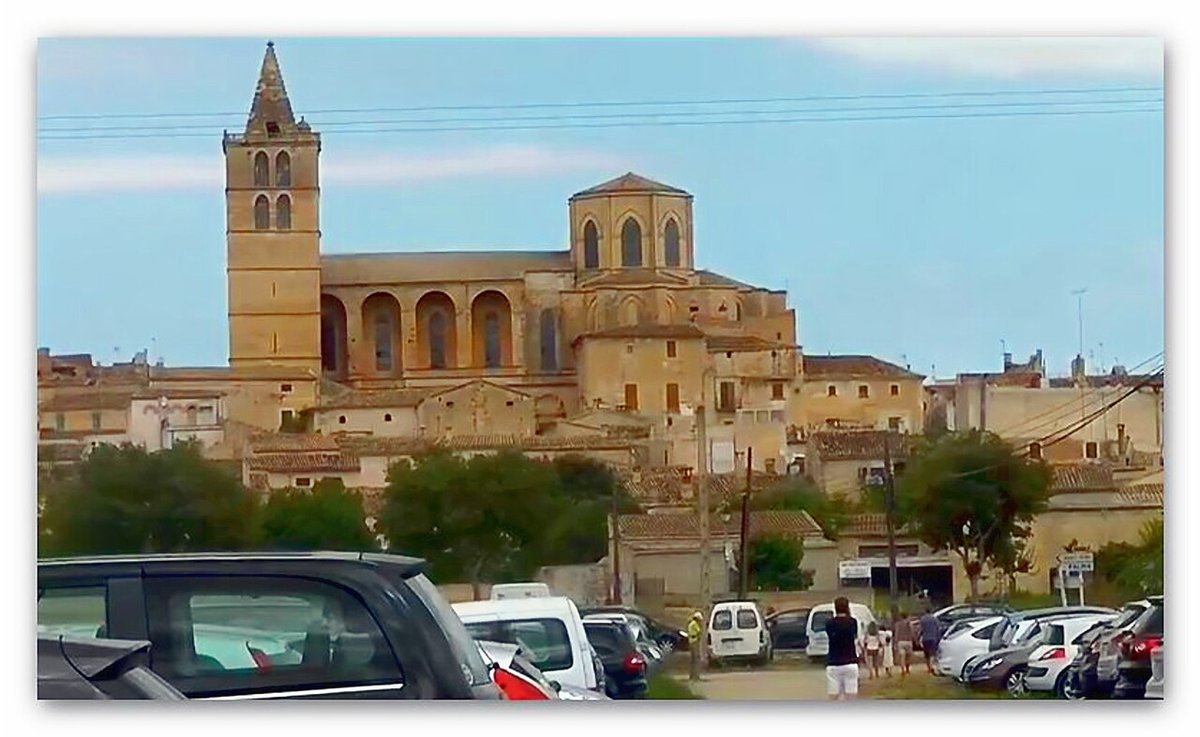
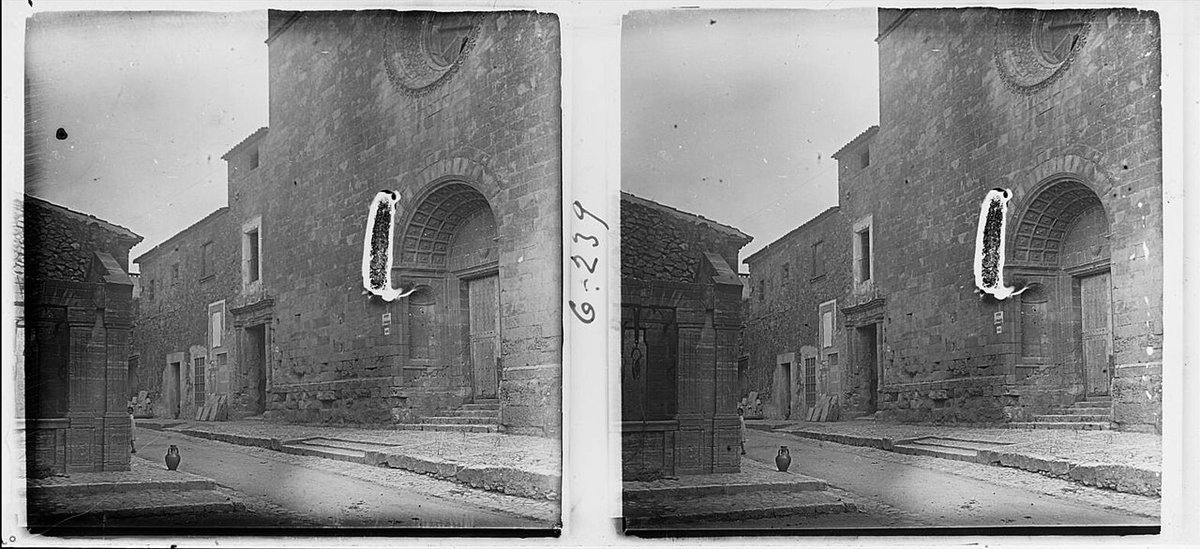
The church of Sant Joan Baptista dominates the main square. It’s not a monumental building or the sort that appears on glossy calendars, but it carries a quiet authority. From below, it feels like it sets the rhythm for everything around it.
Its doors are often open for much of the day. Inside, you get that familiar atmosphere of inland Mallorcan churches: wax, cool stone, and a stillness that softens any noise from outside.
The square itself feels lived in rather than designed for visitors. There are stone benches under trees that offer what shade they can manage. Conversations you might overhear circle around everyday stuff: who has left the village, who comes back in summer, how this year’s harvest is looking.
Waiting for dawn with neighbours
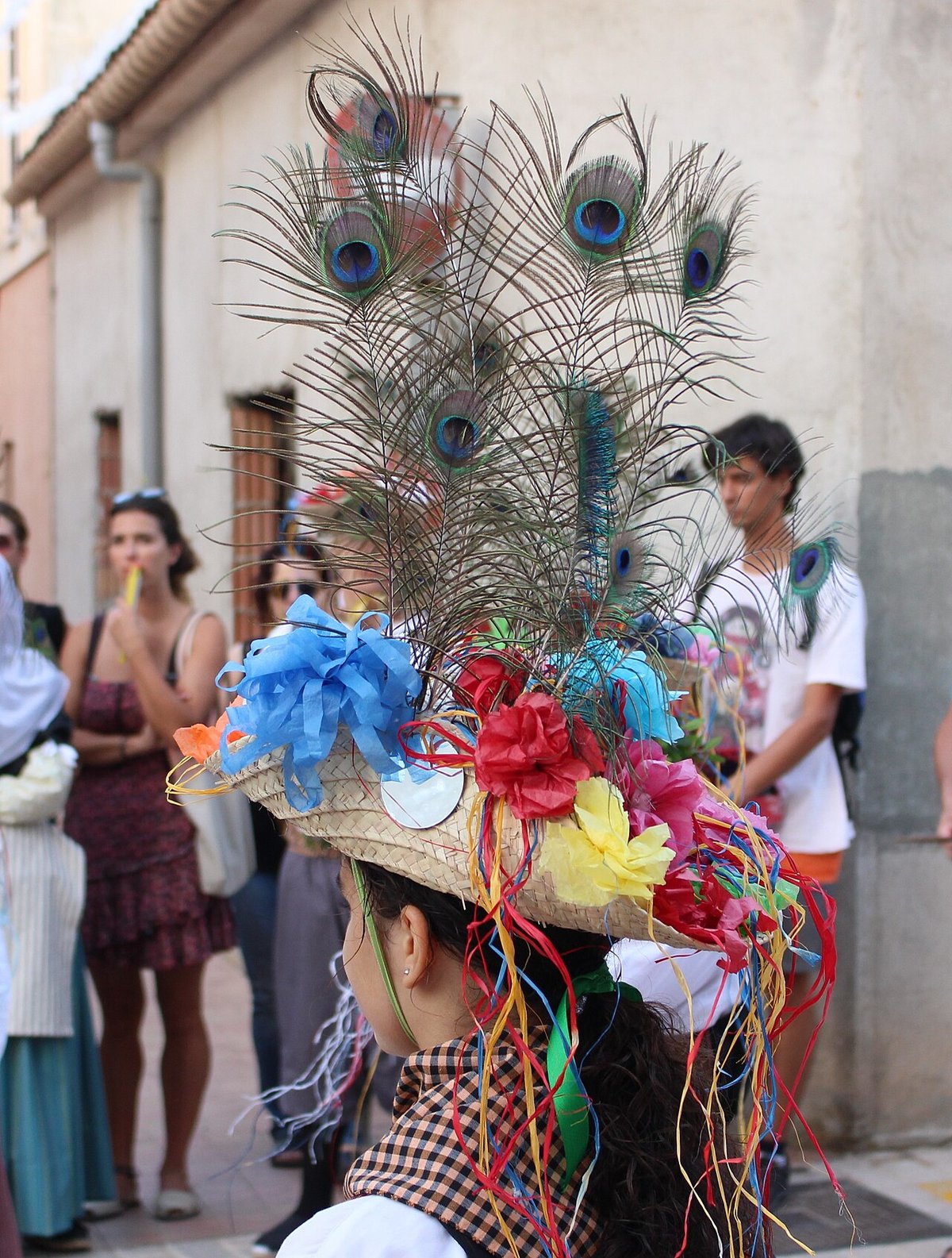
Around the feast of San Juan in late June, Sant Joan keeps a tradition called “Sol que Baila”, or the Dancing Sun. The name sounds like something from an old storybook.
What actually happens is simpler: people gather in the evening around a small bonfire to wait for dawn together—talking, sometimes with guitars and wine from somewhere nearby. When the sun rises over those flat fields, locals say it “dances”. It’s less of a spectacle and more like an excuse for neighbours to share an all-nighter.
This isn't put on for tourists; you either stumble upon it or you don't.
Getting there (and why you might not stay)
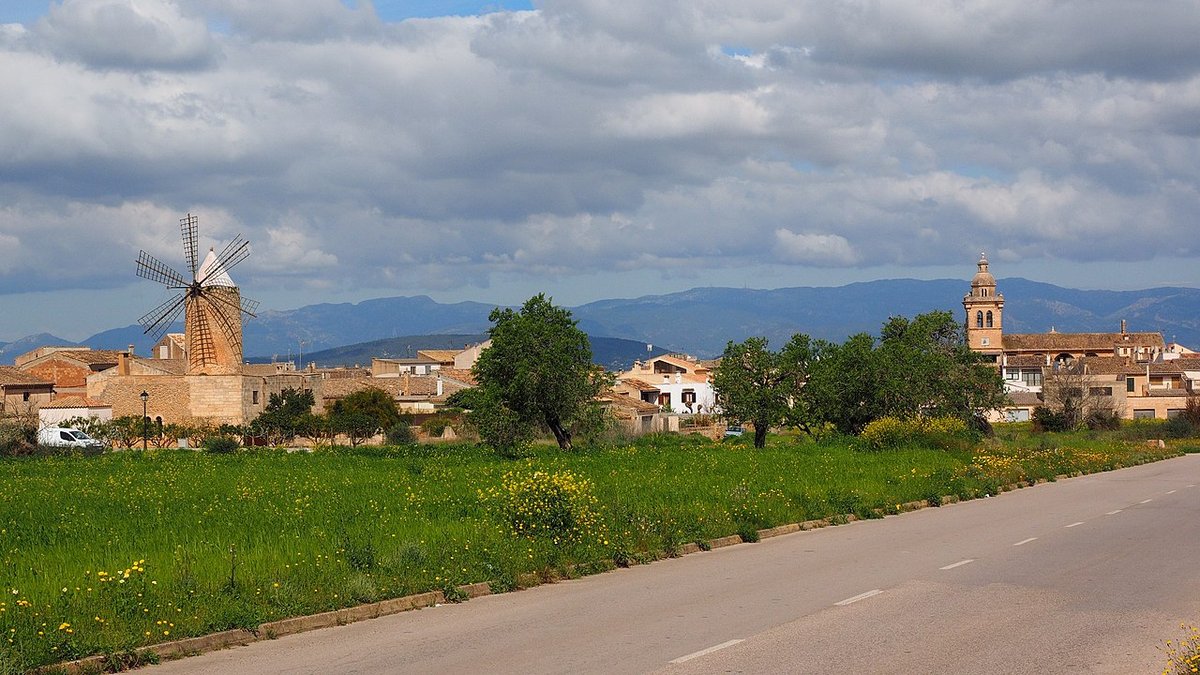
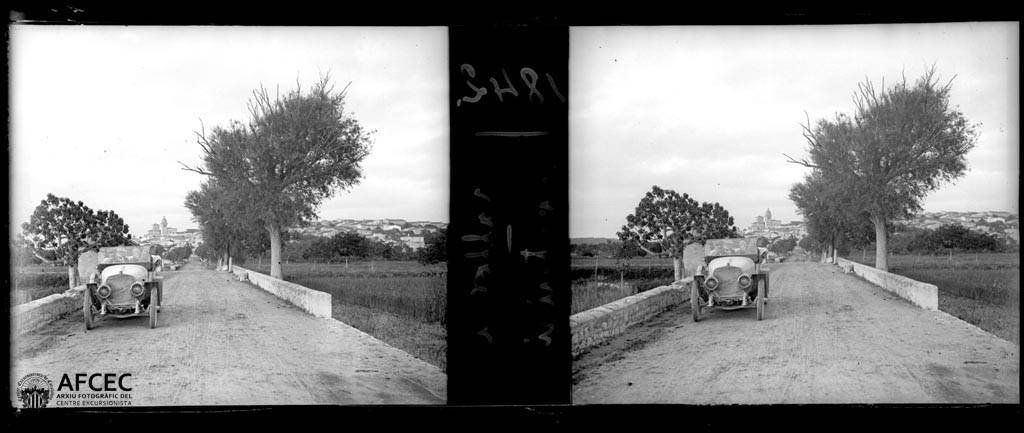
On paper, Sant Joan is easy to find: sitting in the Pla de Mallorca roughly between Palma and Manacor. The roads connecting it cut straight through farmland dotted with old windmills.
Parking means doing a short loop around the central streets—it's rarely an issue because most traffic is local or on two wheels.
Now here's something practical: staying overnight isn't always straightforward because this isn't really set up for visitors passing through. Accommodation within Sant Joan itself is limited; many people choose to base themselves somewhere else nearby like Petra or Vilafranca and come here for half a day instead.
What surrounds Sant Joan is open countryside—a lot of it. In February when almond trees bloom suddenly across those fields… well that's worth seeing if your timing's right.
What stays with you
Sant Joan isn't where you come looking for Mallorca’s most photogenic corners or coastal views—the sea requires planning to reach from here.
A visit works best as pause between other things: sit in that square long enough to see how slowly things move here most days except during summer festivals dedicated to Sant Joan Degollat (late August) when music fills up space again briefly before returning back down again into quietness once more afterwards...
The rest year feels closer its true self: fields stretching out every direction without hurry while conversations continue slowly under trees until sun goes down behind church tower casting long shadows across stones warmed by afternoon heat already fading away now leaving only memory behind...