Full Article
about Santa Eugènia
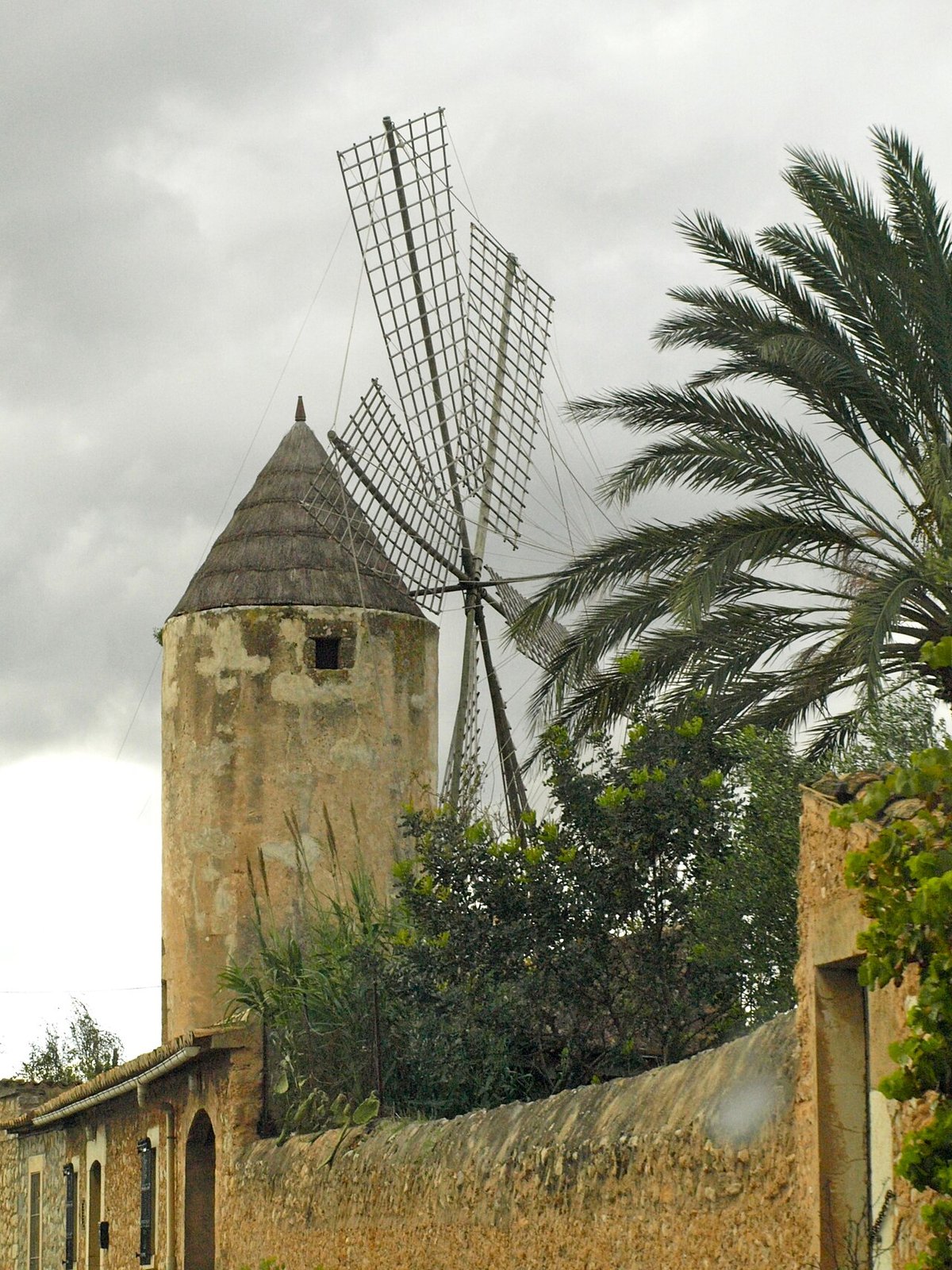
Small town on the edge of the Pla; known for its stone houses.
Hide article Read full article
Early in the day, when the sun still slips low between the almond trees, the stillness of the Pla de Mallorca feels more pronounced. A car passes slowly along the local road and, in the centre, a shutter lifts with the dry sound of old wood. Tourism in Santa Eugènia tends to begin like this, without spectacle. It is a small inland village where mornings arrive gently and the countryside continues to set the pace.
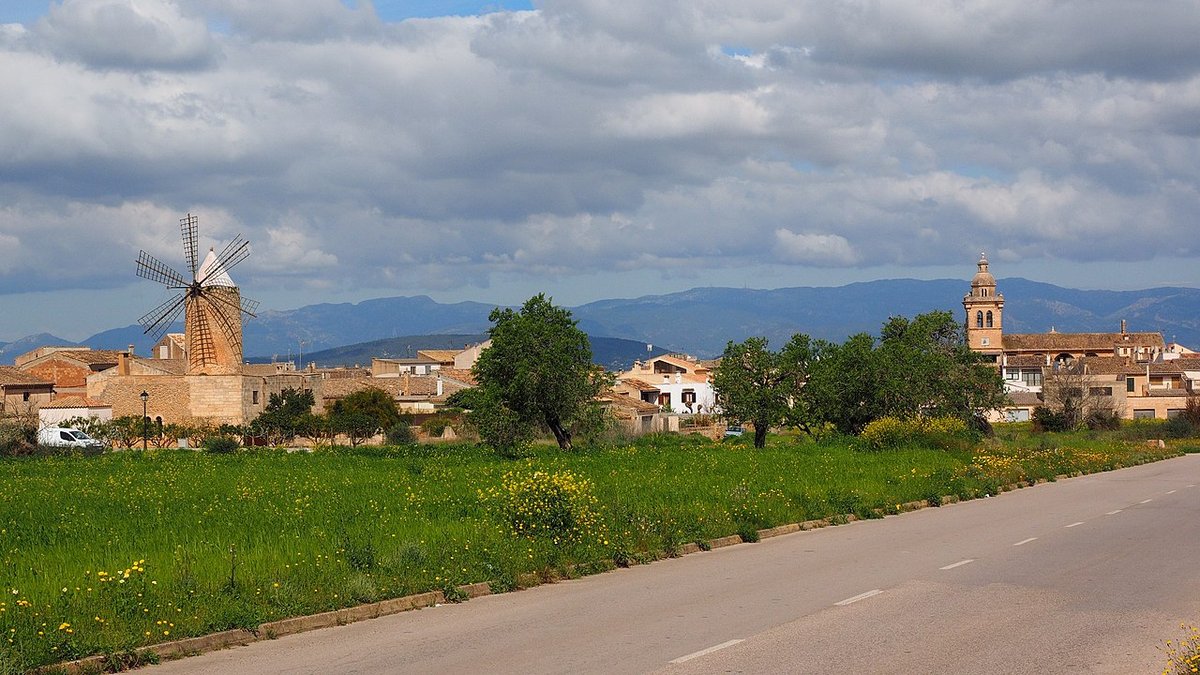
Less than half an hour by car from Palma, Santa Eugènia sits in the middle of the Pla, surrounded by farmland and rural tracks. The landscape is flat and open: cereal fields, scattered carob trees, and low dry-stone walls tracing lines across reddish soil. The village itself gathers into a handful of streets around the church and the square. On a weekday, it is common to see neighbours chatting at their doorways or loading boxes into a car before heading out to a nearby finca.
Streets, stone and the parish church
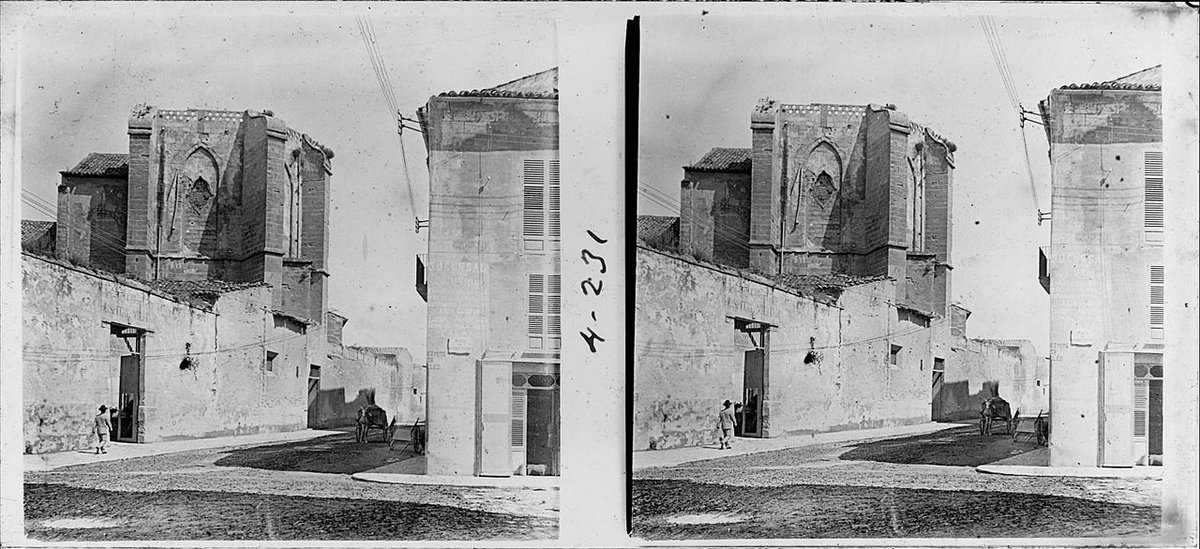
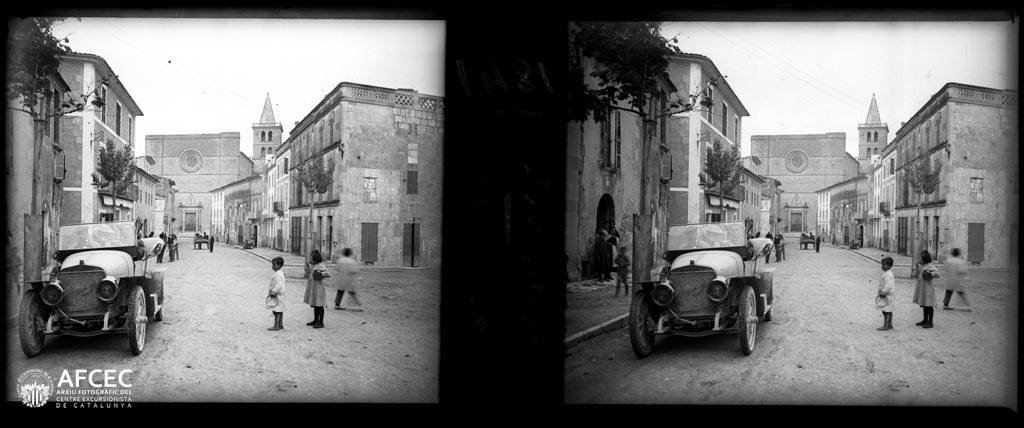
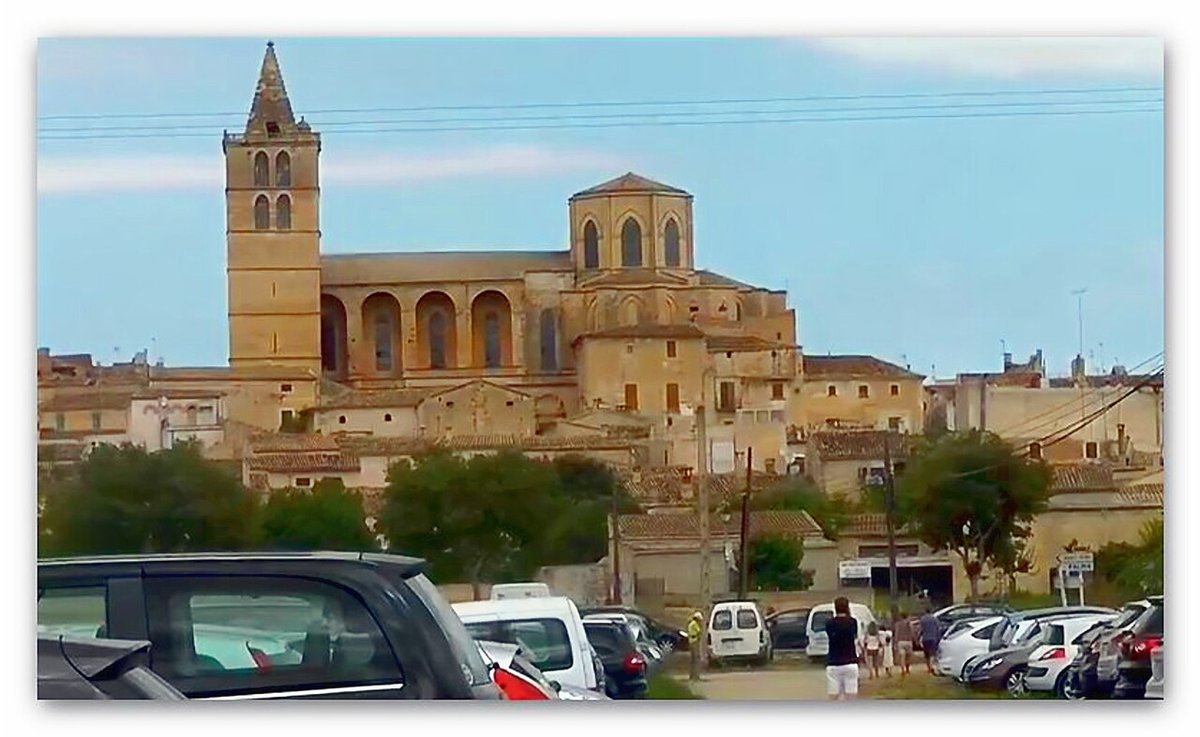
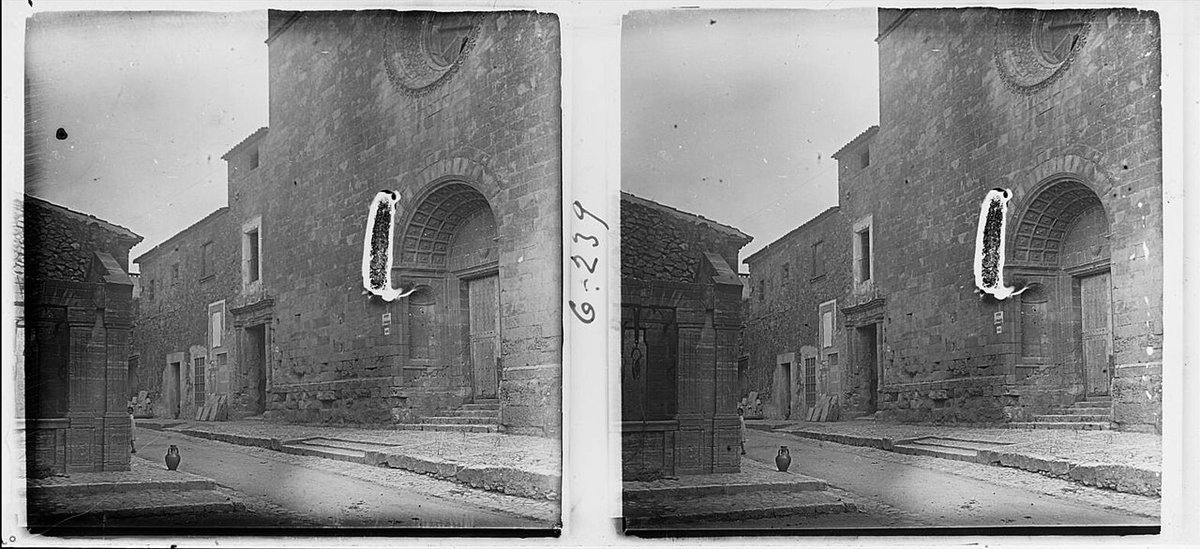
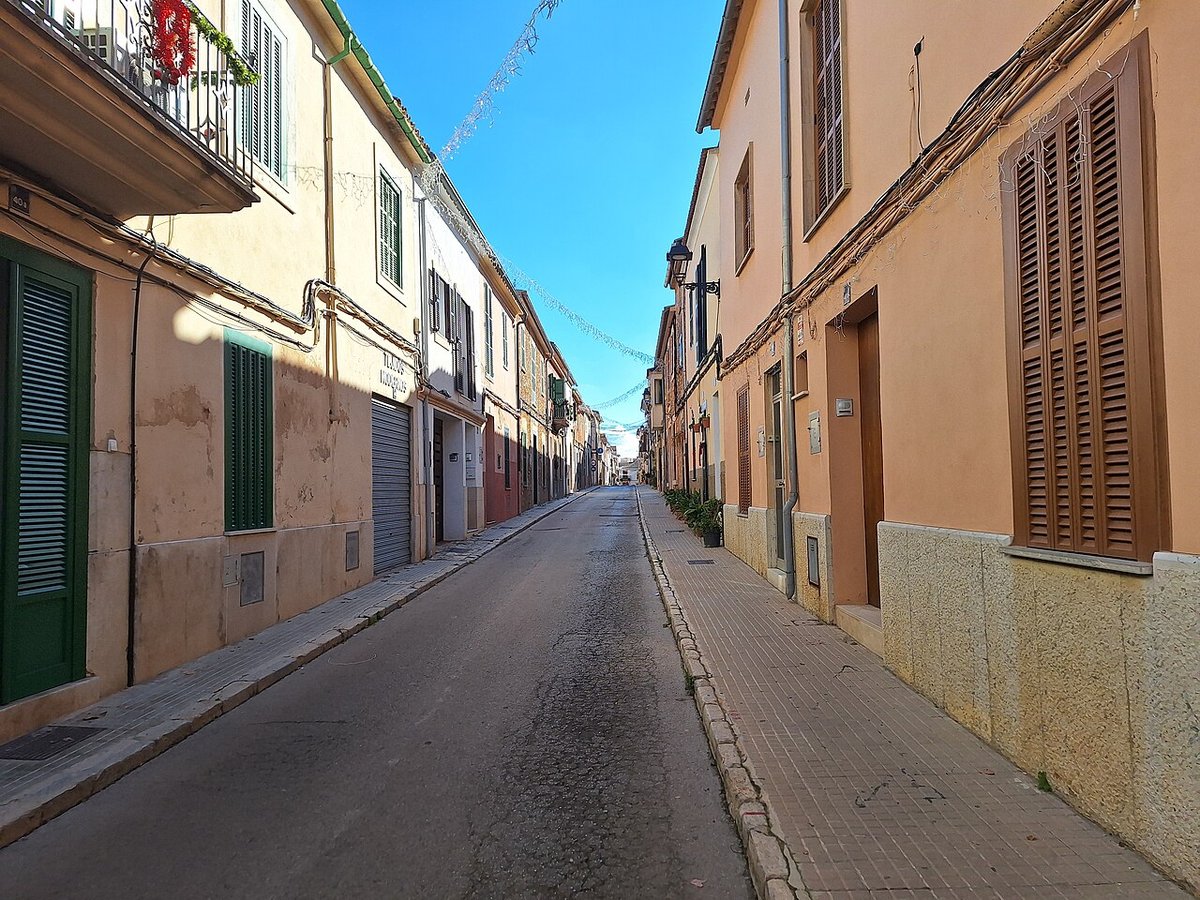
Carrer Major runs through the old centre and leads up to the parish church, set on the highest point of the village. What stands today reflects various changes made in the modern period, something common among churches in inland Mallorca, where buildings were expanded or altered over time.
From the outside, it is restrained: pale stone and little decoration. Inside, the space remains simple, with side chapels and an altar with a Baroque feel. At certain times in the afternoon, light enters through the high windows and falls diagonally across the tiled floor, leaving the interior in a soft half-shadow.
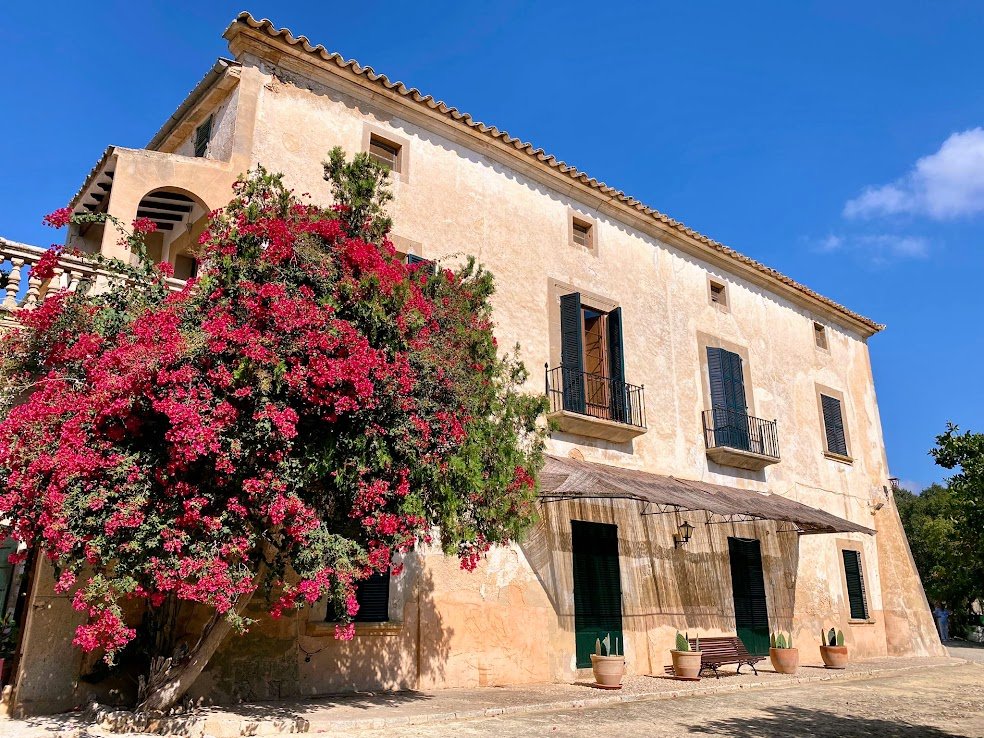
Around it are older houses with heavy wooden doorways and inner courtyards barely visible from the street. Some still keep traditional Mallorcan shutters painted dark green, alongside irregular masonry walls that show their age without disguise.
Rural paths through farmland and almond trees
Leaving Santa Eugènia on foot or by bicycle is straightforward. Within minutes, asphalt gives way to dirt tracks winding between agricultural plots. The edges are lined with dry-stone walls built by hand, without mortar, a technique widely used across the Pla.
In winter, especially towards late January and February, almond trees begin to bloom. Pale pink and white patches appear among otherwise bare branches. By summer, the scene changes completely. Dry cereal turns the fields golden, and the midday air lifts fine dust from the paths.
Simple routes link Santa Eugènia with nearby villages such as Sencelles, Algaida or Lloret de Vistalegre, following secondary roads and rural tracks. It is sensible to carry water and protection from the sun. Shade is scarce here, and in the warmer months the heat builds early, even in the morning.
A small place with its own pace
Santa Eugènia has just over a thousand residents, and daily life reflects that scale. Shops and bars in the centre do not always follow schedules designed for visitors. Some close at midday or on certain days of the week.
If planning to eat or buy something, it helps to check in advance what is open. Many people stop only briefly before continuing on to other villages across the Pla.
Festivities and everyday life
The festive calendar remains closely tied to traditions found across inland Mallorca. In mid-January, Sant Antoni is usually celebrated with bonfires in the streets and the blessing of animals, a custom widely observed on the island.
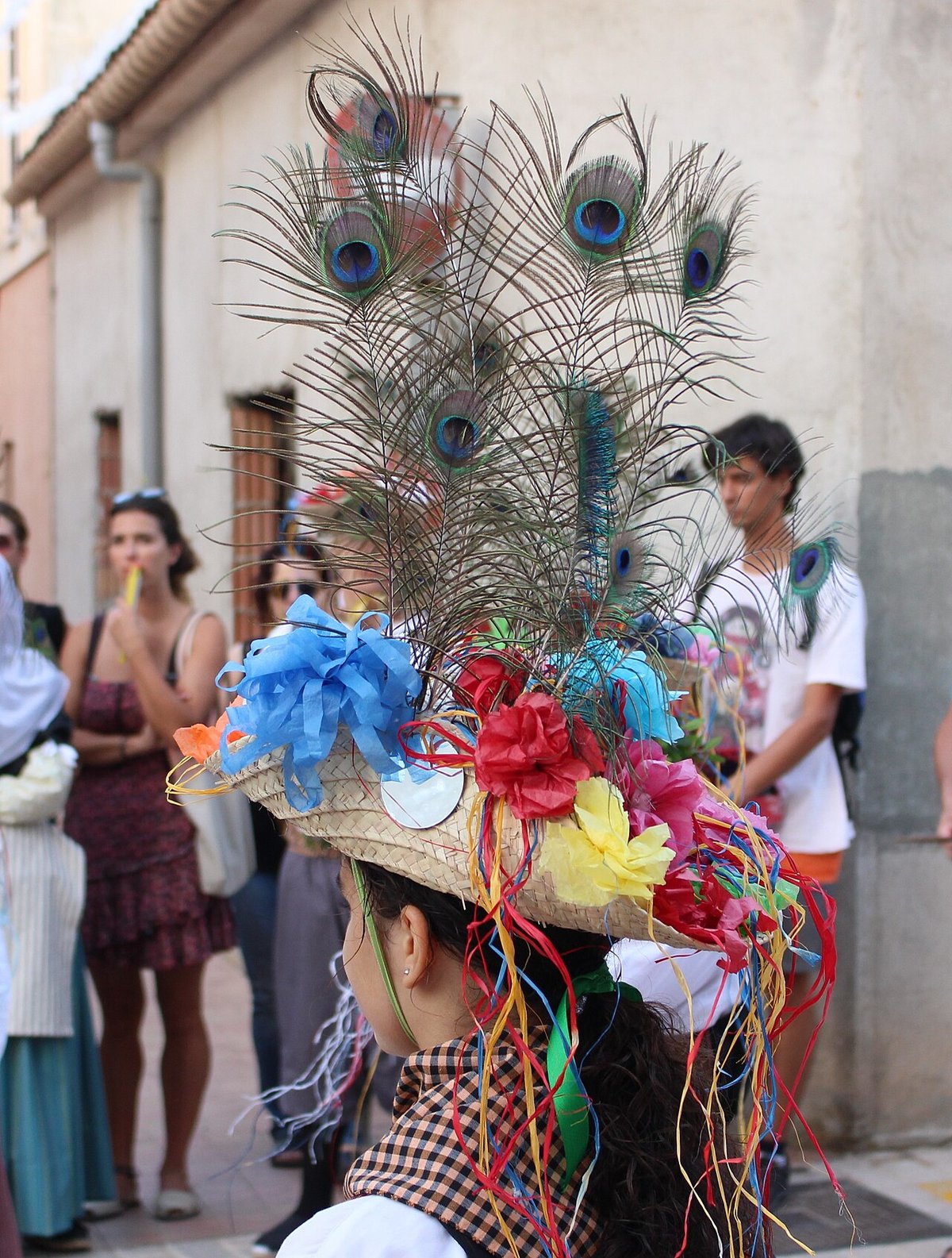
In summer, around the end of July, the festivities dedicated to Santa Eugènia take place. For a few days, the square becomes busier than usual, with music, community activities and long tables where local families gather.
It is not an event designed as a spectacle. It feels more like an extension of daily life, only with more people and the sound of conversations stretching later into the night.
Getting there and choosing the moment
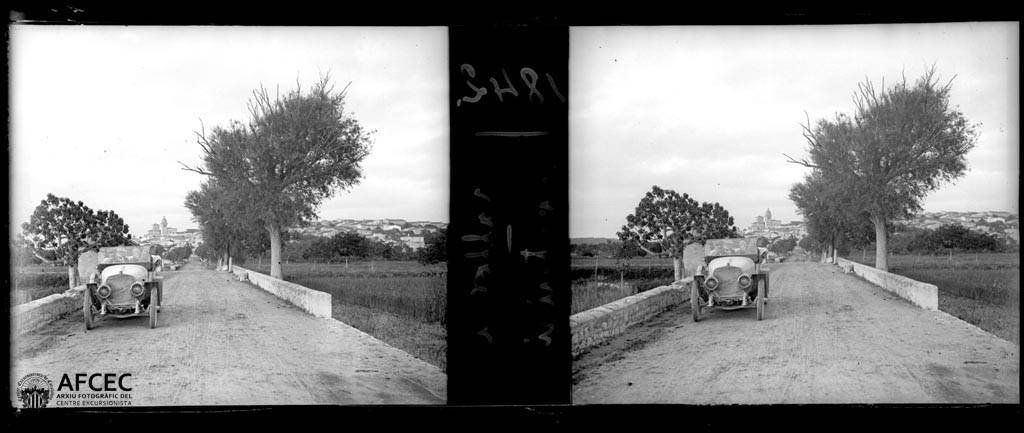
From Palma, the journey takes around half an hour by car. The usual route follows the Ma‑15 towards Manacor, before turning inland into the Pla, following signs to Santa Eugènia.
The centre is compact, and the streets are narrow. It is easier to park on the edges of the village and continue on foot.
In summer, it is best to avoid the middle of the day. Early morning and late afternoon bring a noticeable shift. The heat eases, façades take on a softer ochre tone, and from the outskirts of the village the wind can be heard moving through the silvery leaves of olive trees. At those times, Santa Eugènia most closely resembles what it is for much of the year.