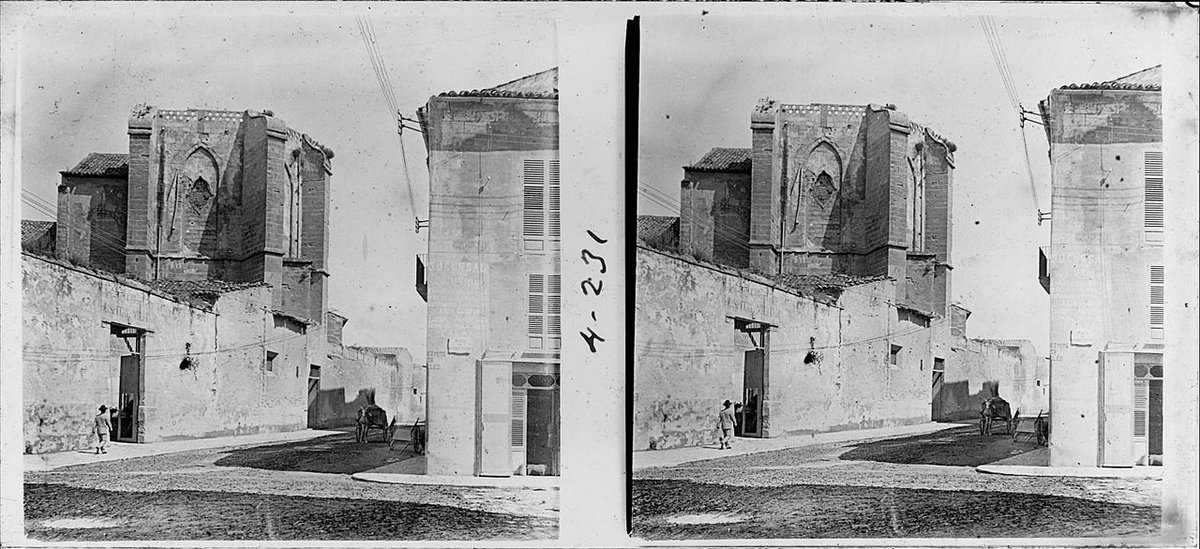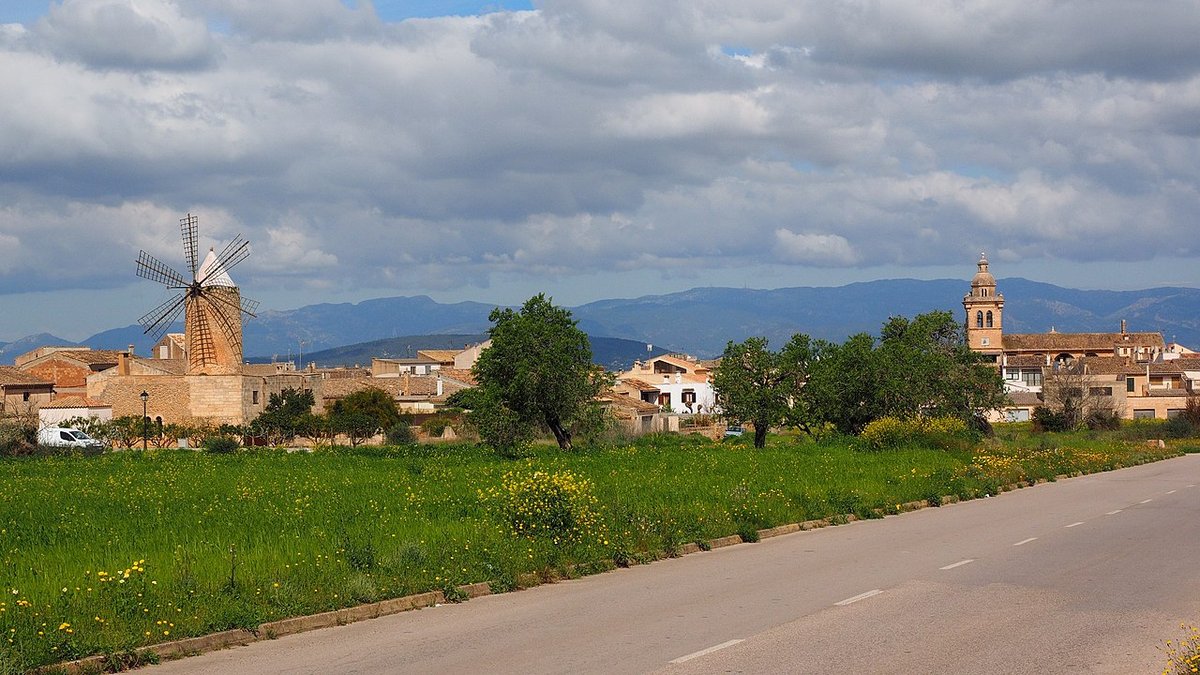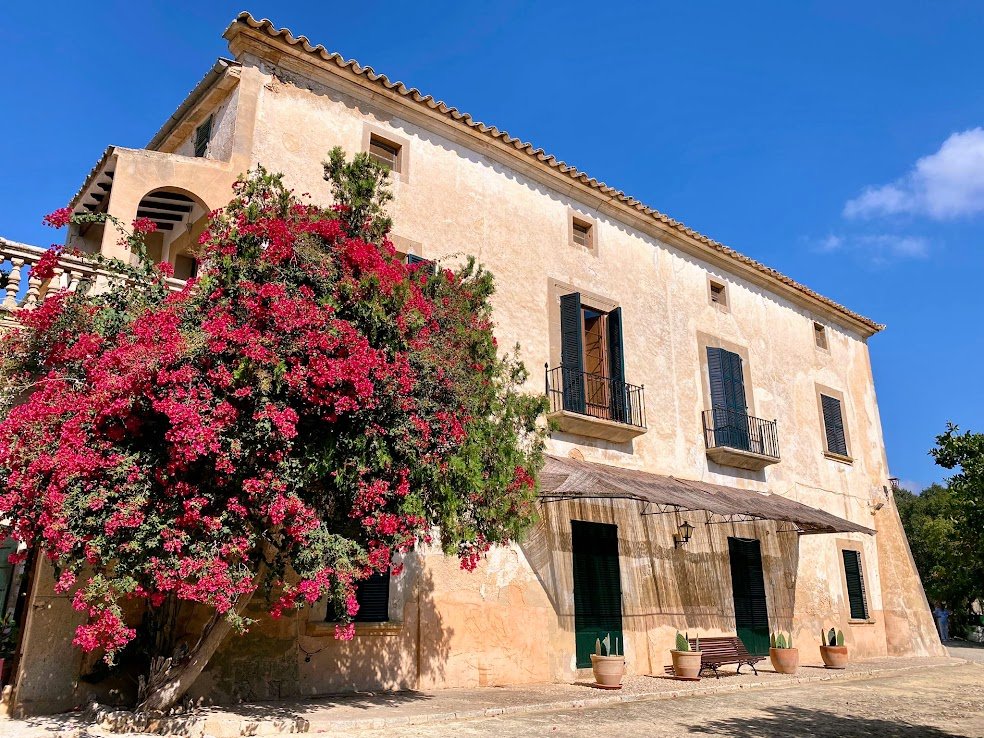
Possessió Ayreflor - Sencelles (Mallorca).jpg
Baleares · Pure Mediterranean

Sencelles

The church bell in Santa Eulàlia strikes eleven and the only other sound is the click of a cane on stone. An elderly man crosses the square, nods a...

3,973 inhabitants · INE 2025
120m Altitude

Why Visit

Talayotic site of Son Fred Archaeological route

Best Time to Visit

year-round

Santa Águeda festivities (February) agosto

Things to See & Do
in Sencelles

Heritage

  • Talayotic site of Son Fred
  • Convent of Charity
  • Boundary crosses

Activities

  • Archaeological route
  • Convent visit
  • Rural tourism

Festivals
& & Traditions

Fecha agosto

Fiestas de Santa Águeda (febrero), Mare de Déu d'Agost (agosto)

Las fiestas locales son el momento perfecto para vivir la autenticidad de Sencelles.

Full Article
about Sencelles

Rural heart of Mallorca with rich archaeological heritage; pilgrimage site to the tomb of Sor Francinaina

Ocultar artículo Leer artículo completo

The church bell in Santa Eulàlia strikes eleven and the only other sound is the click of a cane on stone. An elderly man crosses the square, nods at the bronze statue of a farmer loading almonds into a basket, and disappears down a lane that narrows to the width of a tractor tyre. No souvenir stalls, no menu boards in four languages, not even a cash machine. Sencelles simply gets on with being itself, 25 km from the nearest beach and determined to stay that way.

The island’s dead-centre heartbeat

Stand on the Plaça de la Constitució and you are equidistant from Palma’s cathedral and the lighthouse at Alcúdia. The land around the village is a chessboard of almond groves, carob orchards and small vineyards stitched together by dry-stone walls. In February the almond blossom turns every field into a pale pink snowstorm; by August the same earth is blond and crackles underfoot. The scenery is flat enough to read the weather from the Tramuntana ridges thirty kilometres west – when the peaks vanish behind cloud, locals drive to the coast because rain is already on the Ma-13.

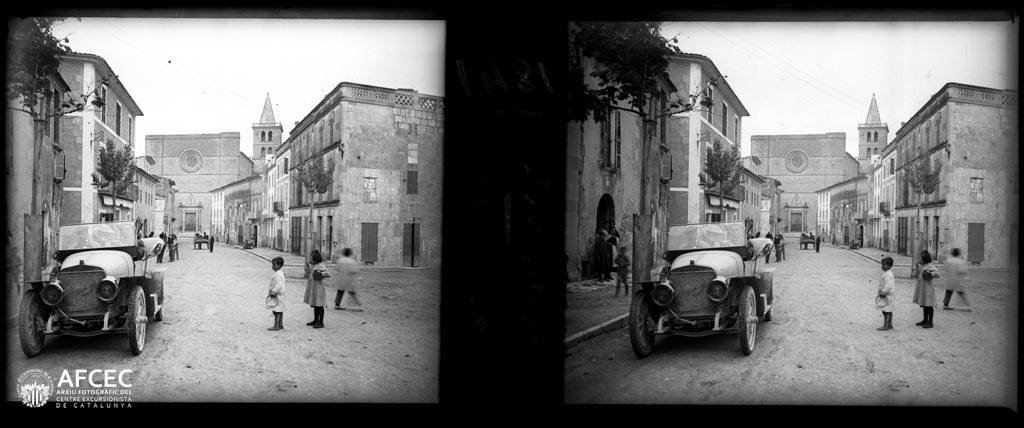
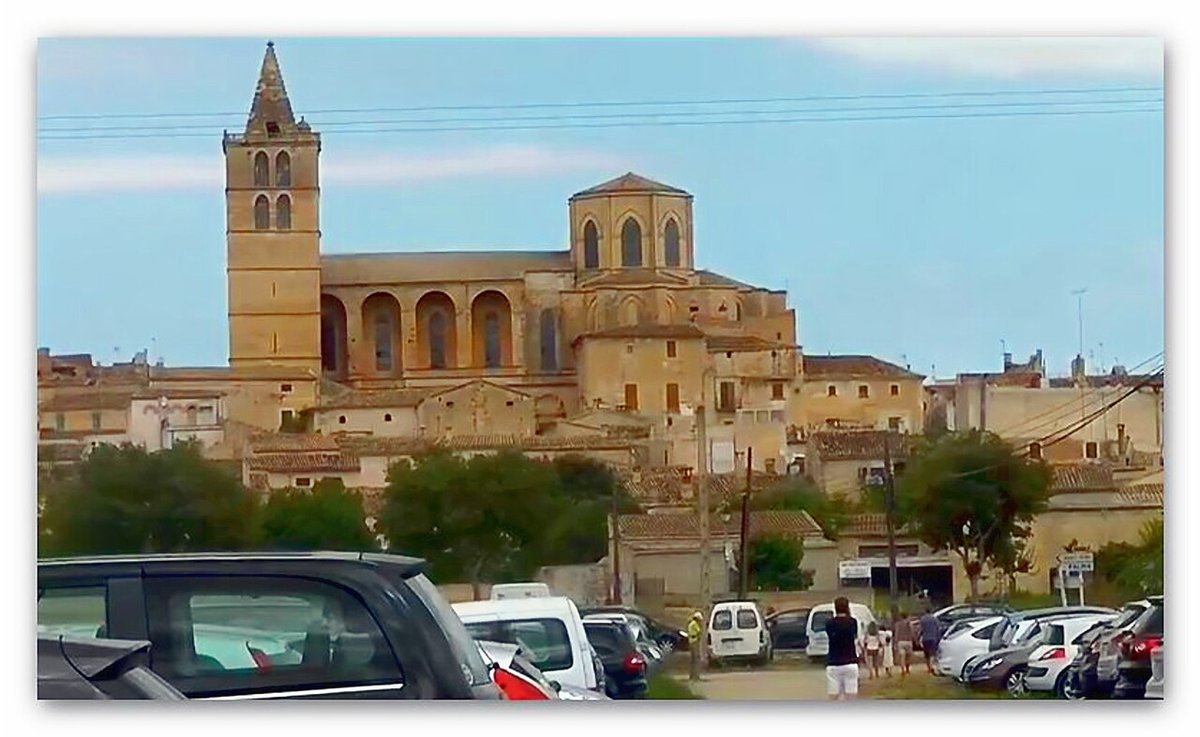
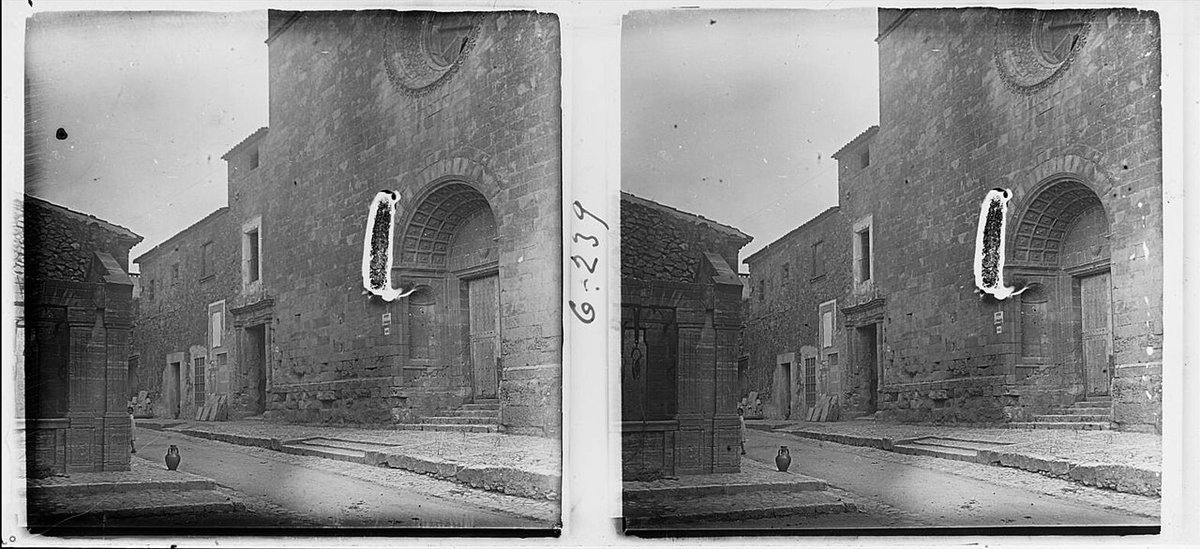
The church tower is the reference point for every set of directions you will hear. “Go past Eulàlia, take the third camí on the right, look for the red gate” is the rural equivalent of “turn left at Starbucks”. Inside, the building is late-Gothic stripped of glamour: sandstone columns, a Baroque altarpiece gilded almost to excess, and a side chapel whose centrepiece is a miniature plough. Faith here has always been agricultural.

Wine without the coach park

Mallorca’s wine renaissance is usually filed under “Binissalem DO” a few kilometres north, yet Sencelles quietly produces some of the island’s most drinkable bottles. The cooperative in the village sells Prensal Blanc at €6 a bottle straight from the stainless-steel tank – bright, faintly salty, ideal for the first glass after a flight. Four private cellars open by appointment: José Luis Ferrer, Son Puig, Celler Tianna Negre and Jaume de Puntiró. All four sit within a five-minute drive of the square; none has a gift shop larger than a double garage.

Tastings still feel like being shown a cousin’s garage project. You stand between stainless-steel vats while someone rinses glasses under a cold tap and explains why they ferment the local Callet grape at 24 °C precisely. The standard flight is three whites, two reds and a sticky Moscatel; spittoons appear only if you ask. Weekends require booking at least two days ahead – email works better than phone because the winemaker is probably driving a forklift when you ring.

Saturday morning at the gate

The agricultural market is not a market in the British sense of pastel-coloured awnings and artisan sourdough. It is a cluster of folding tables set out from 09:00 until the produce runs out, usually before noon. One stall sells nothing but three grades of almonds: soft-skin Marcona for €9 a kilo, bitter almond kernels for €4, and split ones for ice-cream makers. Another offers sobrasada in links the colour of paprika-stained terracotta; try the “semi-curada” version which spreads like pâté but still tastes of pork rather than just spice.

Can Cavall Blau, a stone farmhouse on the Lloret road, opens its gate on Saturday for wine-and-cheese tastings that finish the moment the last wheel of goat’s cheese is sliced. Condé Nast calls it a “hidden gem”; locals call it “the place with the blue horse on the wall”. Either way, you need to book via Instagram (@cancavallblau) and you will sit on plastic chairs under a carob tree while the owner pours her orange-infused Amargeró aperitif and explains why nobody here bothers with organic certification – “the inspector can’t find the farm anyway”.

The climb that puts the island in order

The Puig de Randa rises 543 m south of the village like a loaf left to prove on the plain. A winding 5 km road lifts you through holm-oak scrub to the Santuari de Cura, a former monastery turned simple guesthouse. The restaurant does a fixed-price lunch – soup, roast lamb, custard – for €16, served on a terrace that faces west towards Palma. On clear days you can pick out the cathedral’s rose window; in July the view shimmers in heat haze and the city looks like a mirage.

Three tiny hermitages dot the slopes; the footpath linking them is signed but rough underfoot. Allow two hours for the full loop, longer if you stop to read the stone plaques quoting Ramon Llull, the medieval philosopher who lived here and more or less invented Catalan literature. Take water: the mountain’s own spring was capped decades ago and the café sells plastic bottles for €2 a pop.

Evenings that end early

British visitors often expect a Spanish village to erupt into tapas-bar crawls after dark. Sencelles goes quiet. By 21:30 the pharmacy is shuttered, the baker’s lights are off and the only place still serving is Bar Central on the corner of the square. Order a variat platter – a wooden board built like a British ploughman’s but with sobrasada, camaiot (black-pudding sausage), local Mahón cheese and curls of salt-cod fritter. A glass of house white costs €2.50; they will bring a dish of olives without asking and add 80 c to the bill with the honesty of people who assume you are checking.

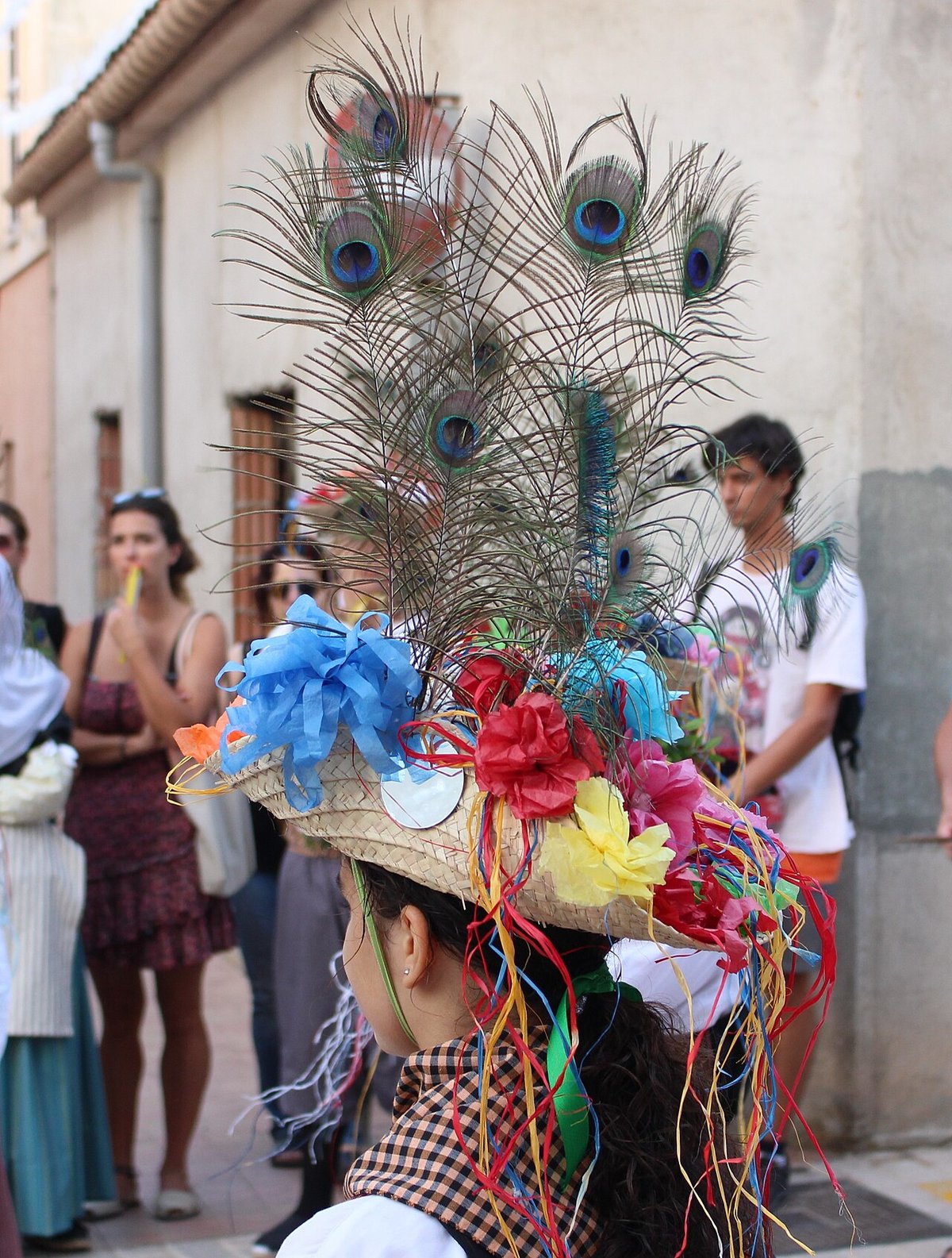
Noise returns only during fiestas. Santa Eulàlia (12 February) means a procession with giant papier-mâché figures and doughnuts handed out by children in velvet capes. The August verbena drags a funfair into a car park on the edge of town; if your hotel is within 500 m you will be woken by brass bands at 06:00 and firecrackers at 02:00. Book elsewhere or join in.

Getting there, getting round

Palma airport to Sencelles is 30 km on the Ma-13, then the Ma-3220. The drive takes 25 minutes outside rush hour; allow 45 minutes on Saturday when every hire-car convoy heads for the coast. There is no petrol station in the village – fill up at Inca, 8 km north. Public transport exists in theory: bus 312 from Palma’s Estació d’Intermodal, four services a day, 55 minutes, €3.85. The timetable changes with the school calendar; missing the last bus back means a €35 taxi.

A car is non-negotiable if you want to visit wineries or reach walking routes safely. Country lanes have no pavements and local drivers treat them like motorways. Cycling is popular but bring legs accustomed to gradients – the Pla may look flat until you meet the wind that barrels across it unimpeded.

Where to sleep, what it costs

Bonita Sencelles is the only hotel inside the village: six rooms round a salt-water pool, breakfast with ensaïmada still warm, from €120 a night. Three rural fincas within a ten-minute drive offer agroturismo – stone houses converted to suites, olive groves for a garden, prices €150–€220 including transfers from the airport if you promise to eat dinner on site. Budget travellers stay in Inca’s chain hotels for €65 and drive in for lunch.

Meal prices feel stuck in the last decade. A three-course menú del día in the village rarely breaks €14; a bottle of decent local wine in a restaurant is €18, in the supermarket €6. Tasting menus at the wineries hover around €25 including five wines – cheaper than the Eden Project car park.

When to come, when to stay away

Late March to early May is the payoff: almond blossom has finished so the trees look like green clouds, daytime temperatures sit in the low 20s and the fields smell of fennel after rain. October gives the same weather in reverse, plus the grape harvest and the Fira de Tardor food fair. Mid-summer is workable if you shift your day: walk at 08:00, siesta through 14:00–17:00, sit outside again after the sun drops behind the church. December and January are mild but melancholy – everything is open yet nothing is happening, like a seaside town with the sea removed.

Leave the checklist at home

Sencelles will not deliver a blockbuster attraction. There is no single “must-see” chapel, no sunset rated on TripAdvisor, no beach to brag about. What it offers instead is continuity: the same families farming the same plots, the same three bars serving the same five tapas, the same bell marking the same hours. Stay a night, buy a bottle of wine you cannot pronounce, let the square teach you the pace of a place that has never needed the coast to feel complete.

Key Facts

Region
Baleares
District
Pla de Mallorca
INE Code
07047
Coast
No
Mountain
No
Season
year-round

Livability & Services

Key data for living or remote work

2024
ConnectivityFiber + 5G
HealthcareHealth center
EducationElementary school
Housing~5€/m² rent · Affordable
CoastBeach 20 km away
Sources: INE, CNMC, Ministry of Health, AEMET

Planning Your Visit?

Discover more villages in the Pla de Mallorca.

View full region →

More villages in Pla de Mallorca

Traveler Reviews