Full Article
about Sineu
Former royal residence in the island's center; known for hosting Mallorca's oldest farmers' market every Wednesday.
Hide article Read full article
The Wednesday Engine
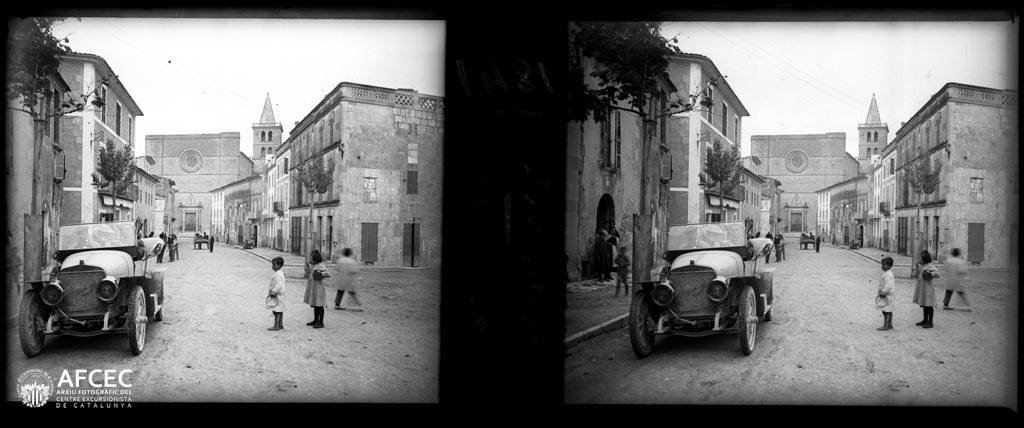
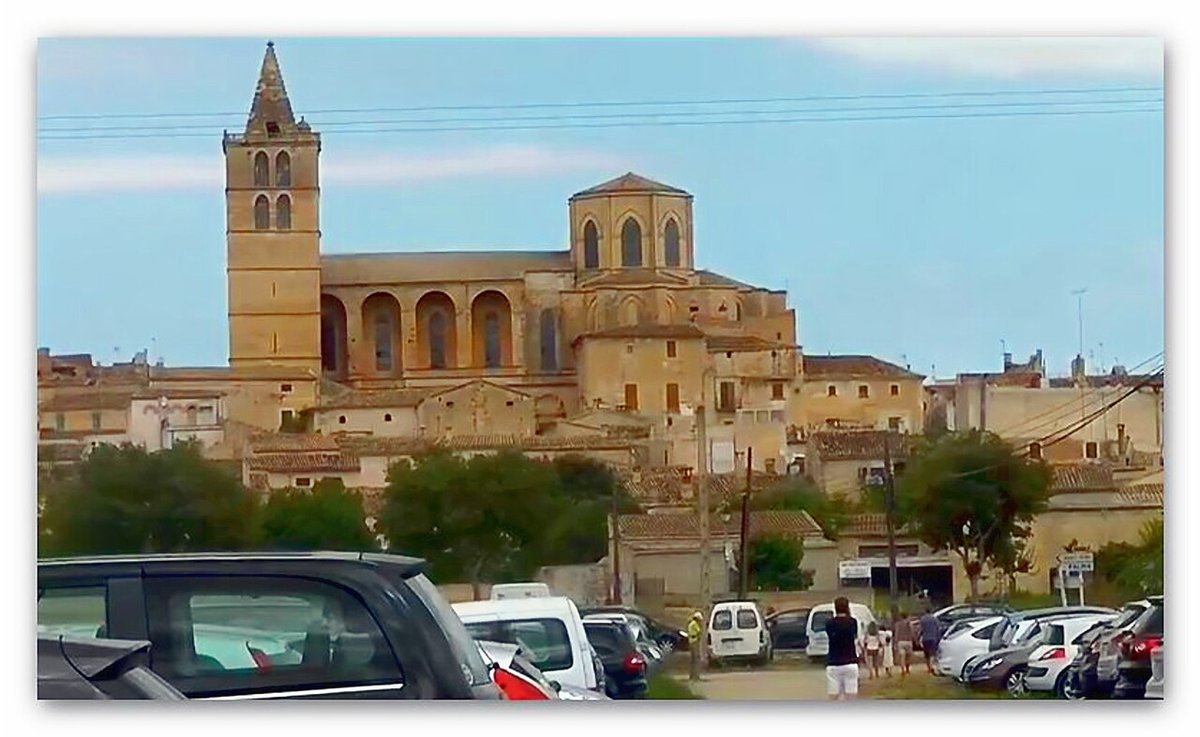
Some towns run on tourism. Sineu runs on a market. Forget the postcard version of Mallorca for a morning. Here, the soundtrack is diesel engines and haggling, the scent is livestock and warm ensaïmades, and the main plaza is a parking lot for tractors next to German camper vans. It’s messy, loud, and completely functional. That’s the point. Come on a Wednesday and you’re not stepping into an attraction; you’re getting in the way of a 700-year-old weekly routine that hasn’t stopped for anyone.
A Market That Feels Like Work
It sprawls. From the Plaça des Fossar, where you might see sheep being traded—a real, dusty transaction that’s become rare elsewhere—the stalls bleed into every side street and hidden courtyard. You walk through a chaos of purpose. A man tests a knife’s edge on a piece of rope. Another shouts prices for work trousers. Someone hands you a chunk of bread topped with sobrasada, not as a sample, but as a fact: this is what we eat.
Get there early. By ten, the main arteries clog and movement becomes a slow shuffle. But even then, it doesn’t feel staged. The crowd is mostly locals here for chicken wire, seedlings, or just to stand and talk with their hands in their pockets. The commerce feels secondary to the conversation.
Eating Where Things Are Simple
You come to Sineu to eat frito mallorquín. Don’t overthink it. It’s offal—liver, kidney, sometimes lung—fried up with potatoes, peppers, and onion. It sounds heavy, and it is. But done right, in one of the town's cellers, it makes strange sense. You'll clean the plate. These cellers are basic: stone walls, long wooden tables, no menu fuss. A good rule is to look for the place where guys in work boots are eating at 2 p.m.
Time your visit right and you might catch other things. Around Easter, families make panades sineueres, small pastry parcels filled with pork and peas. And in bakeries at dawn, you'll find bunyols, fist-sized fried dough balls that are best described as a doughnut that forgot its hole. They don't last long.
Walking the Flat Earth
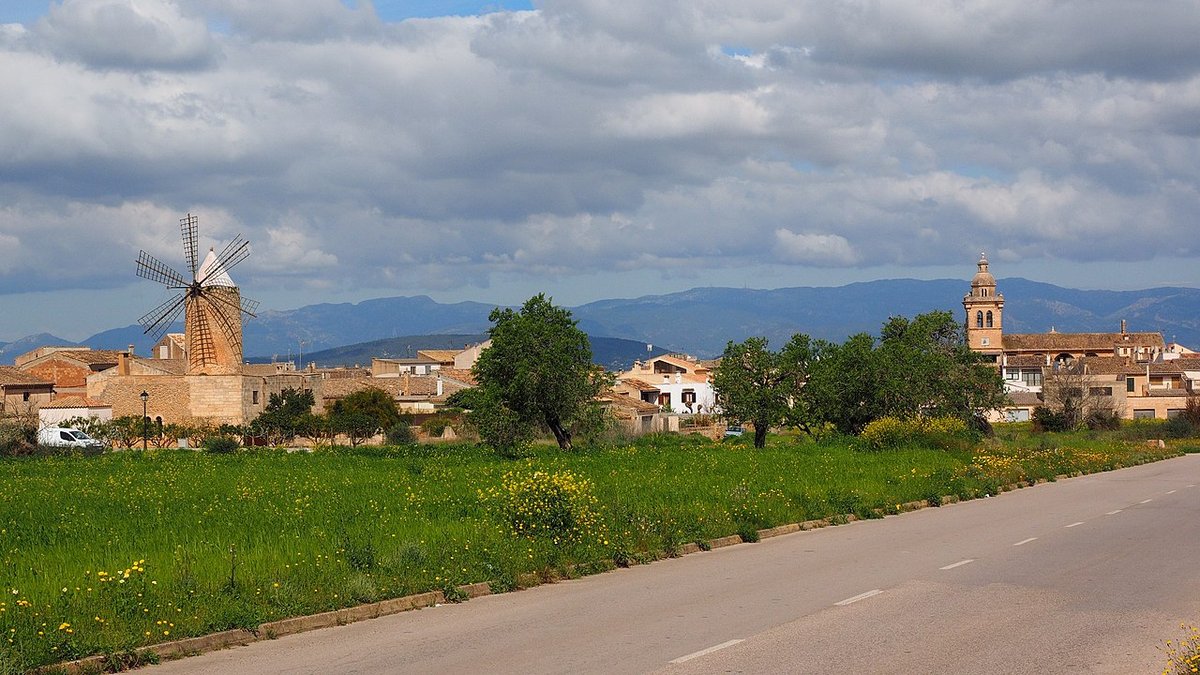
The beauty of the Pla de Mallorca is its horizontality. You can walk or cycle without training for it first. A common route loops up to the Puig de Sant Miquel. It's about six kilometres round trip and the climb is gentle. The reward is perspective: the entire plain laid out like a map, with the Tramuntana range as a dramatic backdrop.
But this landscape has seasons. Come in late February when the almond trees bloom and it's all soft whites and pinks. Come in August and it's a different pact entirely. The heat here is dry and heavy; shade is scarce as honesty. Water is non-negotiable.
For something even flatter, follow part of the Camí vell a Ruberts, an old path through wheat fields lined with dry-stone walls. It's meditative. Your biggest interruption will be the buzz of insects or a distant tractor.
A Palace With Nuns and Silkworms
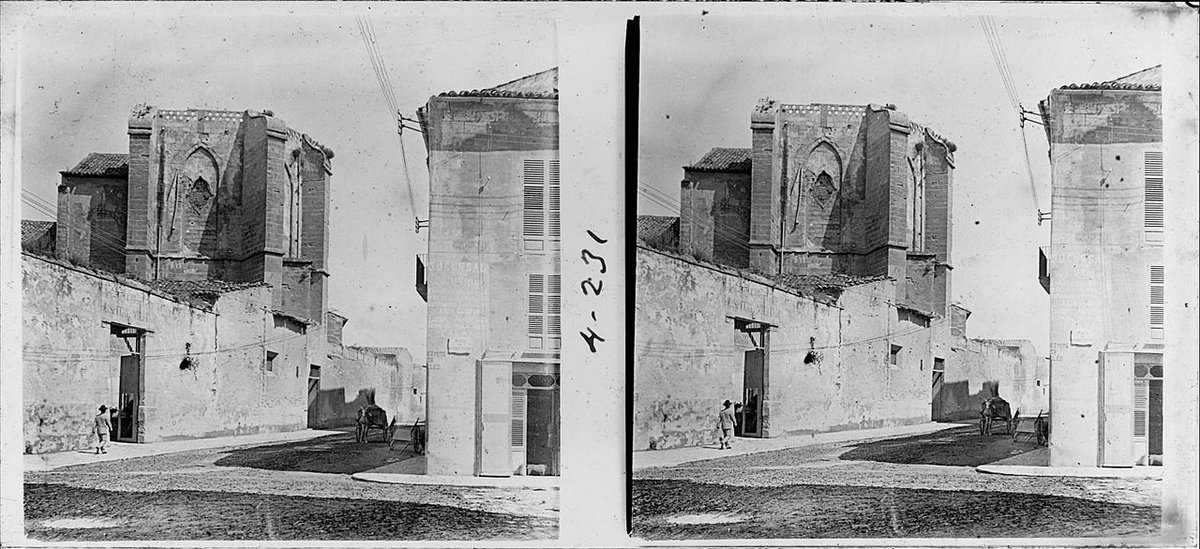
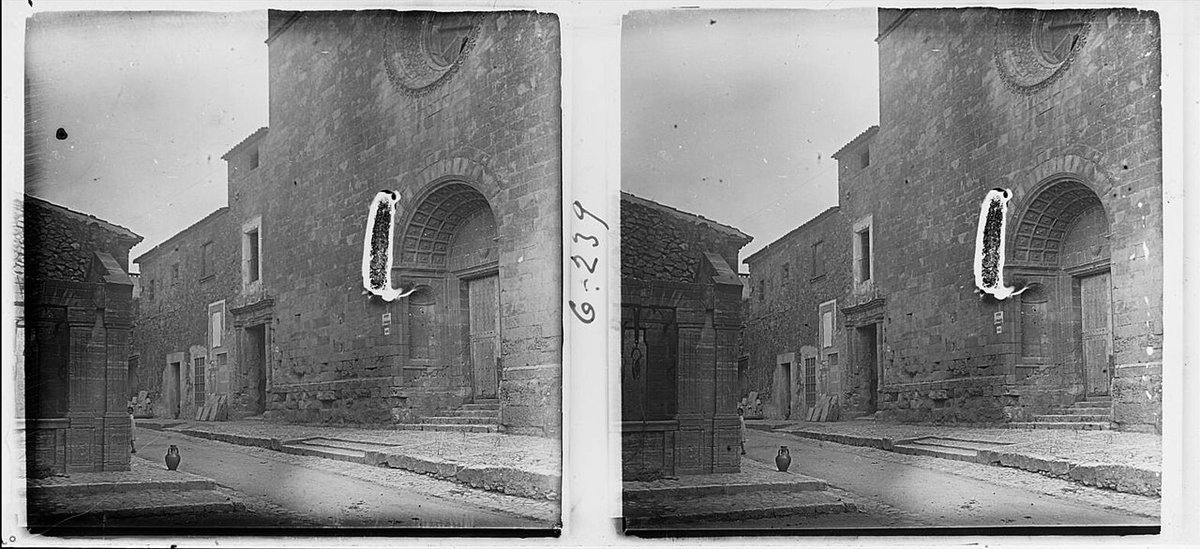
Dominating the centre is the Palau del Rei en Jaume II. You can't go in. It's been part of an active convent for centuries. You just have to stand outside and take its word for being important once; it was a royal residence that governed this whole agricultural plain.
The nuns who took it over were pragmatists. They once raised silkworms in the former royal rooms to make ends meet. Today, they make sweets sold through a torno, one of those wooden revolving hatches that keeps cloistered life separate from your curiosity. It's this quiet functionality that defines Sineu more than any monument.
Timing Is Almost Everything
Locals will tell you May is interesting because of the agricultural fair. The town fills with machinery displays and prize animals. It's Wednesday market day turned up to eleven.
Spring also has festivals for Sant Marc with processions and communal meals. And in late June, Sant Joan brings bonfires that keep things lively past midnight.
But let's be honest about August. The Pla bakes. The sea is a theoretical concept far away. And winter has its own bite: these stone houses hold cold like a fridge. If you come then, pack accordingly.
Sineu isn't waiting for you. It's just here, doing its thing. Show up on Wednesday morning before nine-thirty, wander until your feet ache, eat something you wouldn't normally order, and leave before siesta starts That's how you get it