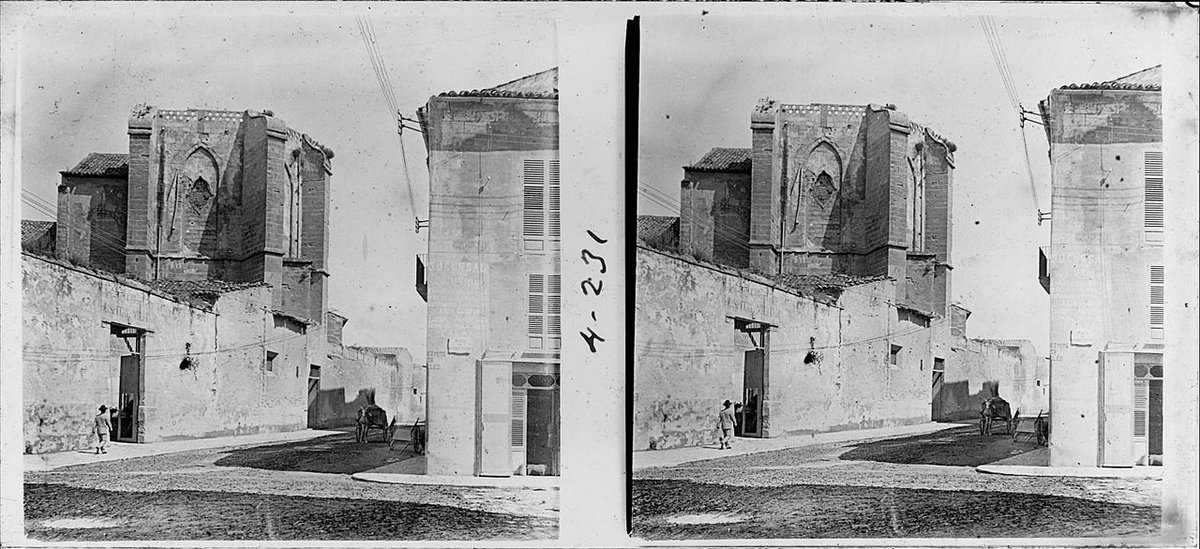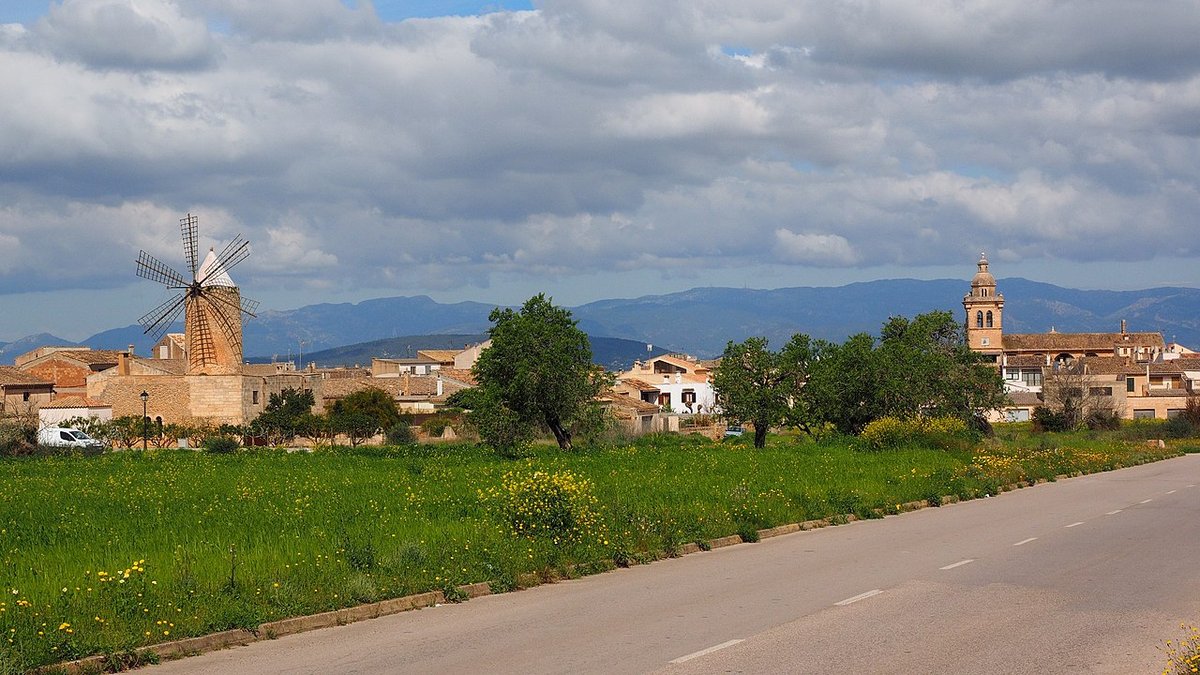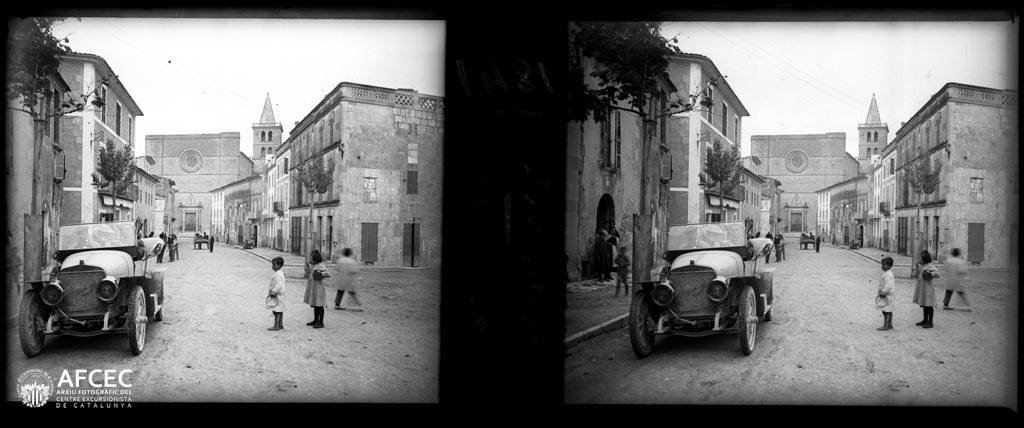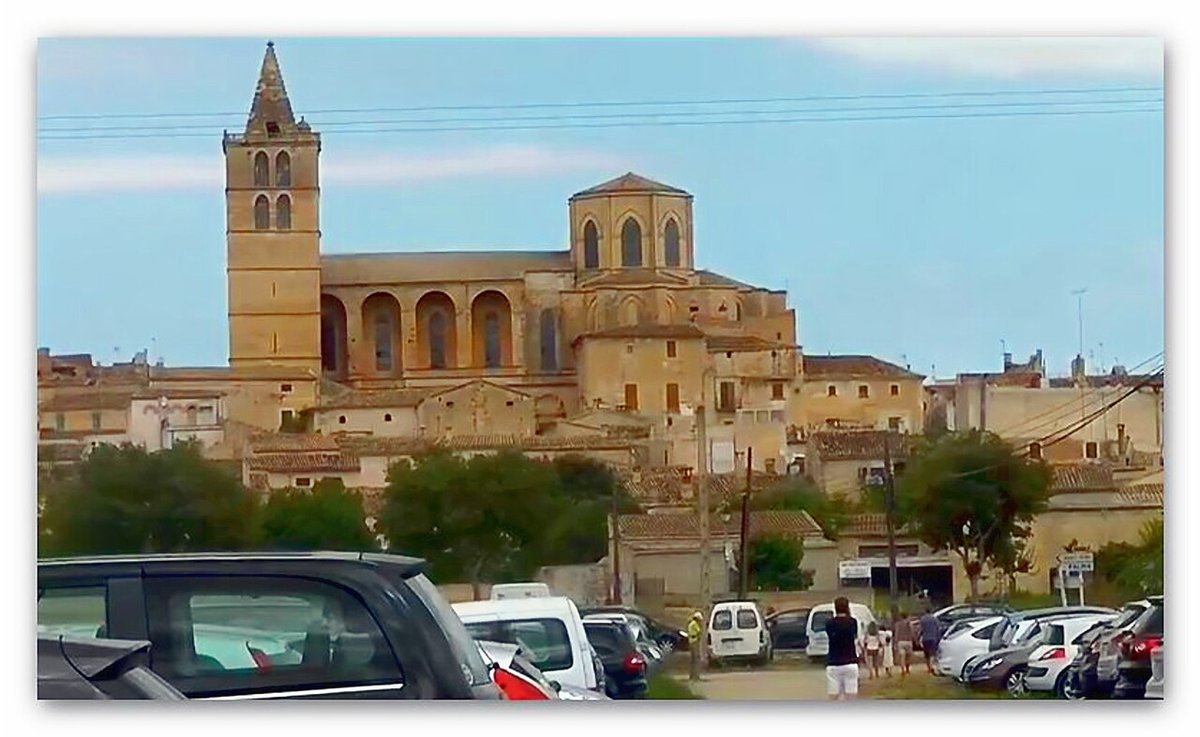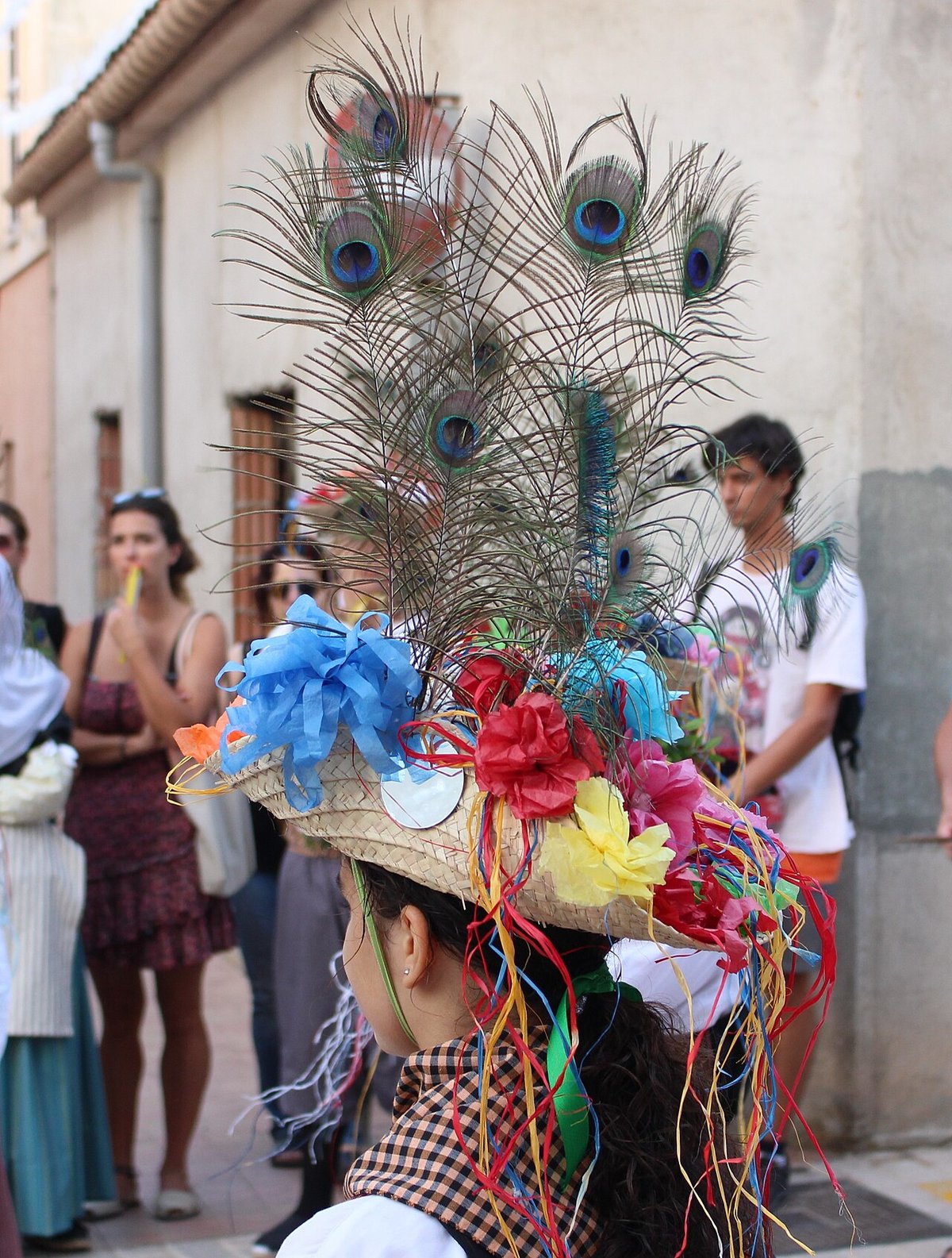
"Els Cavellets".jpg
Baleares · Pure Mediterranean

Vilafranca de Bonany

The tomato vines hanging outside the grocer's shop on Carrer Major still carry their fruit, turning slowly from green to crimson in the morning sun...

3,929 inhabitants · INE 2025
115m Altitude

Why Visit

Bonany Hermitage Melon Fair

Best Time to Visit

summer

Melon Festival (September) septiembre

Things to See & Do
in Vilafranca de Bonany

Heritage

  • Bonany Hermitage
  • Els Calderers manor house (nearby)
  • fruit stalls

Activities

  • Melon Fair
  • Climb to the hermitage
  • Buying local produce

Festivals
& & Traditions

Fecha septiembre

Festa del Meló (septiembre)

Las fiestas locales son el momento perfecto para vivir la autenticidad de Vilafranca de Bonany.

Full Article
about Vilafranca de Bonany

Agricultural town known for its quality melons and its location near the Bonany hill.

Ocultar artículo Leer artículo completo

The tomato vines hanging outside the grocer's shop on Carrer Major still carry their fruit, turning slowly from green to crimson in the morning sun. It's a small detail that tells you everything about Vilafranca de Bonany. This isn't a village that stages things for visitors. It's a working place where produce gets sold, tractors park wherever they fit, and the weekly market sets the rhythm for 3,700 locals who've never felt the need to apologise for not having a beach.

Forty minutes' drive inland from Palma, the Ma-15 highway spits you out onto country roads where the traffic thins to a handful of hire cars and the occasional lorry loaded with melons. The island's central plain, the Pla, stretches flat as a table top, interrupted only by modest hills and the stone walls that parcel up fields of almonds, cereals and vines. Vilafranca sits in the middle of it all, neither pretty enough for postcards nor remote enough to feel heroic. Just solid, agricultural Mallorca getting on with the job.

Stone Walls and Soil

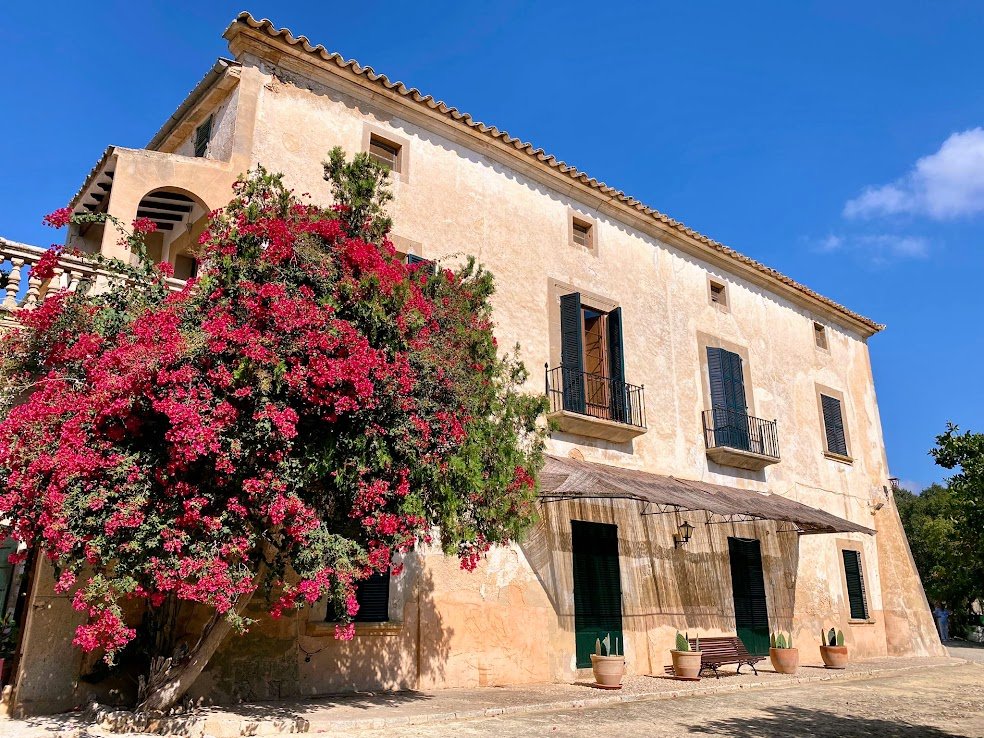
The centre takes twenty minutes to walk. Start at the parish church of Santa Bárbara, a sandstone box rebuilt in the nineteenth century after lightning torched its predecessor. Locals still argue whether the new bell tower's too tall for the nave, but it serves its purpose: marking the square where old men gather on metal chairs and teenagers circle on scooters. From here, narrow lanes radiate past houses with green-shuttered windows and stone portals wide enough for a cart. Peek through open doorways and you'll see the original possessions—manor houses built around courtyards where livestock once sheltered beneath the family's living quarters.

Outside the grid of streets, the village dissolves into countryside. Farm tracks head north towards Sineu, south to Felanitx, bordered by dry-stone walls that have stood since the Arabs laid them. Windmills spike the horizon, some restored, others leaning like drunks. They pumped water before electric wells arrived, and their skeletal sails still creak if the tramontana blows hard enough. Cyclists love these lanes because they're dead flat and drivers actually slow down. A gentle 20-kilometre loop eastwards brings you to the gates of Els Calderers, a manor house turned museum where guides demonstrate olive presses and explain how share-cropping shaped the island's social order. It's less sanitised than the flashier houses near Palma, and entry costs €8.50—cheaper than a pint back home.

The Wednesday Shuffle

Market day changes the tempo. Every Wednesday the main square fills with fifteen or so stalls: one for socks, one for cheap trainers, several heaving with fruit and veg. Tomatigues de ramallet—tomatoes grown on the vine for storage—hang in bunches like grapes. Buy a kilo for €2, add a loaf of village bread, and you've got breakfast for a week. Honeydew melons appear from late June; locals tap them like drums to judge ripeness. The stallholder will hack one open with a penknife if you ask, handing over slices cold from the cool box. It's sweeter than any supermarket version, and costs about €1.50 for a fruit the size of a bowling ball.

Food here is utilitarian, not fancy. El Cruce, on the corner as you enter town from the south, does the best value menu del día: three courses, wine and bread for €13. Grilled pork, chips, and a salad of lettuce hearts dressed with oil and salt tastes better than it has any right to, especially if you arrive after a morning's walking. They'll swap the ensaladilla for plain tomatoes if you can't face mayonnaise in 30-degree heat. Vegetarians survive on tumbet, a layered potato, aubergine and pepper bake that's basically ratatouille without the herbs. Order it with a fried egg on top for protein; no one will judge.

Timing and Temperament

Visit in late spring when the wheat turns gold and the air smells of chamomile crushed under tractor tyres. Temperatures sit in the mid-twenties, cool enough to walk at noon, warm enough to sit outside at nine. Autumn works too—September brings the melon fair, a low-key weekend when the square fills with tasting stalls and a band plays pasodobles to an audience of grandparents and sugar-high children. August is hotter and noisier. Fiestas start at dusk with street bingo, continue with processions and foam parties, then finish with fireworks that begin at midnight and refuse to stop until the wine runs out. Accommodation is scarce; most visitors are relatives returning to family houses. If you must come high season, book early or base yourself in Portocolom, twenty minutes away, and drive in for the evening.

The village packs up early. Bars pull shutters at eleven even in summer; the only after-dark action is the queue at the petrol station on the roundabout. Shoppers need to remember siesta—shops lock at half-past one and won't reopen before five. On Sundays everything stays shut except the church. Stock up on Saturday or be prepared to drive to the out-of-town Eroski for emergency biscuits.

Getting There, Getting Round

Car hire is almost mandatory. A shuttle bus trundles in from Palma four times on weekdays, twice on Saturdays, never on Sundays. The journey takes an hour and drops you on the main road with a fifteen-minute walk to the centre. Taxis from the airport cost €55 fixed rate; pre-book because there's no rank. Once installed you can cycle to Petra or Porreres on quiet lanes, but reaching the coast means sharing the Ma-14 with lorries. Cala Marçal near Felanitx is the nearest decent beach—twenty-five minutes by car, longer by bike, and parking fills by eleven in July.

Stay in one of the converted farmhouses that advertise rooms on the outskirts. They offer pools, mountain bikes and breakfast starring the owner's own jam. Expect €90 a night in May, €140 in August. The alternative is Palma-based day trips, feasible if you don't mind driving home after dinner.

The Honest Verdict

Vilafranca de Bonany won't change your life. It has no Gothic cathedral, no Michelin stars, no sea view to post online. What it does have is continuity: the same families growing the same crops, the weekly rhythm of market and mass, the quiet pride of people who know their melons travel as far as Berlin. Come here if you want to understand how the island feeds itself, if you like cycling past almond blossoms, if you can handle closing hours and early nights. Treat it as a base, not a checklist. Drink the house wine, learn the Spanish for "one more slice", and accept that the most exciting thing on Wednesday is whether the pepper stall sells out before noon. For some travellers that's a warning. For others, it's exactly why they got on the plane.

Key Facts

Region
Baleares
District
Pla de Mallorca
INE Code
07065
Coast
No
Mountain
No
Season
summer

Livability & Services

Key data for living or remote work

2024
ConnectivityFiber + 5G
HealthcareHealth center
EducationElementary school
Housing~5€/m² rent · Affordable
Sources: INE, CNMC, Ministry of Health, AEMET

Planning Your Visit?

Discover more villages in the Pla de Mallorca.

View full region →

More villages in Pla de Mallorca

Traveler Reviews