Full Article
about Alaró
Town at the foot of the Tramuntana, known for its cliff-top castle and shoemaking tradition; great for hiking.
Hide article Read full article
Where the plain meets the mountains
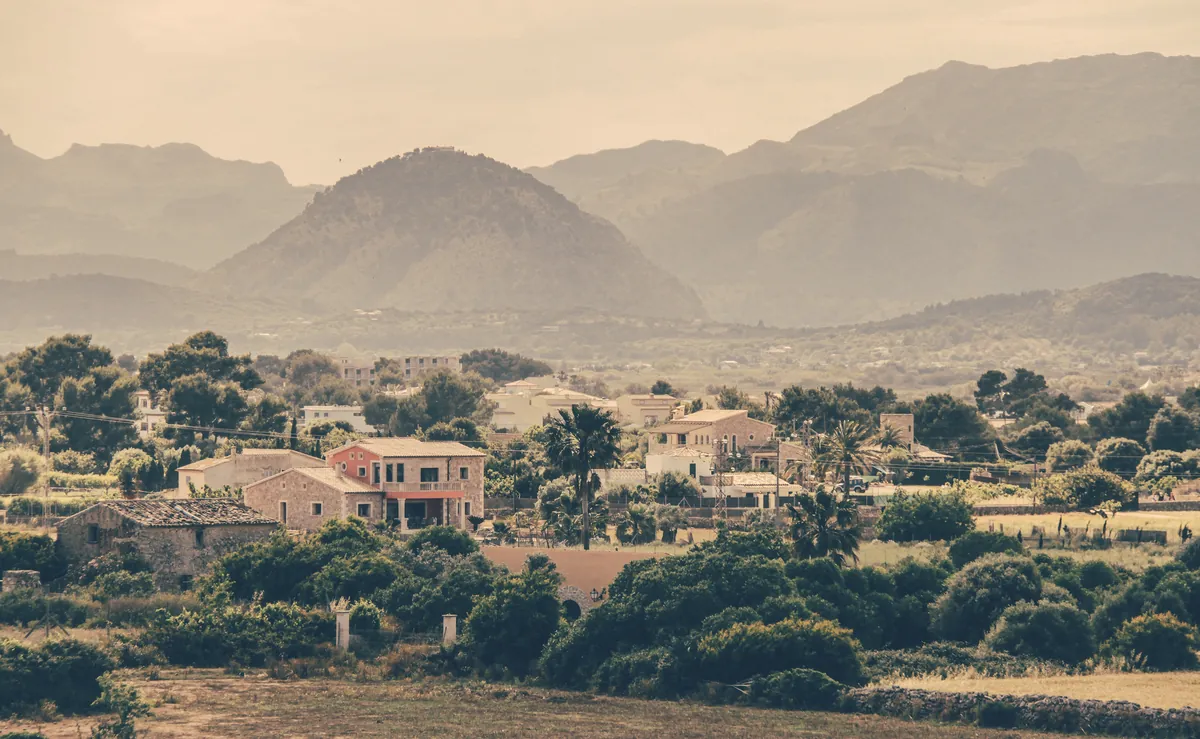
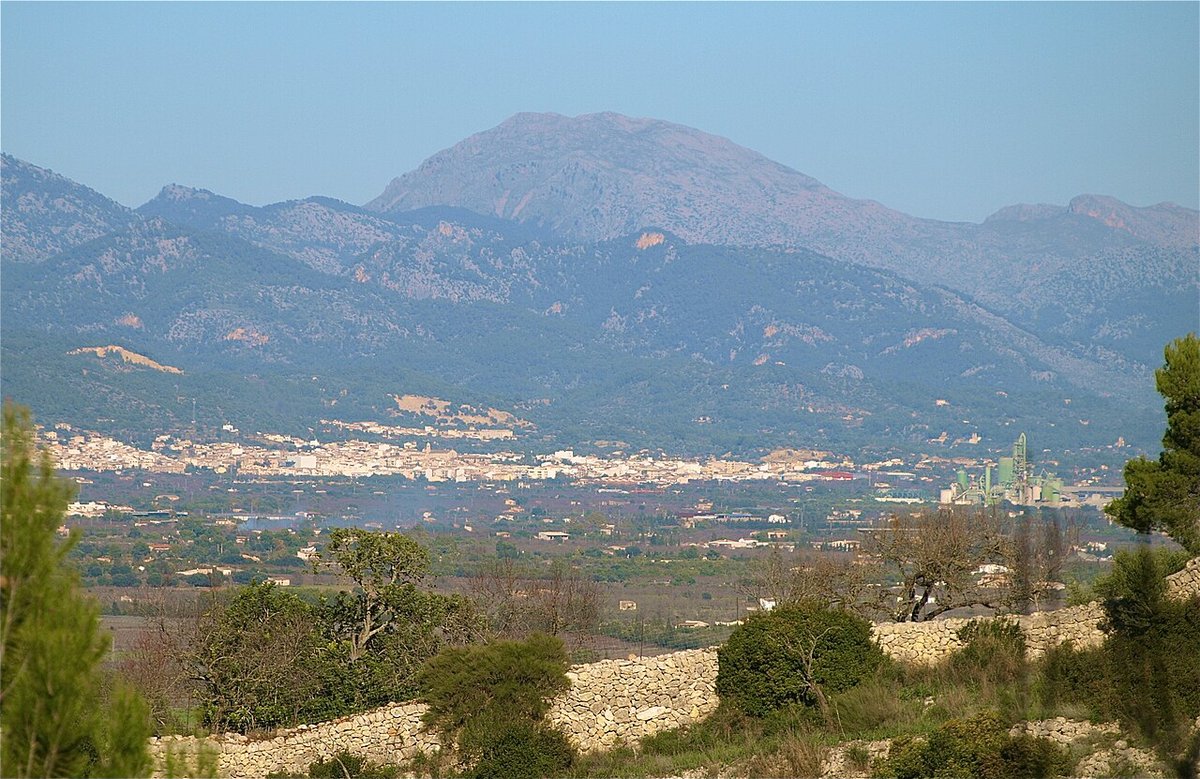
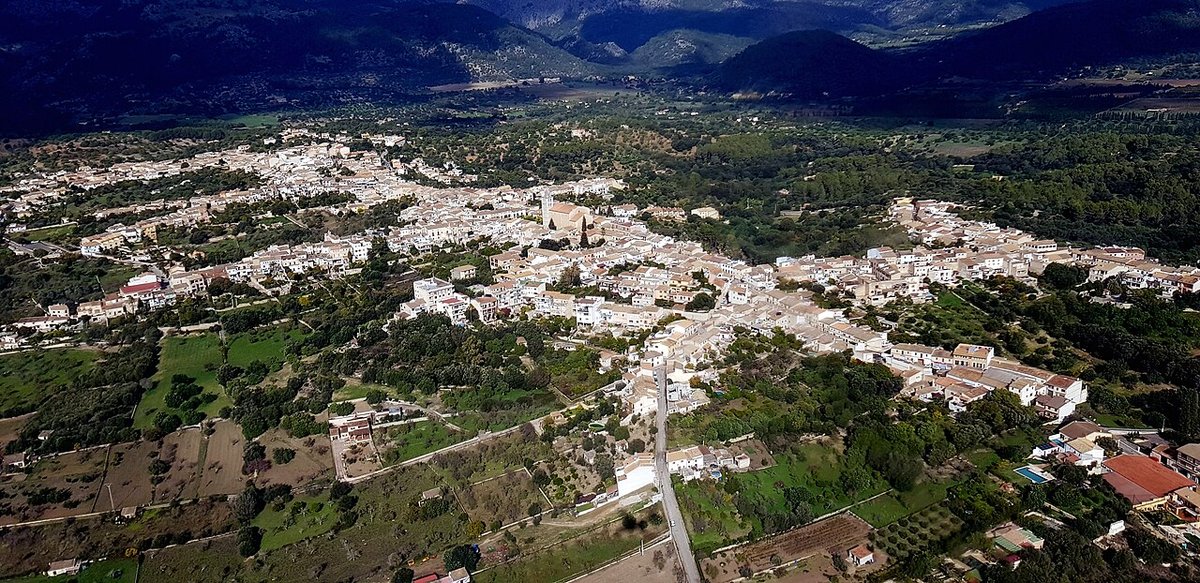
Tourism in Alaró tends to begin with a glance upwards. The village sits on the southern edge of the Serra de Tramuntana, where the land starts to rise from the flat Raiguer plain. That position helps explain much of what defines the place: a castle set high above, old stone paths climbing from the streets, and a local history shaped by practical choices rather than grand gestures.
One story still comes up in conversation among residents. At the beginning of the 20th century, Alaró already had its own electricity supply, generated through lignite mining on nearby slopes. In a Mallorca that was still largely rural, this made a noticeable difference. Workshops could run after dark, mills operated for longer hours, and a small mining community began to reshape the local economy for decades.
The mountain owned by its people
The Castell d’Alaró occupies one of the most visible summits in this part of the island. Its origins go back to the Islamic period, probably the 10th century, before passing into Christian hands after the conquest led by Jaume I. What remains today is mostly the outline of walls and the worn silhouette of the main tower, heavily eroded over time.
The story most often told here is not about conflict but ownership. At the start of the 19th century, when the state put the mountain up for sale, local residents gathered money across several families to buy it. It is remembered as an unusual collective effort for that period. Ownership has changed since, but the episode remains part of the village’s shared memory.
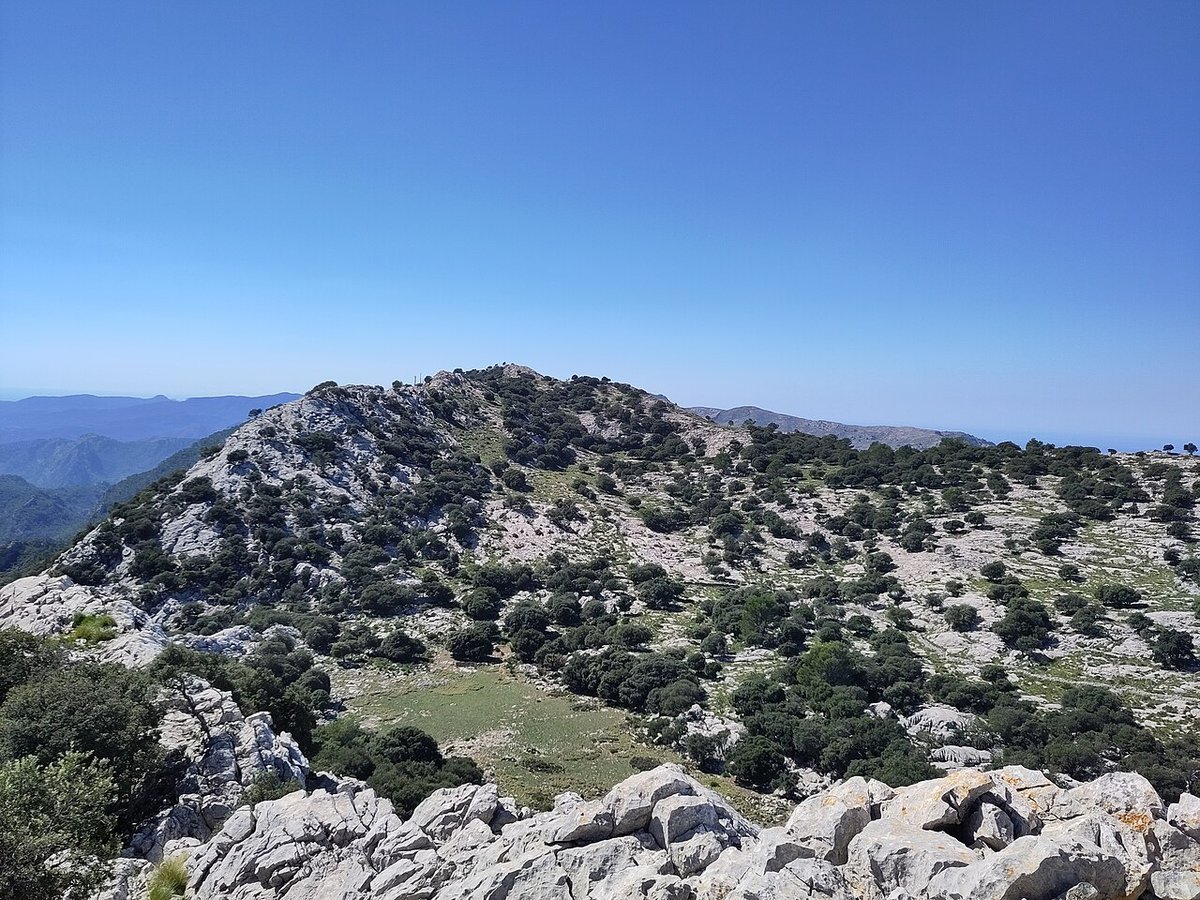
Reaching the summit takes time and effort. The traditional route begins at the base of the mountain and climbs steadily along stretches of old cobbled path. The incline is constant, and on damp days some stones can be slippery. At the top sits the small hermitage of the Mare de Déu del Refugi, along with a natural viewpoint that makes the strategic position of the site easy to understand.
A village split by a stream
The old centre of Alaró is divided by a small stream. On one side lies Los Damunt, on the other Los Davall. The distance between them is short, but for a long time the division shaped everyday life.
Each area had its own celebrations and a certain everyday rivalry. Older residents still recall separate processions and bands that rarely crossed paths. Over time, festivities were reorganised, yet the names of the two neighbourhoods remain firmly embedded in daily conversation.
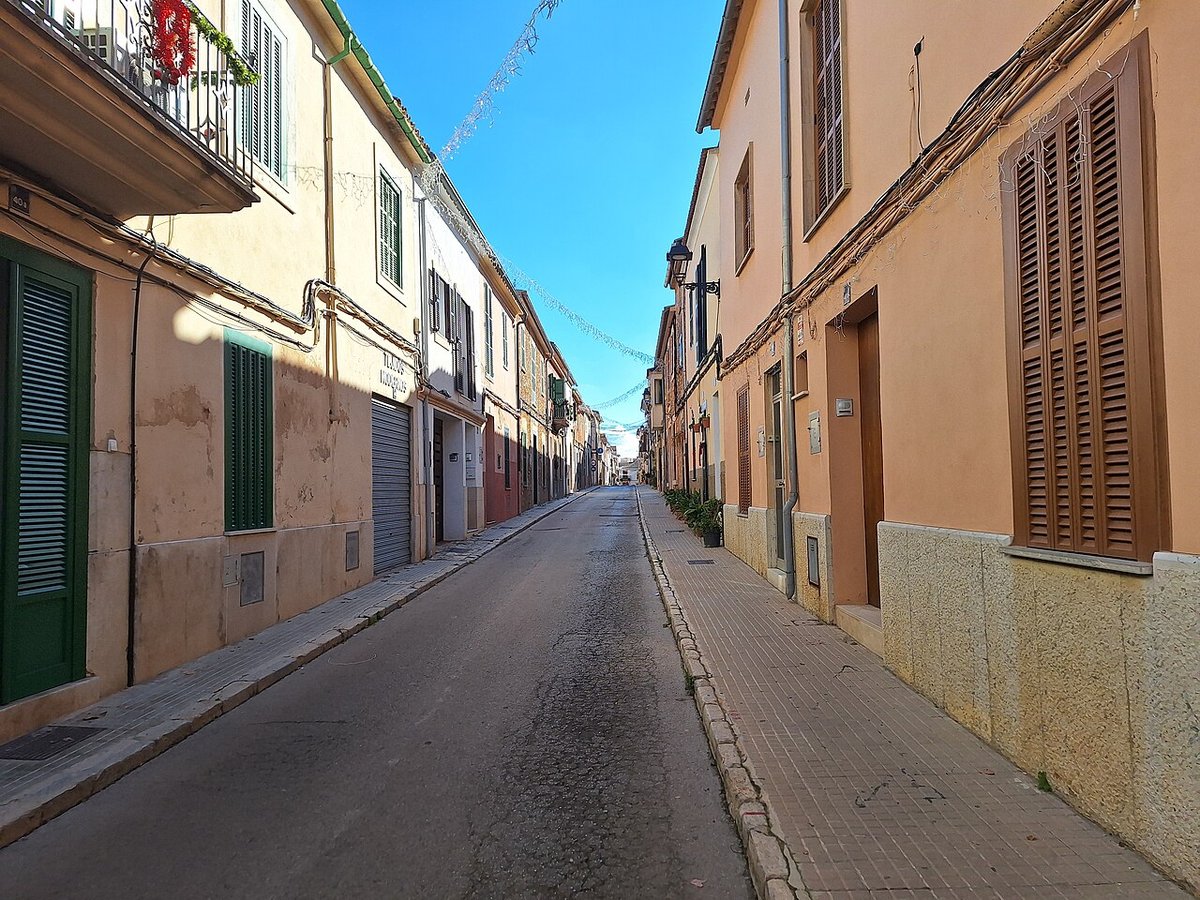
The parish church of Sant Bartomeu stands in the upper part of the old town. The current building was largely constructed in the early modern period on top of earlier structures. Around it, the streets narrow and the houses retain features of traditional Mallorcan architecture: wide entrances, interior courtyards and thick stone walls.
Further downhill, the layout opens up. Many of the houses here are more recent, linked to the expansion that came with mining in the late 19th and early 20th centuries.
When lignite replaced the olive
For centuries, Alaró’s economy revolved around olive cultivation. Dry-stone terraces can still be seen on nearby slopes, traces of that agricultural landscape.
This began to change with the exploitation of lignite deposits in the area. By the late 19th century, mining attracted workers from other parts of Spain and led to the creation of a small neighbourhood tied to industrial activity. There was a school, meeting spaces and a working community that felt unusually active for an inland Mallorcan town.
The mines closed in the second half of the 20th century. Even so, that period left visible marks on the town’s layout and continues to shape how its history is remembered.
Finding your bearings
The climb to the castle remains the most common excursion from the centre. It is not a short outing and usually takes several hours when including the ascent, time at the top and the descent.
The path passes through former olive terraces and sections of holm oak woodland. As the height increases, the village falls away and the view opens across the Raiguer, the strip of towns that links Mallorca’s interior with the mountains.
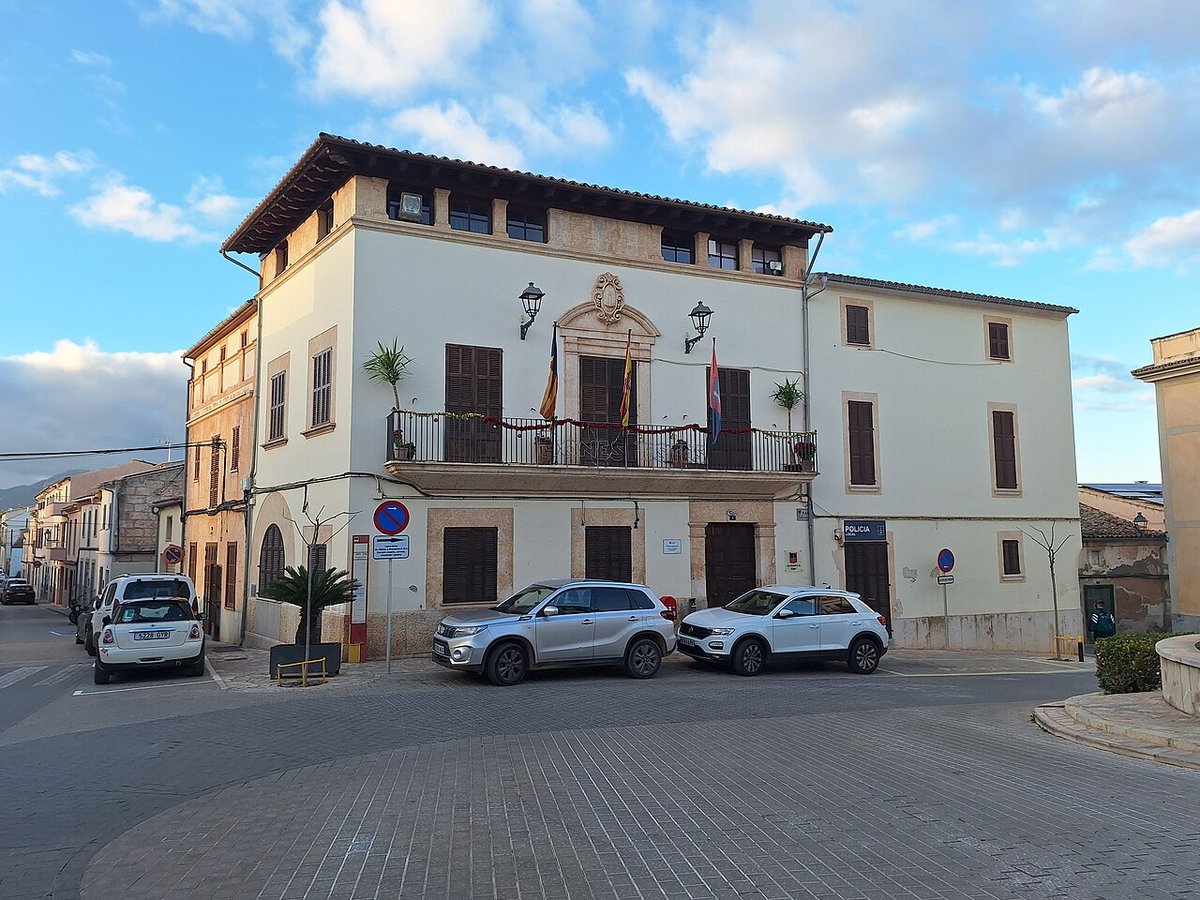
Alaró itself lies a short drive from Palma and works as a gateway to this part of the Tramuntana. The centre is easy to explore on foot. Main streets lead towards the town hall square, from which the historic division between Los Damunt and Los Davall becomes clear.
For those interested in vernacular architecture, it is worth noticing the stone doorways and interior courtyards found in many older houses. These features reflect practical responses to climate and agricultural life. Here, history does not present itself through large monuments but through small details that remain part of everyday life.