Full Article
about Alcúdia
Walled historic town between two bays; Roman heritage meets long white-sand beaches.
Hide article Read full article
Alcúdia, sin prisa
Alcúdia es de esos sitios que no te entregan todo a la primera. Llegas por la playa, que está ahí y es larga y familiar, pero pronto te das cuenta de que el pueblo guarda otras cartas. Tiene un casco antiguo amurallado que parece de juguete visto desde lejos, ruinas romanas a diez minutos a pie, y una zona portuaria que es otro mundo. No es un lugar con un solo ritmo.
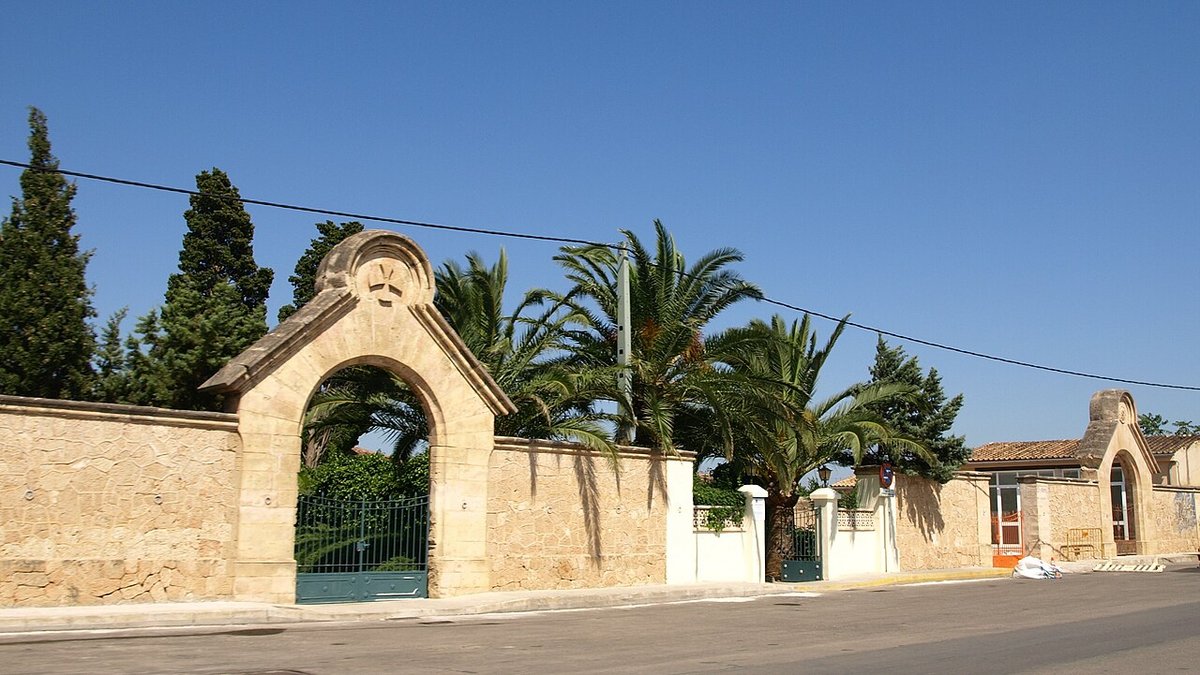
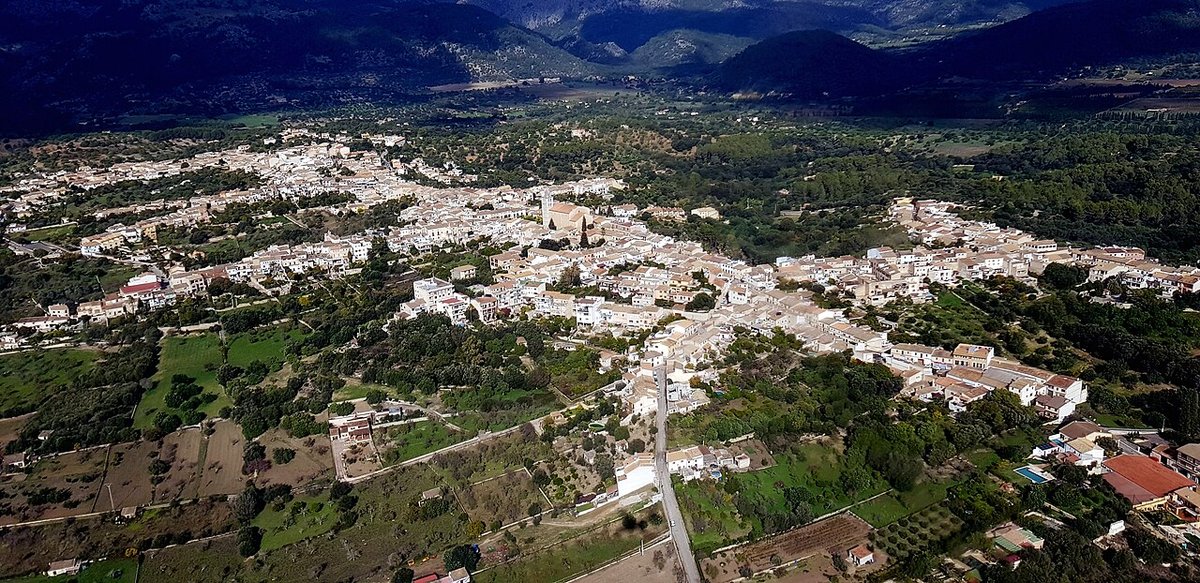
La clave está en las capas. No son estratos geológicos, sino de historia y uso. La muralla medieval marca el centro, pero alrededor se extiende una ciudad moderna y funcional, y más allá la bahía. Todo convive sin demasiado estruendo.
El núcleo tras la muralla
Los martes y domingos por la mañana el asunto se pone serio. Es día de mercado en las calles del recinto amurallado y el gentío es notable. Hay puestos de fruta, ropa y utensilios de cocina, pero también algunos con quesos o sobrasada. Si vienes en coche esos días, prepara un poco de paciencia para aparcar.
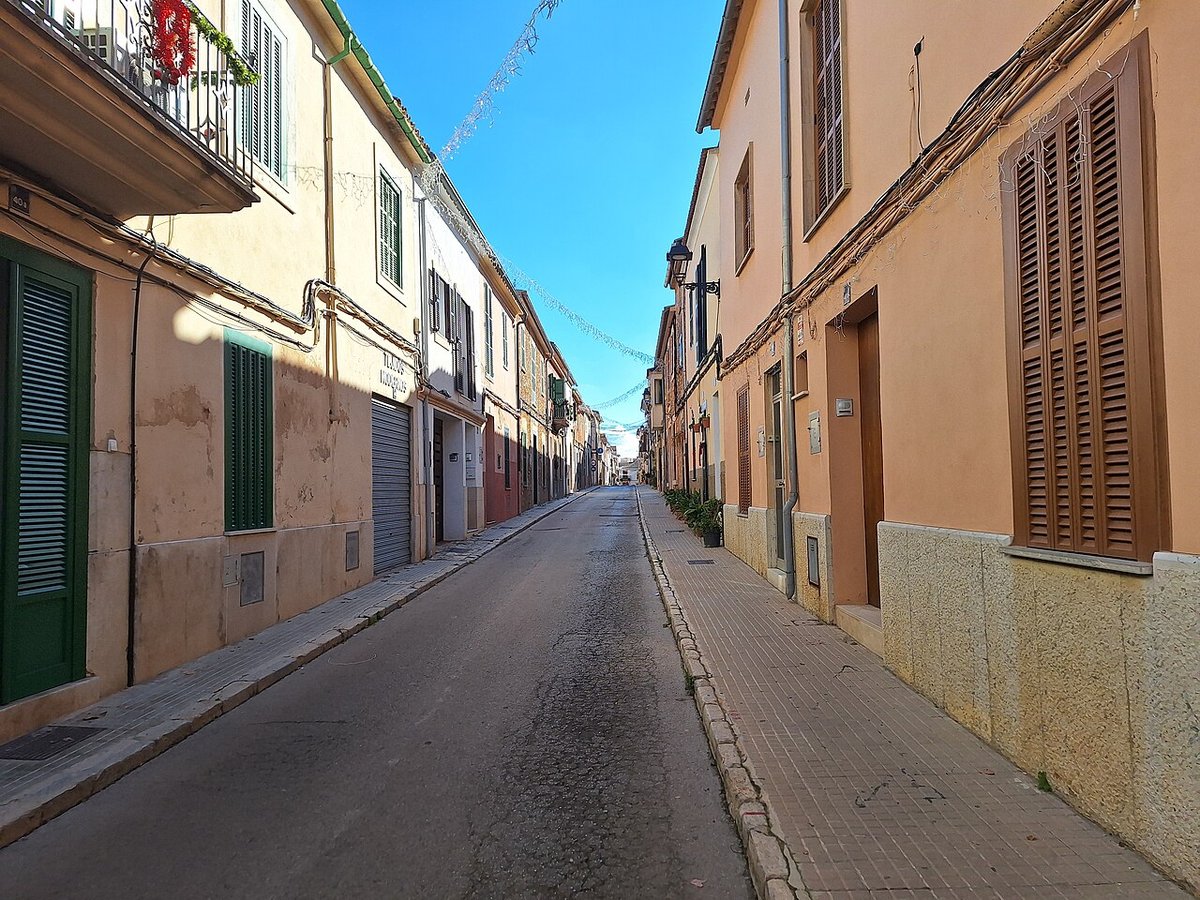
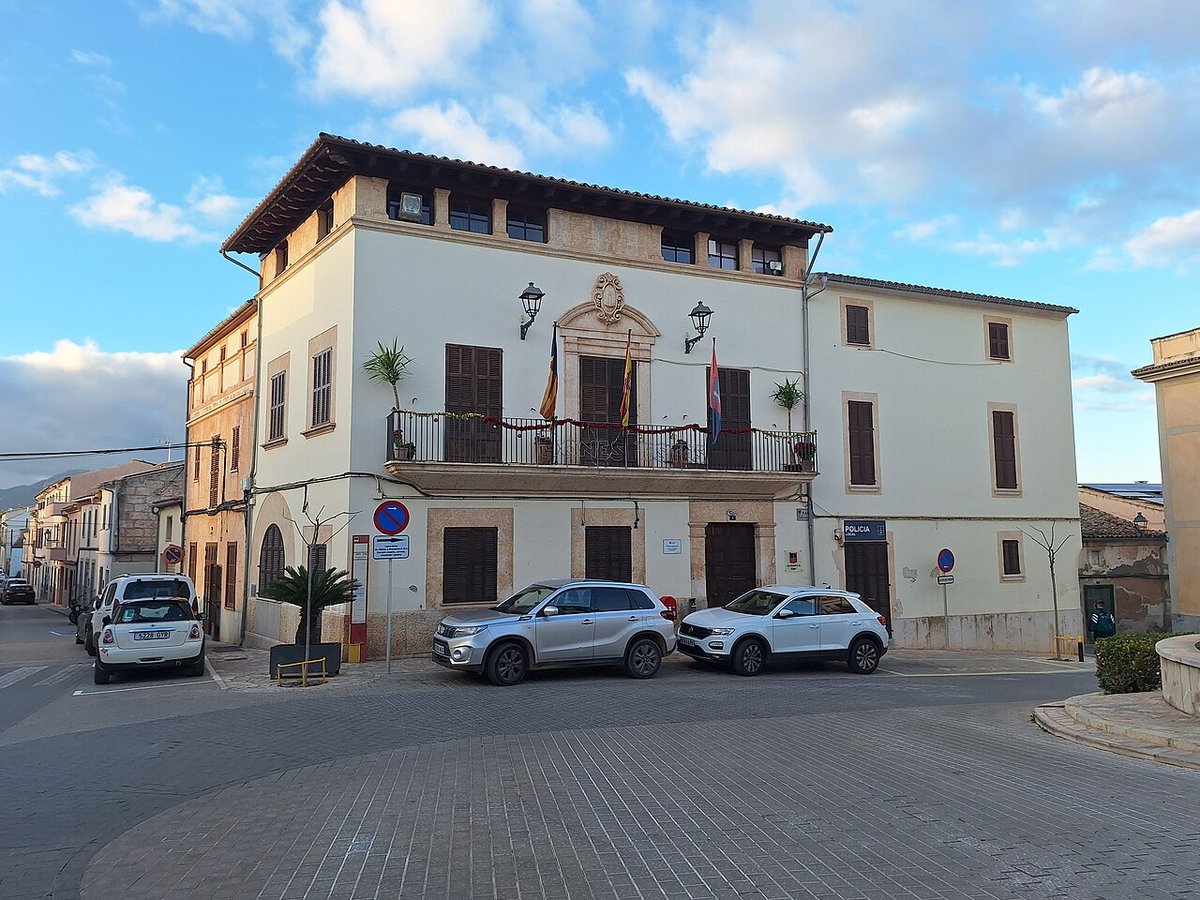
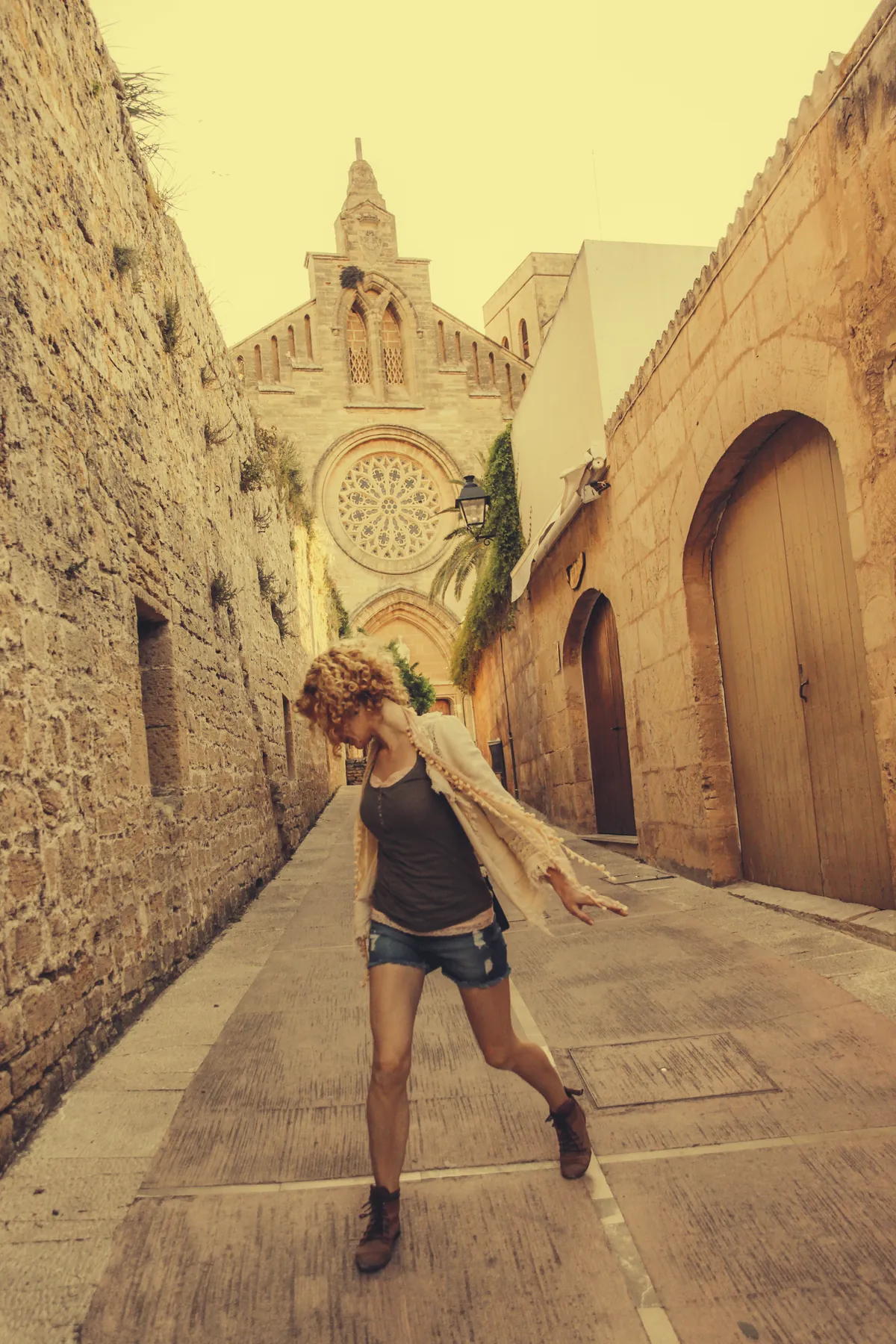
Cruzar una de las puertas de la muralla cambia el ambiente. Las calles se estrechan, adoquinadas, flanqueadas por casas mallorquinas con las persianas verdes típicas y patios interiores que solo se intuyen desde fuera. No hace falta un mapa; perderse aquí significa dar vueltas durante quince minutos hasta reconocer una fachada.
Entre las casas aparecen casonas señoriales, los casales. Algunas lucen escudos en piedra o portales trabajados. No son museos, muchas siguen siendo viviendas particulares. Simplemente están ahí, parte del paseo.
Las piedras romanas de Pollèntia
A pocos minutos andando del casco antiguo está Pollèntia. Mucha gente pasa de largo sin saberlo. Fue una ciudad romana importante y hoy quedan los restos del teatro, parte del foro y los trazados de algunas calles.
Sin contexto, puede parecer un solar con piedras bajas. Pero si lees aunque sea un poco en los paneles, la cosa cambia. El teatro, excavado en la roca, es lo más impactante. Te sientas en lo que fue la grada e intentas imaginar el bullicio de hace siglos. Funciona.
Paseo por lo alto de la muralla
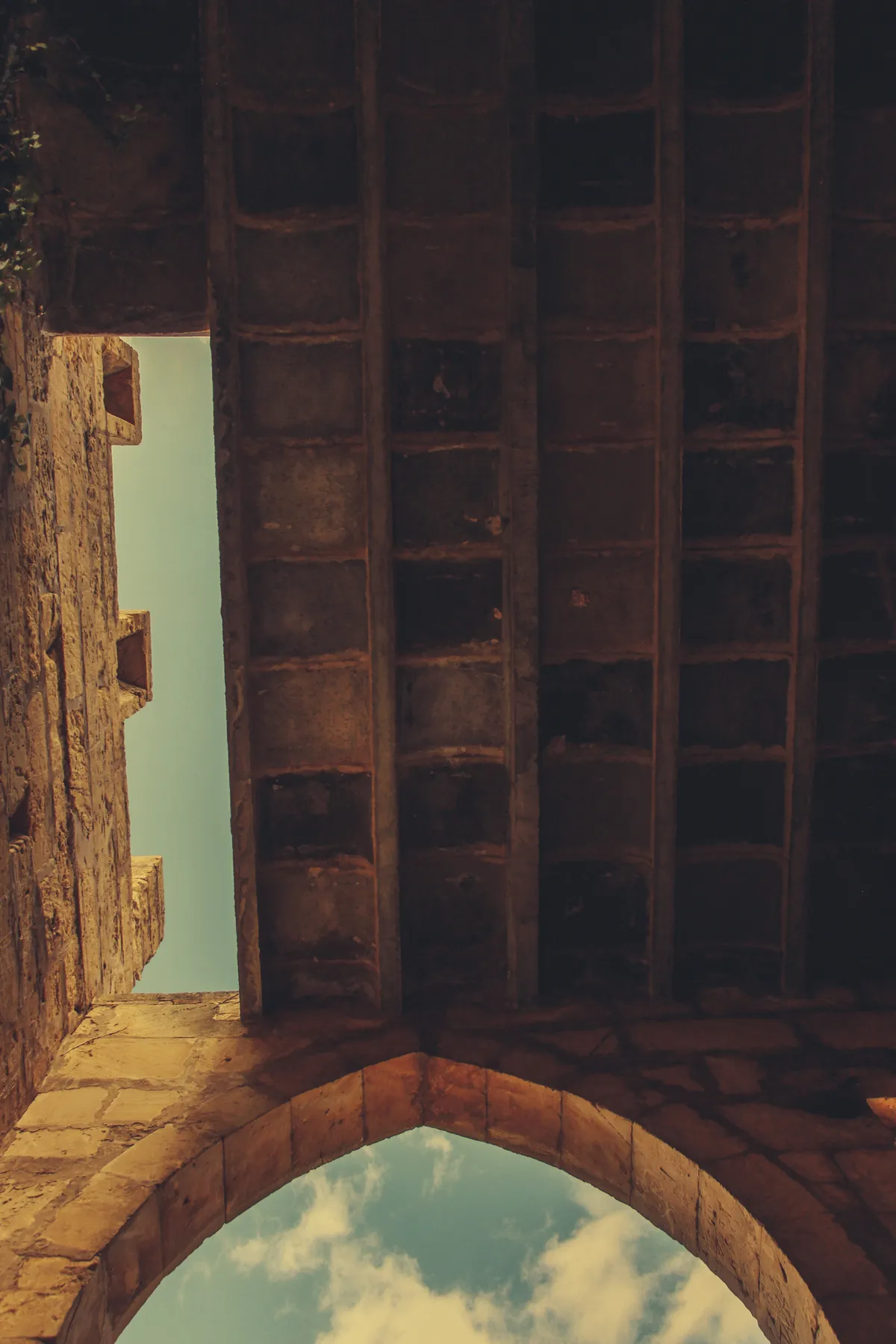
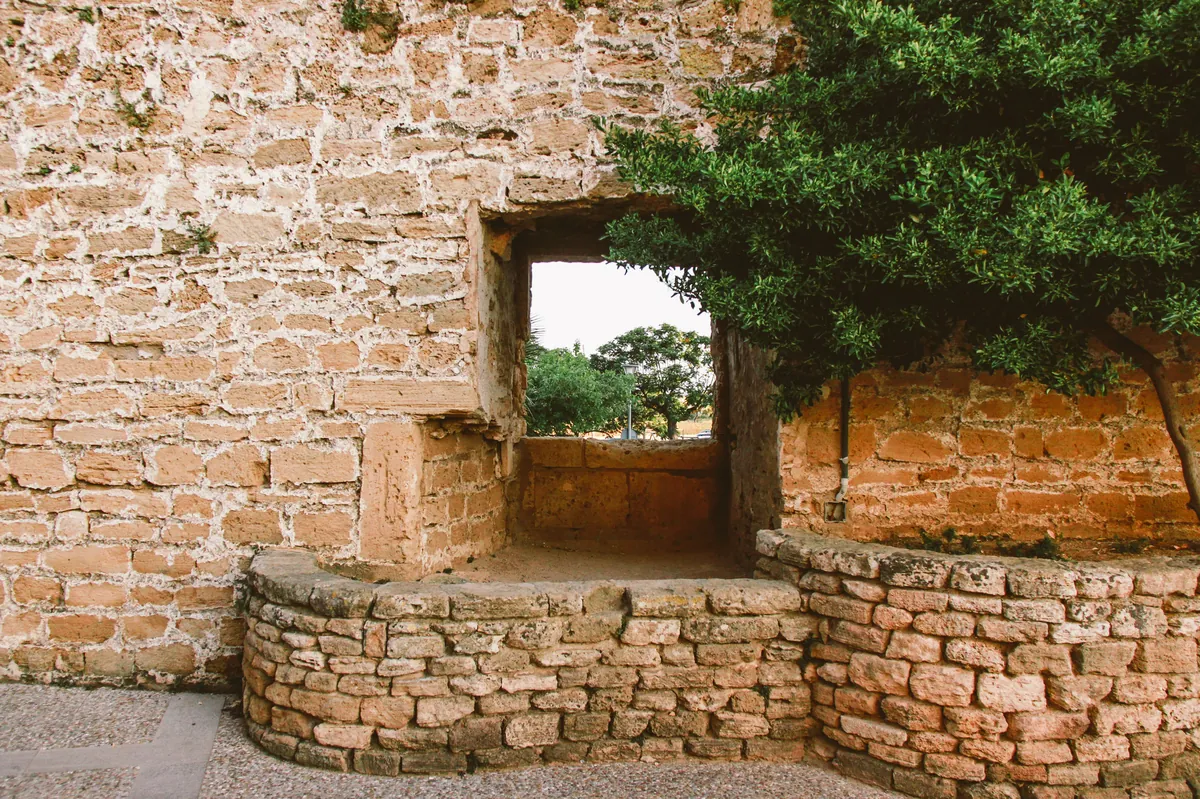
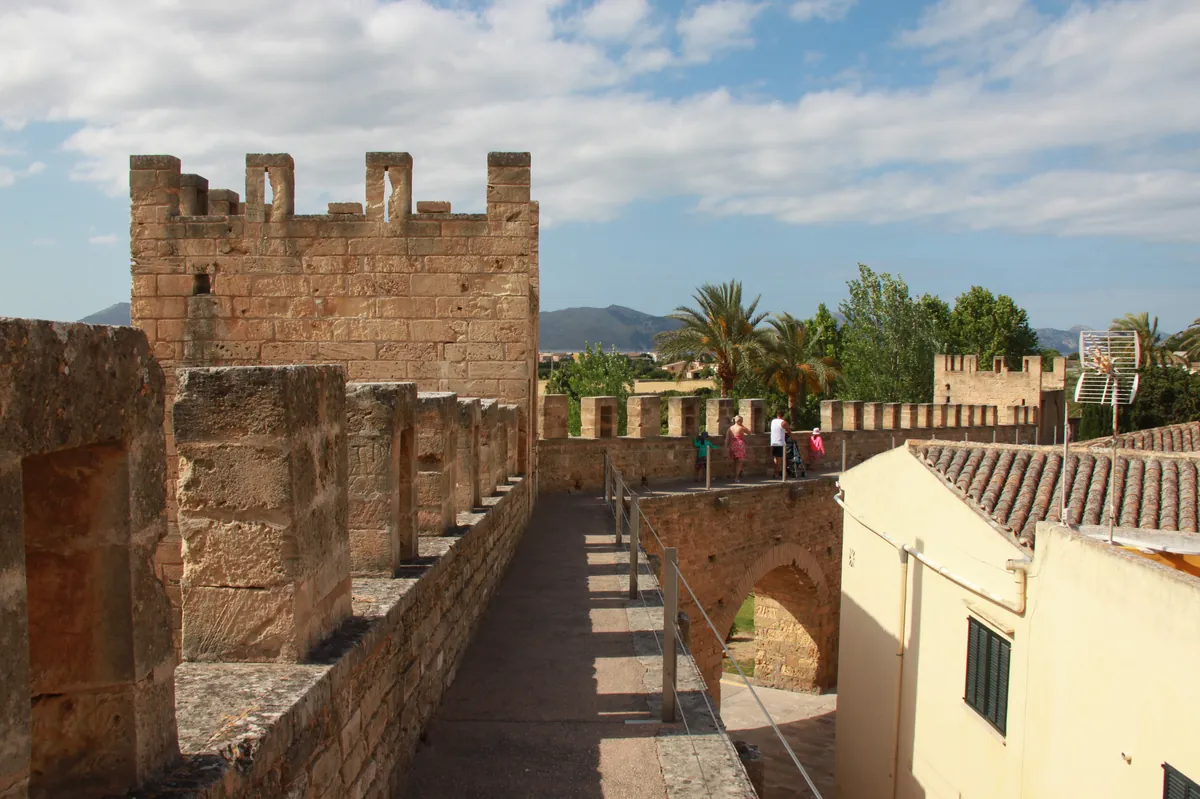
Una de las mejores cosas que hacer aquí es subir a pasear por el adarve, la parte superior de la muralla. No es una ruta larga ni exigente, más bien un paseo tranquilo con vistas.
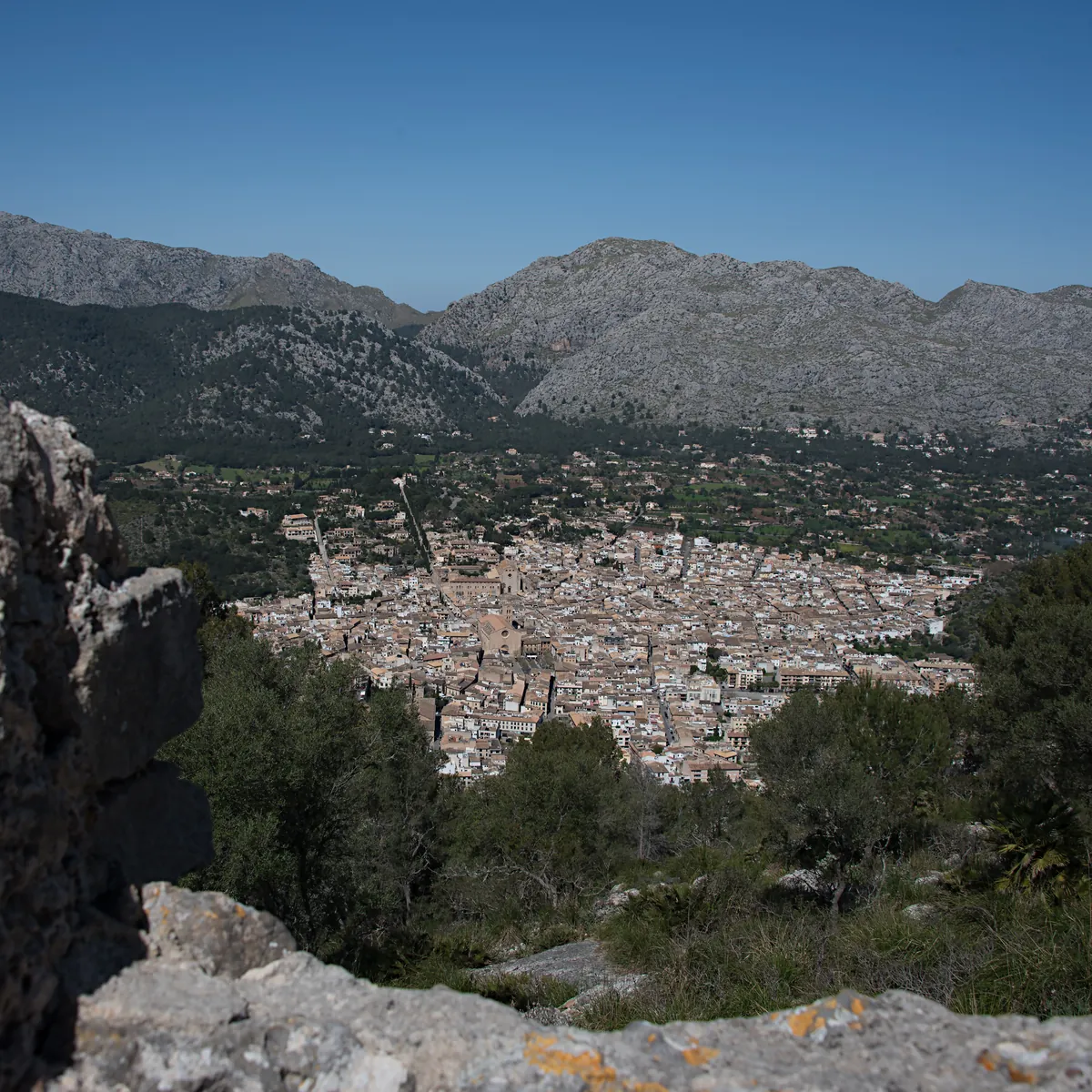
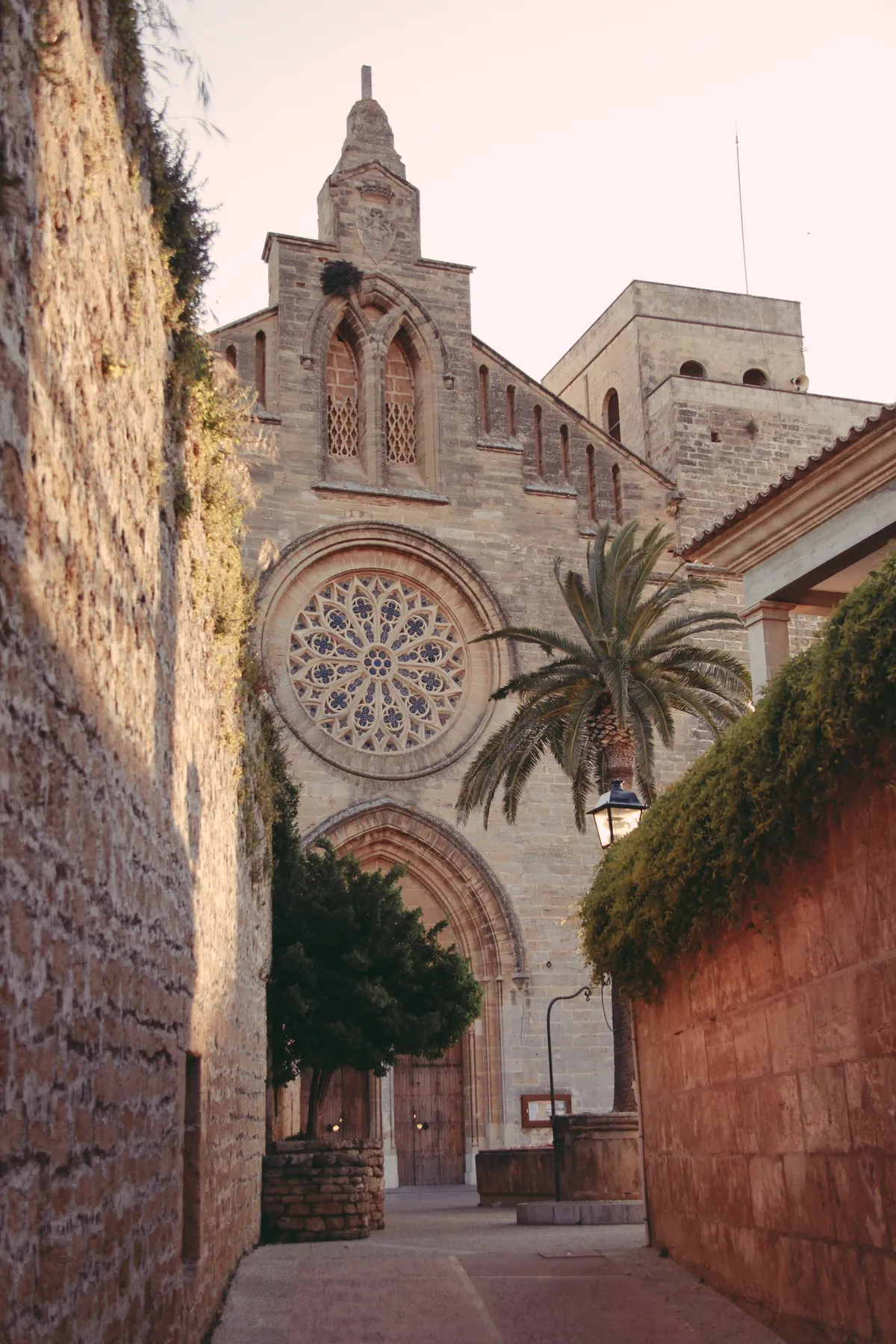
Desde arriba ves el mar a lo lejos y el perfil de tejados del casco antiguo a tus pies, con la torre de Sant Jaume sobresaliendo. A última hora de la tarde, la piedra se vuelve dorada. Es el momento en el que todo el mundo saca el móvil para una foto, aunque hubiera jurado que no lo haría.
Comida contundente
La cocina por aquí no anda con delicadezas. Son platos para llenar estómagos después de trabajar.
El arròs brut está en casi todas partes. Es un arroz caldoso oscuro con carne y verduras. El primer bocado sorprende; no sabe a ningún otro arroz que hayas probado.
Luego está el frit mallorquín, hecho con vísceras, patatas y hinojo. Suena fuerte y lo es, pero tiene su público fiel desde siempre.
Y la ensaimada. En Alcúdia se encuentra recién hecha por las mañanas en varias panaderías. Con un café, desaparece en cinco minutos.
La bahía y lo que hay alrededor
El puerto y su playa son la zona más turística, llena de hoteles y paseos marítimos. La arena es fina y el agua suele estar calmada, ideal para familias con niños pequeños.
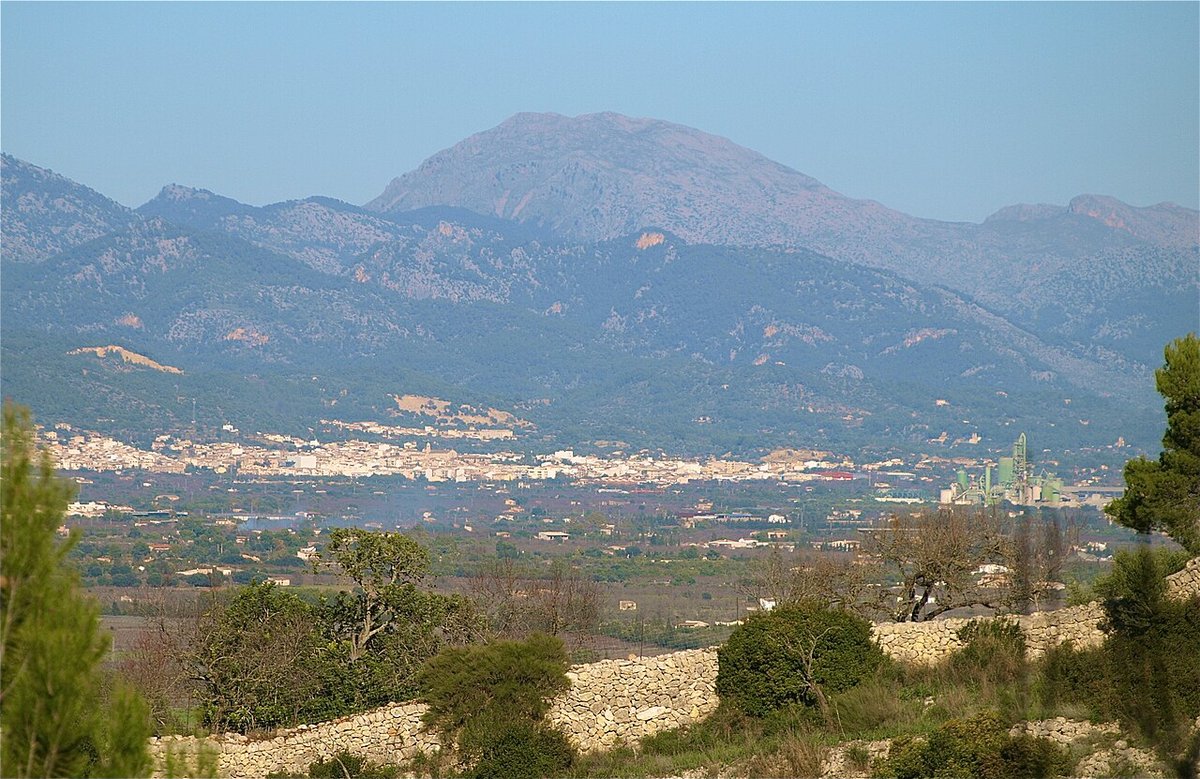
Si te apetece moverte, hay caminos que bordean la bahía o suben hacia La Victòria. Desde allí las vistas abarcan toda la costa norte, un contraste total con el ambiente del puerto.
Muy cerca queda s'Albufera, una zona húmeda grande donde verás más prismáticos que toallas. Es otra forma de ver Alcúdia: silenciosa y observando pájaros.
El ritmo del año
El mercado semanal da vida al pueblo, pero no es lo único. En verano llegan las fiestas de Sant Jaume i Sant Crist. Las calles se llenan de música por la noche, hay procesiones y el ambiente en las plazas se anima bastante. Se mezcla gente local y visitante sin problemas. Eso sí, en temporada alta el puerto puede saturarse. Conviene saberlo. Aun así, el casco antiguo conserva un aire propio. Das una vuelta por sus calles, te paras en una plaza, te acercas a las ruinas, y sin darte cuenta se te ha ido media mañana. Alcúdia funciona así, sin prisas. Te va enseñando cosas cuando menos te lo esperas