Full Article
about Binissalem
Capital of Mallorcan wine with stately stone architecture; center of the island’s main denomination of origin.
Hide article Read full article
Lo primero que ves es la torre
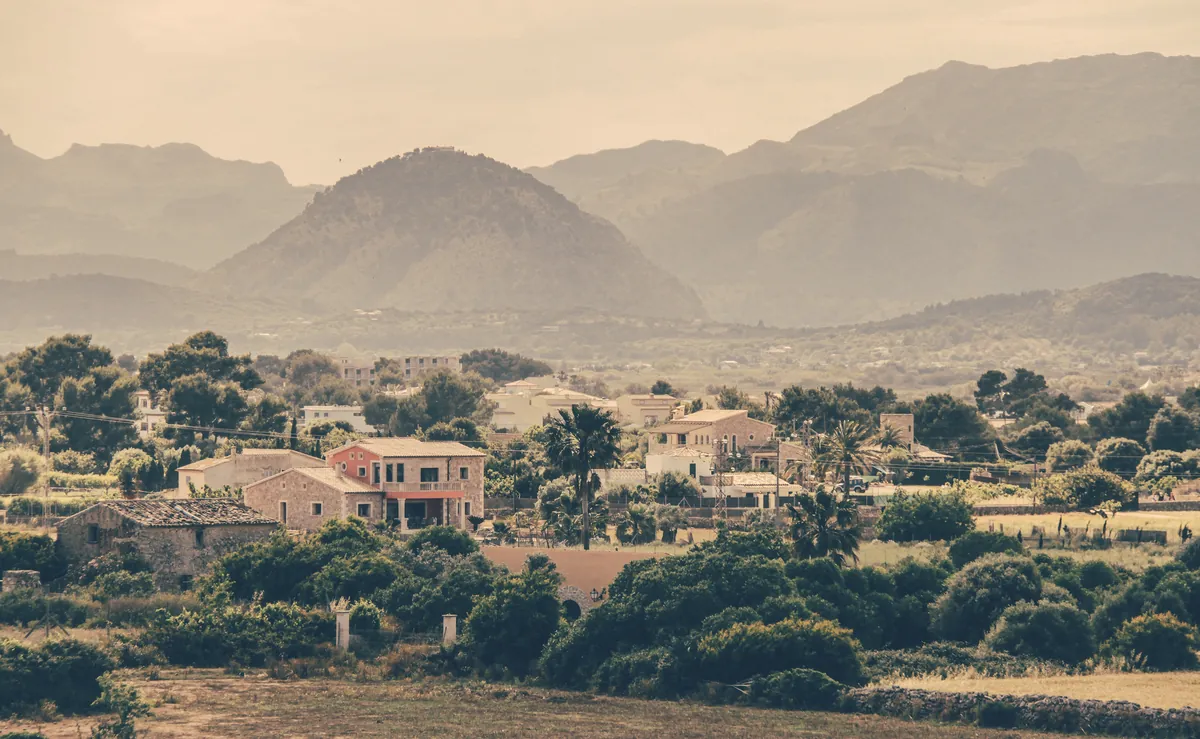
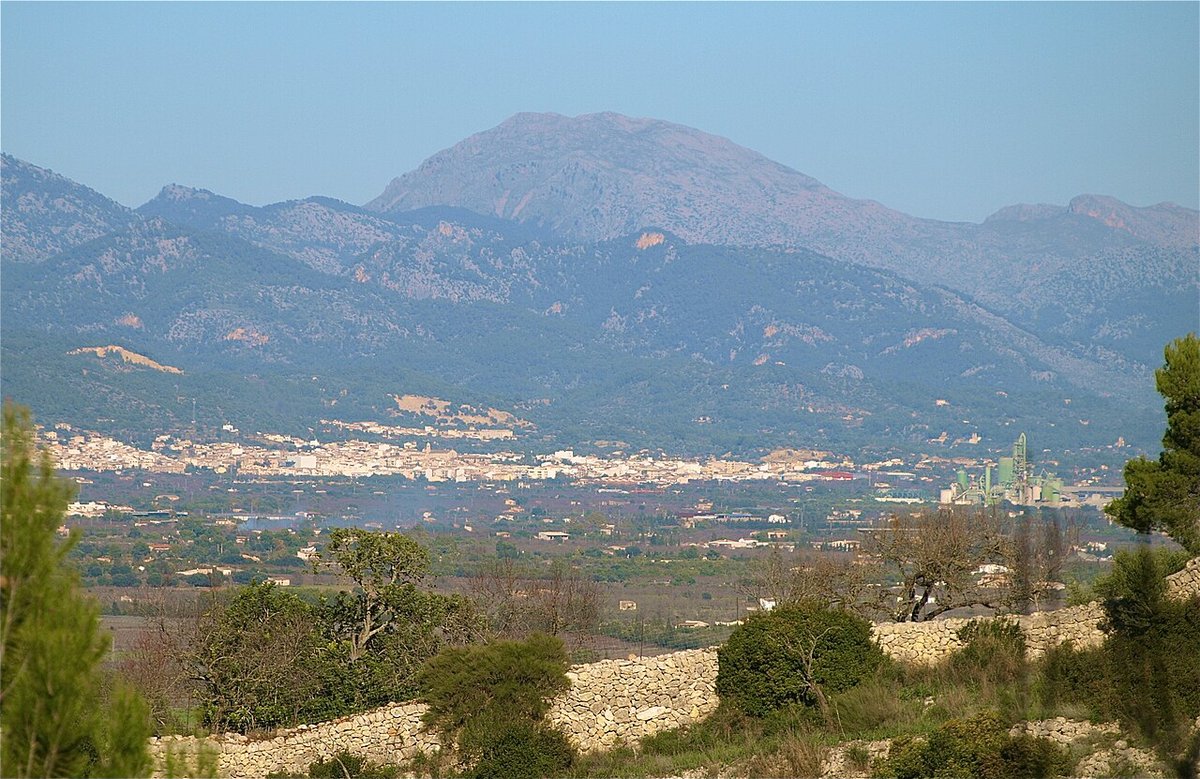
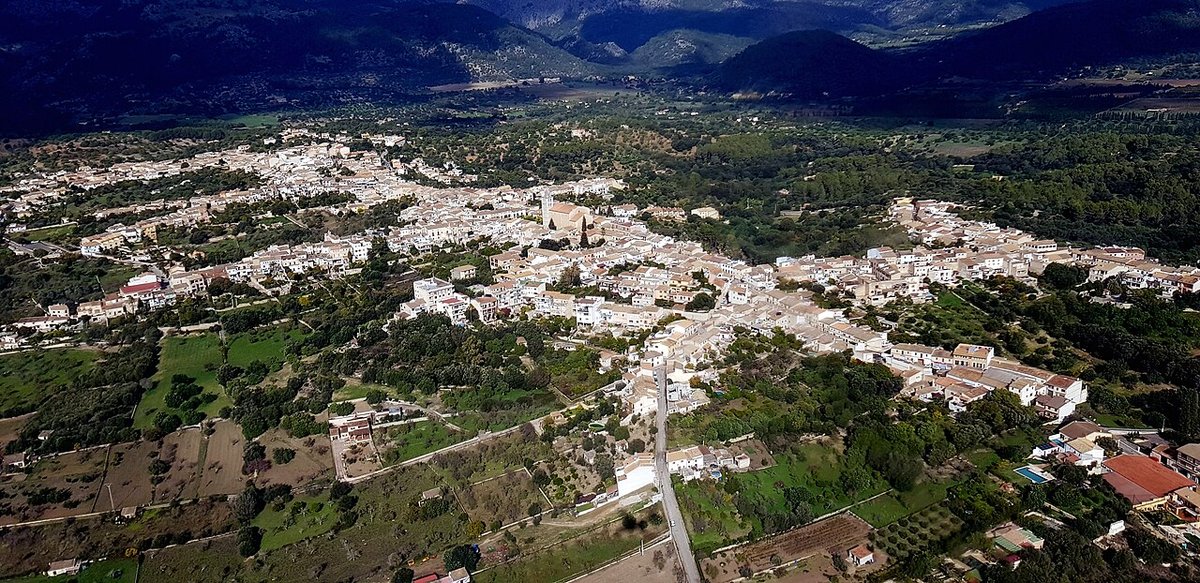
Llegas por la carretera de Inca y, antes de que aparezca el nombre del pueblo, ya distingues la torre de la iglesia. Es alta, de piedra marrón clara, y sobresale entre los tejados bajos. Da una pista clara: esto no es un pueblo costero disfrazado. Binissalem tiene los pies en la tierra, en su caso, entre viñas.
La gente viene aquí principalmente por el vino, y con razón. Pero lo que te encuentras no es una especie de parque temático enológico. Es un lugar donde se hace vino desde hace siglos y donde esa actividad ha moldeado el carácter del sitio. La vida gira en torno a ello sin demasiada parafernalia.
La plaza donde todo pasa (y donde no pasa nada)
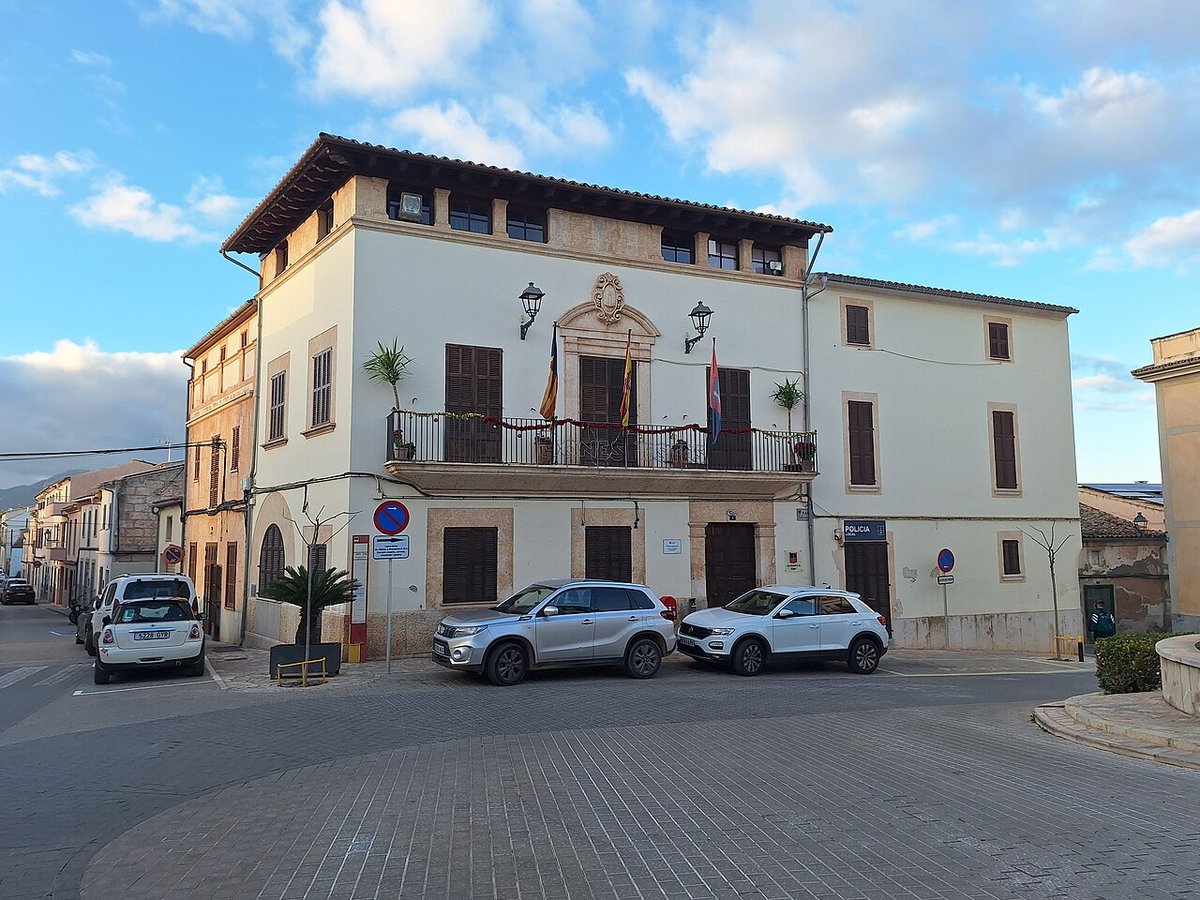
El corazón late en la Plaça Major. Es ancha, empedrada y con ese aire de plaza de pueblo que sabe que es importante sin necesidad de demostrarlo. Por la mañana temprano hay puestos del mercado. Más tarde, las terrazas se llenan de gente que parece estar allí más para charlar que para otra cosa.
Si te sientas un rato, captas el ritmo. Se habla del tiempo, de la cosecha del año, de lo que sea. Los que no son de aquí se notan porque miran alrededor buscando algo "que hacer". La gracia está precisamente en no buscar nada en concreto. Dejas pasar el tiempo igual que los demás.
Vino con nombre propio
Aquí el vino no es una atracción, es el negocio familiar de toda la vida. La zona tiene su propia denominación de origen, una de las dos de Mallorca. Las uvas autóctonas son las protagonistas: Manto Negro para los tintos y Prensal Blanc (aquí le llaman Moll) para los blancos.
La historia no ha sido lineal. A finales del siglo XIX la filoxera arrasó los viñedos como en tantos otros sitios. Lo que ves ahora es el resultado de empezar otra vez desde cero, injertando cepas resistentes. Ese reinicio le dio un carácter práctico a todo.
Hay bodegas dispersas por el término municipal. Algunas se pueden visitar, pero no esperes un circuito turístico señalizado con carteles. Lo mejor es preguntar directamente en el pueblo qué está abierto ese día o si hacen catas. A veces es solo venta directa, sin más. Funciona así.
El momento del Vermar
Si quieres ver el pueblo con otra energía, intenta coincidir con la Festa des Vermar a finales de verano. Es cuando celebran la vendimia y durante unos días todo huele a mosto y a fiesta local.
Hay actos públicos, como una vendimia simbólica en la que te dan unas tijeras y una cesta. En cinco minutos tienes las manos pegajosas y entiendes por qué este trabajo siempre ha sido duro. También hay eventos más internos, pensados para los vecinos. Ese mix es lo que evita que se convierta en un espectáculo solo para foráneos.
Piedra sobre piedra
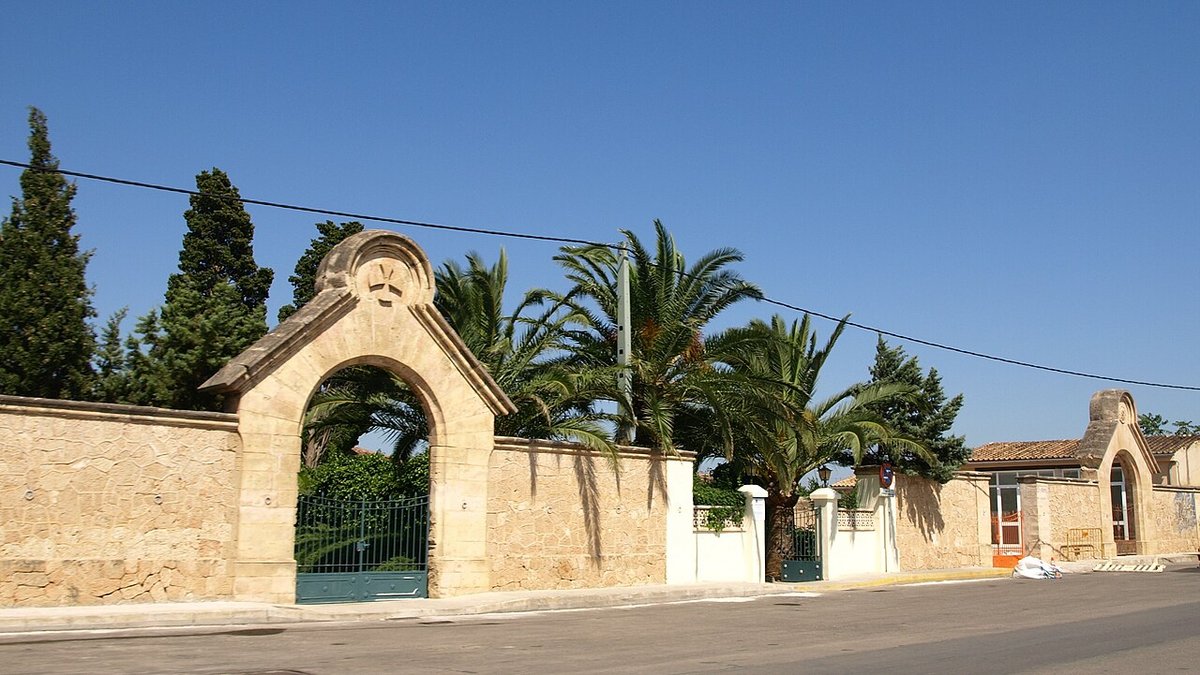
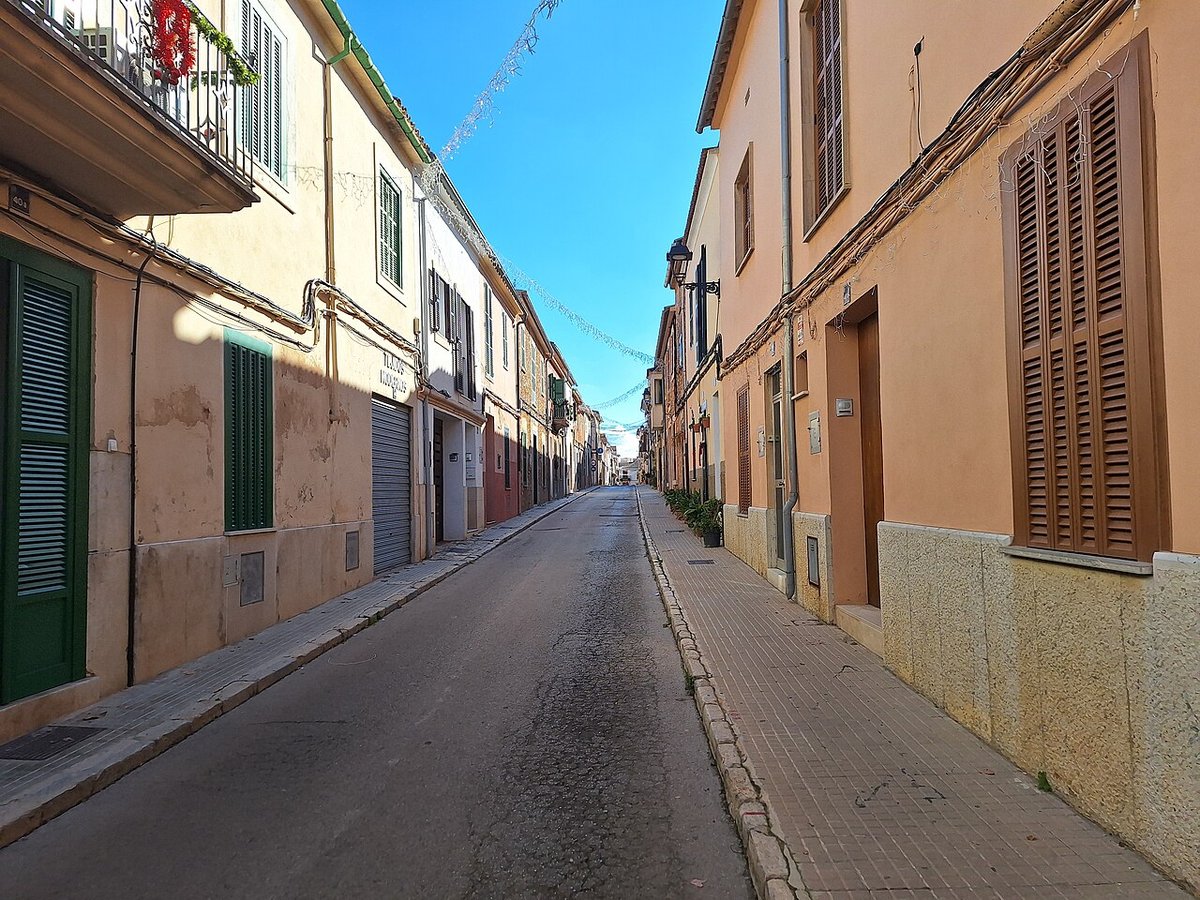
Aparte del vino, el otro material local es la piedra marés, esa caliza arenosa y blanda típica de la isla. Casi todo el centro está construido con ella, dándole una uniformidad grisácea y sólida a las calles.
La iglesia de Santa Maria de Robines es ese edificio grande cuya torre ves desde lejos. Dentro es más sencilla de lo que parece desde fuera. Sirve sobre todo como faro visual; si te pierdes por las callejuelas laterales, buscas la torre y ya sabes hacia dónde tirar.
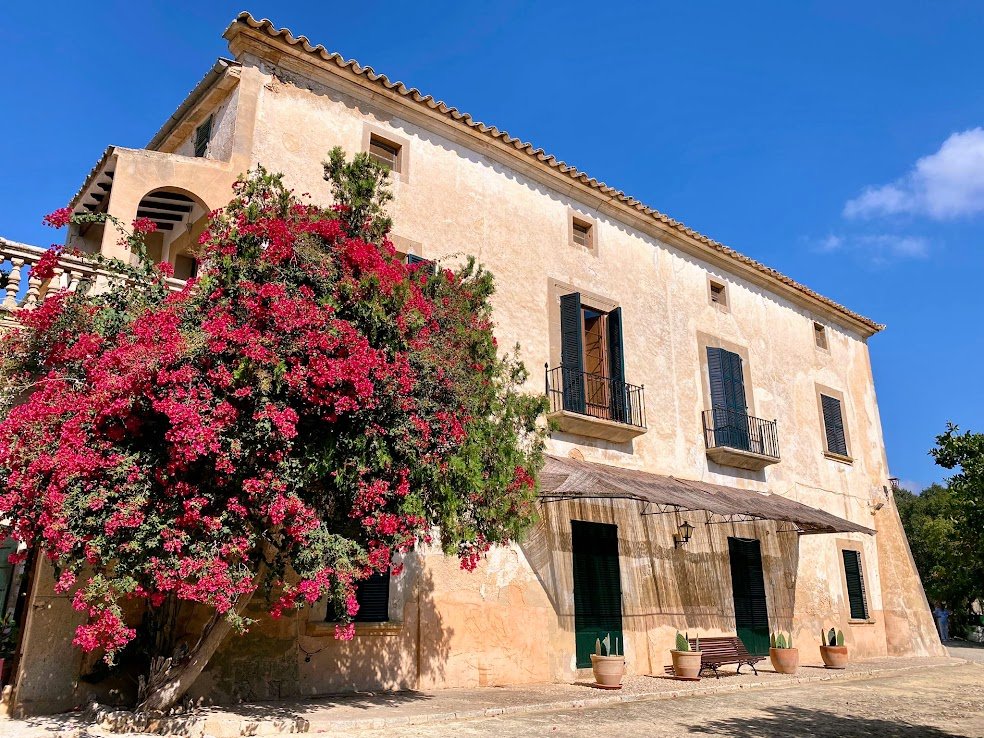
Cerca está Can Sabater, una casa señorial convertida en espacio cultural dedicado al escritor Llorenç Villalonga. Merece una visita rápida solo por ver cómo era una casa bien puesta de la zona hace décadas. Parece que los dueños se hubieran ido ayer.
Y luego está el tema del picapedrero o canteiro. Fue un oficio clave durante generaciones. No hay un museo llamativo al respecto, pero si charlas con gente mayor es probable que te cuenten que su abuelo o su padre trabajaba en una cantera cercana cortando bloques.
Cómo moverse sin complicarse
El núcleo urbano se recorre andando en media hora sin prisas. No tiene pérdida ni grandes cuestas salvo alguna rampa suave.
El coche mejor dejarlo aparcado en las entradas al pueblo; meterlo por las calles estrechas del centro es buscar problemas innecesarios.
Ajusta tu reloj interno al horario local: entre las dos y las cinco de la tarde muchas cosas cierran y la calle se vacía casi por completo hasta después de la siesta o el almuerzo largo.
Binissalem no te va a sorprender con paisajes espectaculares ni playas secretas. Su valor está en otra parte: en entender un lugar donde el vino no es un souvenir sino parte del paisaje diario. Vienes a probarlo directamente donde nace. Y después te tomas algo en esa plaza ancha mientras ves pasar un día normal. Esa normalidad es justo lo interesante