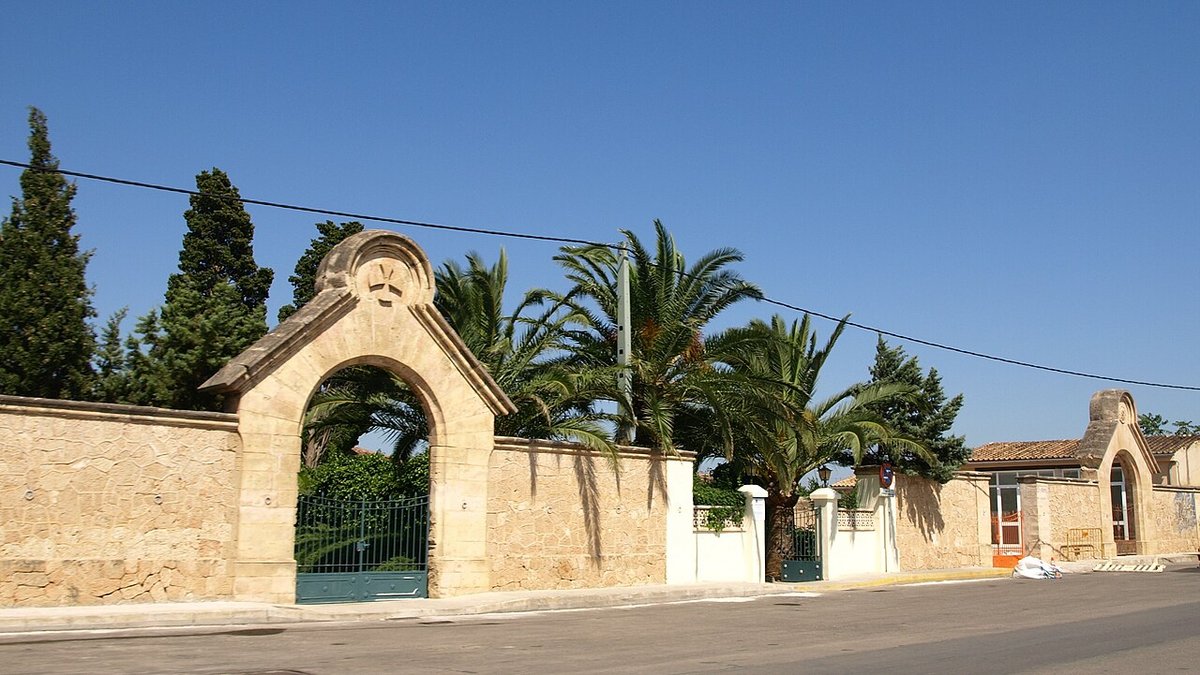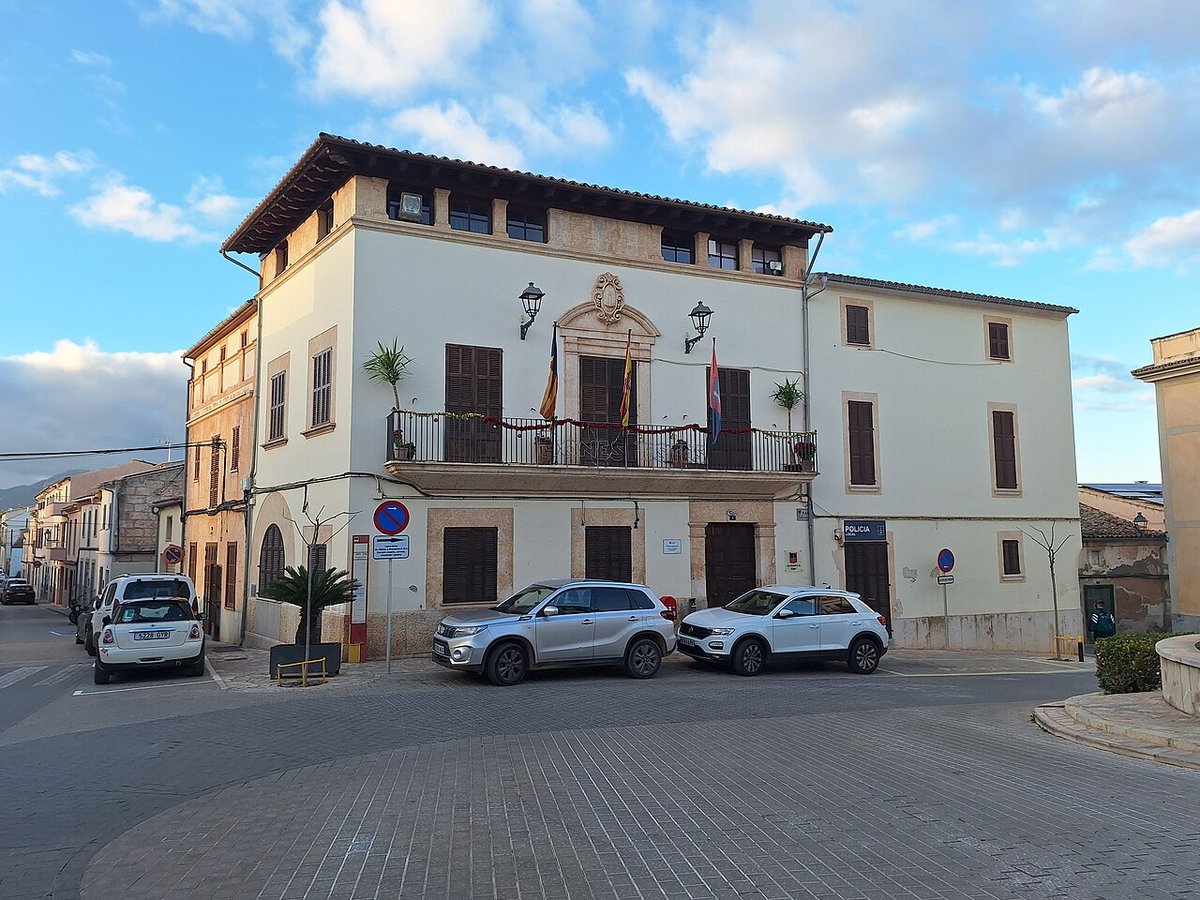
Búger Ajuntament1.jpg
Steffen Mokosch · CC0
Baleares · Pure Mediterranean

Búger

The church bell in Buger strikes twice, though it's already half past eleven. Nobody hurries to correct it. A tractor idles outside the only grocer...

1,215 inhabitants · INE 2025
105m Altitude

Why Visit

Church of Sant Pere Birdwatching

Best Time to Visit

year-round

Sant Pere Festival (June) junio

Things to See & Do
in Búger

Heritage

  • Church of Sant Pere
  • windmills
  • boundary crosses

Activities

  • Birdwatching
  • countryside walks
  • local food

Festivals
& & Traditions

Fecha junio

Fiestas de Sant Pere (junio)

Las fiestas locales son el momento perfecto para vivir la autenticidad de Búger.

Full Article
about Búger

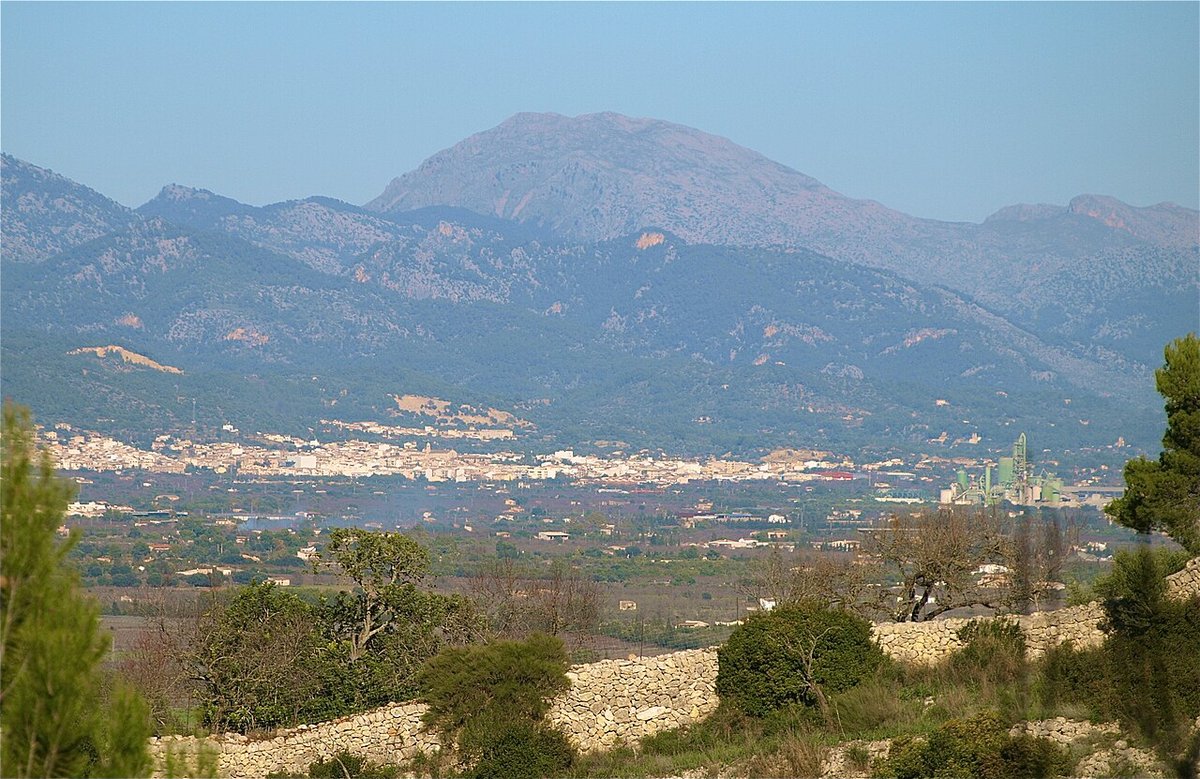
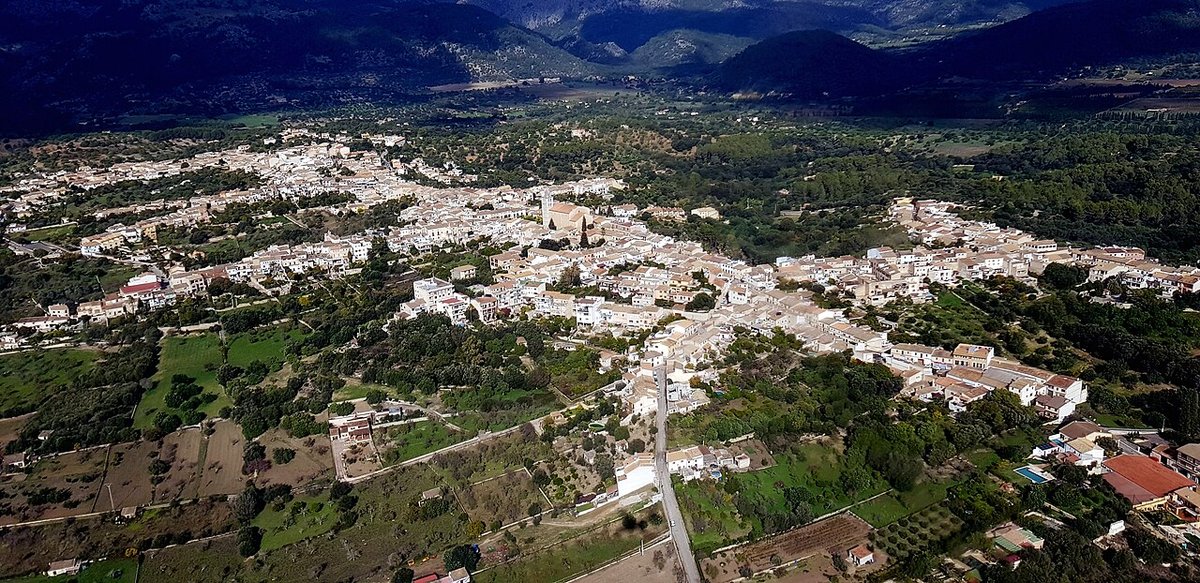
The smallest municipality in Mallorca by area; set on a hill overlooking the Albufera and farmland.

Ocultar artículo Leer artículo completo

The church bell in Buger strikes twice, though it's already half past eleven. Nobody hurries to correct it. A tractor idles outside the only grocery shop while the owner finishes a coffee at the bar next door. This is the rhythm that defines the smallest municipality on Mallorca: field clocks, not beach clocks.

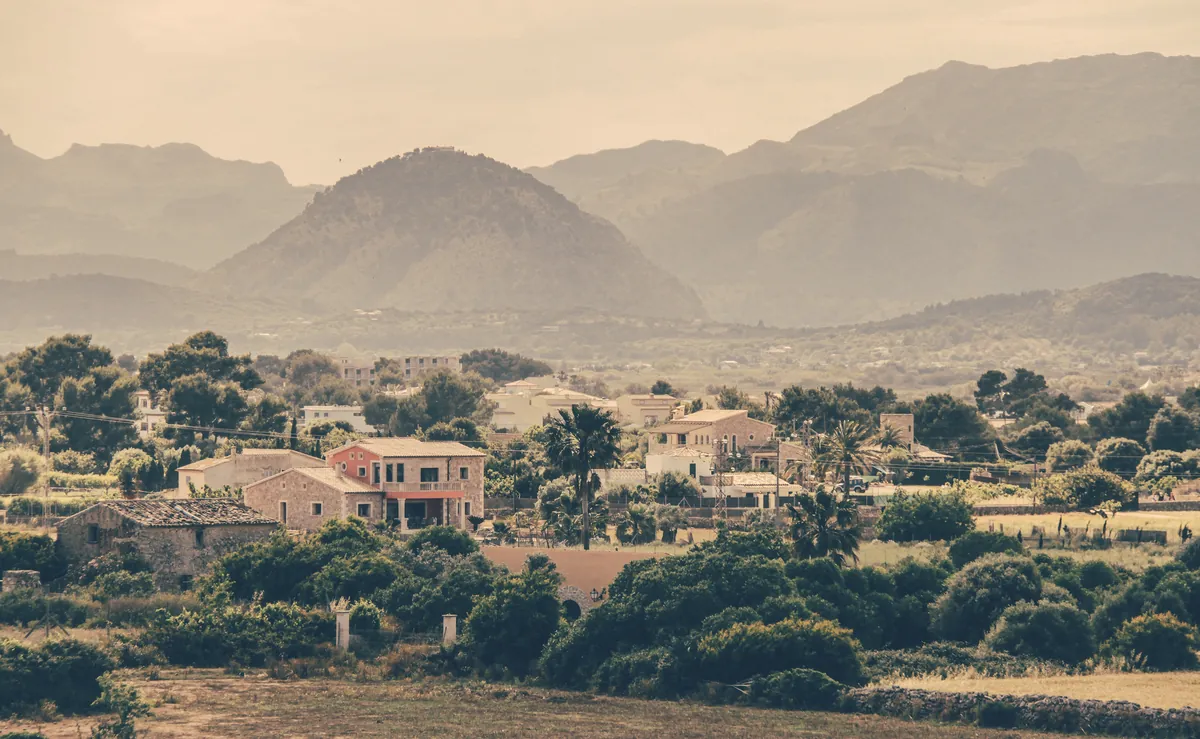
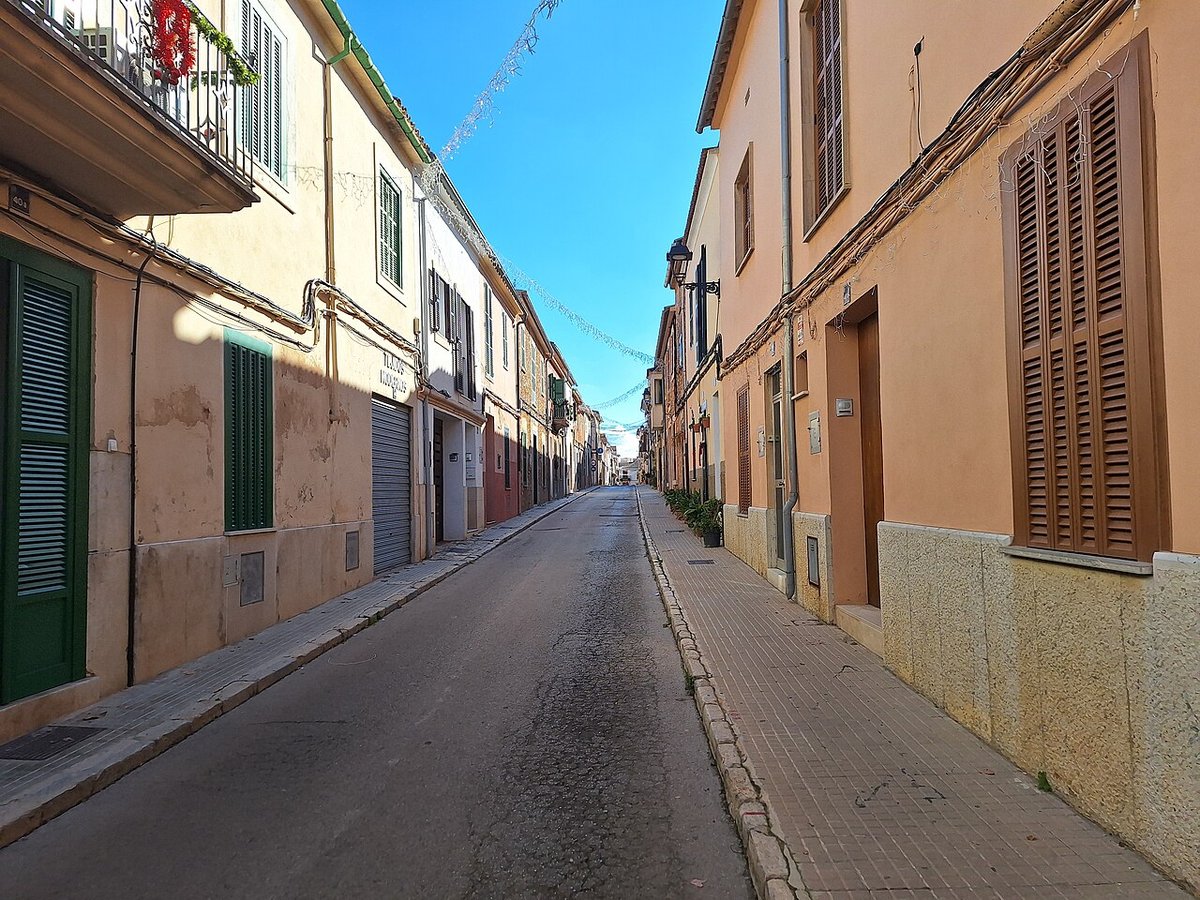
Buger sits in the Raiguer, the fertile stripe between the Tramuntana foothills and the Bay of Alcúdia. It is 18 km from the sea, too far for salt air to reach, close enough for day-trippers to park, look around, and leave puzzled by the quiet. Stone houses the colour of almond blossom line three short streets that meet at Plaça Major. The square has plane trees, six benches, and a stone water trough that still collects rain. On still evenings you can hear sheep bells from the allotments behind the church.

Stone, shutters and silence

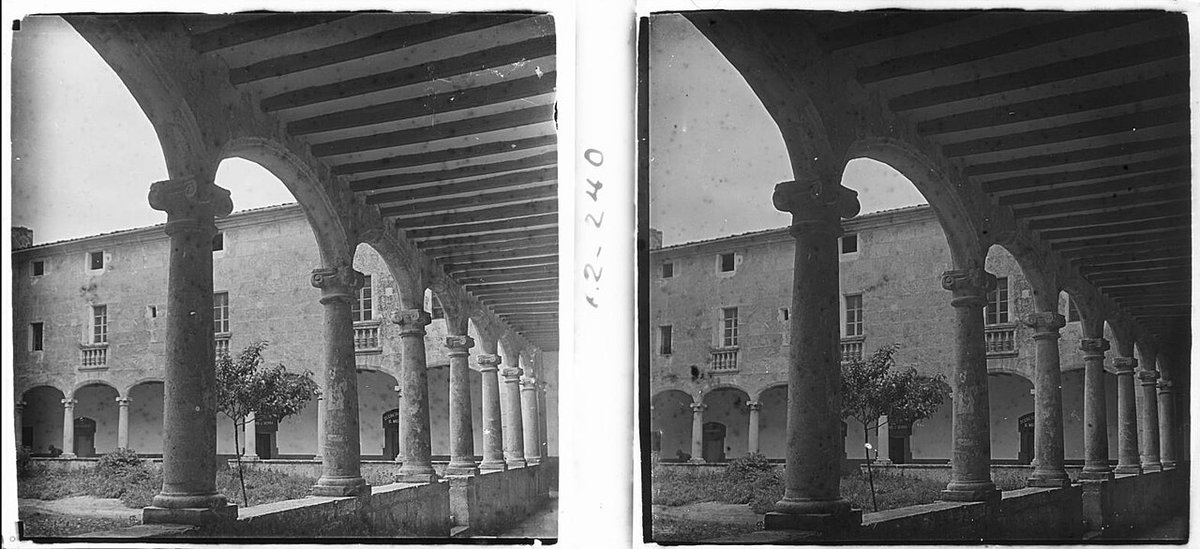
The parish church of Sant Pere dominates the skyline only because there is no other building taller than two storees. Its sandstone walls arrived in stages: the nave finished in 1570, the bell tower added a century later, the clock mechanism installed in 1948 and never fully serviced since. Step inside and the temperature drops ten degrees; the interior is bare, whitewashed, Mallorcan-plain. Locals claim the font is Gothic, though the priest admits it was salvaged from a derelict chapel in Muro. Either way, it holds holy water every Sunday when twenty-odd parishioners shuffle in before market.

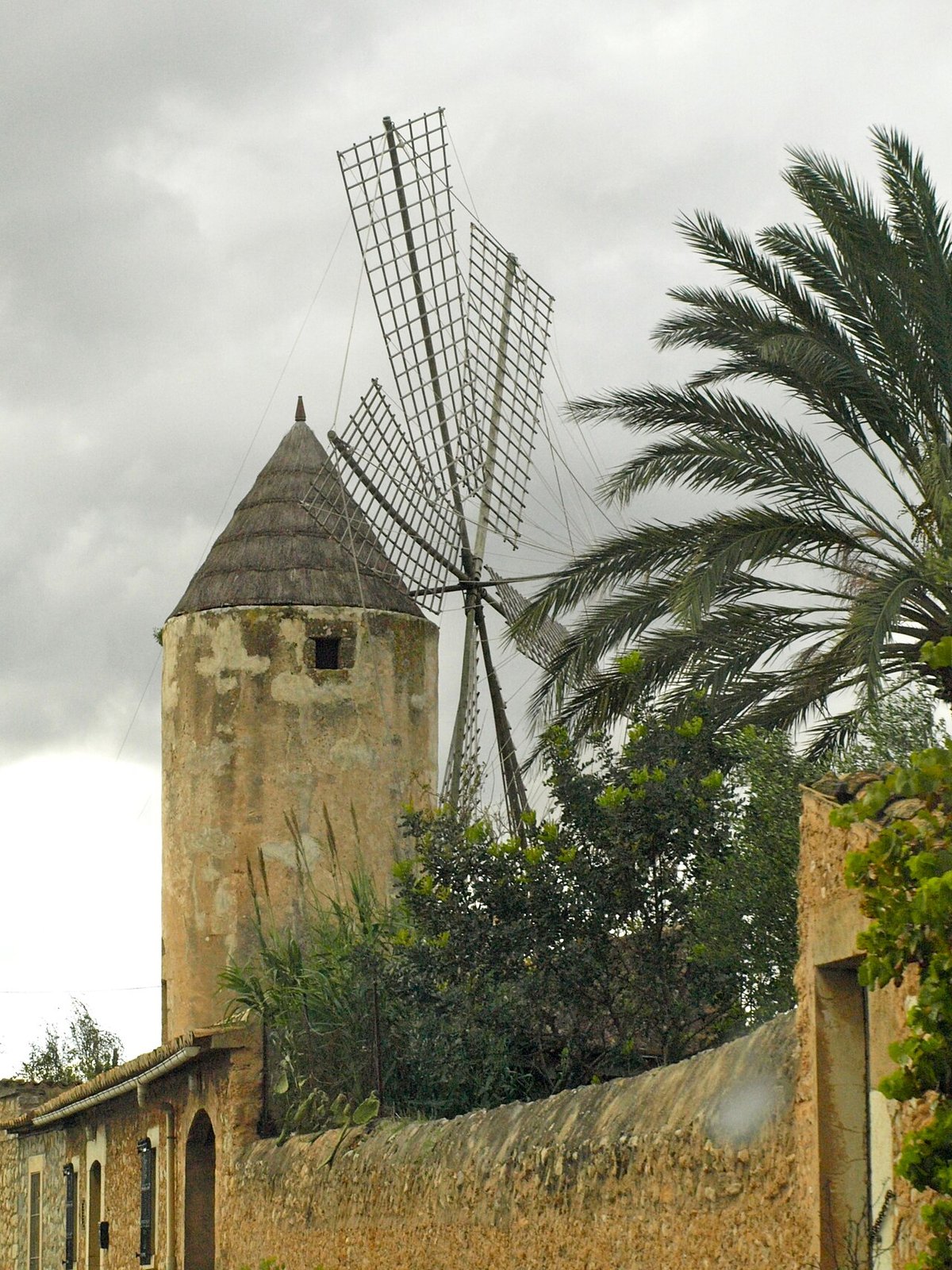
Walk fifty paces east and the village ends. Dry-stone walls divide almond groves from vegetable plots; each terrace is shoulder-high, built without mortar, maintained every winter by the same families who harvest the fruit. Windmills poke above the carob trees – skeletal iron ones from the 1920s, square stone towers from the 1850s. None turn now, but their shadows photograph well at 17:00 when British cyclists pause for Strava evidence.

Getting there, getting stuck, getting out

Public transport stops at Sa Pobla, 10 km away. From there a single rural bus rattles past on school-day mornings, but it deposits passengers by the motorway roundabout and disappears. Hire a car at Palma airport (45 minutes) or accept a £35 taxi fare and the driver's complaint that the return journey will be empty. Roads are smooth, sign-posted, and narrow: brush the drystone twice and insurance excesses double. Parking is free; leave the car by the sports field and walk – nothing is more than four minutes away.

Monday is closure day. Not "reduced hours" but metal shutters and silence. Bar Cas Rector, the grocery, the bakery counter inside the grocery – all locked. Bring supplies or drive to Inca, ten minutes south, where Lidl stays open and cafés understand toast. Friday offers redemption: Campanet market, five minutes by car, sells lemons, socks, and ensaïmada still warm from the fryer.

What passes for action

Buger's fiestas last one evening, not one week. Sant Pere, 29 June, means mass at 19:00, brass band at 21:00, and fireworks that finish before the toddlers yawn. August adds a foam party in the sports court – teenagers travel from Inca, villagers sell cans of beer from cool boxes, everyone goes home at midnight. Sant Antoni on 17 January is more serious: bonfires, sausage grilling, and a demon dressed in straw who leaps over flames while elders mutter that health-and-safety has ruined the island.

Cycling provides the main choreography. Groups in matching Lycra coast through at 09:00 heading for the flat lanes to Alcúdia; by 11:00 the same riders crawl back, gradients now in double digits, thighs trembling. The Tramuntana climbs start literally behind the church: Coll de Sa Batalla is 8 km away, 7% average, no shade. Bring two bottles; the next fountain is 400 m higher and tastes of iron.

Walking is gentler. A signed circuit leaves the square, passes the cemetery, and follows an irrigation channel for 3 km. Oleander bushes drop pink petals into the water; cockerels dispute territory on the opposite bank. The path ends at an abandoned lime kiln where swallow nests clog the roof. Turn back, or continue cross-country to Muro's Roman bridge – another hour, no phone signal, boots recommended.

Eating, or at least chewing

Bar Cas Rector opens Tuesday to Sunday, 08:00–15:30 and 19:00–22:00. Croquetas arrive six per plate, crisp outside, béchamel within, cost €4. The owner speaks Scouse-accented Spanish after twenty years in Liverpool; he will explain the football posters and bring cortados without sugar unless asked. House wine is €2.50 a glass, poured from a plastic drum kept under the counter, perfectly acceptable at lunch but stronger than it looks.

Bar Restaurant Poli, opposite the church, does a Mallorcan mixed grill: sobrassada, botifarrón, lamb chop, tomato rub on bread. £14 with chips, enough for two if you add almonds and olives first. Vegetarians get grilled aubergine and a resigned shrug. Pudding is either gató d'ametlla (almond cake, dense, gluten-free, €3.50) or supermarket ice-cream; cake wins.

The grocery stocks UHT milk, tinned squid, and local tomatoes that actually smell of leaf. Opening hours are 09:00–13:00, 17:00–20:00, unless the owner drives to Palma for stock. Bread arrives at 11:00; by 11:30 it's gone. If you need tonic water for gin, buy early – the delivery comes Thursdays and sells out by Saturday.

When to appear, when to vanish

April and May turn the almond orchards white, temperatures hover around 22 °C, and cyclists still outnumber hire cars. September repeats the trick, adding grape harvest scent. Mid-July to mid-August hits 36 °C; stone walls radiate heat until midnight, bars shut for siesta precisely when you're thirsty, and the agricultural sprinkler orchestra hisses all night. Winter is green, empty, and 14 °C – marvellous for hiking, useless for sun-starved tourists who expected the Med to behave like the Med.

Rain arrives suddenly: a November cloudburst can flood the main street in fifteen minutes because nineteenth-century drains never planned for tarmac. Wait twenty minutes more and the water disappears, leaving only the smell of wet earth and the certainty that trainers were the wrong choice.

The honesty clause

Buger will not keep you busy for a week. There is no beach, no museum, no vineyard tour, no gift shop. What it offers is interruption-free quiet: no hen-party karaoke, no inflatable banana salesmen, no car park ticket wardens. Come if you need to finish a book, train for a sportive, or remember what villages sounded like before headphones. Leave when you crave sushi, cinema, or conversations that don't involve rainfall statistics. The bell will still be wrong when you return the key – and nobody will have noticed you'd gone.

Key Facts

Region
Baleares
District
Raiguer
INE Code
07009
Coast
No
Mountain
No
Season
year-round

Livability & Services

Key data for living or remote work

2024
ConnectivityFiber + 5G
HealthcareHealth center
EducationElementary school
Housing~5€/m² rent · Affordable
CoastBeach nearby
Sources: INE, CNMC, Ministry of Health, AEMET

Planning Your Visit?

Discover more villages in the Raiguer.

View full region →

More villages in Raiguer

Traveler Reviews