Full Article
about Campanet
Quiet village known for its natural caves and hydrogeological springs; well-preserved traditional architecture
Ocultar artículo Leer artículo completo
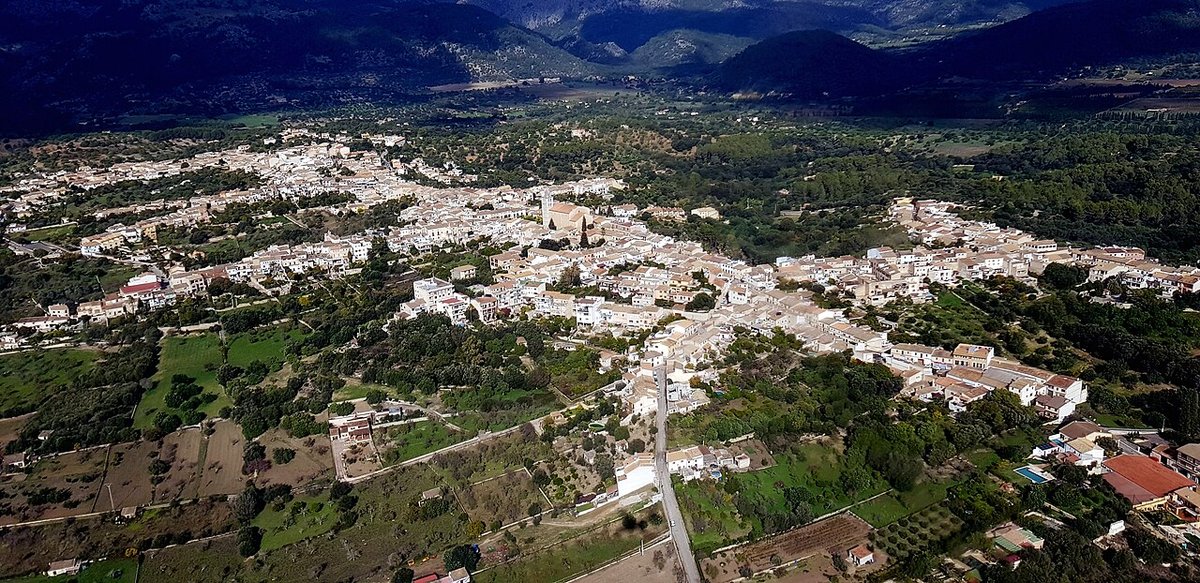
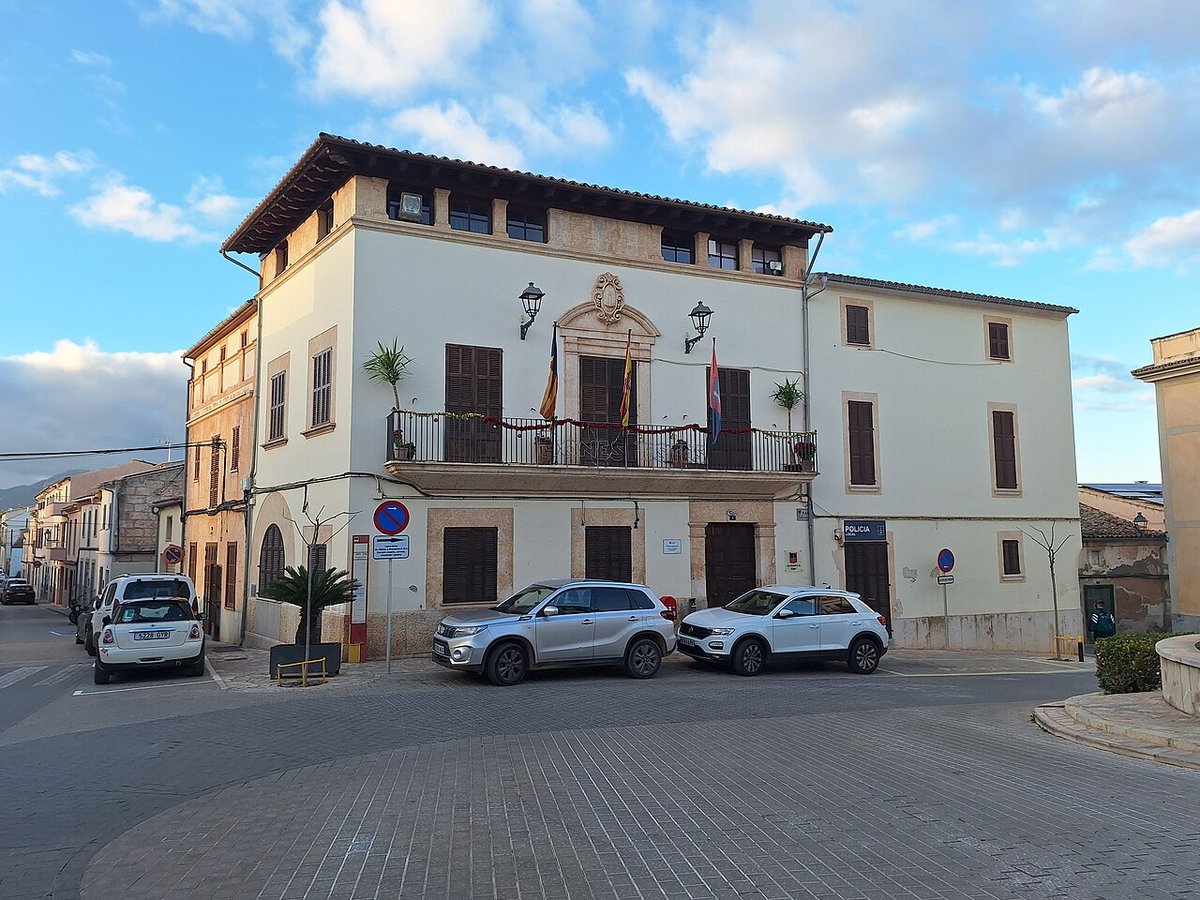
The church bell strikes eleven and the square still belongs to locals. Elderly men in rope-soled espardenyes move dominoes across zinc tables; a baker carries yesterday’s pa de pages to feed the neighbour’s chickens. No souvenir stalls, no amplified music, not a single laminated menu in Comic Sans. Campanet begins like this—quietly—at only 132 m above the plain yet a world away from the coastal binge-drink-and-burrito circuit.
Stone, shade and slow conversation
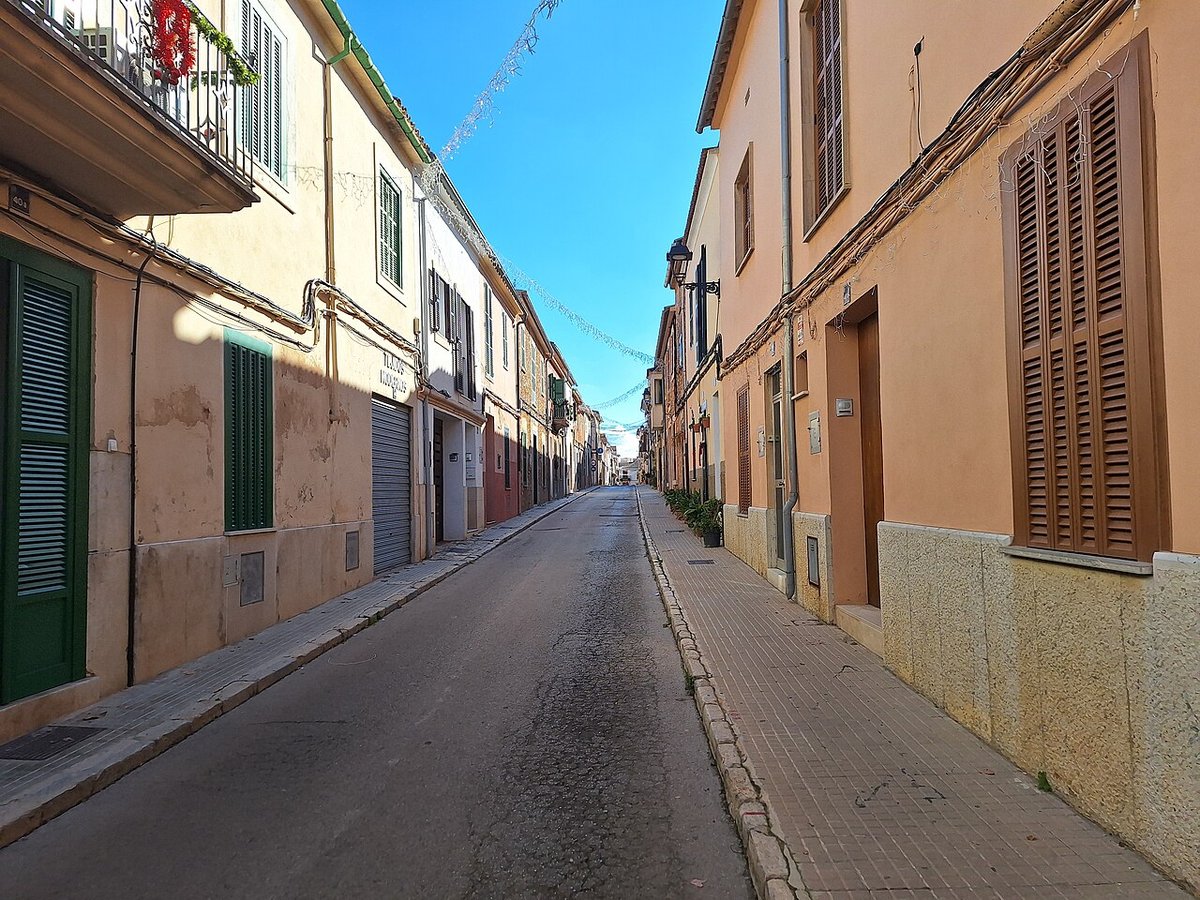
The old centre fits inside a twenty-minute wander. Streets are barely two donkeys wide, paved with honey-coloured marès sandstone that turns coral at dusk. House portals reveal glimpses of olive-wood beams, a caged canary, a 1950s Gas Repsol calendar still flapping on the wall. Laundry lines zig-zag overhead; if the wind is right you smell almond blossom before you see it.
Parish church Sant Miquel Arcàngel squats at the top of the hill, its bulky baroque tower patched after the 1851 earthquake. Step inside and the air drops five degrees; locals call this "l’aire de missa", the Mass draught. Gold leaf is thin, frescoes are provincial, yet the place feels lived-in rather than curated. Sunday at nine the priest still announces the sick list; someone’s mobile rings with a Strictly theme.
Caves and the drip of expectation
Three minutes out of town the road dips towards a limestone ridge. Here, in 1945, a shepherd noticed cold air gushing from a fissure while rounding goats. The resulting Coves de Campanet are modest compared with Mallorca’s show-cavern at Drach—no underground lake, no string quartet—but that is precisely their appeal. Tours cap at thirty people, last 45 min and stay at a cool 18 °C; bring a jumper even in August. Guides speak English Mondays and Thursdays, otherwise you get rapid-fire Catalan peppered with geological jargon. Admission is €17, audio guide €3, and photography is banned—staff will ask you to delete shots.
Visit at 10 a.m. when the turnstile opens and you may share the chambers with a single German family. Stalactites here grow the width of a strand of hair every nine years; switch off your torch for thirty seconds and the darkness feels absolute. Afterwards the terrace café does a decent café amb llet for €2, with views back to the Tramuntana escarpment.
Almond lanes and the mirage of water
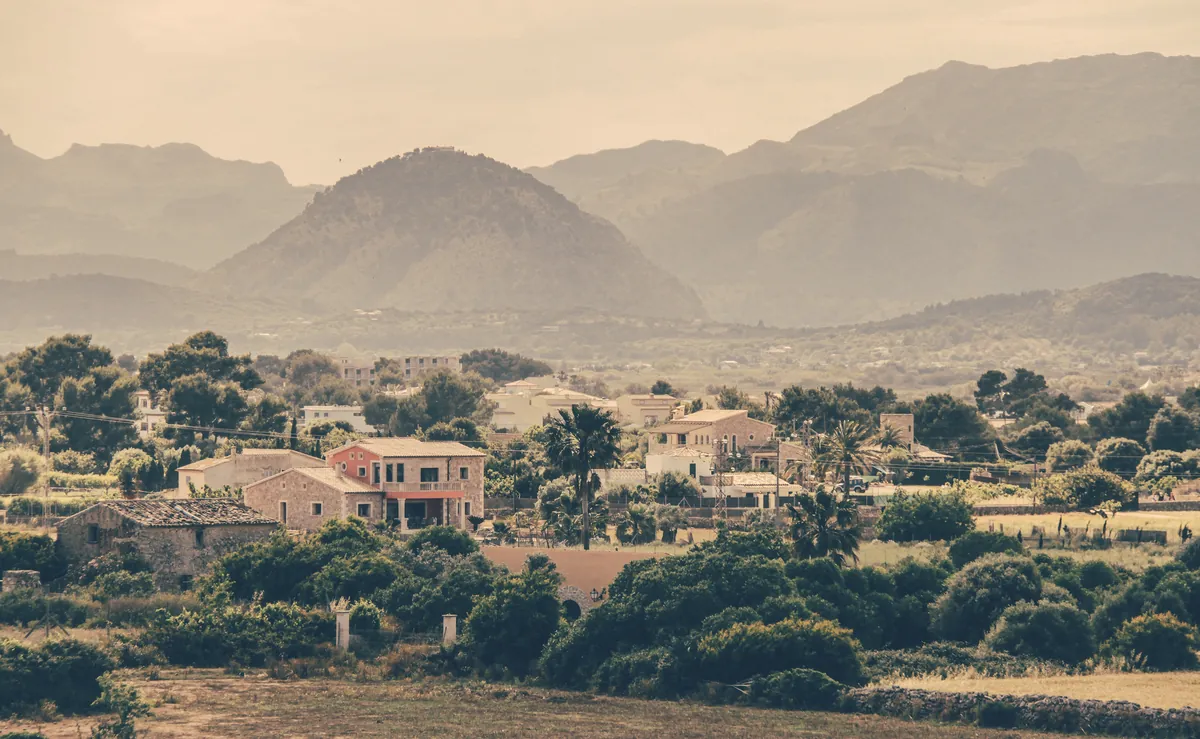
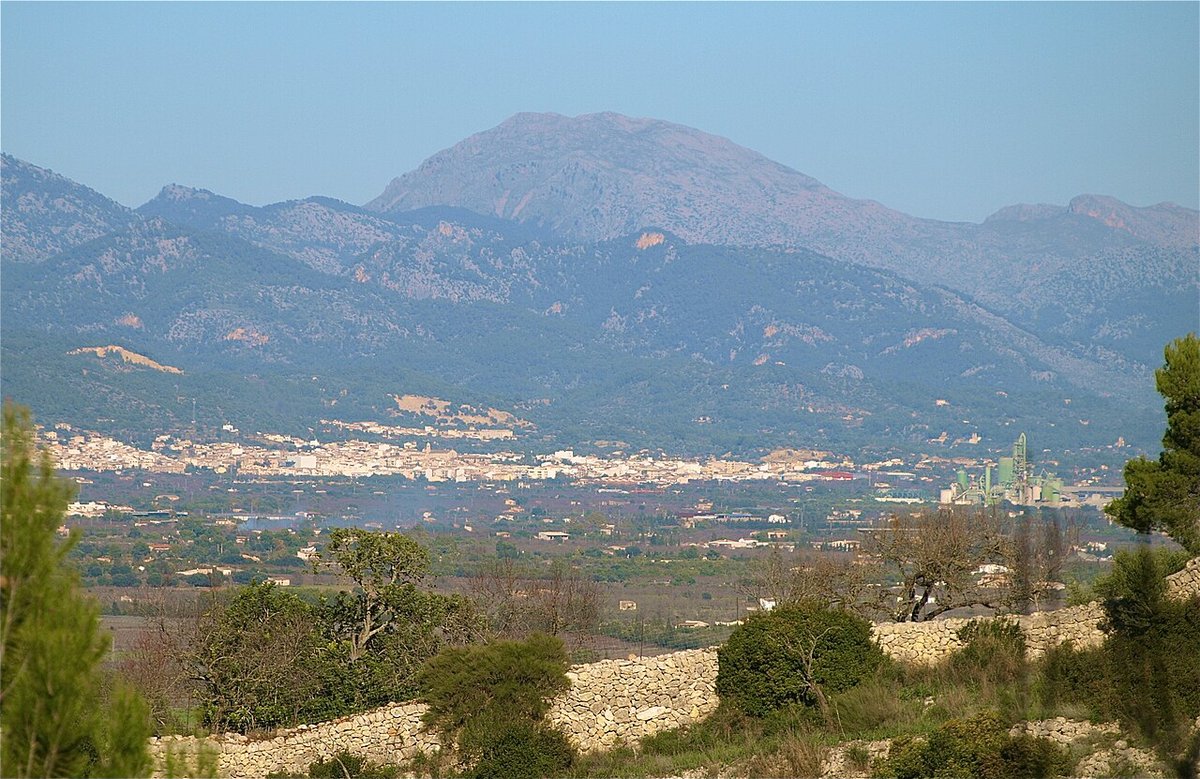
Campanet sits on the drip-line between mountain rain shadow and central plain. Cycling lanes radiate like spokes: north to the Bay of Pollença (25 km), south to the wine town of Binissalem (22 km). The gradients look gentle until you meet the col to Selva—here thigh muscles discover what 350 m of ascent means in thirty-degree heat. Hire bikes can be delivered from Inca; Mallorca Cycling charges €25 a day for an alloy Giant with compact chainset.
If you prefer walking, pick up the GR-222 Ruta de la Pedra en Sec that skirts the village. Signposts are sporadic; download the GPS track before you set off. An easy loop heads east to the possessió (manor farm) of Son Bordoy and back, 6 km total. After rain the infamous Fonts Ufanes spring to life—underground water bursts through the almond groves in a matter of minutes, turning bone-dry riverbed into a foaming torrent. Miss the forty-eight-hour window and you will find only bemused French hikers prodding gravel with trekking poles. Check rainfall data at Sa Pobla meteorological station; if the gauge reads under 20 mm, don’t bother.
Eating: pork, pizza and an English breakfast
Village kitchens keep to the interior syllabus: sobrassada sausage cured in the celler, rabbit with onions, tumbet (aubergine and potato bake) when tomatoes glut. Sa Tercera on Plaça Major will grill lamb cutlets until the fat frizzles—ask for them "ben cuits" if you dislike pink. Main courses hover around €14; chips come as standard, vegetables by negotiation. Bacán Pizzeria, tucked two streets back, fires Argentinian-style sourdough bases in a wood oven; the prosciutto & rocket pie is large enough for two small appetites.
Homesick teenagers can retreat to Bar Es Club for a full English (€9 with Heinz beans) and Wi-Fi that actually loads iPlayer. Cyclists colonise the terrace from 8 a.m., comparing Strava stats over bocadillos of butifarra sausage. For something smarter drive five kilometres to Es Mirador de Monnaber, a converted monastery where suckling pig shares the menu with apple crumble and custard—Sunday lunch booking essential.
Fiestas and property dreams
Late September brings the Festa de Sant Miquel: a modest fairground, a rock cover band, and giants dancing in papier-mâché heads. The scent of chestnut smoke drifts down Carrer de l’Església; locals insist you try berenar de festa, an almond biscuit dunked in sweet moscatel. In mid-January Sant Antoni takes over—bonfires on the outskirts, a priest sprinkling holy water over saddles, motorbikes and the odd nervous chihuahua. Neither event clogs the roads; you can still park within 200 m of the church if you arrive before seven.
Britons looking for a rural bolt-hole have noticed. Two-bedroom townhouses that sold for €160 k in 2018 now fetch €240 k, still half the price of comparable digs in Pollença. The upside is a decent espresso and a new organic greengrocer; the downside is builders’ noise on weekdays and the slow disappearance of the €2.50 menu del dia. Planning laws forbid more than two storeys, so the skyline remains mercifully free of cranes—for now.
Getting there, staying sane
There is no railway; the 302 bus from Palma trundles in four times daily and deposits you a kilometre from the caves. Hire a car at the airport (30 min on the Ma-13) and use the free shaded car-park behind the church on weekday mornings. Saturday market clogs Carrer Major; arrive after eleven and you will circle for spaces. Summer highs nudge 36 °C; in July and August explore at dawn or risk sunstroke—shade is rationed. Spring and late October deliver 22 °C and carpets of wild narcissi without the Tour-de-France peloton of cyclists.
Worth the detour?
Campanet will never dominate a Mallorcan itinerary. You will not tick off a cathedral, a Michelin star or a beach bar pumping reggaeton. What you get instead is the hush of almond petals drifting onto stone, a cave where water has worked for a million years, and a square that still belongs to the people who pay council tax here. Stay for a morning, combine it with the hill town of Selva or the bay at Alcúdia, and leave before the siesta shutters clatter down. If that sounds like too little effort, the coastal strip will happily take your money. If it sounds like just enough, set the alarm early and go.