El Pi eleccions Consell de Mallorca, 2023.jpg
Scan: Sebastià Vadell Planisi. List: Junta Electoral Central/Junta Electoral de Zona de Palma · Public domain
Baleares · Pure Mediterranean

Consell

The church bells strike eleven and the only reply is a dog barking somewhere behind the stone houses. In Consell, mid-morning silence is not a mark...

4,521 inhabitants · INE 2025
154m Altitude

Why Visit

Church of Nuestra Señora de la Visitación Sunday flea market

Best Time to Visit

year-round

Sant Bartomeu Festival (August) agosto

Things to See & Do
in Consell

Heritage

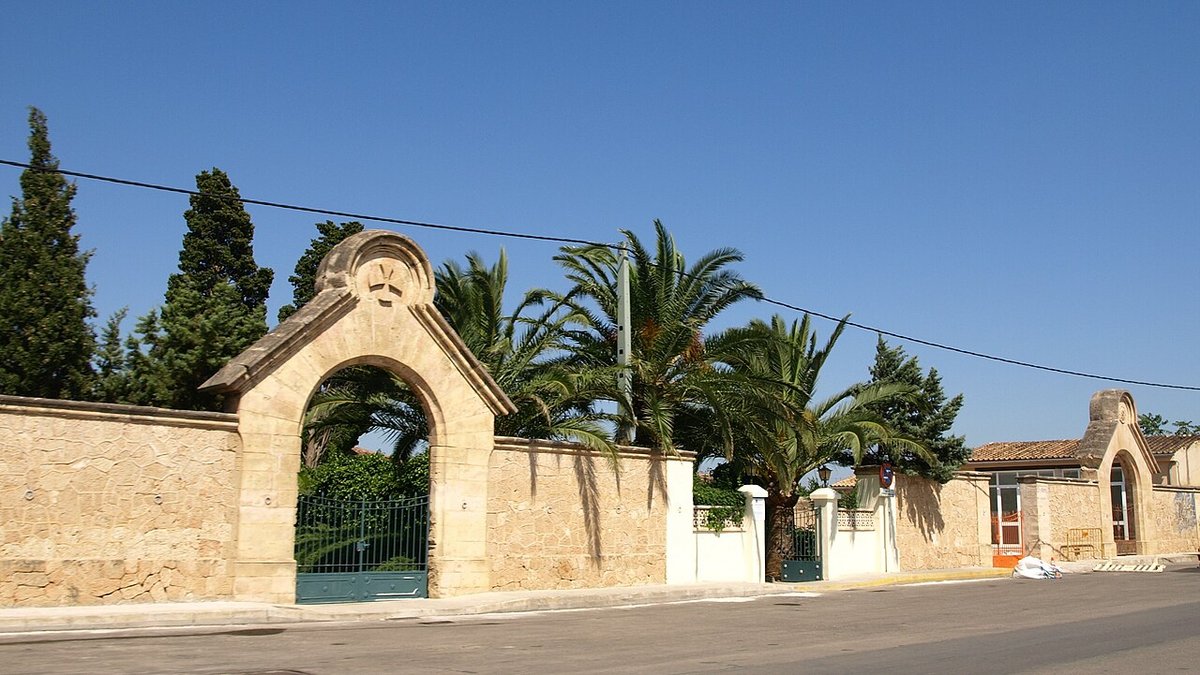
  • Church of Nuestra Señora de la Visitación
  • Ribas Winery
  • Main Square

Activities

  • Sunday flea market
  • Wine tasting
  • Cycling tourism

Festivals
& & Traditions

Fecha agosto

Fiestas de Sant Bartomeu (agosto)

Las fiestas locales son el momento perfecto para vivir la autenticidad de Consell.

Full Article
about Consell

Wine-growing town on the island’s central axis; famous for its Sunday antiques market.

Ocultar artículo Leer artículo completo

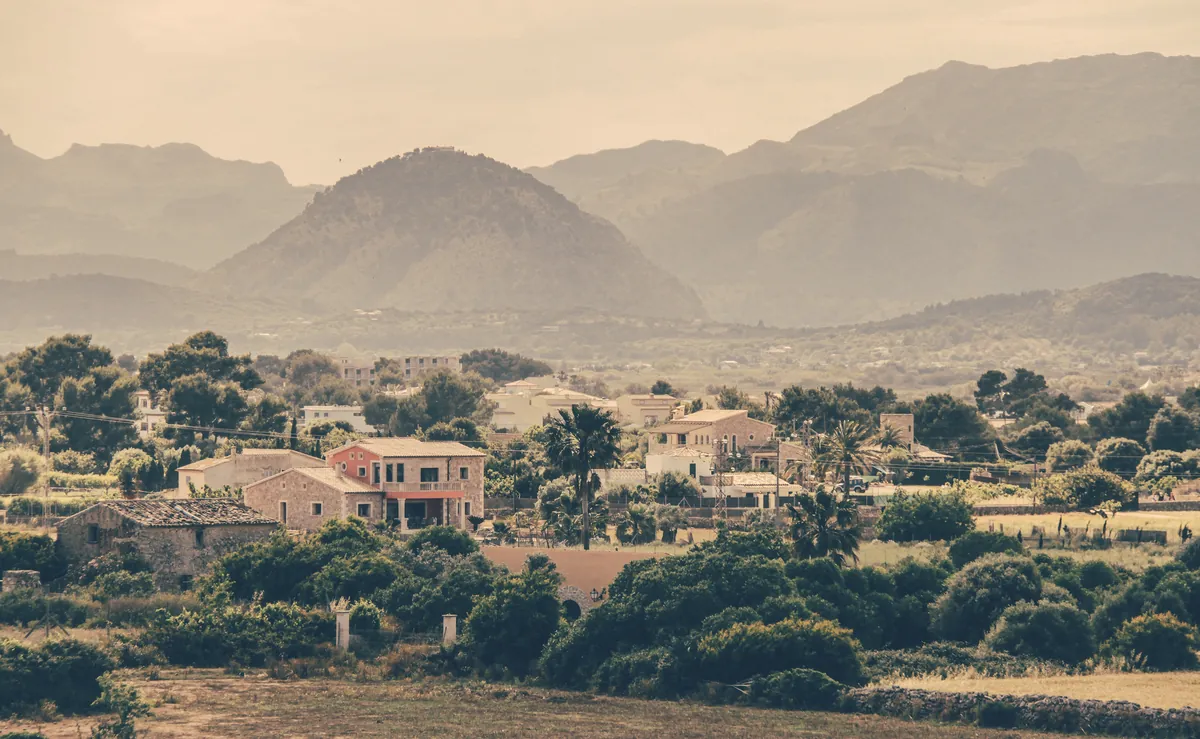
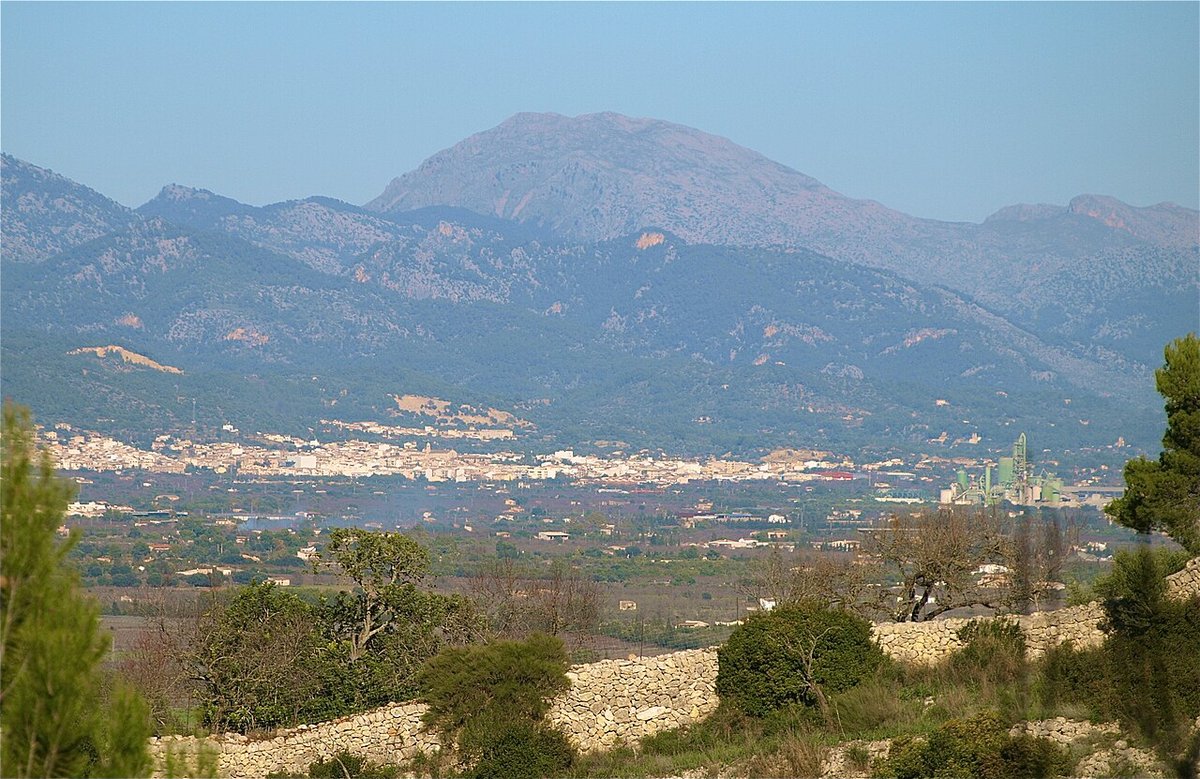
The church bells strike eleven and the only reply is a dog barking somewhere behind the stone houses. In Consell, mid-morning silence is not a marketing pose; it is the sound of an entire village getting on with work that happens somewhere else. The bakery has sold out of ensaïmada, the bar owner is stacking chairs for the lunch rush that may or may not arrive, and the tractor drivers have already disappeared into the almond groves that collar the settlement. This is the Raiguer, the narrow buffer between the Tramuntana’s limestone walls and the central plain, and the pace changes the moment you turn off the Ma-13a.

A Village That Forgot to Renovate Itself

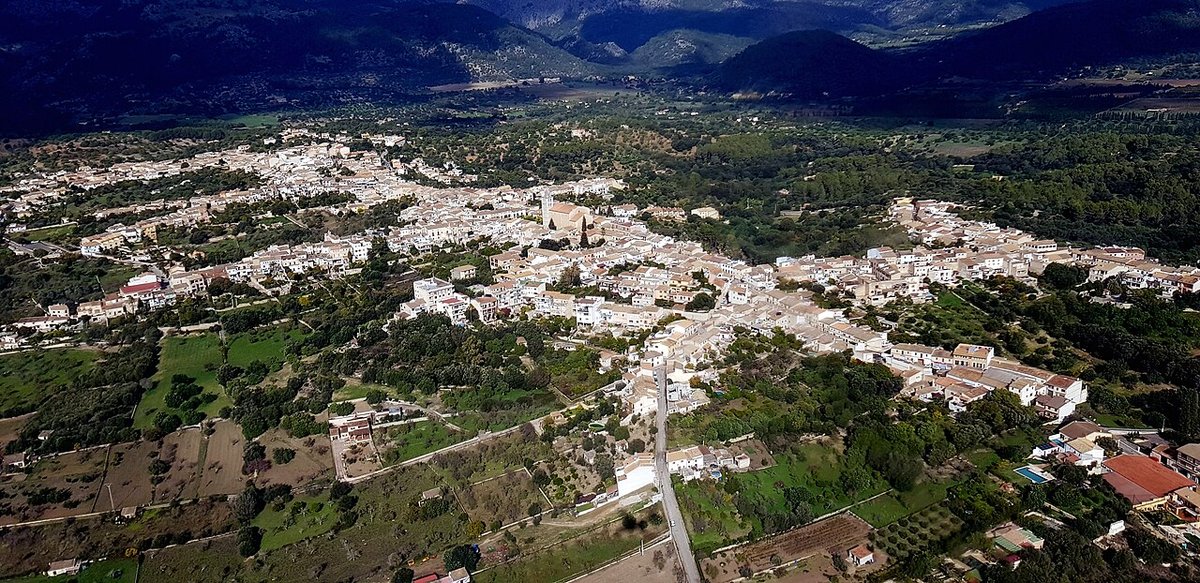
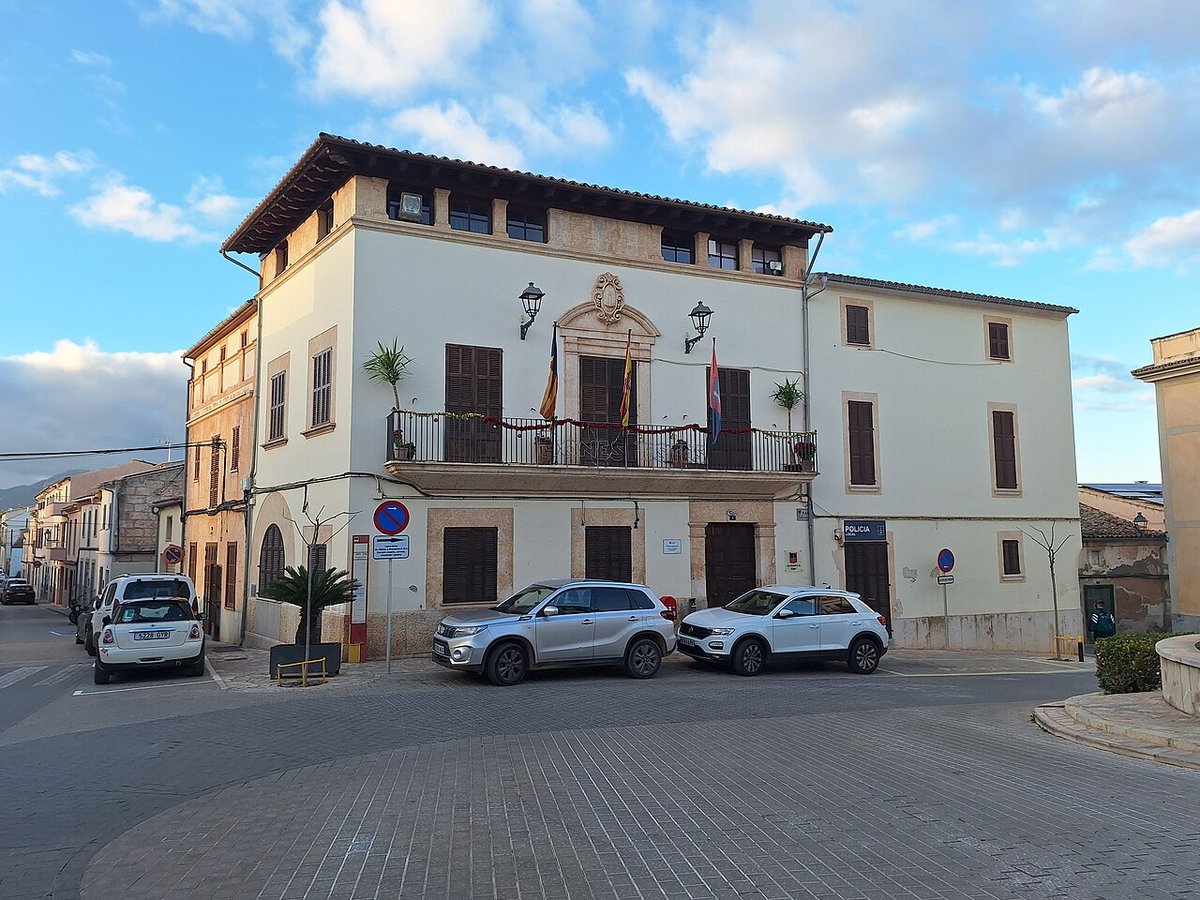
Consell sits 154 metres above sea level, high enough to catch the breeze but too low to brag about altitude. The church of Santa María squats at the centre like a heavyweight that has settled into its own bulk. Walk around it slowly and you can read the village budget across the centuries: a Gothic portal here, a Baroque lump there, iron balconies bolted on whenever someone struck a decent almond harvest. No guide appears to explain the carved 1679 date above the side door; you either notice it or you don’t.

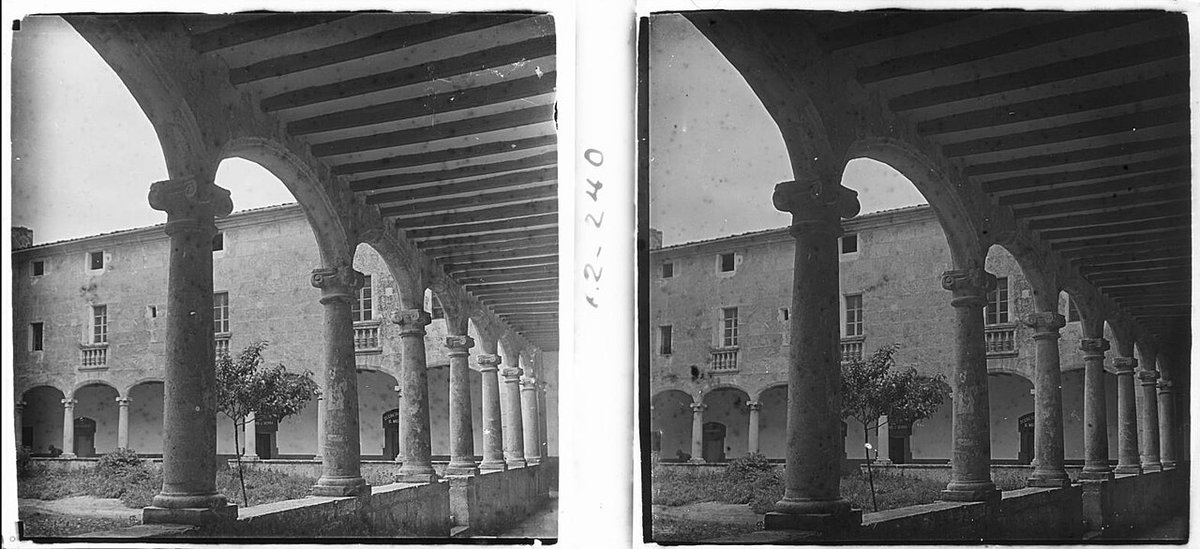
Behind the church, the former convent keeps a walled garden that smells of damp citrus and cigarette ends. The iron gate is usually unlocked; locals use it as a shortcut to the car park and tourists use it for shade. Both groups sit on the same stone bench, checking phones and pretending they are not looking at one another. Ten minutes is enough to recover from the drive up from the bay of Palma, twenty if you have misjudged the July heat.

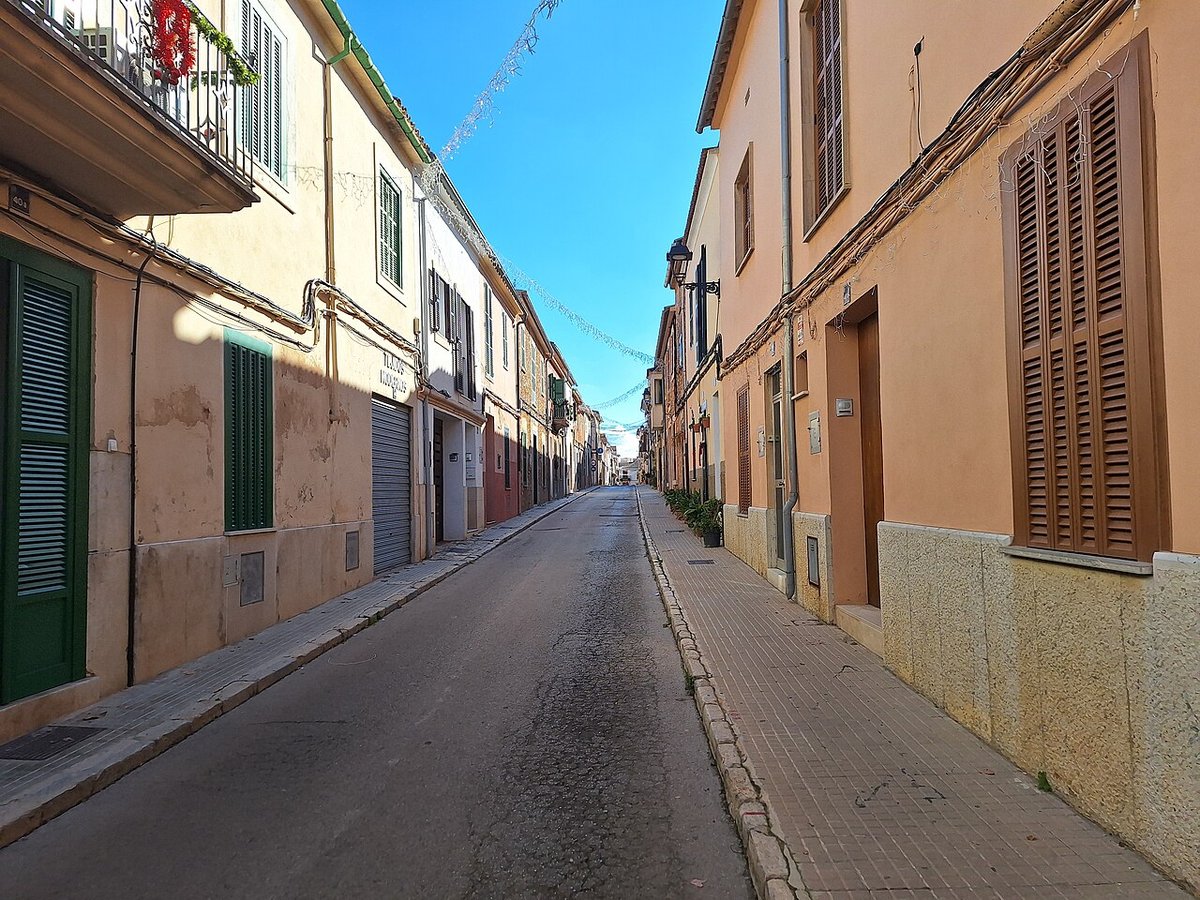
The rest of the historic centre is three streets wide and two streets deep. House walls are the colour of weathered parchment; the mortar is the colour of biscuits. Wooden shutters hang at angles that would give a Surrey surveyor nightmares, yet they still close tight enough to keep the afternoon sun out. Nothing is “restored”, merely repaired when the winter rain begins to seep through. That honesty is what startles visitors fresh from the coast’s plastic menus and cocktail-promising pubs.

Sunday Morning Capitalism

Once a week the village remembers how to shout. The Consell flea market—el Rastro—spreads across the polígono from 08:00 until the heat wins. Palma dealers arrive in white vans to strip the best leather saddles and 1970s coffee grinders before you have finished your hotel breakfast, so set the alarm. What remains is still good enough: linen sheets for €8, mismatched farm chairs, boxes of copper saucepans turned green with neglect. Haggling is gentle; the Spanish you forgot at school suddenly reappears when you realise that heavy glass demijohn will not fit in the hire-car foot-well.

Cash is king. The village cash machine lives inside a petrol station on the ring-road and charges €2 for the insult. Draw money in Binissalem the night before or you will spend the morning watching other people walk off with bargains.

Cycling, Hiking, and Other Excuses to Leave Town

Consell makes a quiet base for riders who want the Tramuntana without the Tour-de-France crowds. The road to Biniaraix climbs gently through olive terraces; the surface is smooth enough for skinny tyres and the drivers are mostly farmers who have seen it all before. Back in the square, the bike shop opposite the station will true a wheel for €12 and box your bike for the Ryanair flight home—half the airport price, and they throw in leftover bubble-wrap.

Walkers should ignore the word “mountain” on the sign-posted Camí de Muntanya; the path is a farm track that levels out after the first almond grove. What it does offer is line-of-sight over the mosaic of walled fields that the Romans started and the Mallorcans refuse to abandon. Go in late March and the blossom is so bright you will wonder why anyone bothers with the cherry festivals farther north. Go in August and the track is a frying pan; start at dawn or accept defeat.

Eating Without the Sea View

There is no waterfront, so the village learned to cook what grows within donkey distance. Tumbet—layers of fried aubergine, potato and red pepper baked under tomato sauce—appears on every menu, but the version at Celler Sa Travessa tastes of something more than postcard duty. They will bring chips on the side if a child looks suspicious, an accommodation that earns them loyal British custom each half-term.

Serious wine drinkers head to Bodega Antonio Nadal where the owner’s son spent a season in Brighton and still enjoys practising English on anyone who arrives with an open wallet. The rosé is the colour of onion skin and slips down like alcoholic watermelon; buy six bottles and he knocks off the tasting fee. Saturday lunch is simpler: Bar Central grills ham-and-cheese bikinis until the cheese drips onto the press, then cuts them into triangles that fit neatly inside a copy of the Sunday Times.

Dinner options shrink after 21:30 when the kitchens close and even the locals drive to Inca for groceries. Plan accordingly or embrace the Spanish timetable and eat at 20:00 like you mean it.

How Long, How Hot, How Much

Two hours is enough to walk every street, photograph the church, drink a coffee and decide you like the place. Stretch it to half a day if you add the market or a circular bike ride to Santa Maria del Camí and back (24 km, pan-flat, one alarming roundabout). Consell is not a destination you tick off; it is a breather between the coast’s traffic jams and the mountain’s hair-pin terror.

Temperatures mirror the plain: mid-thirties in July, shirtsleeves in October, damp fog in January when the tramuntana wind drops. Parking is free but chaotic on market day; arrive before 09:00 or use the train from Palma (25 minutes, €3.60). Taxis back to the airport cost €35 if you agree first—meters are considered ornamental once you leave the city.

The Anti-Postcard

Leave Consell without buying anything and you will still have spent money: on coffee, on water, on the €1 you fed into the church’s poor box because the candle rack accepted no excuses. The village does not sell itself because it never decided to become a product. What you get is the sound of someone sweeping a courtyard, the smell of almond wood burning in a bread oven, the sight of a tractor parked beside a BMW. It is Mallorca once the brochures have gone home, and that is precisely why you might drive five kilometres inland in the first place.

Key Facts

Region
Baleares
District
Raiguer
INE Code
07016
Coast
No
Mountain
No
Season
year-round

Livability & Services

Key data for living or remote work

2024
ConnectivityFiber + 5G
HealthcareHealth center
EducationElementary school
Housing~5€/m² rent · Affordable
CoastBeach 17 km away
Sources: INE, CNMC, Ministry of Health, AEMET

Planning Your Visit?

Discover more villages in the Raiguer.

View full region →

More villages in Raiguer

Traveler Reviews