Full Article
about Inca
Third-largest city in Mallorca and a major footwear and leather industrial hub; known for its traditional food cellars.
Hide article Read full article
A Thursday That Sets the Pace
Tourism in Inca has a very clear moment each week: Thursday morning. That is when the town puts on its market face and behaves like the friend who hosts dinner and somehow gathers half the city. It works. While other parts of Mallorca ease into the day, Inca is already busy early on, with cars circling in search of somewhere to park.
People do not come only to browse stalls. Thursday in Inca has long been a day for getting out and about. The market draws locals from across the island as much as visitors, and the rhythm feels set by habit rather than novelty.
A Town That Smells of New Leather
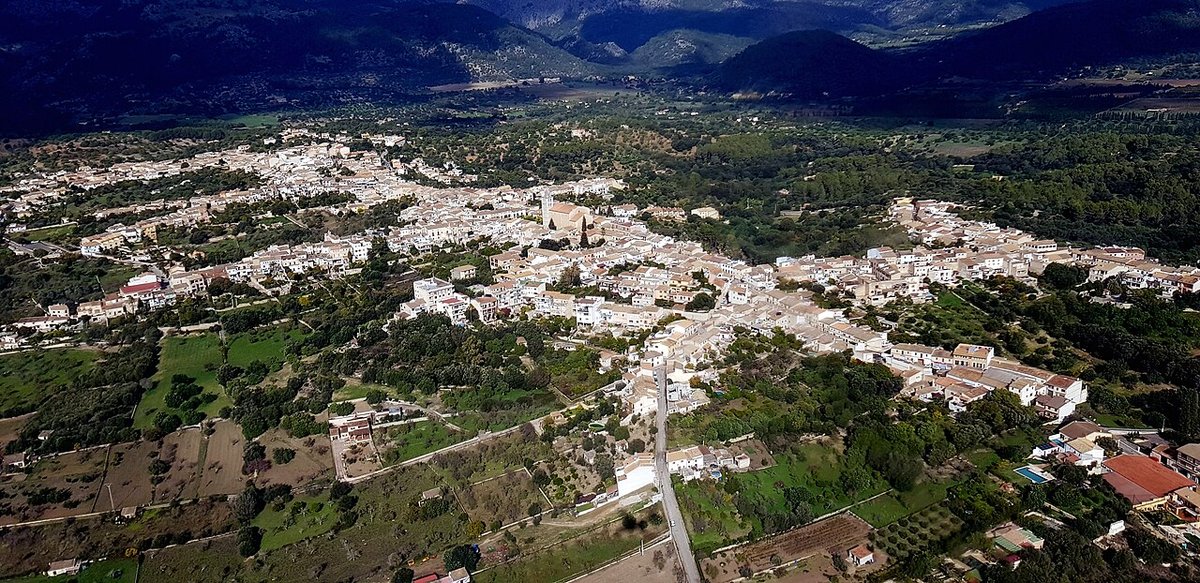
Inca is the third largest city in Mallorca by population, yet one detail has defined it for decades: leather. The scent sometimes reaches you before the centre comes fully into view. It brings to mind the kind of traditional shoe shop many people remember from childhood.
Shoemaking was once a major industry here. For much of the twentieth century, workshops filled the town. Fewer remain today, but the trace is still easy to spot in shops, in former factories that have found new uses, and in the market itself.
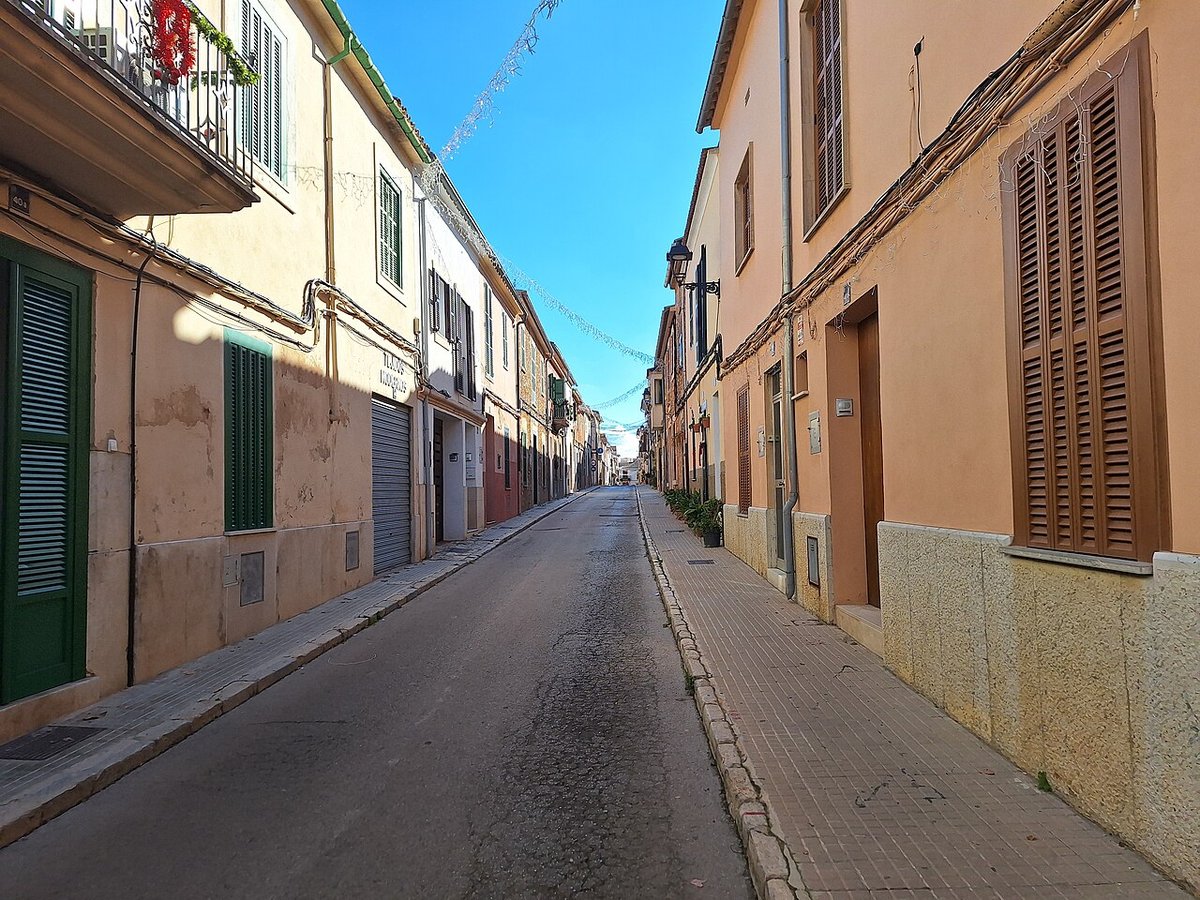
The Thursday market spreads across much of the centre. Streets fill with stalls displaying belts and wallets, along with boots and the classic abarcas mallorquinas. The interest lies as much in watching as in buying. Neighbours greet each other, hands test the leather with the same instinct used at a fruit stall, and quick conversations in Mallorcan mingle with visitors who look slightly unsure where to begin.
As the day moves on and the sun grows stronger, another shift takes place. Bags become heavier, and the streets start to thin out. People are not leaving. They are heading down into the cellers.
Stone Rooms, Long Tables
The cellers of Inca form part of the town’s story. From the outside many look discreet, even a little dark. A short descent changes that impression. Inside, there are stone rooms with arches, large barrels, and long tables built to hold extended families.
These spaces were once cellars or storage areas tied to wine and everyday work. Over time they became places to eat traditional Mallorcan food without fuss or decoration.
Frit mallorquí often appears just as it would at home: offal, potato, fennel, and a strong aroma that leaves no doubt about what is on the plate. It is not for everyone, yet when it is well prepared it has a pull of its own. Bread made with darker flour and red wine from the island usually come alongside.
Tumbet also features, built from layers of aubergine and potato with courgette and tomato. Then there is arròs brut, a soupy rice packed with spices that exists in many versions across Mallorca. In the cellers it tends to arrive hearty and filling, the kind of dish that quietens a table for a few minutes.
Many locals still share stories of the years when leather workshops filled the town and the cellers fed workers and market traders. Some sum it up simply: this is where everyone used to come to eat.
When the Town Lets Loose
Summer brings the festivities of Santa Maria la Major, and the mood of Inca changes noticeably. Streets fill with events, and one of the most remembered moments comes when the demons appear. They wear wooden masks that can look quite unsettling and run through the crowds to the sound of drums and firecrackers.
For a first-time visitor it can feel intense, especially for children. It belongs to a type of Mallorcan popular celebration where chaos exists, but within its own order.
Winter has its own version of playfulness during carnival, known as Sa Rua. Groups in costume take to the streets with inventive outfits and a strong sense of local humour. On Mallorca, that kind of creativity often shows up when least expected.
Beyond Shoes and Frit
Inca does not live only on its shoemaking past. The local football club, CE Constancia, has been playing for more than a century. The town still remembers the seasons spent in Spain’s Segunda División. For a place of this size, that period felt like competing on a much bigger stage.
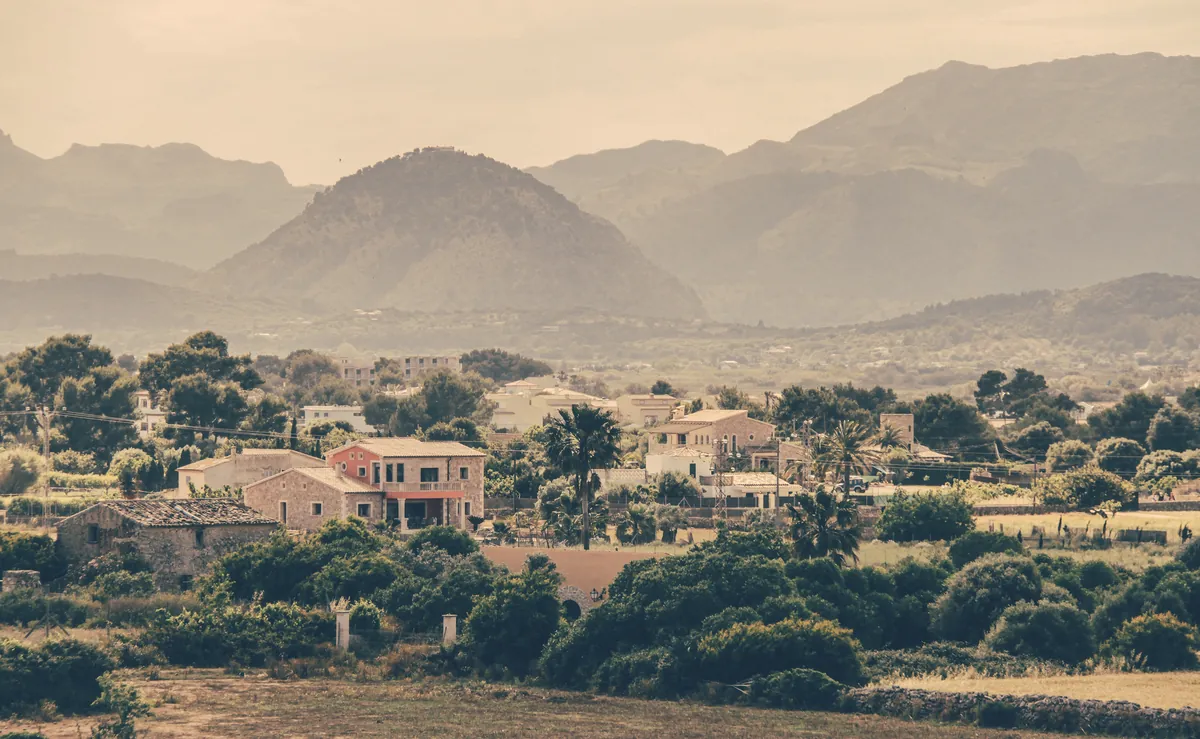
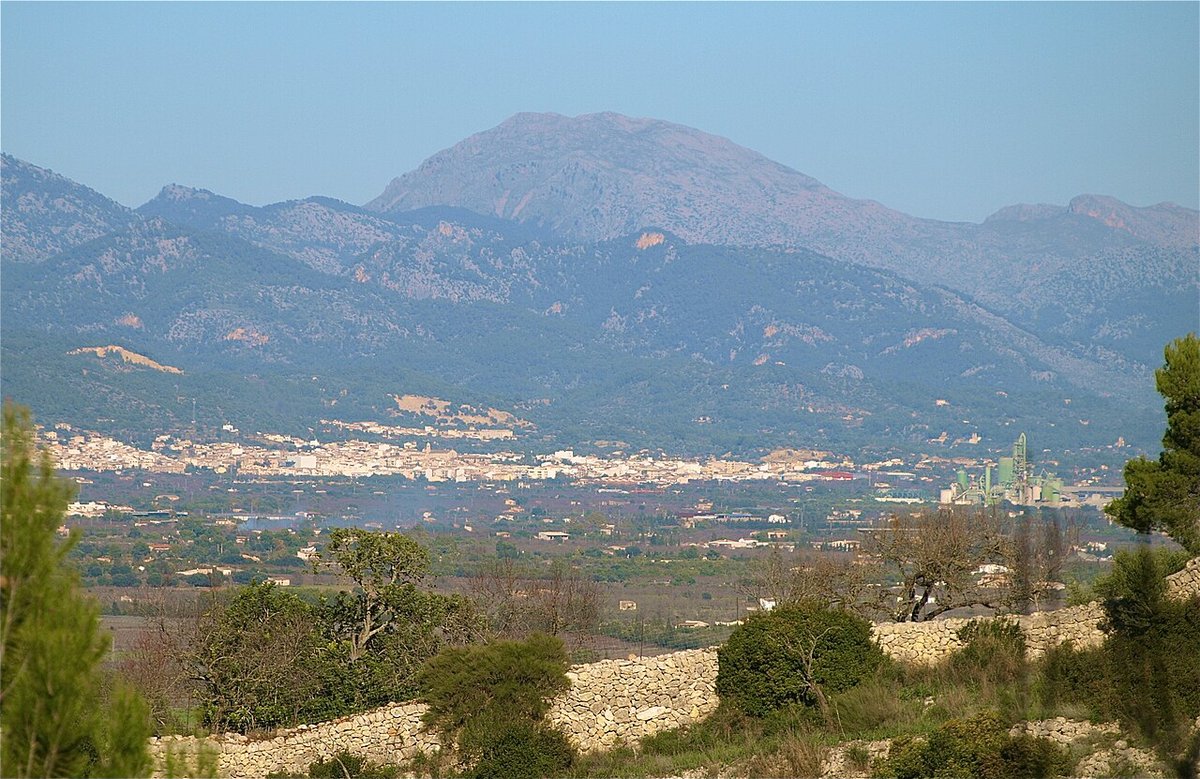
Just outside the urban area there is a well-known climb to the Puig de Santa Magdalena. The road winds through pine trees until it reaches a small plateau with an ermita and a restaurant. From this point, a large part of the Raiguer opens up below: fields, nearby towns, and the Tramuntana mountains in the distance on a clear day.
It is the kind of viewpoint that quickly explains where you are on the island.
A simple plan works well here. Arrive on a Thursday, wander through the market without rushing, then head down into one of the traditional cellers for a meal. If there is still energy left, make the trip up to the Puig de Santa Magdalena and look out over the plain. That sequence offers a clear sense of Inca: a town that continues to function as a place to live, not as a backdrop.