Full Article
about Lloseta
A town halfway between plain and mountain; known for its shoe-making and cement industries, with nearby natural surroundings.
Hide article Read full article
A village that runs on its own time
On a first day in Lloseta, it would not be unusual to see someone walking down the street carrying a shoe in each hand. It is not a local ritual. It is simply someone leaving one of the village’s footwear workshops, heading home with the day’s samples. That small scene says quite a lot about how Lloseta works. People here still make things with their hands, not only with their phones.
This is not the Mallorca of beach clubs and turquoise coves. Tourism in Lloseta moves to a quieter rhythm. There are no long stretches of sand or rows of shops selling straw hats every few metres. Instead, there is a cement factory that has been part of the landscape since around the middle of the last century, and a shoemaking tradition that still lingers in a handful of workshops.
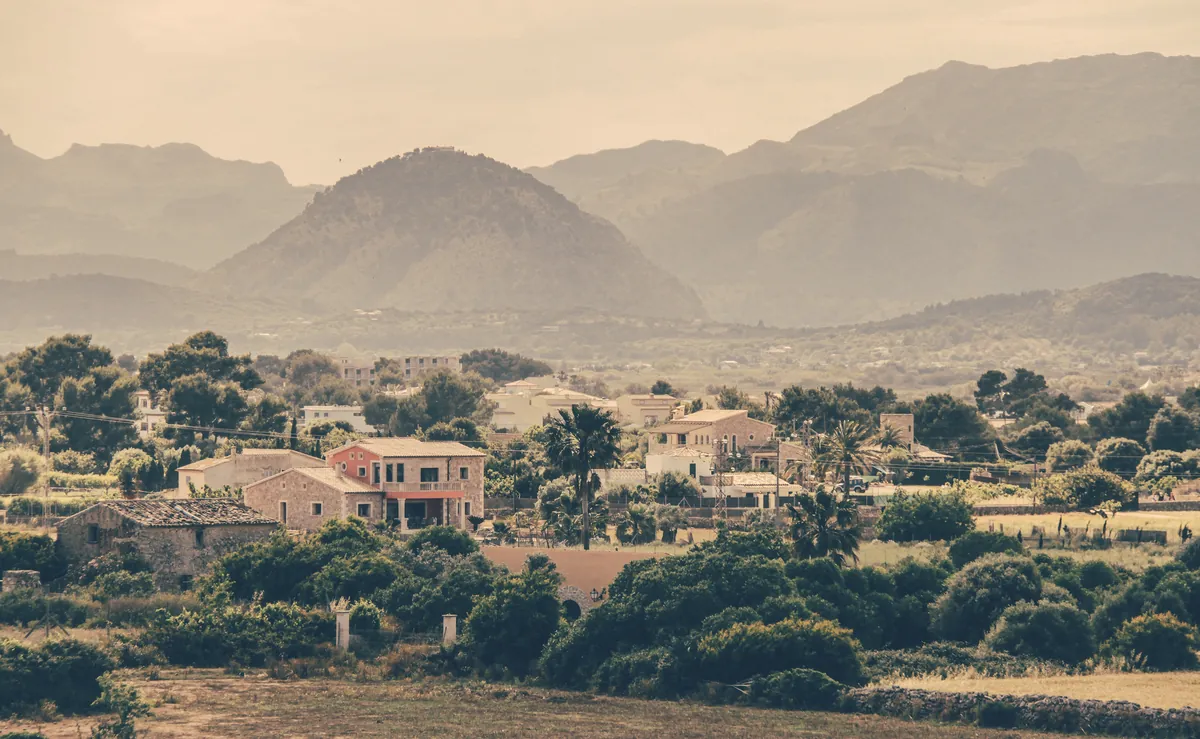
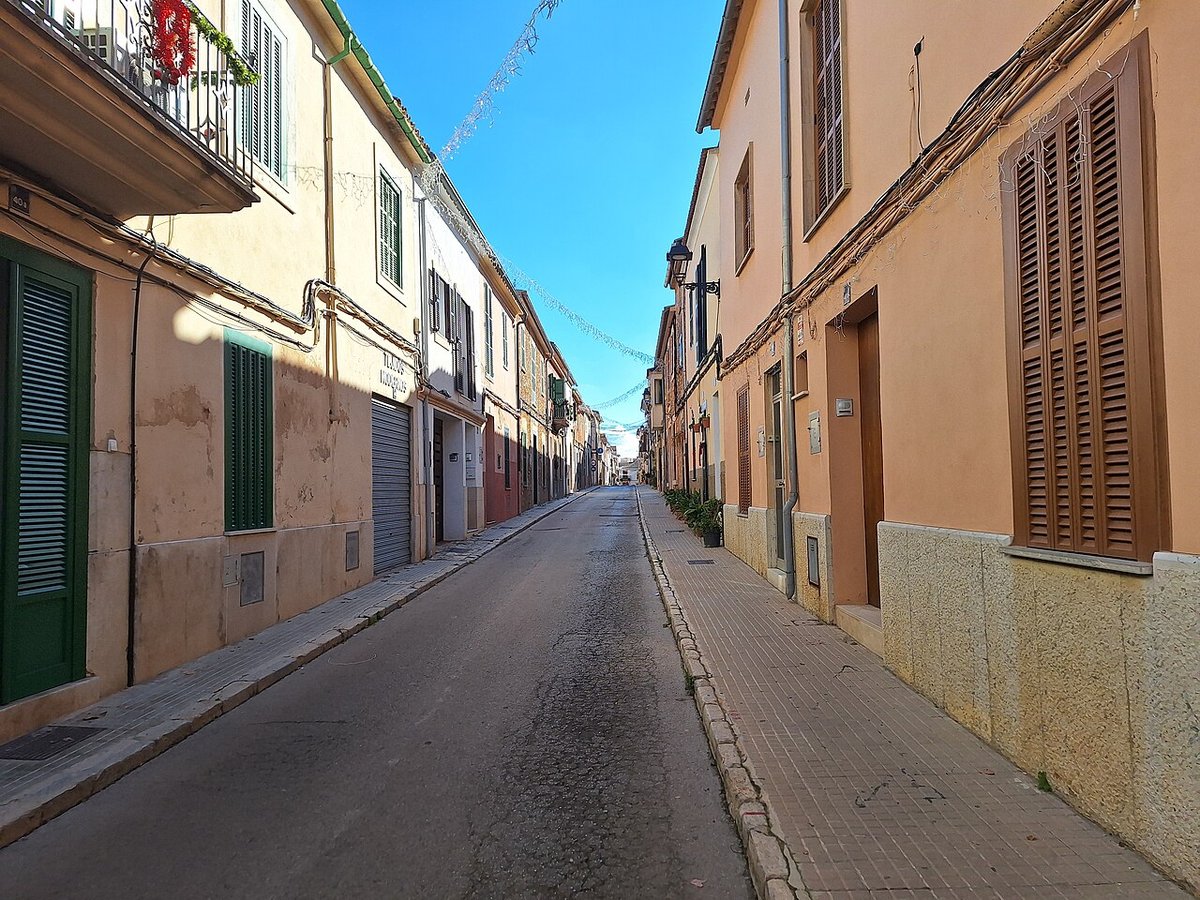
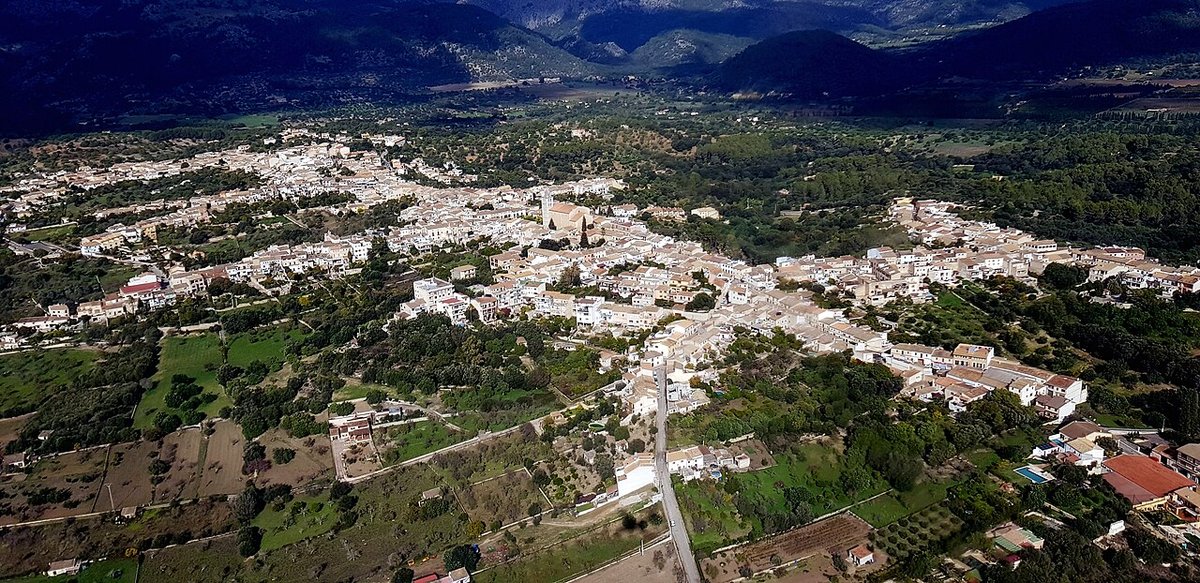
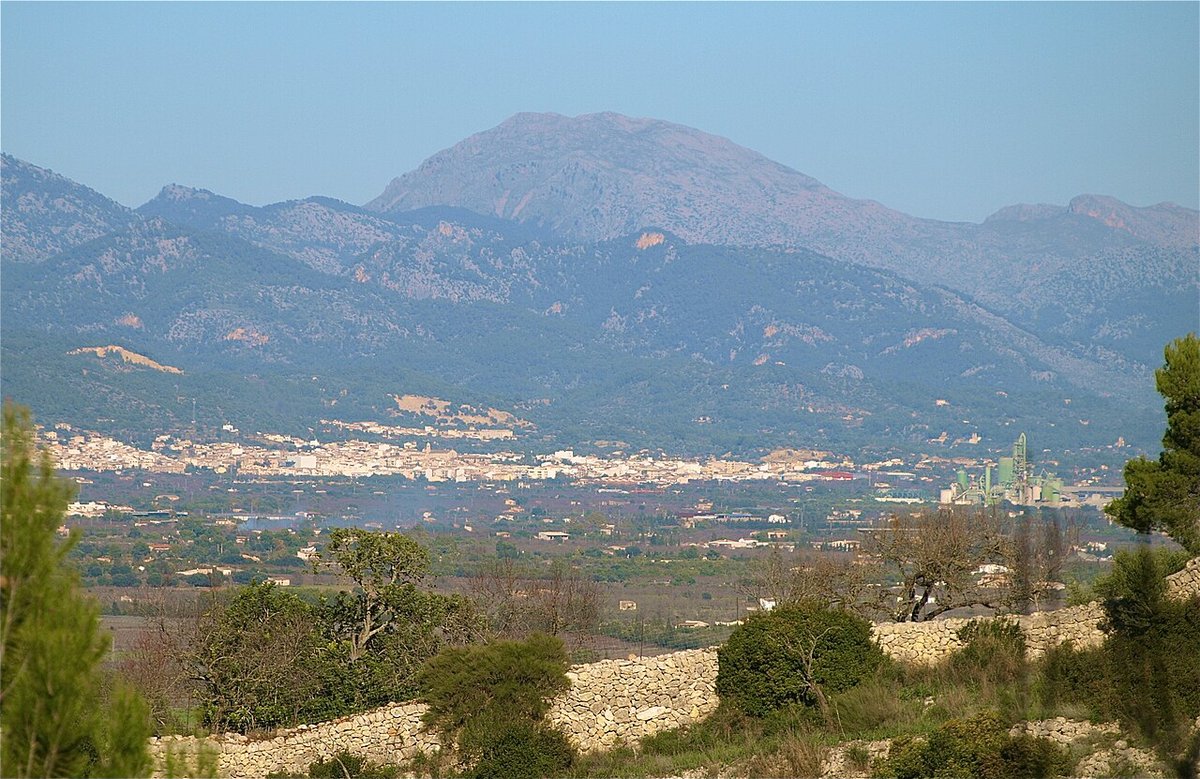
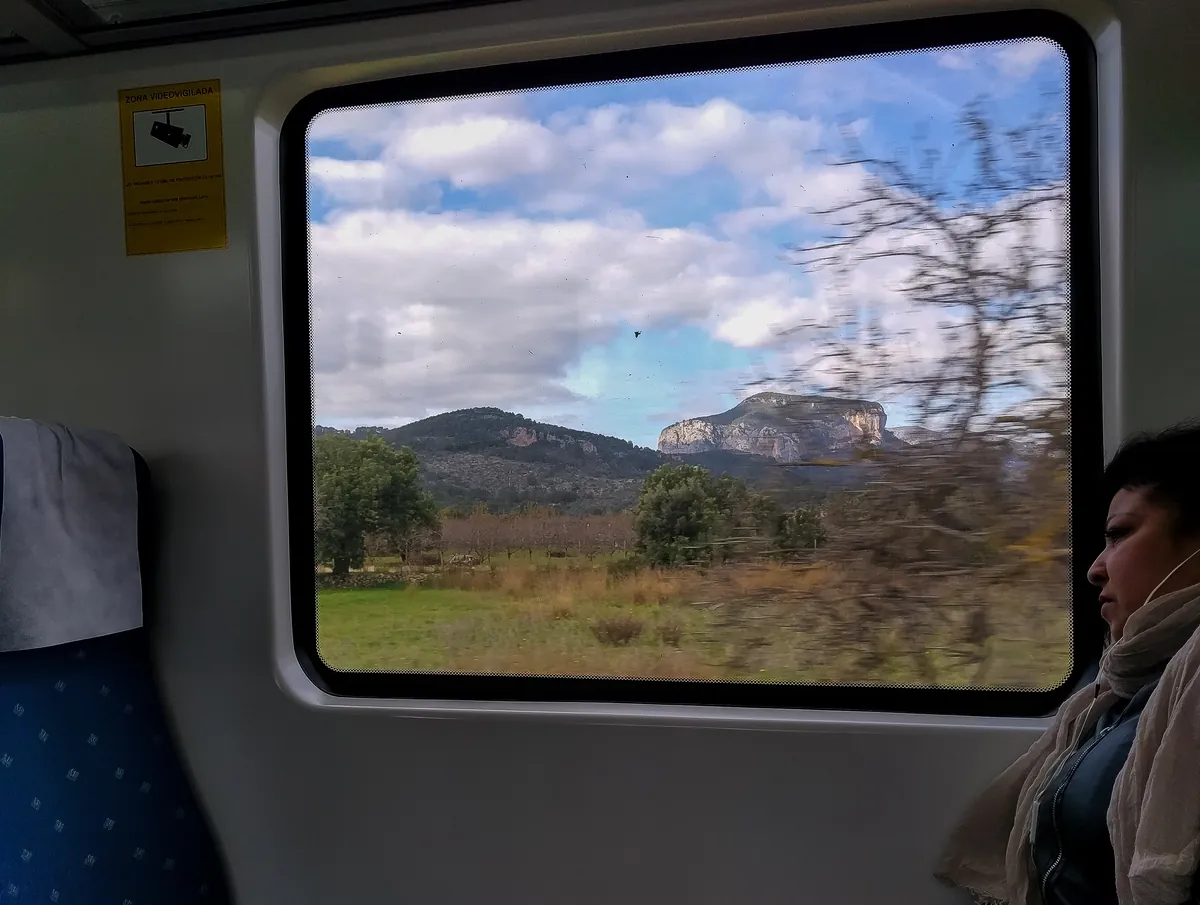
At first, that mix might seem unusual. Then morning arrives, and the Serra de Tramuntana rises behind the village like a vast backdrop. The stone houses carry a warm, toasted colour, somewhere between earth and freshly baked bread. Surrounding fields of almond trees shift with the seasons, and when they bloom, they turn so white that the scene can feel almost unreal.
It becomes easier to understand why many people here are in no rush to leave.
The Mare de Déu del Cocó
At the hermitage of the Cocó, a Gothic statue of the Virgin is kept, with a story that still circulates in local tradition. According to that story, whenever people tried to move the image to the nearby town of Binissalem, once known as Robines, it would somehow find its way back to Lloseta.
The tale has a simple, almost familiar tone to it, like something repeated over generations without much need for explanation.
Today, the Mare de Déu del Cocó remains central to village life. Each May, Lloseta holds celebrations in her honour, and during those days the pace of the town shifts. Streets fill with people, terraces spill over with tables, and there is always someone who knows songs that seem to belong to another time, passed down across generations.
The festival does not transform Lloseta into something else. It simply amplifies what is already there.
Between nobility and workshops
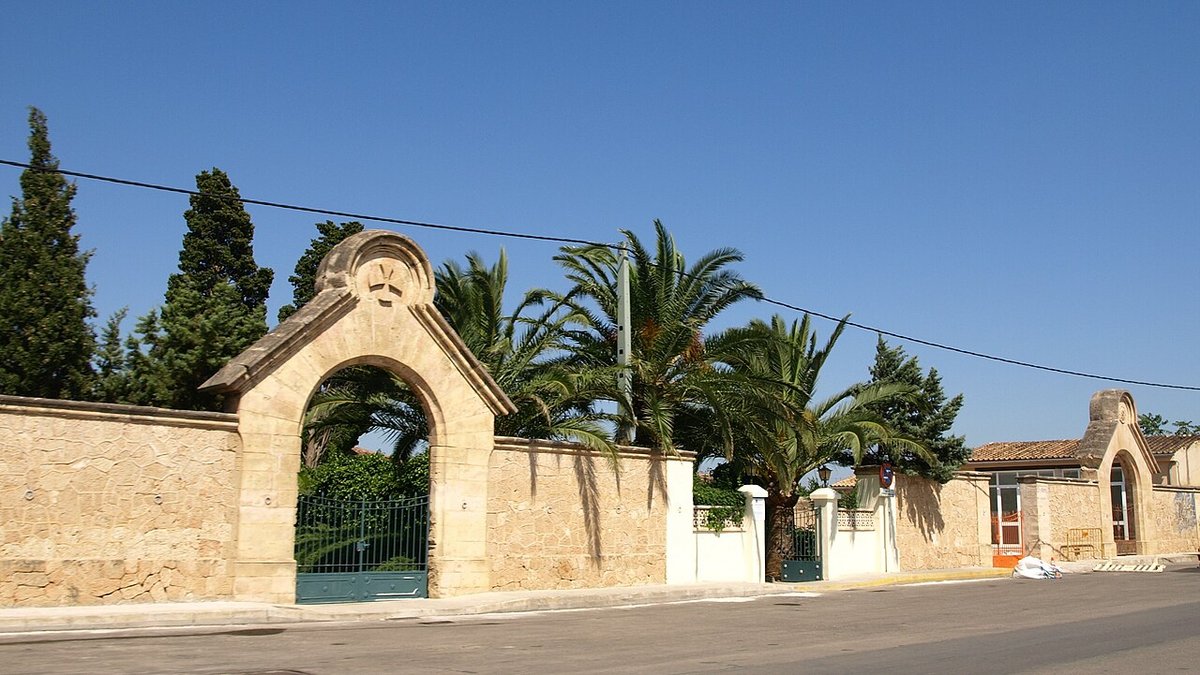
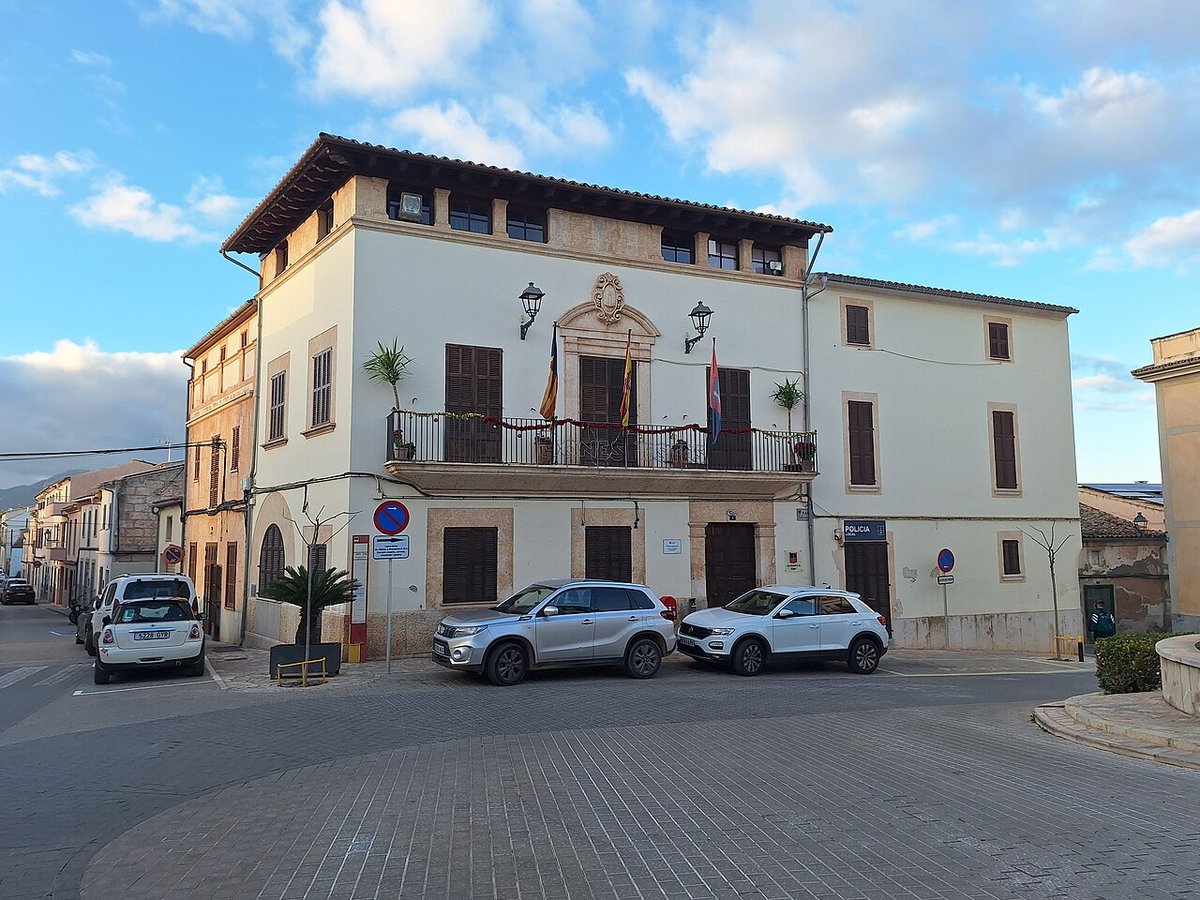
In the main square stands the palace of the Counts of Ayamans, directly beside the church. It is the kind of building that suggests a past shaped by status and influence, even if the present-day atmosphere feels calm and unhurried.
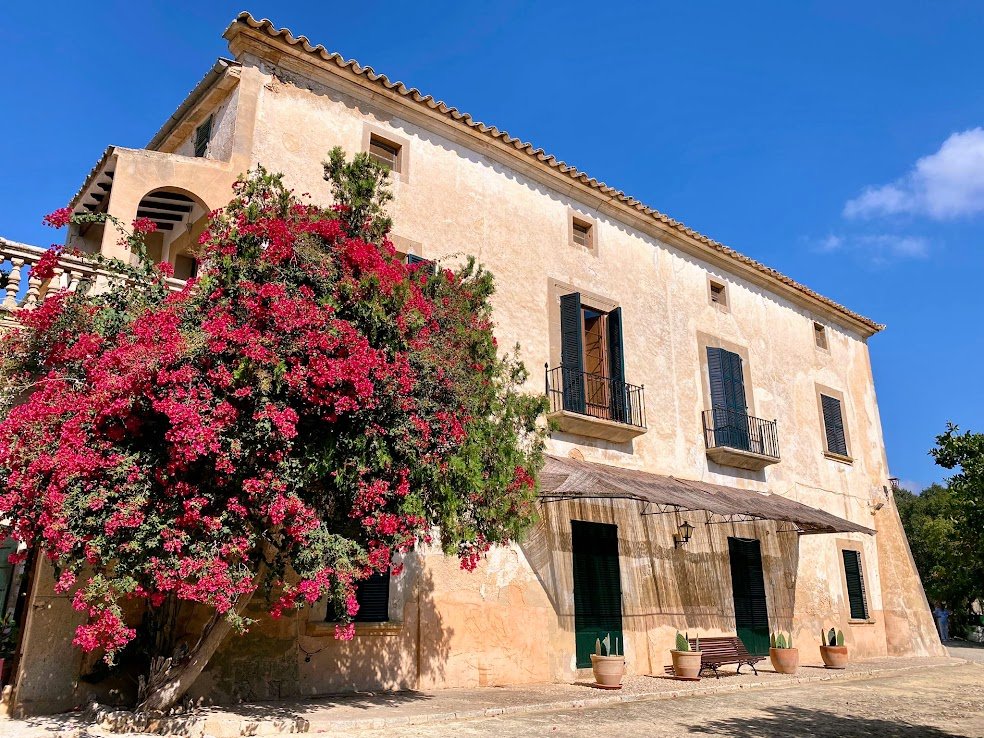
For centuries, the Togores family held power in the area, collecting titles along the way. They became barons of Lloseta and later counts of Ayamans, part of the long genealogies that often appear when exploring Mallorca’s local history. The traces of that past remain in the architecture and in the layout of the village itself.
Alongside this aristocratic thread, Lloseta developed its own path through shoemaking. For much of the twentieth century, the village had a steady flow of factories and workshops dedicated to footwear. That activity has reduced over time, but it has not disappeared entirely. There are still mornings when the smell of new leather drifts out from an industrial building, a quiet reminder of what shaped the local economy.
It is this combination, of inherited history and practical work, that gives Lloseta its particular character.
Walking through and looking around
Spring tends to suit Lloseta especially well. Almond trees bloom across the nearby fields, and walking in the surrounding area feels manageable before the stronger heat of summer arrives.
A simple way to experience the village is to spend a morning wandering through its centre without any fixed plan. The streets do not demand attention in obvious ways, but they reveal themselves gradually. From there, it is possible to head up towards the sanctuary of Santa Llúcia, if a short walk uphill feels appealing. It is not a long excursion, but from the top, the setting of Lloseta becomes clear: fields stretching outward, with the mountains watching from behind.
Afterwards, the route naturally leads back down into the village. Sitting at a terrace and taking time over a drink fits easily into the rhythm of the place.
There is no need to rush or to turn the visit into a checklist.
A quieter kind of Mallorca
Lloseta is unlikely to be described as the most spectacular place in Mallorca. It does not compete with coastal views or dramatic landmarks. What it offers instead is something more grounded.
Daily life continues here without being overly shaped by tourism. Work still happens in small workshops. Traditions continue without being staged. The presence of the cement factory, the shoemaking heritage, the festivals tied to the Mare de Déu del Cocó, all exist side by side without needing to be polished into an attraction.
For travellers, that can feel refreshing. Curiosity is rewarded in a different way, not through grand sights but through ordinary details that reflect how the village lives.
Lloseta does not try to impress. It simply carries on, and that, in itself, is what makes it worth noticing.