Full Article
about Mancor de la Vall
Small town at the foot of the mountains; known for its mushrooms and wooded surroundings perfect for hiking.
Hide article Read full article
A Quiet Corner at the Foot of the Tramuntana
Some places seem designed for a quick photo before moving on. Others work differently. Mancor de la Vall belongs to the second group. At first glance, very little appears to be happening, and that is precisely why people tend to linger. Tourism here is not about ticking sights off a list. It is about settling into a slower rhythm and noticing how everyday life unfolds.
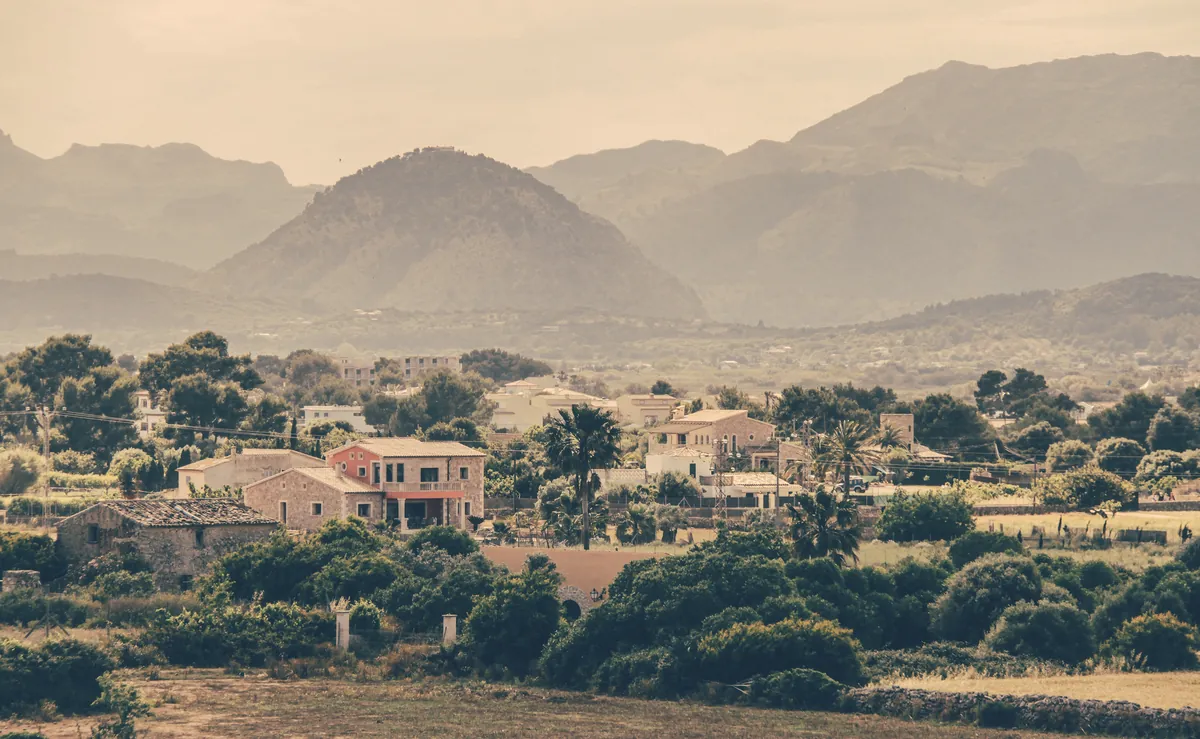
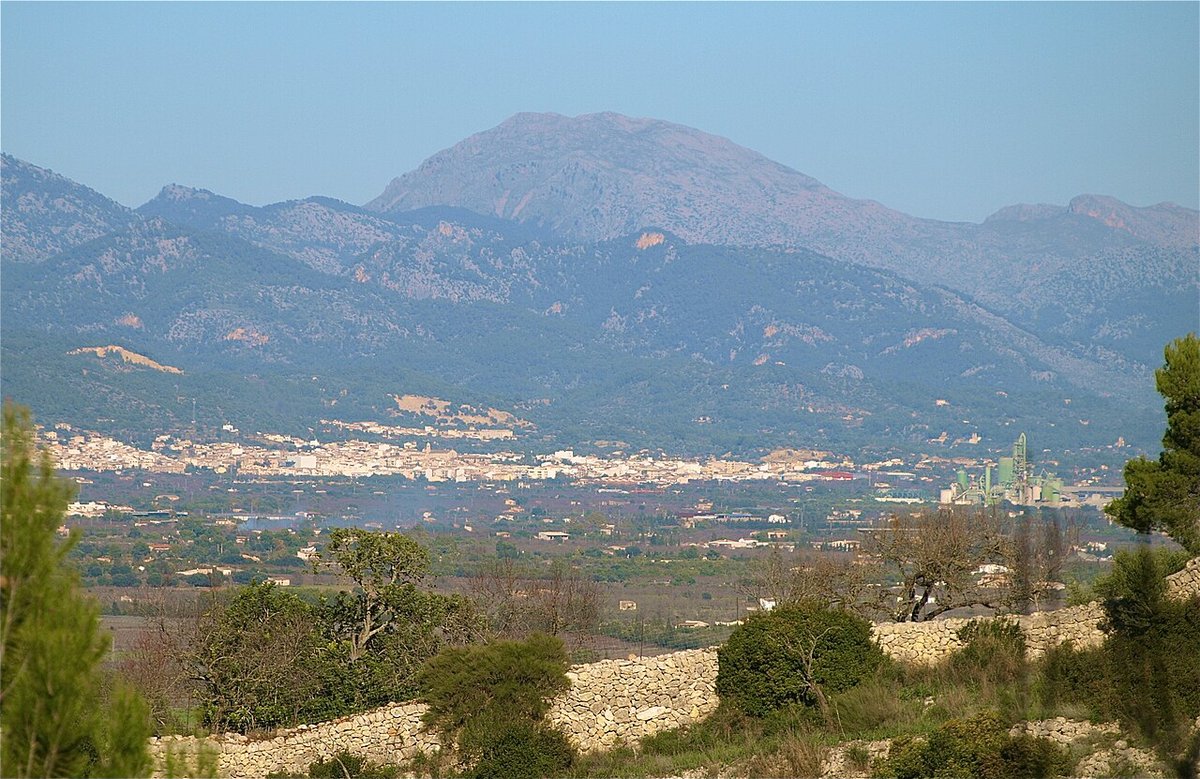
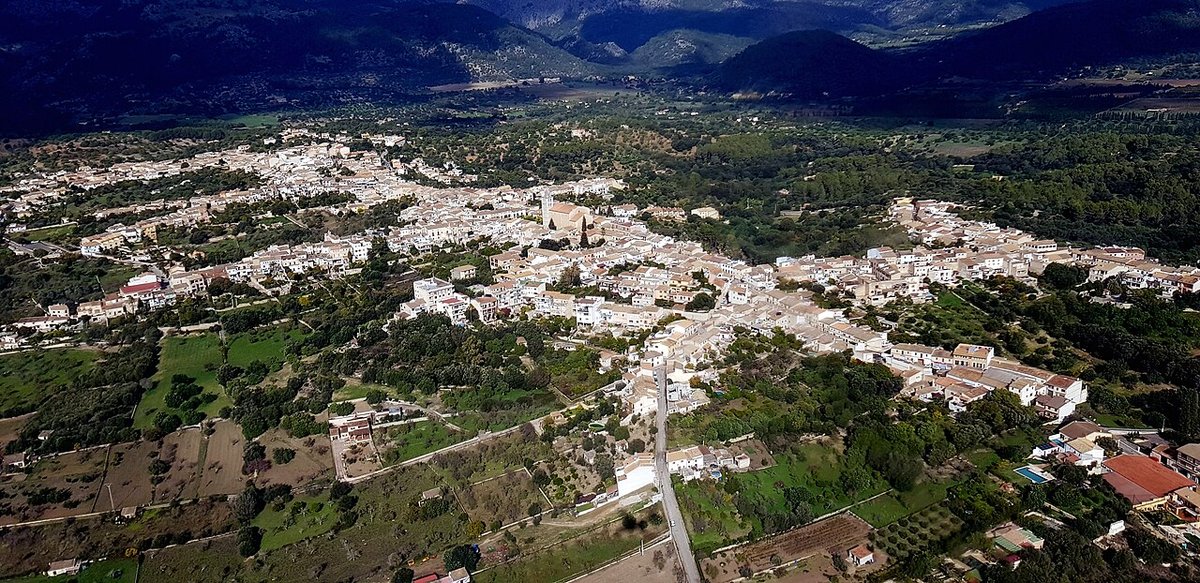
Mancor de la Vall sits in the Raiguer comarca, with around 1,600 residents. The village rests against the first folds of the Serra de Tramuntana, the mountain range that shapes much of Mallorca’s landscape. From the plain, the houses appear to climb gently uphill, framed by fields of almond and olive trees. In summer, the place can seem almost half-asleep. It is not neglect, just a lack of urgency.
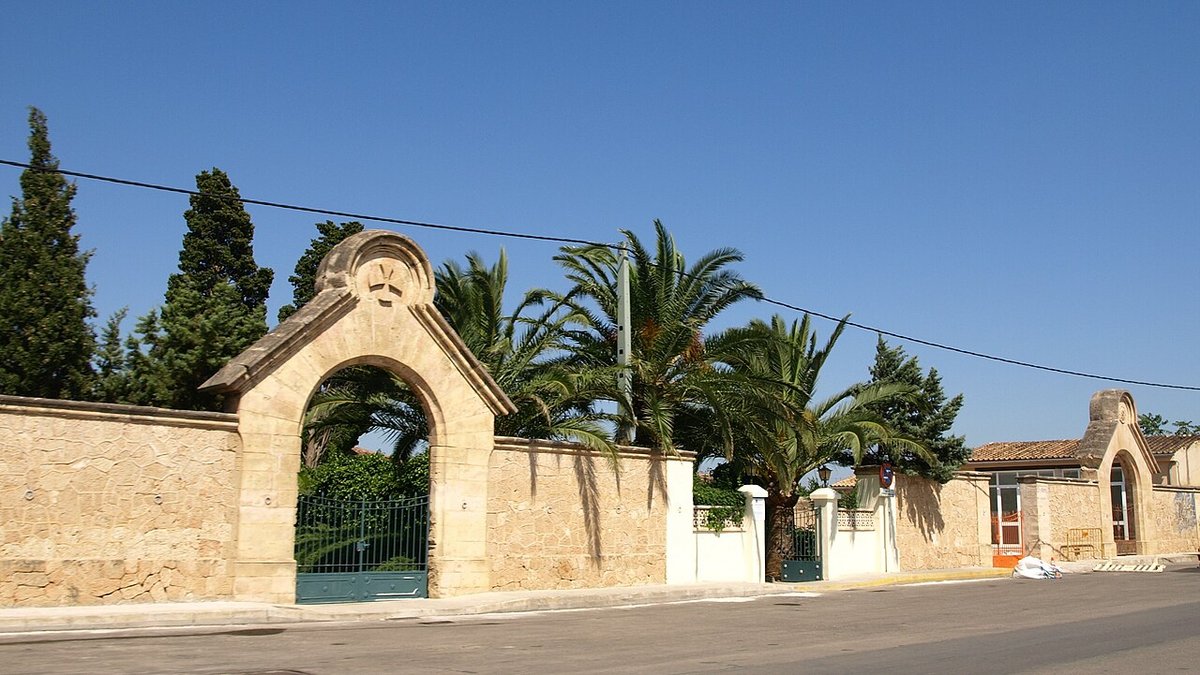
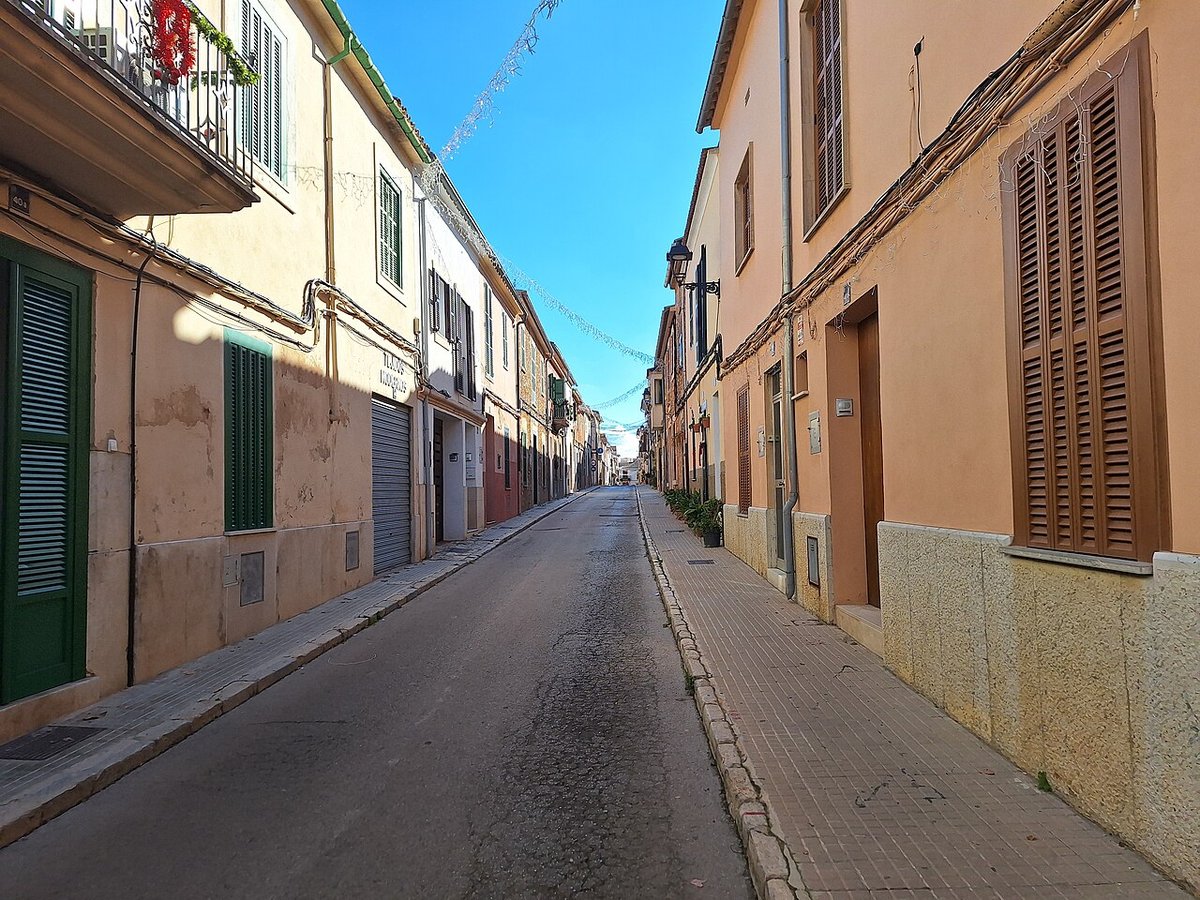
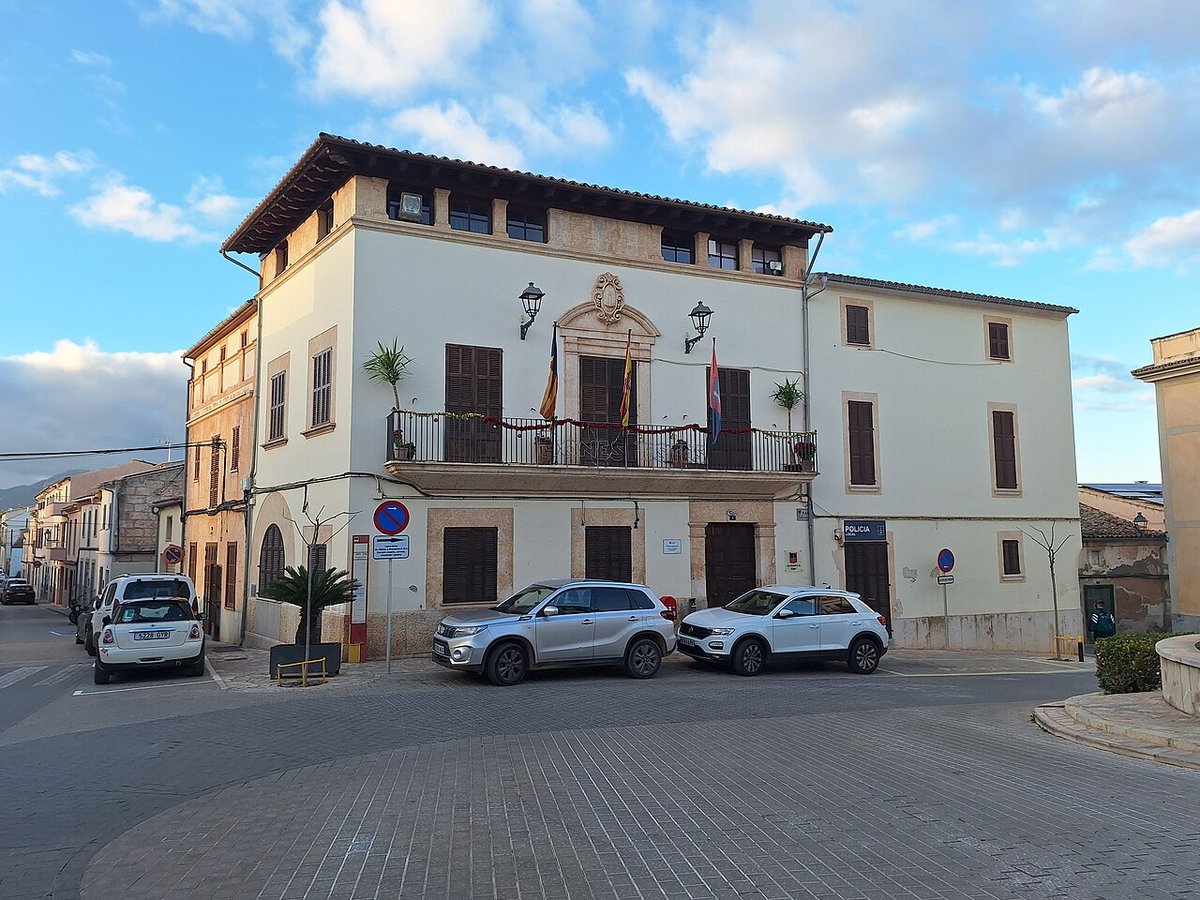
The streets in the centre are narrow, the kind where two cars hesitate before passing each other. Stone houses line the way, with simple doorways and few concessions to modern design. Shopfronts aimed at visitors are absent. Instead, small details catch the eye: an arch linking two buildings, an external staircase, pots hanging on a wall that has watched decades pass in much the same way.
Wandering the Streets Around Sant Joan Baptista
The main reference point is the church of Sant Joan Baptista, which overlooks the central square. Built from marés stone, a type commonly used in Mallorca, it has a solid and restrained presence. Decoration is minimal, but the structure feels grounded and permanent.
The square acts as a natural starting point. From here, the best approach is simple: walk without a plan. A few streets uphill, a few more to the side, and quiet corners begin to appear. Some are not marked on any map. Balconies with old ironwork, partially hidden inner courtyards, and large doors hint at houses that existed long before tourism reached the island.
In February, the almond blossom changes the valley’s appearance. Fields around the village turn white, and from a distance it can look as though a light layer of flour has been scattered across the landscape. It is a brief transformation, but a noticeable one.
The key here is not to arrive with a checklist. A slow walk is enough. Within an hour, the character of the place becomes clear.
Paths Leading into the Tramuntana
One of Mancor’s strengths is its position between the Raiguer plain and the mountains. Paths and tracks begin right from the village and head towards the Serra de Tramuntana. Some connect with sections of the Ruta de Pedra en Sec, also known as the GR‑221, a long-distance route that crosses the range and showcases traditional dry-stone construction.
Other routes approach the slopes of Puig de Massanella, one of Mallorca’s highest peaks. This is already mountain terrain, so preparation matters before setting out.
For something more relaxed, the rural tracks around the village are well suited to walking or cycling. These routes pass through dry-stone terraces, old olive trees and scattered fincas. The experience is gentle rather than demanding, the kind of distance that invites conversation more than effort.
In summer, early starts make a difference. The sun hits this area directly, and some stretches offer little shade.
If You Only Have a Short Time
Mancor does not require a long visit. A couple of hours can be enough to get a sense of it.
Begin in the square by the church, wander through the nearby streets, then head towards the edges of the village where the fields begin. That shift from built space to agricultural landscape is part of what defines the place.
Trying to cover everything by car is not particularly practical. Streets are narrow, and parking near the centre can be awkward. Leaving the car in a permitted area on the outskirts and continuing on foot tends to work better.
Things Worth Keeping in Mind
A common mistake is to arrive, glance at the church from the square, and leave. Mancor makes more sense once you step into its streets, even if only for a short while.
Another point concerns the mountains. Anyone planning to head towards the Tramuntana should check the weather beforehand. Conditions can change quickly, and what begins as an easy outing may become more complicated with wind or rain.
When the Village Feels at Its Best
Spring is often the most rewarding time to visit. The valley’s fields turn green, and the landscape feels more active than during the height of summer.
October is also a good option, with less heat and a clear light over the mountains. July and August are still viable, though earlier in the day or later in the afternoon tends to be more comfortable.
Rainy days shift the atmosphere noticeably. It is not the ideal moment for a long wander, yet it brings a different mood: wet stone, quiet streets, and the mountains partly covered by low cloud.
Mancor de la Vall does not try to impress. Life continues here at its own pace, whether visitors arrive or not. When travelling through Mallorca, coming across a place like this can feel more valuable than expected.