Full Article
about Marratxí
Residential municipality near Palma, known for its pottery tradition and clay fairs; made up of several villages.
Ocultar artículo Leer artículo completo
The first thing that strikes you is the smell of wet clay drifting across a petrol station forecourt. It’s nine in the morning, the thermometer already nudging 28 °C, and a potter in Pòrtol has wedged open his workshop door. While lorries rumble towards Palma on the Ma-13A, inside the studio a wheel spins and another siurell—a jaunty white figurine striped with green and red—takes shape. Marratxí refuses to choose between industry and tradition; it does both at full volume.
126 m above the package-holiday brochures
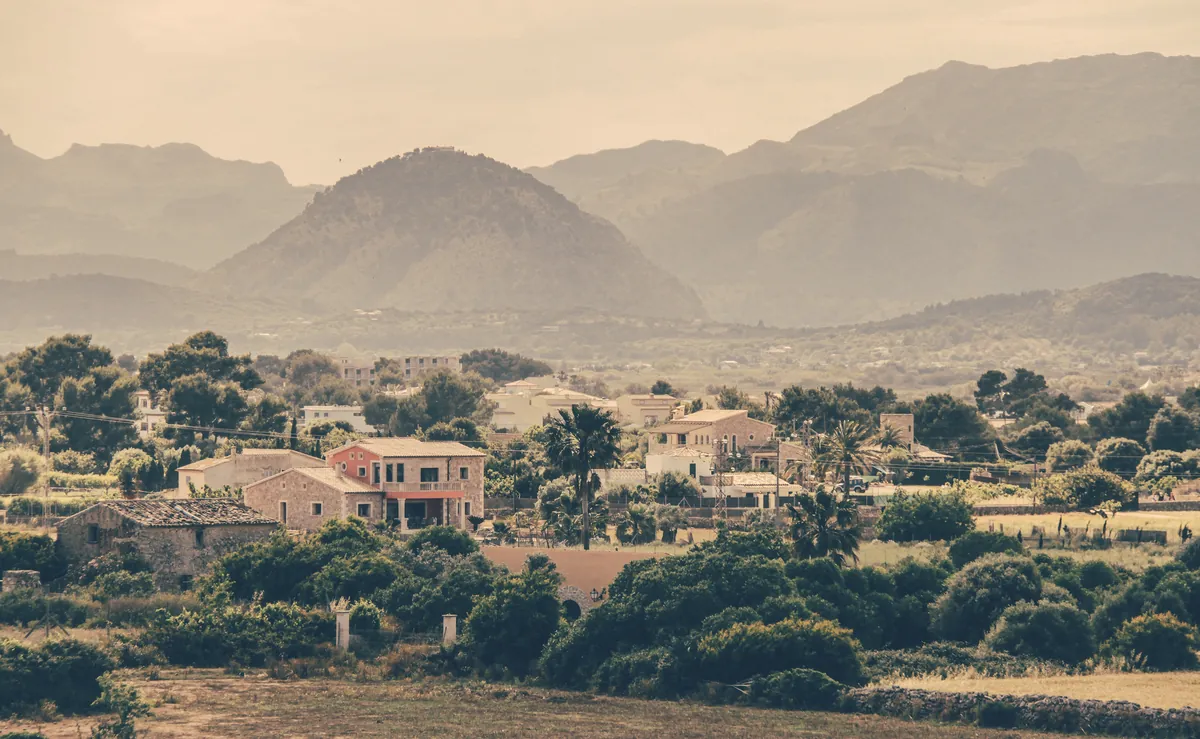
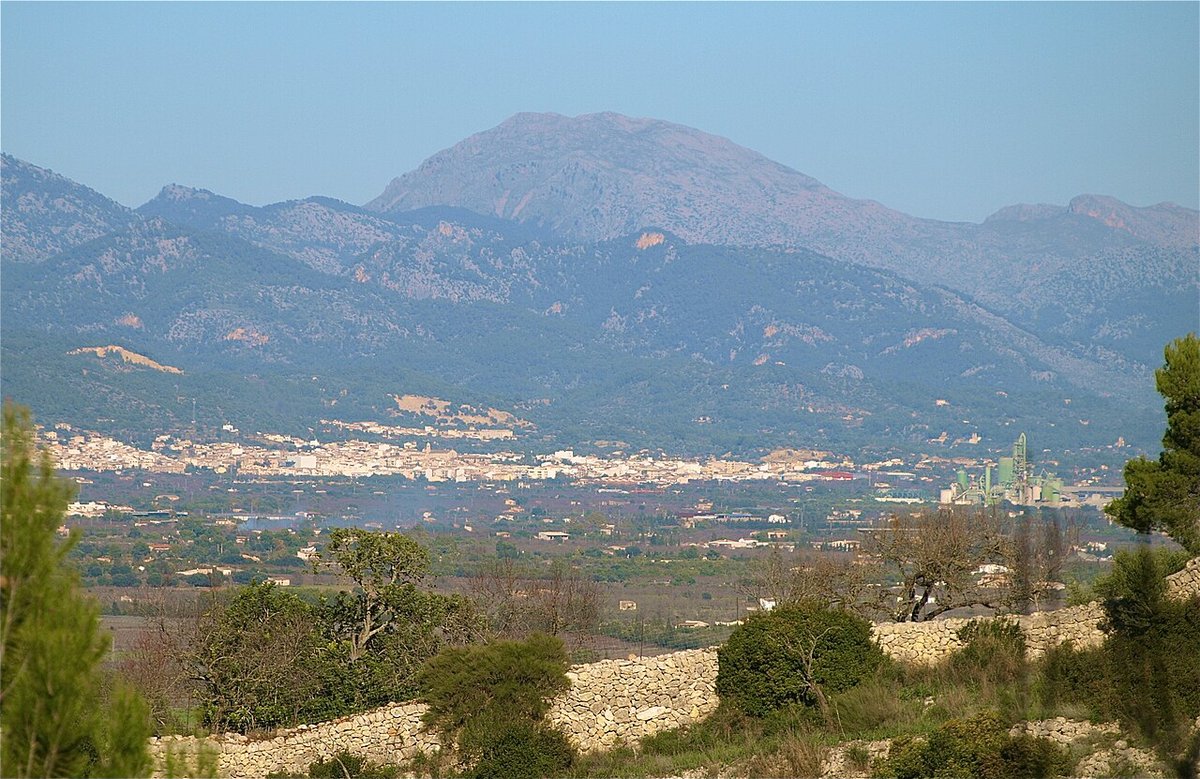
At only 126 m altitude the municipality barely qualifies as “mountain”, yet the rise from sea level is enough to shave three or four degrees off the coastal heat and channel the tramuntana wind across almond terraces. The Serra de Tramuntana lies to the north-west; from the baker’s queue in Sa Cabaneta you can see its ridges stacked like torn paper. Winter mornings can dip to 4 °C, ideal for hiking the camí vell that links Es Pont d’Inca to the hamlet of Pla de na Tesa. By July the same path is dust and cicadas; start early or surrender to the shade of carob trees. The reward is a landscape that still feels worked rather than posed—dry-stone walls, irrigation runnels, the occasional tractor reversing out of a citrus grove.
Footpaths are unsigned but followable if you download the free 1:25,000 IGN Balearic sheets beforehand. A circular walk from Pòrtol to the ruined possessió of Benicalap and back is 7 km, takes two hours and delivers exactly one bar halfway (Bar Bernat, opens 07:00, coffee €1.40). Stout shoes are sensible; after rain the clay-rich soil sticks like custard.
The pottery quarter that won’t sell you a fridge magnet
Pòrtol’s ceramics tradition predates the package boom by four centuries. Inside Taller Parell the family dog sleeps on a sack of grog while the current generation air-dries càntirs, the slim-necked water jars Mallorcans insist keep liquid cool without refrigeration. Most workshops open around 10:00, close for lunch at 13:30, then reopen if the potter feels like it. There is no combined ticket, no audio guide, just the invitation to watch and ask—slow travel before the phrase was invented. Prices for a hand-thrown siurell start at €18; shipping to the UK runs about €25 via DHL if you can’t trust Ryanair with ceramics.
The Thursday market spreads across Plaça de la Vila but only half-a-dozen stalls actually sell local ware. The rest flog oranges from Sóller, denim jeans, and replacement gas bottles. Arrive before 11:00 while the air still smells of bakery yeast and the church bell is striking quarters.
Between city and sierra
Marratxí’s population tops 40,000, swelled by Palma office workers who commute in 20 minutes along the Ma-13A. What that means for visitors is traffic lights every 400 m and a soundtrack of delivery vans at breakfast. Estate agents market the area as “rustic convenience”: you get a pool, mountain glimpses, and a Lidl within five minutes. British families cluster around the Son Fuster estate because Festival Park—an outlet mall built into a former quarry—offers rainy-day Lego and Nando’s under one roof. When the infamous “gota fría” storms flood the coast, Marratxí sits just high enough to stay dry; umbrellas appear above the car park puddles and life continues.
Eating: from slaughterhouse to ceviche
Local matances, the November pig-kill, still turn communal: neighbours gather at 05:00 to stir black pudding in vats that look suspiciously like repurposed fertiliser drums. Visitors won’t stumble on one unless invited, but the resulting sobrassada turns up in every bar. For something lighter, Stagier on Carrer de la Pau plates zingy sea-bass ceviche and earns comparisons to Palma’s Michelin crowd at half the price (lunch menu €19). When children mutiny against olive oil, head to Rhein in Es Pont d’Inca for schnitzel the size of a laptop. The owner flies in Haribo and Branston for homesick expats; the beer garden is shaded by enormous plane trees.
If self-catering, the Alcampo hypermarket (07:00–22:00, Sunday mornings in summer) stocks everything from squid ink to Weetabix. Queues at the fish counter move faster if you know the Catalan numbers; the cod is landed in Alcúdia the same morning.
Timing and how not to get stuck
Spring—late February to April—delivers almond blossom and temperatures perfect for walking. Autumn, especially October, still hits 24 °C by day but cools enough for comfortable cycling. August is honest-to-goodness hot (35 °C is normal); sightseeing is best finished by 11:00, after which the sensible join the siesta or drive 25 min to Playa de Palma where sea breezes shave off five degrees.
Public transport exists: the TIB bus 301 links Palma’s Plaça d’Espanya with Sa Cabaneta every 20 minutes. To hop between Pòrtol, Pont d’Inca and the scattered caminos you really need wheels. Car-hire booths at the airport stay open until the last flight from Gatwick lands; petrol is cheaper at the BP in Marratxí than on the airport forecourt, so fill up before return.
The catch
Marratxí won’t deliver cobbled lanes draped in bougainvillea. Parts are flat-out ugly: roundabouts sprouting advertising flags, warehouse units, the smell of hot tarmac. If your villa backs onto the railway you’ll memorise the 05:42 freight timetable. Mosquitoes breed in the irrigated vegetable plots; pack DEET and close shutters at dusk. And because the place functions as a dormitory, nightlife is a handful of bars and one over-40s disco that smells faintly of bleach—Palma is where you go for cocktails.
Stay anyway if you want affordable access to both capital and trailheads, or if you prefer your souvenir to be a €30 casserole dish that survived a wood-kiln rather than a fridge magnet. The clay smell eventually fades from your clothes, but the realisation lingers: Mallorca still makes things with its hands, just a motorway exit away from the airport.