Full Article
about Sa Pobla
A farming town known for its potatoes and rice; strong tradition of Sant Antoni festivities with demons and bonfires.
Ocultar artículo Leer artículo completo
The first clue that Sa Pobla is different from the rest of Mallorca arrives at breakfast. Instead of salt-sprayed tourists comparing tan lines, you’ll hear farmers in the bar debating potato prices over café con leche. They’re still wearing their irrigating boots at eight in the morning. Nobody bats an eyelid.
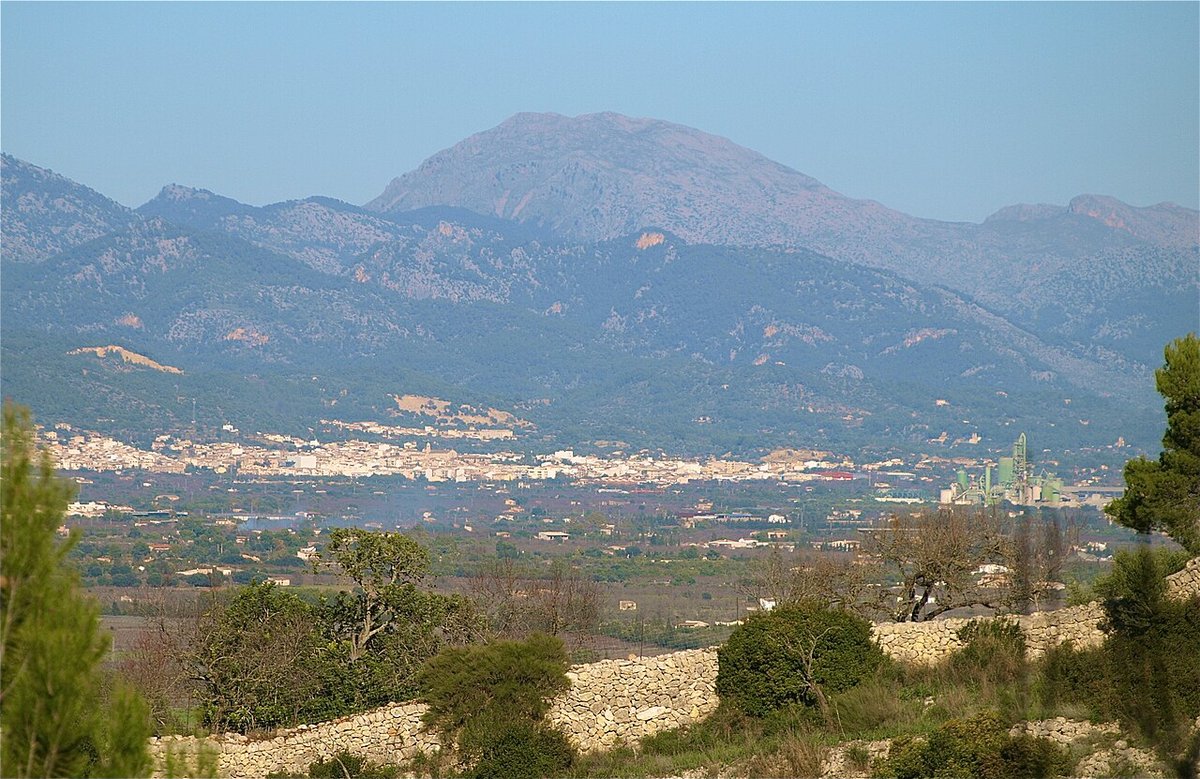
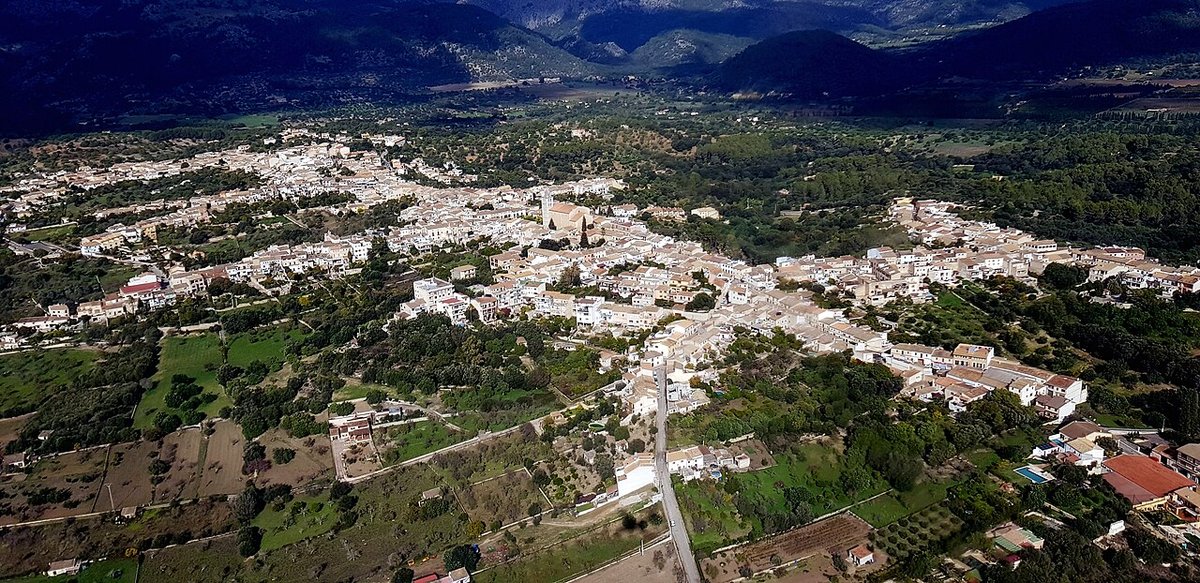
Sa Pobla sits 10 km inland from the nearest stretch of sand, a deliberate distance that has saved it from morphing into another coastal clone. The town’s fortune grows out of the black, peat-rich soil of s’Albufera marshlands rather than out of souvenir shops. Locals proudly call it “la cesta de verduras de Mallorca” – the island’s vegetable basket – and they mean it. Over half the island’s spuds are lifted here, which explains why every June the place erupts into a Potato Fair complete with crisps, tapas and a fiercely contested peel-a-thon.
Flat land, big sky, slow life
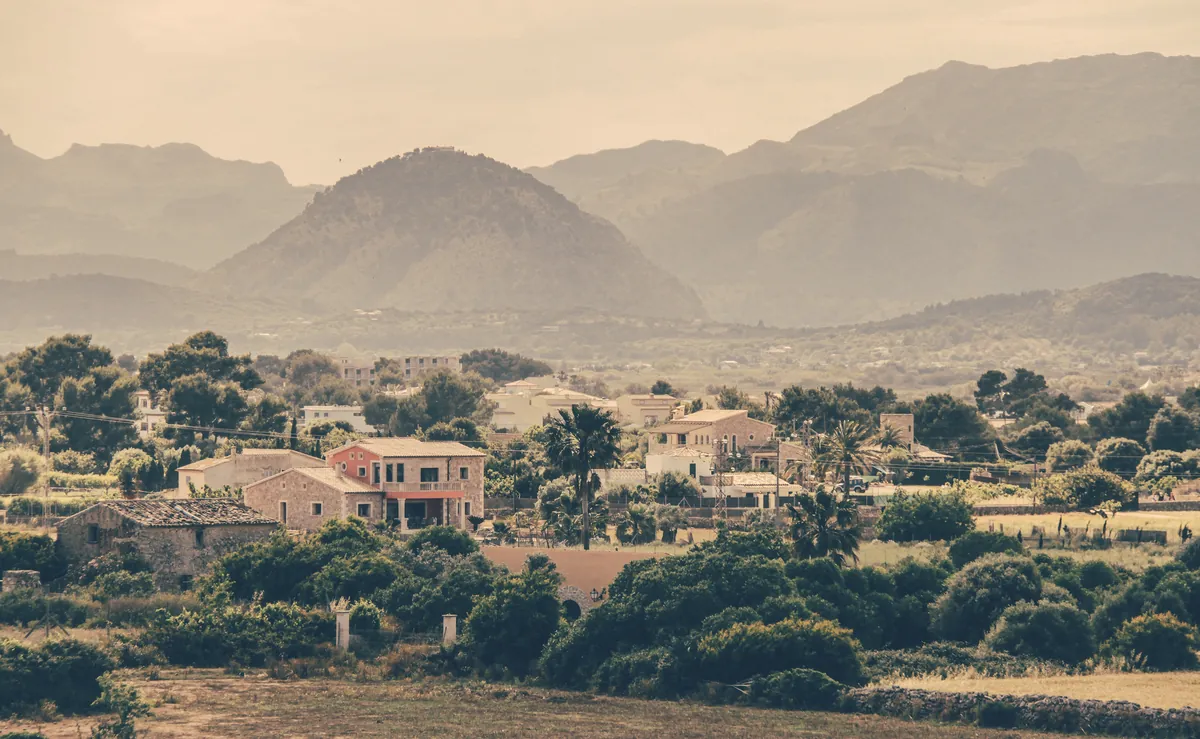
There are no mountains to frame the horizon, just a ruler-straight grid of irrigation ditches, windmills and potato fields that glow emerald after winter rain. A 4-km cycle west on the disused railway trackbed brings you to s’Albufera nature park: flat board-walks, herons, and the faint smell of rotting reeds that makes the mosquitoes happy. Bring repellent or you’ll donate half a pint before the first hide.
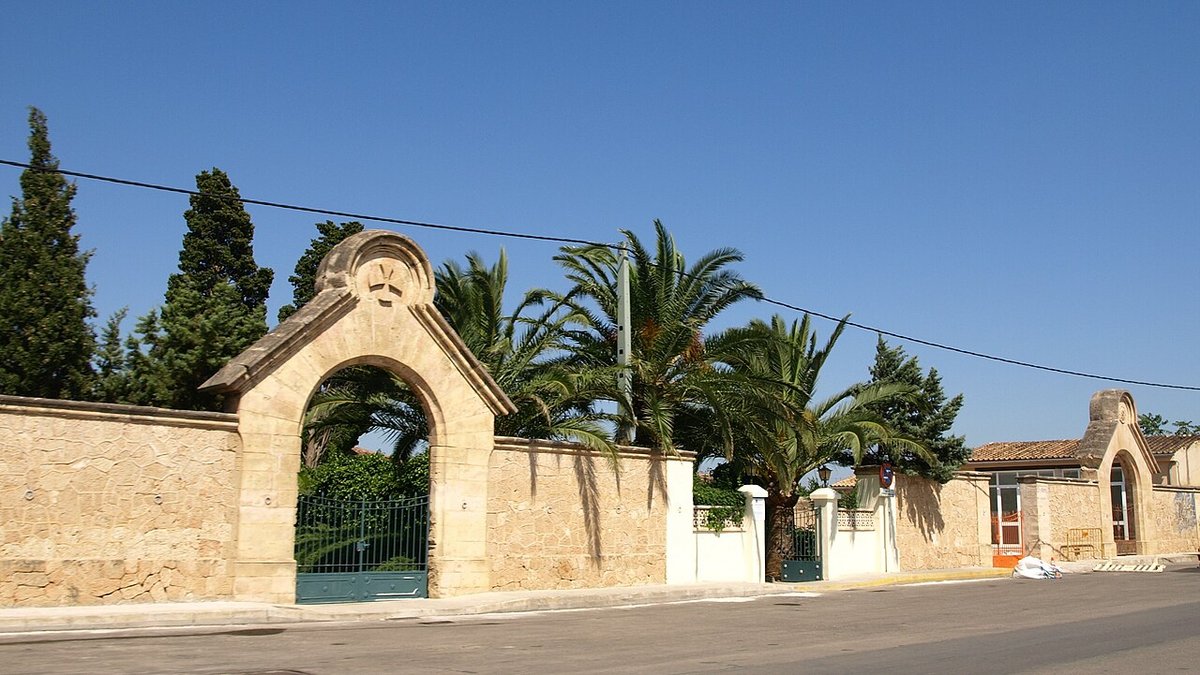
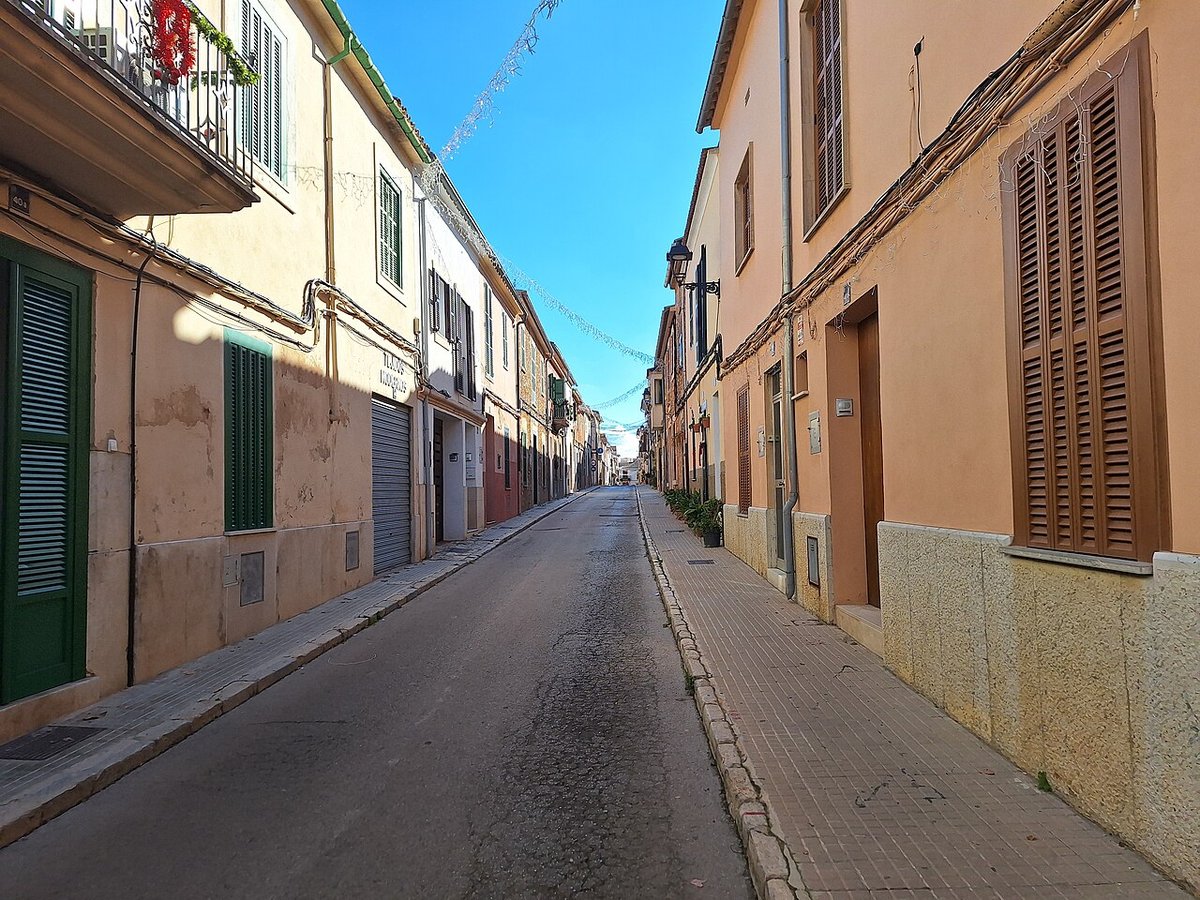
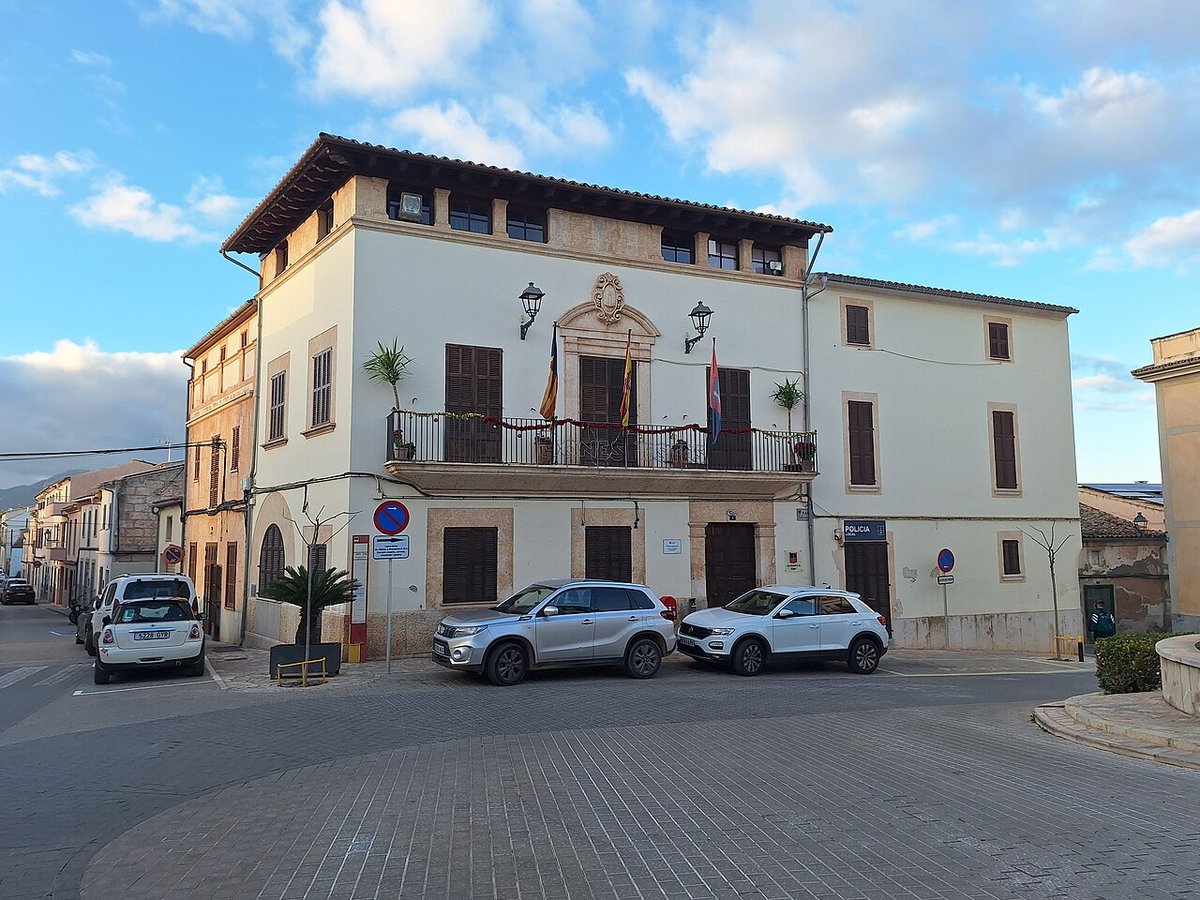
Back in town the streets are laid out on a sensible grid – no medieval rabbit warren – and most traffic lights are decorative because tractors have right of way. The main square, Plaça Major, is flanked by two-storey houses painted the colour of Mediterranean yoghurt. Shutters are forest-green, balconies hold geraniums in urgent bloom, and the 18th-century church of Sant Antoni Abat does its best baroque glower over the whole scene. Step inside and you’ll find retablos gilded to within an inch of their life, plus a side chapel devoted to the patron saint of animals; on 17 January he’s hauled outside so dogs, ponies and the occasional pet terrapin can receive a blessing.
Windmills, toys and contemporary art
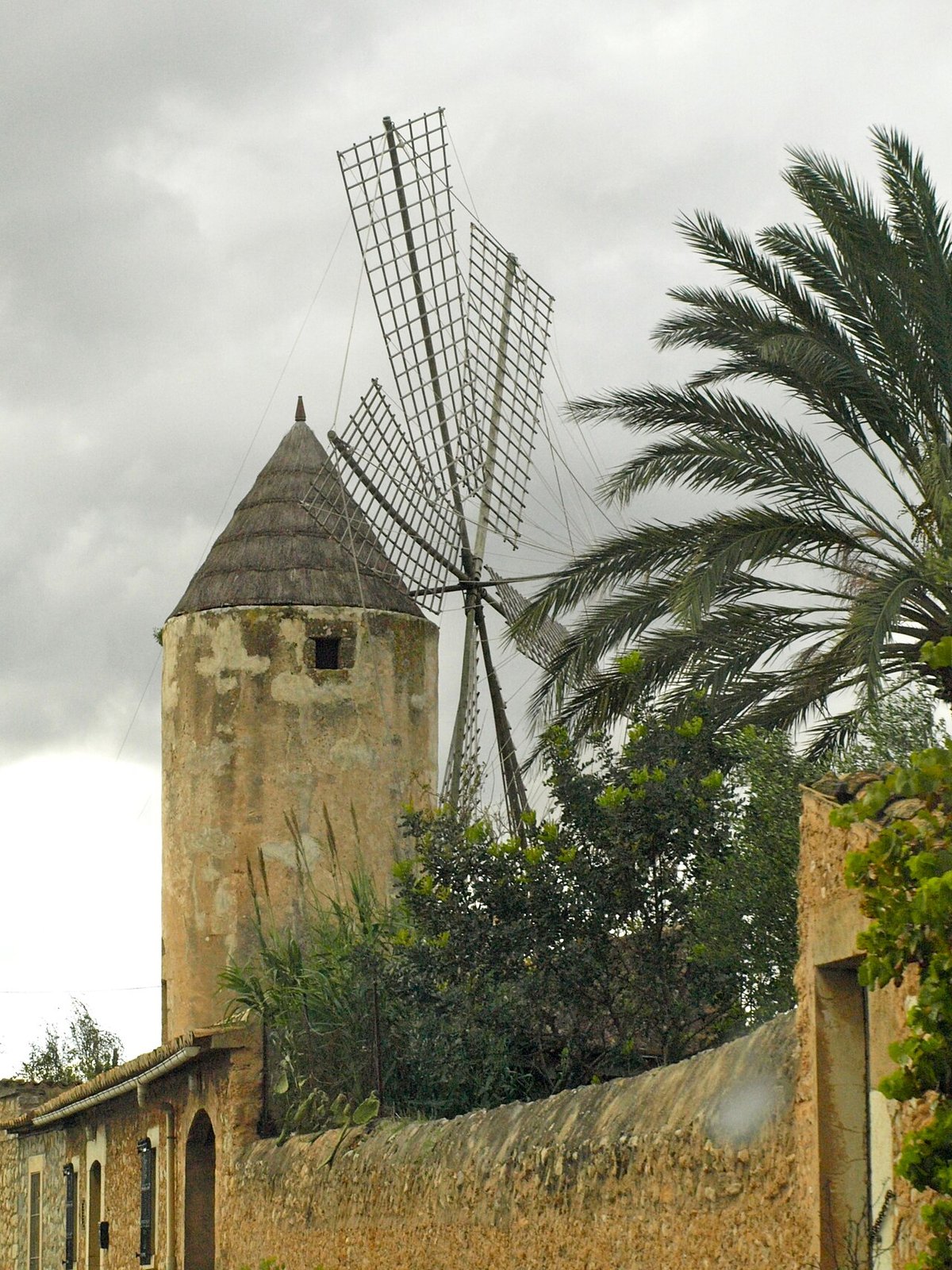
Sa Pobla’s agricultural muscle is easiest to read in its windmills. Four have been restored along the Ruta dels Molins, a sign-posted 6-km circuit that starts behind the football ground. They’re squat, limestone towers with canvas sails, built to lift water into the stone channels that still feed the fields. One still grinds flour on the first Sunday of each month; volunteers demonstrate the mechanism and hand out recipe sheets for wholemeal coca.
If rotating machinery fails to thrill, the diminutive Museu del Juguete hides in an 1880 townhouse on Carrer de la Pau. Inside, glass cases display tin spaceships, 1960s Barbie knock-offs and a Spanish version of Subbuteo where the players wear Real Madrid white. It takes twenty minutes to see, but nostalgia addicts can stretch it to an hour.
Should that sound too quaint, duck around the corner to Can Planes, a stately home converted into a white-walled contemporary art space. The temporary shows punch above their weight – recent exhibitions have floated works by Miquel Barceló and Sean Scully into a town of barely 13,000 souls. Entry is free; the bookshop sells decent postcards for 80 céntimos.
Market day and the potato calendar
Every Sunday from 9 am the square fills with tarpaulin stalls. Fruit and veg arrive still flecked with soil; prices are scribbled on scraps of cardboard. A kilo of new potatoes costs around €1.20, a wedge of just-cut queso de cerdo (soft, mildly spicy) €3.50. One stall does a roaring trade in trempó, a ready-chopped salad of tomato, green pepper and onion that saves holiday-makers the effort of finding a knife. By 11 am the place is heaving; by 2 pm the bar owners are stacking chairs and hosing down terracotta tiles flecked with tomato seeds. Arrive before 10 or you’ll orbit the car parks like a budget airline stacking over Palma.
The rest of the week the town exhales. Tuesday and Thursday feel half-hibernated: blinds stay down until the heat eases, supermarket doors sigh open for elderly ladies clutching reusable Corte Inglés bags. Out-of-season visitors sometimes decide the place is closed and drive on. That would be a mistake, because the low rhythm is exactly the point. Sa Pobla is a base, not a checklist.
Eating earth: what grows here ends up on the plate
Local menus read like a field inventory. Tumbet layers fried aubergine, potato and peppers under a cloak of bright tomato sauce; coca de verduras is a rectangular pizza minus the cheese, topped with whatever the huerta offered that morning. At Celler des Vermut, a former wine warehouse with stone troughs still intact, the tasting menu pairs three kinds of potato – steamed, crisps, and truffled mash – with local pork loin. Dinner for two with house wine comes in at €38; you’d pay double on the coast.
Even pudding keeps to the script. Buñuelos de bacalao sound like doughnuts but arrive as salt-cod fritters followed by sweet, aniseed-laced versions that taste like doughnut’s Mediterranean cousin. Order them in Bar Central while the waiter explains, without prompting, why Sa Pobla’s tubers beat Jersey Royals any day of the week.
Fire, devils and spicy spinach buns
The town’s emotional temperature spikes during the Fiestas de Sant Antoni (16-17 January). Neighbourhood crews spend weeks collecting pallets and old furniture; on the night itself they build bonfires three storeys high in the middle of residential streets. Demons wearing horned masks dash between the flames, cracking whips, while a brass band somehow keeps playing. Spectators clutch espinagades, pasties stuffed with spinach, raisins and enough pepper to clear winter sinuses. The event is free, chaotic and faintly hazardous; the tourist office issues no safety barriers, only advice to wear old clothes.
August brings the summer version, toned down for families but with open-air concerts that echo until 4 am. Light sleepers should book rural fincas on the edge of town or bring ear-plugs.
Getting there, getting around
Palma airport is a 40-minute drive if you avoid rush hour; hire cars congregate in the multi-storey opposite Arrivals. The Ma-13 motorway north to Alcúdia has a clearly sign-posted turn-off at junction 37; from there it’s 6 km of straight road past poly-tunnels that shimmer like cling-film in the heat. If you’d rather not drive, trains leave Palma’s Plaça d’Espanya every hour, change at Inca, and roll into Sa Pobla 63 minutes later. The last service back is irritatingly early – 19:40 off-season – so check the timetable or you’ll endure a €60 taxi.
A bicycle makes sense once you’re installed. The terrain is pancake flat, and a signed green-way heads north to the lagoon, south to the Roman site at Sa Bassa Blanca. Rentals cost €12 a day from the shop opposite the petrol station; they’ll lend you a combination lock and a plastic map that survives light rain.
The catch: no beach, no boutique hotels
Sa Pobla’s honesty is also its limitation. You cannot roll out of bed onto sand; the coast is a 15-minute drive and the nearest beach, Playa de Muro, fills with German tour groups by 10 am. Nightlife shuts down around midnight even in summer, and accommodation is mostly mid-range guesthouses aimed at visiting relatives rather than honeymooners. If you need foam parties or linen-clad beach clubs, stay in Palma and visit on market day.
What the town offers instead is an unvarnished slice of Mallorcan life, priced for residents rather than tourists. The vegetables taste like someone cared about them, the waiter remembers how you like your coffee, and the weekly timetable is set by sowing and harvest, not by cruise-ship schedules. Spend three days here and you’ll start recognising the man who drives the red tractor, the woman who arranges parsley with museum precision, the teenager who practices trumpet on a balcony at dusk. That, rather than any single monument, is why you might come back.