Full Article
about Santa Maria del Camí
Town known for its Sunday market and wine production; located on the main northbound route.
Hide article Read full article
Where the Week Begins: The Market Square
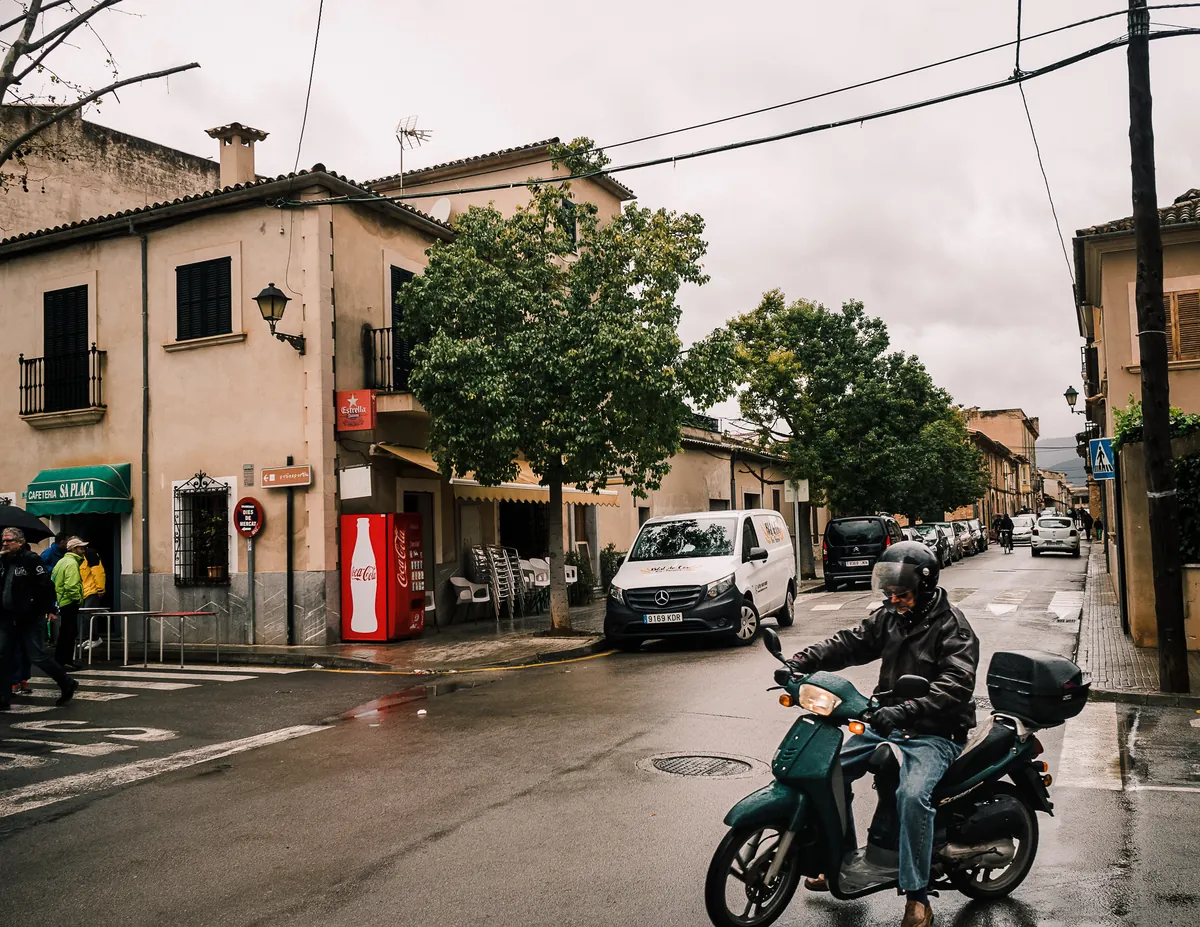
Tourism in Santa Maria del Camí tends to begin in the market square. On Sunday mornings, the air carries the smell of grape must and cured sausages hanging to dry, while locals arrive from the possessions – the Mallorcan term for agricultural estates – with boxes of fruit, vegetables or carob pods. The weekly market has existed since medieval times. Its origins go back to the reign of Jaime II, when many inland towns were granted permission to hold regular markets. More than seven centuries later, it remains the moment when Santa Maria gathers.
The atmosphere is practical rather than staged. This is where residents do their weekly shopping, exchange news and maintain routines that have changed very little over time. Visitors step into something already in motion rather than something designed for them.
Fields Between Palma and the Tramuntana
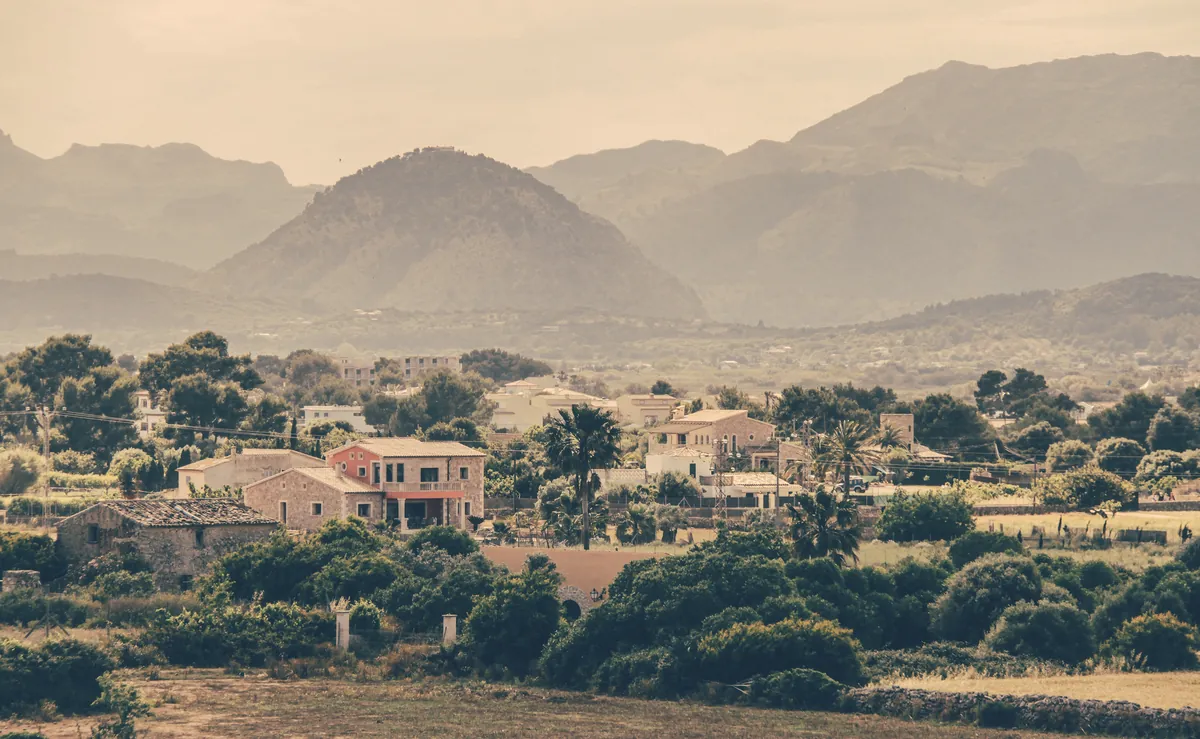
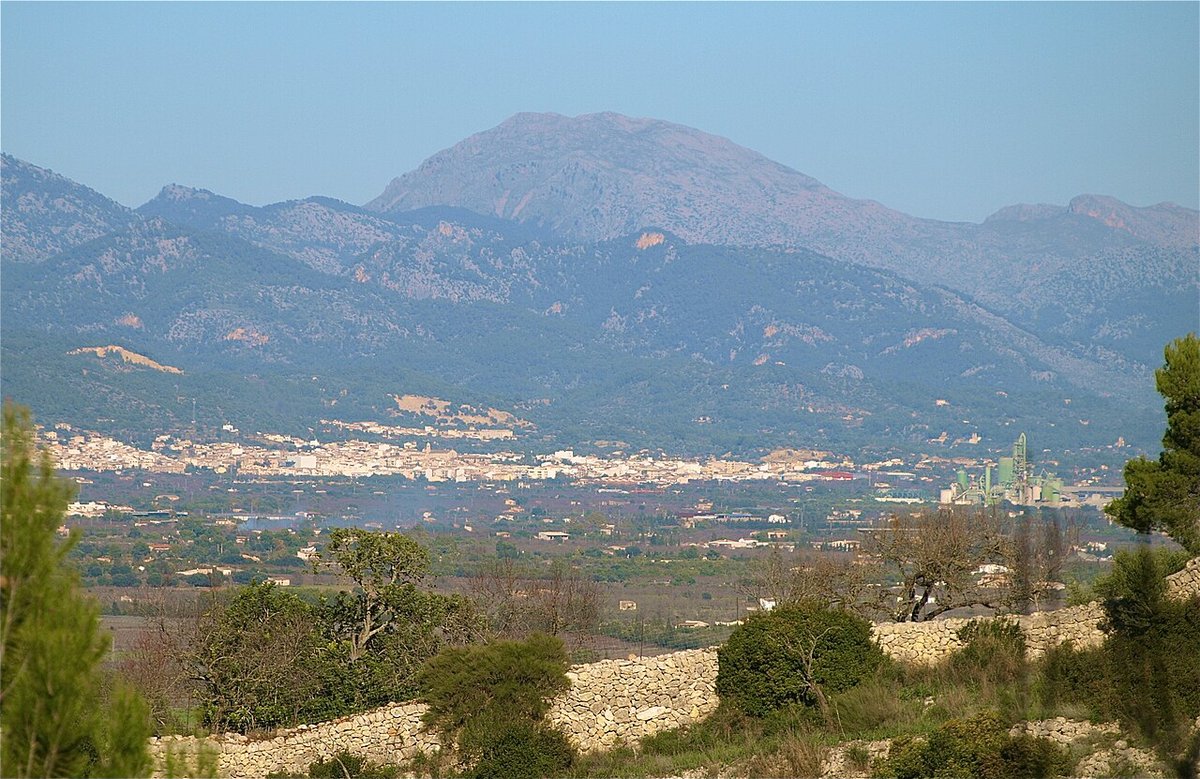
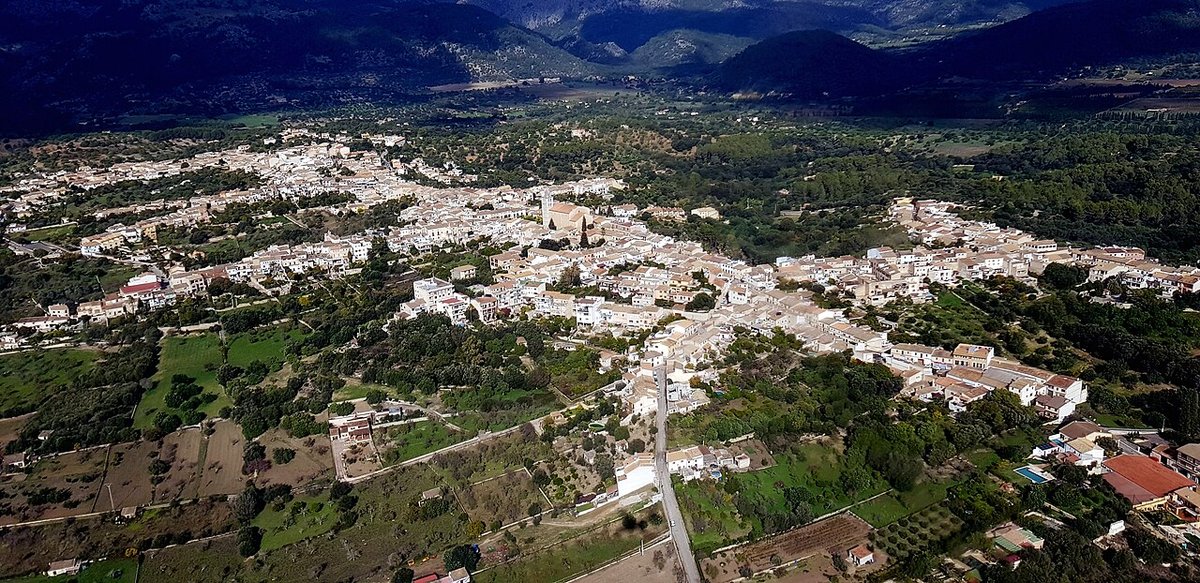
Santa Maria del Camí sits on a flat stretch of land between Palma and the first rises of the Serra de Tramuntana. This part of the Raiguer has long been agricultural territory, with fertile soils, relatively accessible water and easy links to the capital.
Farming activity predates the Christian conquest of 1229. Some sources mention an Andalusí settlement under a different name, although the exact toponymy is not always clear. What is certain is that the landscape of orchards, cereals and vineyards was already established. After the conquest, land was distributed among nobles and military orders. Over time, a stable population grew around the parish church and the threshing floors where grain was processed.
The current parish church was built between the early and mid-18th century. It is a large and fairly restrained example of Mallorcan Baroque, with a single nave, side chapels and an unadorned façade. Inside, there are altarpieces and religious figures linked to local workshops. When the bell tower is open, it offers a clear sense of the municipality’s layout: an agricultural plain dotted with vineyards.
Wine as Part of Daily Life
Santa Maria forms part of the Denominación de Origen Binissalem, established in the late 20th century to protect the wine-making tradition of this area of Mallorca. The connection to viticulture, however, goes much further back. Agricultural records from the 17th and 18th centuries already show significant areas devoted to vineyards.
The grape most closely associated with the area is manto negro, a native red variety used to produce light, aromatic wines. Several wineries operate within the municipality, some housed in former farm buildings. A number of them open for visits or tastings, usually by prior arrangement.
By mid-September, the town’s calendar revolves around the grape harvest. During these days, events are organised around wine and the end of the agricultural cycle. A few weeks later, a fair dedicated to wines from the denomination usually takes place, bringing together producers and locals to sample new vintages.
The Former Convent
The Convento de los Mínimos was founded in the late 16th century and for a long time served as a cultural centre for this part of the Raiguer. The religious community maintained a small school where grammar and Latin were taught, something uncommon in rural settings at the time.
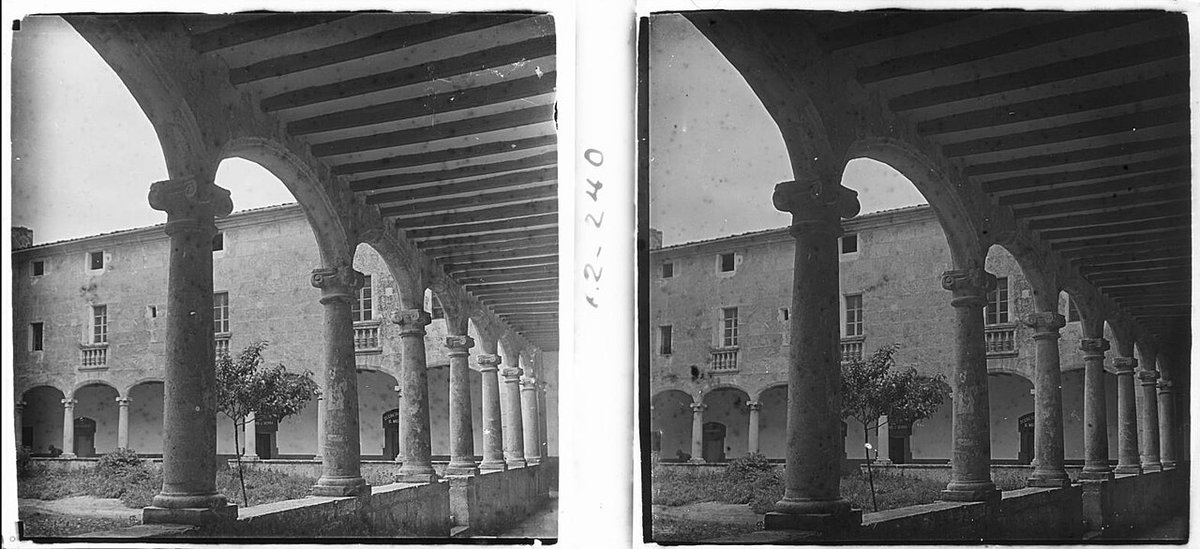
The building still preserves its cloister and part of the original structure. Today it functions as a cultural and exhibition space. The old garden remains, with fruit trees and plants that reflect the agricultural use the site has always had.
Sunday Market and Everyday Life
The Sunday market is the most recognisable scene in Santa Maria del Camí. It spreads around the square and into several nearby streets, starting early and reaching full activity by mid-morning.
Most stalls focus on local agricultural produce: citrus fruits, seasonal vegetables, nuts, traditional baked goods and cured meats prepared in household slaughtering traditions. There are also tools, clothing and crafts, as in many rural markets across Mallorca. The balance leans towards everyday necessity rather than display, which shapes the tone of the experience.
Getting There and Walking the Surroundings
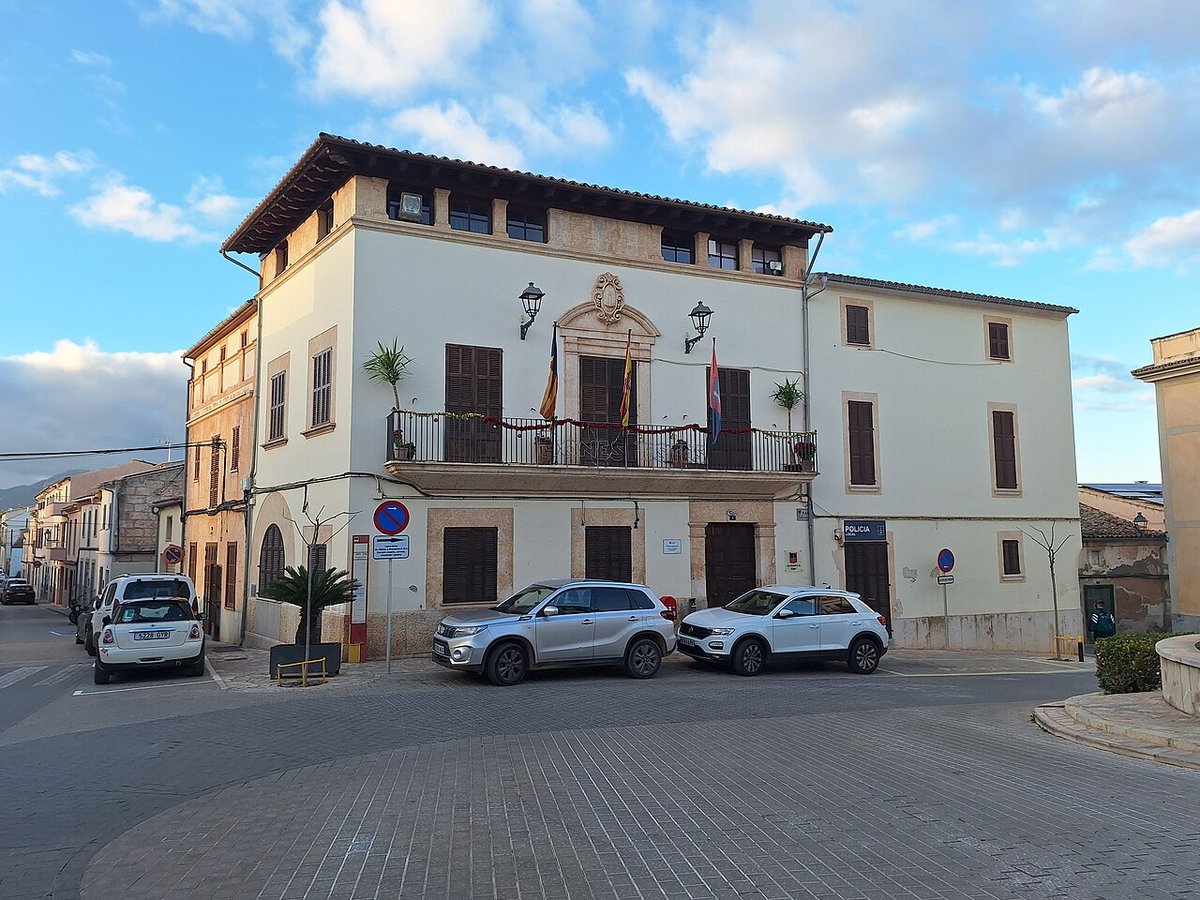
Santa Maria del Camí lies about twenty minutes from Palma via the Ma‑13 motorway. It can also be reached on the suburban train line connecting the capital with Inca, with the station a short walk from the centre.
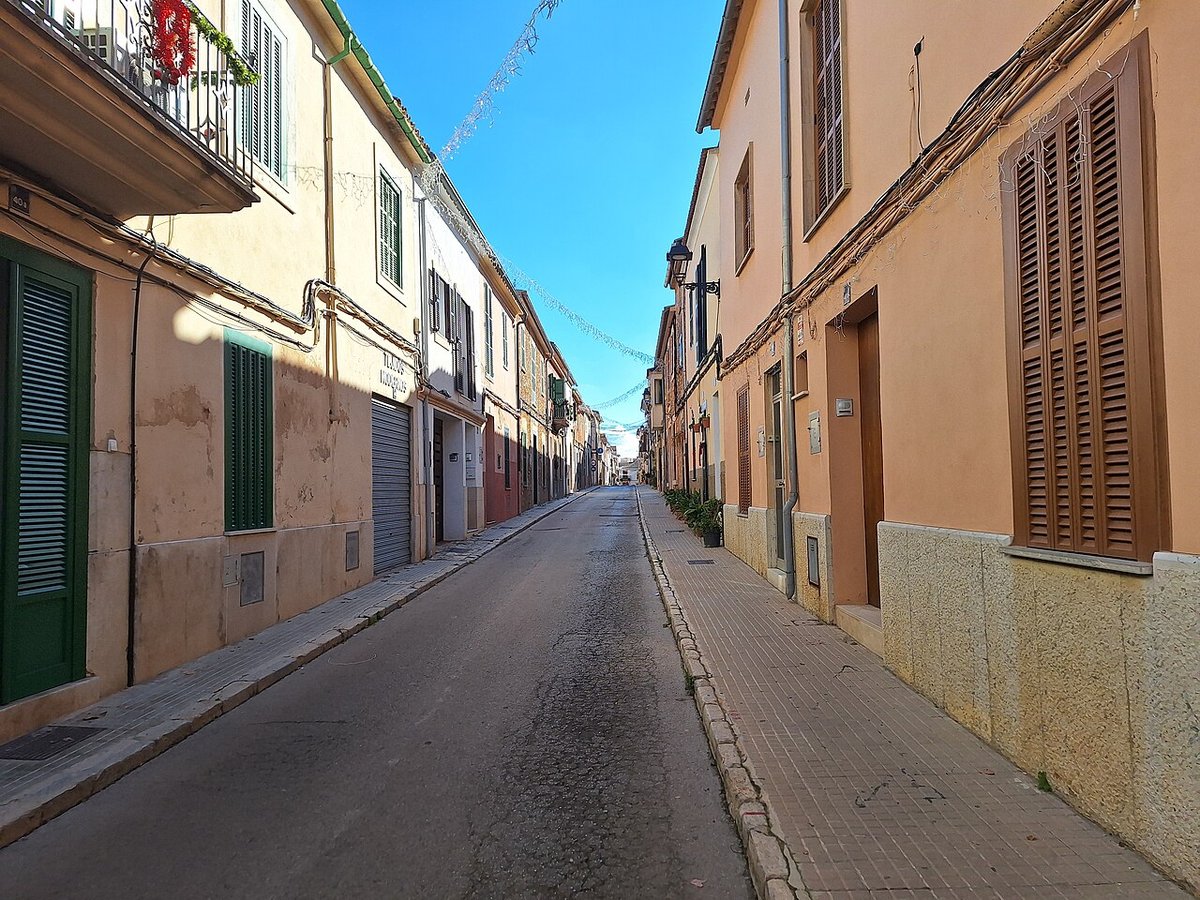
The town itself can be explored at an unhurried pace in about an hour. Those interested in the agricultural landscape can head out along the rural paths that surround it. Moving between vineyards, almond trees and old possessions makes it easier to understand why this part of the Raiguer has depended on the land for centuries.
The seasons shape what you see. In winter and early spring, almond trees come into blossom. By late summer, the grape harvest brings the vineyards back into focus, returning attention to the cycle that still defines Santa Maria del Camí.