Full Article
about Selva
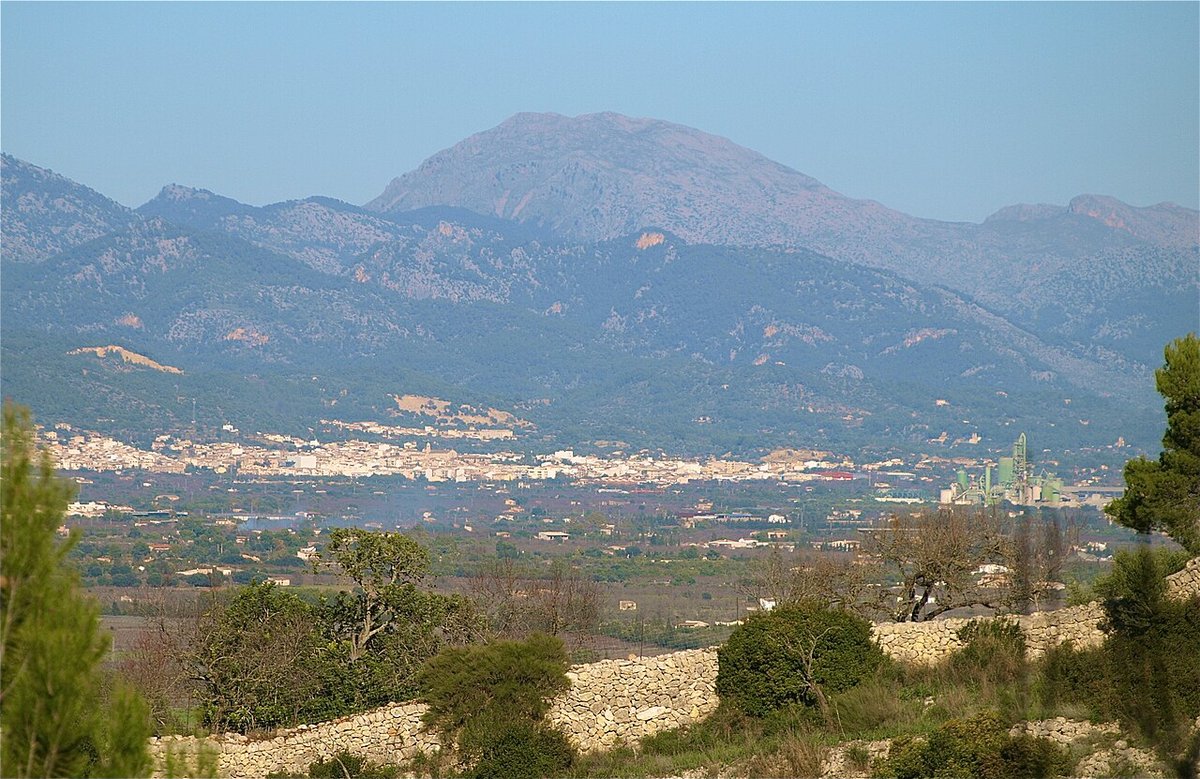
Mountain municipality that brings together several picturesque villages; noted for its lofty Gothic church and views over the plain.
Ocultar artículo Leer artículo completo
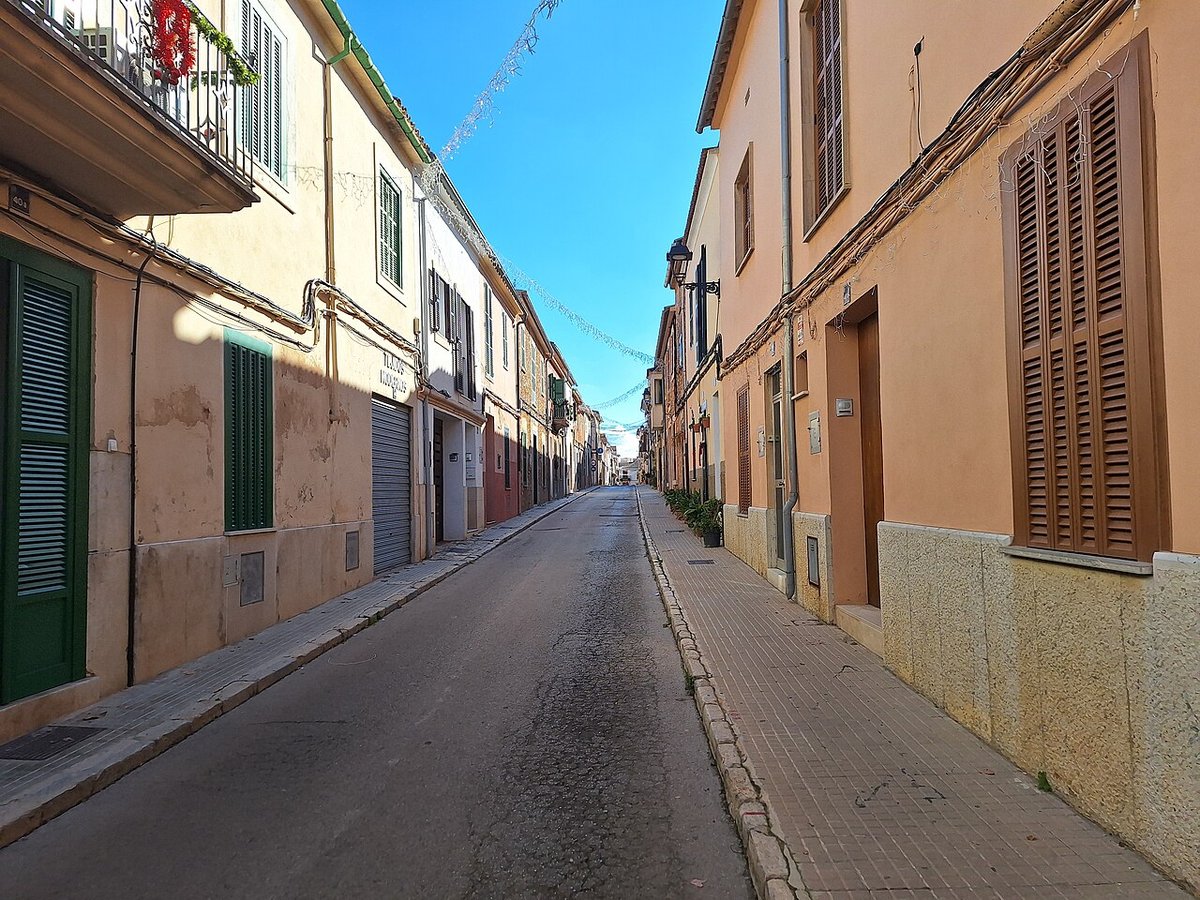
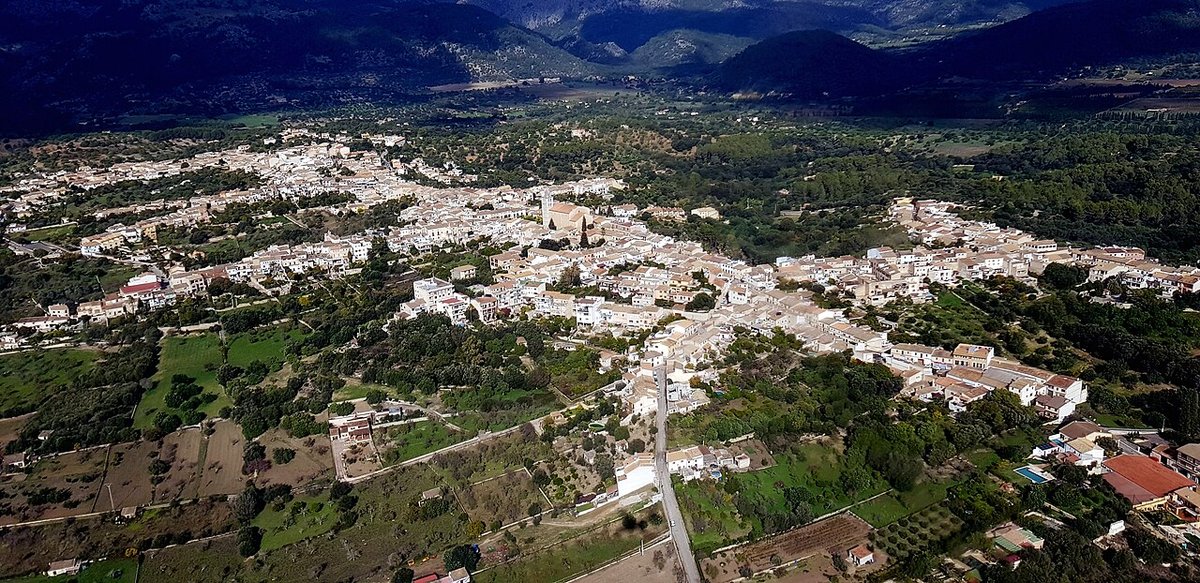
The smell hits first. Around half past ten, when the sun has warmed the limestone cobbles, Selva carries the scent of woodsmoke from kitchen stoves mixed with damp earth if it rained overnight. This isn't some perfumed tourist illusion—it's simply what happens when 4,000 people live their daily lives at 196 metres on the southern flank of the Serra de Tramuntana.
Stone, Shade and the Church Bell
Every route through the old centre passes the Parish Church of Sant Llorenç. Gothic bones, Baroque additions, a bell tower you can spot from terraced olive groves two kilometres away. Inside takes fifteen minutes: a 14th-century font, two gilded altarpieces, locals dropping in to light a candle. The doors stay open unless there's a service, so time your visit around the hourly chimes.
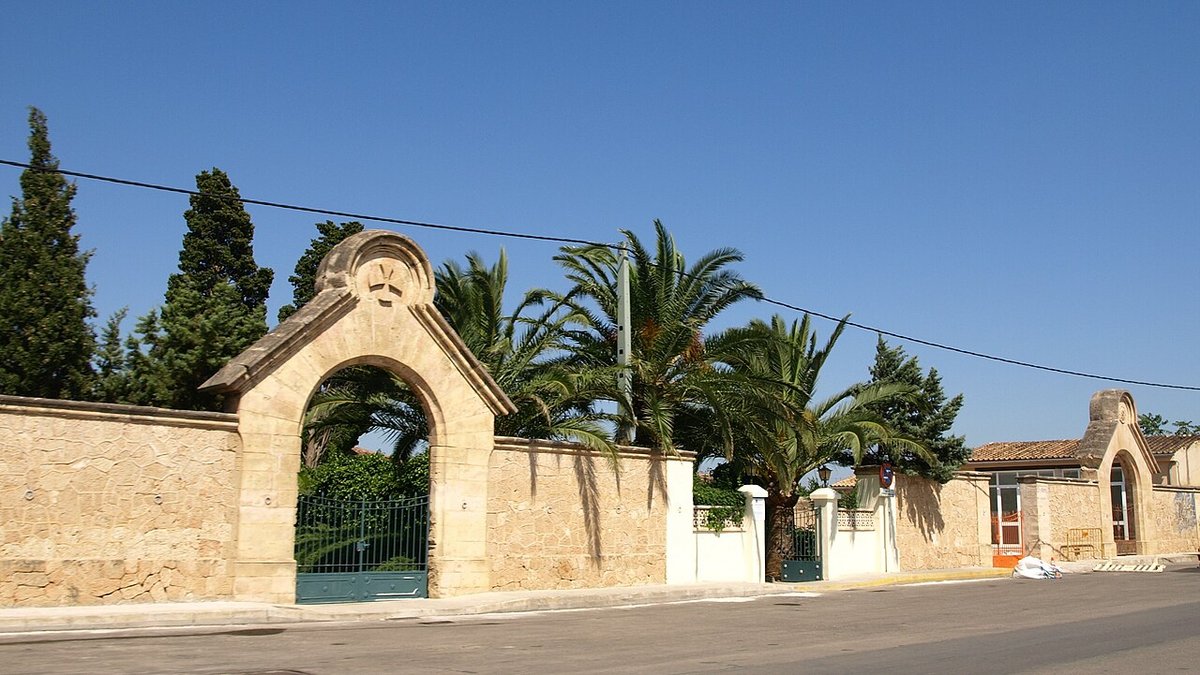
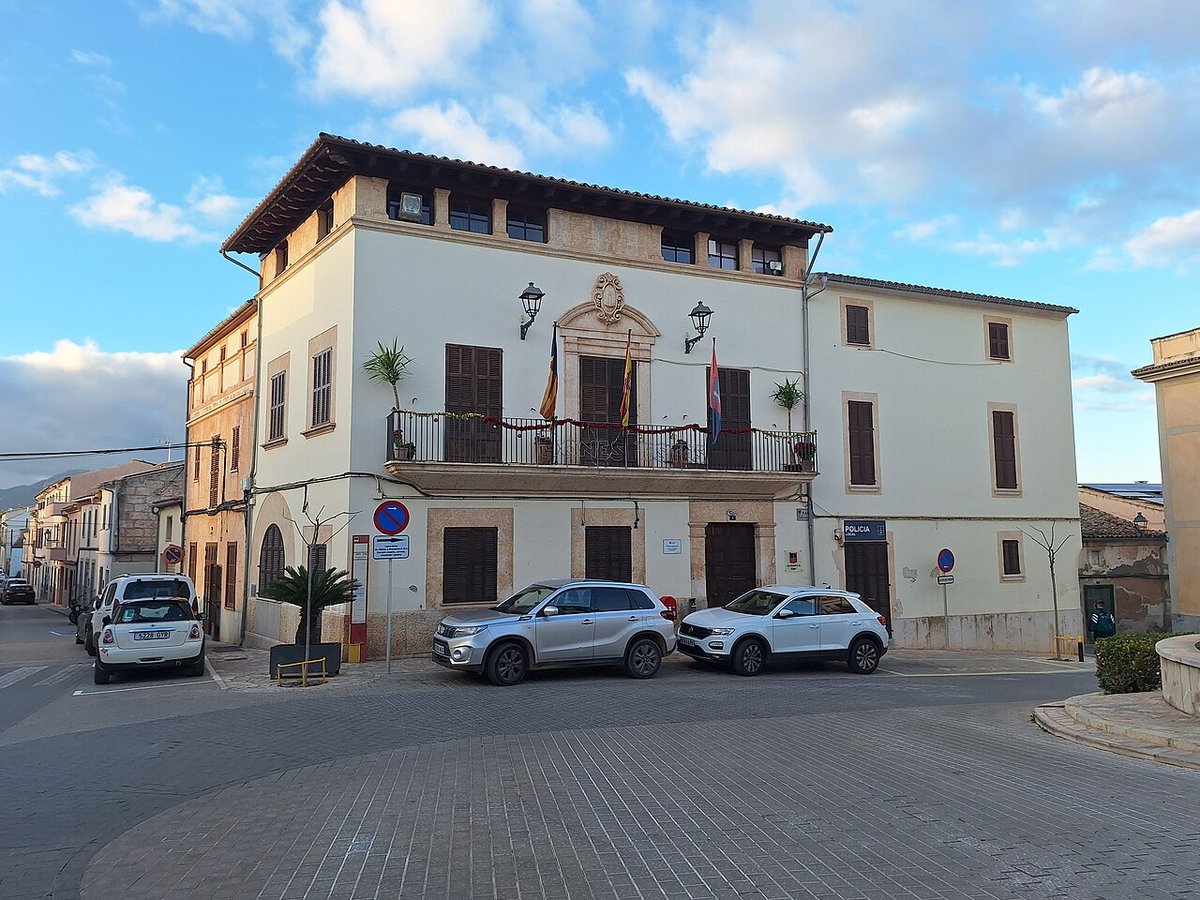
From the church steps, Carrer Major climbs gently past manor houses whose green shutters have faded to sage. Stone carvings above doorways give away the century—Renaissance rosettes, 18th-century coat of arms, the occasional modern replacement that doesn't quite match. Turn right at the tiny bookshop and you'll find Plaça de la Constitució, barely the size of a tennis court, where elderly residents still occupy the same bench positions their parents used.
The Thursday morning market changes the rhythm. Stalls selling olives, almonds, string-tied bundles of wild rosemary appear at eight and pack away by one. It's the only time parking becomes tricky; arrive before nine or leave the hire car on Carrer de Son Fuster and walk the last 200 metres.
When the Street Ends, the Mountain Starts
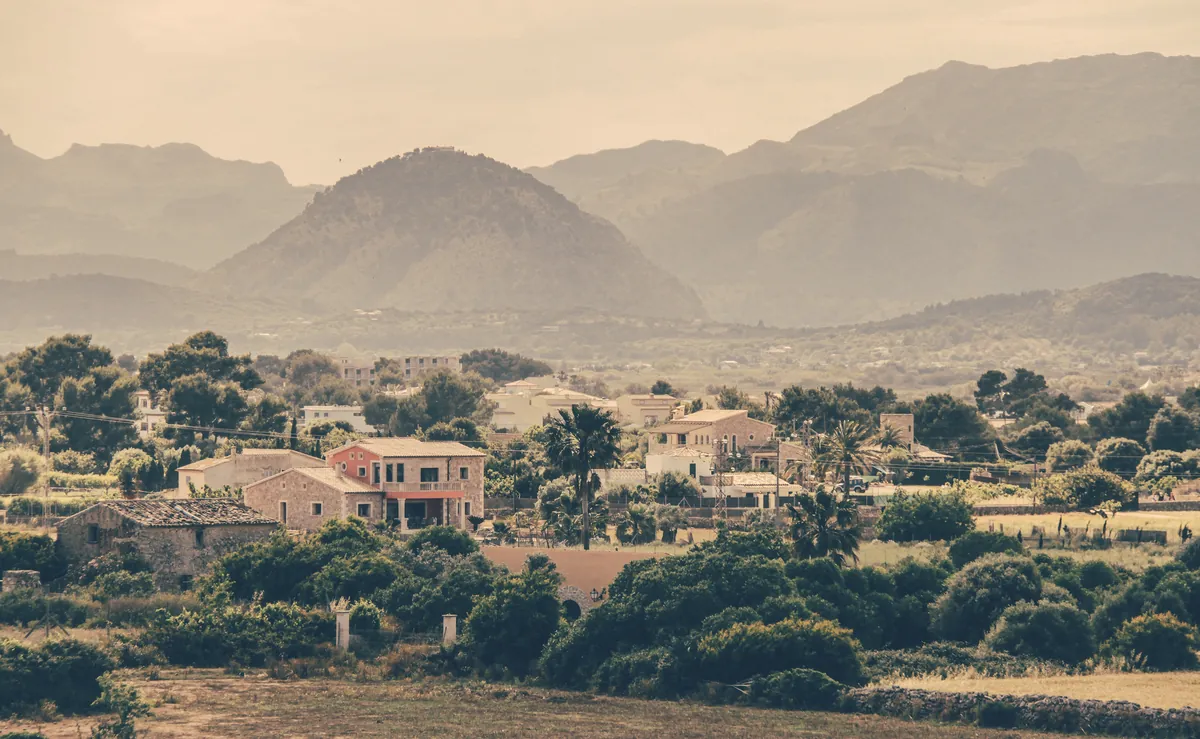
Cross the ring road and you're straight onto the GR-222 long-distance path. Dry-stone walls channel you between almond terraces, the gradient increasing with every step. After twenty minutes the village roofs sit below like a scale model, church tower dead centre. Keep climbing and you'll reach the Coll de Sa Batalla pass, where cyclists refuel on ensaïmada before the 7 km descent to Caimari.
More sensible walkers follow the signed route to the Santuari de Lluc, 12 km of mule track that threads through holm oak and private fincas. The sanctuary guesthouse serves coffee from seven if you need persuasion to start early. Take more water than you think—there's none between Selva and the monastery, and midsummer temperatures can hit 35 °C even at this altitude.
Road cyclists favour the loop north through Moscari and Mancor de la Vall. The road surface is smooth, traffic light, and the 400-metre climb out of Mancor provides just enough burn to justify the orange ice-cream back in Selva's Plaça Major afterwards.
What Locals Actually Eat
Forget fusion. Restaurant Es Turo does frito mallorquín—lamb, liver, potatoes, peppers, all fried together with mountain herbs. Brits usually compare it to a dry lamb stew; Mallorcans simply call it lunch. Order ahead at weekends or you'll wait while they source more liver.
Breakfast means pa amb oli: thick country bread rubbed with tomato, doused with local arbequina oil, topped with ham or cheese if you're hungry. Café Paris on Carrer de Jaume Armengol opens at six for farmers; tourists drift in around nine once the mountain mist has lifted.
For picnic supplies, the bakery opposite the church sells cocas de trampó—thin vegetable flatbreads that travel better than sandwiches and won't leak tomato into your rucksack. Pair one with a carton of orange juice from the neighbouring grocer and you've got mountain fuel for under four euros.
Evening meals start late. Kitchens reopen at seven thirty, but locals rarely appear before nine. Try the lamb chops at Ca'n Guixe, where the menu is chalked daily and the wine list stretches to three reds, all from Binissalem. They accept cards; most places don't, so carry cash.
Seasons, Crowds and When to Stay Away
Spring brings wild marjoram and yellow broom to the hillsides. Temperatures hover around 18 °C—perfect for walking—and the village fills with weekend cyclists from Palma. Book accommodation early for Easter; every room within a 10 km radius sells out.
Summer is hot. The stone streets radiate heat until midnight, mosquitoes rise from the olive groves, and the only shade is inside the church or your hotel room. If you must visit, start walks by seven, siesta through the afternoon, re-emerge after six when the shadows stretch.
Autumn means mushroom seasons and the Fira de Tardor olive fair. Stallholders set up stone presses to demonstrate oil extraction; sample the new season's pour over crusty bread and you'll understand why Mallorcans treat it like liquid gold. Rain arrives suddenly; check weather apps before setting off—the GR paths become slippery clay within minutes.
Winter days swing between brilliant clarity and damp cloud. The Tramuntana can disappear entirely under a white blanket while Selva sits just above, roofs glistening. Many cafés close January to March; call ahead or you risk a locked door and rumbling stomach.
Getting Here, Staying Sensible
Palma airport to Selva takes 35 minutes via the Ma-13 motorway and Inca ring road. Buses exist—the number 340 from Inca—but the last return leaves at seven, stranding anyone attempting a long mountain lunch. Car hire is almost compulsory; book an economy model, the lanes are narrow.
Parking looks chaotic yet follows rules. Blue zones allow two hours, residents-only streets are camera-policed, fines arrive by post back home. Use the free gravel area by the football pitch and walk five minutes into centre. Your wallet will thank you.
One final note: Selva isn't coastal. The nearest beach at Alcúdia is 25 km away, forty minutes by car on a good day. Treat the village as a mountain base, not a sand-and-sea bolt-on. Accept that, and the woodsmoke mornings, stone shadows and sudden mountain silence make perfect sense.