Full Article
about Banyalbufar
Picturesque coastal village known for its stepped terraces that drop to the sea and its malvasía wine.
Hide article Read full article
Banyalbufar: cuando el paisaje es el pueblo
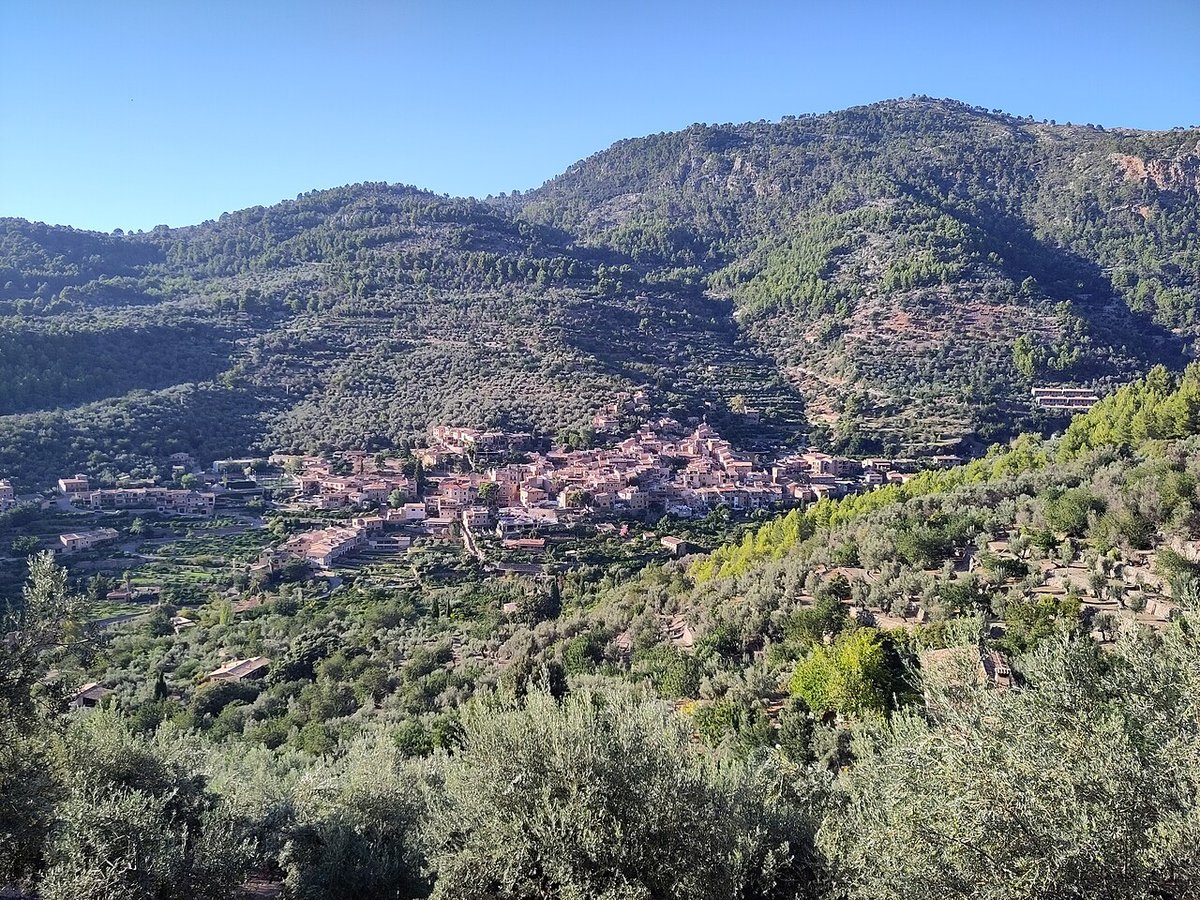
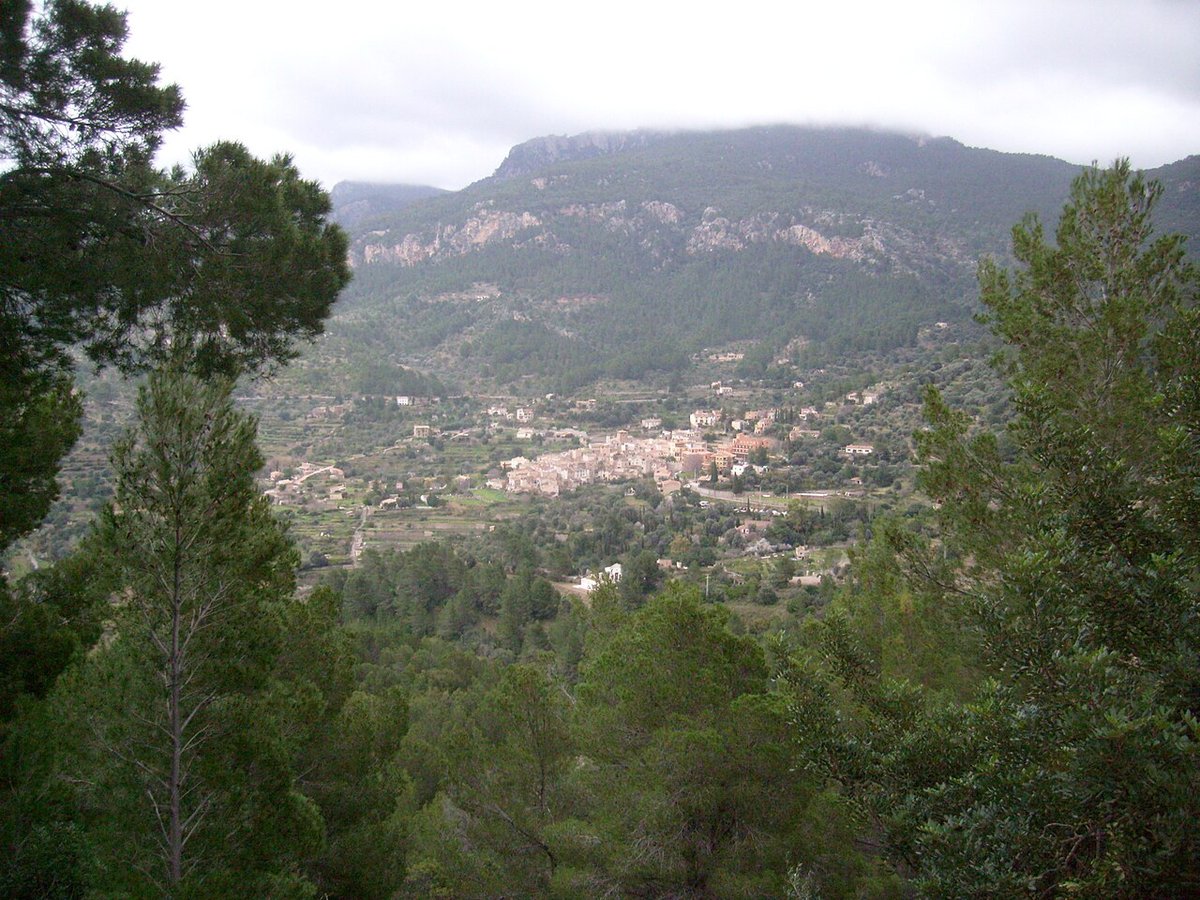
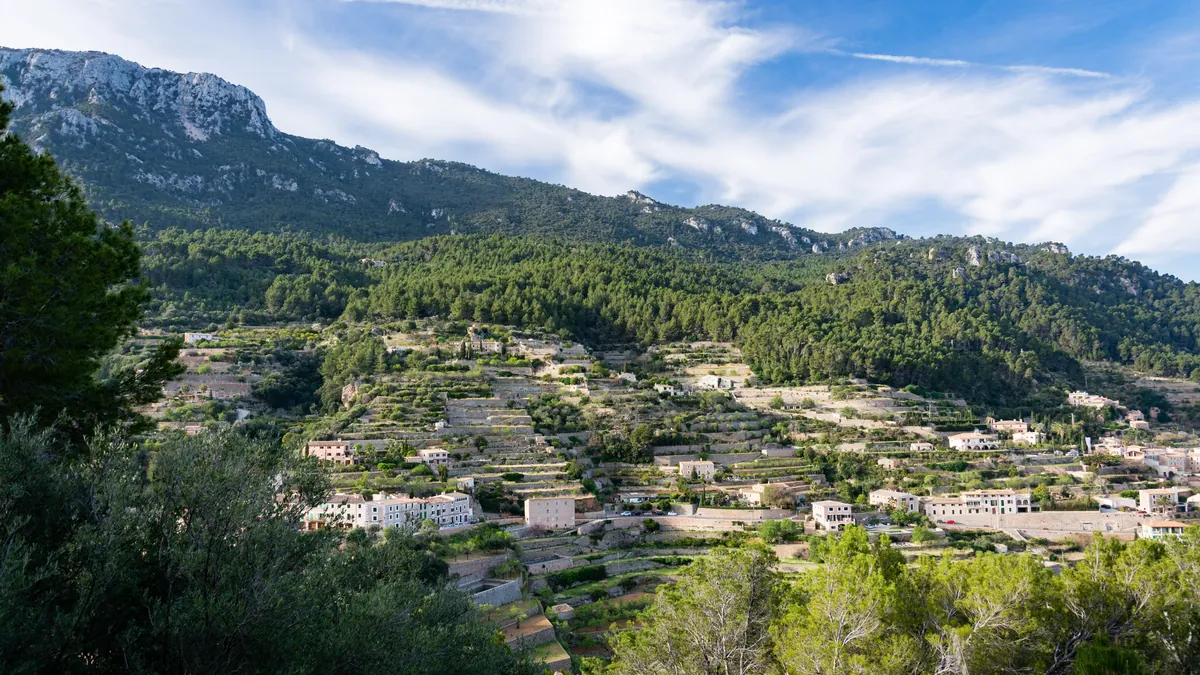
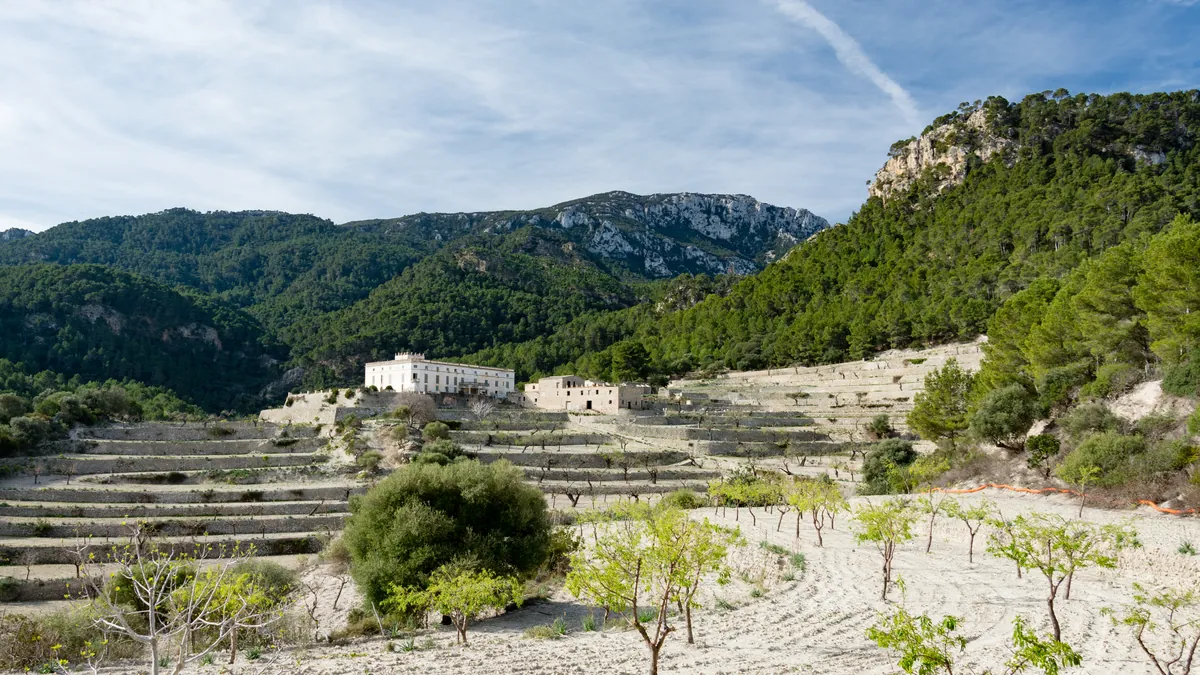
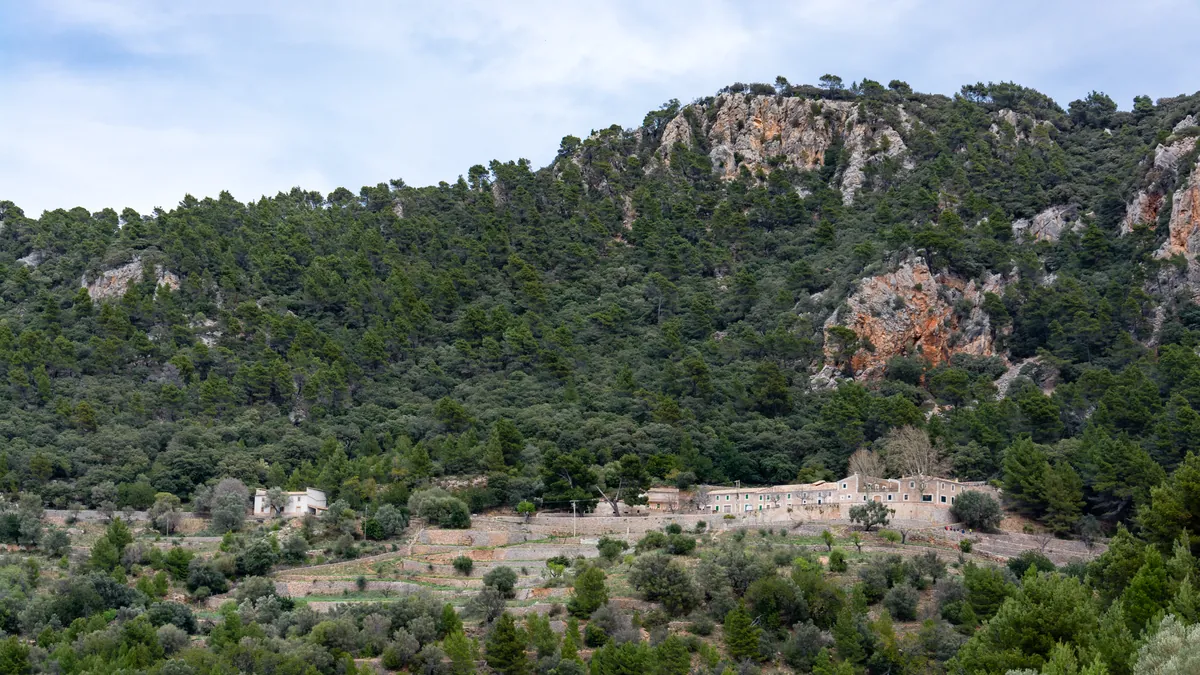
Llegas a Banyalbufar un poco mareado. La carretera de la Serra de Tramuntana es ese tipo de trayecto que te hace preguntarte cuántas curvas caben en una montaña. Y justo cuando crees que va a seguir así para siempre, se abre un claro y ves el pueblo pegado a la ladera, como si lo hubieran colgado ahí. Lo primero que llaman la atención son las terrazas. No son unas pocas; son cientos, miles, bajando hacia el mar en escalones de piedra seca. Te das cuenta al instante de que aquí todo, absolutamente todo, gira en torno a ese esfuerzo.
El nombre viene a significar algo así como "viñedo junto al mar", y no es casualidad. Durante siglos, estas bancales cultivaron malvasía, la uva clásica de esta parte de Mallorca. Hoy sigue habiendo viñedos, pero el paisaje es lo que queda: un sistema de ingeniería rural tan brutal como bello, declarado Patrimonio Mundial. Sin estos muros, Banyalbufar sencillamente no existiría.
Pasear por una infraestructura
Para entender cómo funciona este lugar, no hace falta ir a un museo. Basta con caminar por el Camí des Claper o perderse por sa Coma. Son senderos hechos para trabajar, no para turistear. Vas viendo los detalles: los canales que llevan el agua de lluvia (es sa fila, y es vital), la manera en que cada piedra encaja sin argamasa, cómo han convertido una pendiente imposible en huerta.
Es fascinante y un poco abrumador al mismo tiempo. La escala del trabajo te hace pensar en las generaciones que lo hicieron. Todavía se produce vino de malvasía por aquí; puedes encontrarlo en alguna tienda del pueblo. Tomarte una copa mirando las terrazas donde crecieron esas uvas tiene su punto.
La defensa y el mar
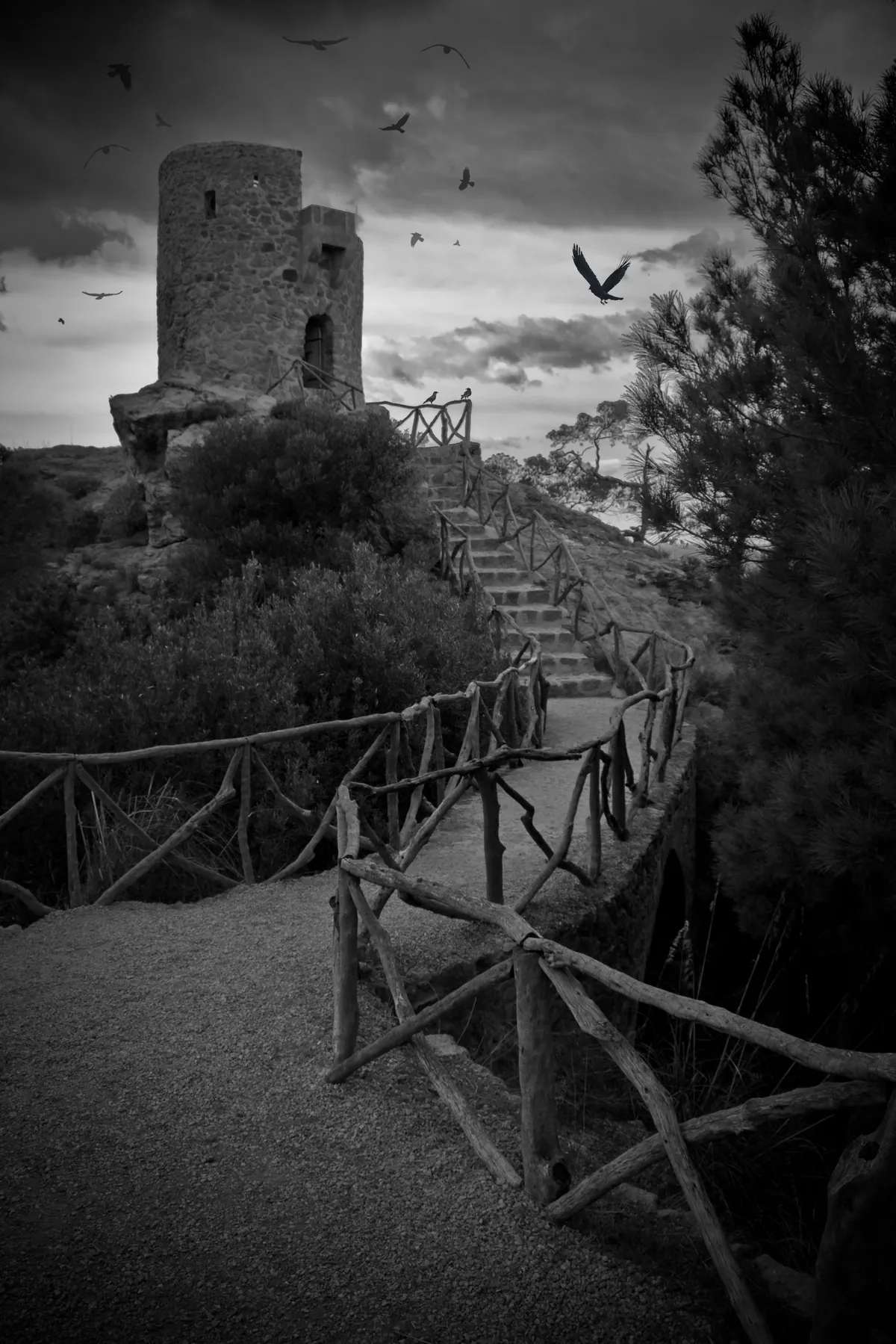
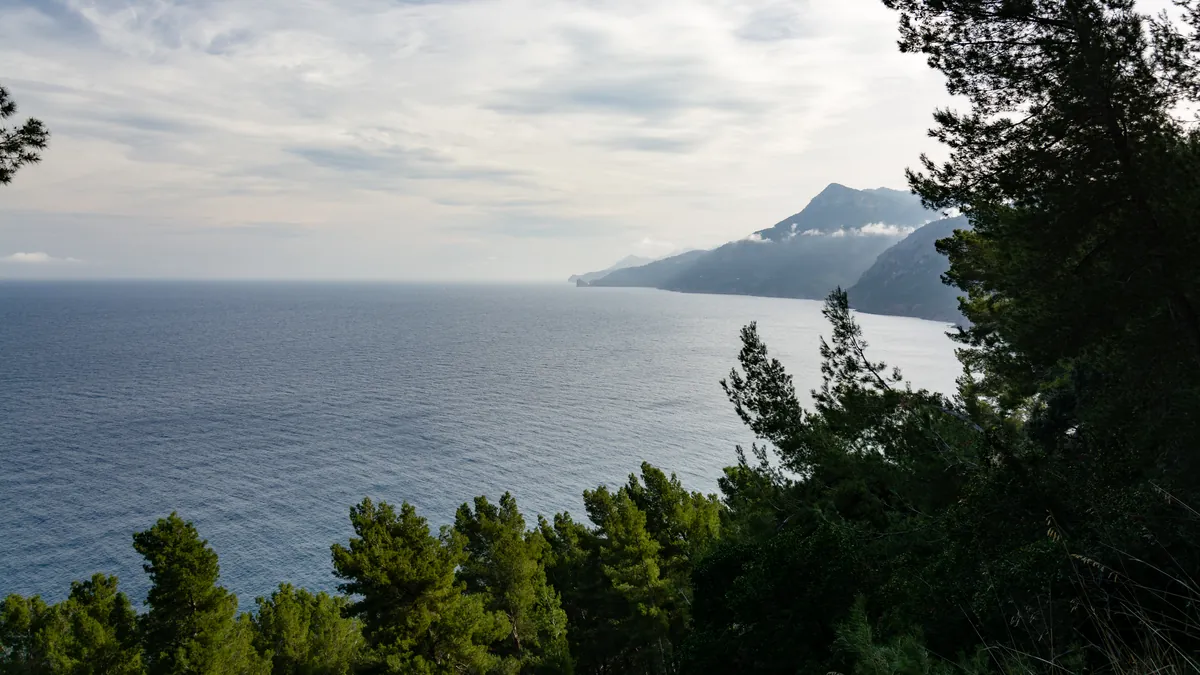
En un extremo del término está la Torre de Ses Ànimes. Es una torre de vigilancia del siglo XVI, de cuando los piratas eran un problema real más que una anécdota para folletos. La subida hasta ella es corta pero empinada. La recompensa es una vista bestial de la costa recortada y la carretera serpenteando entre pinos.
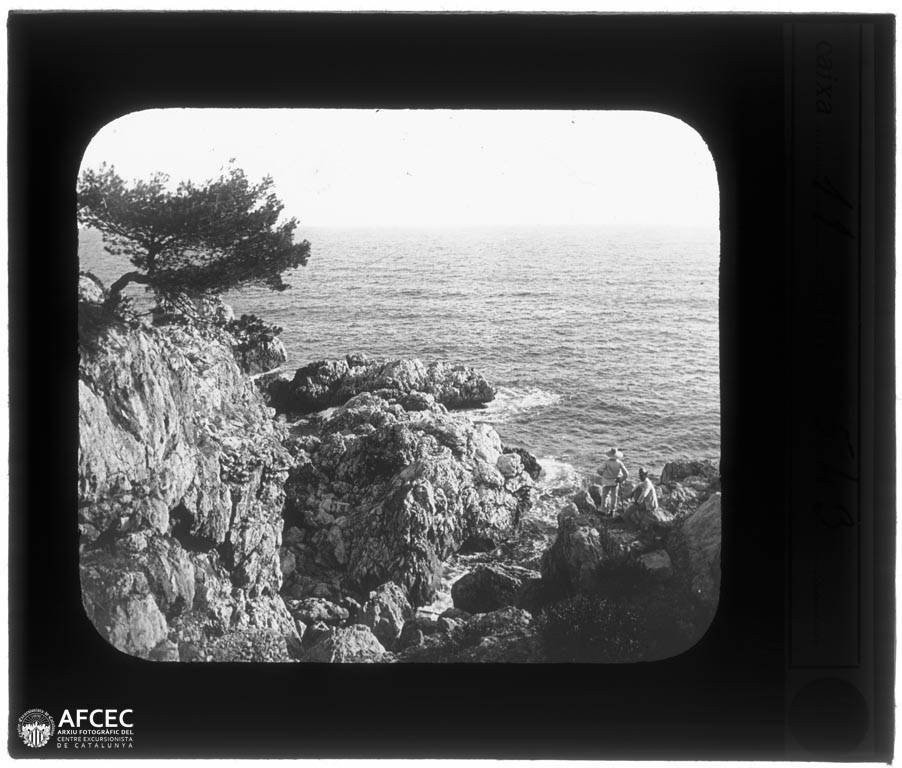
Abajo, pegadas al agua, hay calas pequeñas de roca y grava: ses Ànimes o ses Vaques, por ejemplo. No esperes chiringuitos ni servicios; son sitios para llegar andando (con cuesta), darte un baño si te atreves con las piedras y sentirte un poco fuera del mapa.
Cómo moverse (y cómo no)
Las rutas alrededor del pueblo son, en su mayoría, caminos de labranza rehabilitados. Están señalizados… más o menos. En algunos tramos la señal desaparece o te encuentras con tres opciones sin cartel. Llevar el móvil con GPS o un mapa físico no es una exageración.
La cuesta es el factor constante. En verano, el sol pega duro y hay tramos sin sombra alguna. Agua, calzado decente y paciencia son obligatorios.
Los ciclistas son parte del paisaje aquí; la carretera MA-10 que pasa por el pueblo es famosa entre ellos por sus vistas y sus revoluciones. Si vas en coche, ten cuidado: es estrecha y en temporada alta hay bastante tráfico.
Si vas con prisa
El núcleo del pueblo se recorre rápido. En una hora puedes pasear por el carrer Sant Bernat o sa Murada, asomarte a varios miradores sobre las terrazas y hacerte una idea.
Si tienes algo más de tiempo, baja a una cala. El descenso se hace bien; la subida de vuelta es la que te hace sudar la camiseta. Calcula bien si llevas niños pequeños o no estás acostumbrado al ejercicio.
Otra opción low-effort es parar en uno de los miradores habilitados en la misma MA-10, antes o después del pueblo. Desde ahí arriba se aprecia mejor la magnitud del anfiteatro de bancales.
Errores típicos (que yo casi cometo)
El error clásico es llegar sobre las 11 de la mañana en julio o agosto y pretender aparcar fácilmente junto al pueblo. No va a pasar. Las plazas son limitadas y la carretera no tiene arcén donde dejarlo sin molestar. Ven temprano o prepárate para dar unas vueltas.
El segundo fallo común es bajar a una cala con una botella de agua medio llena y unas chanclas. El camino no es largo, pero el regreso bajo el sol mallorquín puede convertirse en una odisea poco placentera.
Lo que se te queda
Banyalbufar no es grande ni tiene una lista interminable de atracciones. Su gracia aparece cuando paras. Te sientas en un muro bajo, ves a alguien arreglando un bancal dos terrazas más abajo o simplemente observas cómo cambia la luz sobre esa escalera gigante de piedra que llega hasta el mar. Ahí lo entiendes: esto no es un decorado bonito. Es lo que queda cuando durante cientos de años una comunidad decide que va a cultivar una montaña a picotazos. Y lo consigue