Full Article
about Bunyola
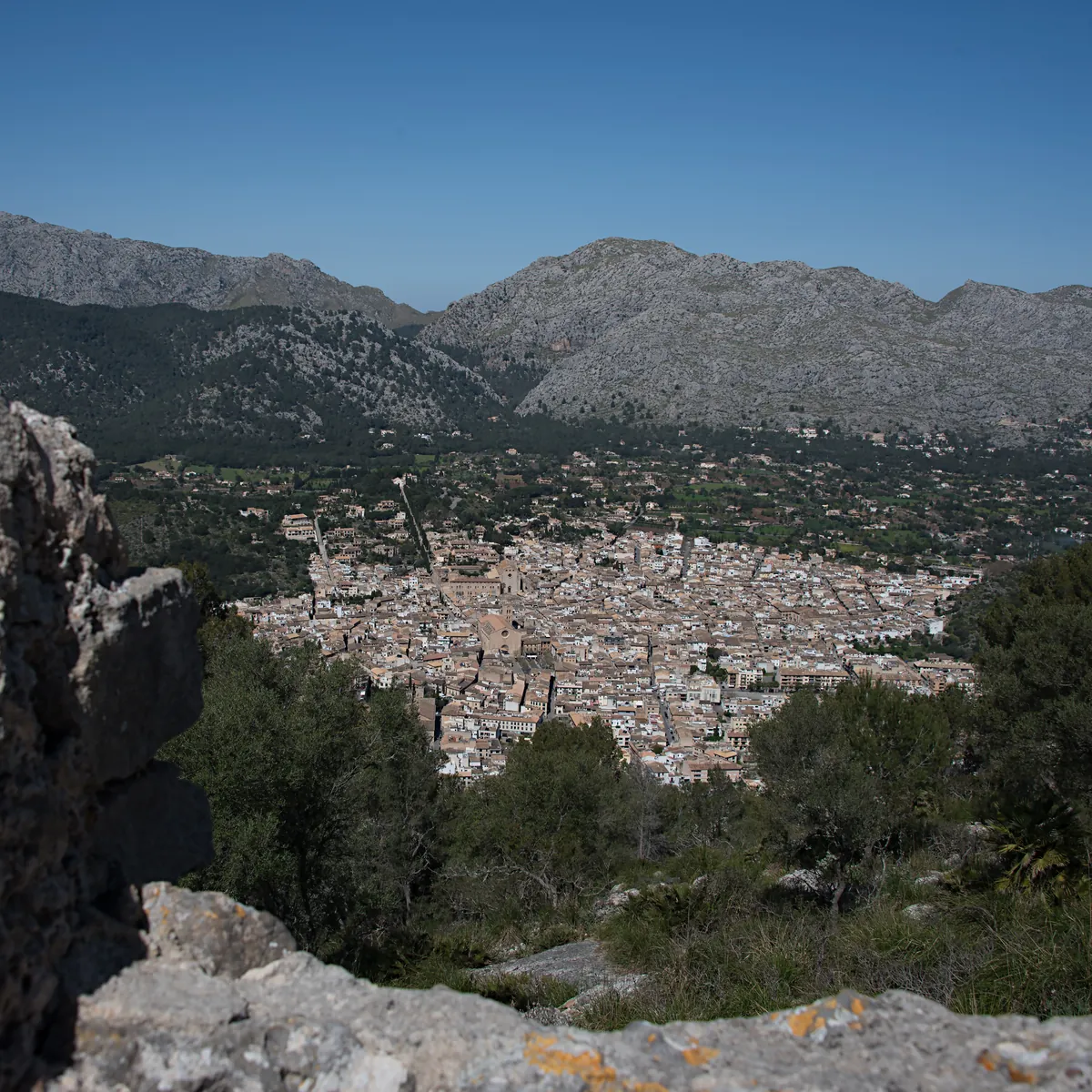
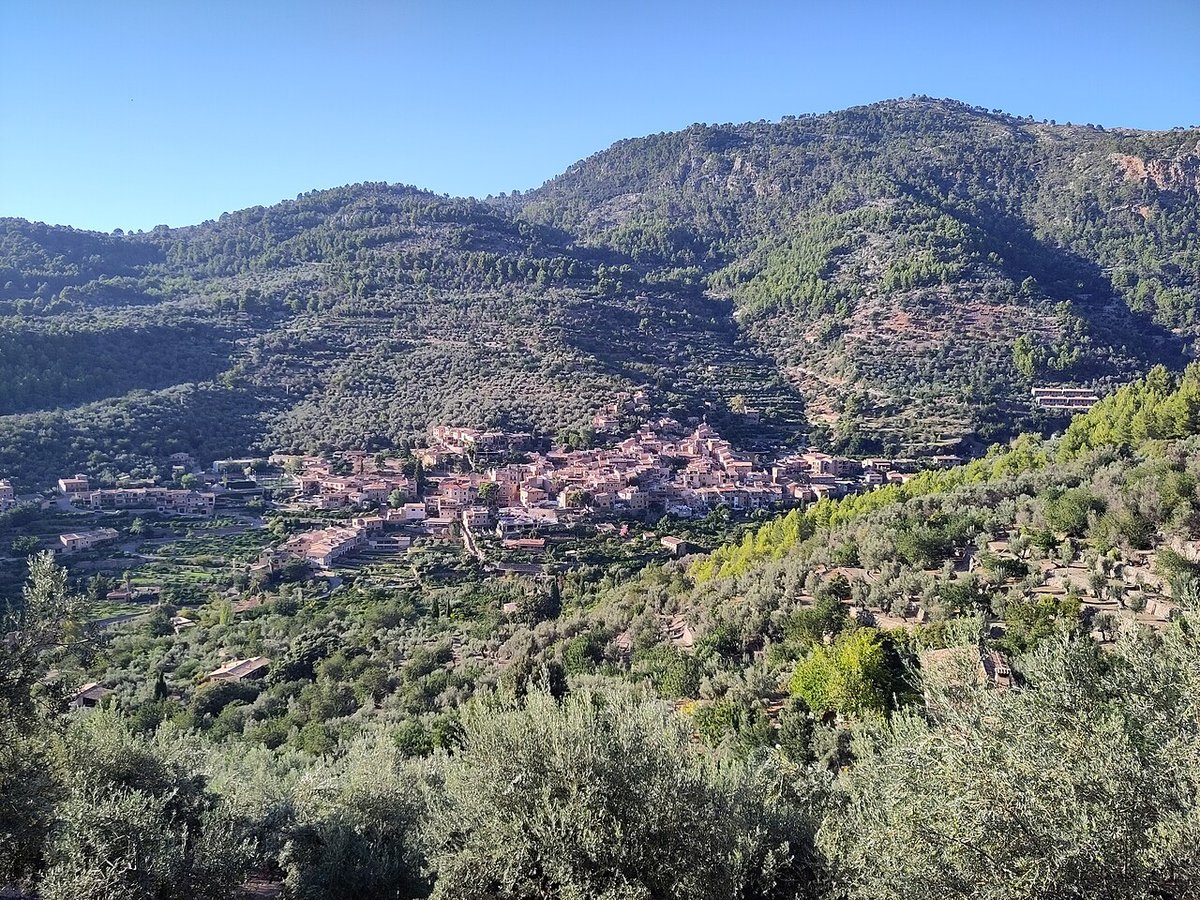
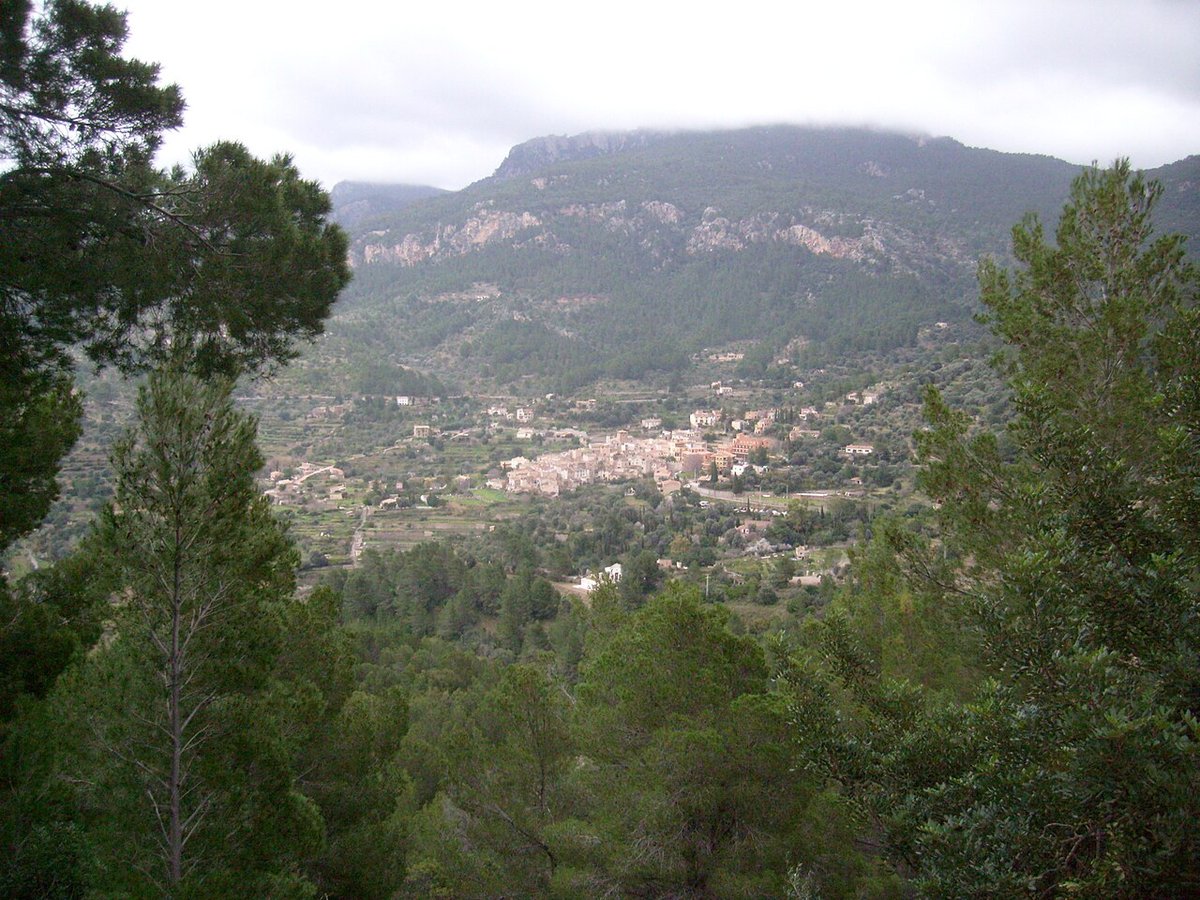
Mountain village ringed by forests and peaks; gateway to the Sierra de Alfabia and starting point for hikes.
Hide article Read full article
The Sóller train slows at a station so small it almost slips off the map. It is early morning, winter mist drifting through the Tramuntana, and a man steps down with a road bike. He is not visiting. Many weekends he comes up from Palma to train on the mountain roads that start in Bunyola. At the station café he is served a coffee amb llet and a still-warm pastry. Outside, the village is quiet among olive groves and stone houses. Bunyola does not begin in the square but here, at this stop on the old railway, where the mountains appear before any sign for visitors.
The mountain that explains the village
Bunyola sits on one of the natural passes between Palma and the interior of the Serra de Tramuntana. That position explains much of what follows: old routes, large agricultural estates in the surrounding land, and the sense of a closed valley that builds as you approach from the capital.
After the Christian conquest of Mallorca in 1229, the territory was reorganised on top of earlier Islamic alquerías, rural farmsteads and irrigation systems. One of these was Bunyula, which gave the place its name. The mark of that agricultural world still shows in irrigation channels, terraces and small water conduits that survive within some of the historic possessions, or rural estates, in the area.
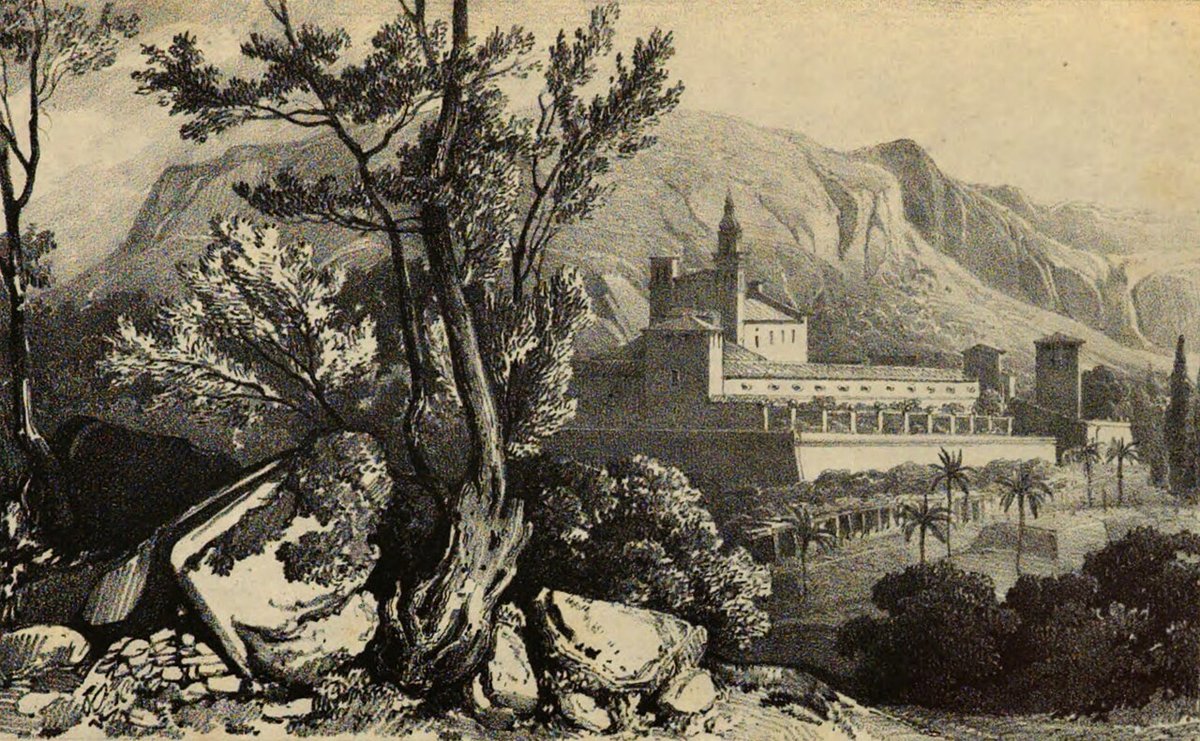
Among these estates, two stand out locally. Raixa, at the foot of the mountains, combines remains from the Islamic period with later changes that gave it the look of a grand residence. The terraced garden and its large staircase belong to a much later phase, when working estates also served as places of display.
A similar layering appears at Alfàbia, on the road that climbs towards the coll de Sóller. There, the garden’s water system recalls the Andalusian origin of the site, while galleries and decorative elements reflect later, modern-era alterations. Between Raixa and Alfàbia, the valley’s story becomes clear: agriculture shaped by careful water management and organised around large rural properties over many centuries.
Sa Comuna and an older landscape
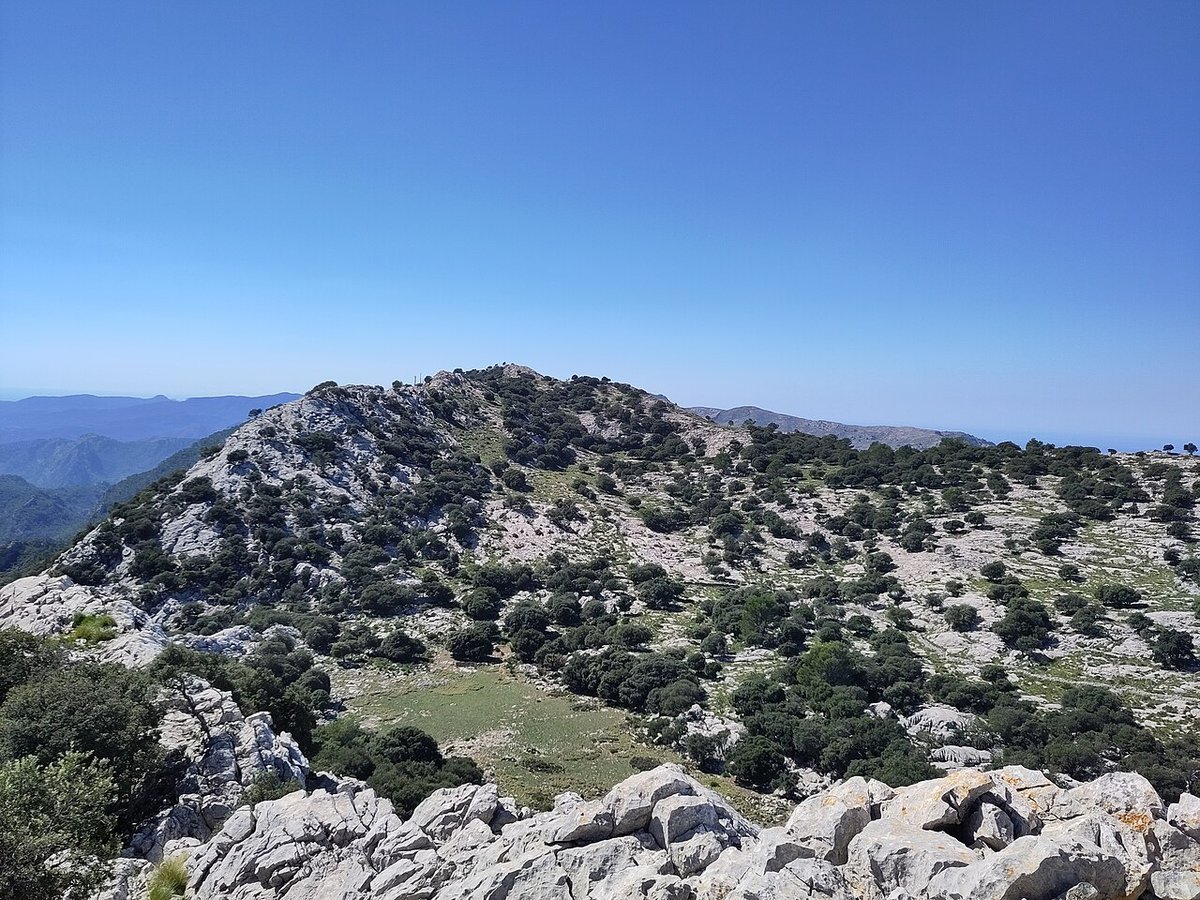
Above the village lies Sa Comuna de Bunyola, a wide area of communal woodland. Holm oak and pine dominate, with clearings that reveal traces of former trades tied to the forest.
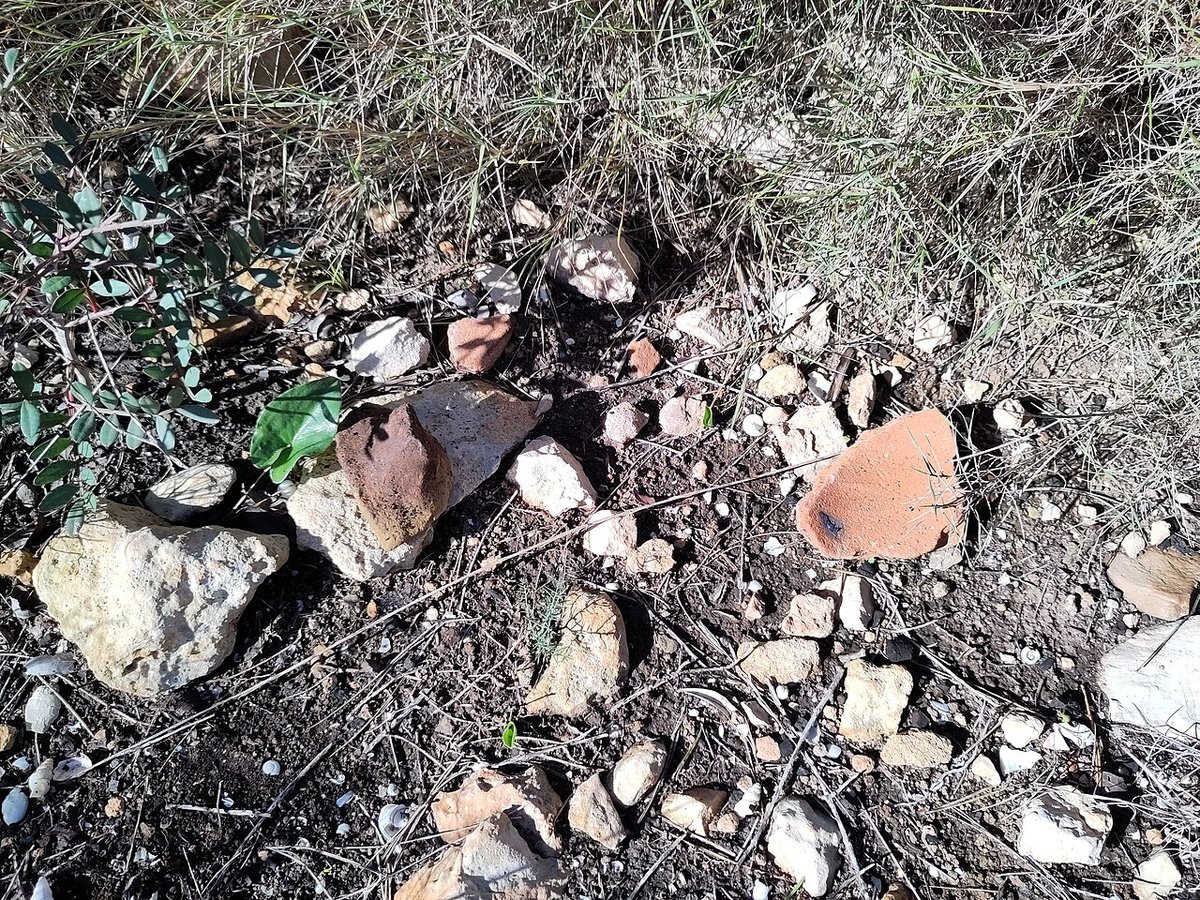
Lime kilns, circular structures where stone was fired to produce lime, remain visible among the trees. Cisterns, charcoal platforms and small dry-stone shelters also survive. These were used by people who worked in the woods for weeks at a time, living close to their tasks.
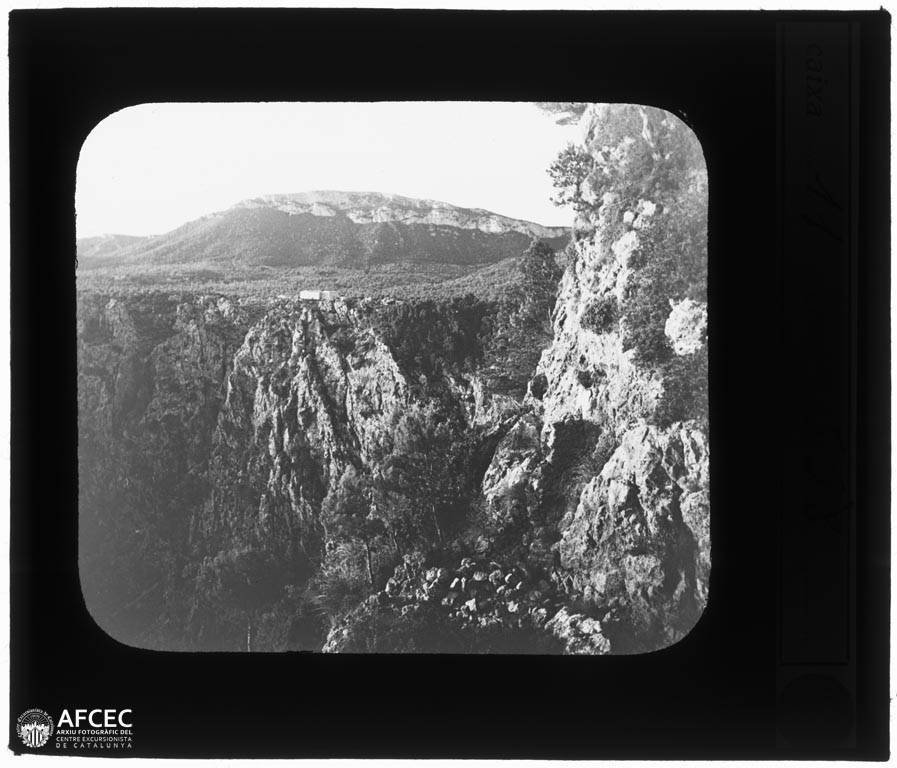
One of the best-known routes climbs towards the Penyal d’Honor, a nearby summit. The path crosses dense holm oak woodland and stretches of limestone rock before opening onto natural viewpoints. From there, the Pla de Mallorca spreads out, and on clear days the Bay of Palma comes into view. The scene contrasts with the coast. Forest and the quiet of the interior define this part of the Tramuntana.
Other paths descend towards former agricultural areas in the valley. Some walls still hold small snail-drying racks and silos carved into the rock for storing grain. These are discreet signs of a rural economy that made use of every corner of the land.
Local celebrations through the year
The patron saint of Bunyola is Sant Mateu, and the main festivities take place in late September. During those days, the centre of the village shifts pace with traditional music, shared meals and events organised by local groups and associations.
Some celebrations keep customs more closely tied to village life than to any programme designed for visitors. Groups of neighbours often cook together in large pots, and bands of xeremiers, traditional Mallorcan bagpipers, move through the streets.
Winter also brings gatherings linked to rural traditions, sometimes connected to the slaughter of the pig or to communal meals in old estates. These events do not always follow a fixed format and tend to depend on the local associations that keep them going.
Walking through Bunyola
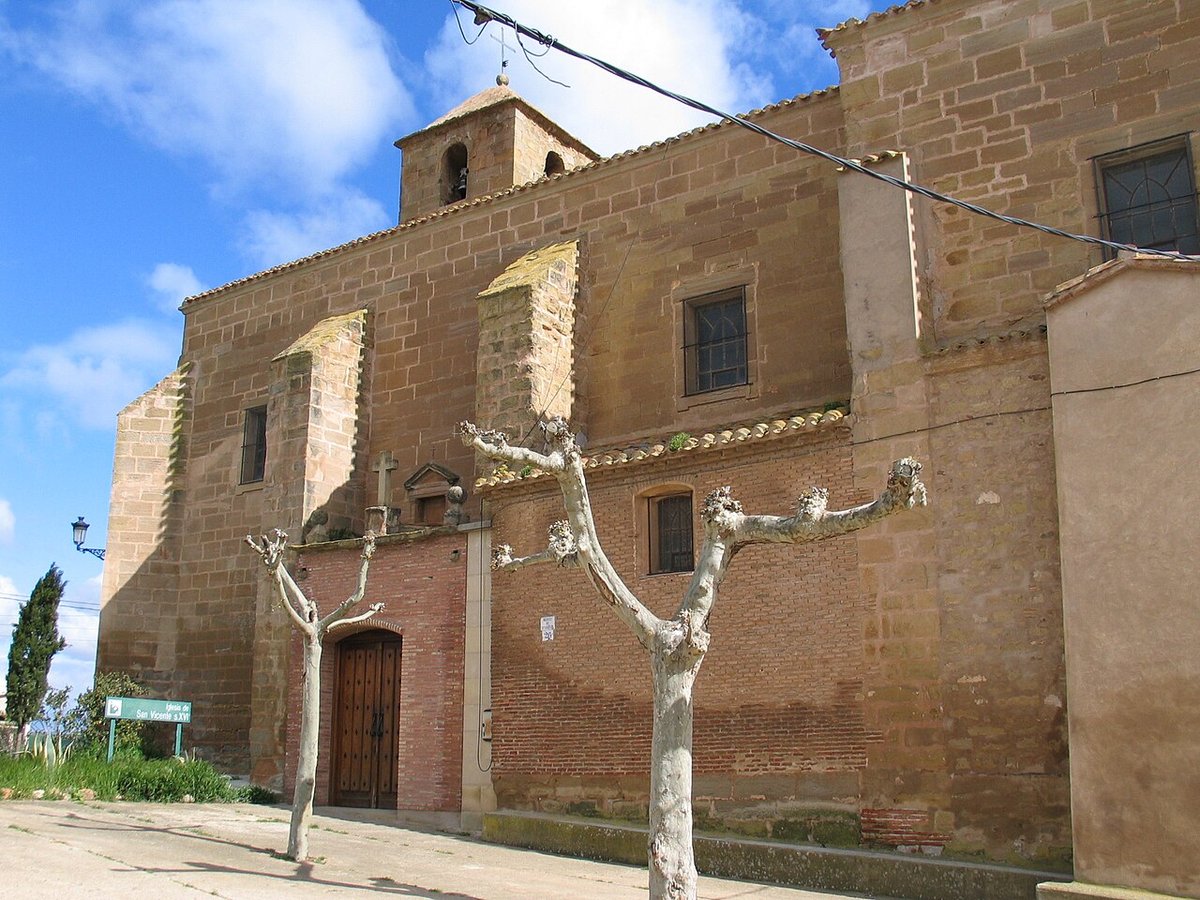
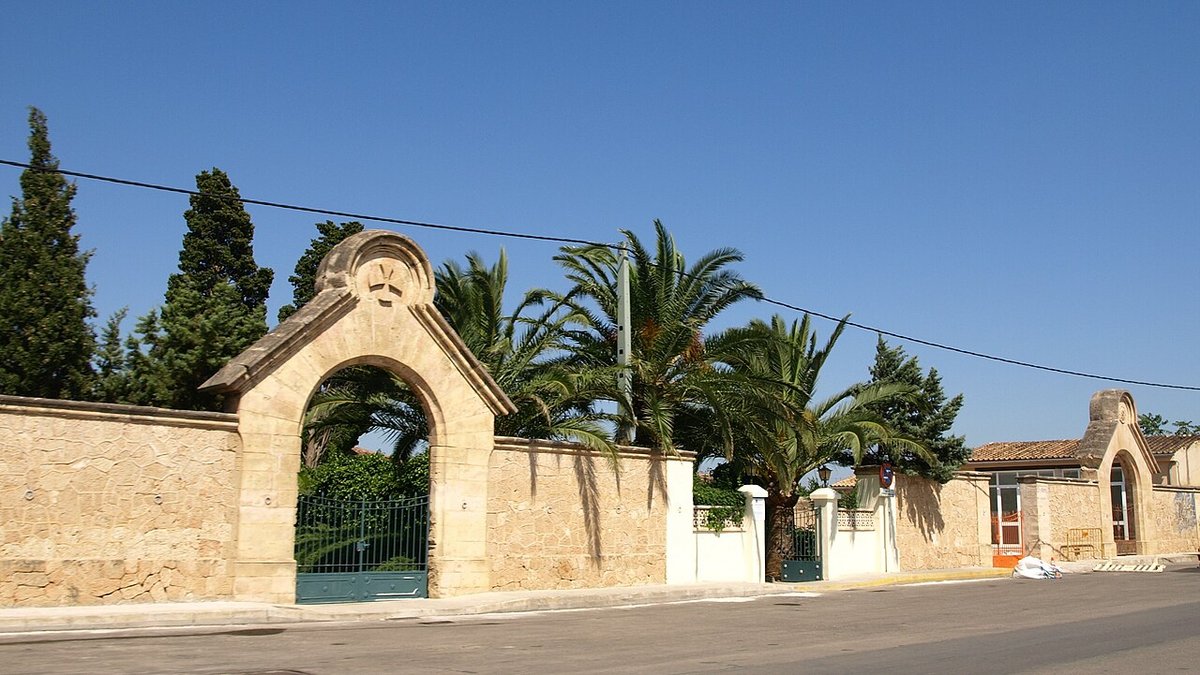
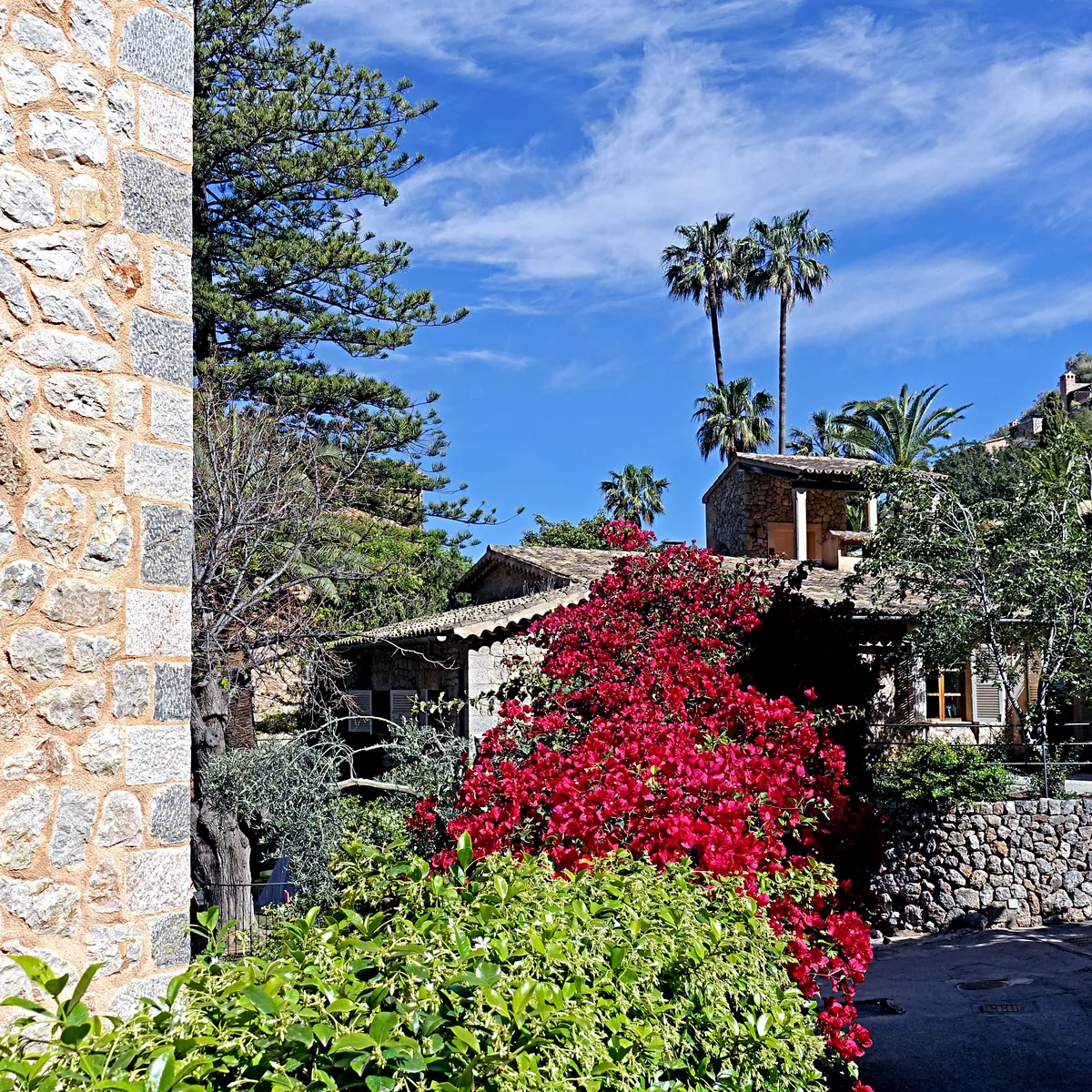
The village itself can be explored at an unhurried pace in a short time. Streets around the parish church hold many of the oldest houses, several with wide doorways designed for carts and for storing agricultural goods.
From the centre, various paths lead straight towards the mountains. One of the most used links up with the wider network of Tramuntana trails and allows access to Sa Comuna without needing to drive.
Arriving from Palma is straightforward, with the historic train that connects the capital to Sóller stopping here, and a road approach that takes only a short time. Once in Bunyola, the focus shifts away from the centre to what surrounds it: old paths, olive groves and the first serious slopes of the Tramuntana.