Full Article
about Calvià
Top-tier tourist municipality with multiple coastal settlements; it pairs mass-leisure zones with protected landscapes.
Ocultar artículo Leer artículo completo
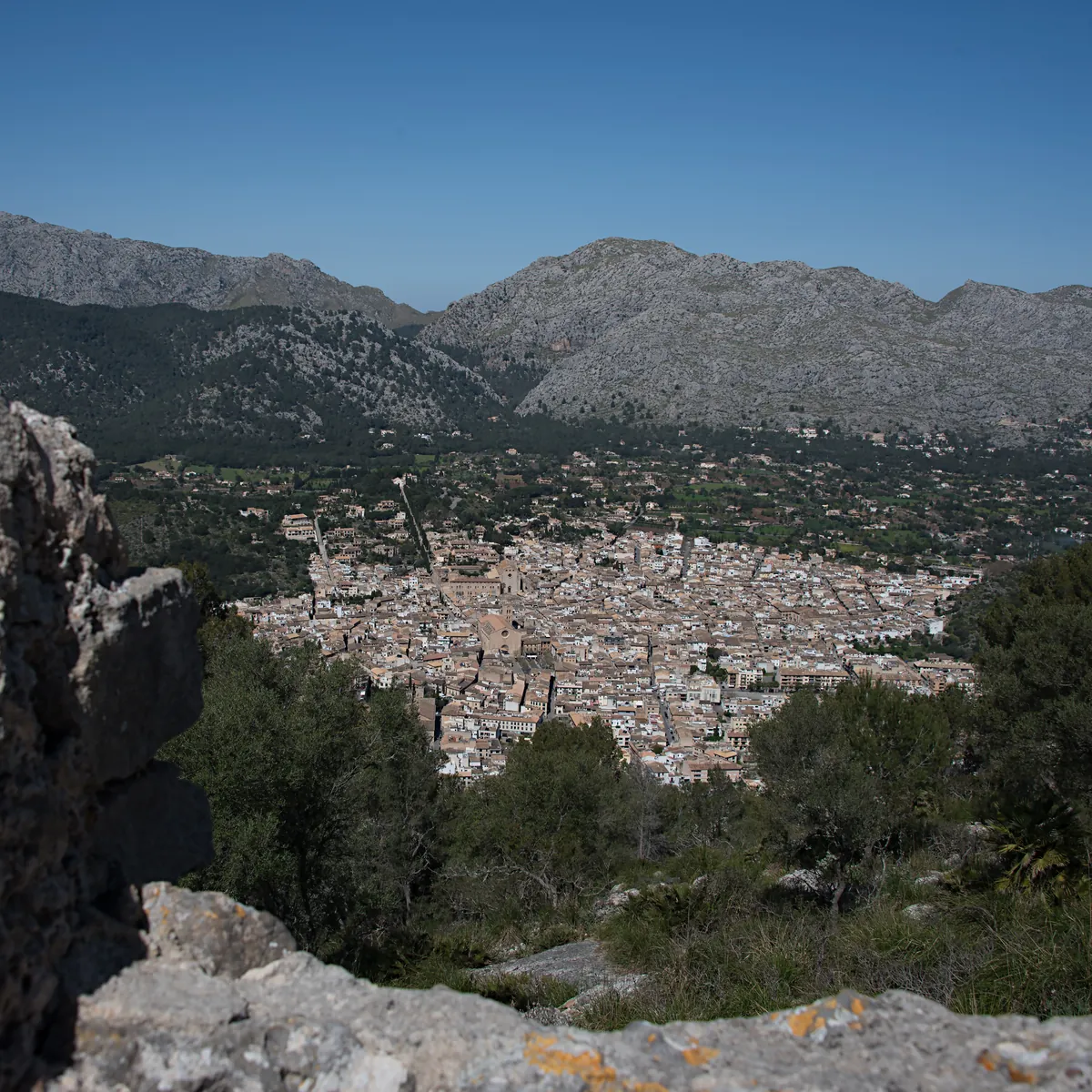
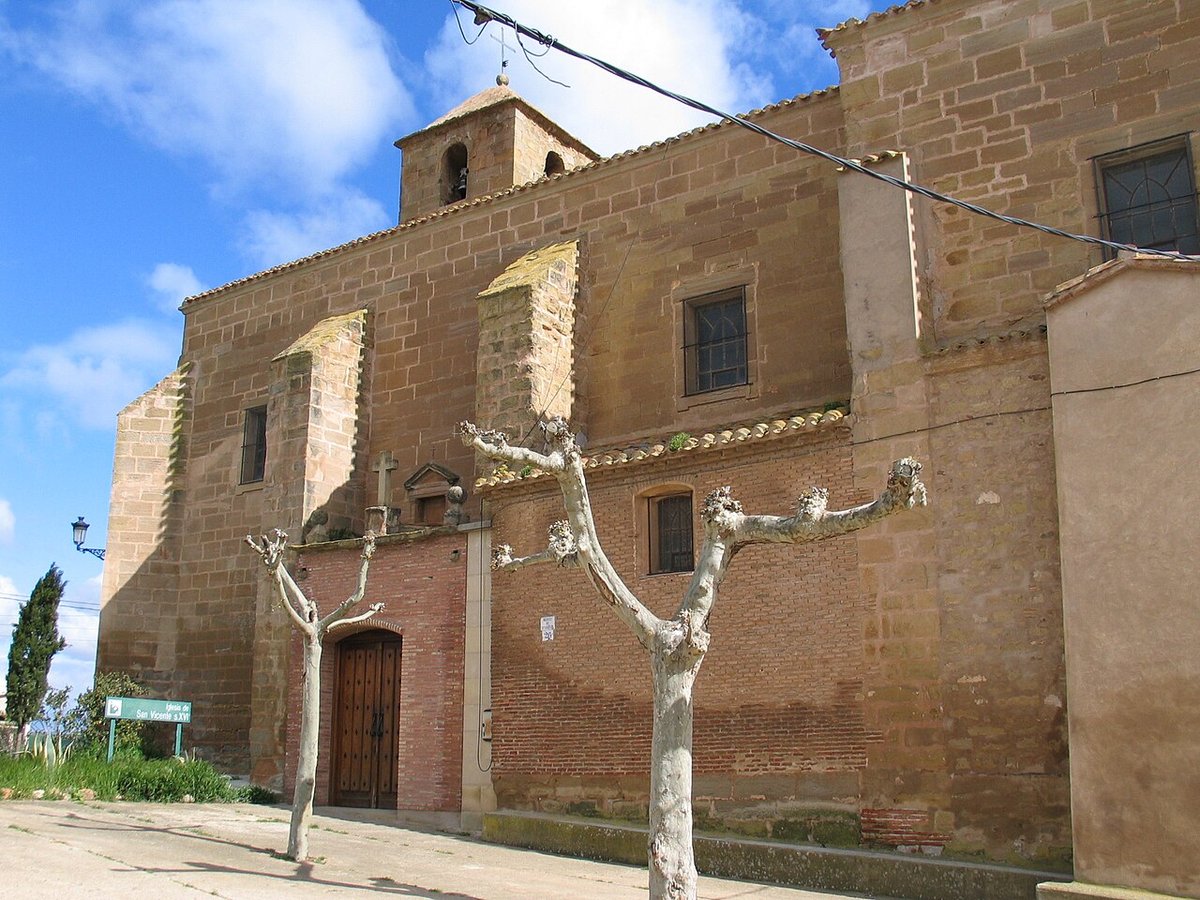
The chickens outnumber the tourists in Calvià town. They scratch between olive trunks while the church bell tolls the hour, and nobody rushes to shoo them away. Ten minutes down the Ma-1, Magaluf’s strip is already pouring San Miguel at €3 a pint. Same municipality, different century.
Pick your Mallorca before you leave the airport
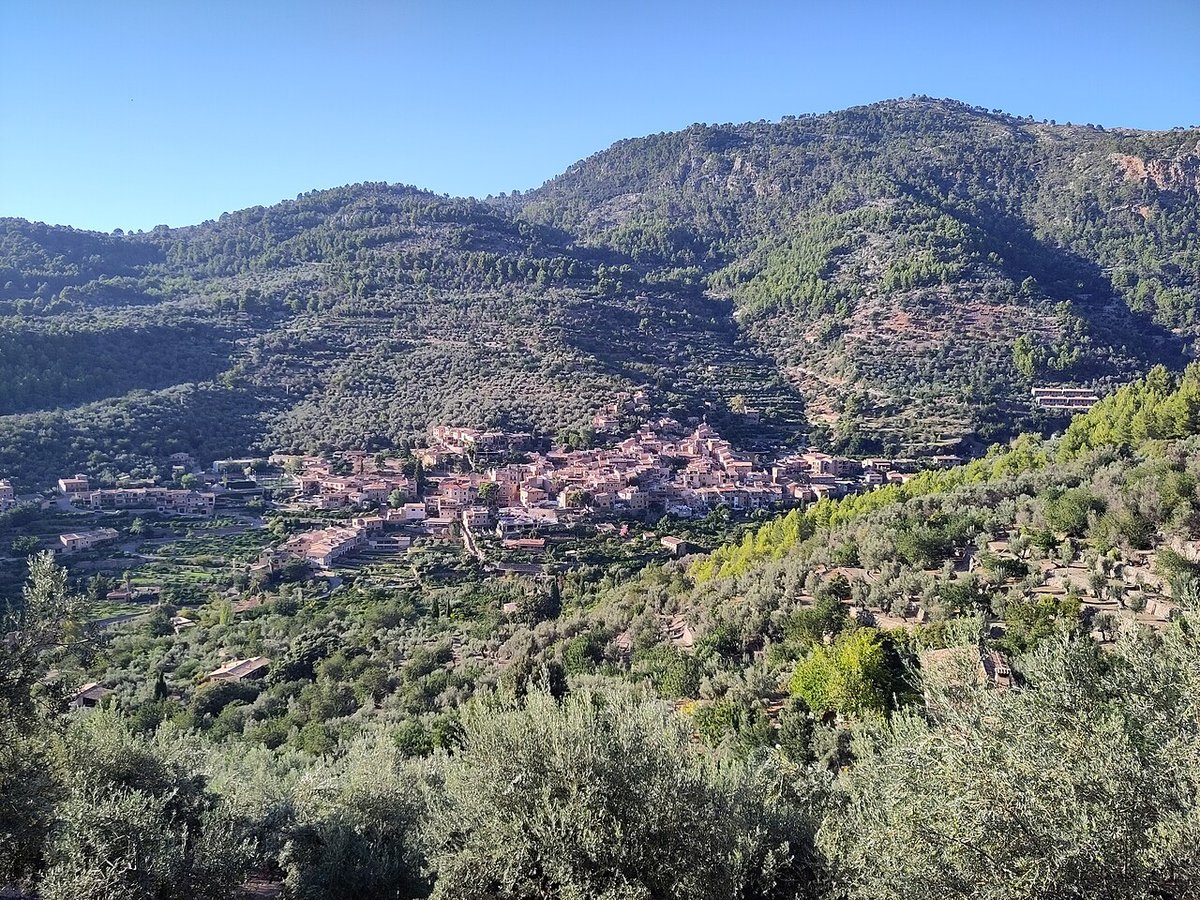
Calvià spreads like spilt wine across 145 square kilometres of south-west Mallorca. Mountain fincas float in cloud at 800 m, coastal hotels stack seven storeys high, and the council cheerfully taxes both. Decide early which version you want: the 13th-century stone one with cork-oak shade, or the one with wristband brunches and inflatable unicorns. Trying to sample both before lunch means more time in a hire car than on the ground.
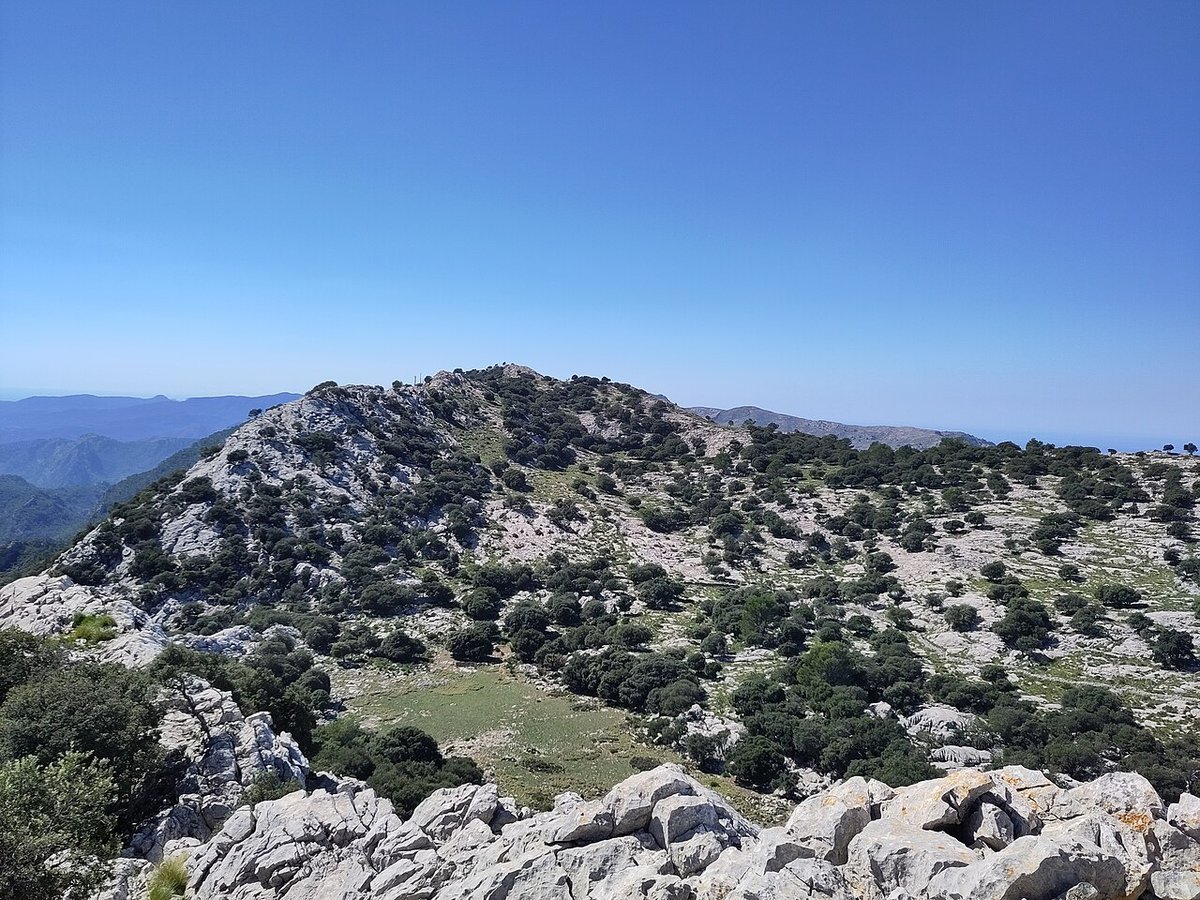
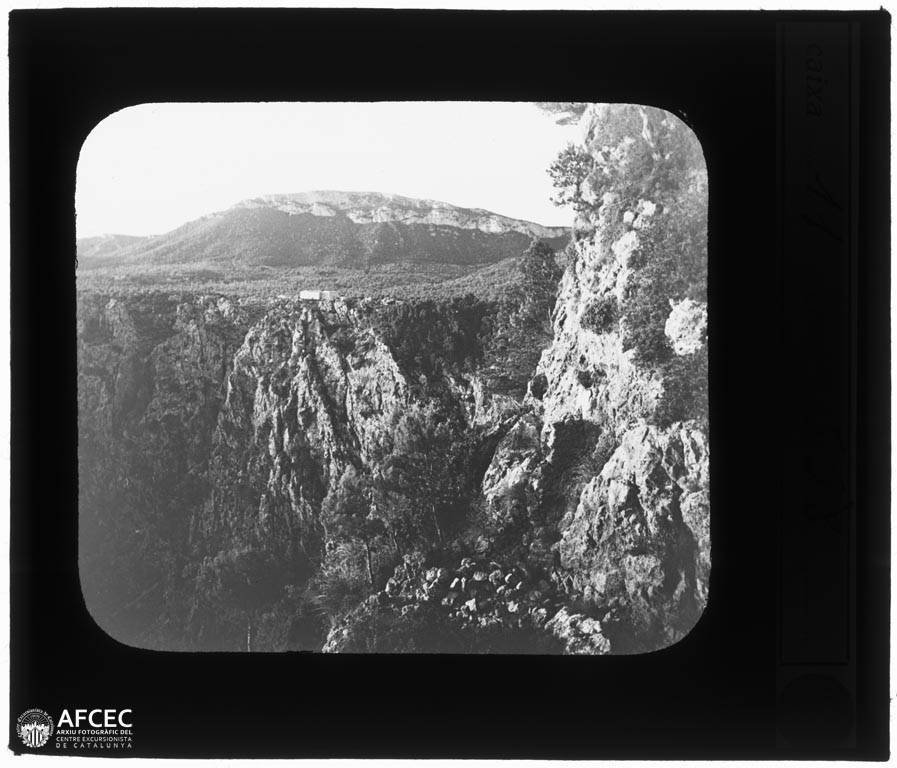
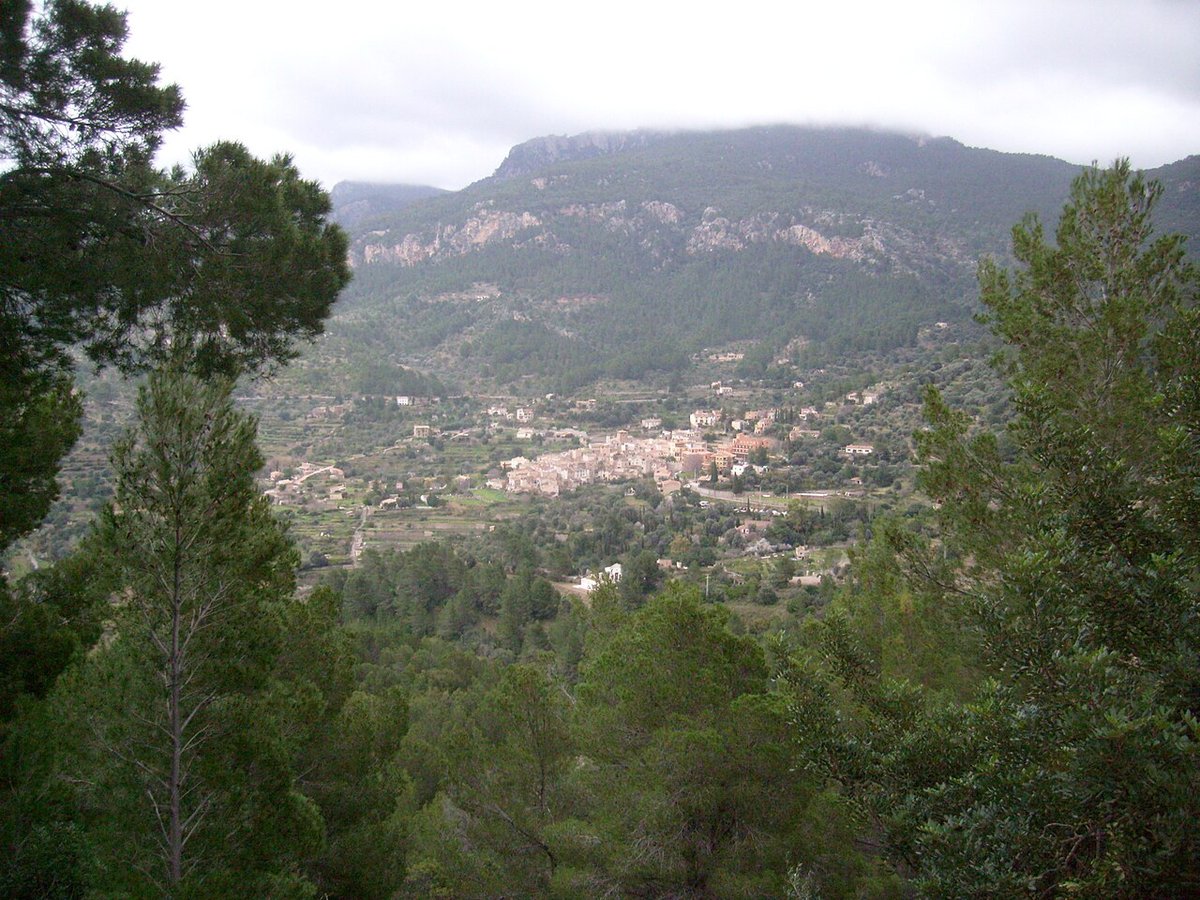
The mountain half keeps the old agricultural grid. Almond terraces step up to Galatzó (1,027 m), the highest bump in the Serra de Tramuntana’s southern tail. The GR-221 long-distance path cuts straight through on dry-stone walls built by charcoal burners. Way-marking is decent until the cloud rolls in; then every stone hut looks like the last. Carry water—more than you think. A hot day on Galatzó turns a pleasant ramble into a three-hour sweat-fest with no café at the top.
Winter walkers get the place to themselves. January can touch 18 °C in the valleys, but the wind scything over the col feels Scottish. Bring a layer and expect mud: the red clay clings to boots like wet cement. Summer hikers need to start at dawn; by 11 a.m. the shade has vanished and the cicadas are laughing at you.
Coast with the most (and the noise)
Down on the shore the municipality hedges its bets. Palma Nova delivers the broad, gently-sloping sand British parents recognise from brochures: three crescents of imported Sahara, knee-deep water for fifty metres out. Magaluf next door adds shot bars and a 22-storey hotel shaped like a slice of toast. The beach itself is identical sand-wise; the soundtrack just has more bass.
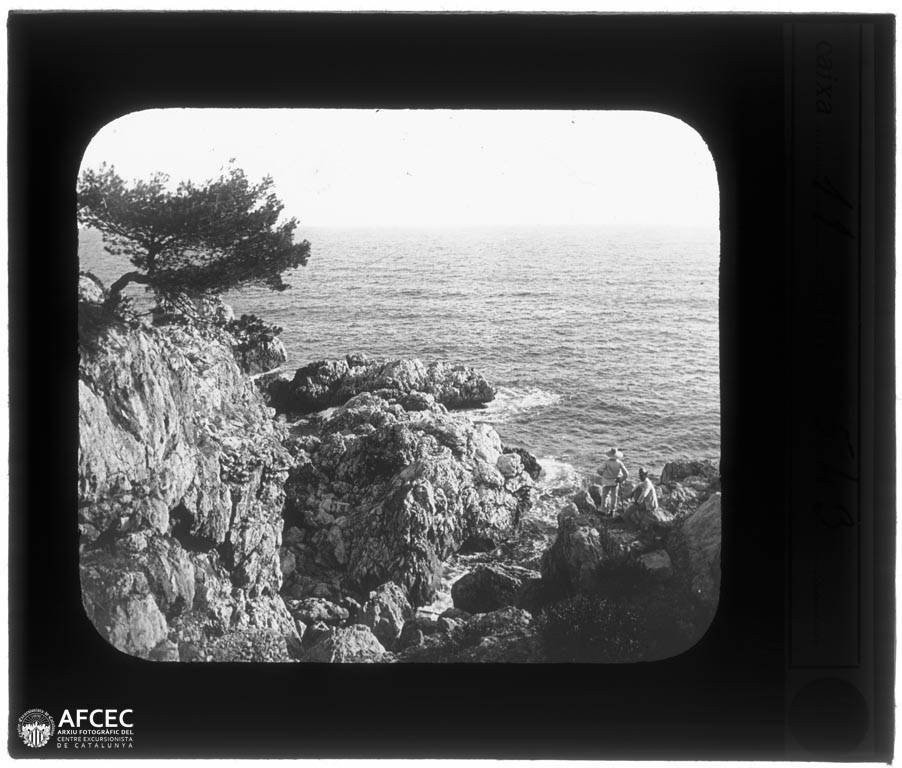
Cala Figuera, wedged between low cliffs 10 km west, is the antidote. You don’t roll off a sun-lounger here—you climb down a rocky path in trainers, then pick your square metre of pebble. Bring everything; there’s no kiosk, no loo, no lifeguard. What you get instead is translucent water and the clink of yachts anchoring for a lunchtime swim. Arrive before ten or you’ll park half a mile back along the lane.
Divers rate the headlands further west. The posidonia seagrass beds are a UNESCO site, and the rock walls drop to 25 m within a fin-kick of the shore. Out-of-season trips run when three customers show up; August operators work on the hour and charge €55 for a shore dive with kit. Snorkellers see enough with mask and fins from any rocky point—just stay outside the orange buoys that mark the jet-ski lane.
Monday is market day, Sunday is roast day
Calvià town’s weekly market spreads over the plaça and up the side streets: 60-odd stalls of leather belts, cheap trainers, local almonds and the obligatory “A Mallorca I got…” T-shirts. Prices are fixed; haggling marks you as the nuisance tourist. The adjacent bakery sells ensaïmada coils sprinkled with sobrasada sugar—sweet, porky, oddly moreish.
If homesickness strikes, the Calvia Beach House in Magaluf does a Sunday roast that arrives with Yorkshire pudding and gravy thick enough to stand a spoon in. It’s £16 and bookings open a week ahead. Locals roll their eyes, then quietly order the same when they think nobody’s looking.
Inland kitchens stick to peasant arithmetic: vegetables + pork fat = lunch. Tumbet layers fried aubergine, potato and peppers under a slick of tomato; it’s vegan until the chef remembers the ham stock. Lamb shoulder is slow-roasted with rosemary and wild fennel that grows through the terrace stones. House wine comes in 500 ml carafes and costs less than the bottled water.
When to turn up (and when to stay away)
April–June and September–October give you 24 °C days, 16 °C nights and hire-car rates that don’t require a second mortgage. The GR-221 is empty, restaurants still grateful for custom, and Palma airport’s 20-minute transfer feels like a joke after the M25 slog to Gatwick.
July and August swap tranquillity for sheer volume. Hotel prices double, Magaluf’s strip thumps until 04:00, and Cala Figuera’s lane becomes a one-mile traffic jam of hot Renaults. If school holidays are non-negotiable, be on the beach by 08:30 and off it by midday when the sand starts to burn soles.
Winter is a gamble. Blue-sky days hit 19 °C; storms can dump a month’s rain in six hours. Most coastal hotels close, bars board up and the Monday market shrinks to ten stalls huddled round the church. Walkers love it—until the cloud parks on the mountain and the path turns into a stream. Check the forecast before you leave the hire car; fog at 600 m cancels the view and the phone signal.
Getting about without tears
A car is the least painful option. The Ma-1 motorway from Palma splits: west for Andratx, east for Magaluf. After that it’s local lanes, single-track with passing places and the occasional free-range goat. Parking in Calvià town is free and easy; in Palma Nova it’s pay-and-display from 09:00–20:00 at €1.80 an hour. August turns every verge into a makespace—police hand out tickets with festive enthusiasm.
Buses exist but favour the coast. Line 104 links Palma to Magaluf every 20 minutes; the 105 continues to Calvià town but only hourly. Neither climbs to Galatzó trailhead, so walkers either hitch from the main road or cough up for a taxi (€18 from Calvià town). Cycling is big on the flat coast; the mountain roads ramp up at 8% and are best left to the Lycra brigade.
The honest verdict
Calvià doesn’t do subtle. It’s either church bells and chicken chatter or bass drops and foam parties, depending on which exit you take. The clever money rents a village house for the week, drives to the beach at sunrise and is back in the hills before the stag parties wake up. You get two holidays on one boarding pass—just don’t try to squash them into the same morning.