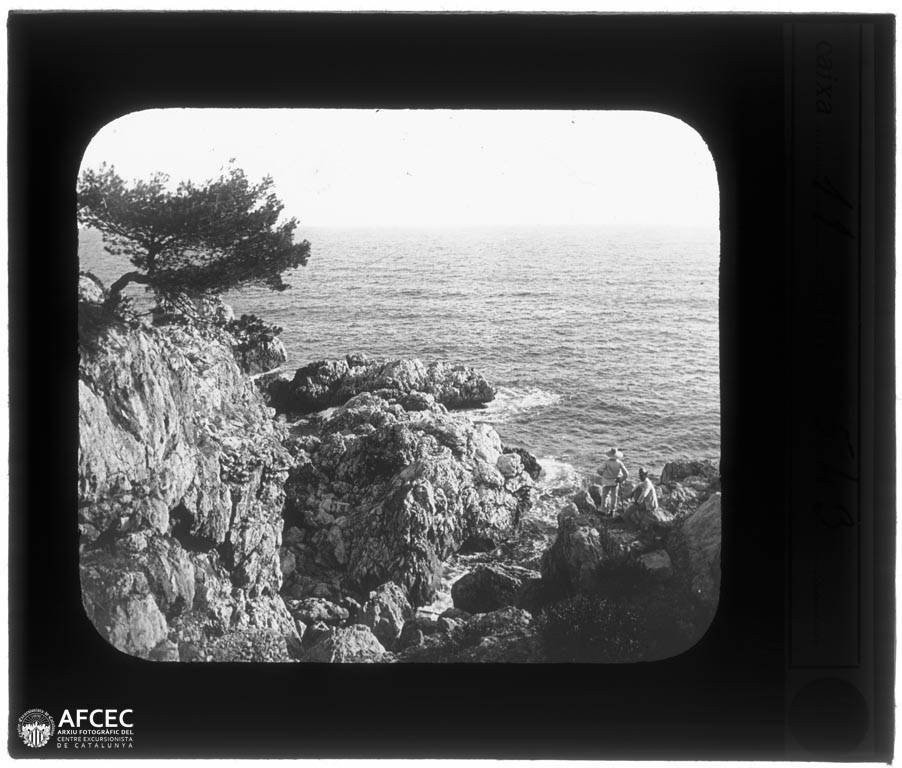
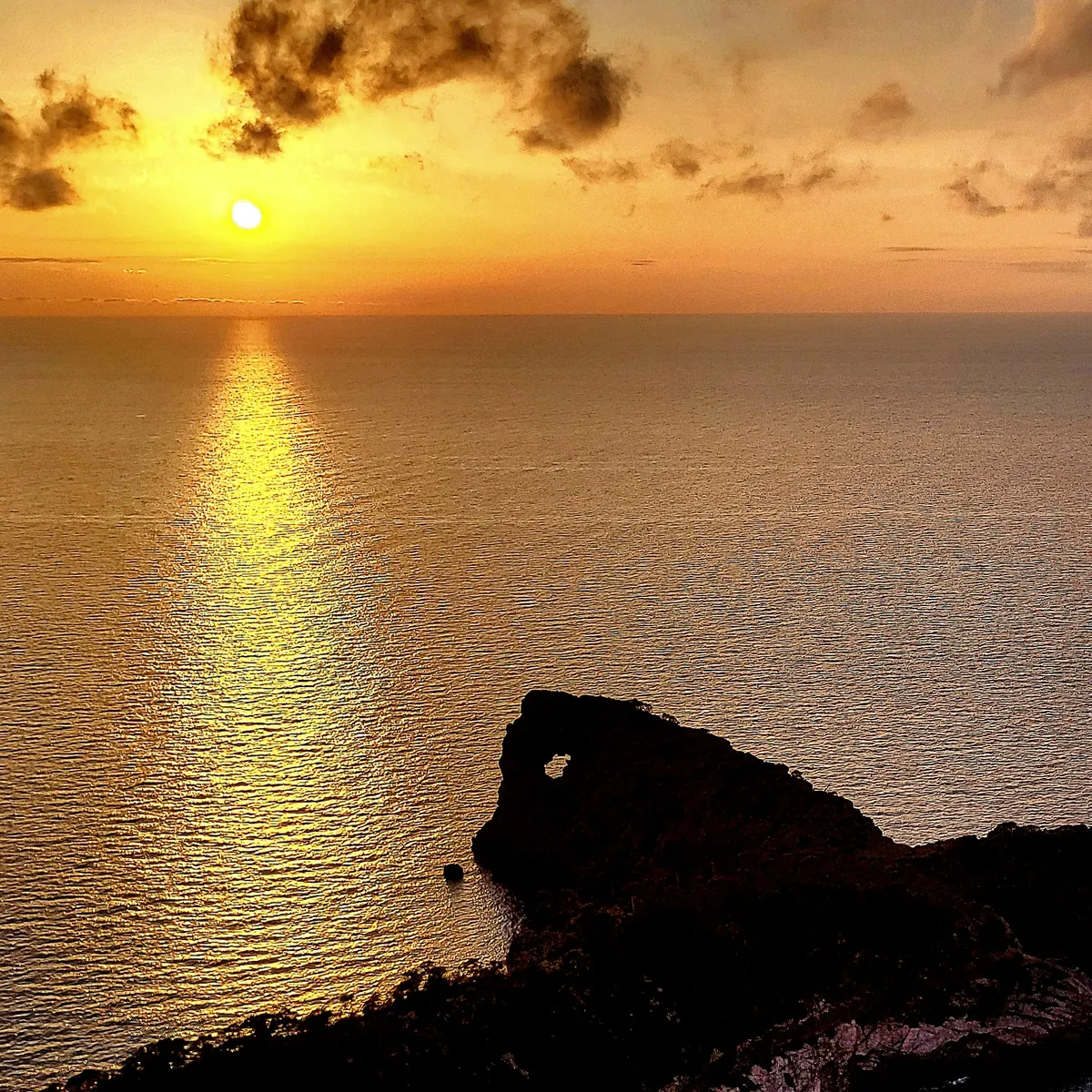
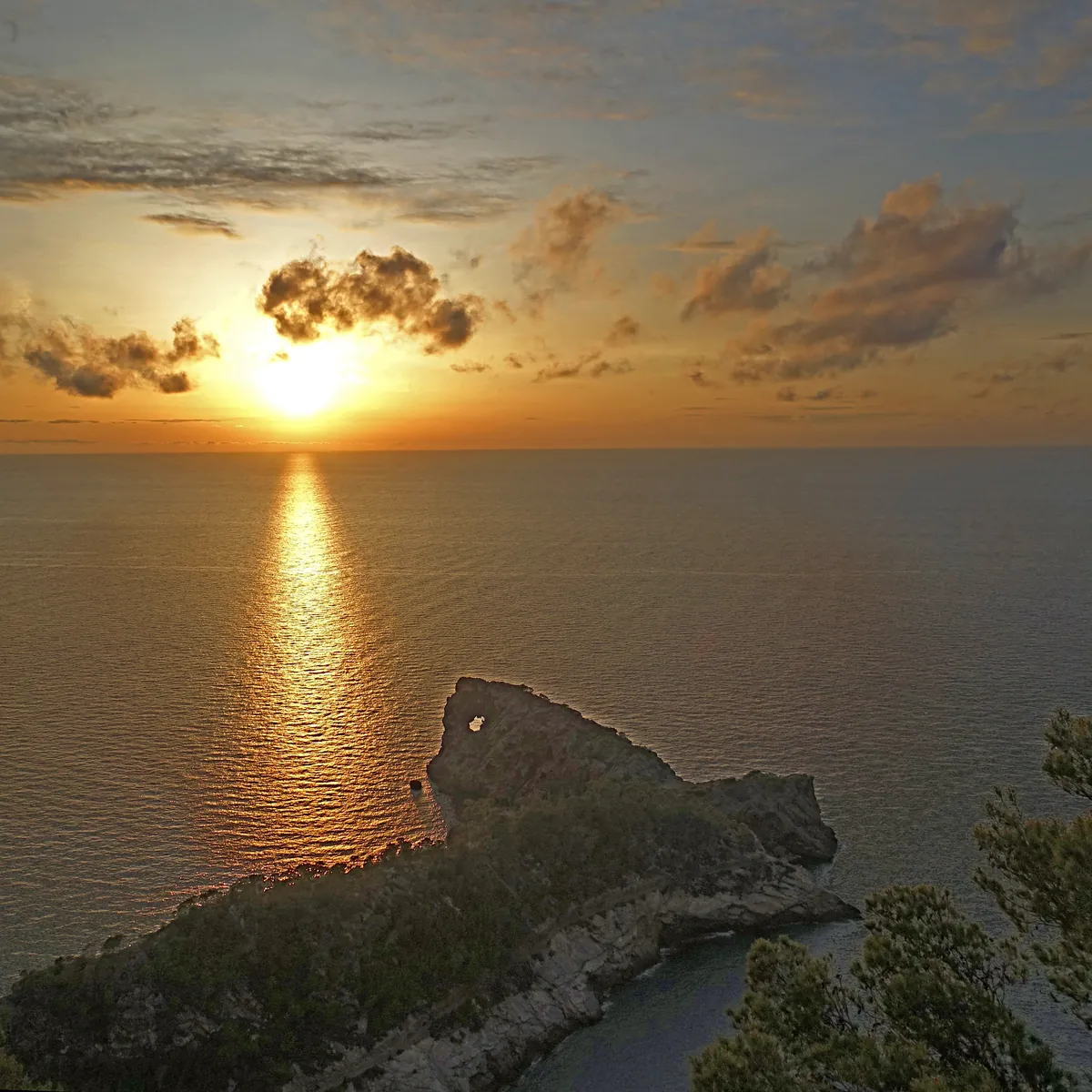
Costa rocosa de la cala de Deià amb un pi.jpeg
Baleares · Pure Mediterranean

Deià

The church bell strikes ten as a woman in designer linen picks her way down Carrer Arxiduc, phone pressed to her ear: "Darling, the taxi driver's r...

741 inhabitants · INE 2025
180m Altitude
Coast Mediterráneo

Why Visit

Coast & beaches Mountain Robert Graves House

Best Time to Visit

spring

Sant Joan Festival (June) junio

Things to See & Do
in Deià

Heritage

  • Robert Graves House
  • Deià Cove
  • Town Cemetery

Activities

  • Literary walk
  • Swim at the cove
  • Coastal hike

Festivals
& & Traditions

Fecha junio

Fiestas de Sant Joan (junio)

Las fiestas locales son el momento perfecto para vivir la autenticidad de Deià.

Full Article
about Deià

Bohemian artists' village clinging to the mountain with sea views; refuge of famous writers and musicians

Ocultar artículo Leer artículo completo

The church bell strikes ten as a woman in designer linen picks her way down Carrer Arxiduc, phone pressed to her ear: "Darling, the taxi driver's refusing to come down to the cove. Says he'll wait at the top." Welcome to Deià, where poetic solitude collides with peak-season reality somewhere between the cemetery viewpoint and the jammed car park.

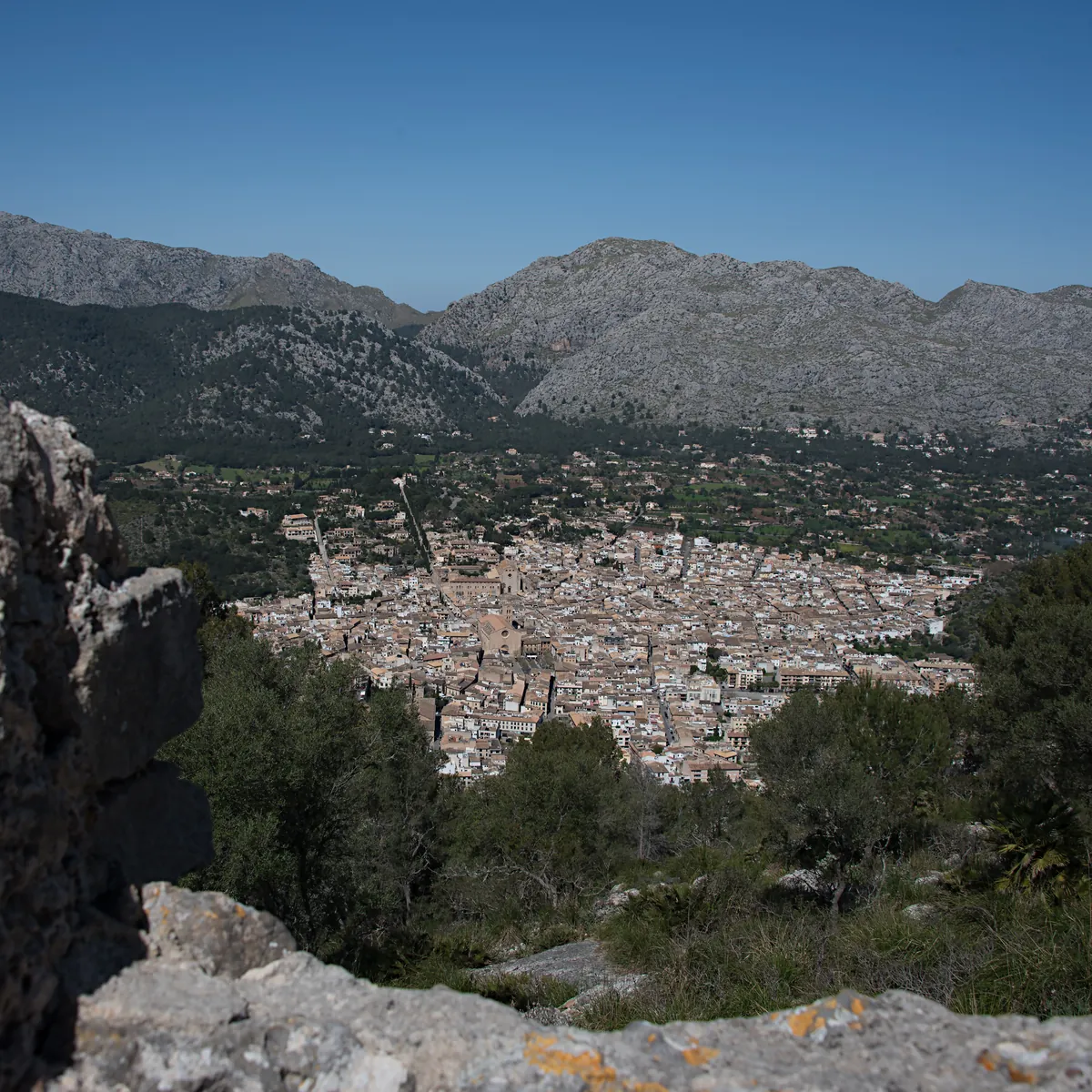
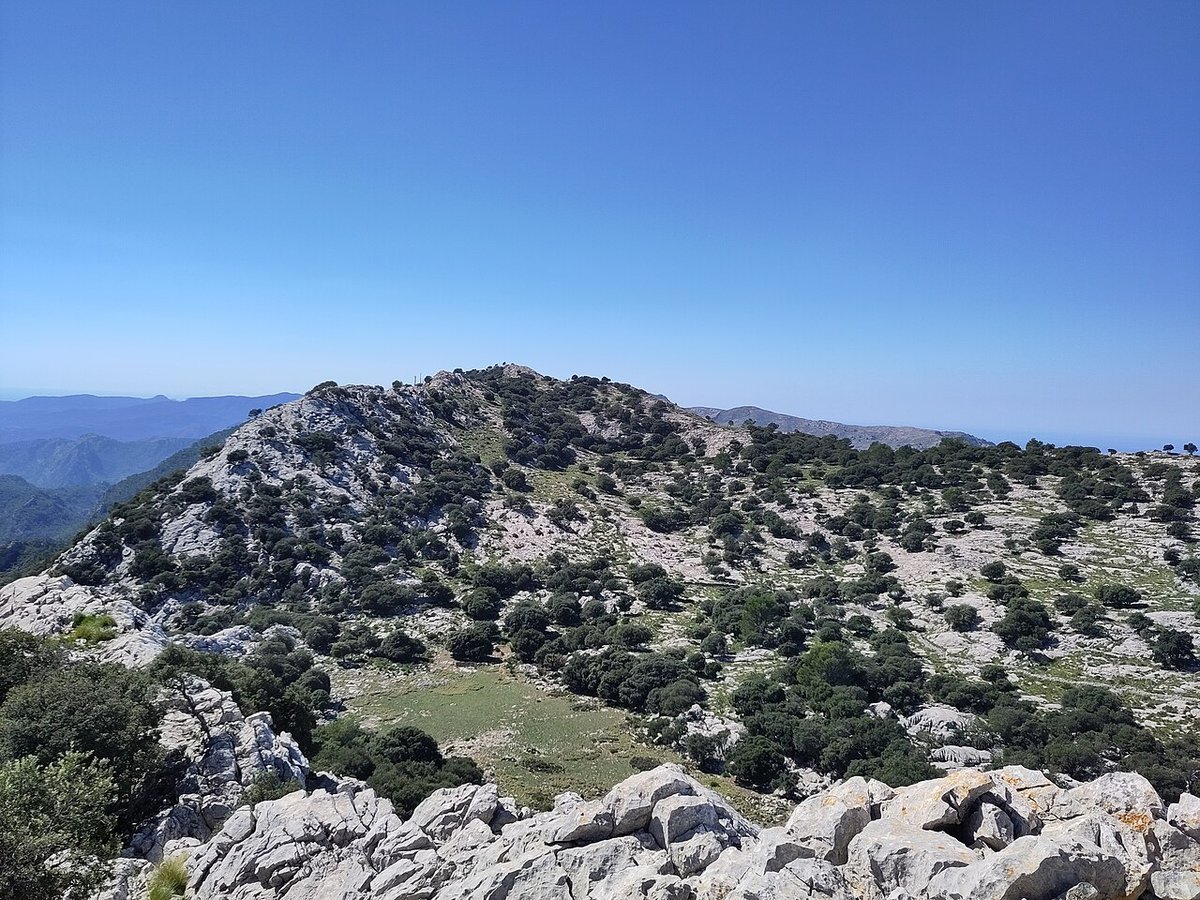
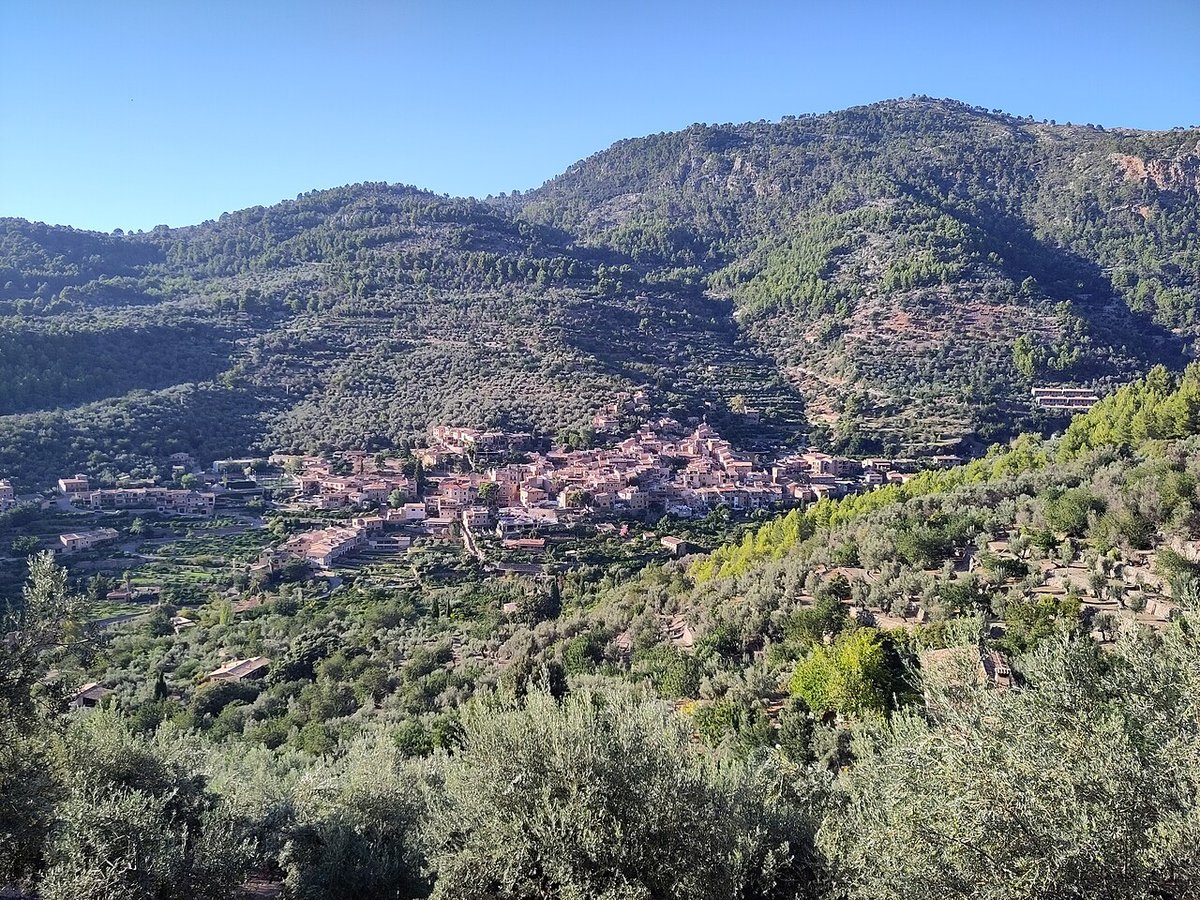
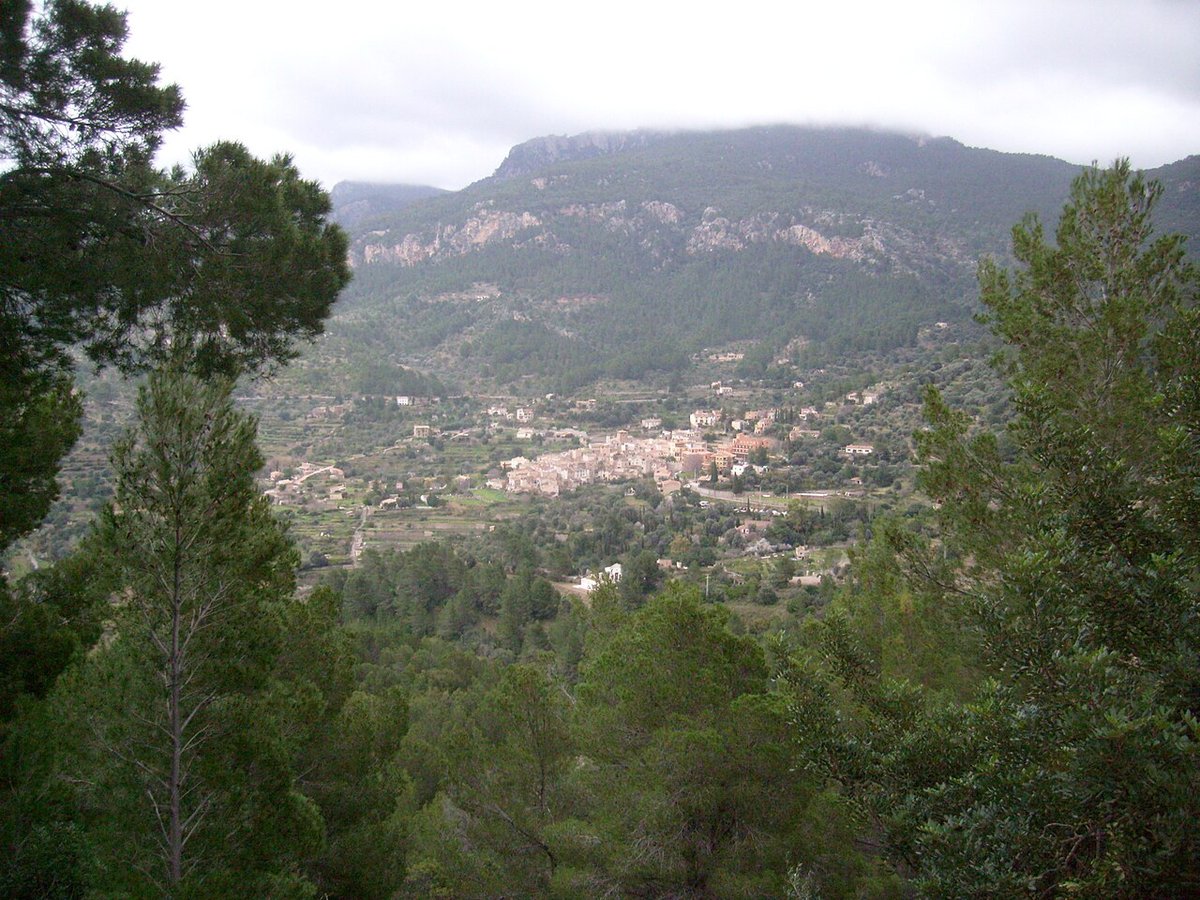
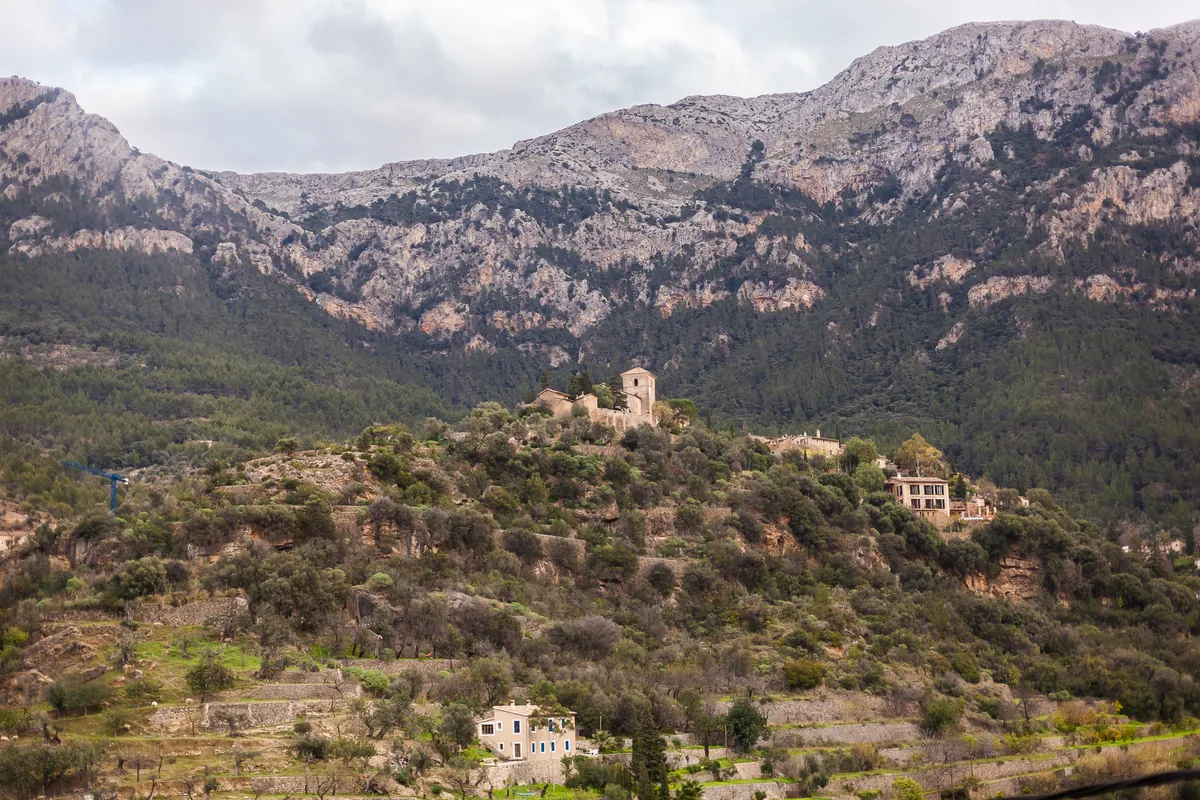
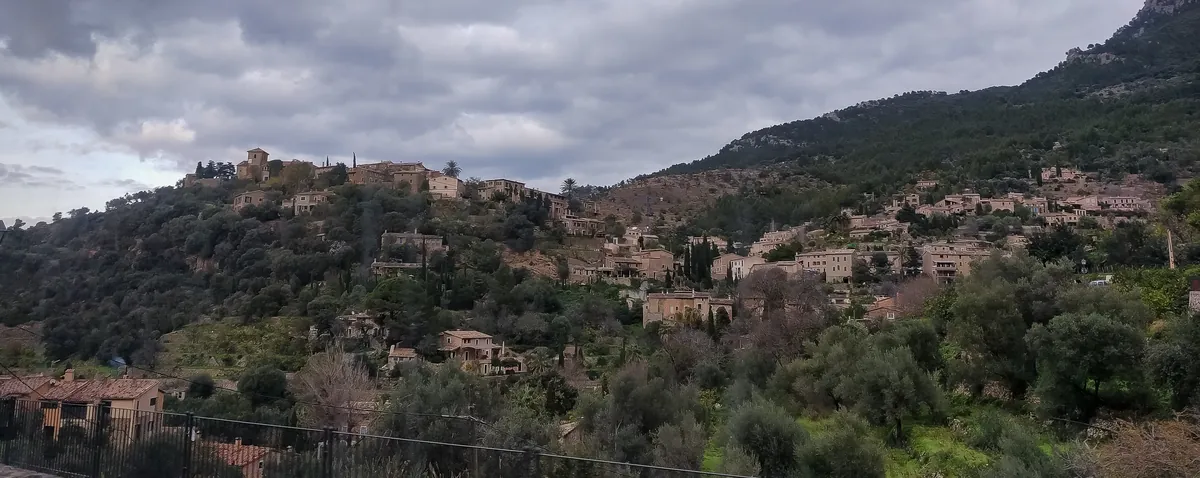
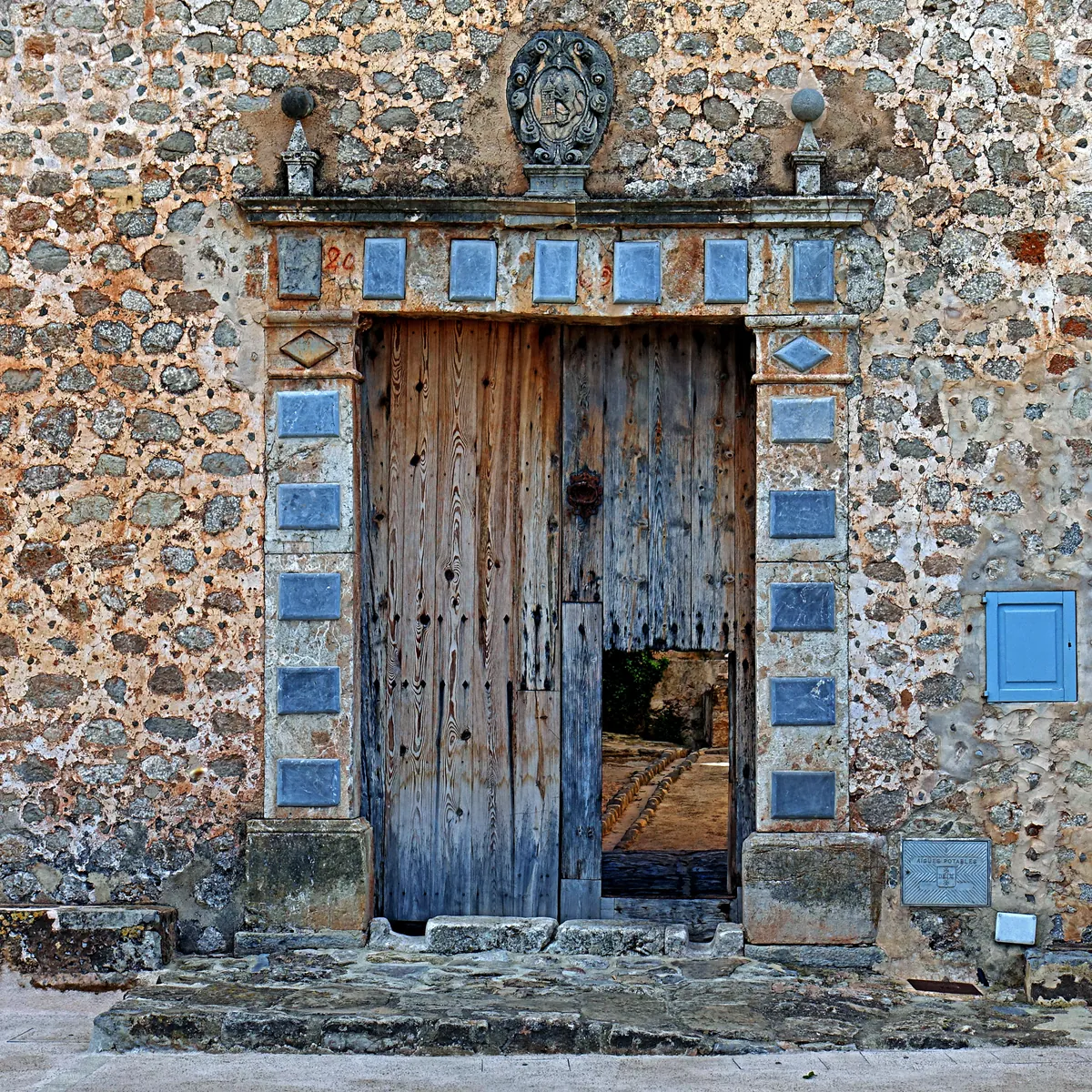
This stone village tumbles 180 metres down a Tramuntana ravine to meet the sea at Cala Deià, two miles below. The houses—pinkish local stone, green shutters, terracotta roofs—cling to slopes so steep that Google Maps regularly sends drivers up goat tracks masquerading as roads. Robert Graves called it home for half a century; today's residents include Andrew Lloyd Webber and a rotating cast of tech millionaires who've pushed property prices beyond £10,000 per square metre. The literary ghosts remain, but they share bench space with influencers photographing almond-blossom lattes.

Graves, Grief and the Morning Rush

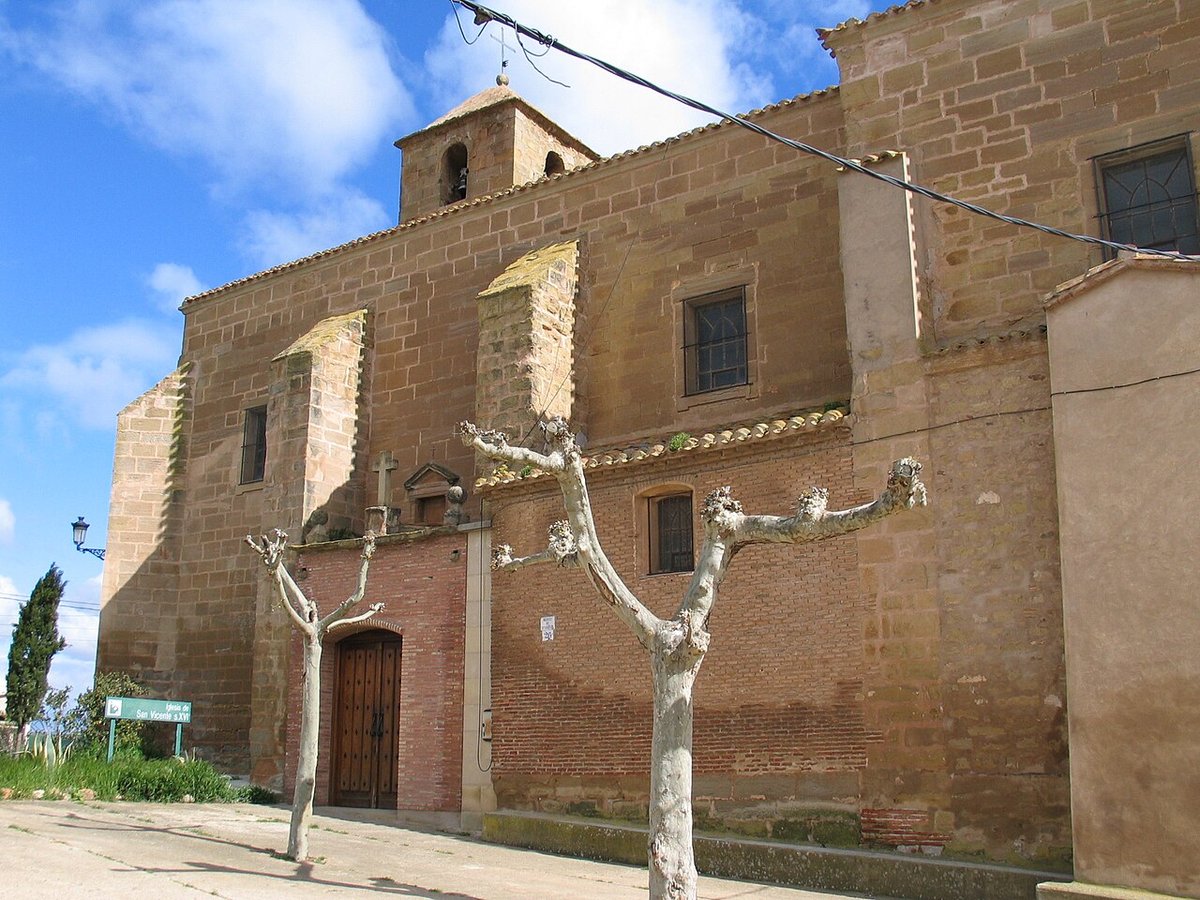
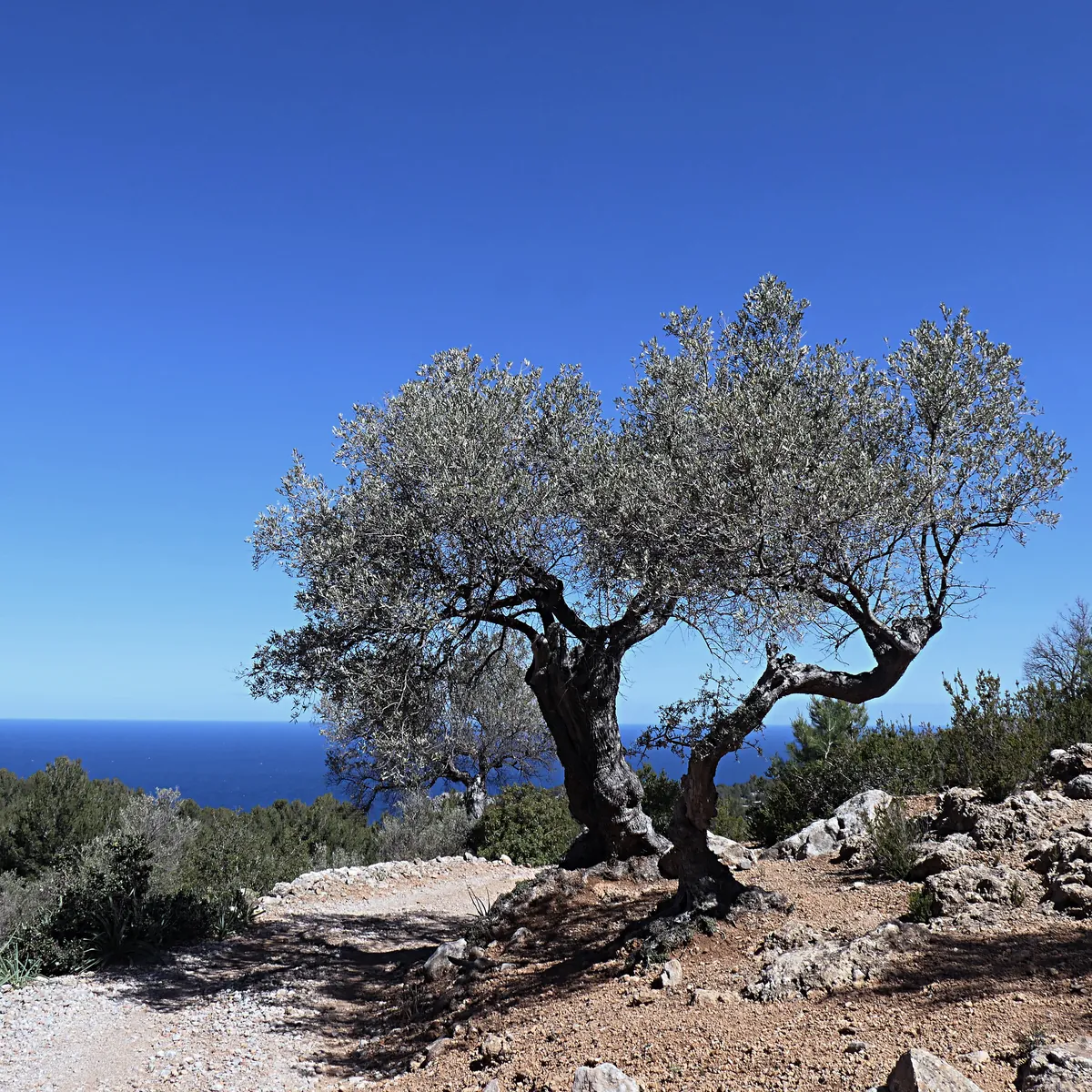
Sant Joan Baptista church crowns the ridge, its modest sandstone tower visible from every lane. The adjacent cemetery delivers the promised panorama: olive terraces stepping down to an azure stripe, Puig des Teix rising behind at 1,064 m. Graves' plain headstone sits among cacti and cypresses; visitors arrive clutching I, Claudius paperbacks, only to discover the writer's real legacy is the village's inflated breakfast prices. The House-Museum (€8, opens 10:00) preserves his desk, spectacles and a garden that smells of rosemary and neglect. Go at opening time; by 11:30 tour groups clog the narrow study.

Below the church, the main street folds into a dozen stone alleyways. Es Punt does a full English for €12—crispy bacon, Heinz beans, proper tea—while locals at the next table sip carajillo (coffee with a rum float). By 09:30 every sunlit table is taken; late risers end up balancing plates on window ledges. The bakery opposite sells ensaïmada coils the size of steering wheels and almond cake so rich it feels like a medieval sin.

Downhill to the Cove, Uphill to Regret

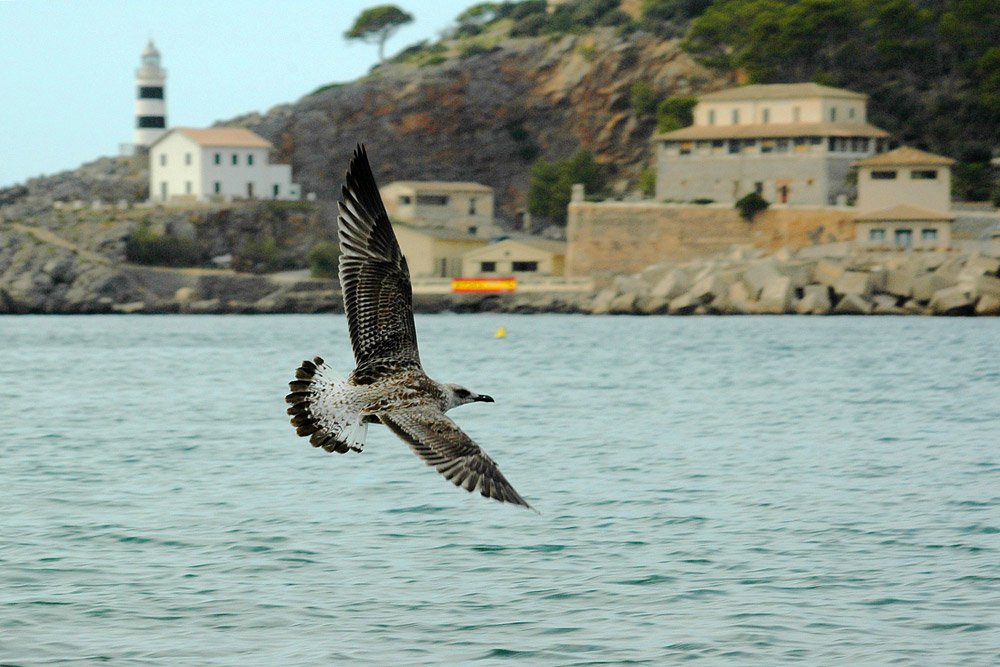
The walk to Cala Deià drops 140 m in altitude along a tarmac lane barely two cars wide. Allow twenty minutes down, thirty sweating back up. The cove itself is a rock amphitheatre—no sand, just boulders and shingle that rearrange themselves after each storm. Water clarity is superb when the lifeguard's red-yellow flag flies; after rain it turns the colour of builder's tea. Weekend crowds arrive by 11:00, towels almost touching like floor tiles. Jumping off the concrete platform is the local rite; misjudge the tide and the applause turns to winces.

Cas Patro March, the seafood restaurant bolted to the cliff, served as a Bond-villain lair in The Night Manager. Grilled prawns cost €28 for five; the house wine is drinkable and only mildly extortionate. Book online or queue for 45 minutes while seagulls eye your plate. Cheaper option: bring a baguette and snorkel. The rocks hide moray eels and the occasional octopus—better entertainment than most streaming services.

Walking Off the Wallet Pain

Three waymarked trails begin in the village itself. The easiest follows the old irrigation channel (sa Fita des Ram) west to Llucalcari, a hamlet of eight houses and a spring that tastes of moss. Thirty minutes each way, almost flat, shade from carob trees. Serious walkers take the Camí de s'Arxiduc eastwards towards Son Marroig, a three-hour ridge ramble with 400 m of cumulative climb. The stone is loose, the sun relentless; hat, water and mobile phone are non-negotiable. Winter hikers occasionally see snow on the northern faces—Mallorca's dirty secret.

Cyclists arrive armed with compact chainsets and resignation. The Ma-10 coast road from Sóller features 12% ramps and coach drivers who treat the centre line as decorative. Lycra pelotons depart Palma at dawn to beat both traffic and heat; ordinary mortals can rent e-bikes in the village for €35 a day and still arrive at the top drenched.

When to Come, Where to Sleep, How Not to Cry

May and late-September offer 24 °C afternoons, 18 °C sea and hotel rates that drop by a third. July-August mean 31 °C, gridlocked car parks and the distinct possibility of sharing a plunge pool with someone's labradoodle. The municipality runs a free car park on the Sóller road; it fills by 10:30 in high season, after which stewards direct traffic to a paid field (€2 per hour, maximum €15). The L210 bus from Palma takes 45 minutes, costs €3.50 and terminates beside the bakery—often faster than circling for a space.

Accommodation divides into two tribes: historic fincas converted to €700-a-night suites, and Airbnb studios that squeeze two adults, a Nespresso machine and a prayer into 25 m². Belmond La Residencia, the grand dame, offers tennis courts, sculpture gardens and a spa where a 50-minute massage costs €165. Budget option: Hostal Miramar in neighbouring Llucalcari, simple doubles from €120 with breakfast and a pool that actually gets afternoon sun.

Evening: the Light Everyone Forgets to Photograph

By 18:00 day-trippers retreat to cruise ships and coastal resorts. The village exhales. Swifts wheel above the church, cafés stack chairs, and the western façades glow honey-gold. In Bar Bodega del Centro, fishermen argue over dominoes while a teenage waitress practises English on bemused tourists. Dinner starts late—21:30 is normal—so fill the gap with a €4 glass of local white that tastes of green apples and salt.

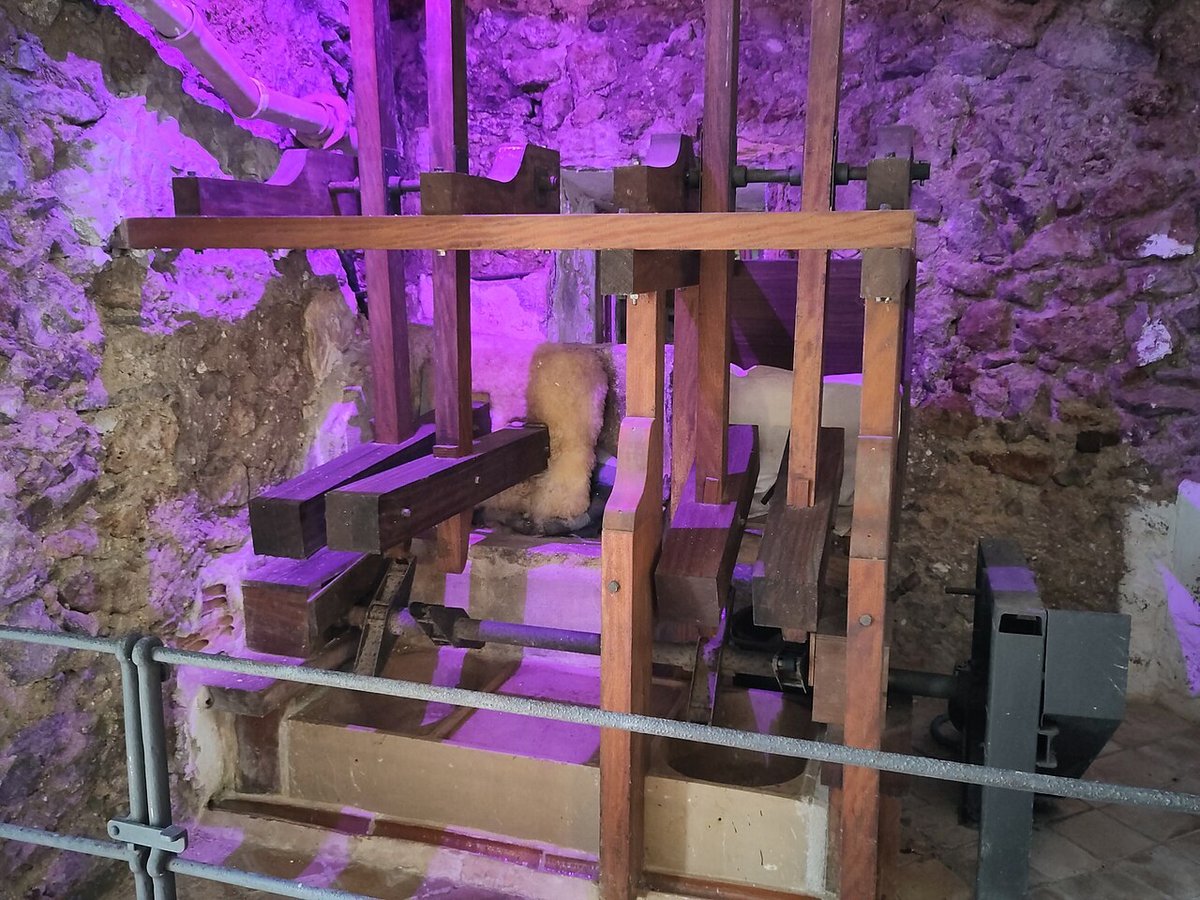
El Olivo, candle-lit inside a 16th-century olive press, plates Mallorcan lamb with almonds and rosemary at Michelin prices. Vegetarians get beetroot tartare and truffle foam; flavours are precise even if portions wouldn't satisfy a peckish sparrow. Down the lane, Nama serves Japanese-Peruvian fusion to a soundtrack of Balearic chill; miso black cod costs €38 but tastes like Tokyo on holiday.

Parting Shot

Deià will not change your life. It will, however, give you a sunburned narrative: the morning you queued for Graves' garden, the afternoon you slid off a limestone boulder, the €18 taxi uphill because legs refused. Arrive expecting rustic solitude and you'll leave muttering about parking meters. Arrive prepared for a tiny, expensive, absurdly pretty place where real people live, work and occasionally lose patience, and the village rewards with something rarer than postcard perfection—an honest slice of Mediterranean mountain life, crowds, price tags and all.

Key Facts

Region
Baleares
District
Serra de Tramuntana
INE Code
07018
Coast
Yes
Mountain
Yes
Season
spring

Livability & Services

Key data for living or remote work

2024
ConnectivityFiber + 5G
HealthcareHospital 8 km away
EducationElementary school
Housing~5€/m² rent · Affordable
CoastBeach 1 km away
January Climate5.8°C avg
Sources: INE, CNMC, Ministry of Health, AEMET

Planning Your Visit?

Discover more villages in the Serra de Tramuntana.

View full region →

More villages in Serra de Tramuntana

Traveler Reviews