Full Article
about Escorca
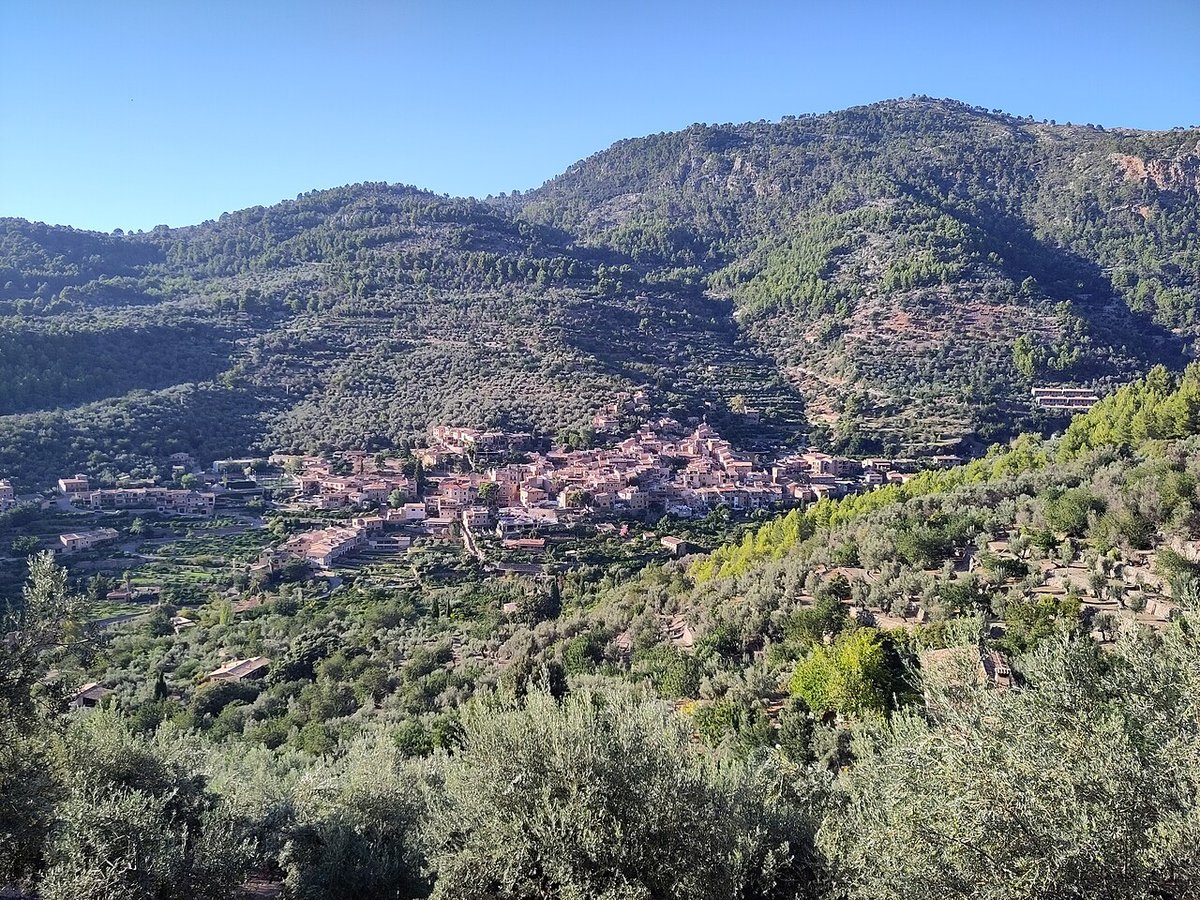
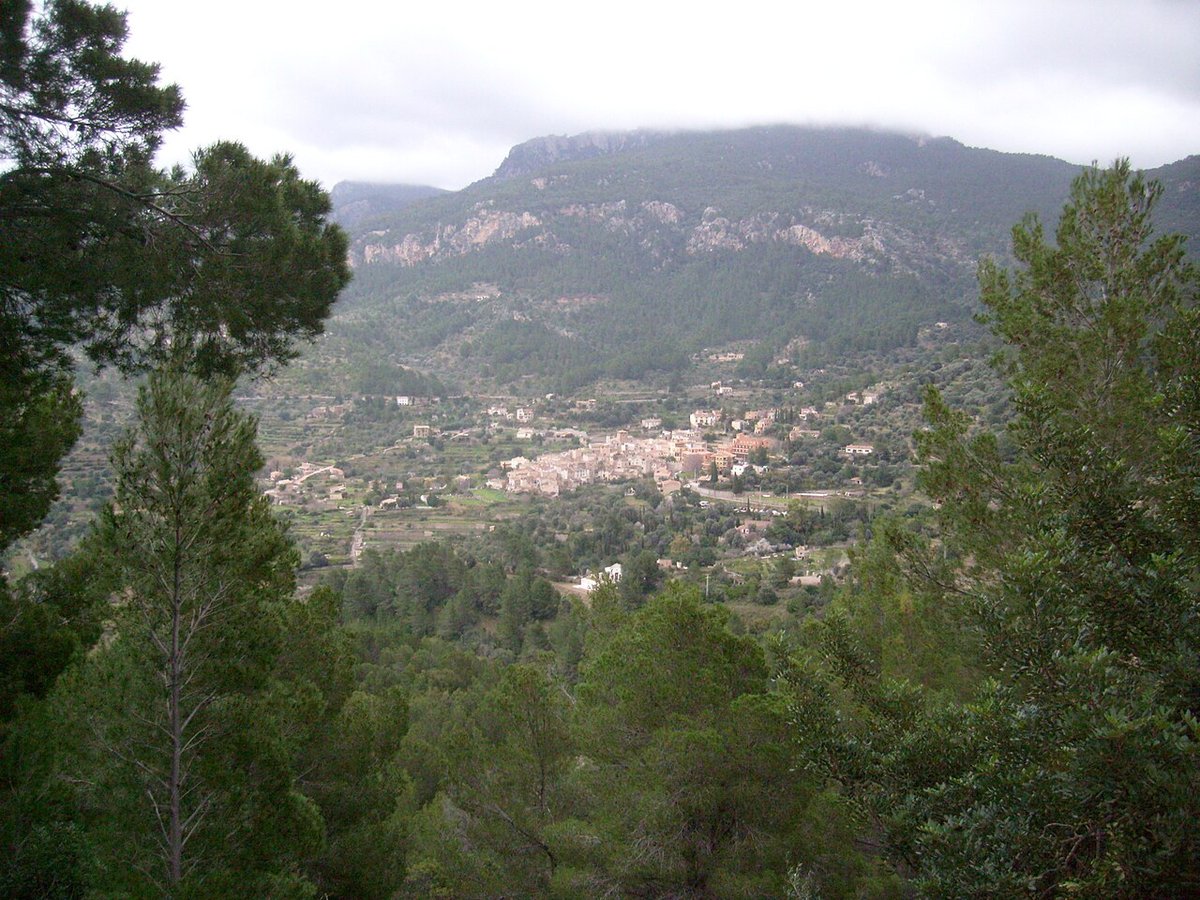
A purely mountainous and spiritual municipality; home to the island’s most important religious center and alpine landscapes.
Ocultar artículo Leer artículo completo
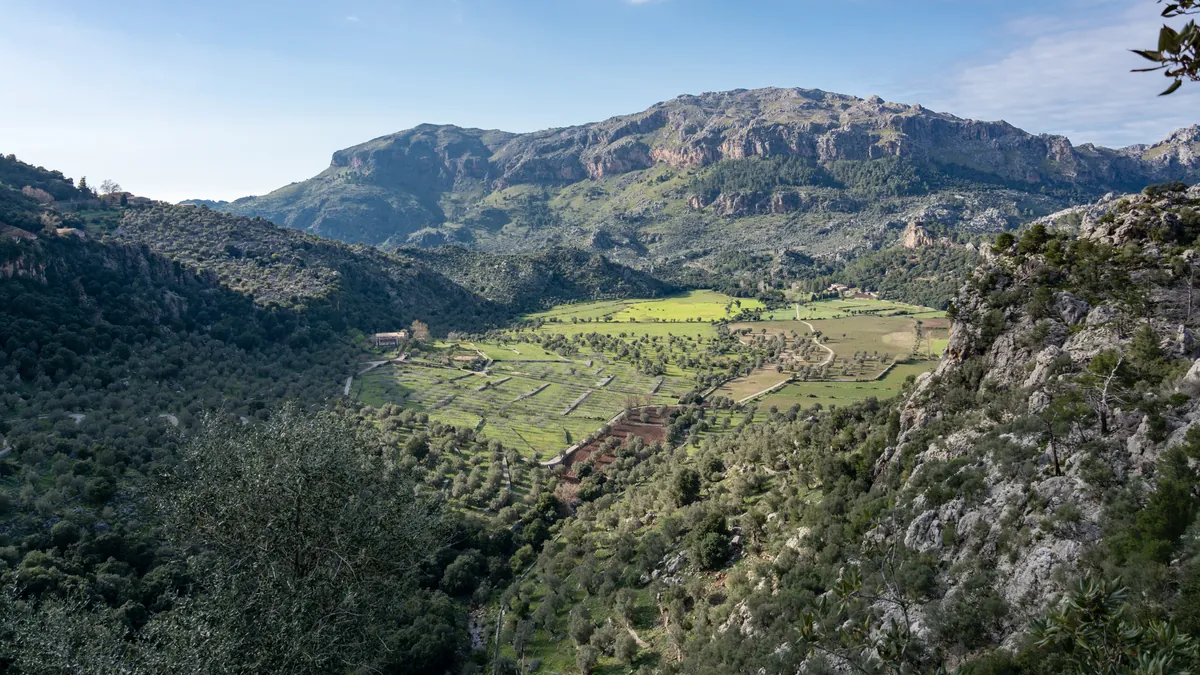
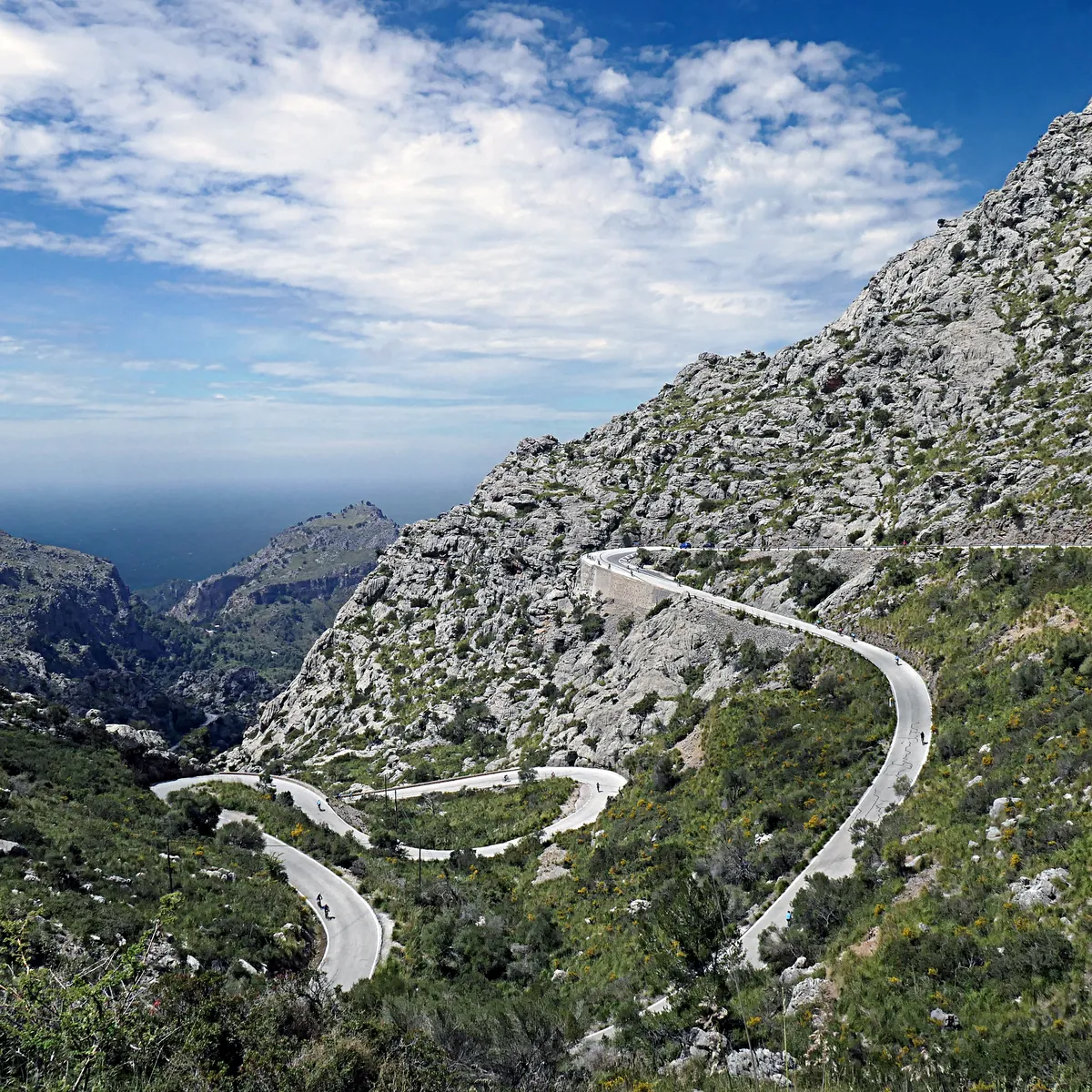
The road to Sa Calobra corkscrews through 270 degrees inside a single hair-pin, drops 682 m in 12 km, and still ends at a pebble beach barely two boat-lengths wide. That single stretch of tarmac is Escorca in miniature: extravagant geography, negligible settlement, and the unsettling feeling that the island has tipped all its spare rock into one municipality.
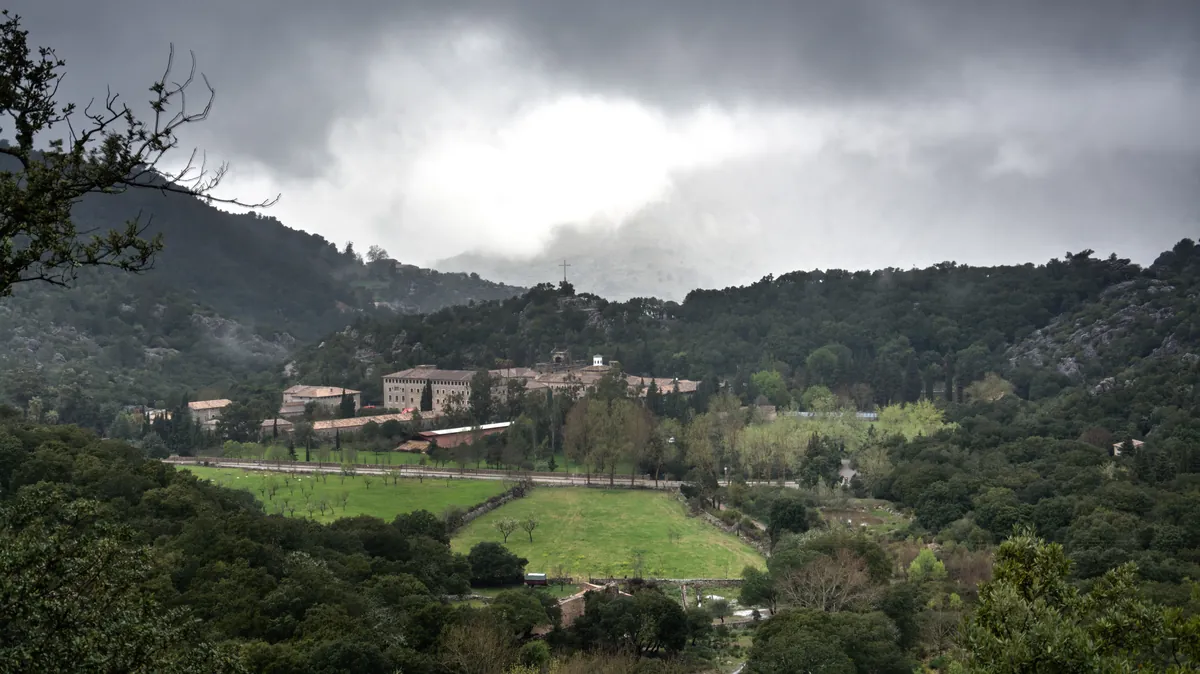
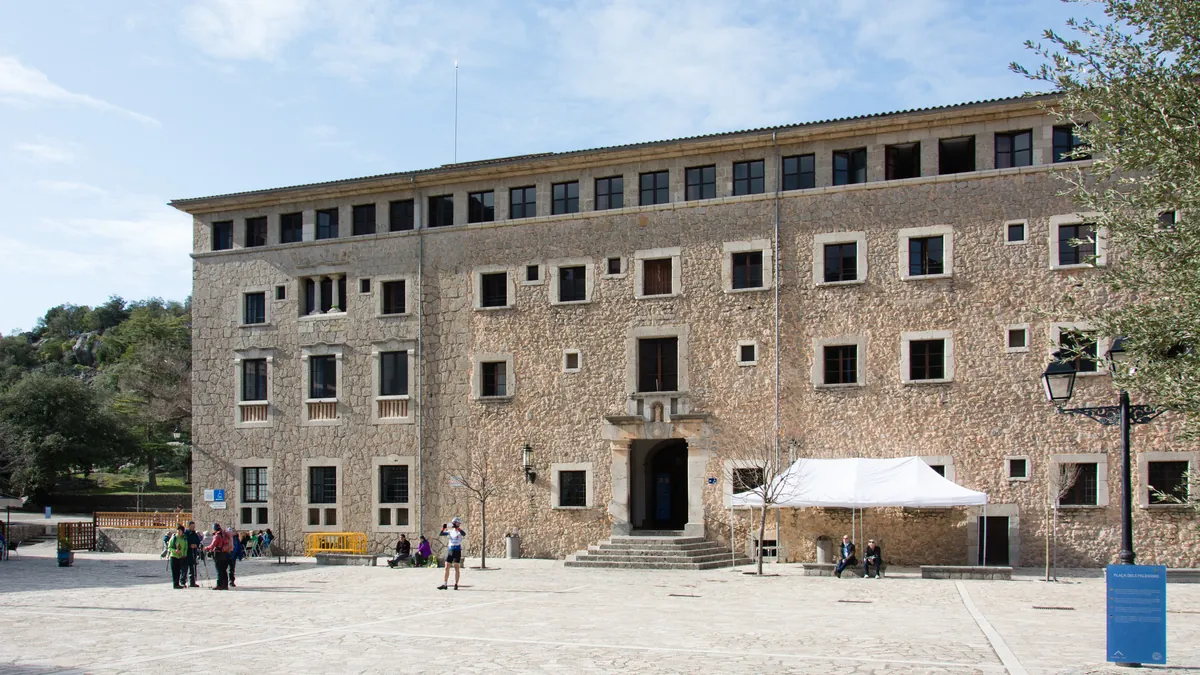
Officially Escorca is a village, but it behaves more like a high-altitude postcode. Only 194 residents hang their hats here, scattered across the Serra de Tramuntana’s wildest quadrant. The council doesn’t bother with a high street; the nearest thing to a civic centre is the Monastery of Lluc, 45 minutes from the coast and 525 m above it. Pilgrims, cyclists and GR-221 trekkers treat the place like an alpine service station: refill the water bottle, light a candle, queue for an ensaïmada the size of a steering wheel, then push on before the clouds close in.
A Sanctuary that Doubles as a Town Hall
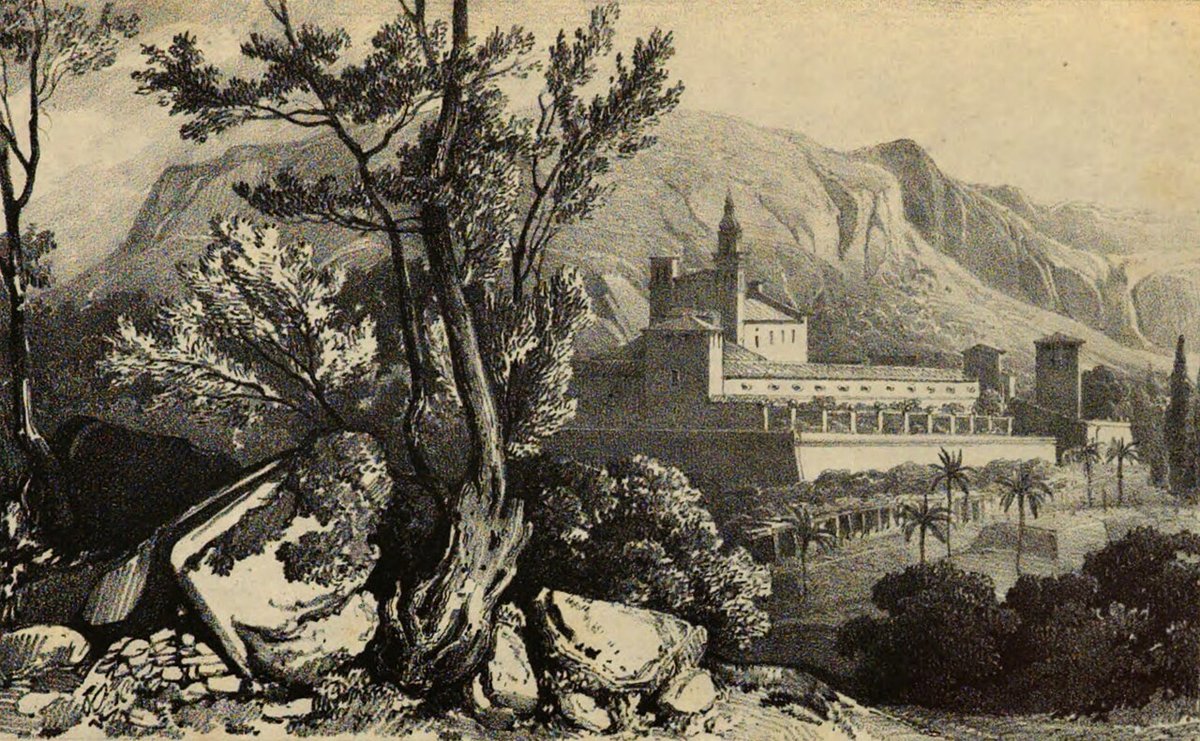
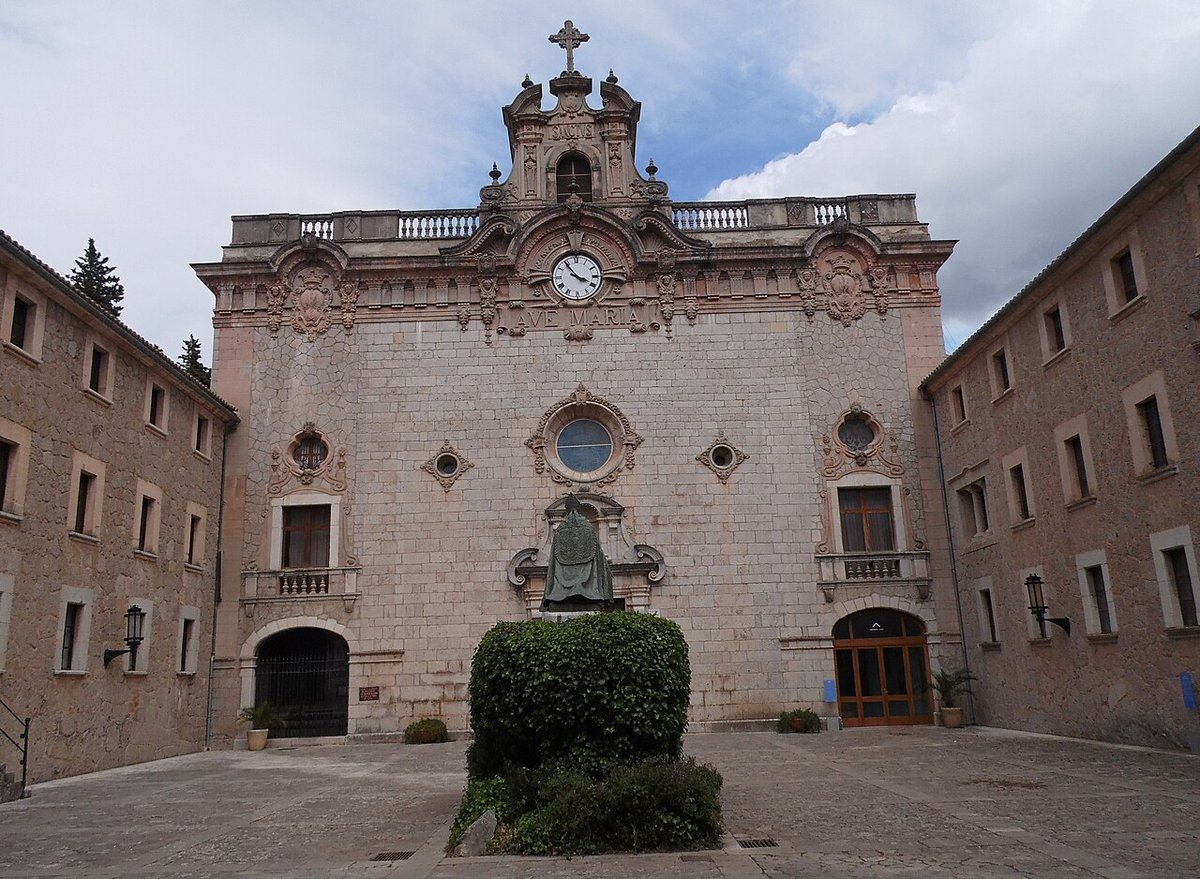
Lluc’s basilica, cloisters and botanical garden sit in a natural amphitheatre of holm-oak and stone. Rooms in the monastery guest-house start at €45 for a simple twin, including breakfast served under a 16th-century courtyard arcade. The small museum displays Talayotic bronze bulls and a choir book whose pages are still turned by hand every Sunday at 11 a.m. when the Escolania boys’ choir sings the Salve. Visitors who expect incense and hush often find coach parties instead, but the sound of treble voices echoing off Gothic stone still empties the café for five unhurried minutes.
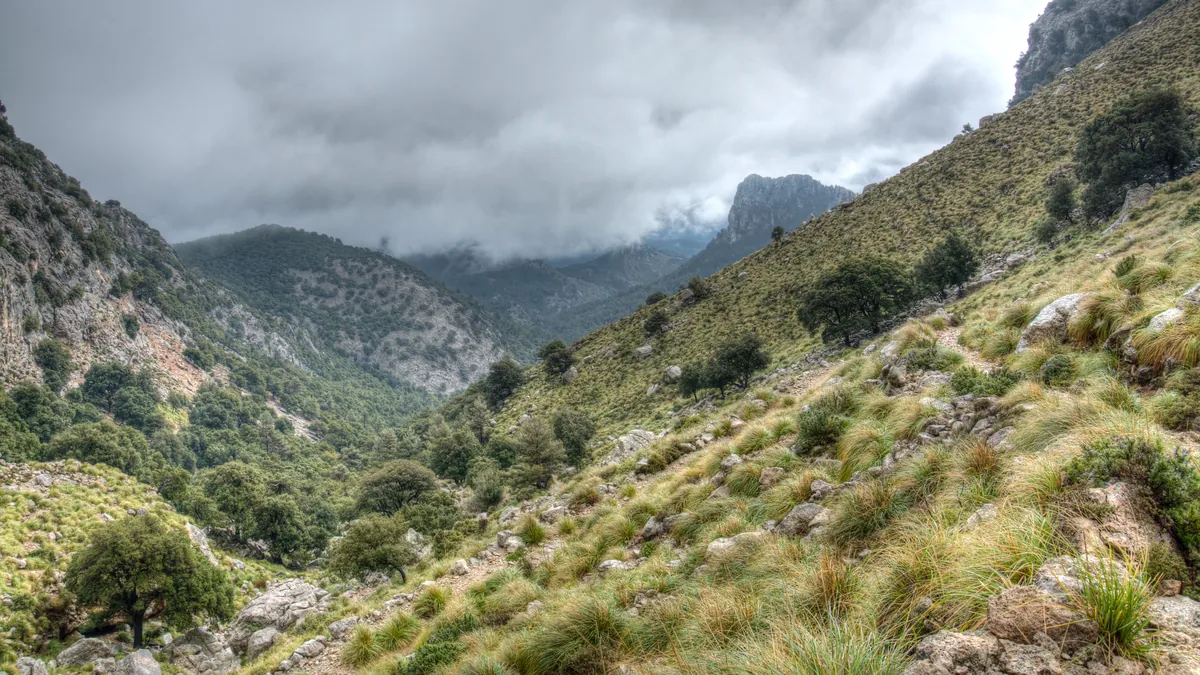
From the monastery gate a spider-web of old cobbled lanes leads to charcoal-makers’ huts, springs, and comellars (stone snow-storage pits) now colonised by geckos. None of the walks exceeds two hours return, making them practical for families whose stamina expires at the first complaint. Maps are sold at the information desk for €2; phone signal dies 200 m beyond the car park, so paper still matters.
Roof-Top Territory
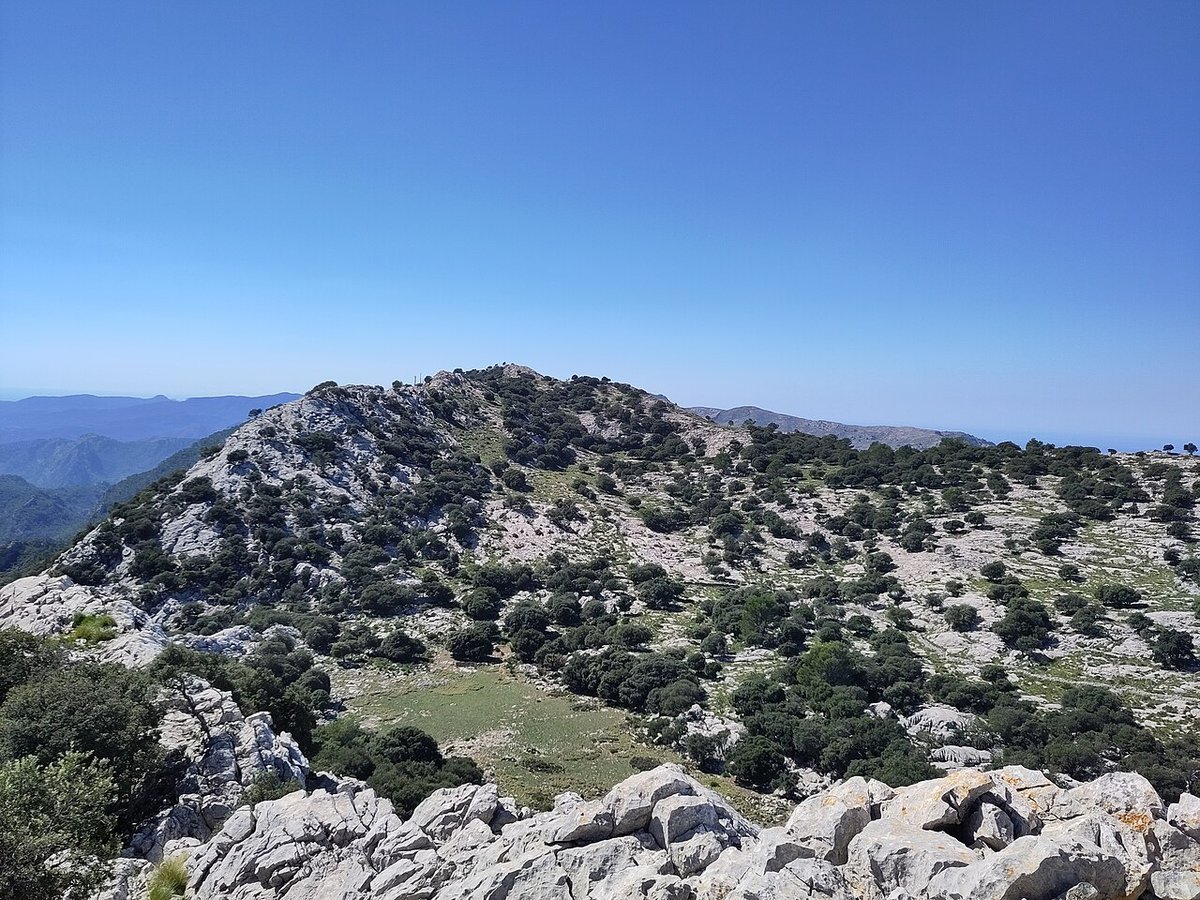
Puig Major, at 1,445 m, is the island’s ceiling, but the military radar on top bars the public. The honourable summit therefore passes to Puig de Massanella (1,364 m), reached by a 700 m climb that begins among sheep pens and finishes on naked limestone. The route crosses several private fincas; landowners charge €5 and ask walkers to sign in at a honesty box by the gate. On a clear day the view stretches to Menorca; on a murky one you’ll be alone inside a milk bottle. Either way, the descent pounds knees harder than the ascent tests lungs.
Less masochistic visitors follow the Ma-10 road to the Mirador de ses Barques, a stone terrace that hangs above the Soller valley like a balcony. Coffee costs €2.50, but the postcard sight of terraces, olive groves and the sea 900 m below is free. Coach drivers use the viewpoint as a turnaround, so arrive before 10 a.m. or after 4 p.m. if you want silence rather than selfies.
The Canyon that Eats Trainers
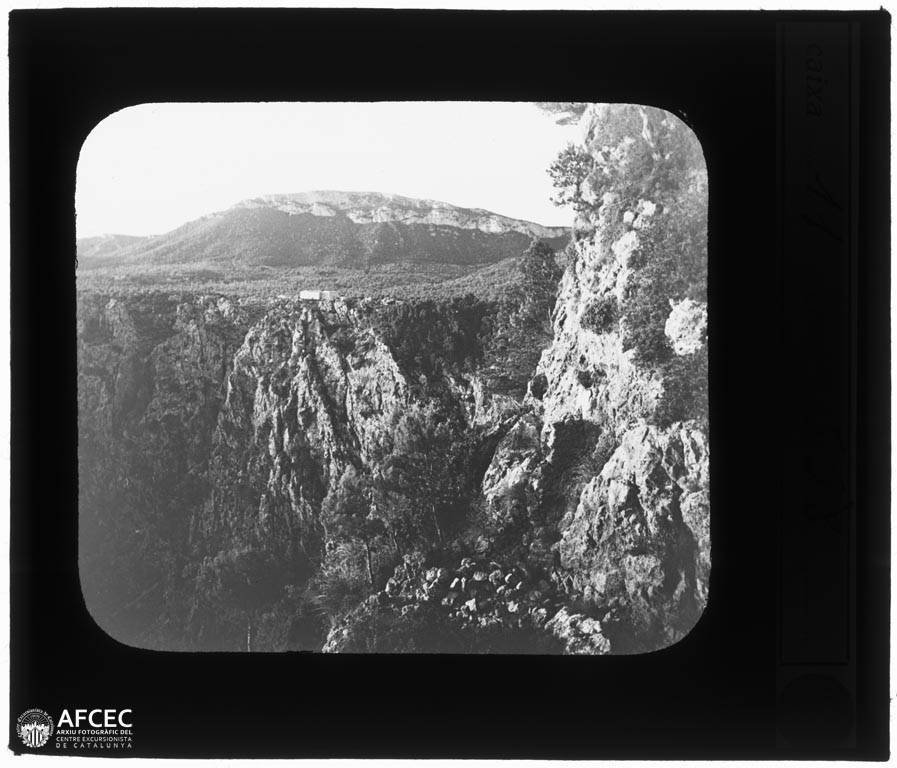
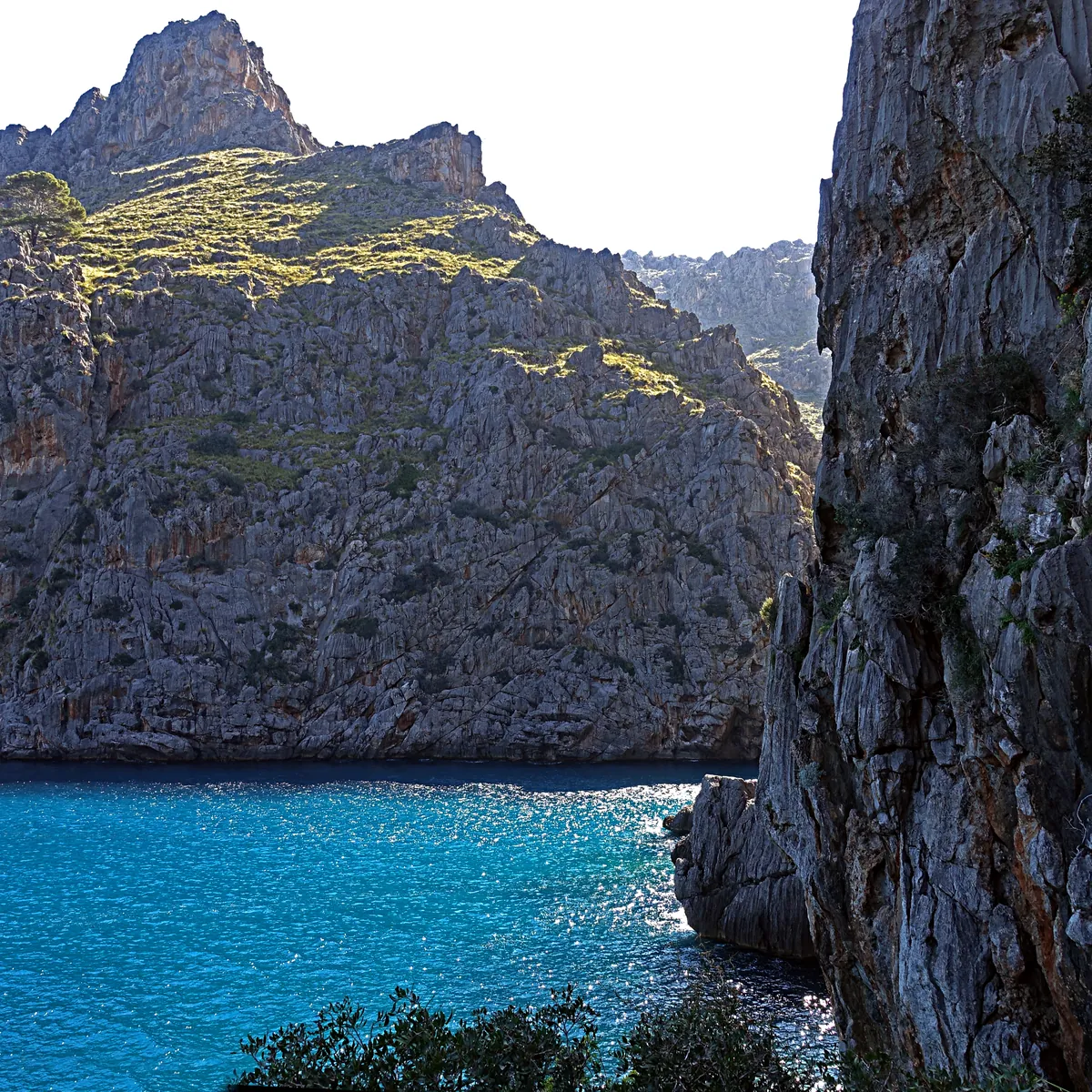
Torrent de Pareis begins high in the mountains and exits at Sa Calobra through a cathedral-sized gorge only a few metres wide. The 7 km walk down the riverbed looks straightforward on YouTube, but involves polished slabs, chock-stones the size of vans, and pools that linger long after rain. Trainers are suicide; canyoning shoes or at least grippy approach footwear are essential. After heavy rain the gorge becomes a death-trap: six people have been air-lifted out in the last two years. Check the weather in Sóller the night before; if it rained there, stay on the coastal path.
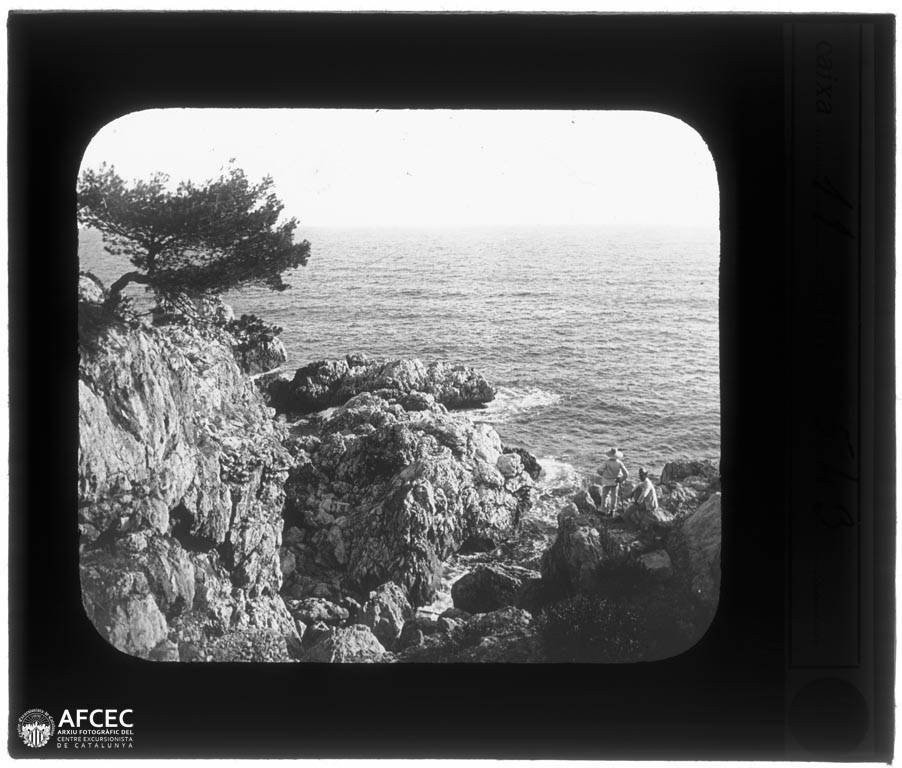
The beach at the mouth is a natural amphitheatre of scree, popular with boat trippers who arrive from Port de Sóller, swell the numbers to uncomfortable levels by 11 a.m., and vanish at 5 p.m. when the last sailing leaves. If you want the place to yourself, sleep in the cheap Hostal Torrent de Pareis (doubles €60, book early) and walk the gorge in reverse at dawn, when the only sound is the echo of your own footsteps.
Food for Walkers
Escorca’s cuisine never strays far from the mountain larder: lamb raised on rosemary scrub, almonds, olives and whatever fits inside a pastry. In Lluc the monastery café dishes out cocarrois (half-moon pies stuffed with chard and raisins) and panades (round savoury pies with lamb and peas). Both travel well in a rucksack and cost €2.50 each. For a sit-down meal, Es Vergeret perches on a cliff above Cala Tuent with tables on a pine-shaded terrace. The menu is short—grilled dorada, local lamb shoulder, almond cake—but the view across to the Puig Major ridge is longer than most British counties. Expect €22 for fish, €18 for lamb; house red from Binissalem is soft enough to drink without wincing. Reserve the front row the day before or you’ll stare at someone’s rucksack instead of the sea.
When to Come, When to Stay Away
April–May and late September–October give warm days, cool nights, and wild-flowers or autumn colour depending on the month. Accommodation prices drop 25% from summer highs, and you’ll meet more hikers than hire-car convoys. July–August turn the Ma-10 into an exhaust-filled conga; Sa Calobra’s car park fills by 9:30 a.m., and canyon temperatures top 35 °C in the shade that doesn’t exist. Winter brings snow above 900 m and the occasional road closure, but also empty trails and the odd perfect blue-sky day when the only noise is goat bells. If you do come off-season, fill the tank in Inca—petrol stations don’t survive on 194 customers.
Getting Here, Getting Out
Palma airport is 55 km south; the drive takes 75 minutes via the Ma-13 to Inca, then the Ma-2140 to Lluc. Buses run from Palma to Lluc twice daily except Sunday, but they leave little margin for missed connections and finish before the monastery bar shuts. Car hire remains the realistic option; request a small vehicle—many passing places on the Ma-10 are exactly one Fiat Panda wide. Cyclists should note the road to Sa Calobra is a Strava legend: 9.5 km, 7% average, 26 hairpins, and coach drivers who treat the white line as optional. Descend before breakfast if you value your skin.
Leave Escorca as you found it: water bottle empty, knees slightly trembling, phone full of photos you’ll struggle to place later. There is no souvenir shop, no fridge-magnet philosophy, just the memory of an island tipped on its edge, trying to shake the last human off the cliff.